
Photos from current listings. Actual item, color, and included accessories may vary.
Die Cutting Machine Buying Guide
Die cutting machines split into manual roller presses that squeeze steel-rule dies through a fixed-width opening and electronic smart cutters that drive a blade or rotary tool from digital files. The core trade-off is die compatibility and force versus digital precision and material range: manual presses need the right plate stack and opening width for each die, while electronic machines lock you into a blade/tool ecosystem and software. Buy manual if you cut thick leather, chipboard, or fabric with steel dies; buy electronic if you need repeatable vinyl, paper, and SVG cuts without a die library.
Median $90.49
Key takeaways
- Manual press opening width (6 in vs 9 in) is the hard limit: 6 in machines cannot accept 6x12 in or wider dies or plates, while 9 in openings take standard 6 in and most 9 in platforms.
- Electronic cutters use two architectures: blade-only machines (fine-point blade for vinyl/paper) versus adaptive-tool machines with higher force for fabric, balsa, and thick leather.
- Manual machines are rated by passing a plate stack (base plate + die + material + cutting plate) through rollers; stack height and roller gap determine max material thickness, not the die size.
At a glance
- Category
- Craft Cutting, Embroidery & Heat Press Machines
- Last updated
- Nov 29, 2026
Current offers
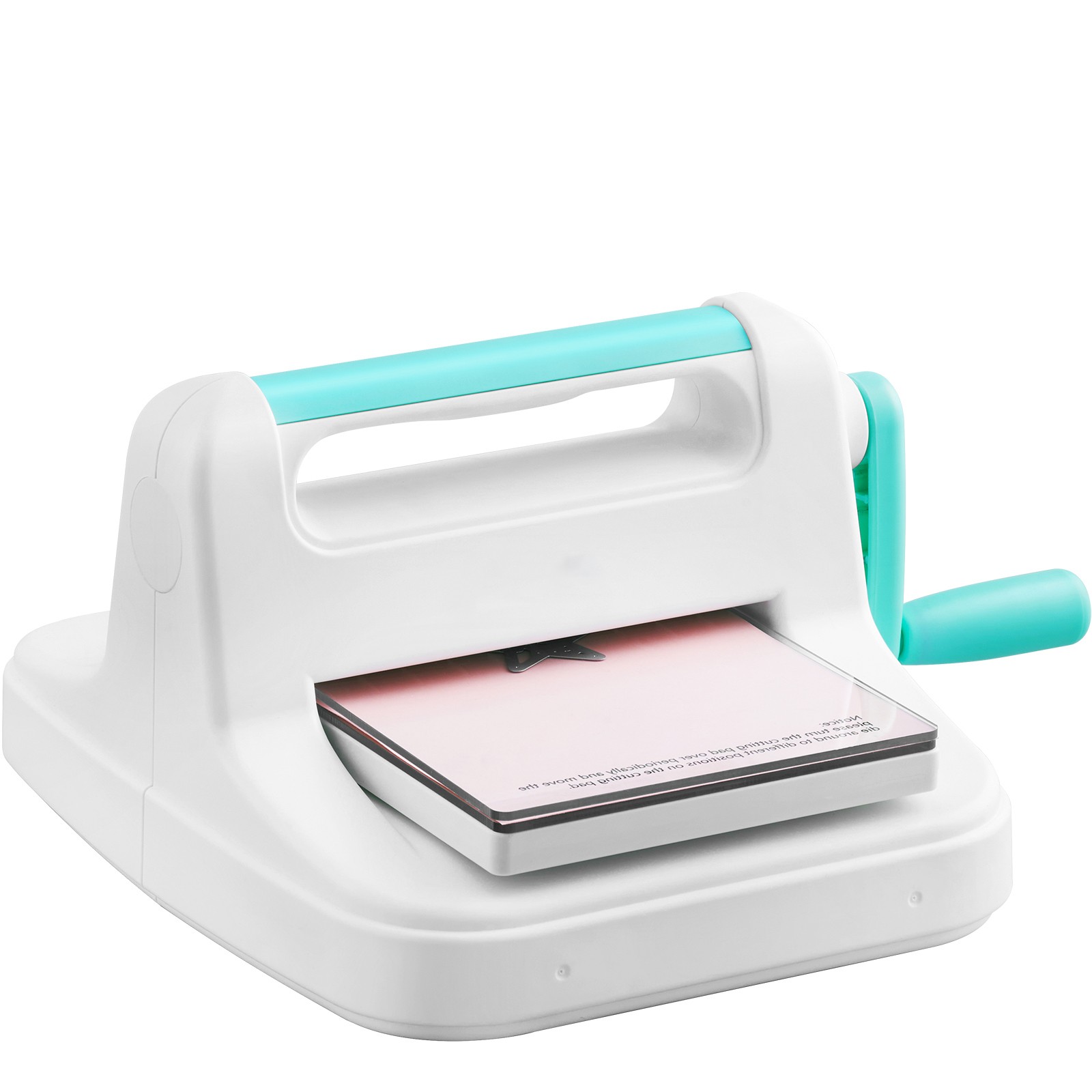 Uimoso Manual Die Cutting Machine with 6" Opening for Crafting and Scrapbooking$53.99Last checked Nov 29, 2026View on eBay
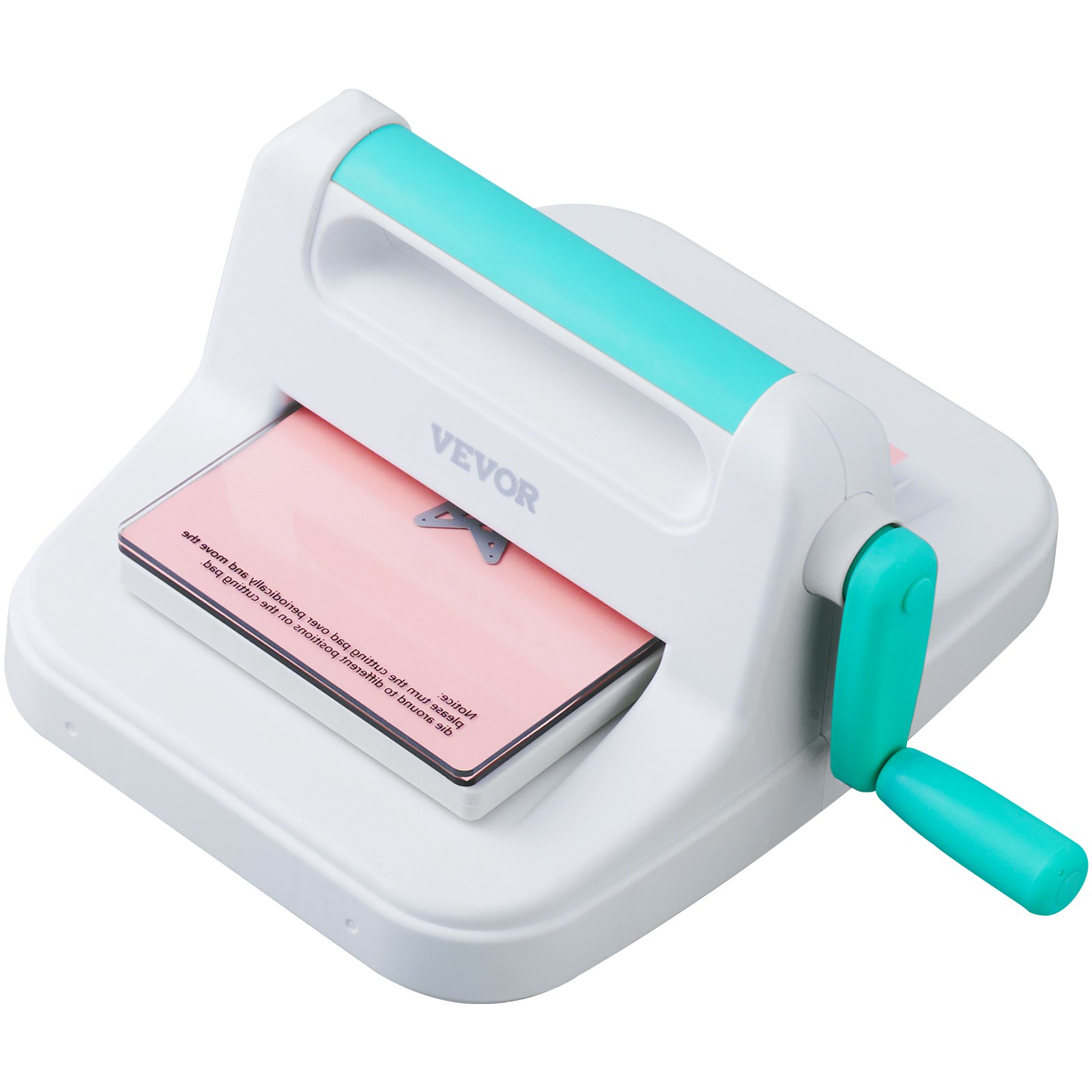 Manual Die Cutting & Embossing Machine, Portable Cut Machines, 6 Inch Opening Scrapbooking Full Kit Included, For Arts & Crafts, Card Making And Crafting, White$83.99View on Mallflare
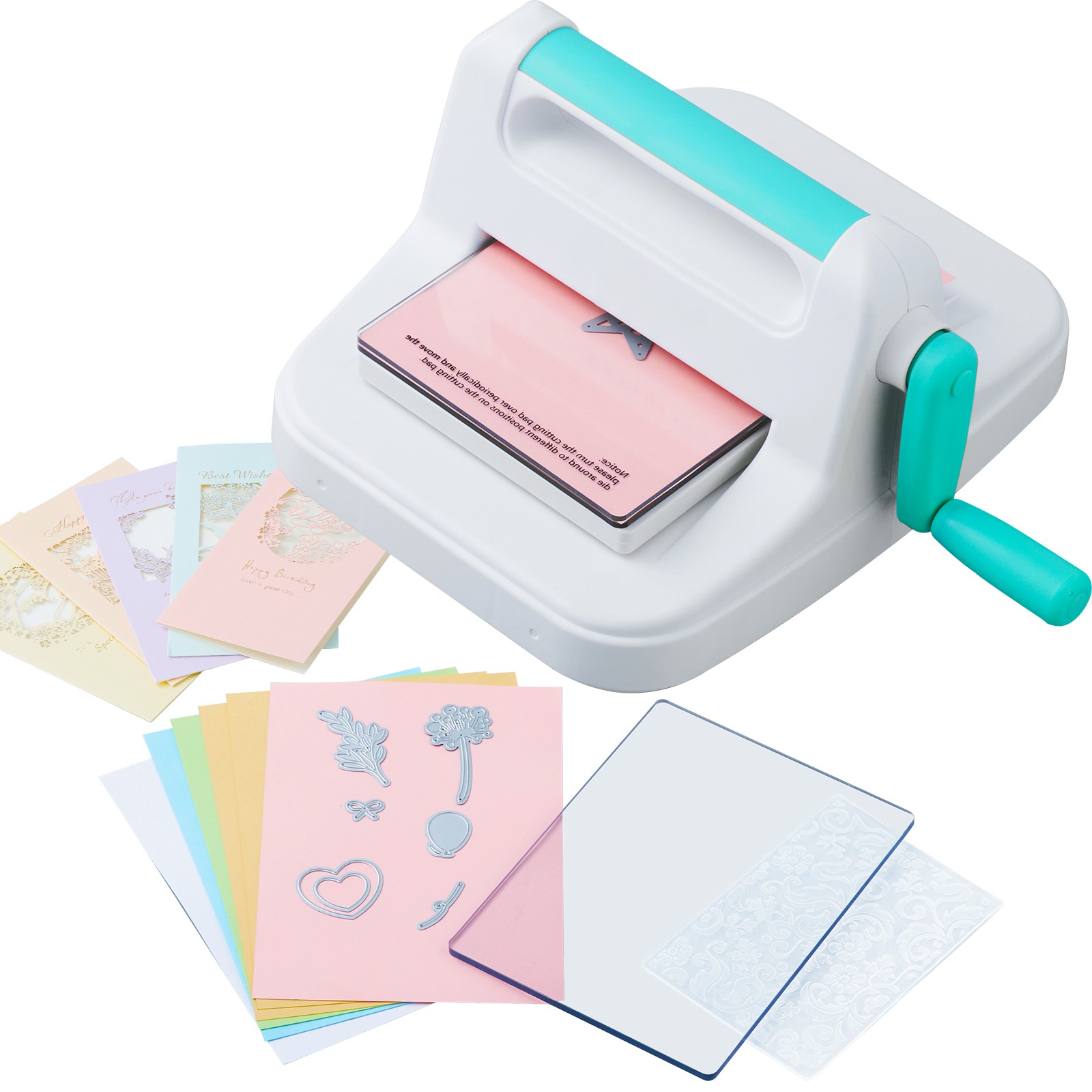 Manual Die Cutting Embossing Machine 6" Opening For Art Craft Scrapbooking$54.99Last checked Nov 28, 2026View on eBay
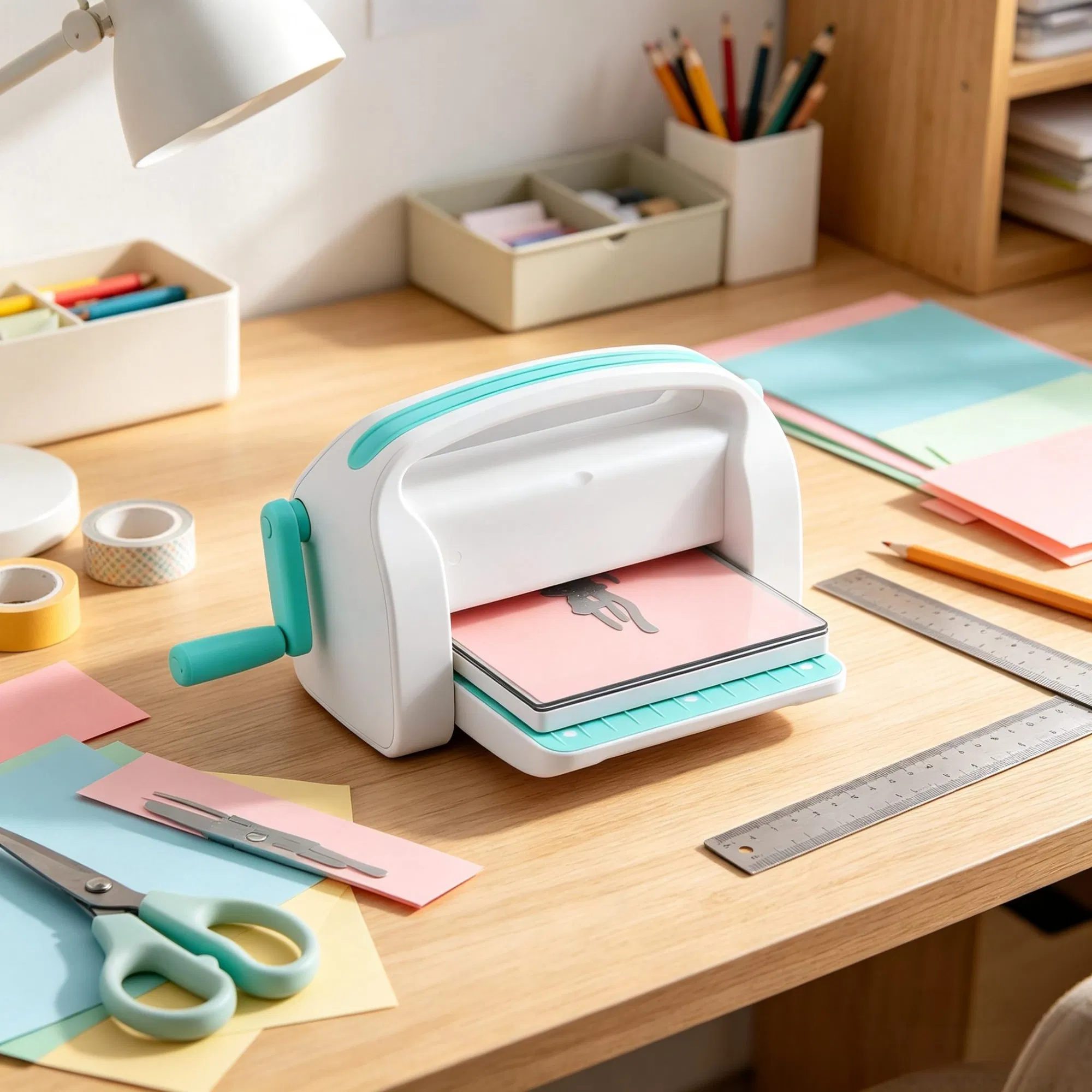 White Manual Die Cutting & Embossing Machine, 9 Inch Opening Portable Scrapbooking with Full Kit, Ideal for Arts, Crafts, Card Making & Paper Crafting$210.99View on Mallflare
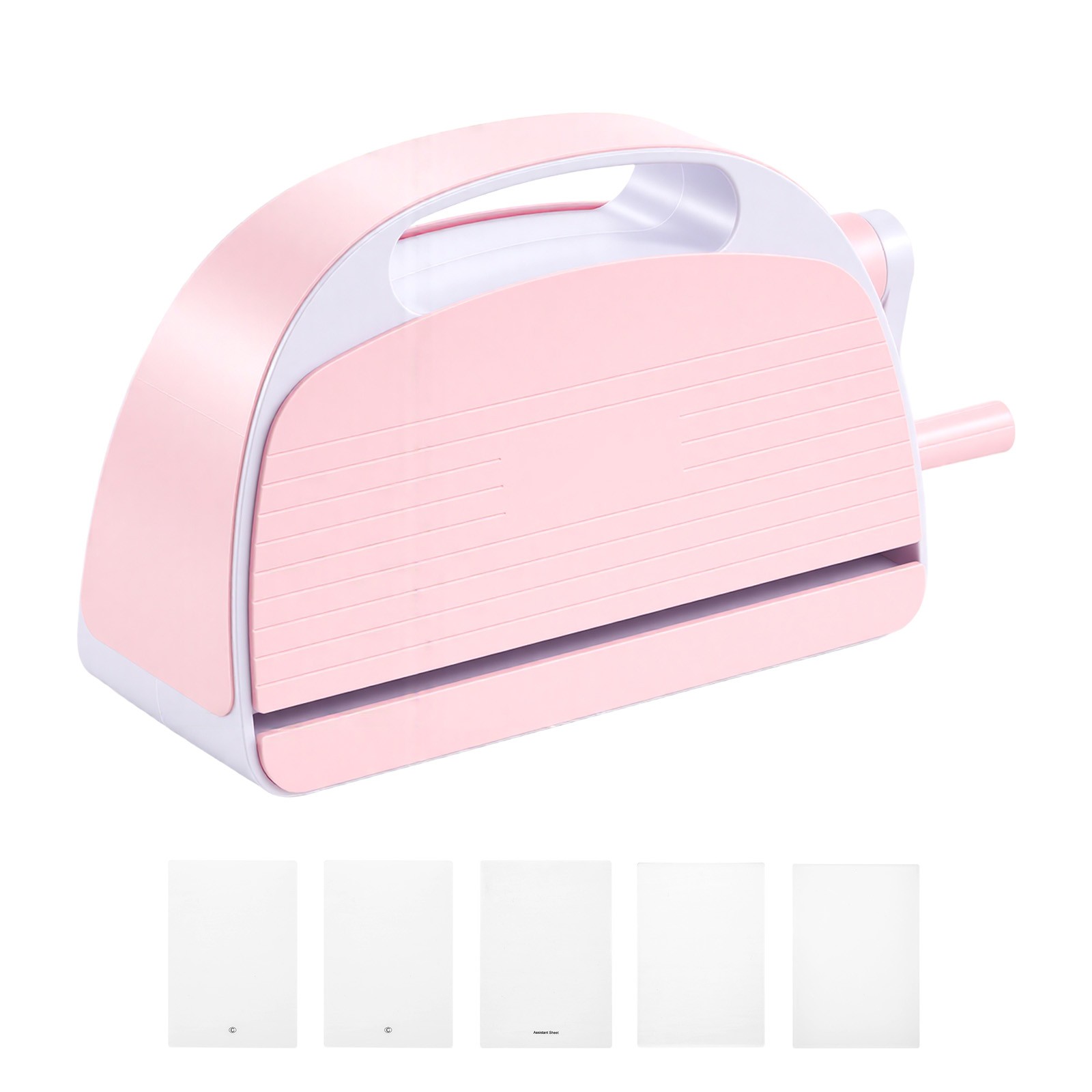 Uimoso Manual Die Cutting & Embossing Machine, 9" Opening, Portable for Crafting$72.99Last checked Nov 29, 2026View on eBay
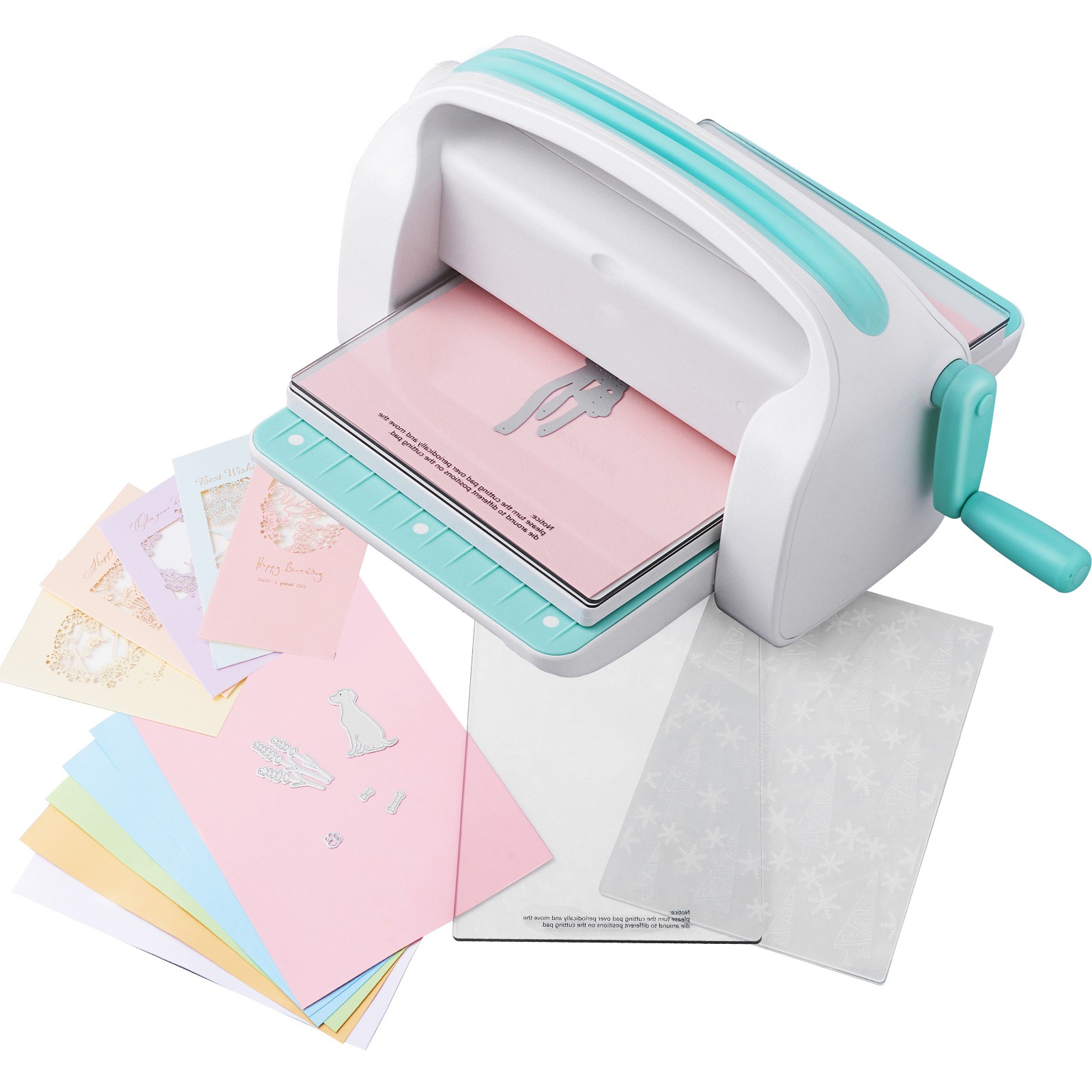 Manual Die Cutting Embossing Machine 9" Opening For Art Craft Scrapbooking$86.99Last checked Nov 29, 2026View on eBay
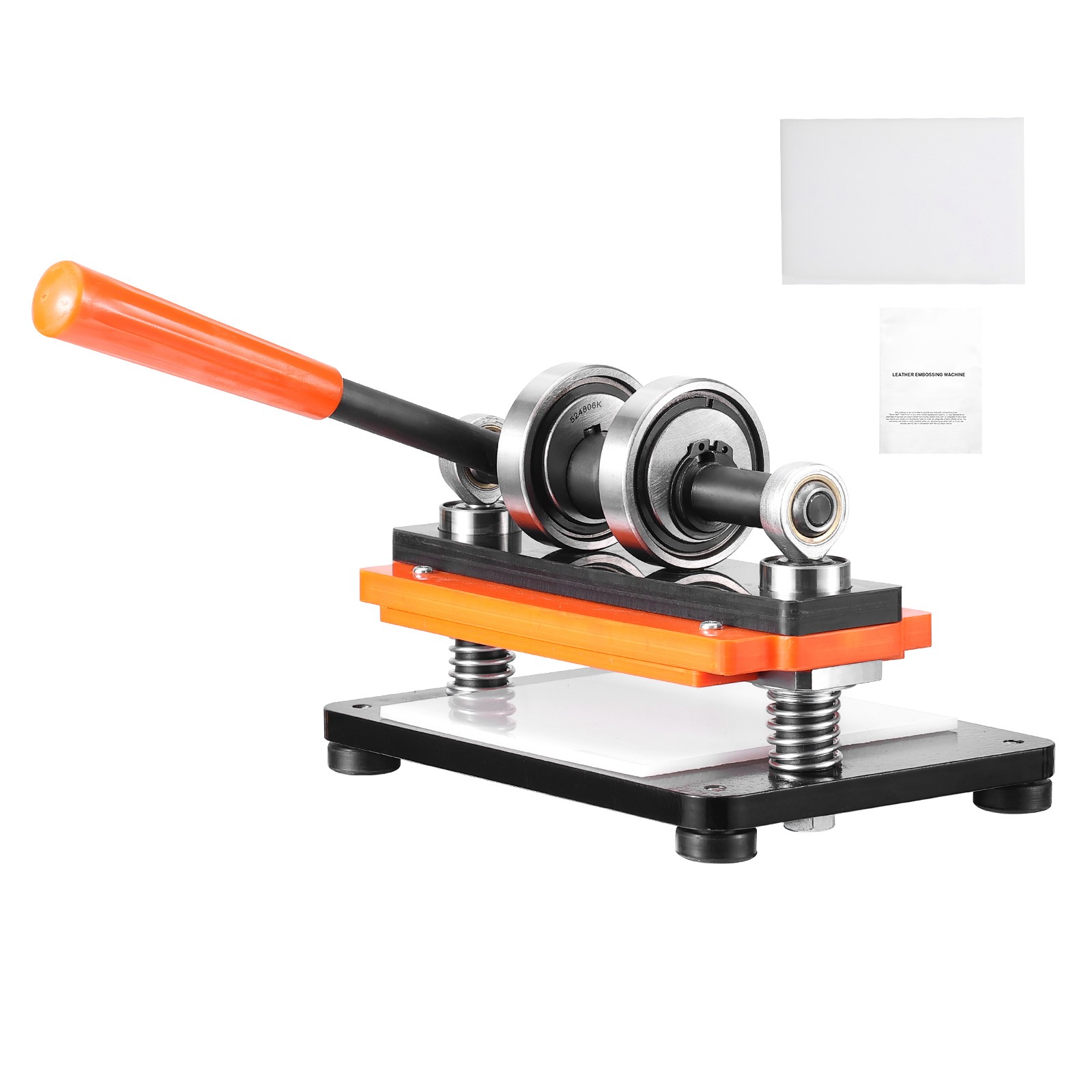 Leather Cutting Machine 7.1 x 3.9 in Embossing Plate Manual Die Cutter$93.99Last checked Nov 29, 2026View on eBay
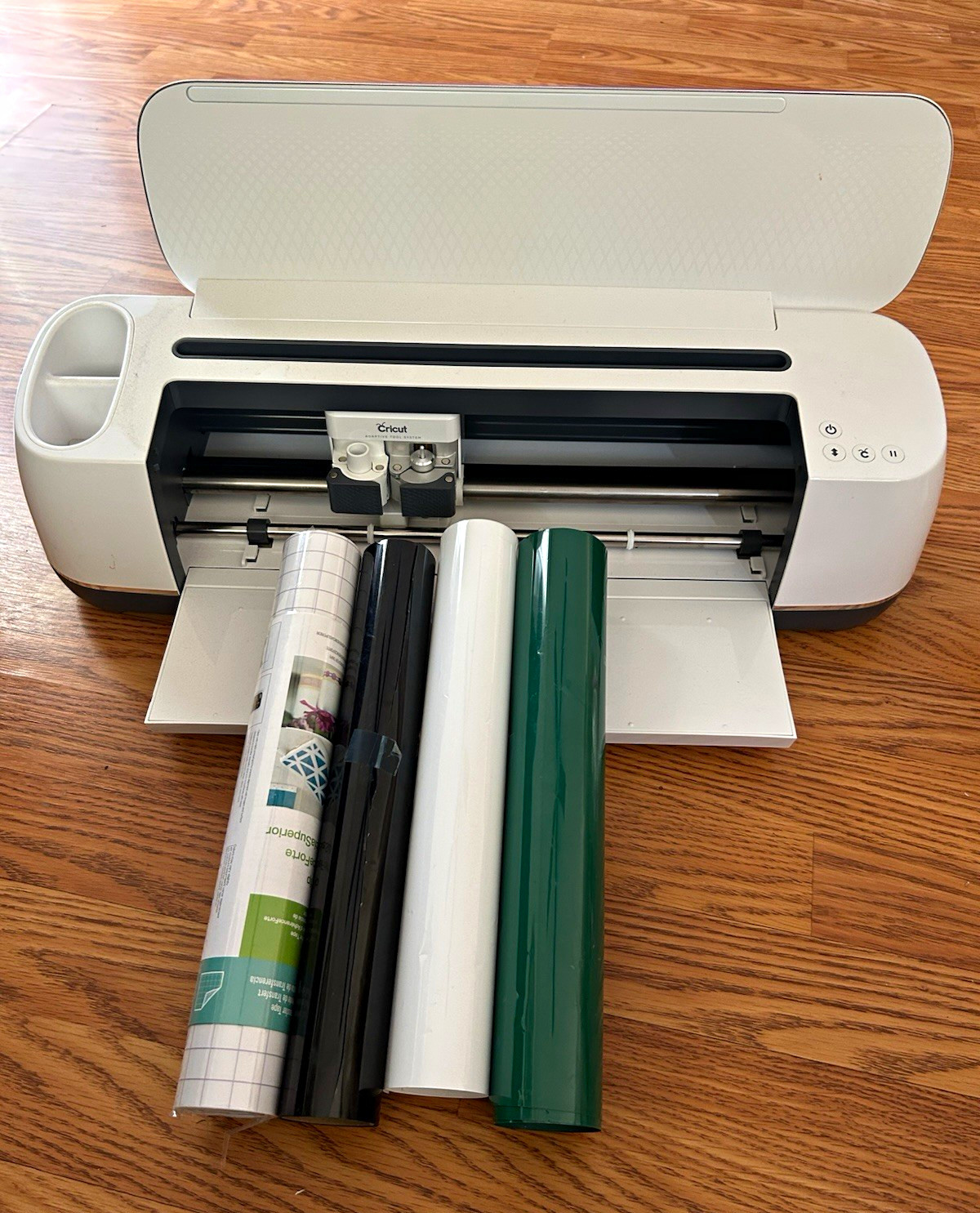 Cricut Maker Die Cutting Machine w/ Green White Black Vinyl(Tested)$110.00View on eBay
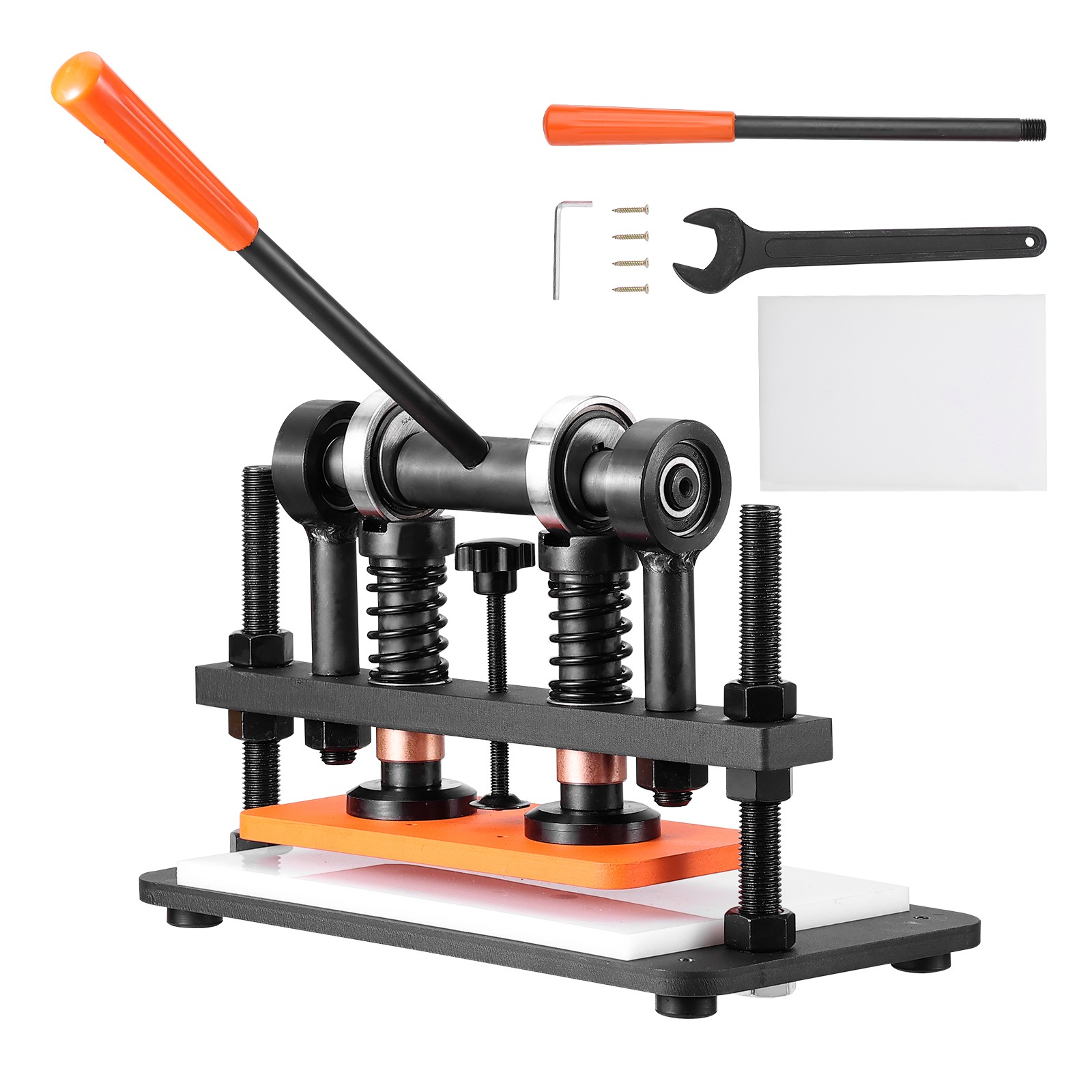 Leather Cutting Machine 10.2 x 4.7 in Embossing Plate Manual Die Cutter$130.99View on eBay
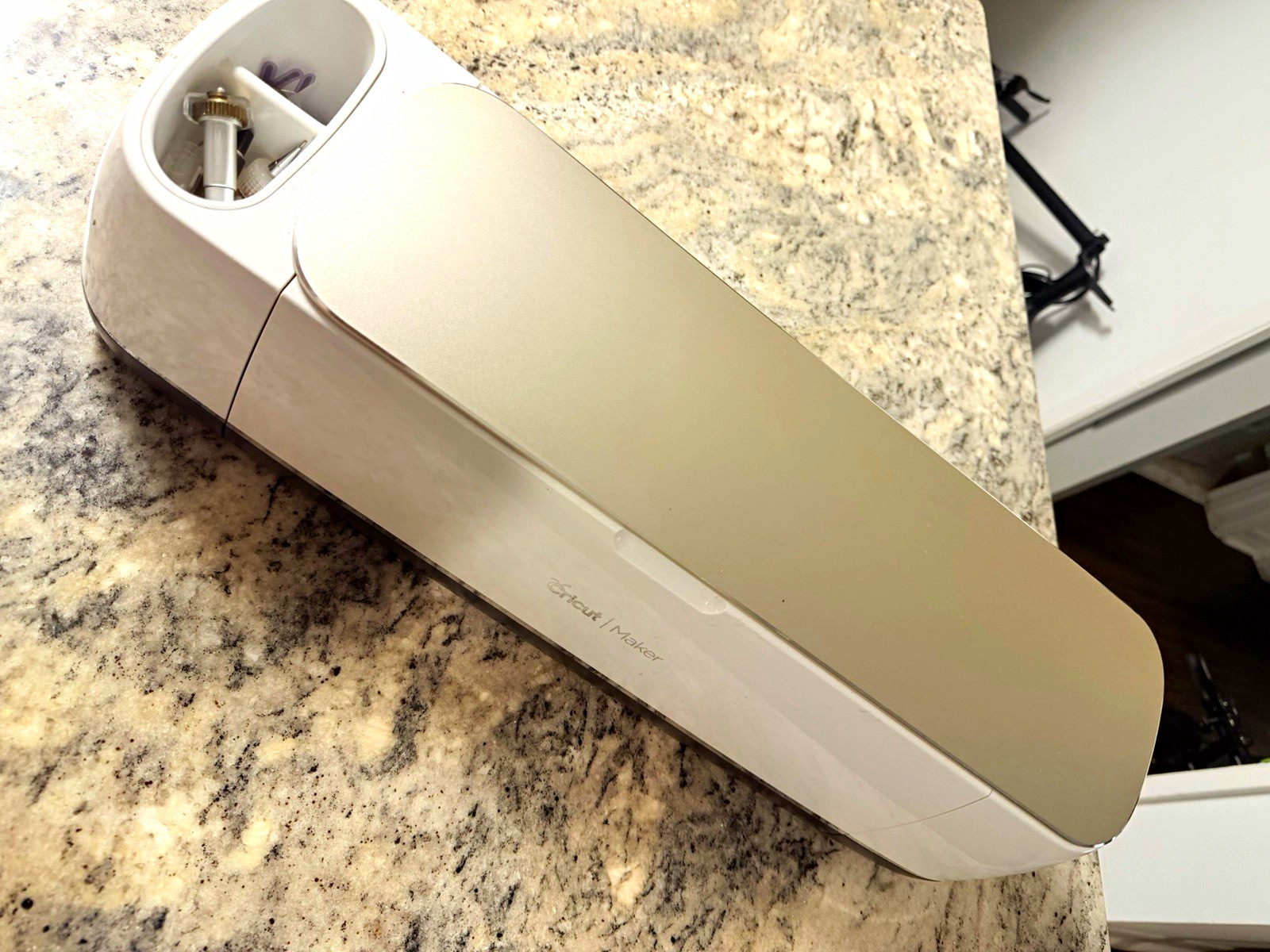 Cricut Maker Electronic Die Cutting Machine Craft Cutting System$290.00Last checked Nov 17, 2026View on eBay
Highlights
- Manual press opening width (6 in vs 9 in) is the hard limit: 6 in machines cannot accept 6x12 in or wider dies or plates, while 9 in openings take standard 6 in and most 9 in platforms.
- Electronic cutters use two architectures: blade-only machines (fine-point blade for vinyl/paper) versus adaptive-tool machines with higher force for fabric, balsa, and thick leather.
- Manual machines are rated by passing a plate stack (base plate + die + material + cutting plate) through rollers; stack height and roller gap determine max material thickness, not the die size.
- Electronic cutters cut from SVG/DXF via cloud or desktop software; manual machines cut only the physical die shape you own, so die inventory is the real cost driver.
Best use cases
- Buy a 9 in manual press if you cut leather, chipboard, or fabric with steel-rule dies and need force; skip 6 in models because they block standard 6x12 in dies.
- Buy a compact electronic cutter for vinyl decals, cardstock, and HTV if you work from digital files and want no die library; skip it if you routinely cut thick leather or balsa.
- Buy an adaptive-tool electronic machine if you cut fabric, felt, and thick leather from digital patterns; skip blade-only models because they stall on dense materials.
- Buy a 6 in manual press only for card-making and small scrapbook dies where portability matters; skip it for any project needing 6x12 in or larger die footprints.
Buying tips
- Match opening width to your die footprint: 6 in opening handles up to 6 in wide platforms; 9 in opening handles 6x12 in and 9 in platforms. Measure your largest die before choosing.
- Check plate stack thickness: manual machines cut only what fits between base plate and cutting plate through the roller gap; thick leather needs a machine rated for added shims.
- For electronic cutters, confirm blade/tool ecosystem: fine-point blade for vinyl and paper; deep-cut or rotary blade for fabric; adaptive tool for balsa and thick leather.
- Verify software file support: electronic machines cut SVG, DXF, and PNG via cloud or desktop app; manual machines need no software but require physical dies in the correct size.
Specs
| Drive Type | Manual roller vs electronic motor |
|---|---|
| Opening Width | 6 in vs 9 in platform |
| Material Range | Paper/vinyl vs leather/chipboard |
| File Format | Physical dies vs SVG/DXF |
Related searches
What to check before buying
- Measure your largest die and plate footprint; confirm the machine opening (6 in vs 9 in) exceeds it with clearance.
- Confirm your thickest material (leather, chipboard, fabric) fits the plate stack and roller gap; add shims only if the machine is rated for them.
- For electronic cutters, check computer/phone compatibility and whether the software is cloud-only or offline desktop.
- Verify voltage and plug standard for your region, and that replacement blades, mats, and plates are available in the same width.
FAQ
Data sources: eBay / Amazon listings and product attribute feeds. Updated Nov 29, 2026.
Some links on this page are affiliate links. If you buy after clicking one, we may earn a commission at no extra cost to you. This does not change which products appear here or their order. Affiliate disclosure.