
Photos from current listings. Actual item, color, and included accessories may vary.
Manual Die Cutting Machine Buying Guide
Manual die cutting machines are hand-cranked presses that sandwich steel-rule dies, paper, and cutting plates between two rollers to cut and emboss paper, cardstock, and thin leather. The core trade-off is opening width and roller pressure rigidity: 6-inch units suit cards and small dies, while 9-inch or wider machines accept full scrapbook sheets and thicker sandwich stacks. The decision rule is simple: buy a steel-frame or reinforced-composite press whose opening matches your widest die and intended media; skip narrow plastic-bodied presses if you plan to cut leather or thick chipboard.
Median $85.49
Key takeaways
- Opening width is the primary compatibility spec: 6-inch machines accept A2 cards and most wafer-thin dies, while 9-inch models clear 12-inch scrapbook paper folded or full-width embossing folders.
- Roller pressure and frame rigidity determine cut quality: steel or reinforced composite frames hold consistent pressure through thick sandwich stacks; thin plastic frames flex and produce partial cuts on cardstock above 80 lb.
- Standard sandwich architecture uses two cutting plates plus a die and shim; machines that list plate thickness compatibility (typically 1/8-inch to 3/16-inch stacks) handle leather and chipboard without jamming.
At a glance
- Category
- Craft Cutting, Embroidery & Heat Press Machines
- Last updated
- Nov 29, 2026
Current offers
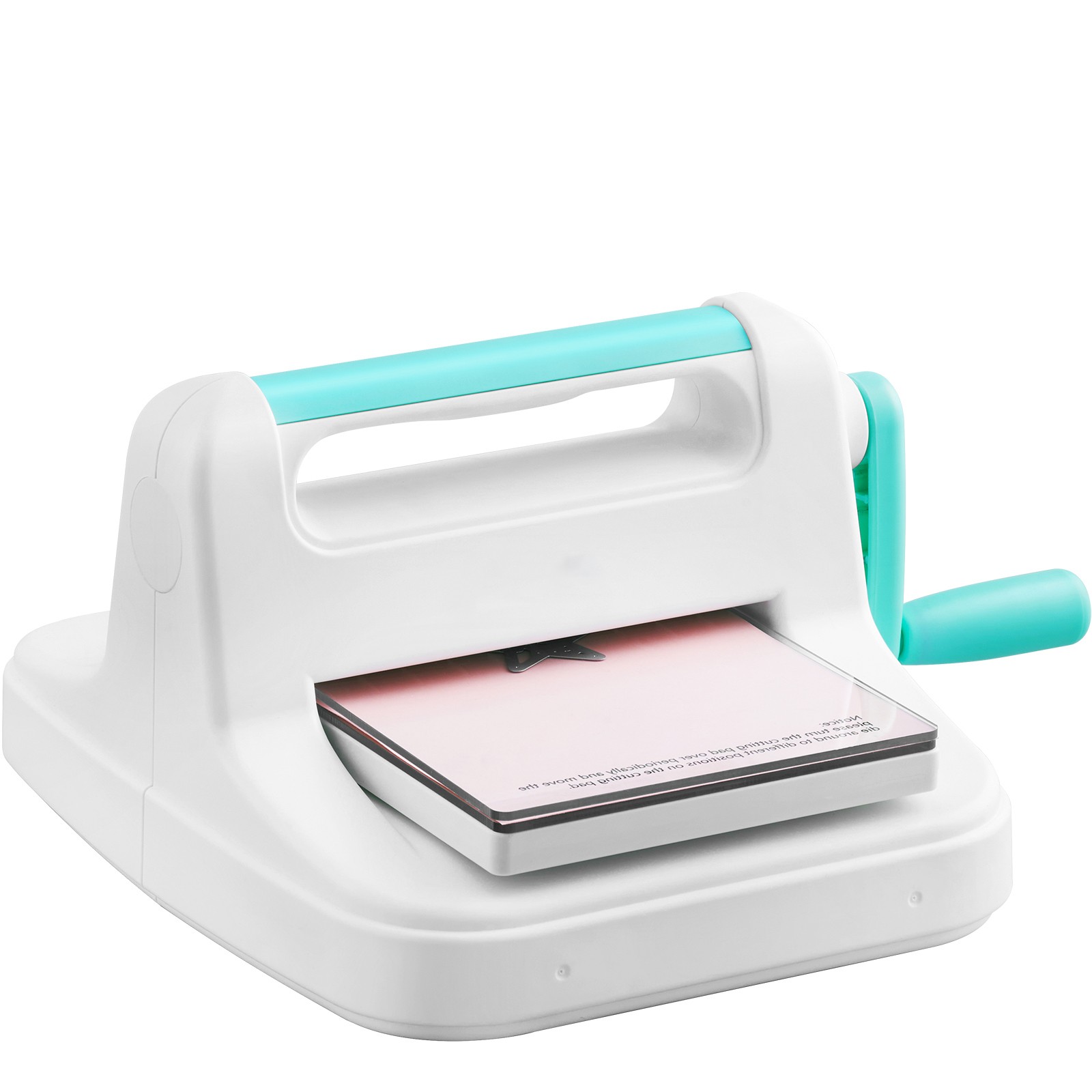 Uimoso Manual Die Cutting Machine with 6" Opening for Crafting and Scrapbooking$53.99Last checked Nov 29, 2026View on eBay
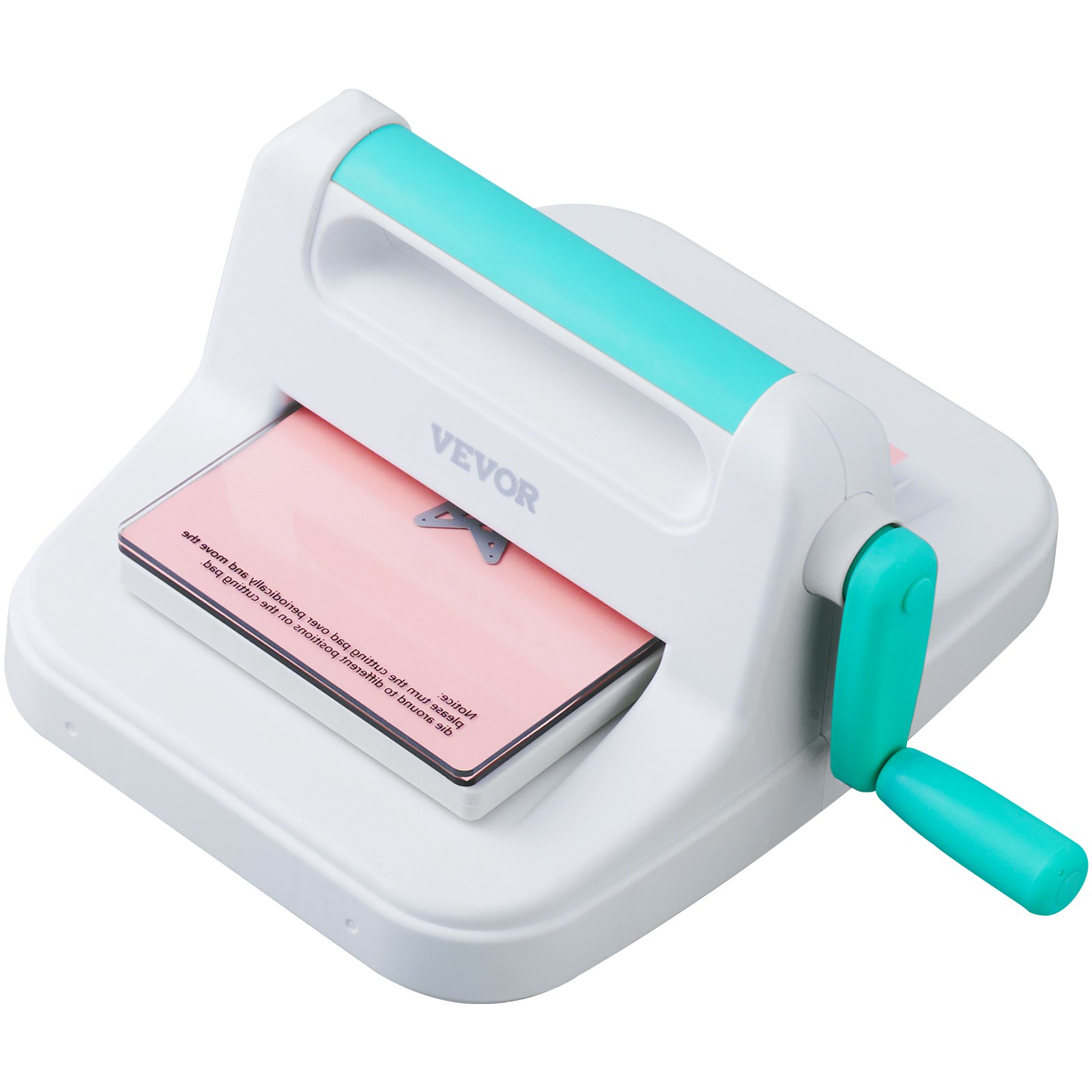 Manual Die Cutting & Embossing Machine, Portable Cut Machines, 6 Inch Opening Scrapbooking Full Kit Included, For Arts & Crafts, Card Making And Crafting, White$83.99View on Mallflare
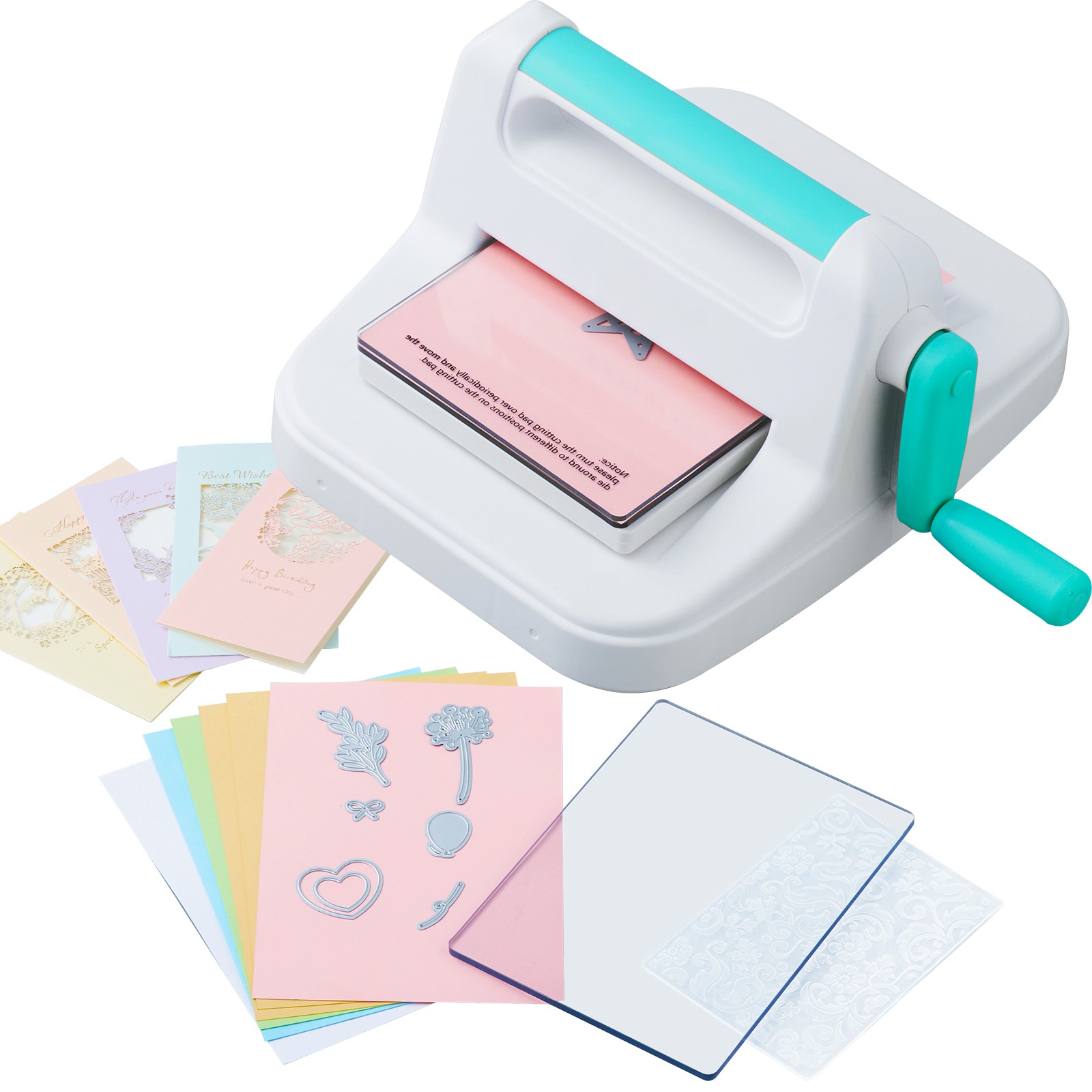 Manual Die Cutting Embossing Machine 6" Opening For Art Craft Scrapbooking$54.99Last checked Nov 28, 2026View on eBay
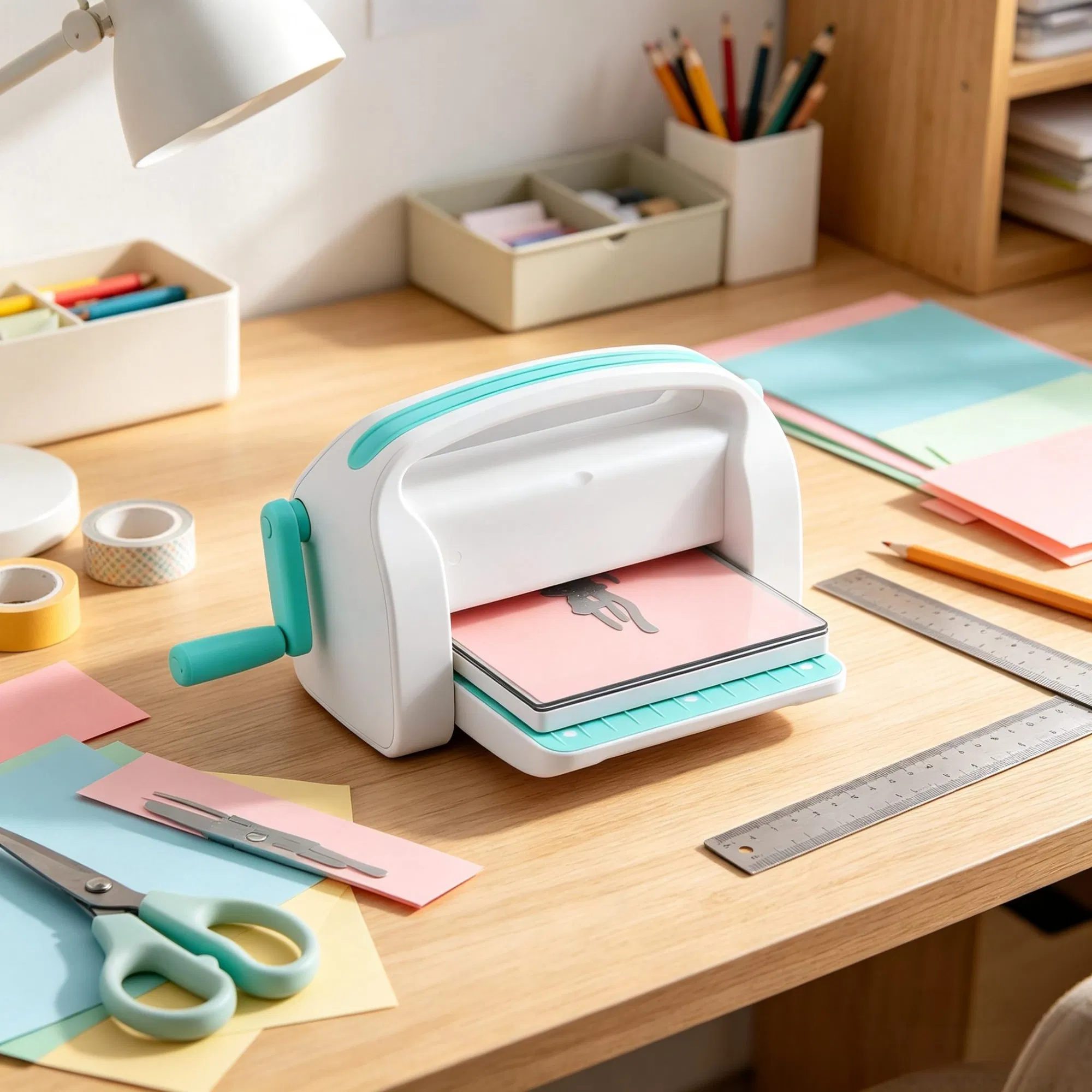 White Manual Die Cutting & Embossing Machine, 9 Inch Opening Portable Scrapbooking with Full Kit, Ideal for Arts, Crafts, Card Making & Paper Crafting$210.99View on Mallflare
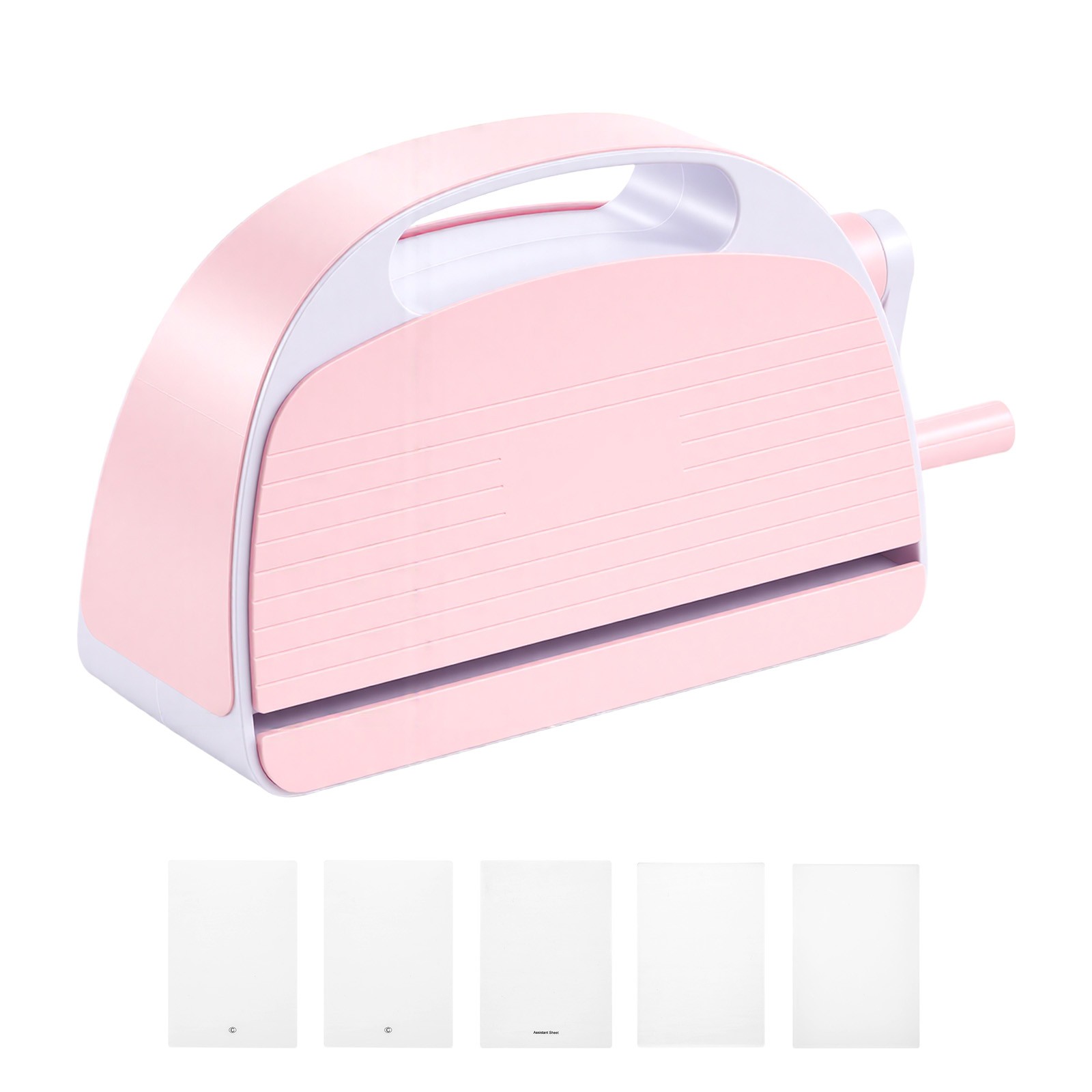 Uimoso Manual Die Cutting & Embossing Machine, 9" Opening, Portable for Crafting$72.99Last checked Nov 29, 2026View on eBay
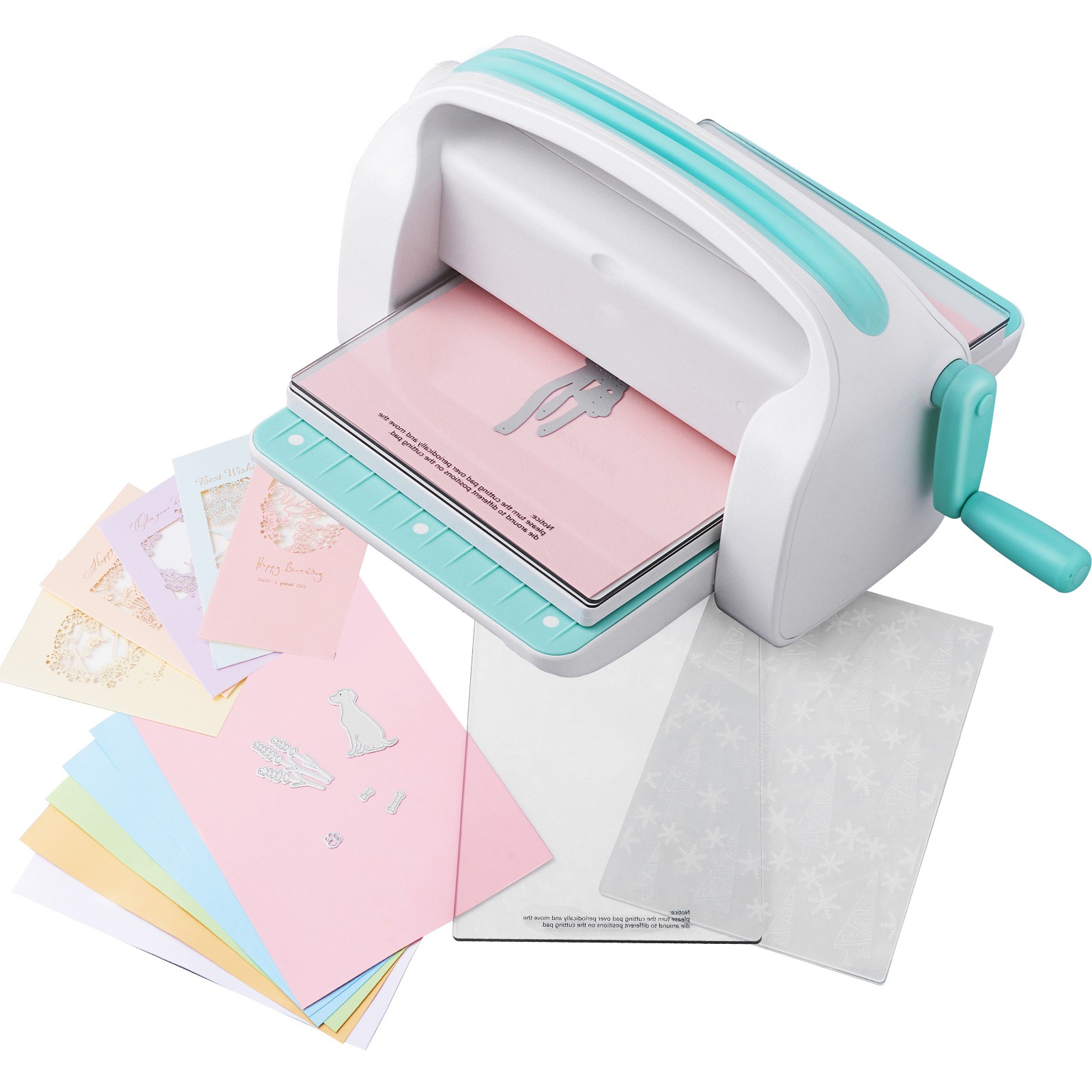 Manual Die Cutting Embossing Machine 9" Opening For Art Craft Scrapbooking$86.99Last checked Nov 29, 2026View on eBay
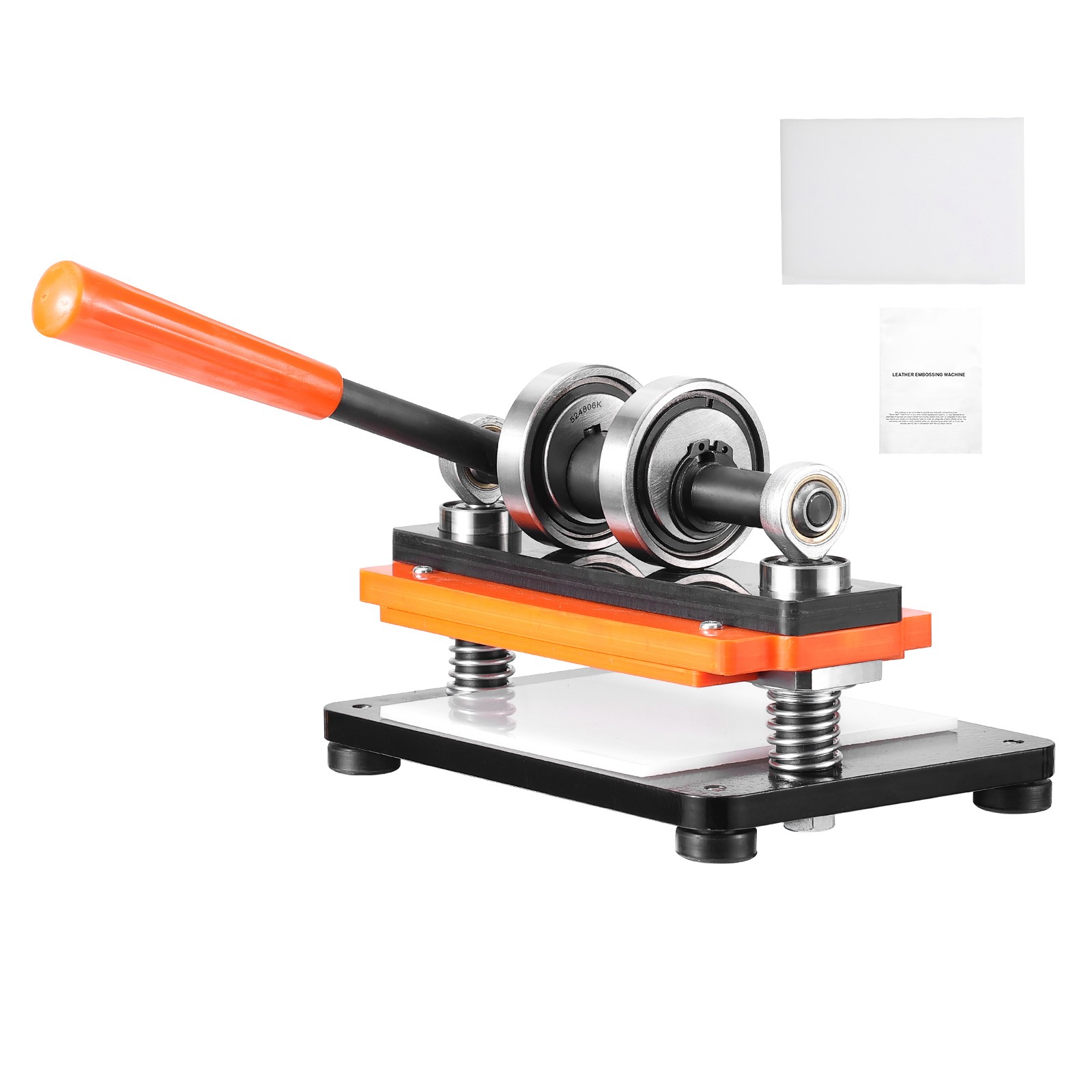 Leather Cutting Machine 7.1 x 3.9 in Embossing Plate Manual Die Cutter$93.99Last checked Nov 29, 2026View on eBay
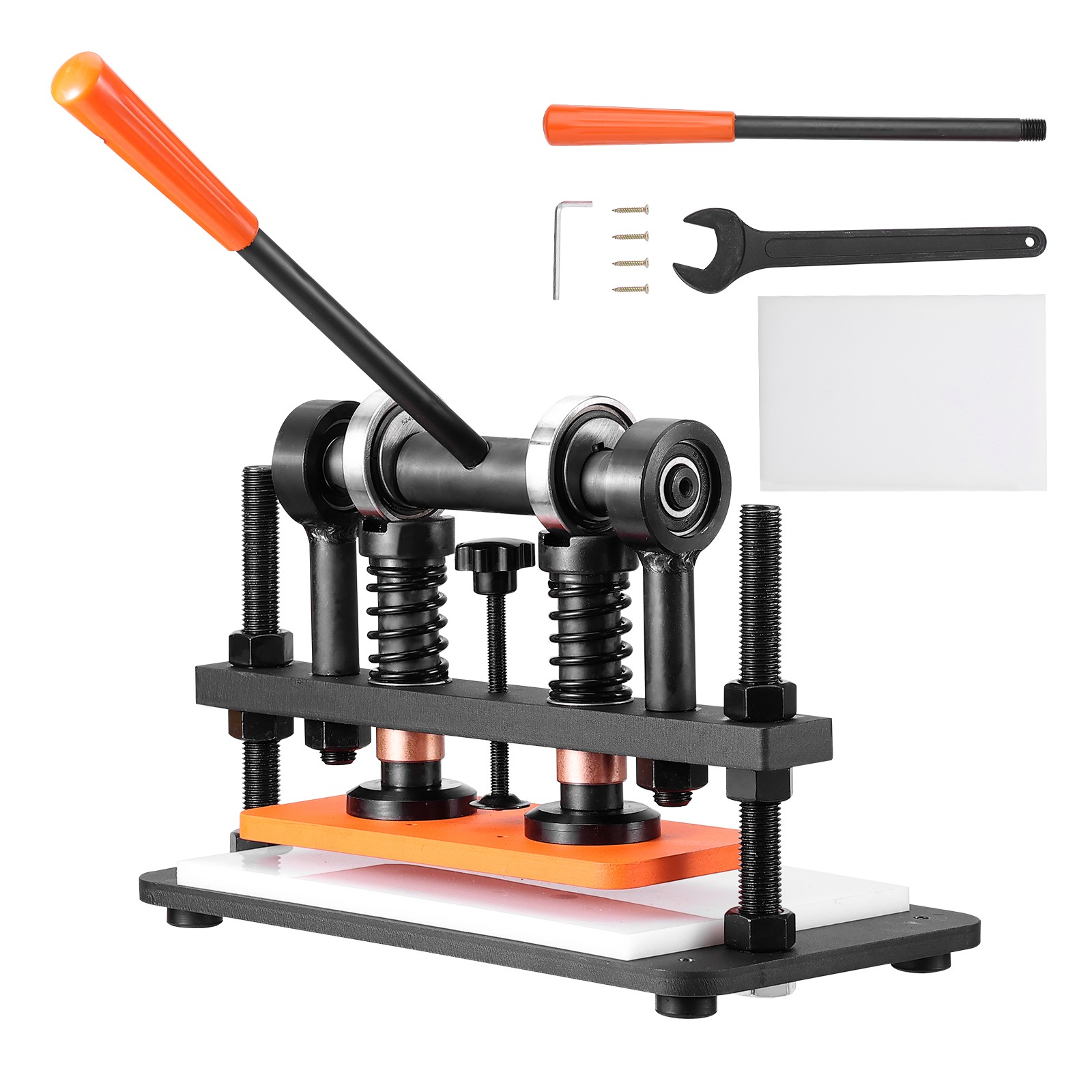 Leather Cutting Machine 10.2 x 4.7 in Embossing Plate Manual Die Cutter$130.99View on eBay
Highlights
- Opening width is the primary compatibility spec: 6-inch machines accept A2 cards and most wafer-thin dies, while 9-inch models clear 12-inch scrapbook paper folded or full-width embossing folders.
- Roller pressure and frame rigidity determine cut quality: steel or reinforced composite frames hold consistent pressure through thick sandwich stacks; thin plastic frames flex and produce partial cuts on cardstock above 80 lb.
- Standard sandwich architecture uses two cutting plates plus a die and shim; machines that list plate thickness compatibility (typically 1/8-inch to 3/16-inch stacks) handle leather and chipboard without jamming.
- Manual presses require no power or voltage and are inherently portable, but crank-arm ergonomics and suction-cup or clamp bases separate stable tabletop units from units that walk during high-pressure passes.
Best use cases
- Card making and scrapbooking: pick a 6-inch opening machine with included cutting plates and embossing folder — ideal for A2 cards, die-cut sentiments, and thin paper; skip 9-inch units unless you routinely cut full 12-inch sheets.
- Leather crafting and thick media: choose a 9-inch or wider press with a rigid steel frame and clearly stated plate thickness of 3/16-inch or more; avoid plastic-bodied 6-inch units, which flex and under-cut leather above 2 oz.
- Portable or classroom crafting: a compact 6-inch press with a clamp or suction base travels well and stores in a tote; skip heavy 10-inch leather-specific presses if you need to move the machine between rooms.
- High-volume repeated die cutting: select a machine with a long crank arm and secure tabletop mounting; skip lightweight portable presses, whose short cranks and light frames slow throughput and drift under repeated passes.
Buying tips
- Match opening width to your widest die and media: 6-inch opening fits dies up to 6 inches wide and A2 paper; 9-inch opening fits 12-inch scrapbook sheets and full-width embossing folders.
- Check frame material before buying: steel or reinforced composite frames hold roller alignment under pressure; all-plastic frames are acceptable only for paper and thin cardstock, not leather or chipboard.
- Confirm the included plate stack: a complete kit ships with two cutting plates plus a die adapter or shim; machines missing plates require buying replacements that must match the exact opening width.
- For leather, verify plate thickness capacity of at least 3/16 inch and a rigid base; thin stacks and flexing frames cause partial cuts and ruined hides.
Specs
| Opening Width | 6 in / 9 in / 10 in+ tiers |
|---|---|
| Frame Material | Steel / reinforced composite vs plastic |
| Plate Stack | Two plates + shim, 1/8-3/16 in |
| Media Capacity | Paper/cardstock to leather & chipboard |
Related searches
What to check before buying
- Measure your widest die and paper: if any die exceeds 6 inches or you cut 12-inch sheets, choose a 9-inch or wider opening.
- Confirm tabletop space and mounting: allow footprint plus crank swing clearance, and plan for a clamp or suction base on smooth surfaces.
- Check plate and die compatibility: ensure the machine accepts standard 1/8-inch to 3/16-inch sandwich stacks and that replacement plates are available in the same opening width.
- For leather or thick media, verify frame material is steel or reinforced composite and that the base does not flex under a full-pressure pass.
FAQ
Data sources: eBay / Amazon listings and product attribute feeds. Updated Nov 29, 2026.
Some links on this page are affiliate links. If you buy after clicking one, we may earn a commission at no extra cost to you. This does not change which products appear here or their order. Affiliate disclosure.