
Photos from current listings. Actual item, color, and included accessories may vary.
Leather Sewing Buying Guide
Leather sewing tools split into two jobs: punching clean, evenly spaced holes and holding the work rigid while you saddle-stitch. The decisive trade-off is pricking-iron tooth geometry and steel hardness versus thread and awl quality—cheap chrome-plated chisels dull on veg-tan and tear the hole, while hardened polished irons keep a repeatable 4mm or 5mm pitch for years. Buy a hardened French-style pricking iron set plus a clamp-mount pony if you want the work to stay square; skip soft stamped chisels and tabletop ponies with plastic jaws.
Median $27.35
Key takeaways
- Pricking irons come in 2, 4, and 6-tooth configurations: 2-tooth for curves and corners, 4-tooth for straight runs, 6-tooth for long seams, all at a fixed pitch (commonly 4mm or 5mm).
- French-style irons taper to a diamond awl point and are struck with a mallet; round-hole chisels punch circular holes for lacing and rivets, not saddle stitching.
- Stitching ponies use either a table-edge C-clamp or a freestanding 3–4 lb base; the clamp type needs a bench overhang of at least 1.5 inches and a jaw opening of 2 inches or more.
At a glance
- Category
- Leather Stitching Tools
- Last updated
- Nov 23, 2026
Current offers
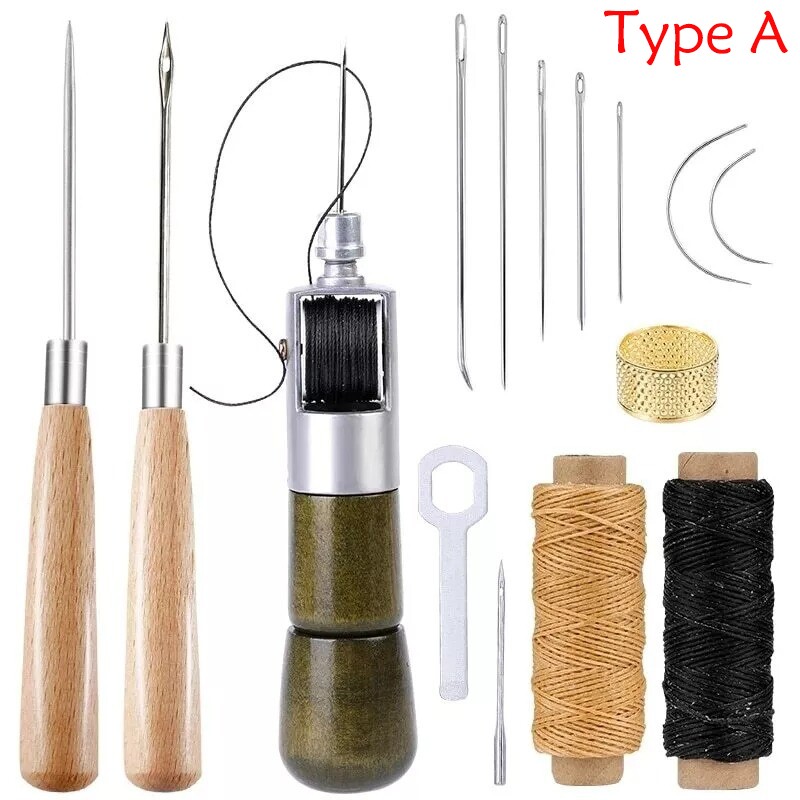 Leather Sewing Kit With Speedy Hand Stitcher Sewing Awl Waxed Thread Repair Tool$20.29Last checked Nov 28, 2026View on eBay
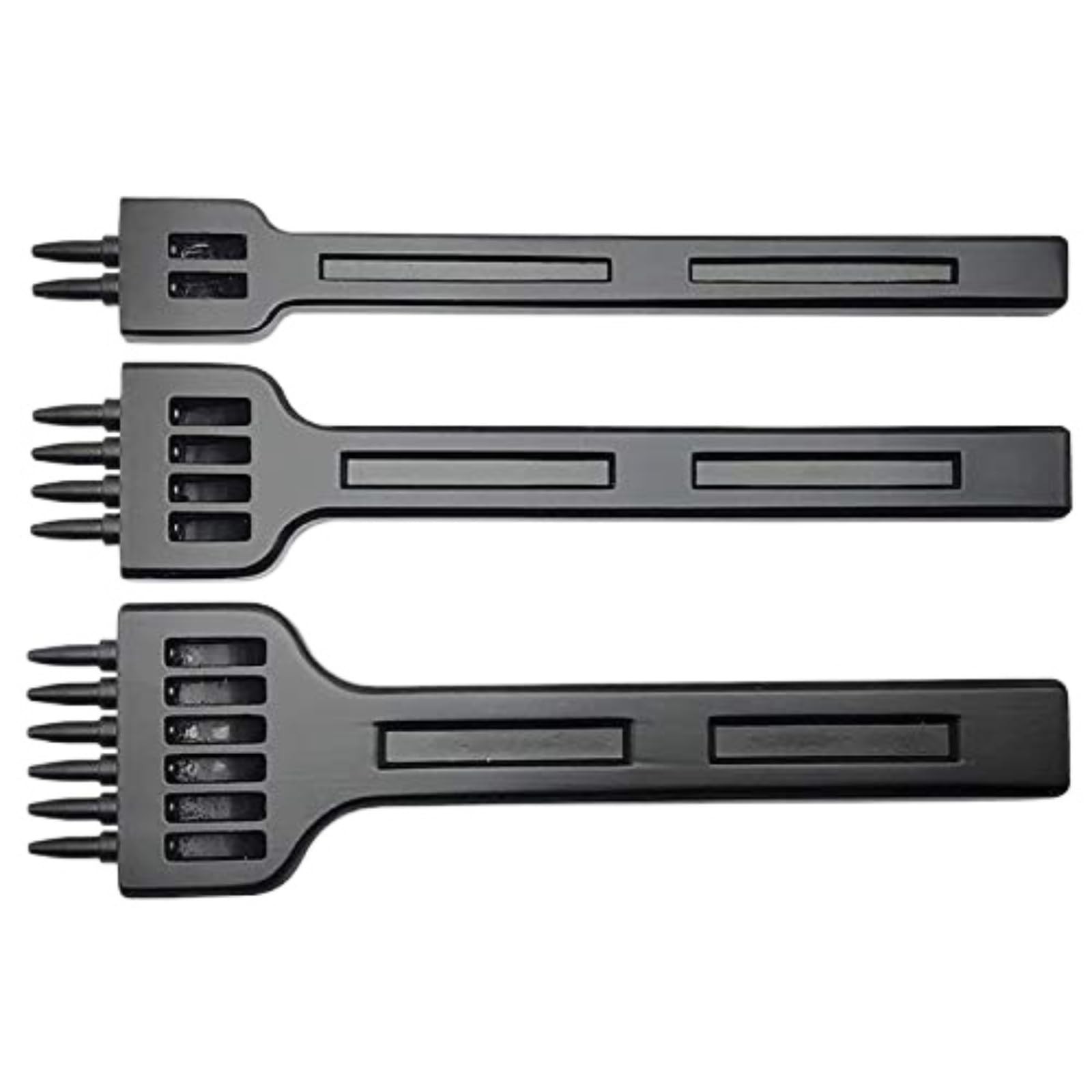 4mm 2/4/6 Claw Tooth Leather Stitching Chisels Round Hole Punching Tool Set For$24.96View on eBay
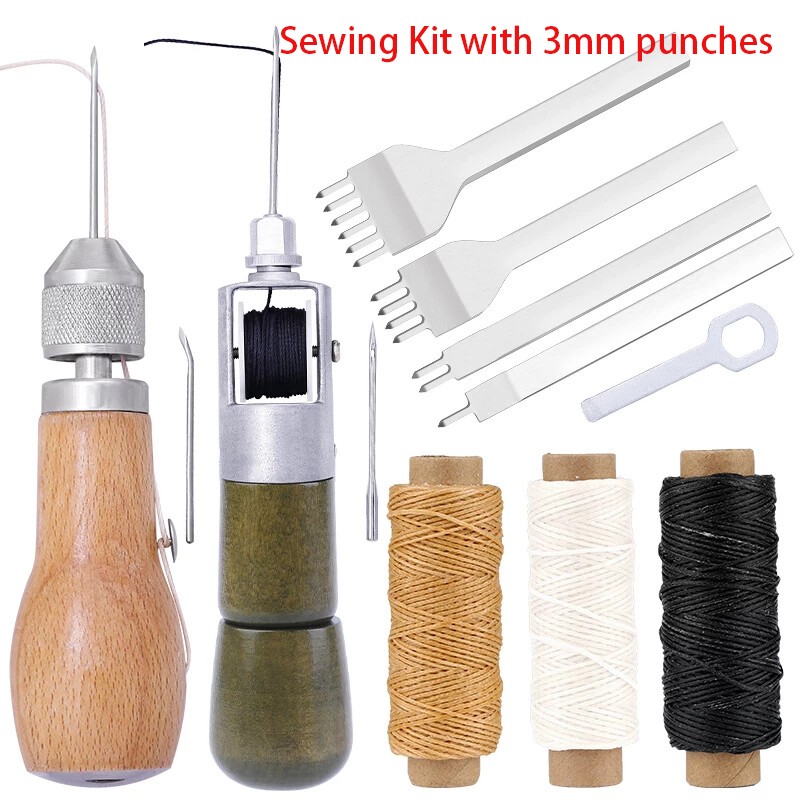 Leather Craft Tools Kit Speedy Sewing Awl Hand Stitcher Stitching Punch Repair$25.99View on eBay
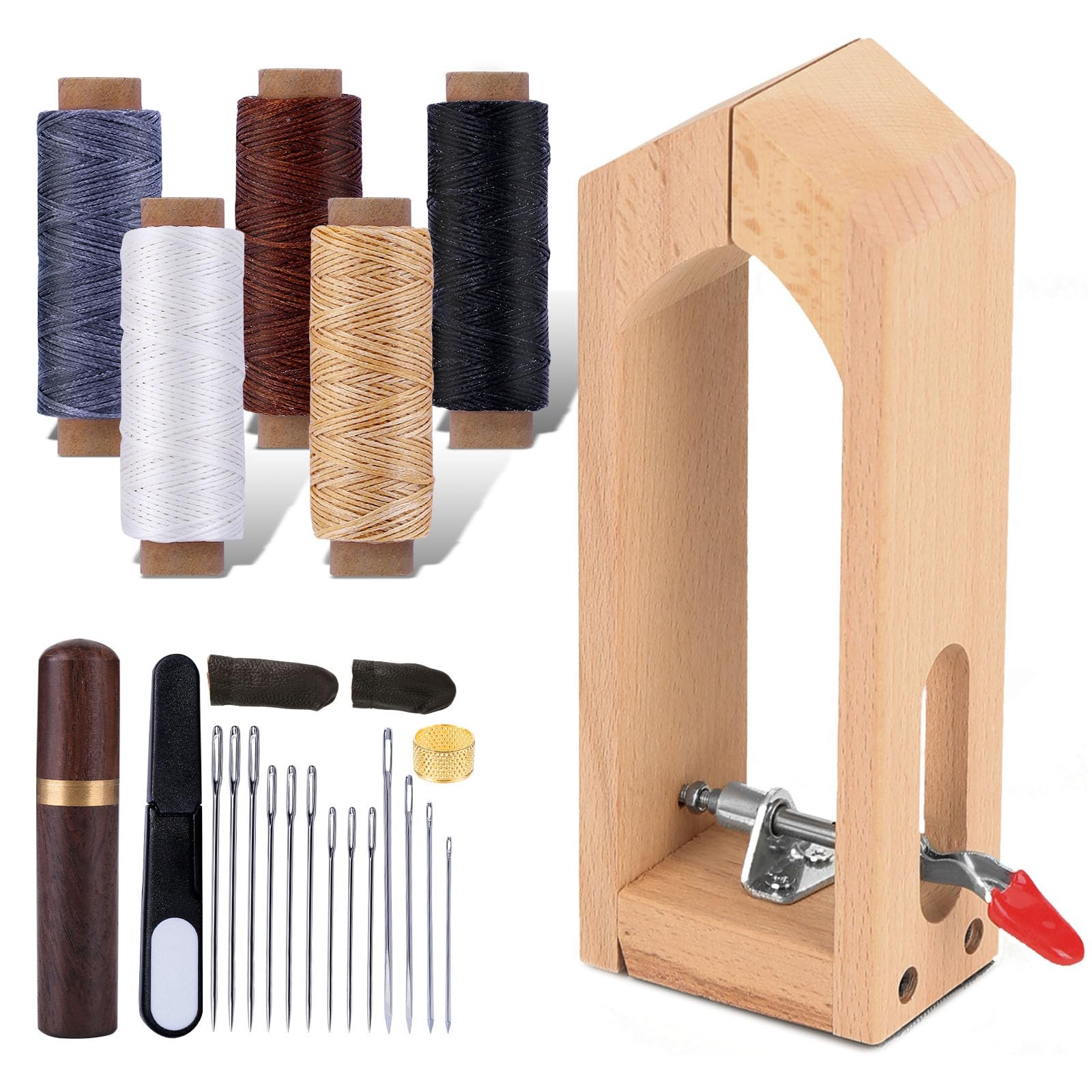 Leather Stitching Pony Mini 8.3" Height X 3.1" Base - Sewing Tool$27.35View on eBay
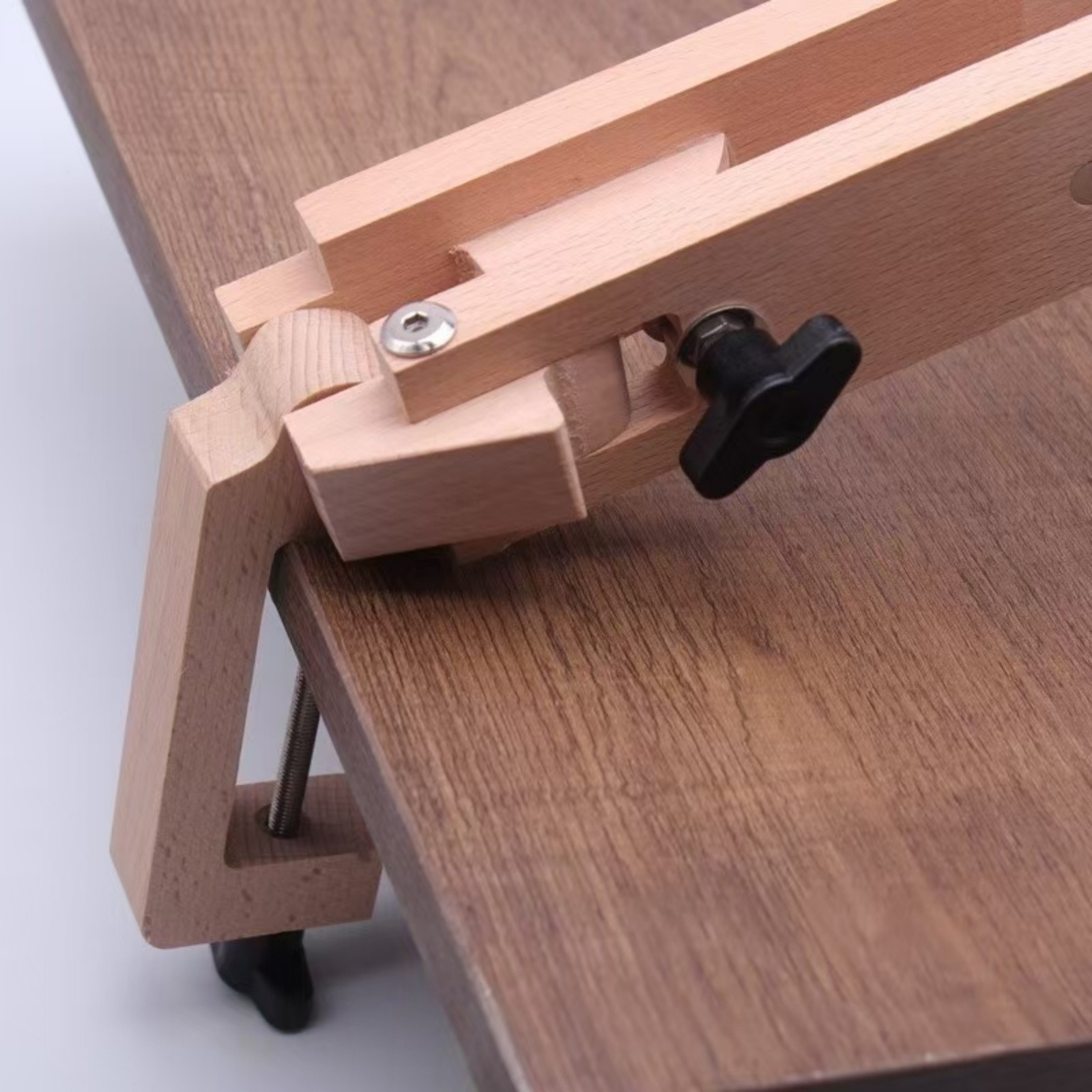 Leather Stitching Pony Adjustable Table Clamp Leathercraft Sewing Tool DIY$38.59View on eBay
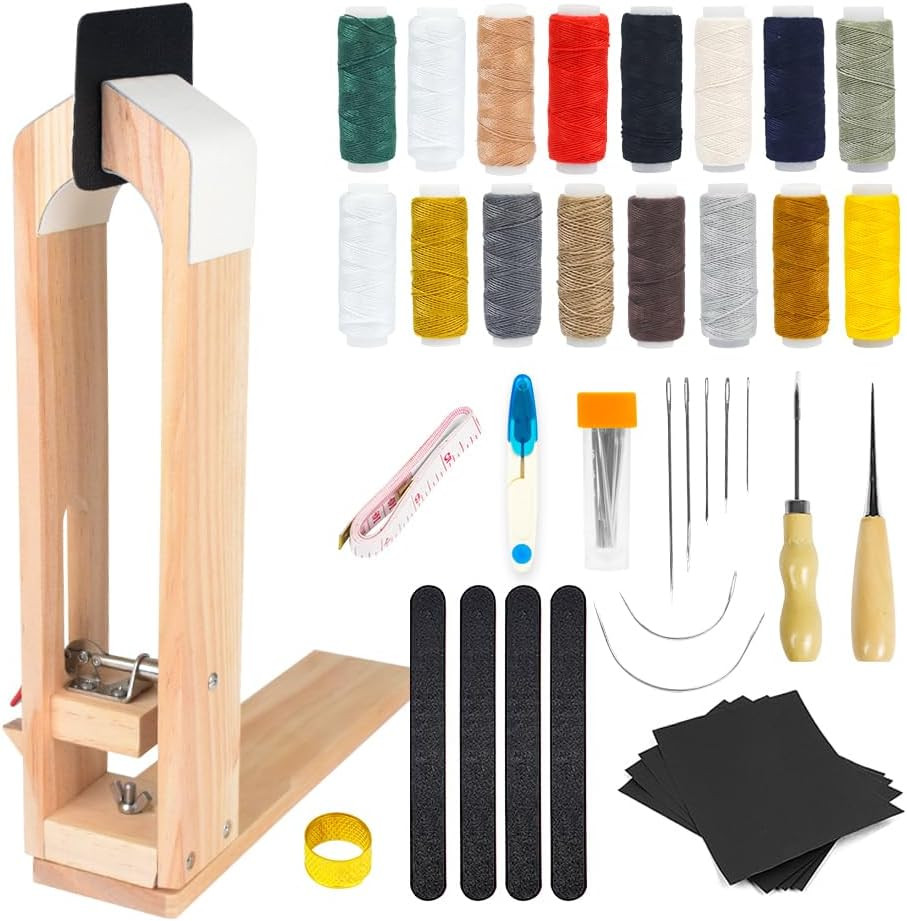 Stitch Pony, Leather Stitching Pony Table Desktop Pony Horse Clamp$41.95View on eBay
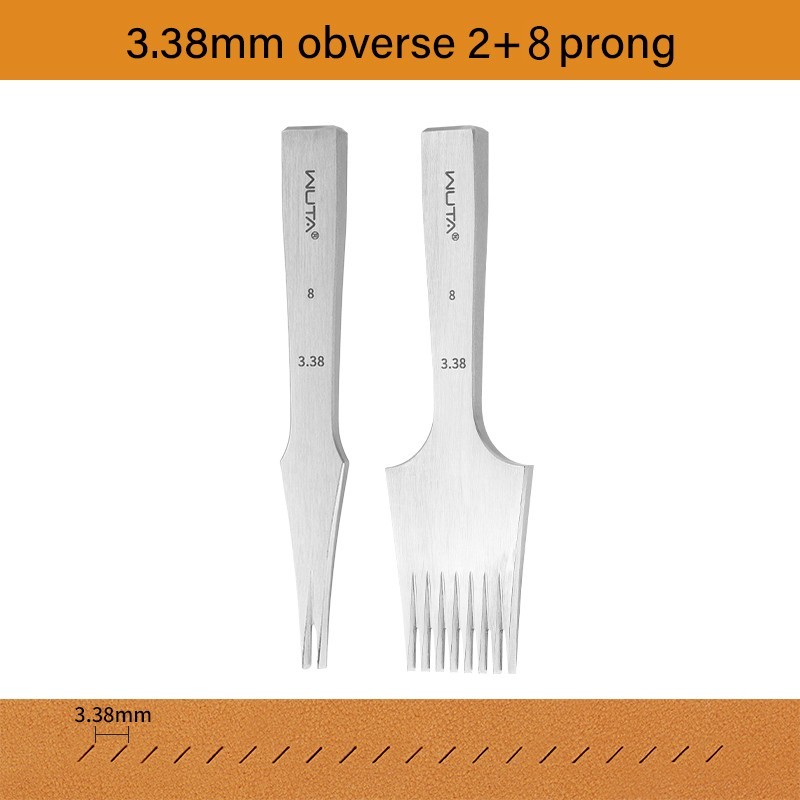 WUTA French Style Leather Pricking Irons Stitching Lacing Punch Chisel Tools Kit$93.99View on eBay
Highlights
- Pricking irons come in 2, 4, and 6-tooth configurations: 2-tooth for curves and corners, 4-tooth for straight runs, 6-tooth for long seams, all at a fixed pitch (commonly 4mm or 5mm).
- French-style irons taper to a diamond awl point and are struck with a mallet; round-hole chisels punch circular holes for lacing and rivets, not saddle stitching.
- Stitching ponies use either a table-edge C-clamp or a freestanding 3–4 lb base; the clamp type needs a bench overhang of at least 1.5 inches and a jaw opening of 2 inches or more.
- Thread size must match the iron pitch: 0.6–0.8mm waxed polyester for 4mm pitch, 1.0mm for 5mm pitch; undersized thread leaves visible gaps in the stitch line.
Best use cases
- Best fit: hand-stitching belts, wallets, and holsters—buy a 4-tooth 4mm French pricking iron, a clamp-mount pony, and 0.8mm waxed thread; skip 2-tooth-only kits for long straight seams.
- Best fit: curved seams and tight corners on bags and cases—add a 2-tooth iron in the same pitch as your 4-tooth so hole spacing stays continuous around the radius.
- Wrong fit: high-volume production or thick saddle skirting over 4mm—hand irons and ponies stall; move to a sewing awl with a haft or a machine, and skip tabletop ponies with plastic jaws.
- Wrong fit: lacing and rivet work—round-hole punch pliers or drive punches are required; diamond pricking irons are the wrong tool and will split lace.
Buying tips
- Match pitch across every iron you buy: a 4mm 4-tooth plus a 4mm 2-tooth plus a 4mm 6-tooth gives continuous spacing; mixing 4mm and 5mm irons breaks stitch rhythm.
- Choose hardened and polished steel irons over chrome-plated stamped steel; polished flanks release from veg-tan without tearing, and hardened teeth survive mallet strikes without curling.
- Pony jaw opening must exceed your thickest project: measure stacked leather plus welt—most clamp ponies open 2 inches, so skirting over 2 inches needs a larger freestanding pony.
- Thread weight follows pitch, not preference: 0.6mm thread in a 4mm hole looks sparse—use 0.8mm for 4mm pitch and 1.0mm for 5mm pitch to fill the hole cleanly.
Specs
| Iron Style | French diamond vs round-hole |
|---|---|
| Tooth Count | 2 / 4 / 6 teeth per iron |
| Stitch Pitch | 4mm all-purpose / 5mm heavy |
| Pony Mount | Table clamp vs freestanding base |
Related searches
What to check before buying
- Bench check: clamp-mount ponies need a tabletop overhang of 1.5 inches or more and a thickness under the jaw capacity; freestanding ponies need a 12x12 inch footprint.
- Pitch check: confirm your irons, awl, and thread all share one pitch—4mm is the all-purpose default, 5mm suits heavy belts and thick thread.
- Mallet check: French-style irons require a wooden or poly mallet; a steel hammer mushrooms the iron shank and splits the handle.
- Material check: veg-tan and firm chrome-tan punch cleanly; soft garment leather and suede need a rotary punch or awl instead of pricking irons.
FAQ
Data sources: eBay / Amazon listings and product attribute feeds. Updated Nov 23, 2026.
Some links on this page are affiliate links. If you buy after clicking one, we may earn a commission at no extra cost to you. This does not change which products appear here or their order. Affiliate disclosure.