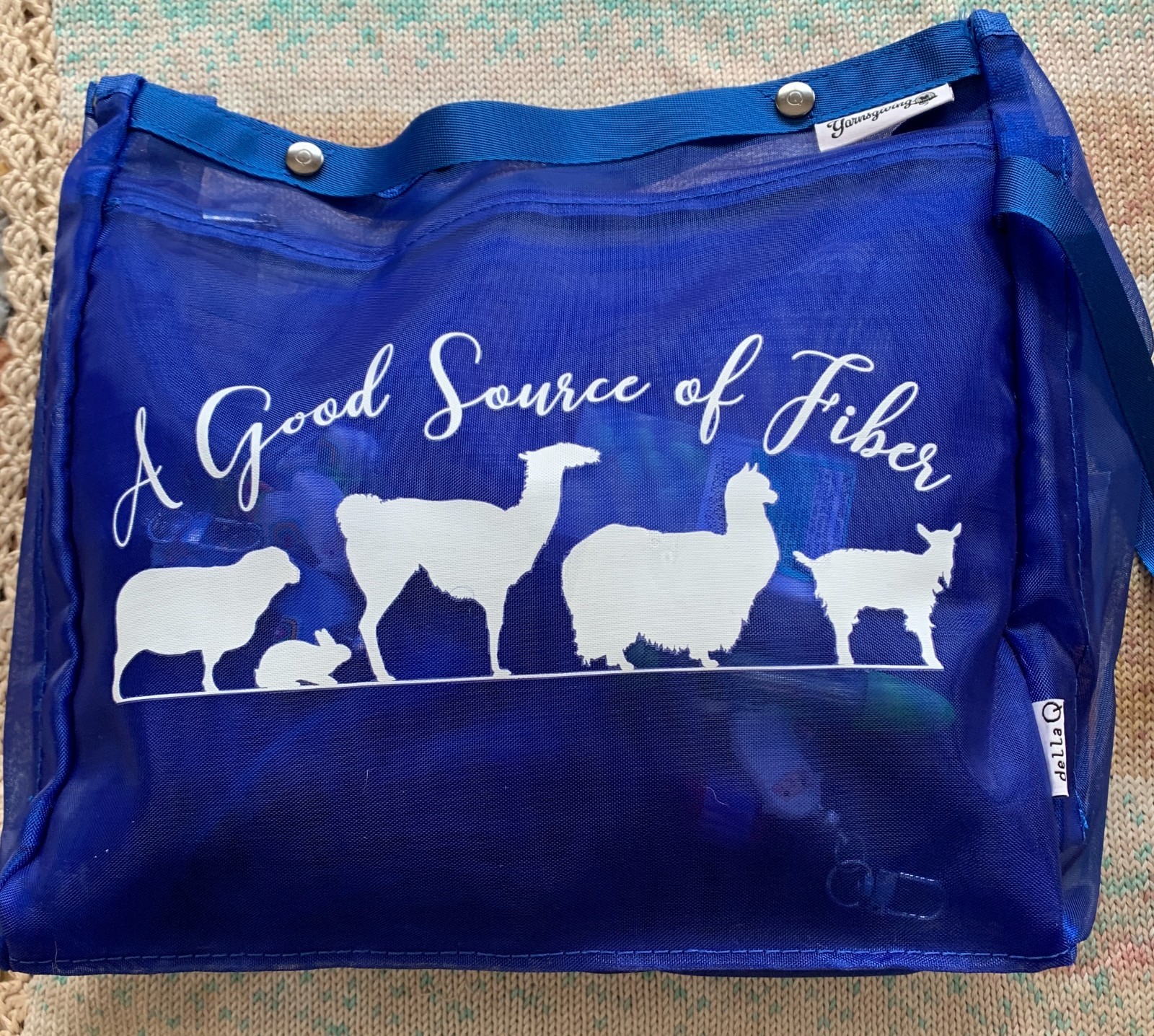

Photos from current listings. Actual item, color, and included accessories may vary.
Knitting Project Bag Buying Guide
A knitting project bag is a dedicated carrier that keeps yarn, needles, and work-in-progress clean, untangled, and portable. The core trade-off is between structured protection (standing open, rigid base, internal pockets) and lightweight packability (soft-sided, drawstring, wristlet). Buyers should choose a structured zip-top bag for multi-skein colorwork or lace projects and a soft drawstring or wristlet pouch only for single-skein, small-circumference projects.
Key takeaways
- Square-bottomed zip-top bags stand open on a table, preventing yarn from rolling to the floor and reducing tension changes mid-row.
- Drawstring sacks collapse flat and weigh under 100 g but offer no needle protection; they suit circular needles and small accessories only.
- Internal slip pockets sized 10–15 cm keep interchangeable needle tips, cables, and stitch markers separated from working yarn.
At a glance
- Category
- Yarn Winders & Project Bags
- Last updated
- Nov 28, 2026
Current offers
Highlights
- Square-bottomed zip-top bags stand open on a table, preventing yarn from rolling to the floor and reducing tension changes mid-row.
- Drawstring sacks collapse flat and weigh under 100 g but offer no needle protection; they suit circular needles and small accessories only.
- Internal slip pockets sized 10–15 cm keep interchangeable needle tips, cables, and stitch markers separated from working yarn.
- Water-resistant nylon or waxed canvas exteriors resist spilled coffee and damp café tables; untreated cotton absorbs moisture and stains.
Best use cases
- Choose a square zip-top bag with internal pockets for colorwork, lace, or multi-skein projects where yarn must stay separated and clean.
- Choose a lightweight drawstring sack for sock, hat, or mitten projects worked on one circular needle and carried in a larger tote.
- Skip rigid structured bags for beach or hiking trips where sand and weight matter; a soft nylon wristlet pouch is the correct pick there.
- Skip oversized tote-style bags for commuting by bike or foot; a wristlet or crossbody pouch keeps hands free and the bag under 300 g.
Buying tips
- Match bag volume to project: 3–5 L for a sweater or blanket, 1–2 L for socks and hats, under 1 L for a single skein and needles.
- Confirm the bag’s flat base width exceeds your longest circular needle case by at least 2 cm to avoid bending cables.
- Pick YKK or equivalent nylon zippers over metal teeth; metal zippers snag fine mohair and lace-weight yarn.
- Choose a bag with a sewn-in D-ring or strap loop if you carry it on a wrist or clip it to a larger backpack.
Specs
| Bag Style | Zip-top square / Drawstring sack / Wristlet |
|---|---|
| Capacity Range | 0.5–5 L by project type |
| Exterior Material | Nylon / Waxed canvas / Cotton |
| Internal Pockets | 0–3 slip or zip pockets |
Related searches
What to check before buying
- Measure your longest needle or circular cable case; the bag’s interior diagonal must exceed that length by 3 cm.
- Check that the bag’s base footprint fits your usual knitting spot—café table, sofa arm, or train tray table.
- Verify the exterior fabric is wipe-clean or machine-washable cold if you knit near food, pets, or outdoors.
- Confirm the bag has at least one internal pocket or divider if you carry interchangeable tips, cables, and markers.
FAQ
Data sources: eBay / Amazon listings and product attribute feeds. Updated Nov 28, 2026.
Some links on this page are affiliate links. If you buy after clicking one, we may earn a commission at no extra cost to you. This does not change which products appear here or their order. Affiliate disclosure.