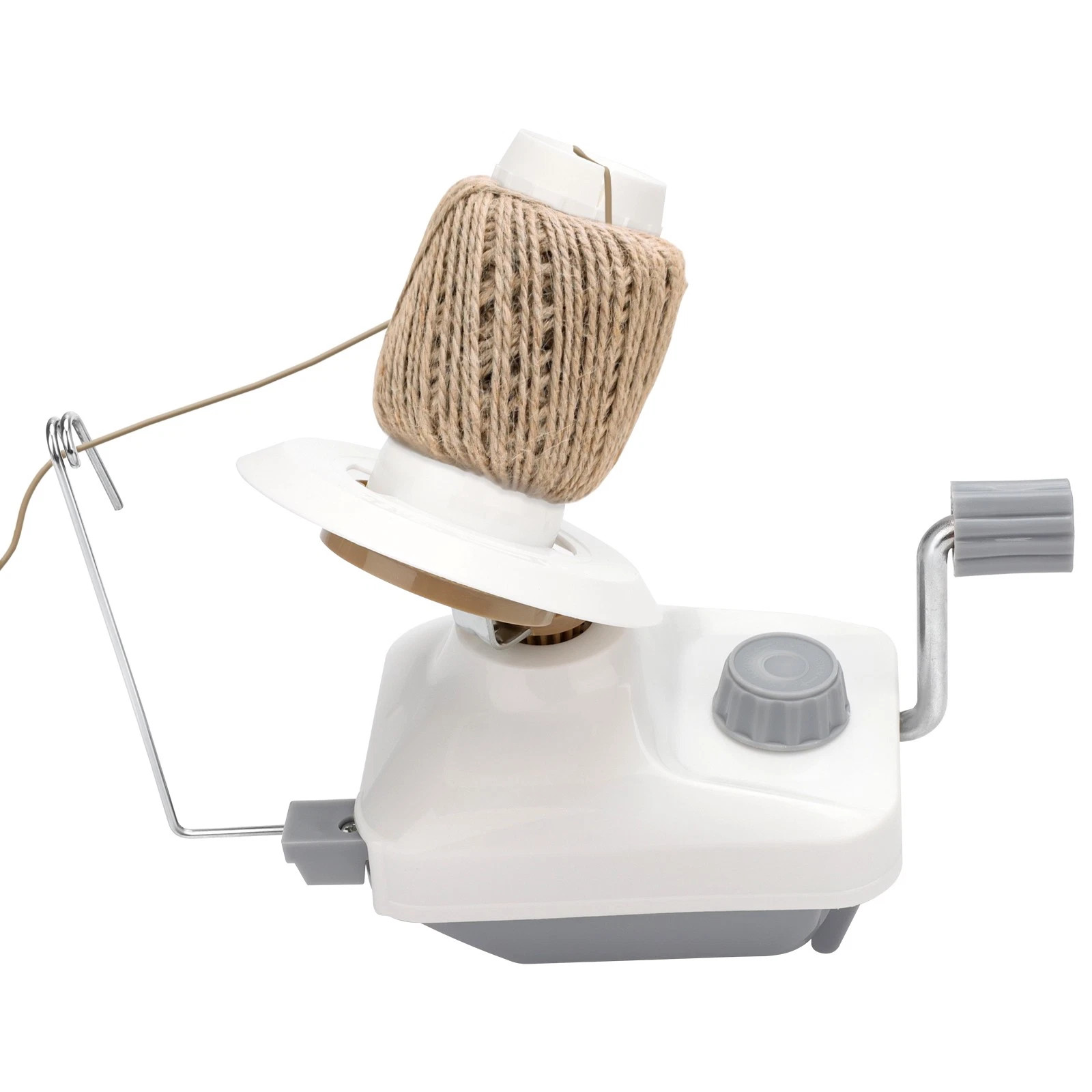

Photos from current listings. Actual item, color, and included accessories may vary.
Yarn Ball Winder Buying Guide
A yarn ball winder turns loose skeins and hanks into compact, center-pull cakes that feed evenly and resist tangling. The decisive trade-off is manual hand-crank versus electric drive, with build material (metal vs plastic gears) and rated capacity determining whether the winder survives years of worsted-weight volume or strips its gears on bulky yarn. Buy metal-geared manual winders for durability and control, or step to electric only if you wind frequently enough that hand fatigue outweighs the higher cost and corded setup.
Median $35.00
Key takeaways
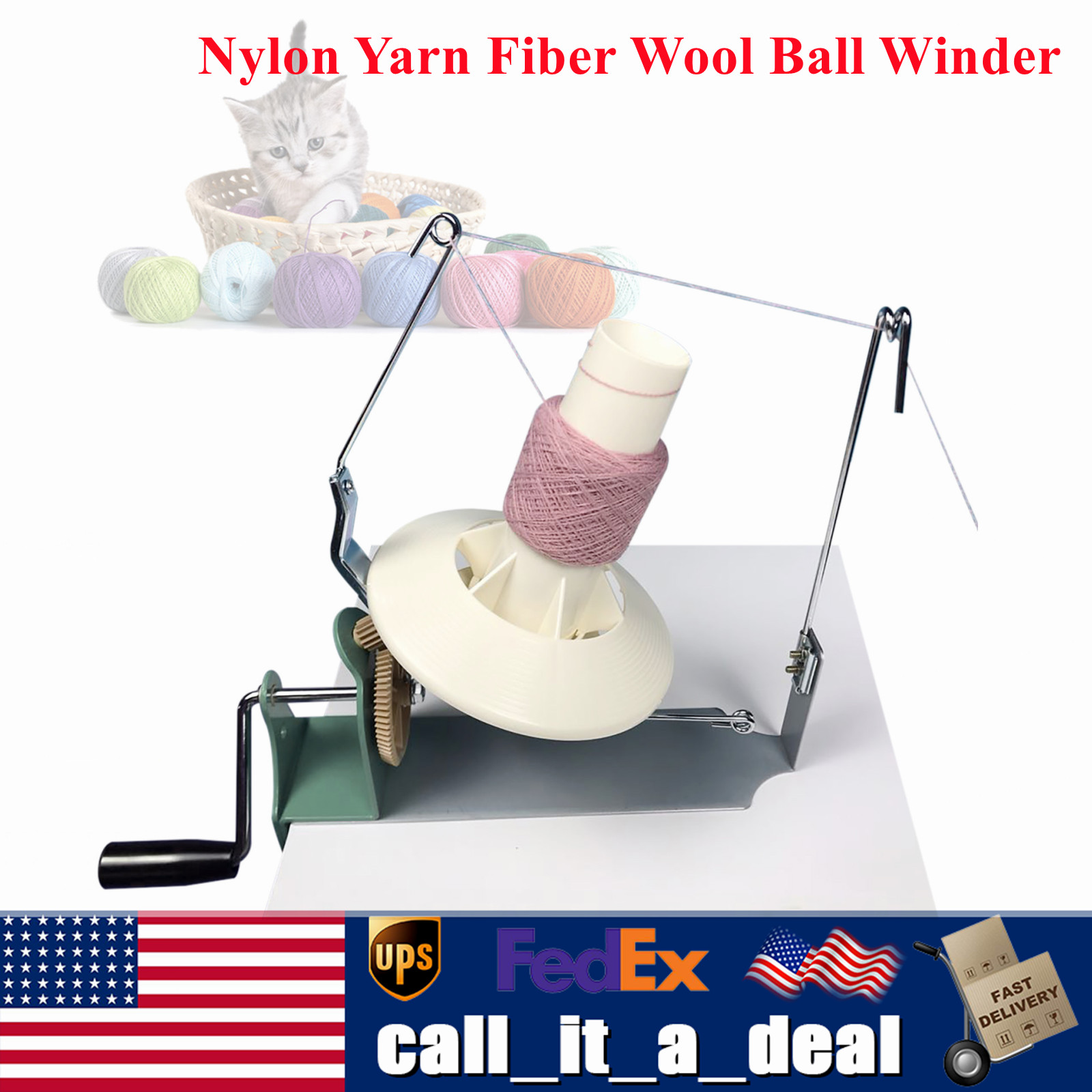
- Manual winders use a hand crank driving a geared spindle; metal gear trains outlast nylon/plastic gears that strip under bulky or high-tension yarn.
- Rated capacity (commonly 4 oz, 10 oz, and jumbo tiers) sets the maximum cake size before the yarn guide arm fouls or the cake collapses.
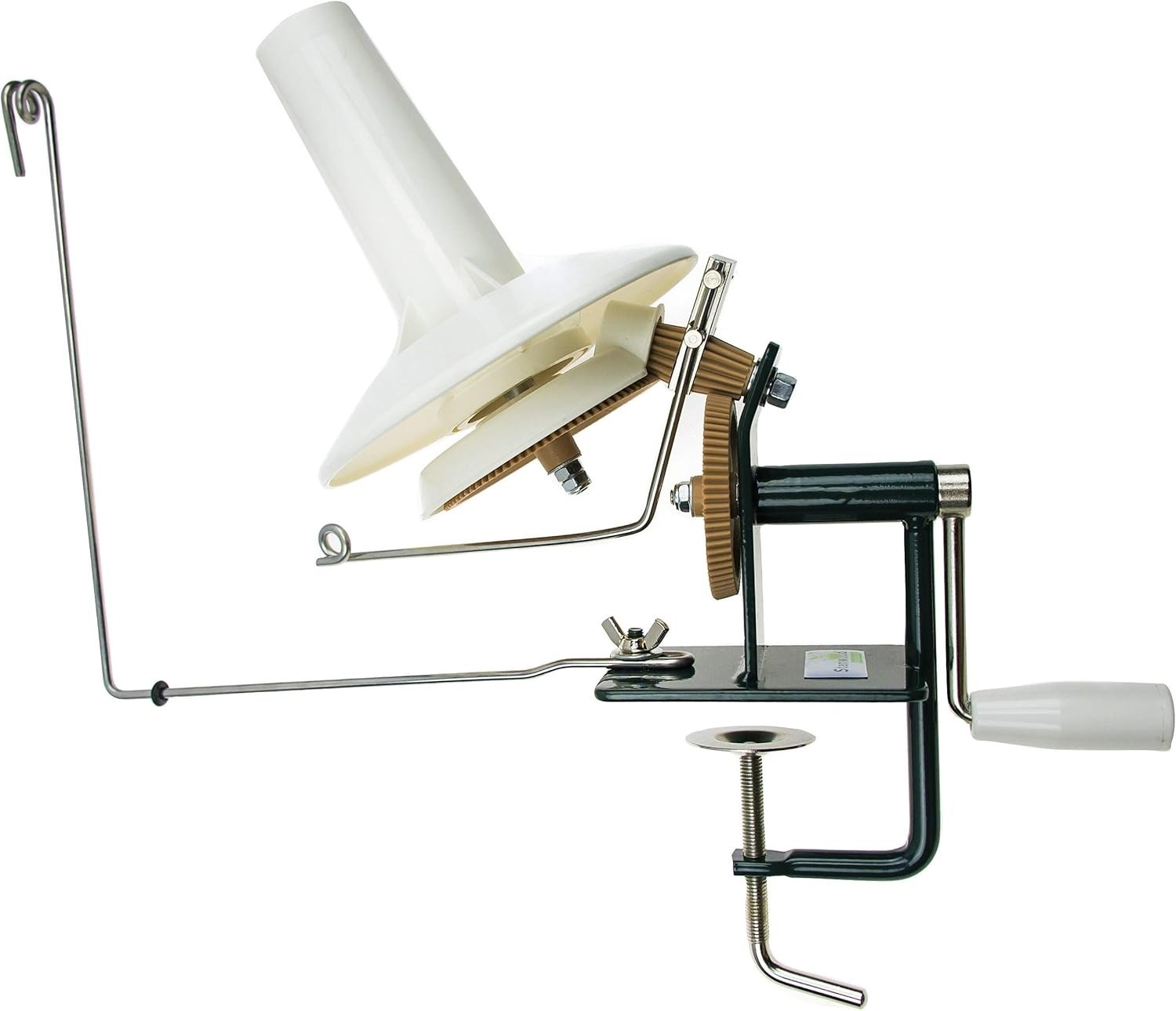
- A yarn guide arm with a tensioner and a table clamp are the two components that determine wind quality and stability during cranking.
At a glance
- Category
- Yarn Winders & Project Bags
- Last updated
- Nov 27, 2026
Current offers
Highlights
- Manual winders use a hand crank driving a geared spindle; metal gear trains outlast nylon/plastic gears that strip under bulky or high-tension yarn.
- Rated capacity (commonly 4 oz, 10 oz, and jumbo tiers) sets the maximum cake size before the yarn guide arm fouls or the cake collapses.
- A yarn guide arm with a tensioner and a table clamp are the two components that determine wind quality and stability during cranking.
- Electric winders spin the spindle under motor power but add cord/battery dependence and typically cost more than metal manual units.
Best use cases
- Best fit: metal-geared manual winder with a 10 oz capacity and table clamp for knitters processing full skeins weekly — skip plastic-bodied budget units that flex under tension.
- Best fit: compact manual winder for crocheters winding partial balls and leftovers — choose a 4 oz tier only if you rarely wind full 100 g skeins.
- Wrong fit: electric winder for someone who winds one or two skeins a month — a clamped manual metal winder delivers equal cake quality with no power tether.
- Best fit: jumbo-capacity winder for bulky and super-bulky weights and weaving cones — standard 4 oz units jam and produce unstable cakes at those gauges.
Buying tips
- Match rated capacity to your yarn weight: 100 g (3.5 oz) worsted skeins fit a 4 oz winder, but bulky skeins need the 10 oz or jumbo tier to avoid overfill.
- Choose metal gears and a metal spindle over nylon/plastic internals; plastic gear teeth are the first failure point under sustained cranking tension.
- Confirm the clamp opens wide enough for your tabletop thickness (typically up to 2 in) and has a padded or rubberized jaw to prevent marring.
- A yarn guide arm with adjustable tension produces even, consistent cakes; fixed guides cause slumping and center-pull snags on softer singles.
Specs
| Drive Type | Manual hand-crank vs electric motor |
|---|---|
| Gear Material | Metal vs nylon/plastic gears |
| Rated Capacity | 4 oz / 10 oz / jumbo tiers |
| Mounting | Table C-clamp with padded jaw |
Related searches
What to check before buying
- Measure your work surface thickness — the C-clamp must span it fully; thick butcher-block tables need a wider-jaw clamp.
- Confirm your heaviest regular yarn weight (worsted, bulky, jumbo) and pick a winder rated above it, not at its limit.
- Check that the winder includes or accepts a yarn guide/swift pairing — hanks need a swift to hold tension while you wind.
- Verify the base has non-slip feet or a clamp; unclamped winders walk across the table and produce uneven cakes.
FAQ
Data sources: eBay / Amazon listings and product attribute feeds. Updated Nov 27, 2026.
Some links on this page are affiliate links. If you buy after clicking one, we may earn a commission at no extra cost to you. This does not change which products appear here or their order. Affiliate disclosure.