
Photos from current listings. Actual item, color, and included accessories may vary.
Acrylic Paint Buying Guide
Acrylic paint is a water-based pigment system whose binder (acrylic polymer) and pigment load determine opacity, adhesion, and lightfastness—the primary trade-off is student-grade filler volume versus artist-grade pigment concentration. The decision rule: for archival canvas work choose heavy-body artist-grade3 with high pigment load; for crafts, rock painting, and mixed media choose fluid or marker formats with waterproof film formers.
Median $34.02 · New & pre-owned listings
Key takeaways
- Artist-grade acrylics use high pigment-to-binder ratios with single-pigment nomenclature (e.g., PB29, PW6) for predictable color mixing and ASTM lightfastness ratings.
- Heavy-body acrylic holds brush and palette-knife peaks for impasto, while fluid/soft-body versions level out for glazing, pouring, and detail work.
- Acrylic paint markers use water-based acrylic emulsions with valve-action or pump-action nibs; dual-tip brush/chisel or fine/broad configurations cover both fill and line work.
At a glance
- Category
- Art Supplies
- Last updated
- Nov 27, 2026
Current offers
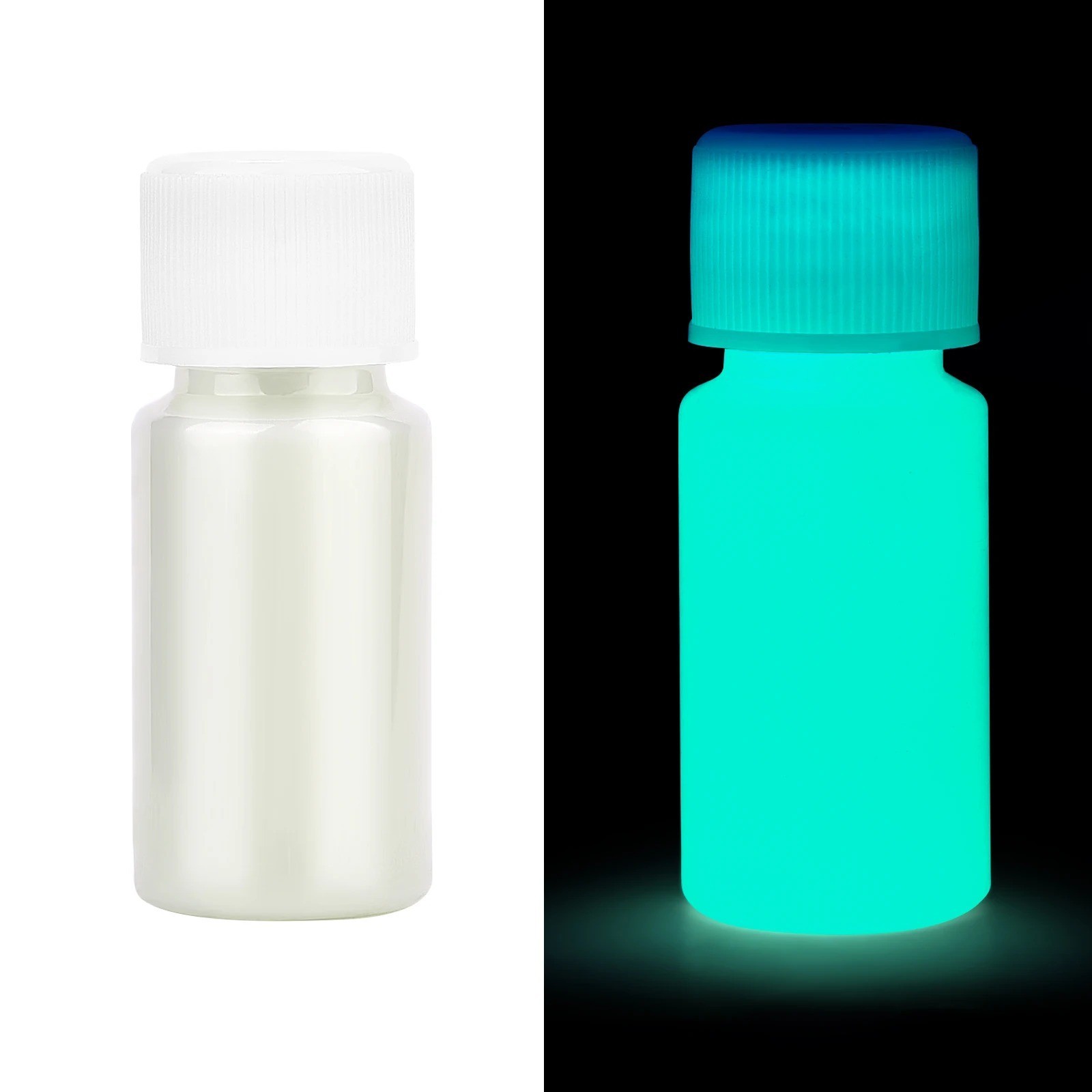 Glow in the Dark Day Visible Paint Acrylic 20g Jars Arts &Crafts Bright$3.10Last checked Nov 25, 2026View on eBay
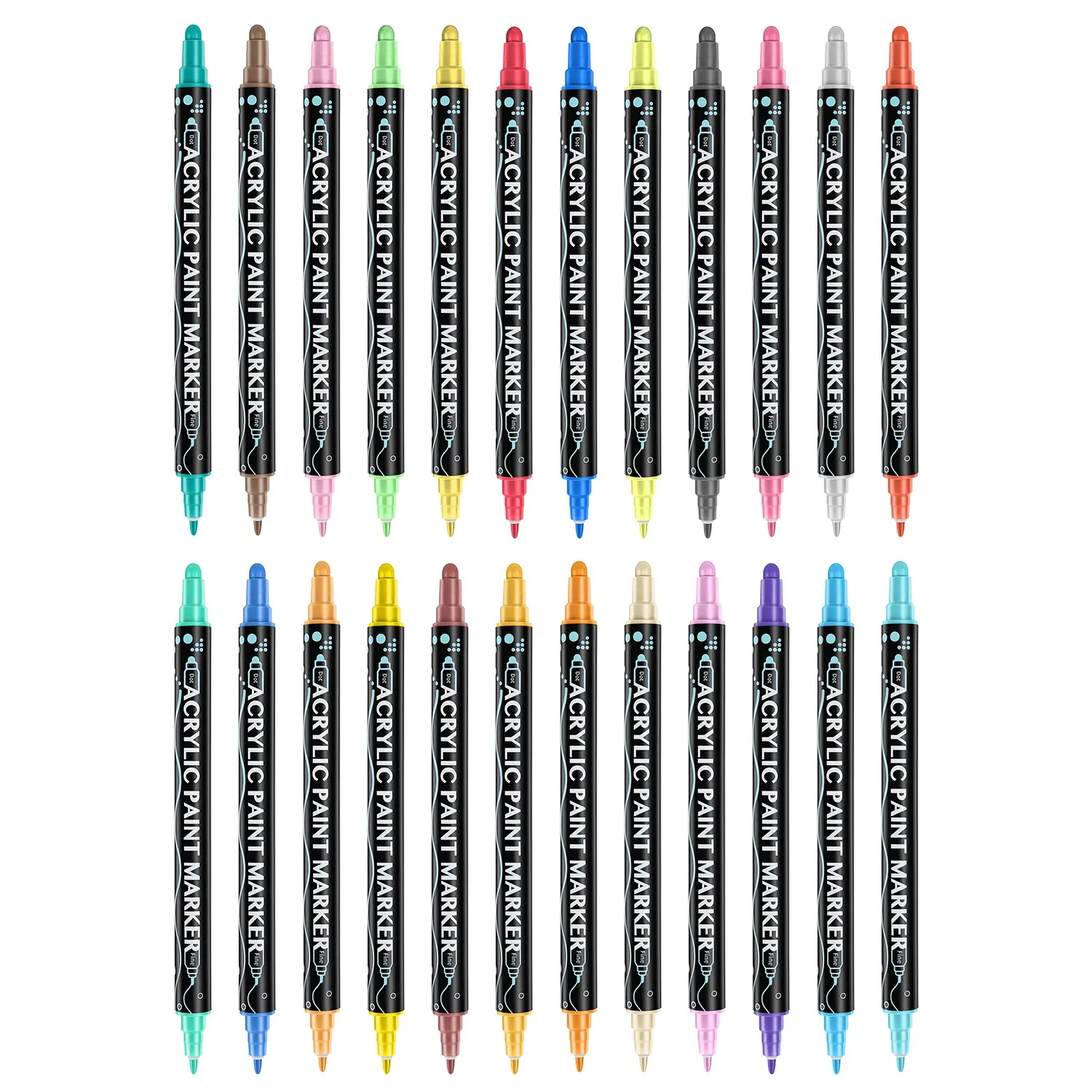 24/48 Colors Dual Tip Acrylic Paint Markers Set, Water-Based Pens with Fine & Broad Tips, Quick-Dry Waterproof Art for Rock Painting, Wood, Glass, Fabric, Ceramic, Canvas & DIY Crafts$27.99View on Mallflare
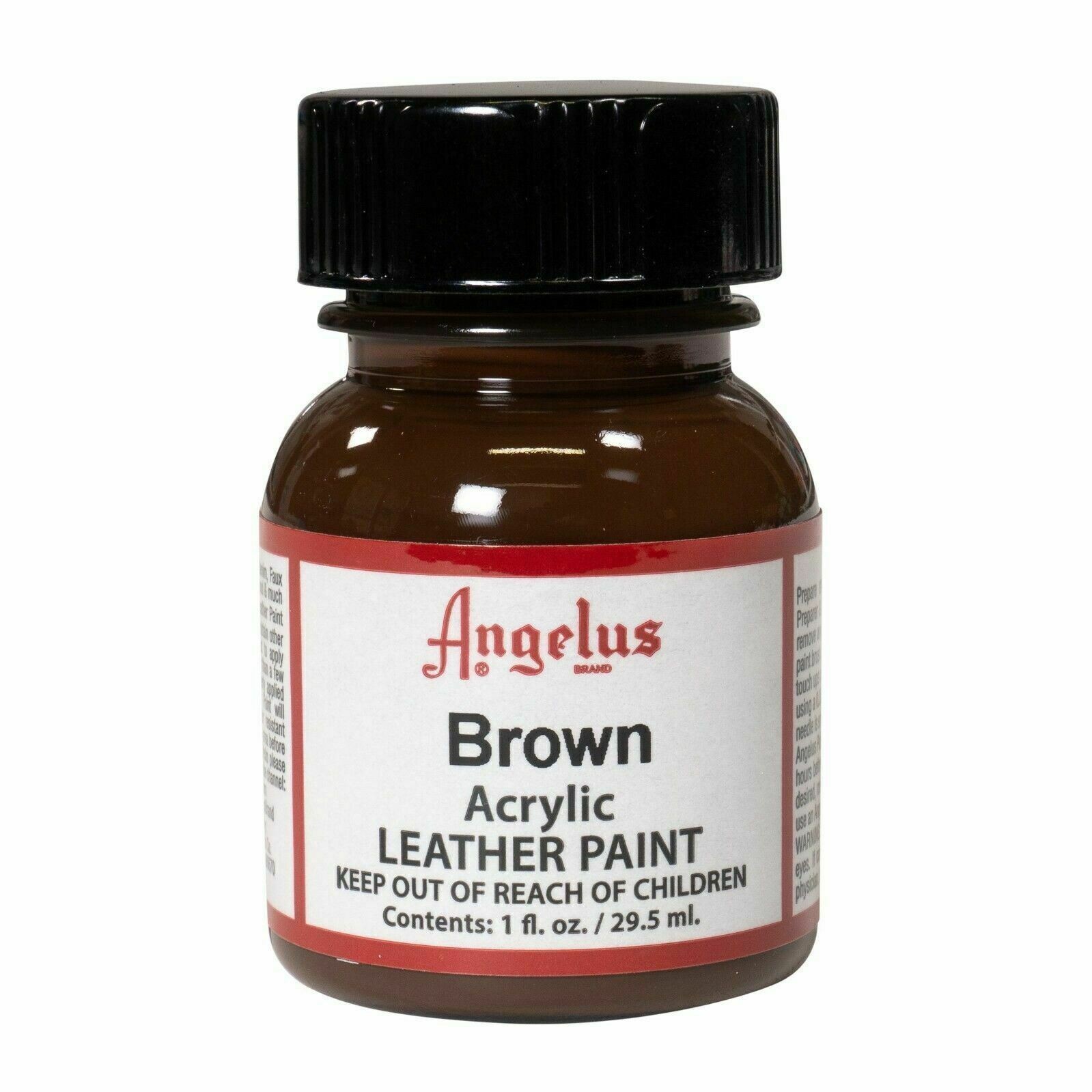 Angelus Acrylic Leather Paint Waterproof Sneaker Paint 1oz - 82 Colors Available$9.35Last checked Nov 19, 2026View on eBay
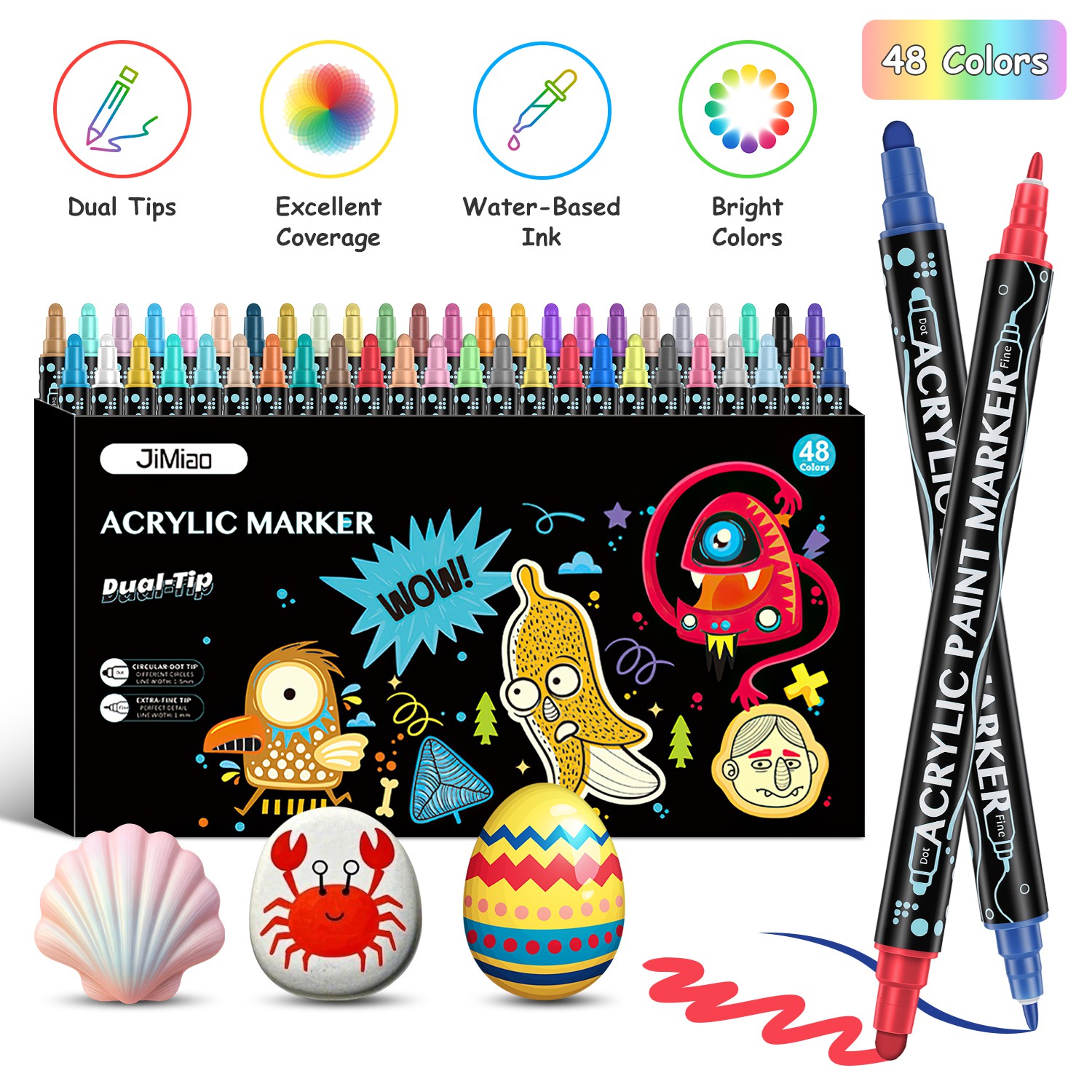 48 Colors Or 24 Options Dual Tip Acrylic Paint Markers Set, Quick-Dry Waterproof Art For Rock Painting, Wood, Glass, Fabric, Ceramic, Canvas & DIY Crafts$28.99View on Mallflare
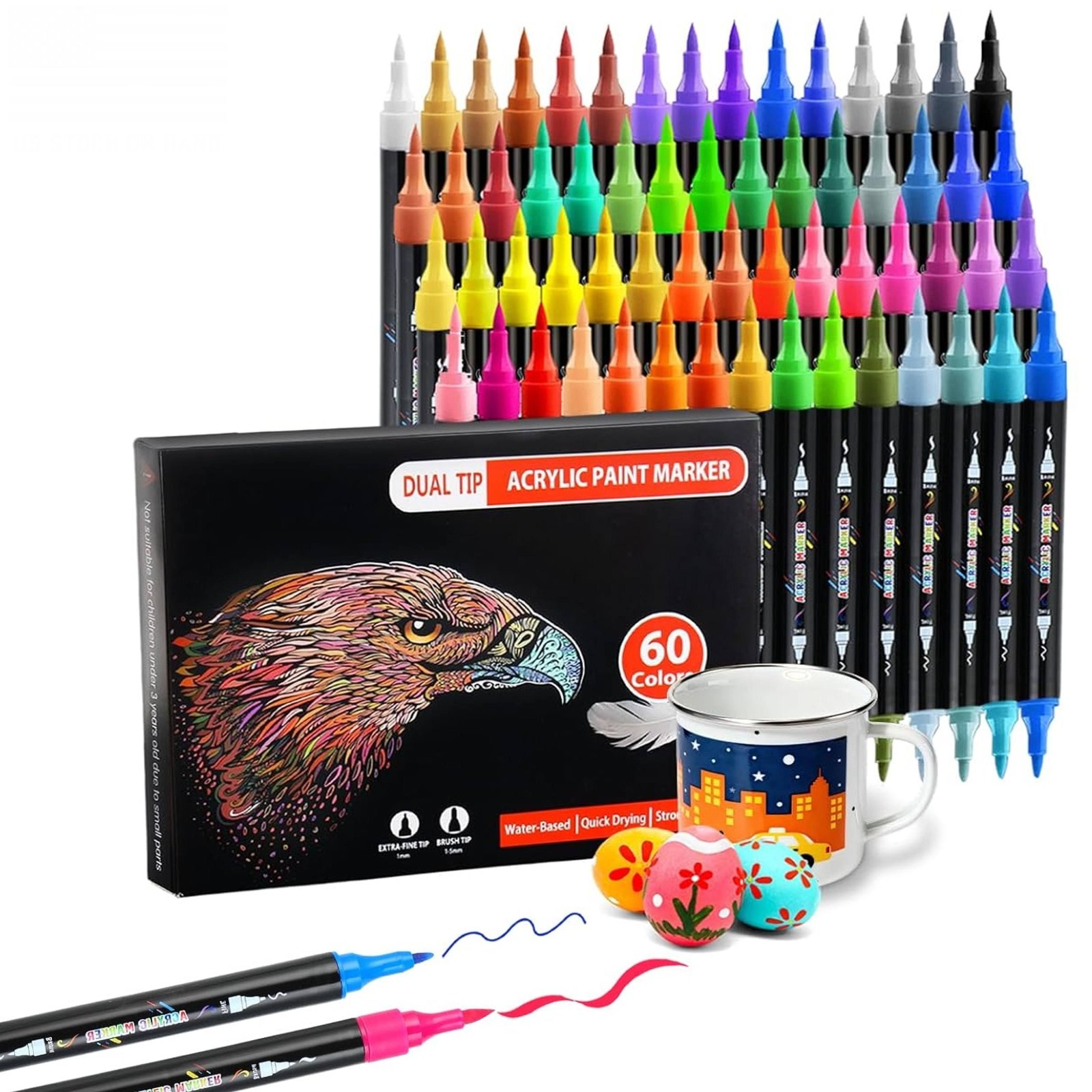 Acrylic Paint Marker Pens Set Brush/Fine Dual Tip Permanent Waterproof Opaque$9.95Last checked Nov 19, 2026View on eBay
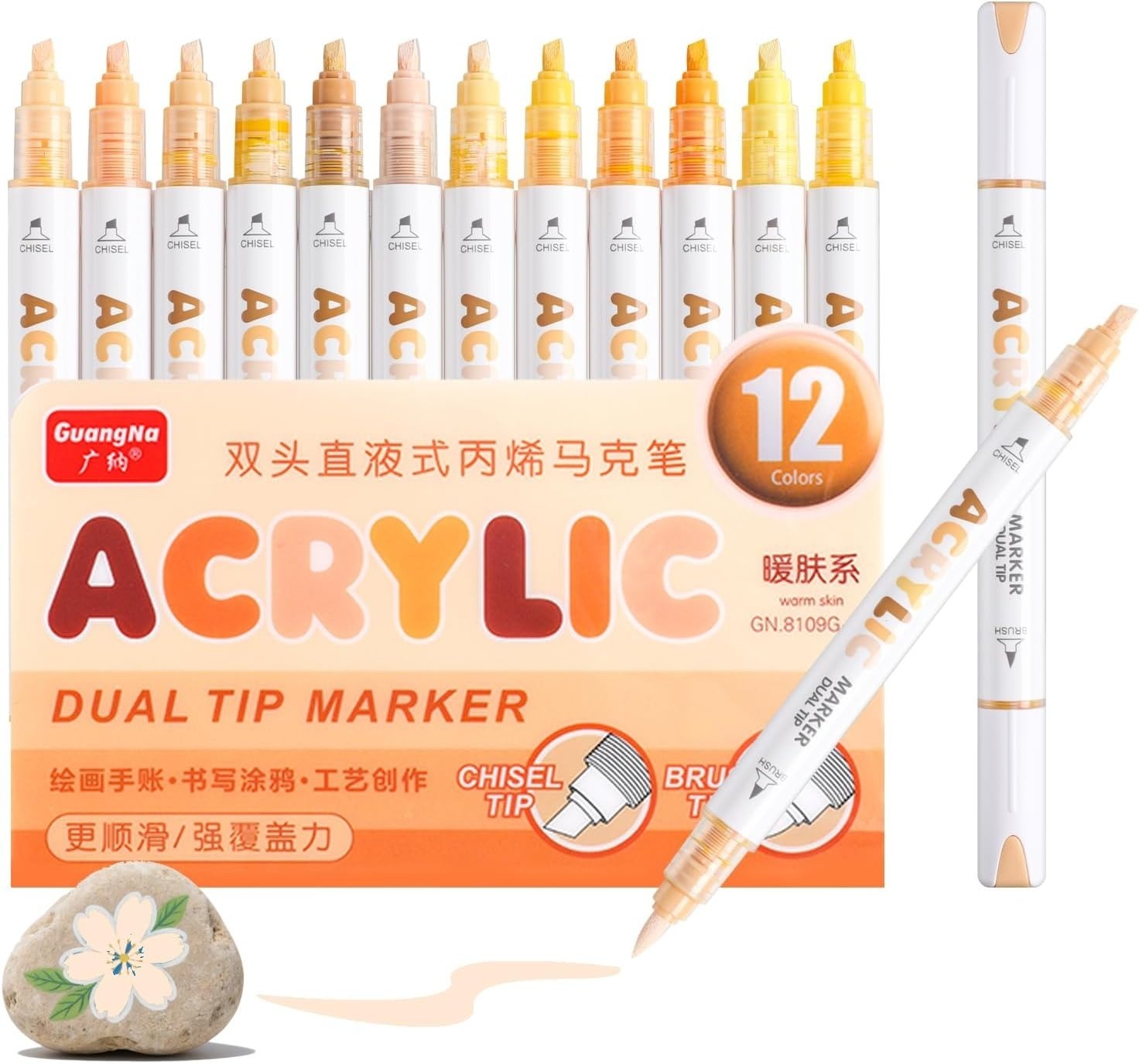 12 Colors Dual Tip Acrylic Paint Pens - Brush & Chisel Tip Acrylic Markers$10.90Last checked Nov 21, 2026View on eBay
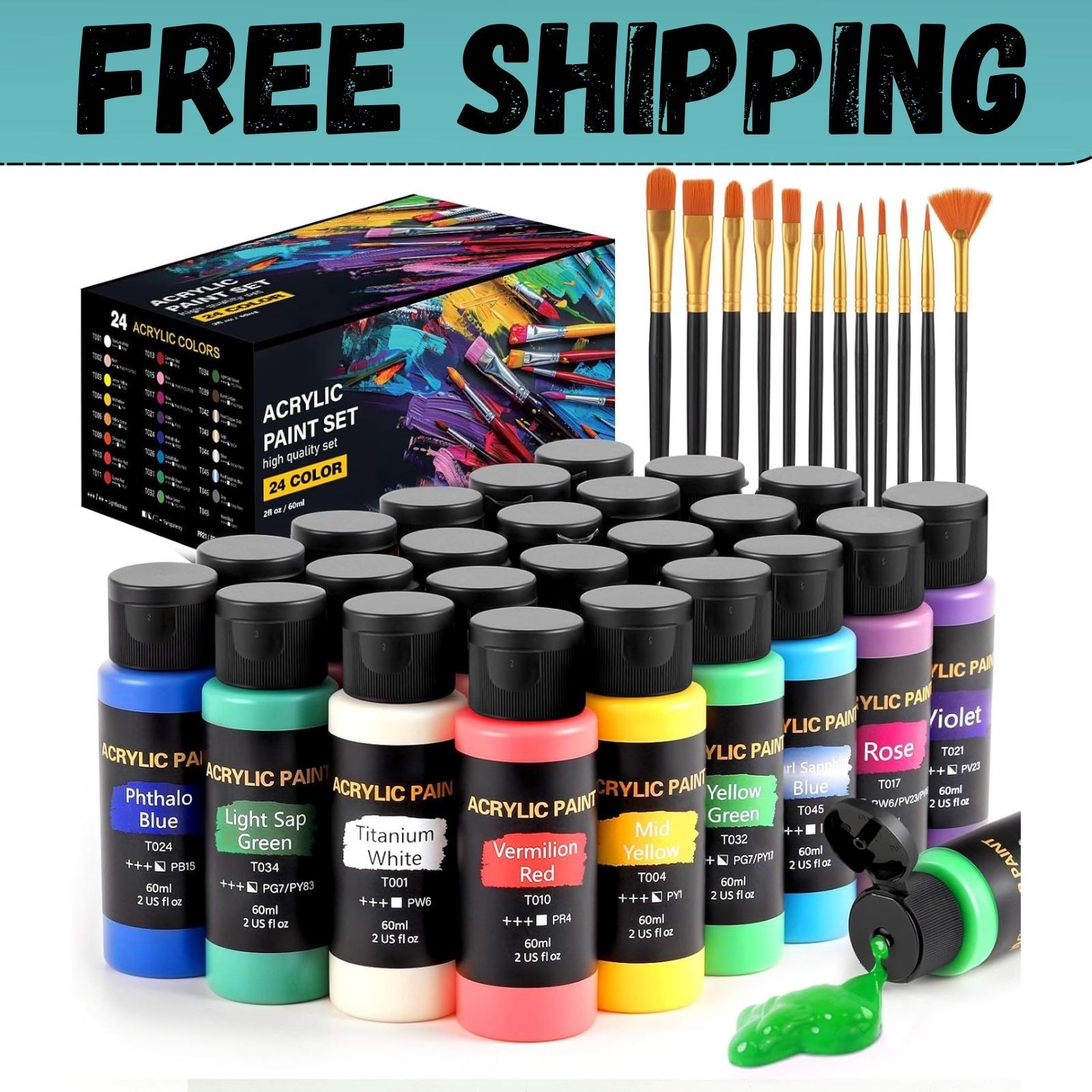 Acrylic Paint Set, 24 Colors (2 oz/Bottle) with 12 Art Brushes, Art Supplies for$21.99View on eBay
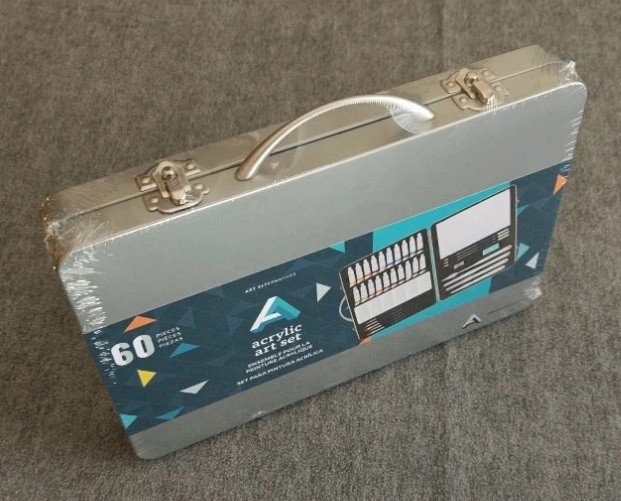 Artist Acrylic Art Set 60 Piece, Art Alternatives - Paint, Brushes, Pencils$22.50View on eBay
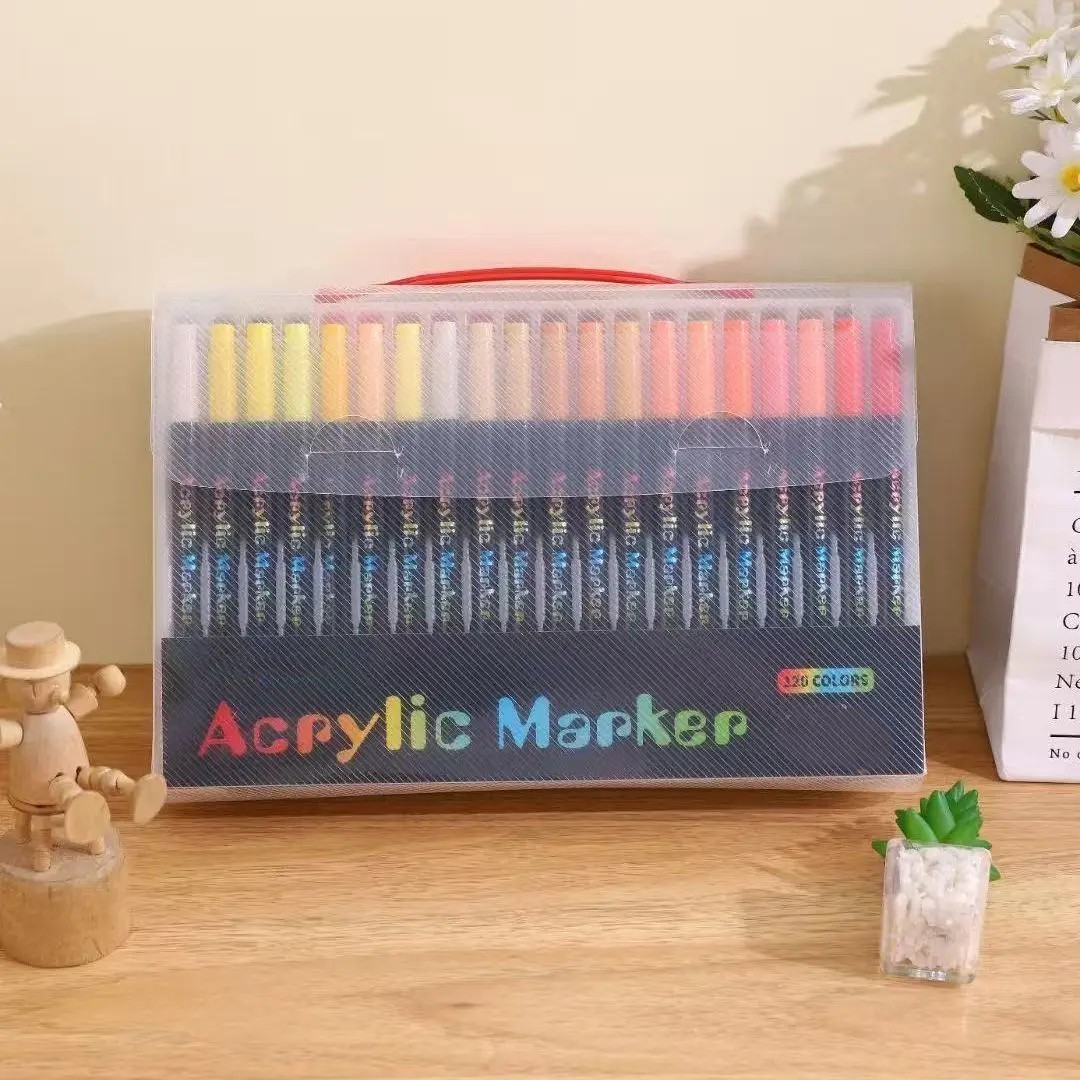 120 Color Acrylic Paint Markers Dual Tip Brush Fine Pens Art Rock Wood Craft Set$27.75View on eBay
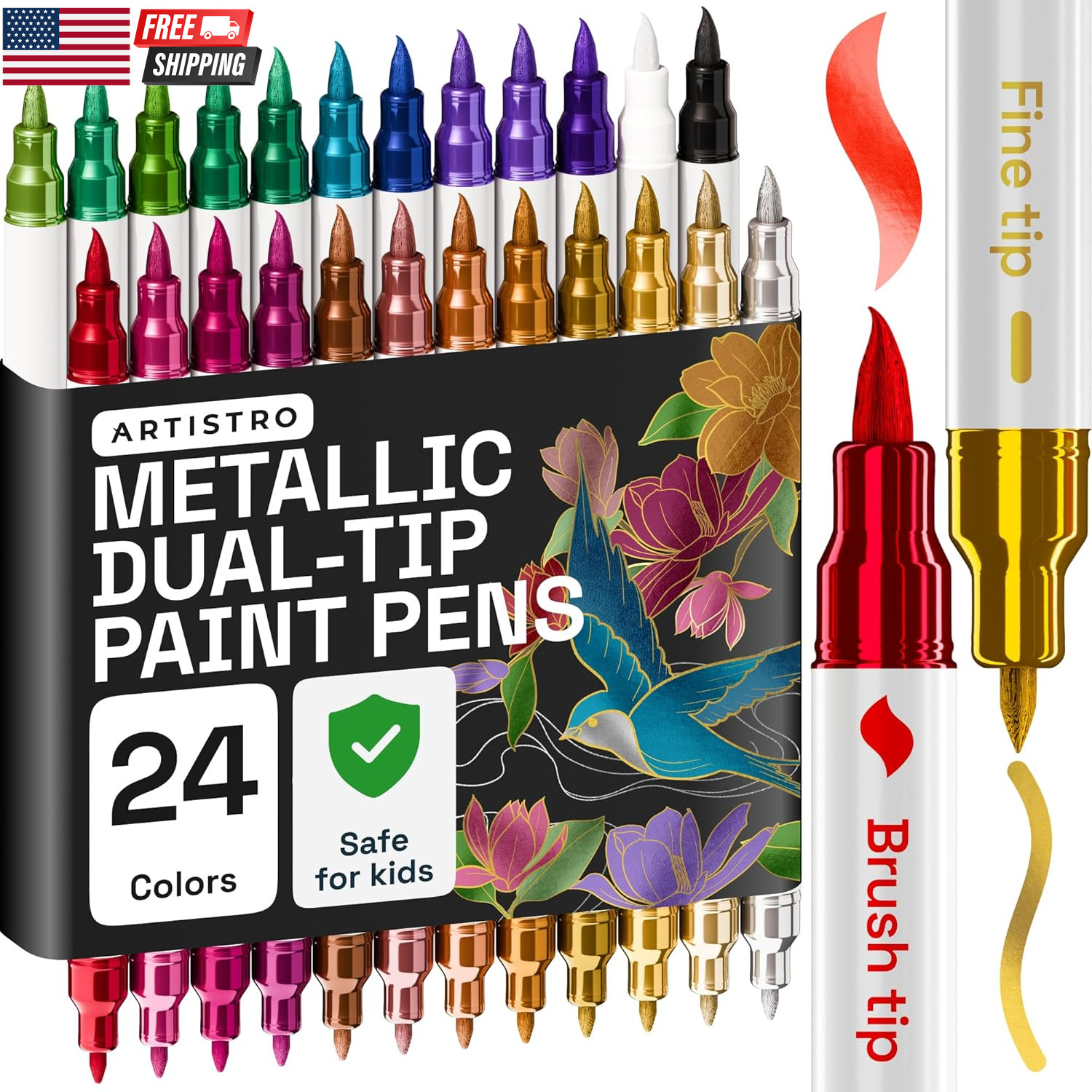 24 Metallic Acrylic Paint Markers - Paint Pens for Drawing, Brush + Fine Tips -$39.04View on eBay
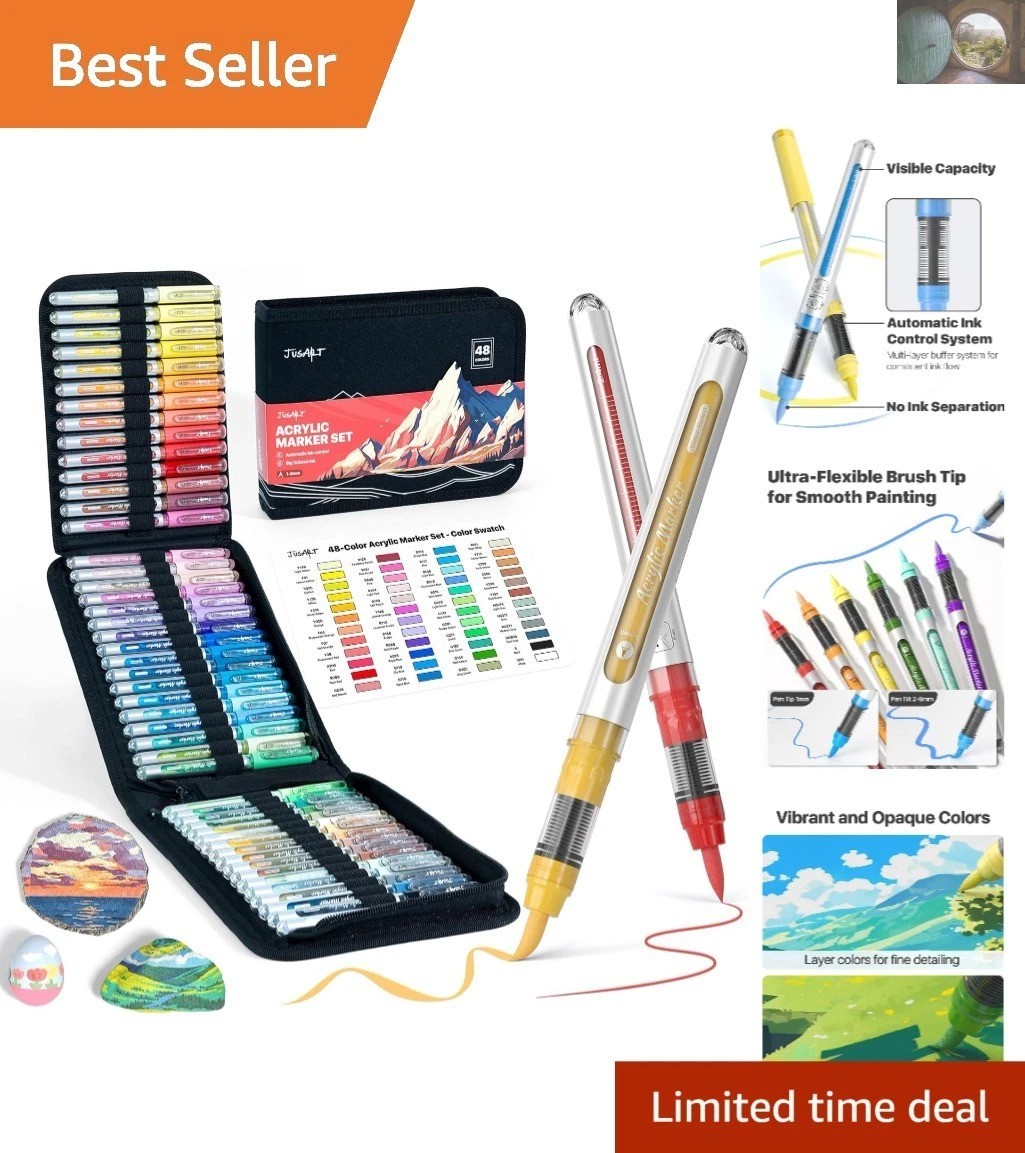 48 Vibrant Colors Acrylic Paint Markers Set - Multi-Surface Art Supplies$51.54Last checked Nov 21, 2026View on eBay
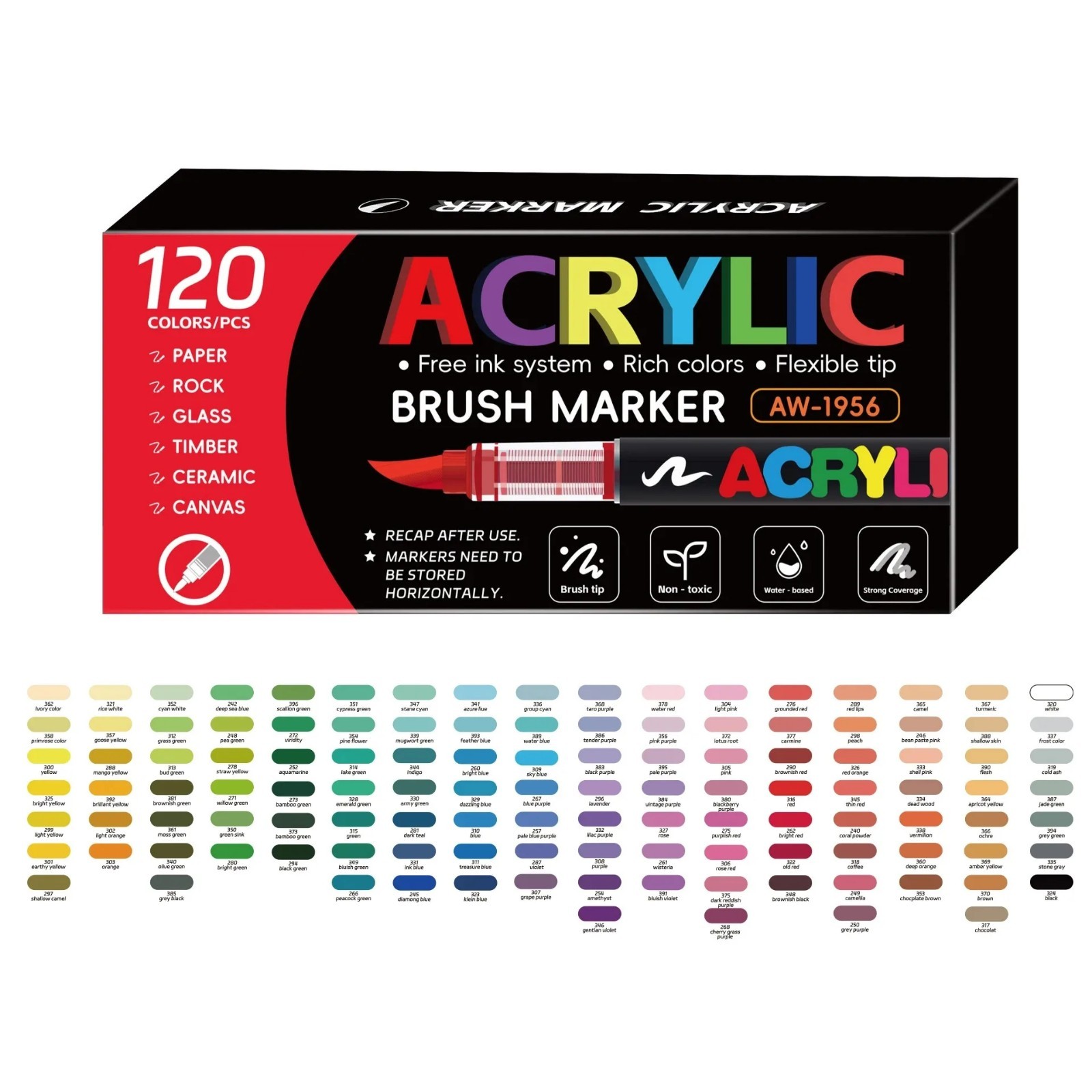 Acrylic Paint Marker Pens Set Brush Tip Permanent Waterproof Opaque 12-120 C Lot$75.60Last checked Nov 19, 2026View on eBay
 84 Pcs Paint Party Set - 12 Pre-Drawn Animal Canvases, Brushes, Acrylic Paints &$107.99Last checked Nov 21, 2026View on eBay
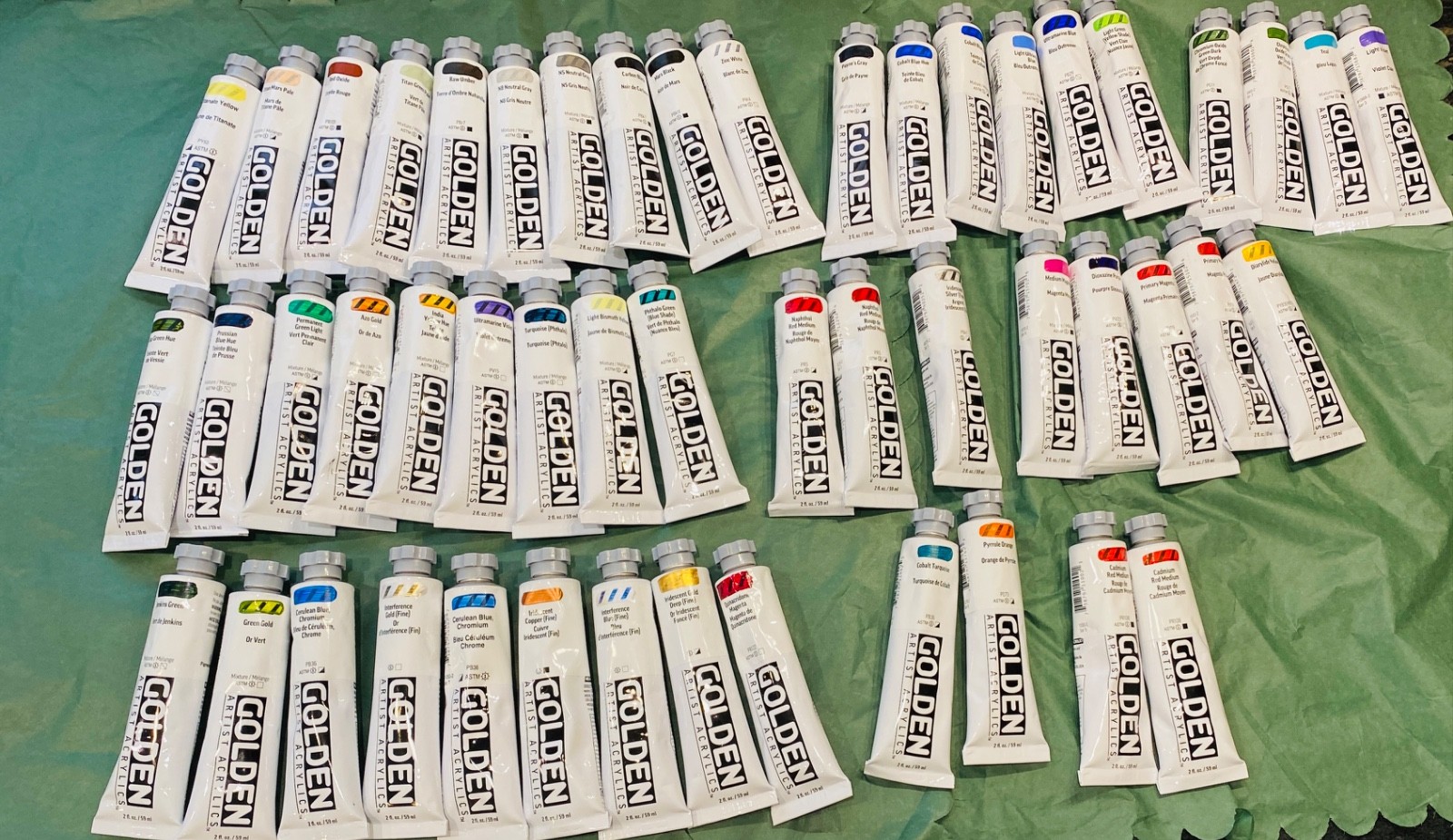 LOT OF 50 GOLDEN HEAVY BODY ARTIST COLORS ACRYLIC PAINT 59 ML 2 FL oz good mix$225.00New · Last checked Nov 21, 2026View on eBay
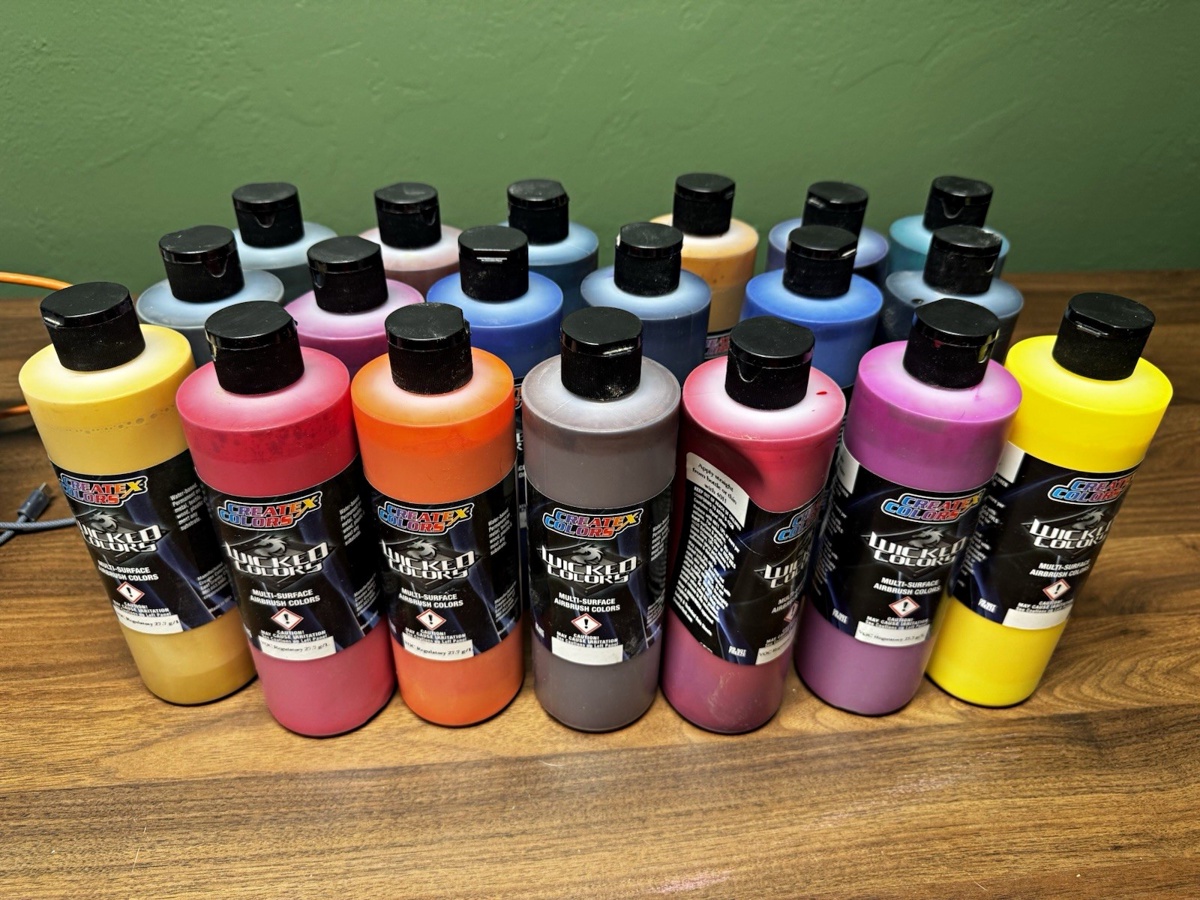 Createx Colors Wicked Colors Acrylic Paint Set, Multicolor Bottles$300.00Used · Last checked Nov 21, 2026View on eBay
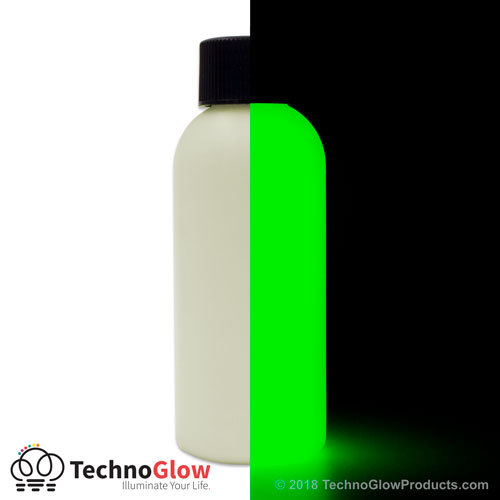 Glow in the Dark Paint, Ultra Green Glow & UV Acrylic by Techno Glow Paints$324.95New · Last checked Nov 21, 2026View on eBay
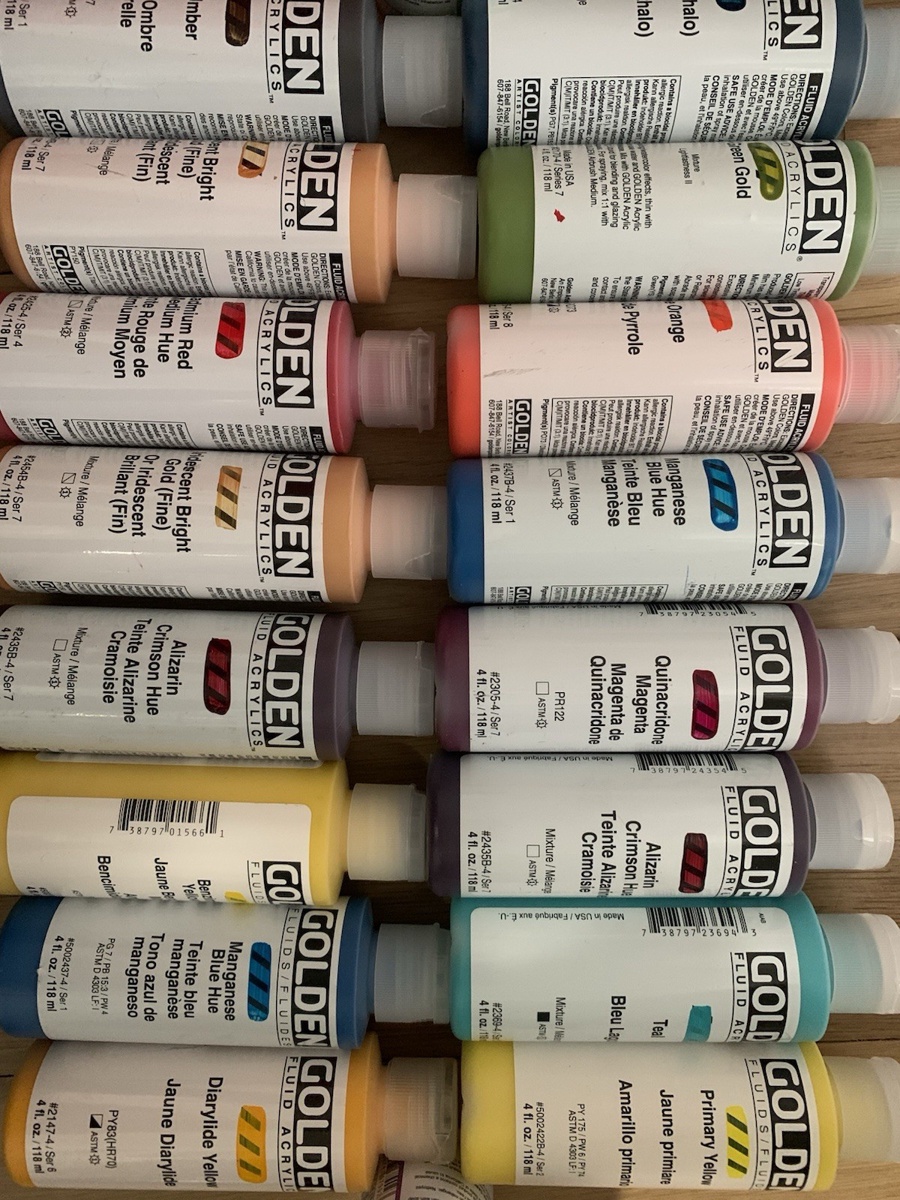 Lot of 45🎨 GOLDEN FLUID ACRYLIC PAINT BOTTLES 4oz NEW$360.00New · Last checked Nov 21, 2026View on eBay
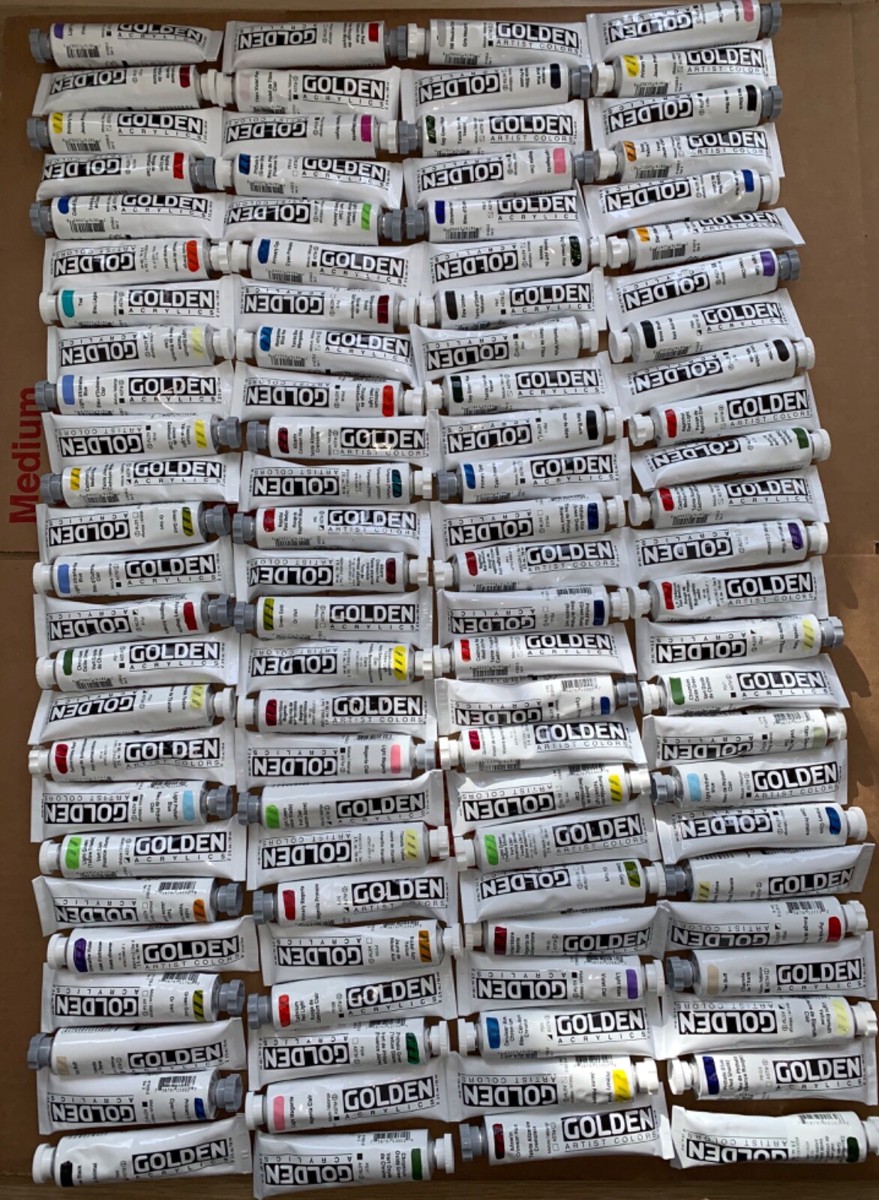 Golden acrylic artist colors paint ( lot of 200)2oz$475.00New · Last checked Nov 21, 2026View on eBay
Highlights
- Artist-grade acrylics use high pigment-to-binder ratios with single-pigment nomenclature (e.g., PB29, PW6) for predictable color mixing and ASTM lightfastness ratings.
- Heavy-body acrylic holds brush and palette-knife peaks for impasto, while fluid/soft-body versions level out for glazing, pouring, and detail work.
- Acrylic paint markers use water-based acrylic emulsions with valve-action or pump-action nibs; dual-tip brush/chisel or fine/broad configurations cover both fill and line work.
- Student-grade acrylics substitute extenders and lower-cost pigments for higher filler content, reducing tinting strength and increasing color shift on drying.
Best use cases
- Best fit for canvas painting: heavy-body artist-grade acrylic in 60 ml or larger tubes with ASTM I/II lightfast pigments; skip student-grade sets for archival commissions.
- Best fit for rock, wood, glass, and fabric crafts: waterproof acrylic paint markers with fine and broad dual tips; skip oil-based enamel pens that require solvent cleanup.
- Best fit for large-surface base coating and kids' projects: fluid acrylic in 2 fl oz (60 ml) bottles or paint strips; skip artist-grade tubes where volume coverage and cost per area dominate.
- Wrong fit: airbrush acrylics through a standard dual-action airbrush kit only if the paint is pre-reduced or labeled airbrush-ready; thick heavy-body paint will clog 0.3 mm nozzles.
Buying tips
- Match paint body to technique: heavy-body for impasto and brush texture; soft-body for glazing and wash; fluid for pouring and airbrush; marker for line and detail on non-porous surfaces.
- Check pigment load and lightfastness on the label: artist-grade tubes list pigment index names and ASTM ratings; student-grade sets often omit both.
- For marker work, count tip types per pen: dual-tip brush/chisel covers fill and edge; fine/dot tips suit lettering and dots; single-tip sets limit technique range.
- Size math for canvas: 60 ml tube covers roughly 1.5–2 sq ft at full opacity in heavy-body; 12 ml tubes suit small studies and color-mixing tests only.
Specs
| Paint Body | Heavy-body / Soft-body / Fluid |
|---|---|
| Grade | Artist vs Student pigment load |
| Marker Tip | Dual-tip brush/chisel or fine/dot |
| Volume | 12 ml / 60 ml / 2 fl oz |
Related searches
What to check before buying
- Verify substrate compatibility: canvas and wood accept heavy-body and fluid acrylics; glass, ceramic, and fabric need waterproof marker or enamel-labeled acrylic with surface prep.
- Confirm ventilation and room temperature: water-based acrylics cure best above 50°F/10°C with airflow; avoid freezing during storage or shipping.
- Match marker tip count and nib type to project scale: fine 0.7–1 mm nibs for detail, 3–5 mm chisel/broad for fills; dual-tip sets cover both.
- Check airbrush compressor output against paint viscosity: 1/6 HP compressor with 0.3–0.5 mm nozzle handles pre-reduced acrylics; thick paint requires larger nozzle or reducer.
FAQ
Data sources: eBay / Amazon listings and product attribute feeds. Updated Nov 27, 2026.
Some links on this page are affiliate links. If you buy after clicking one, we may earn a commission at no extra cost to you. This does not change which products appear here or their order. Affiliate disclosure.