
Photos from current listings. Actual item, color, and included accessories may vary.
Art Supply Buying Guide
Art supplies span a huge range of media — from pigment-based paints and markers to dry media like pencils and pastels — and the primary trade-off is pigment quality/lightfastness versus price, with student-grade materials using cheaper fillers that fade, crack, or skip. Durable, archival options use artist-grade pigments, acid-free paper, and lightfast binders, while compromise kits bulk up piece counts with low-pigment media and brittle plastic tools. The decision rule: buy artist-grade or reputable student-grade media and separate tools for serious work, and treat large piece-count kits as entry-level gifts rather than long-term studio stock.
Median $18.99 · New listings
Key takeaways
- Pigment grade is the core differentiator: artist-grade paints and pencils use single high-concentration pigments rated I or II on the ASTM lightfastness scale, while student-grade uses blends and fillers rated III or lower that visibly fade within years.
- Acrylic paint body varies by binder ratio — heavy-body (high pigment, holds brush strokes, ~2 fl oz/60 ml tubes) suits canvas and impasto, while fluid/soft-body is for pouring, glazing, and surfaces; the observed 24-color / 60 ml format is a standard starter configuration.
- Marker and pen performance is dictated by nib type and ink chemistry: alcohol-based dual-tip markers blend and layer without paper pilling, while water-based markers are non-toxic and washable but streaky on thin paper.
At a glance
- Category
- Art Supplies
- Last updated
- Nov 27, 2026
Current offers
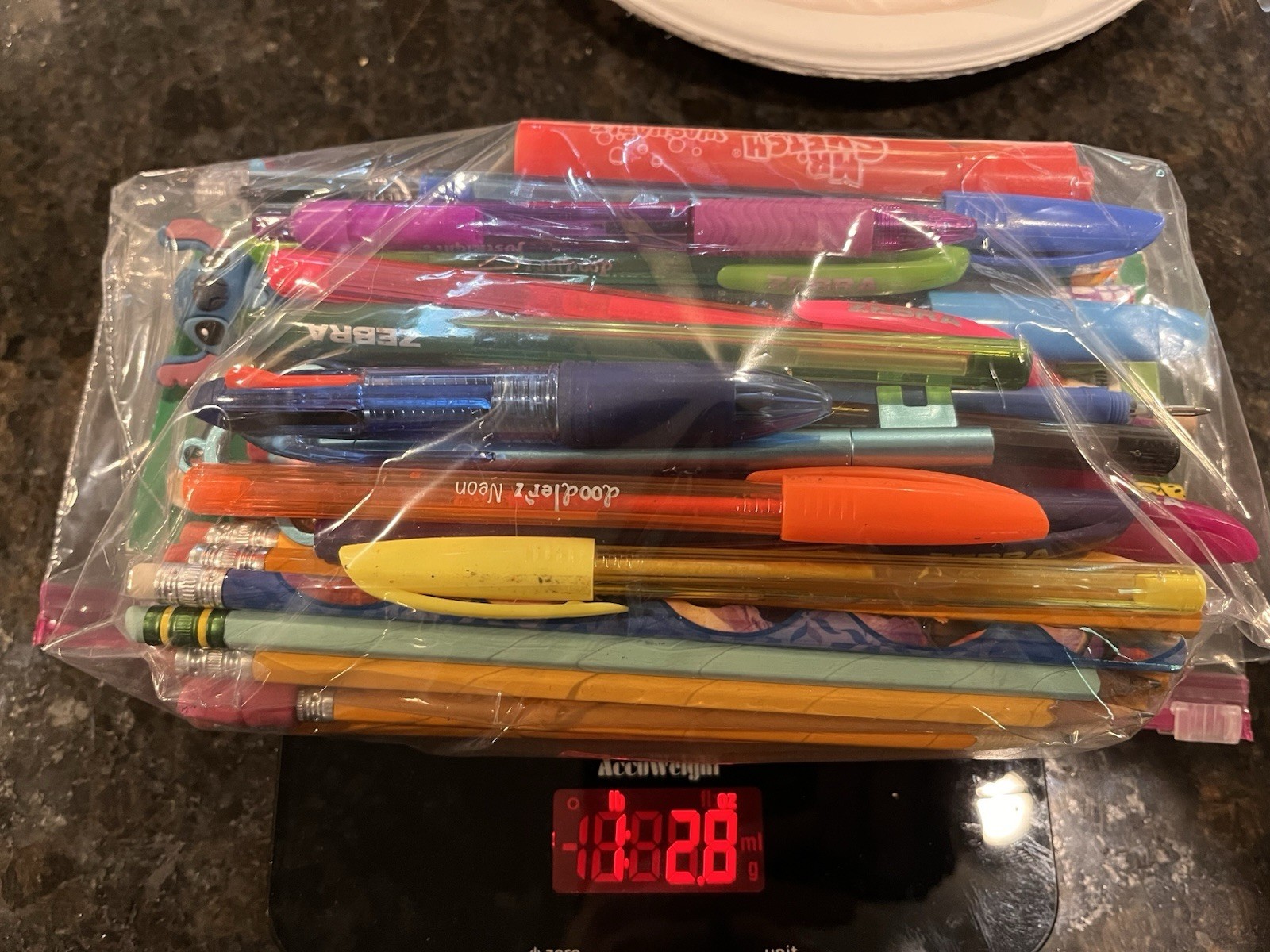 1 LB Bag Of Pens And Pencils Various Brands Art Supplies$5.00View on eBay
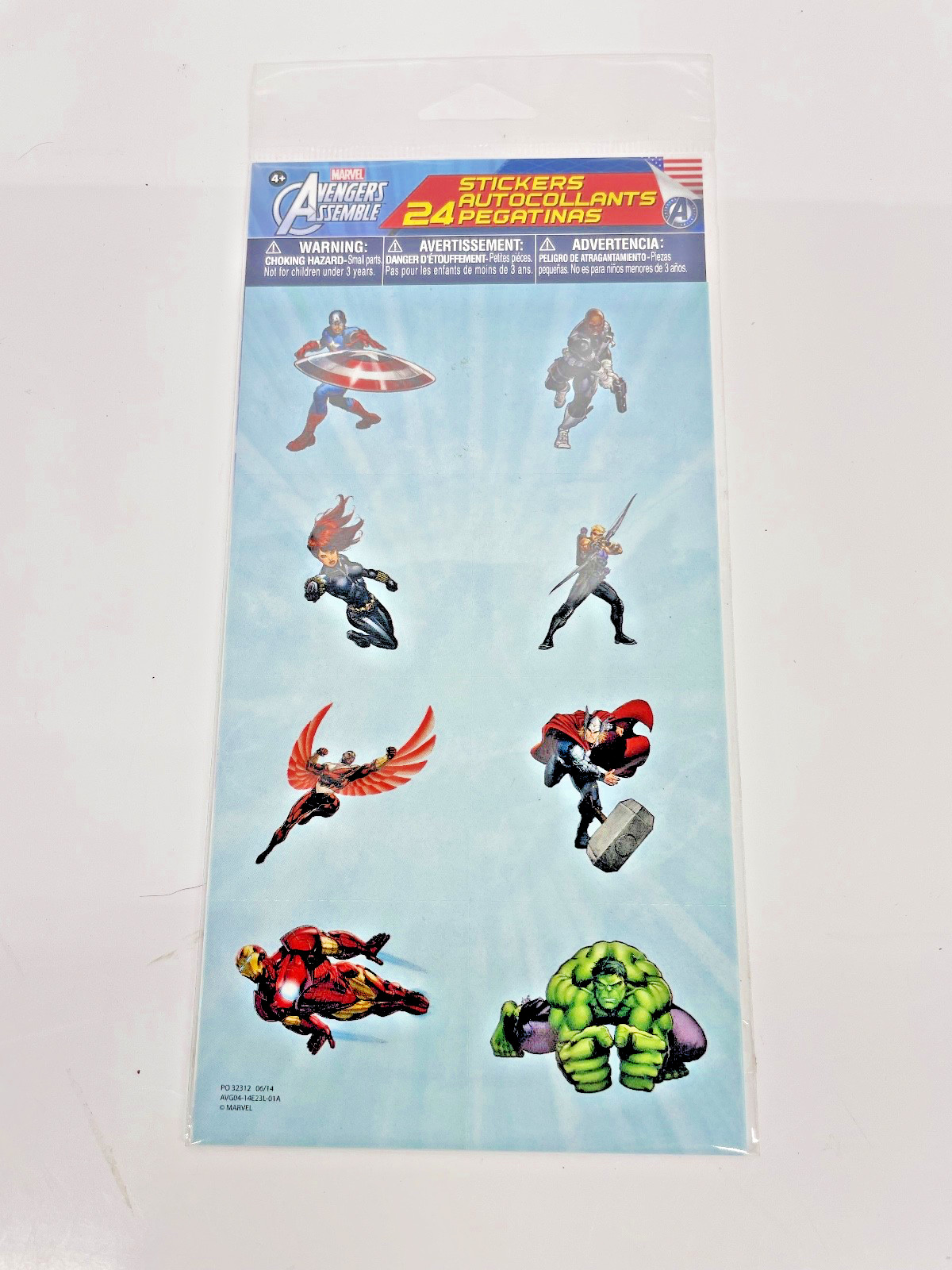 24pc Superheroes Sticker Set Fun Kids Characters DIY Art Supplies Party Favors$5.99Last checked Nov 22, 2026View on eBay
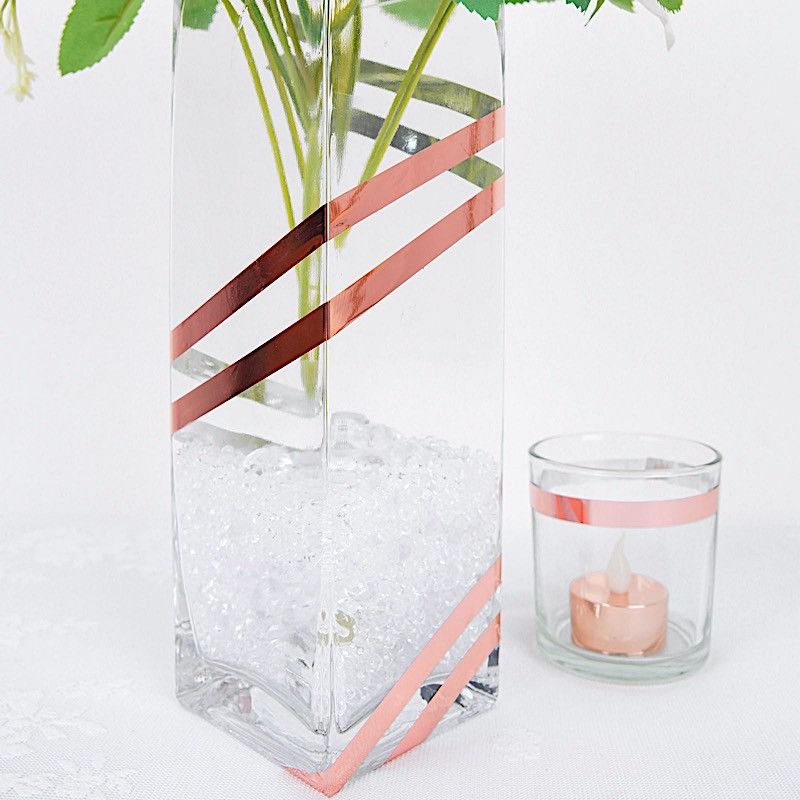 BLUSH 100 yards Metallic Polyester Arts and Crafts TAPE ROLL Party Supplies$6.49Last checked Nov 20, 2026View on eBay
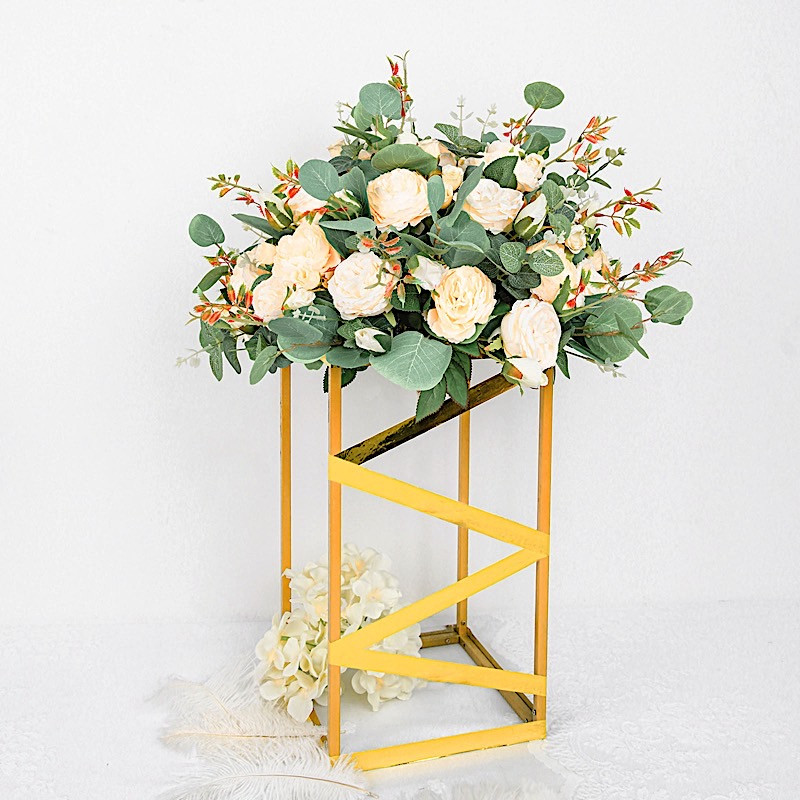 GOLD 100 yards Metallic Polyester Arts and Crafts TAPE ROLL Party Supplies$6.49Last checked Nov 20, 2026View on eBay
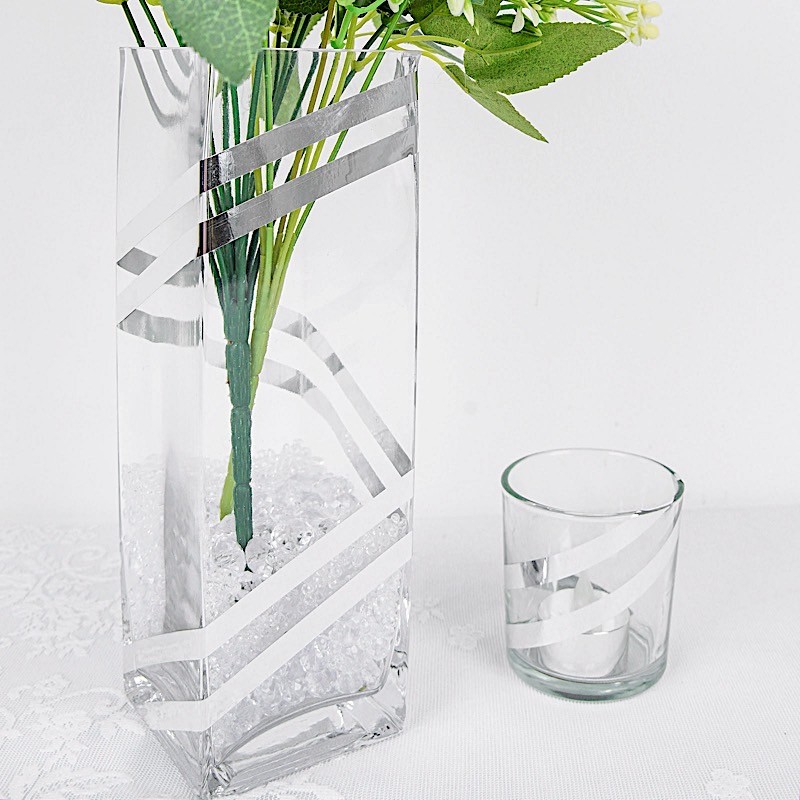 SILVER 100 yards Metallic Polyester Arts and Crafts TAPE ROLL Party Supplies$6.49Last checked Nov 19, 2026View on eBay
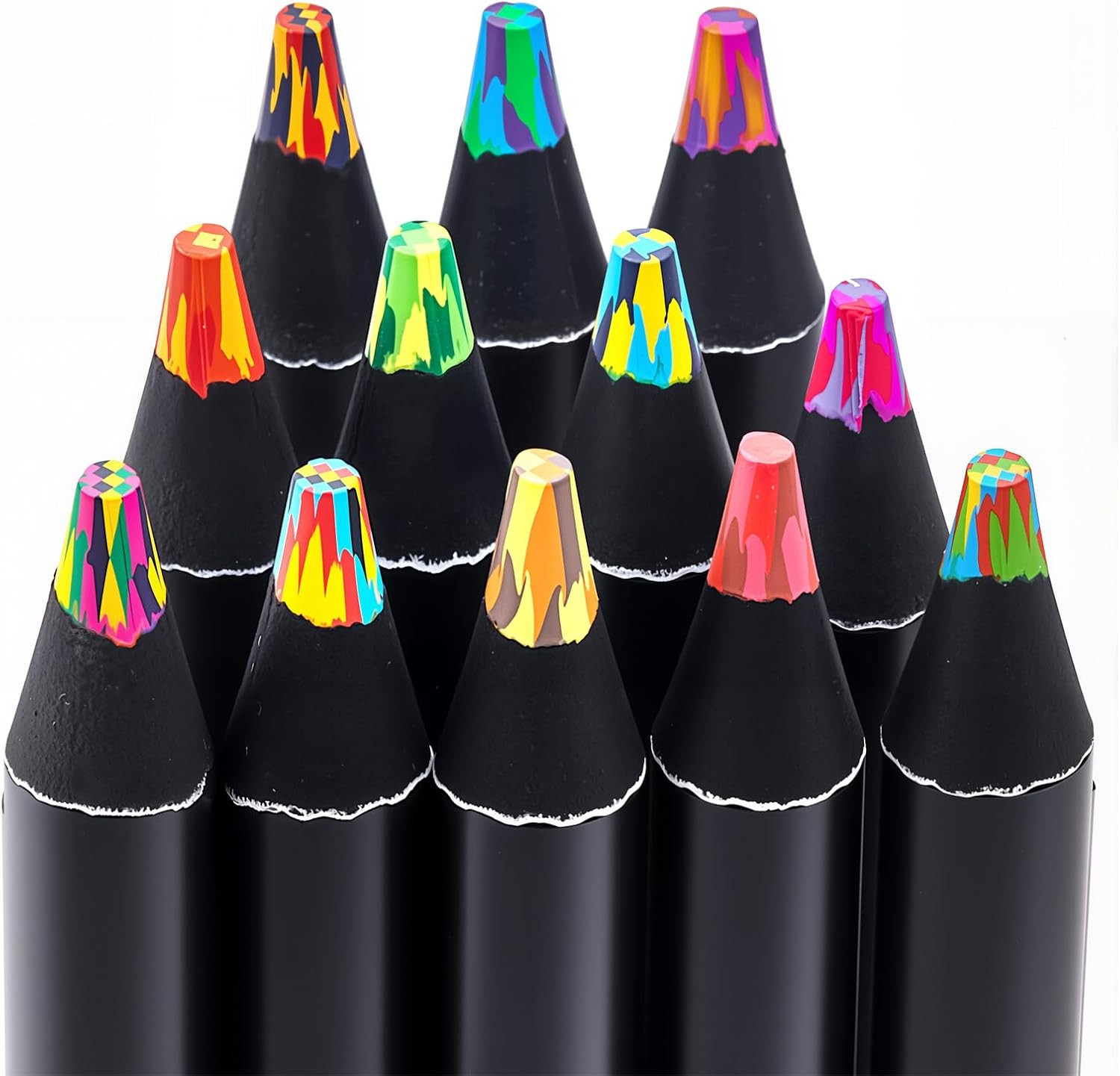 Stocking Stuffers,12 Rainbow Colored Pencils,Art Supplies for Kids, Stocking Stu$6.61Last checked Nov 24, 2026View on eBay
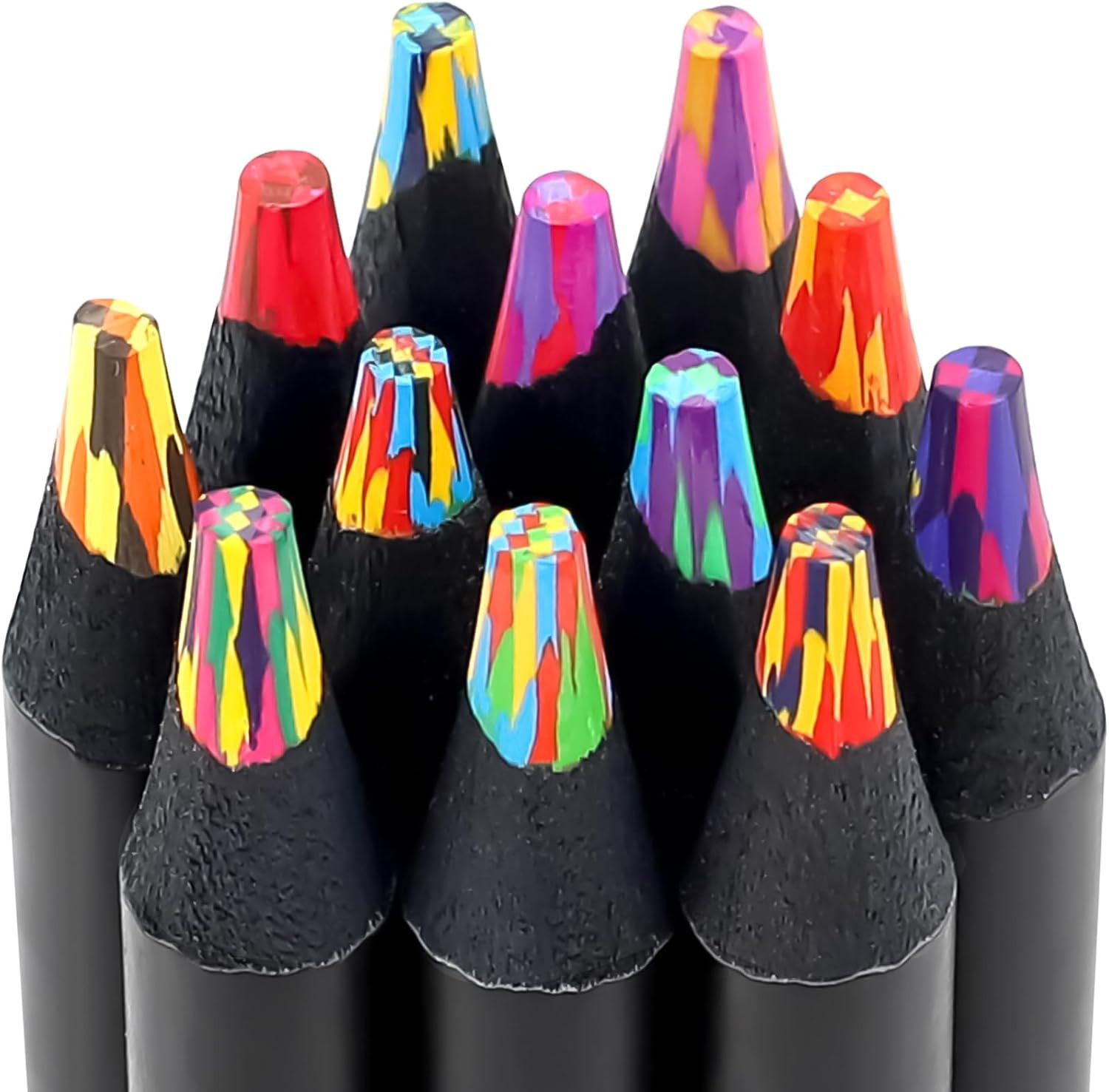 Art Supplies Kids Stocking Stuffers Teens,12 Rainbow Colored Pencils,Tween Teen$12.29Last checked Nov 24, 2026View on eBay
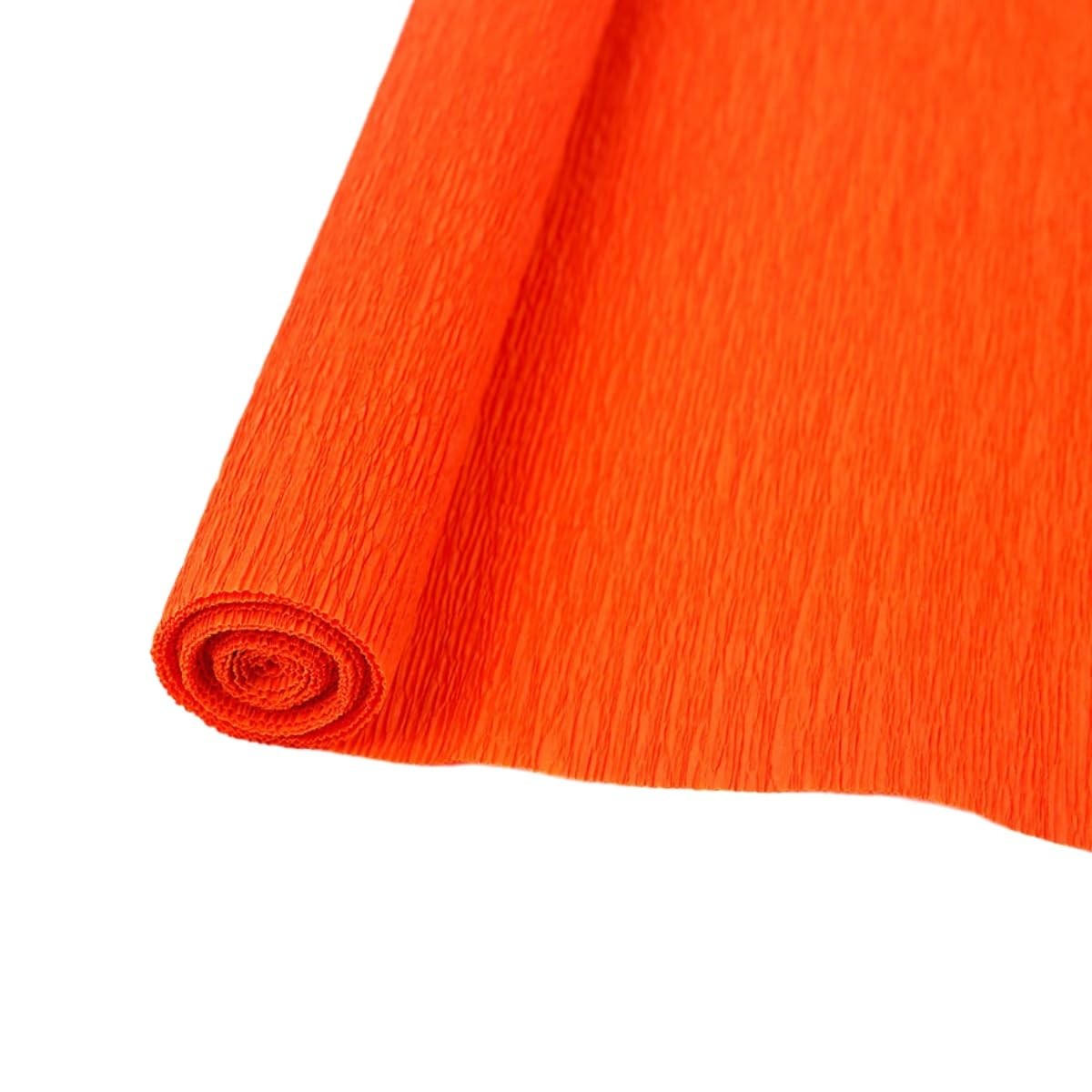 1 PCS Crepe Paper Rolls 70g Art DIY Crafting Supplies Orange Red$13.57Last checked Nov 21, 2026View on eBay
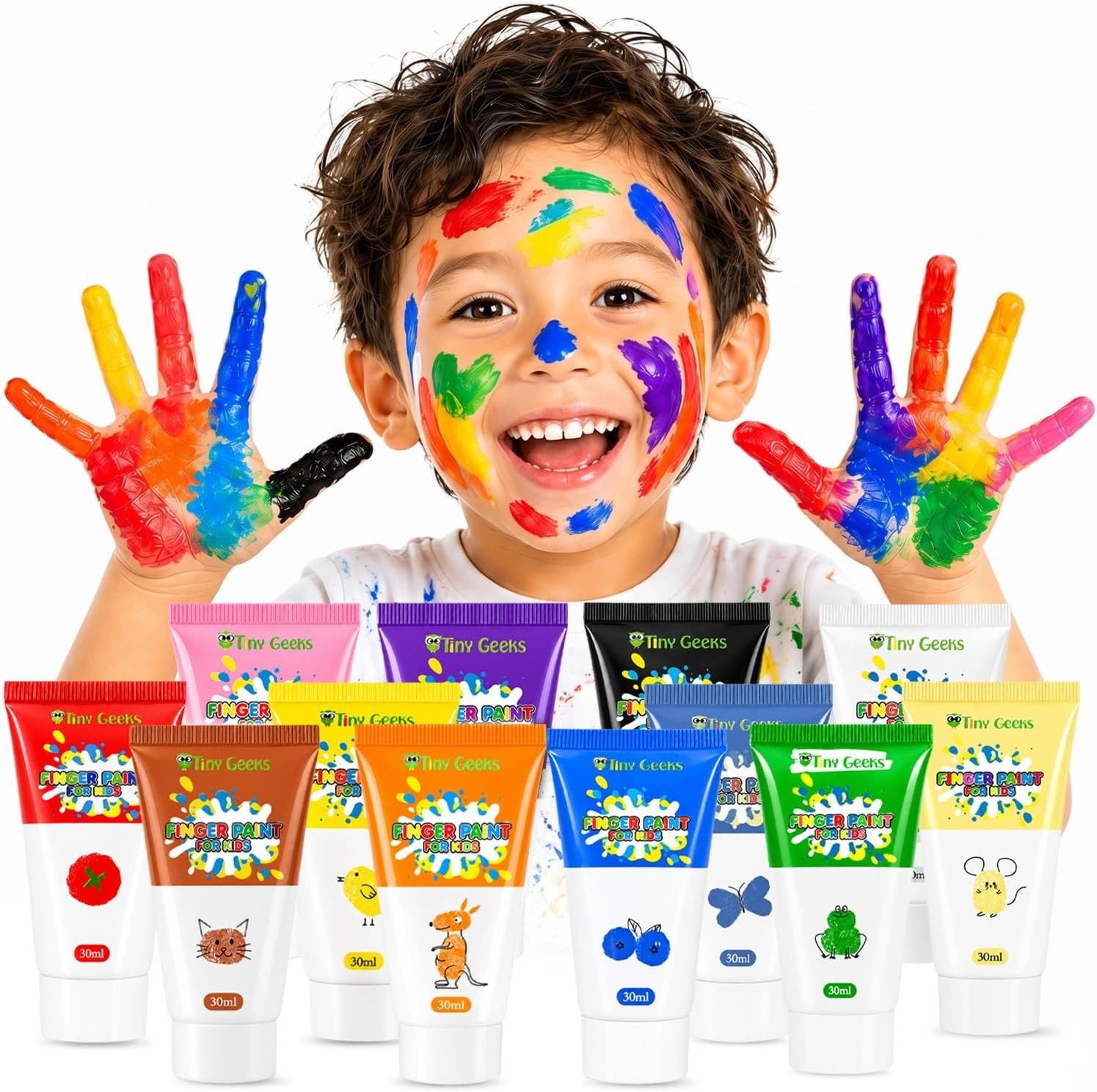 Washable Finger Paint Set 12 Vibrant Colors Non-Toxic Art Supplies for Kids$14.99View on eBay
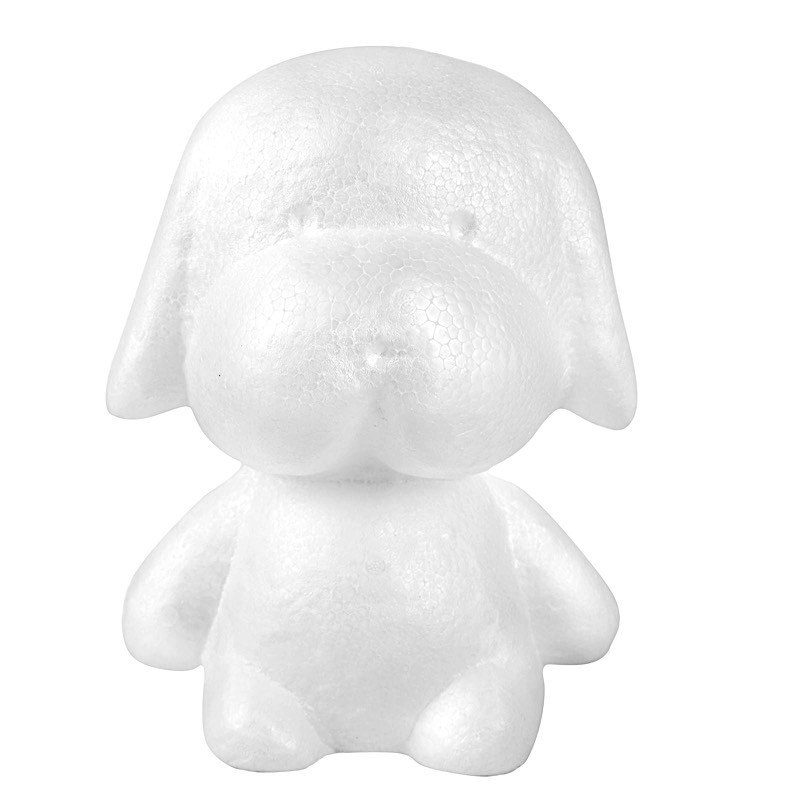 12" White 3D Puppy Craft Foam DIY Arts Party Decoration Events Supplies$15.78Last checked Nov 20, 2026View on eBay
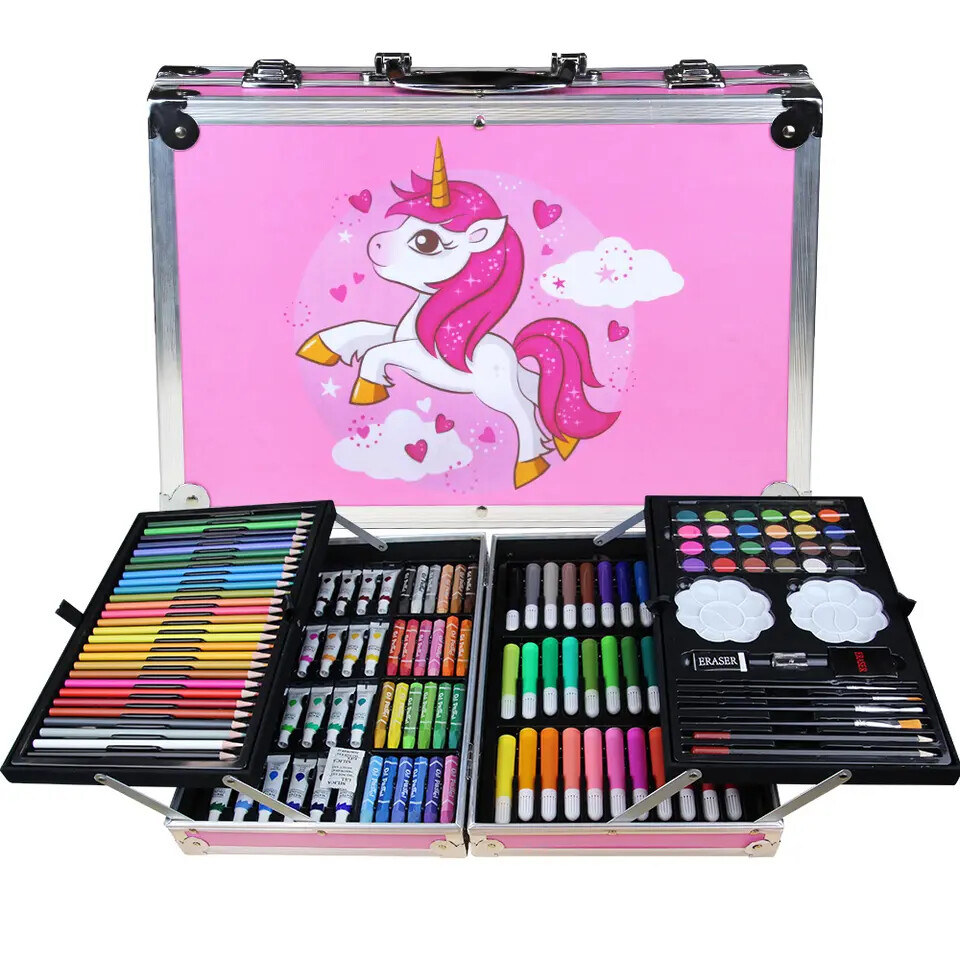 150pc Art Drawing Set Kit For Kids Childrens Teens Adults Supplies Paint Pencil$16.96Last checked Nov 21, 2026View on eBay
 Sewing Machine Temporary Tattoos Sewing Party Decorations Favors Supplies Art...$17.99Last checked Nov 21, 2026View on eBay
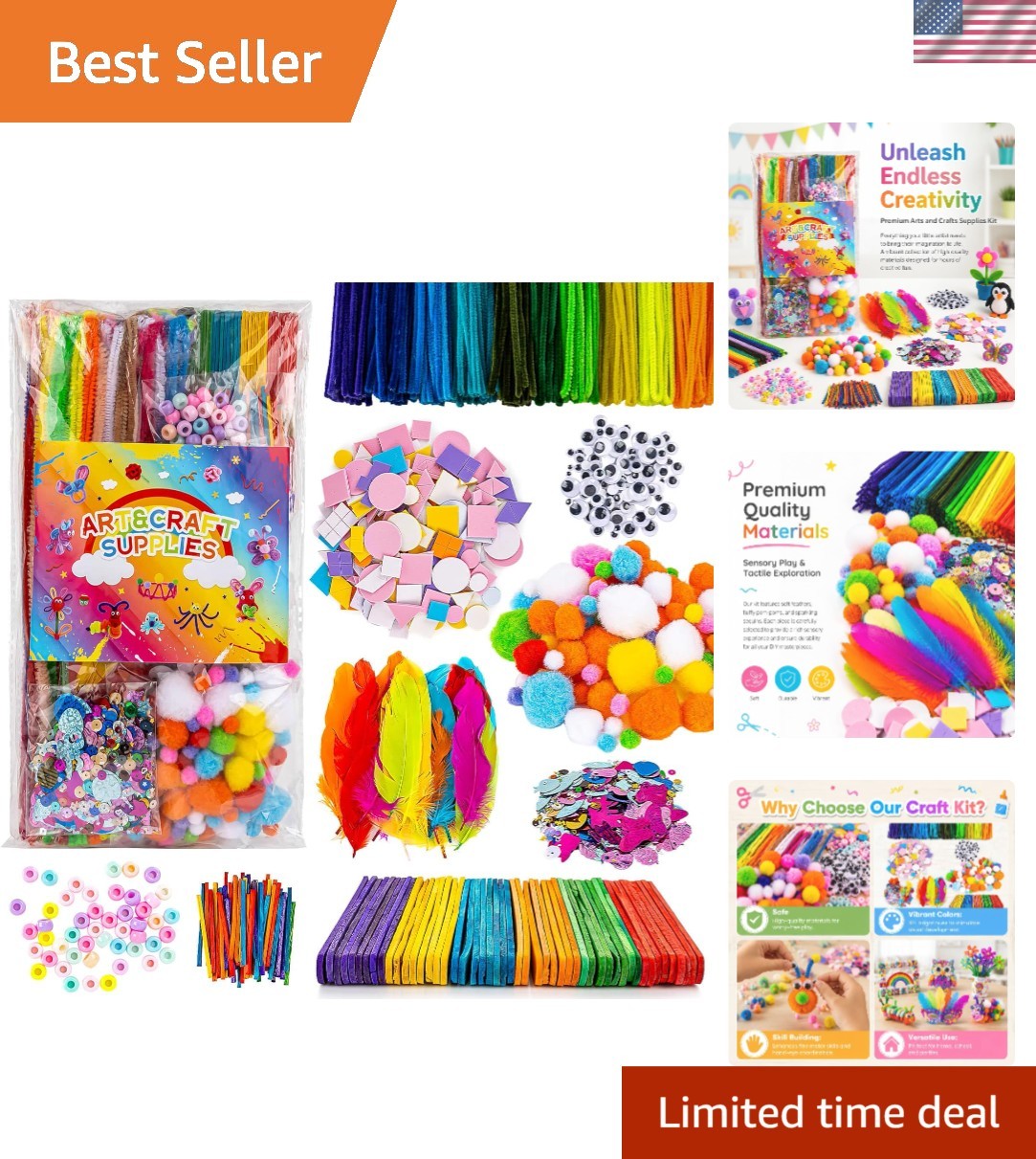 1700+ Arts & Crafts Supplies - Craft Kit,Supplies & Materials Set for School,...$17.99Last checked Nov 19, 2026View on eBay
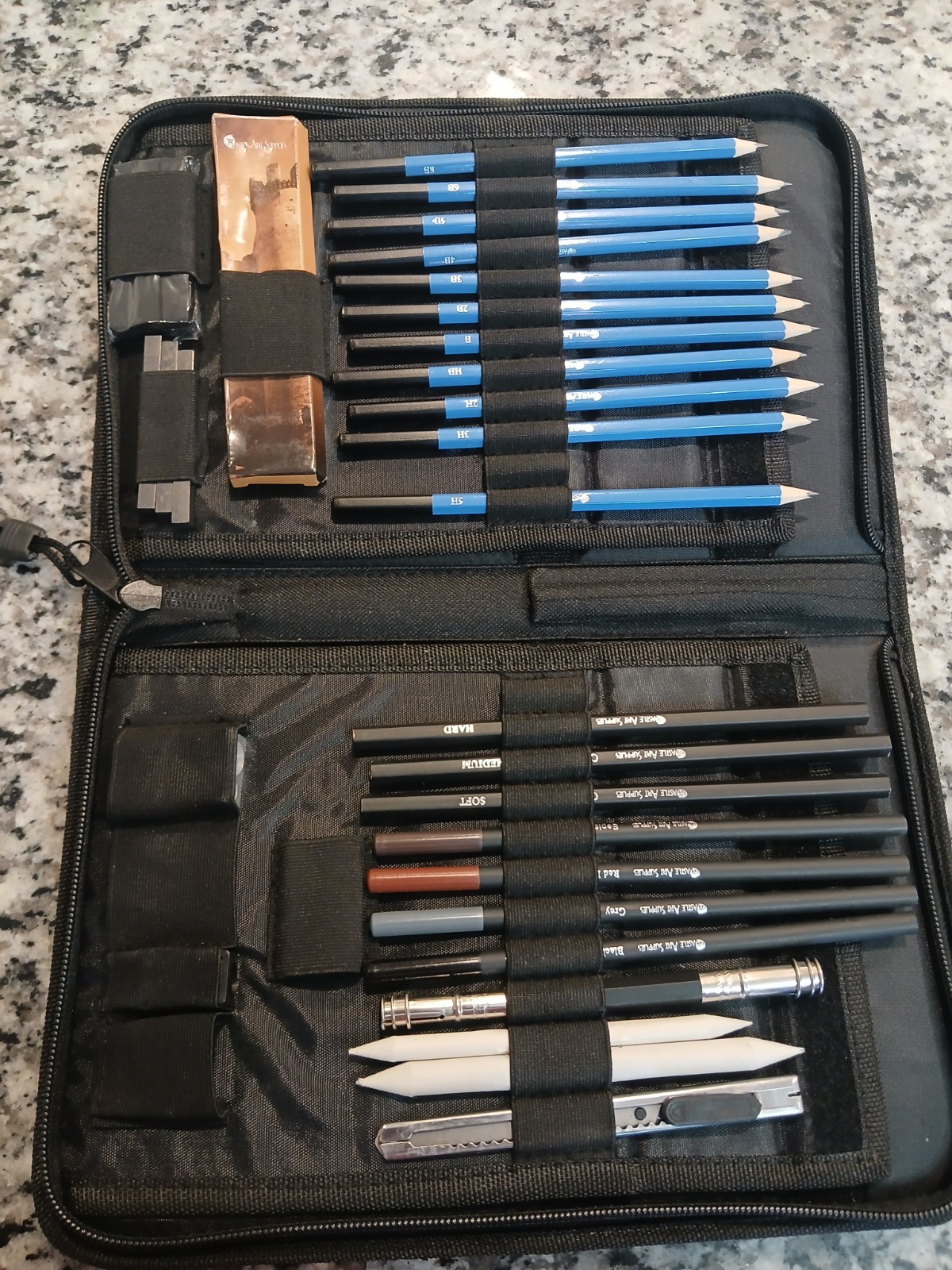 Castle Art Supplies Pencil Set 5H-8B w/ Zipper Case, Accessories, Blue/Black$18.00View on eBay
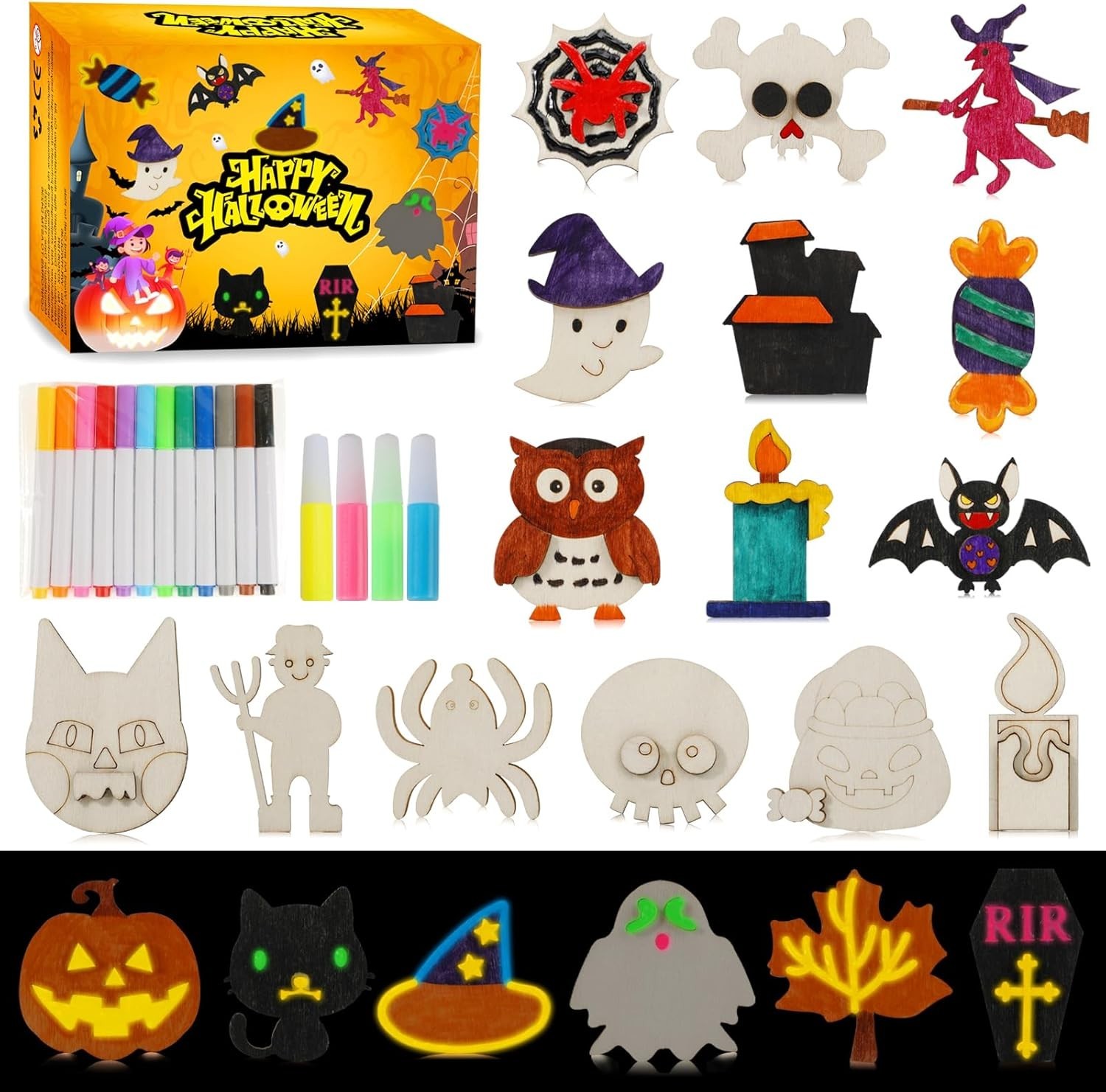 Halloween Crafts for Kids, 36 Pcs DIY Wooden Magnets Art Craft Supplies Painting$18.35Last checked Nov 20, 2026View on eBay
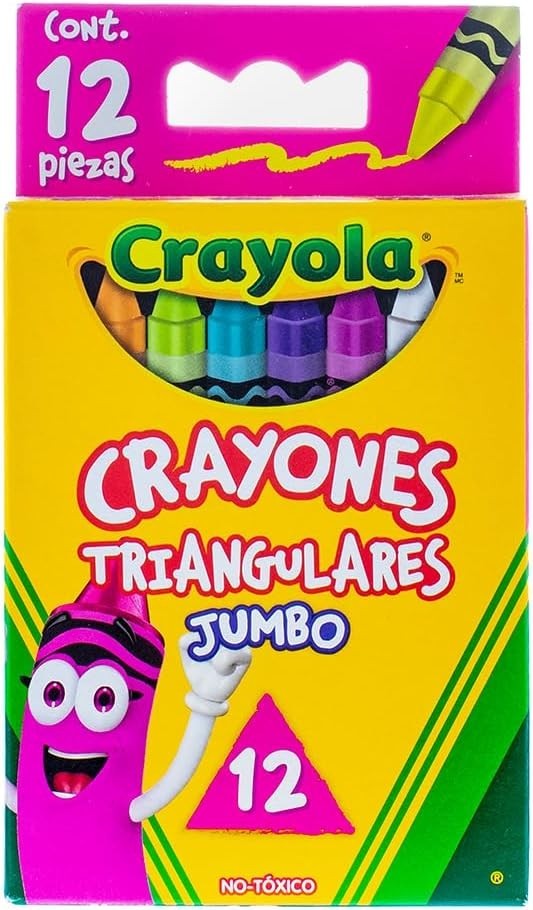 Crayola Jumbo Triangular Crayons 12 Ct Assorted Colors Kids Art Supplies Non-Tox$18.99Last checked Nov 25, 2026View on eBay
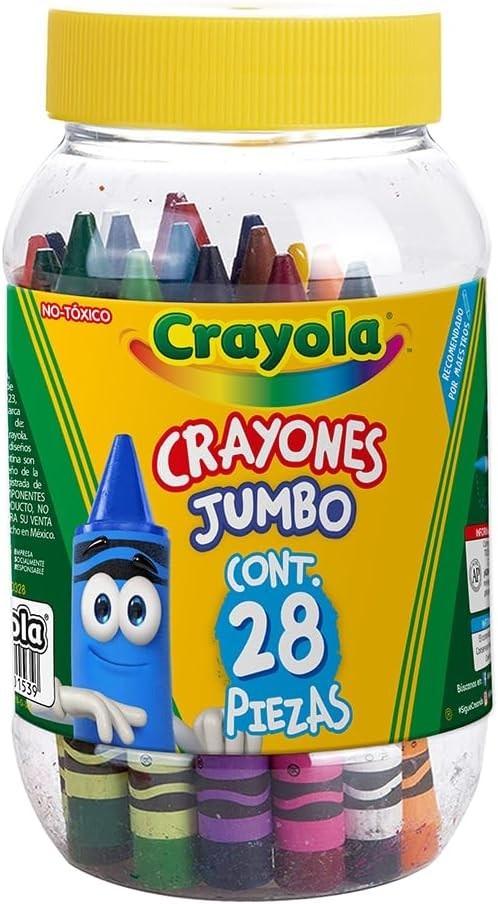 Crayola Jumbo Crayons 28 Count Jar Assorted Colors Kids Art Supplies Non-Toxic$18.99Last checked Nov 23, 2026View on eBay
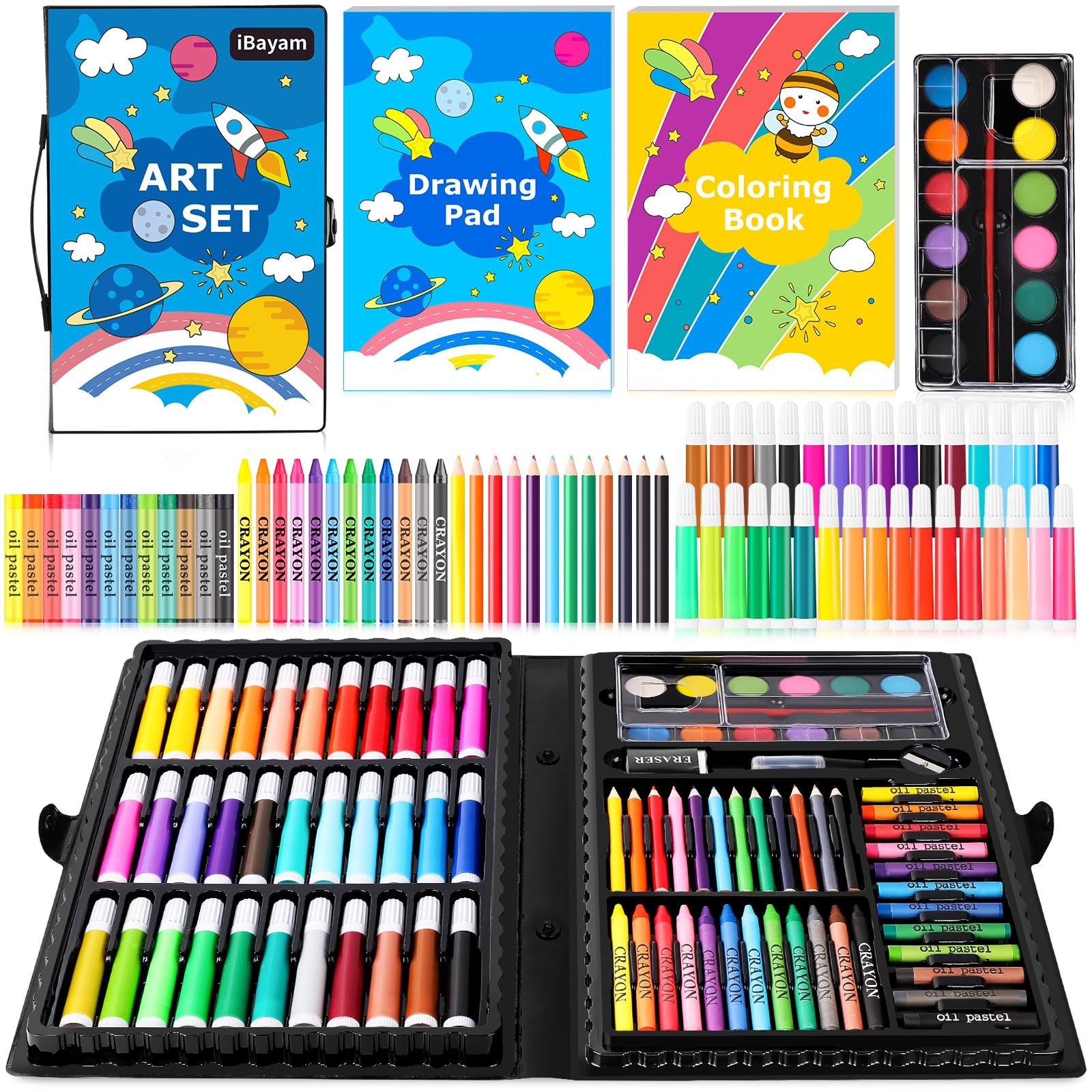 Art Supplies, 149-Pack Drawing Kit Painting Art Set Art Kits Gifts Box, Arts ...$21.92View on eBay
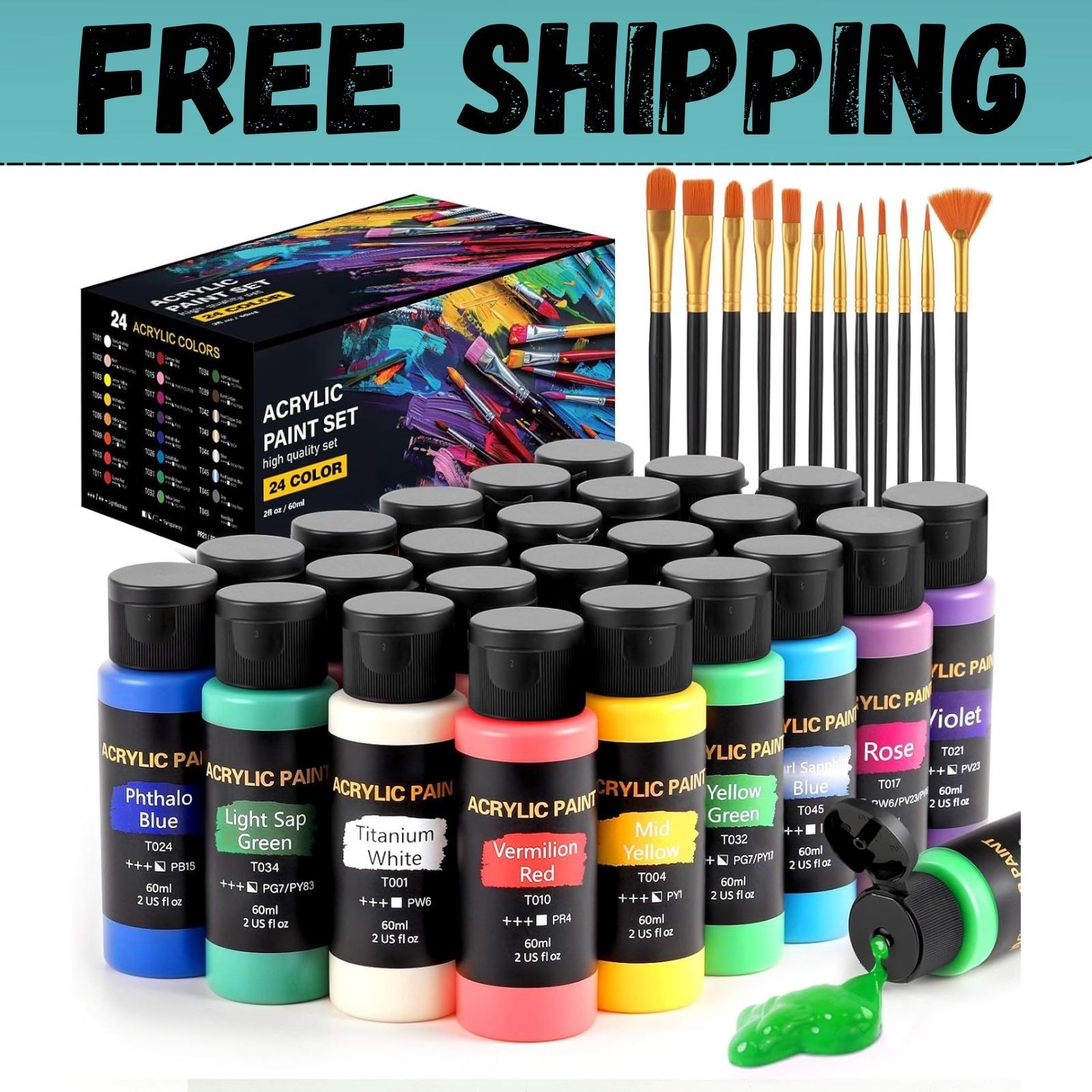 Acrylic Paint Set, 24 Colors (2 oz/Bottle) with 12 Art Brushes, Art Supplies for$21.99View on eBay
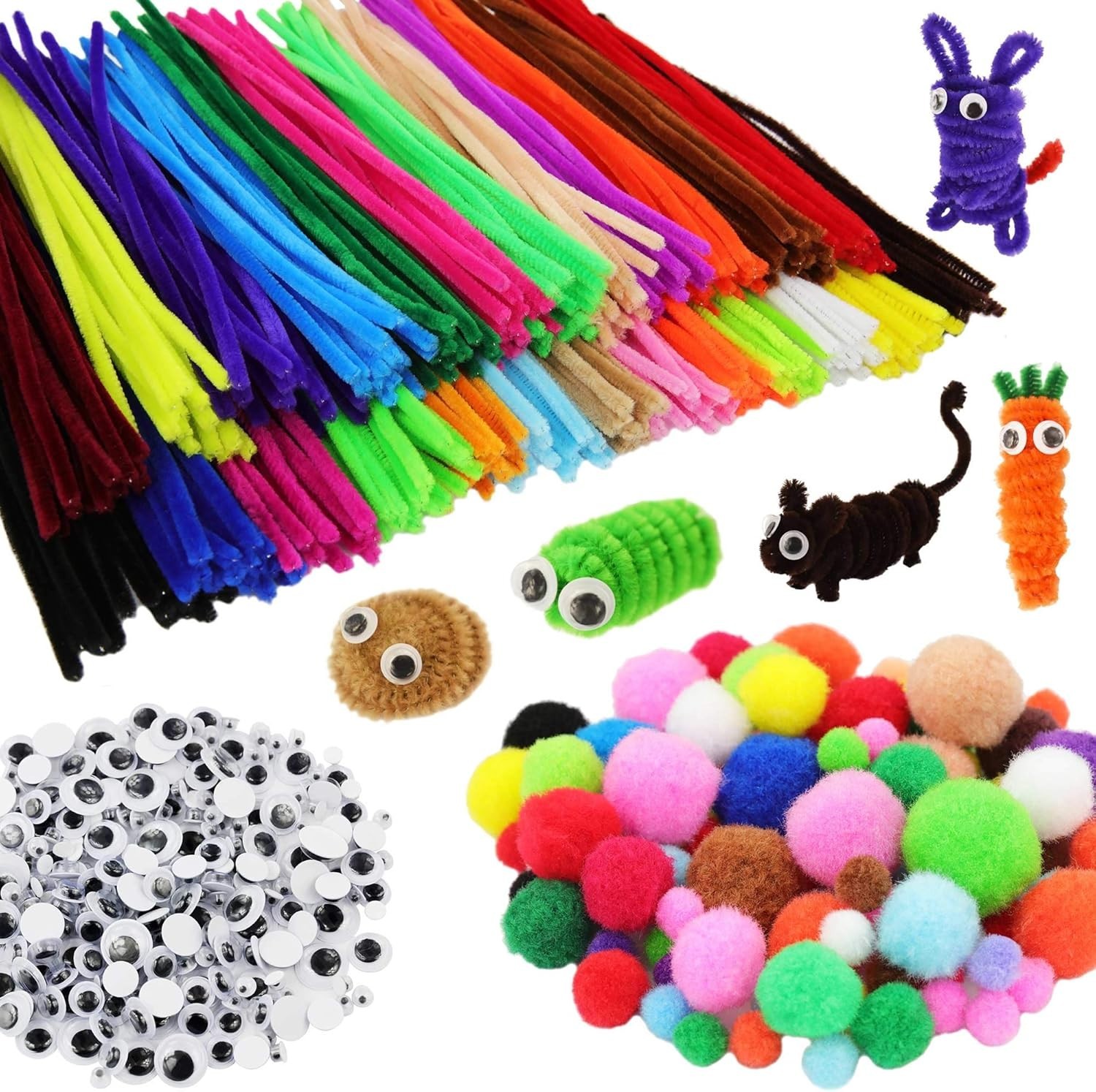 862 Pieces Kids Art & Craft Supplies Set DIY Activities & Parties Pipe Cleane..$22.09Last checked Nov 19, 2026View on eBay
Highlights
- Pigment grade is the core differentiator: artist-grade paints and pencils use single high-concentration pigments rated I or II on the ASTM lightfastness scale, while student-grade uses blends and fillers rated III or lower that visibly fade within years.
- Acrylic paint body varies by binder ratio — heavy-body (high pigment, holds brush strokes, ~2 fl oz/60 ml tubes) suits canvas and impasto, while fluid/soft-body is for pouring, glazing, and surfaces; the observed 24-color / 60 ml format is a standard starter configuration.
- Marker and pen performance is dictated by nib type and ink chemistry: alcohol-based dual-tip markers blend and layer without paper pilling, while water-based markers are non-toxic and washable but streaky on thin paper.
- Wooden-box and piece-count kits (e.g., 140-222 piece sets) bundle colored pencils, oil pastels, crayons, watercolor cakes, and brushes — convenient for beginners, but the media inside are typically student-grade with lower pigment load and smaller sizes than open-stock equivalents.
Best use cases
- Best fit for serious painting or drawing: buy open-stock artist-grade media (single tubes, individual pencils or markers) plus acid-free, 200-300 gsm paper — skip large all-in-one kits whose pigment concentration and lightfastness are unknown.
- Best fit for kids, classrooms, or gifts: choose a themed or piece-count kit (crayons, washable markers, watercolor cakes, oil pastels) that is non-toxic and washable; skip alcohol markers and solvent-based spray products for young children.
- Best fit for urban art / spray paint work: pair aerosol cans with the correct cap type — female caps (e.g., outline caps) fit valves designed to accept them, while male caps fit standard cans; buy a cap assortment to control line width and spray pattern.
- Wrong fit: buying a '140-222 piece' kit expecting professional results — the media are small and student-grade; for studio output, spend the same budget on fewer, higher-pigment items and a proper substrate.
Buying tips
- For acrylics, match body to technique: heavy-body (high viscosity, ~60 ml tubes) for canvas and palette-knife work; soft/fluid body for glazing, pouring, and detailed brushwork — both thin with water before curing.
- For colored pencils, choose oil-based or wax-based cores for blending; artist-grade cores are centered and break-resistant, while budget pencils have off-center cores that snap and sharpen unevenly.
- For markers, prefer alcohol-based dual-tip (brush + chisel) for blending and layering; water-based is better for kids and paper crafts — check that the ink is acid-free and non-toxic (AP seal).
- For spray paint caps, identify the valve: female caps (like outline caps) press onto the can's male valve stem, while male caps fit cans with female valves — buy a mixed cap pack to test width and pattern before committing to a style.
Specs
| Pigment Grade | Artist-grade vs student-grade |
|---|---|
| Paint Format | Heavy-body vs fluid; 60 ml standard |
| Lightfastness | ASTM I-II archival; III+ fades |
| Marker Ink | Alcohol (blendable) vs water-based |
Related searches
What to check before buying
- Confirm non-toxicity: look for the AP (Approved Product) seal from the ACMI on paints, markers, and crayons — essential for kids and classroom use.
- Check lightfastness ratings on paints and pencils if artwork will be displayed or sold — ASTM I-II is archival, III or unrated will fade.
- Match the kit to the surface and space: watercolor cakes and washable markers need water and drying space; oil pastels and acrylics need ventilation and smock protection.
- Verify cap/valve compatibility for spray paint: female vs male valve type determines which caps fit — buy an assortment if line width and pattern control matter.
FAQ
Data sources: eBay / Amazon listings and product attribute feeds. Updated Nov 27, 2026.
Some links on this page are affiliate links. If you buy after clicking one, we may earn a commission at no extra cost to you. This does not change which products appear here or their order. Affiliate disclosure.