
Photos from current listings. Actual item, color, and included accessories may vary.
Brush Pen Buying Guide
Brush pens are fiber- or bristle-tipped markers that deliver variable line width through pressure, bridging the gap between a felt-tip marker and a traditional brush. The core trade-off is tip construction and ink chemistry: real bristle tips with water-based ink give calligraphic line variation and blending, while felt tips with dye or pigment ink offer durability and layering but limited flex. Buy real-brush pens for lettering and watercolor work, and felt-tip or dual-tip markers for bullet journaling, outlining, and high-volume coloring.
Median $17.75
Key takeaways
- Tip type separates performance tiers: real bristle or synthetic brush tips flex for thick-to-thin strokes; firm felt tips hold a fixed width and resist fraying under heavy use.
- Ink chemistry governs layering: water-based ink blends with water and other water-based colors; alcohol-based ink sets fast, resists smearing, and layers without reactivating prior strokes.
- Dual-tip construction (brush plus fine or chisel) doubles utility per pen and is the standard for lettering and coloring sets; single-tip pens suit dedicated calligraphy or wash work.
At a glance
- Category
- Art Supplies
- Last updated
- Nov 27, 2026
Current offers
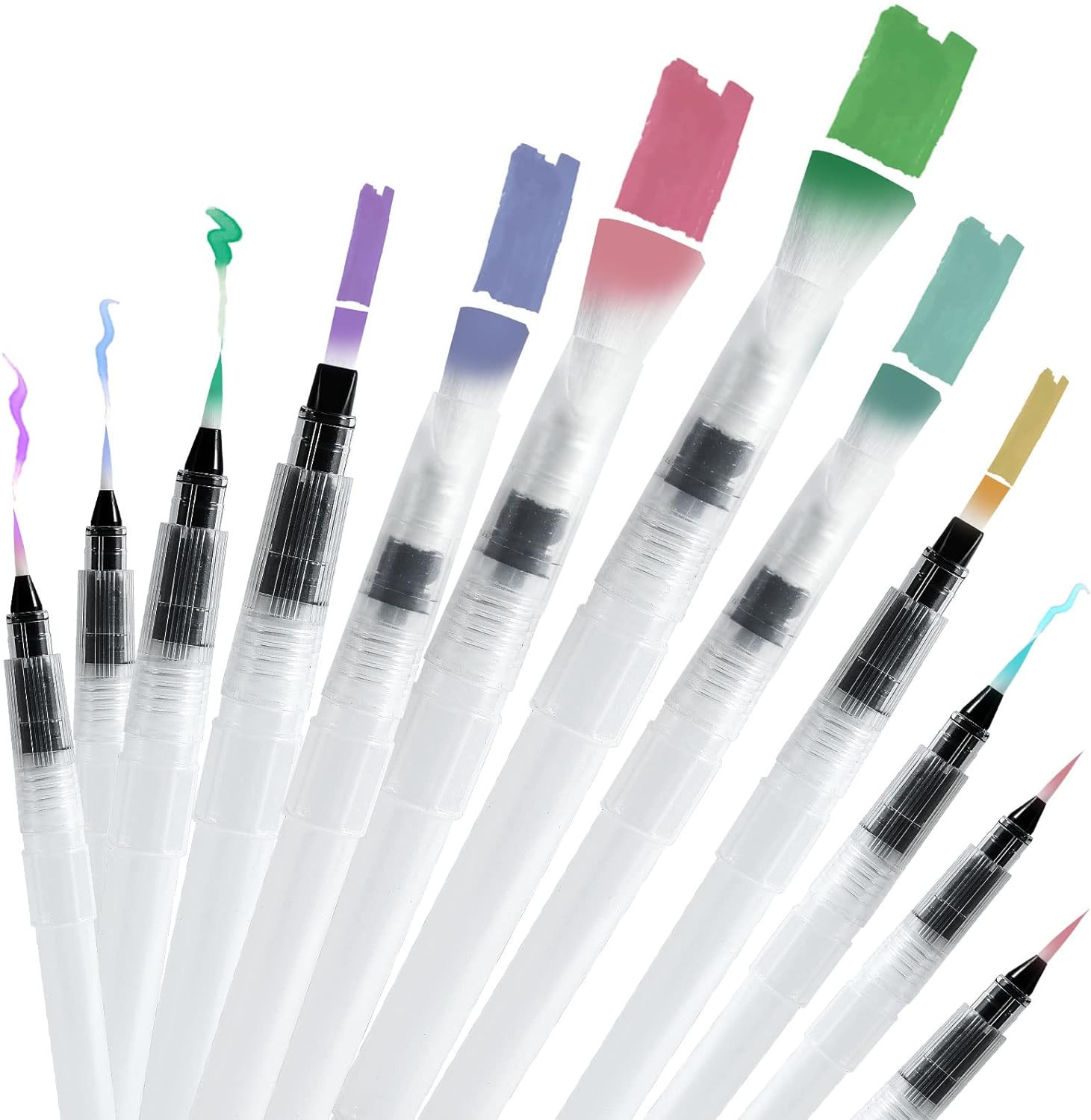 12Pcs Watercolor Brush Pens, Premium Leakproof Water Brush Pen with 6 Assorted T$7.92Last checked Nov 19, 2026View on eBay
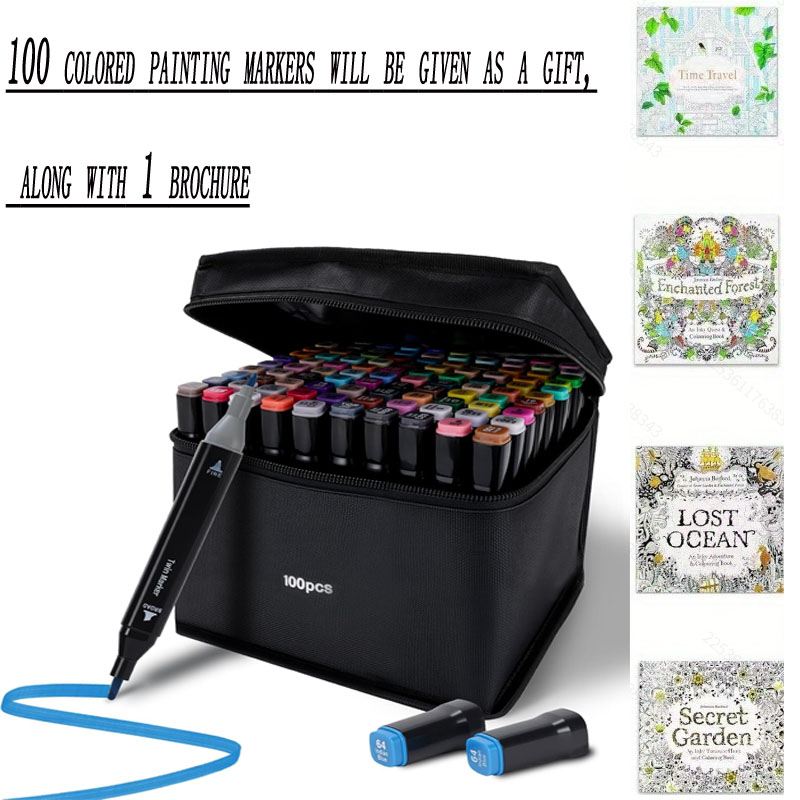 100 Colors Double-Tip Brush Pens, Watercolor-Based Markers, Alcohol For Children And Adults, Drawing, Calligraphy, Lettering (100)$19.99View on Mallflare
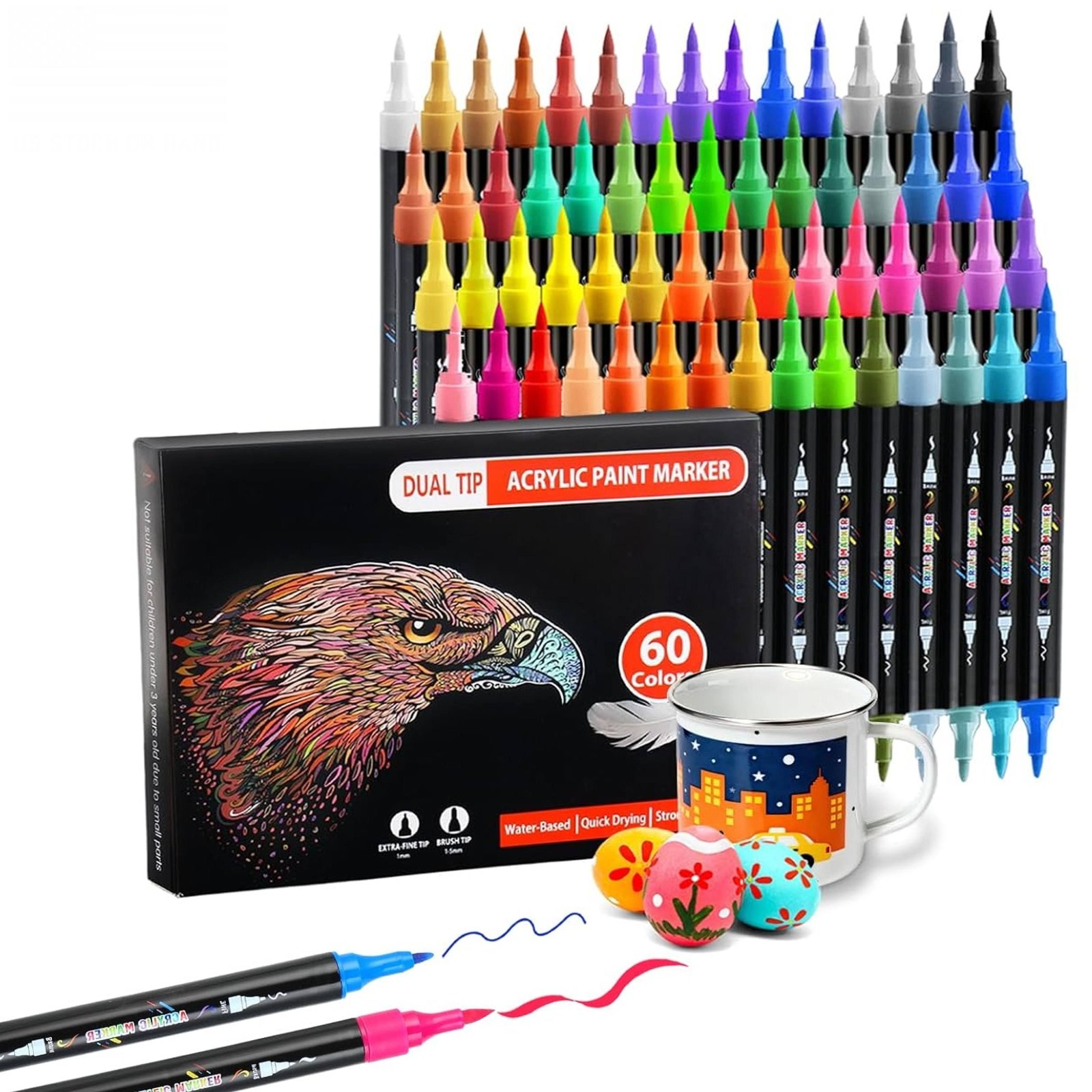 Acrylic Paint Marker Pens Set Brush/Fine Dual Tip Permanent Waterproof Opaque$9.95Last checked Nov 19, 2026View on eBay
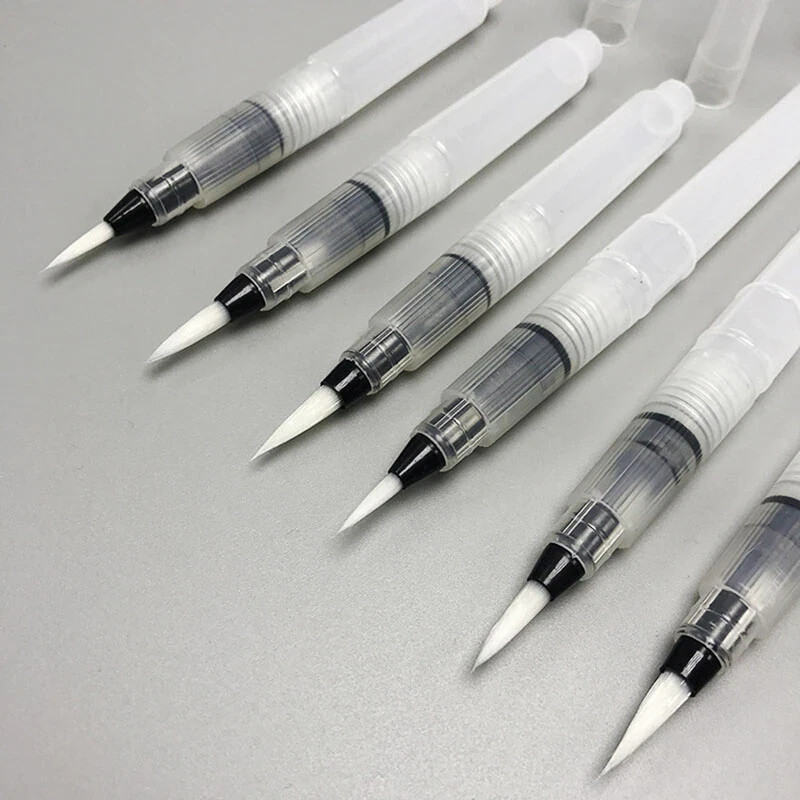 10 PC Refillable Paint Brush Pens Water Color Pencil Soft Watercolor Ink Empty$9.97View on eBay
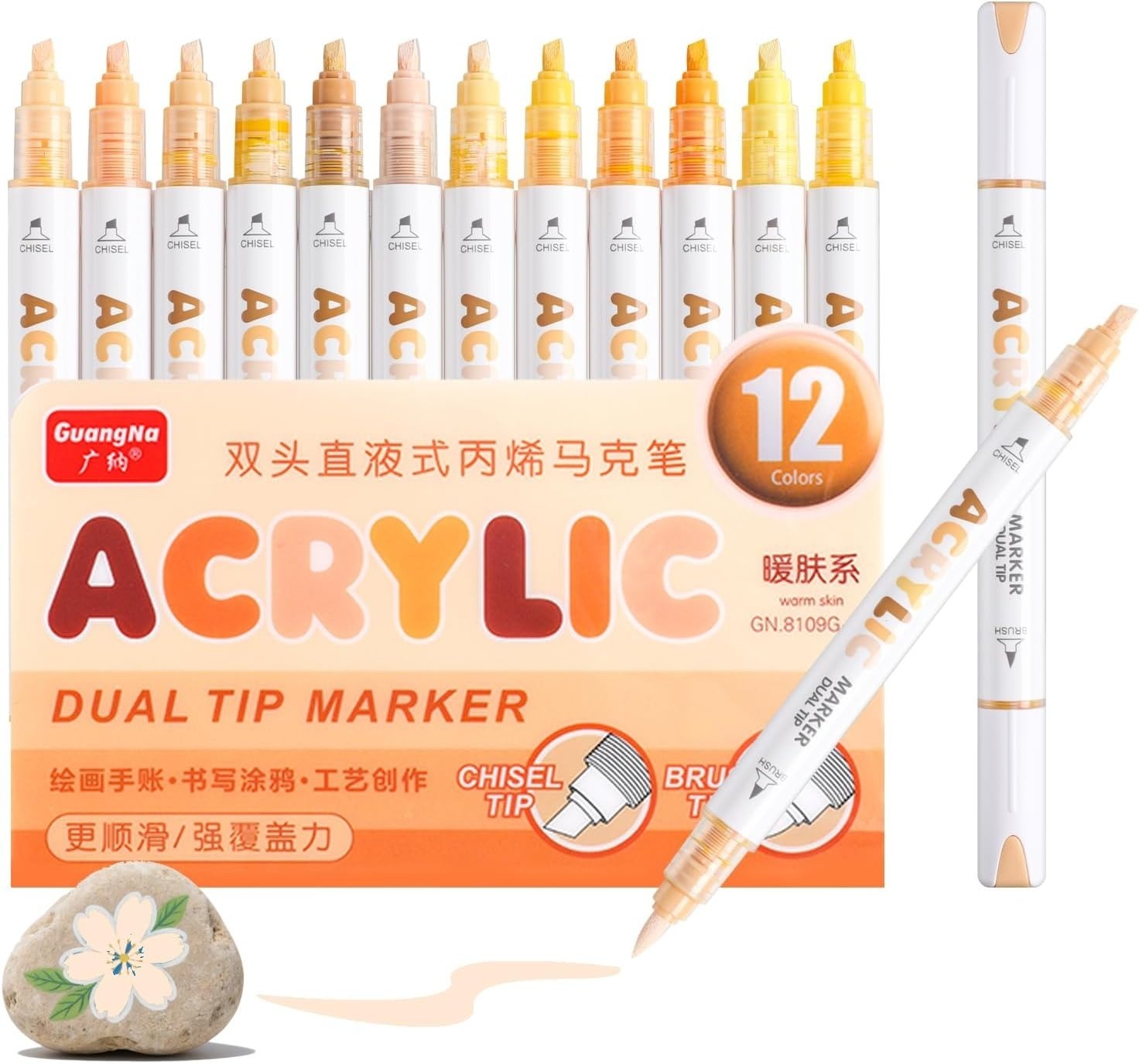 12 Colors Dual Tip Acrylic Paint Pens - Brush & Chisel Tip Acrylic Markers$10.90Last checked Nov 21, 2026View on eBay
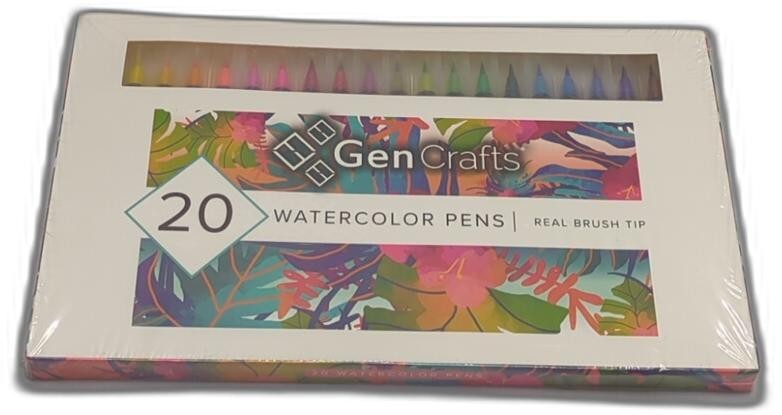 Gencrafts Watercolor Brush Pens - Real Brush Tips - No Mess Storage Case$12.99Last checked Nov 18, 2026View on eBay
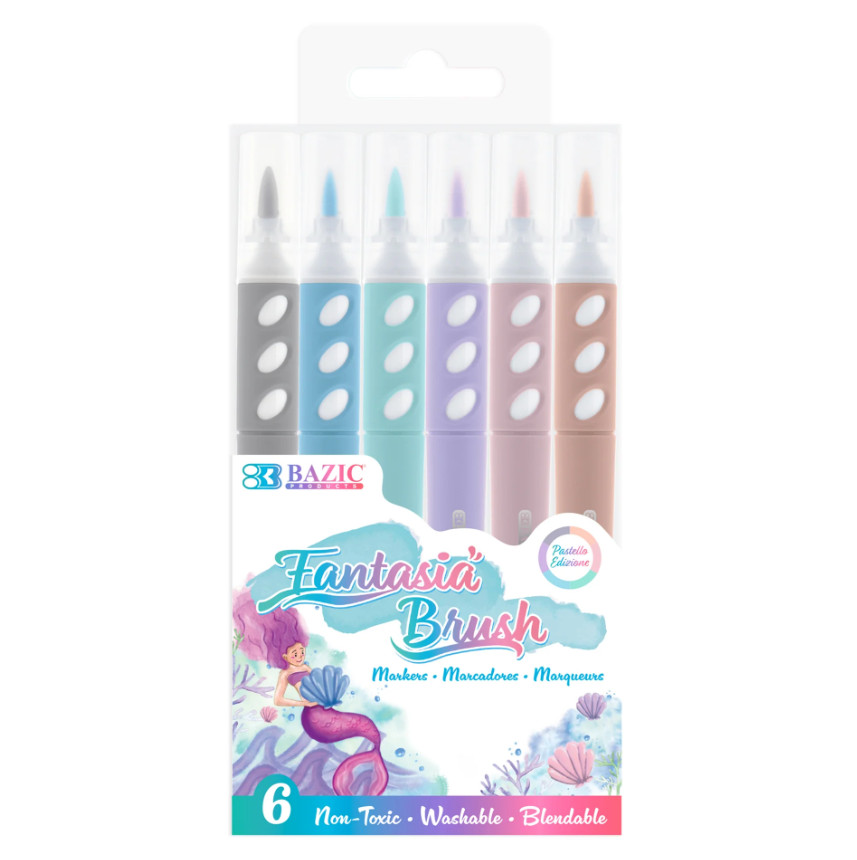 Fantasia 6 Pastel Colors Washable Brush Markers (6pc/pack)$13.73View on eBay
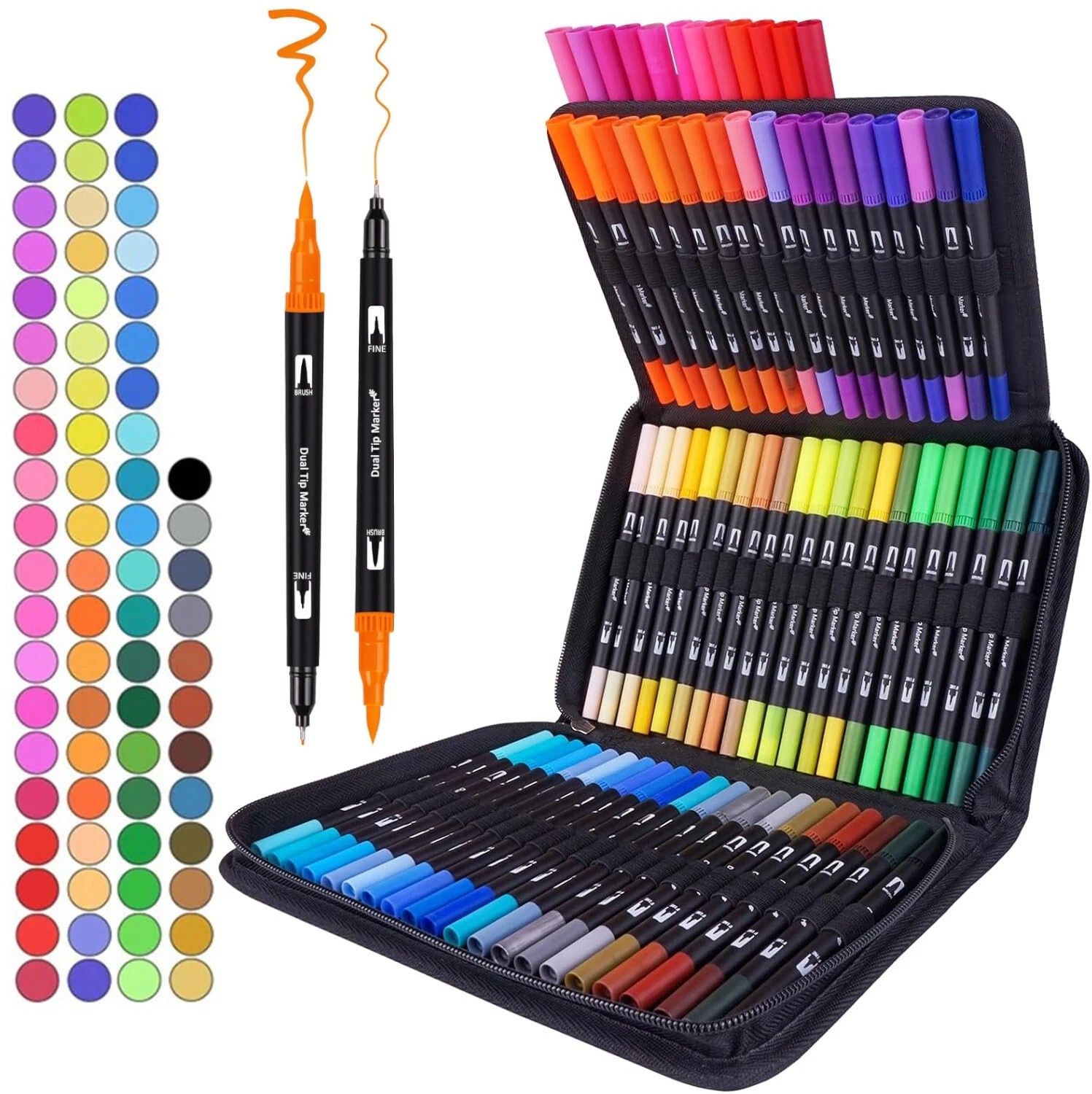 72 Colors Art Paint Markers, Dual Tip Art Markers Set Fine with Brush Tip & Fi$15.59Last checked Nov 18, 2026View on eBay
- 72 Colors Art Paint Markers, Dual Tip Art Markers Set Fine with Brush Tip & Fi$15.89Last checked Nov 21, 2026View on eBay
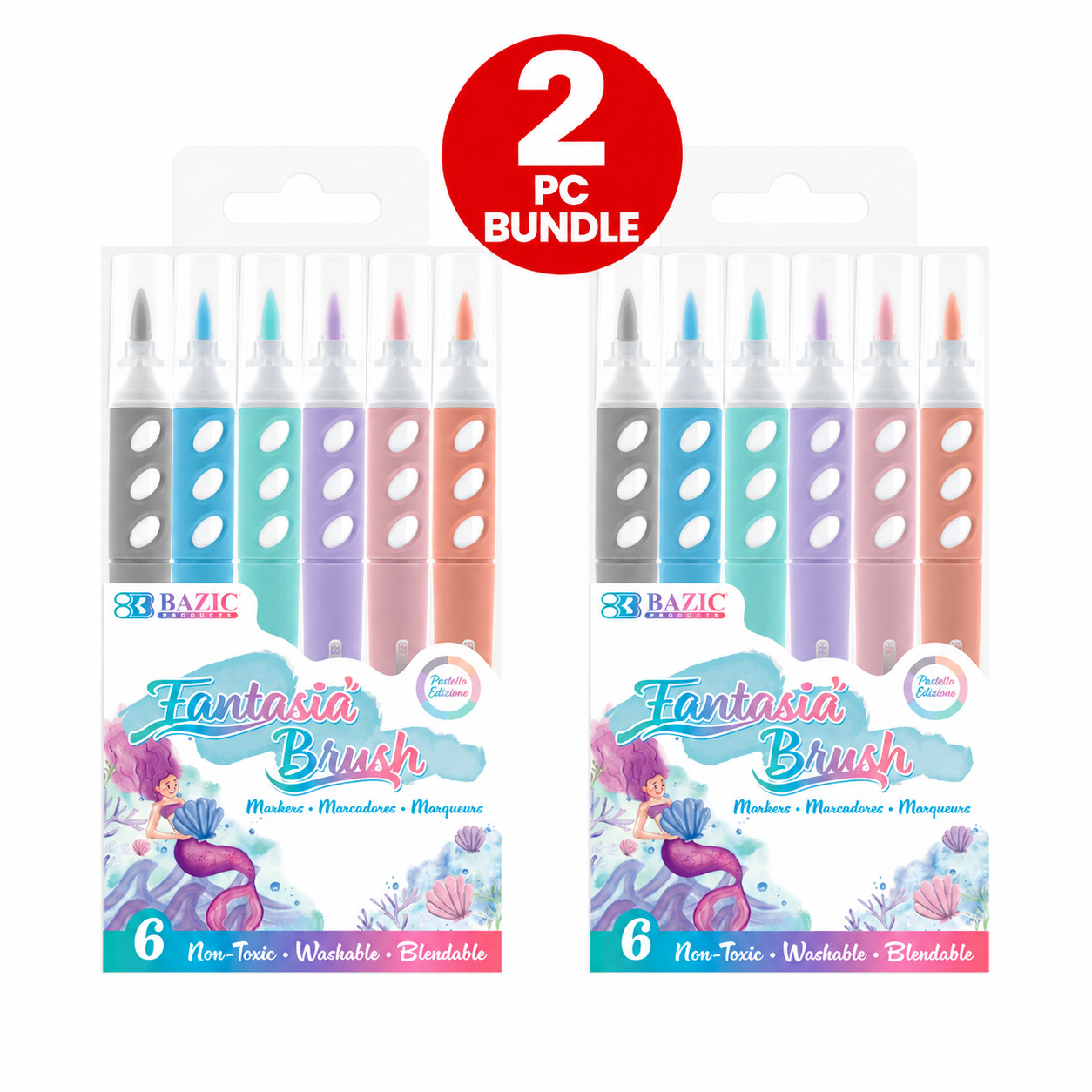 [Pack of 2] Fantasia 6 Pastel Colors Washable Brush Markers (6pc/pack)$17.75View on eBay
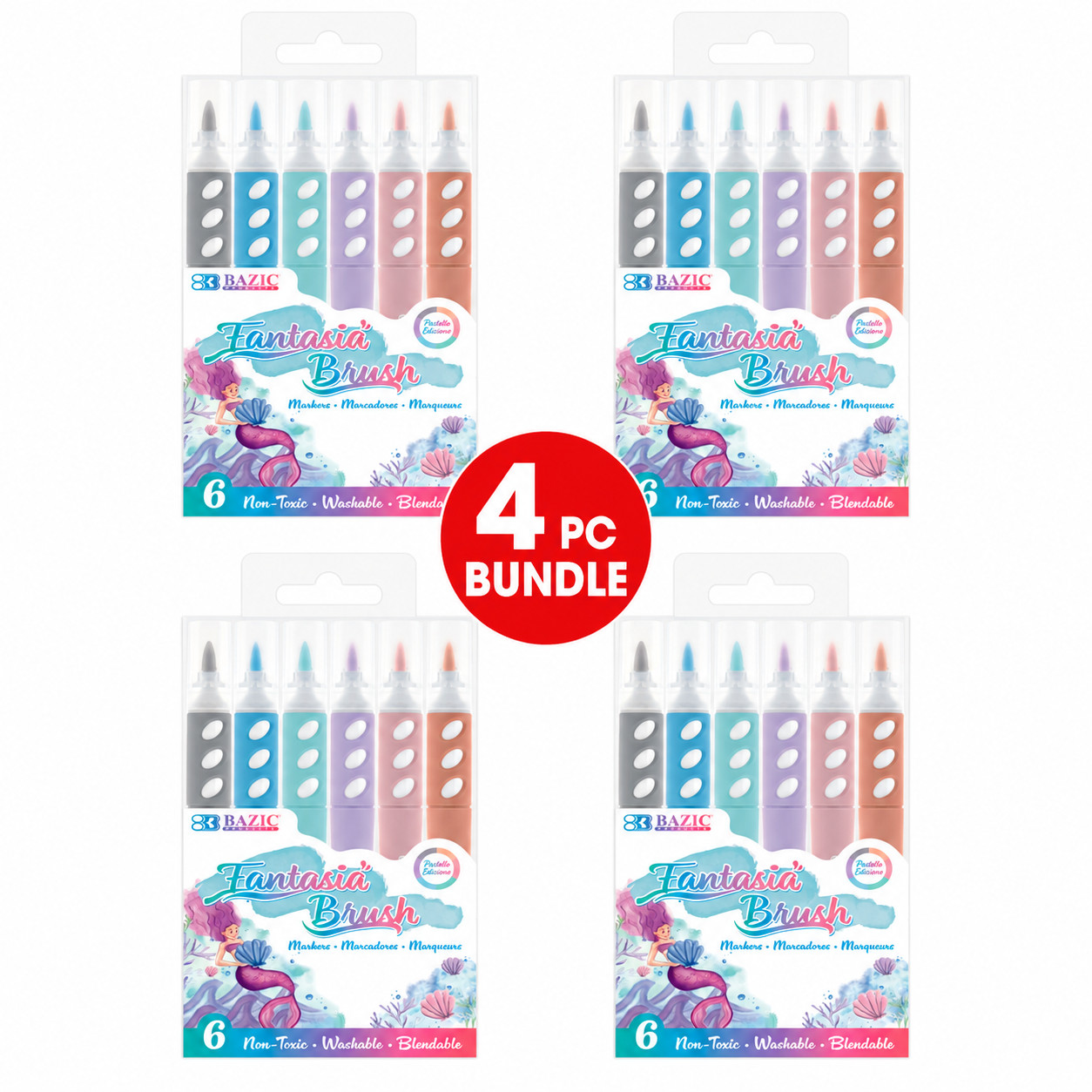 [Pack of 4] Fantasia 6 Pastel Colors Washable Brush Markers (6pc/pack)$22.10View on eBay
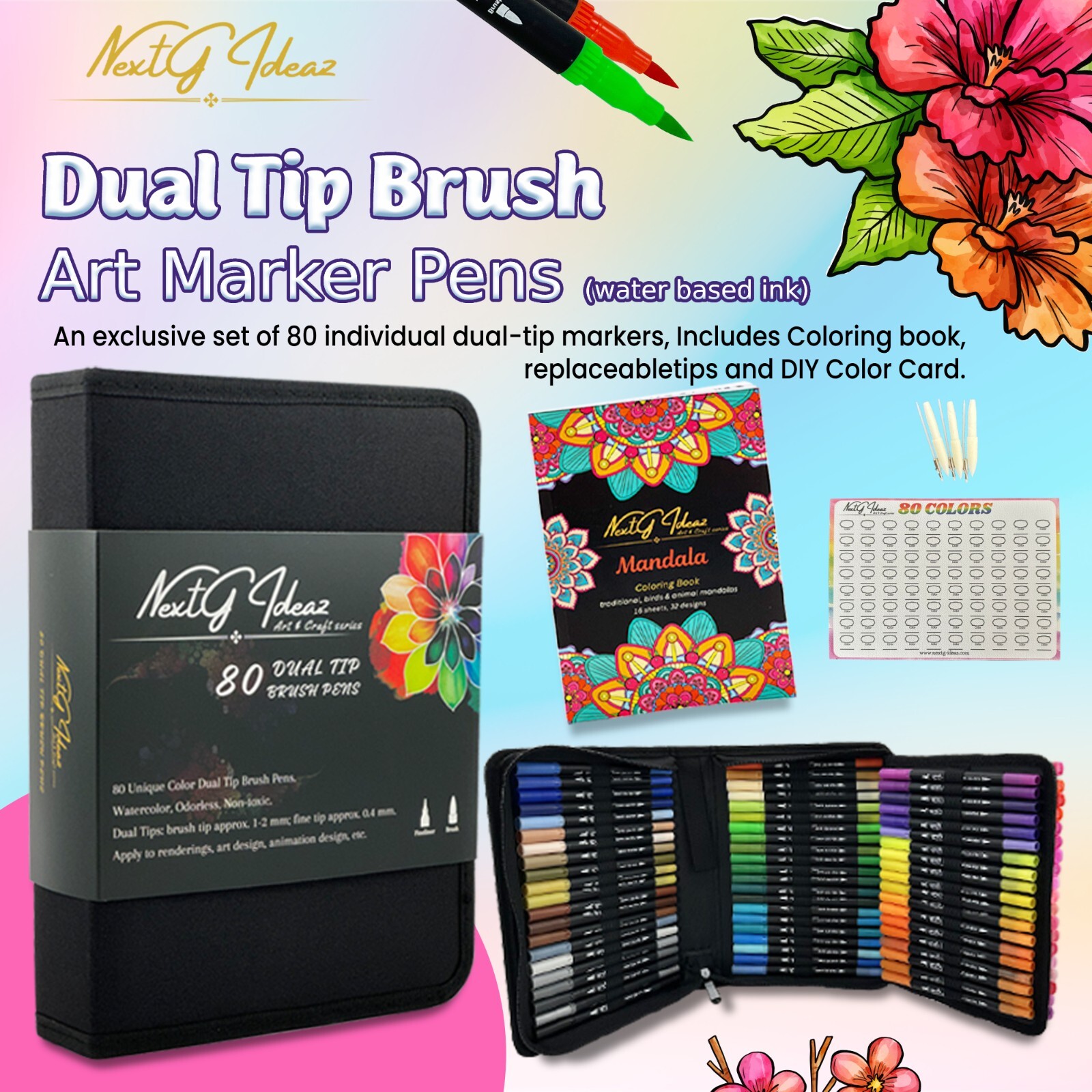 80 Dual Tip Brush Markers Set w/ Coloring Book Artist Pens Kit$23.99Last checked Nov 19, 2026View on eBay
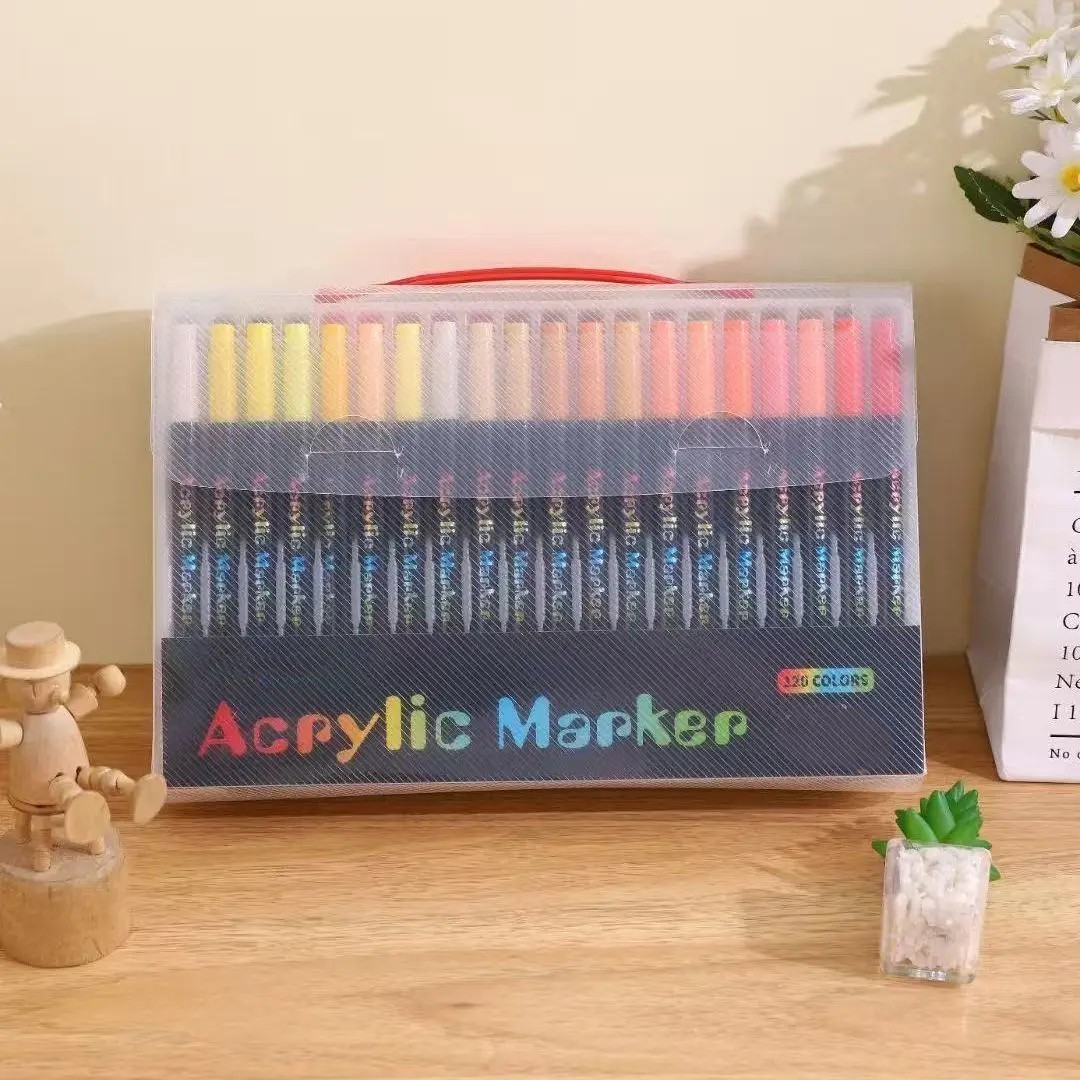 120 Color Acrylic Paint Markers Dual Tip Brush Fine Pens Art Rock Wood Craft Set$27.75View on eBay
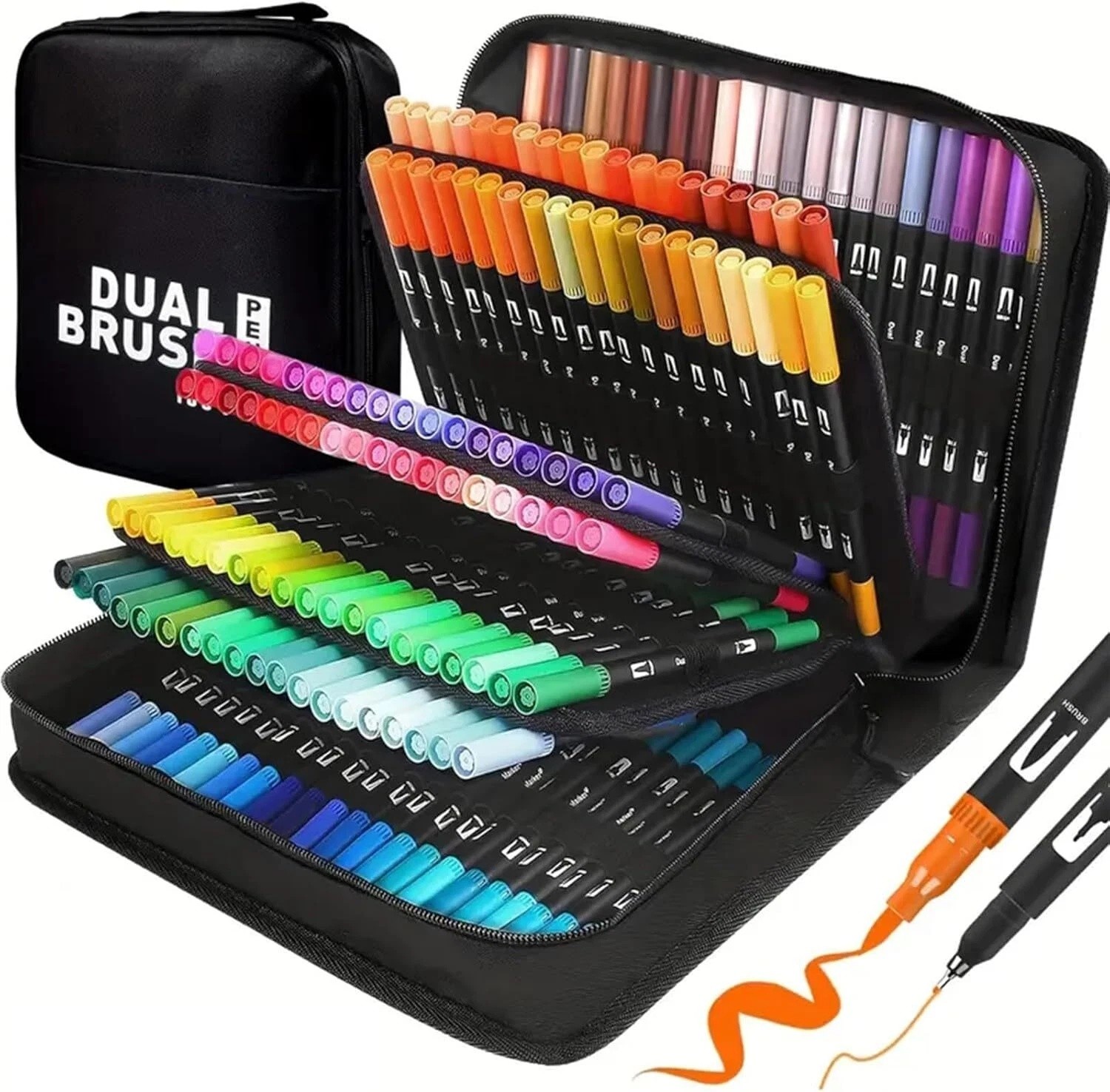 Dual Brush Marker Pens 168 Colors Art Markers Set Fine and Brush Tip Kids Gift$27.99Last checked Nov 18, 2026View on eBay
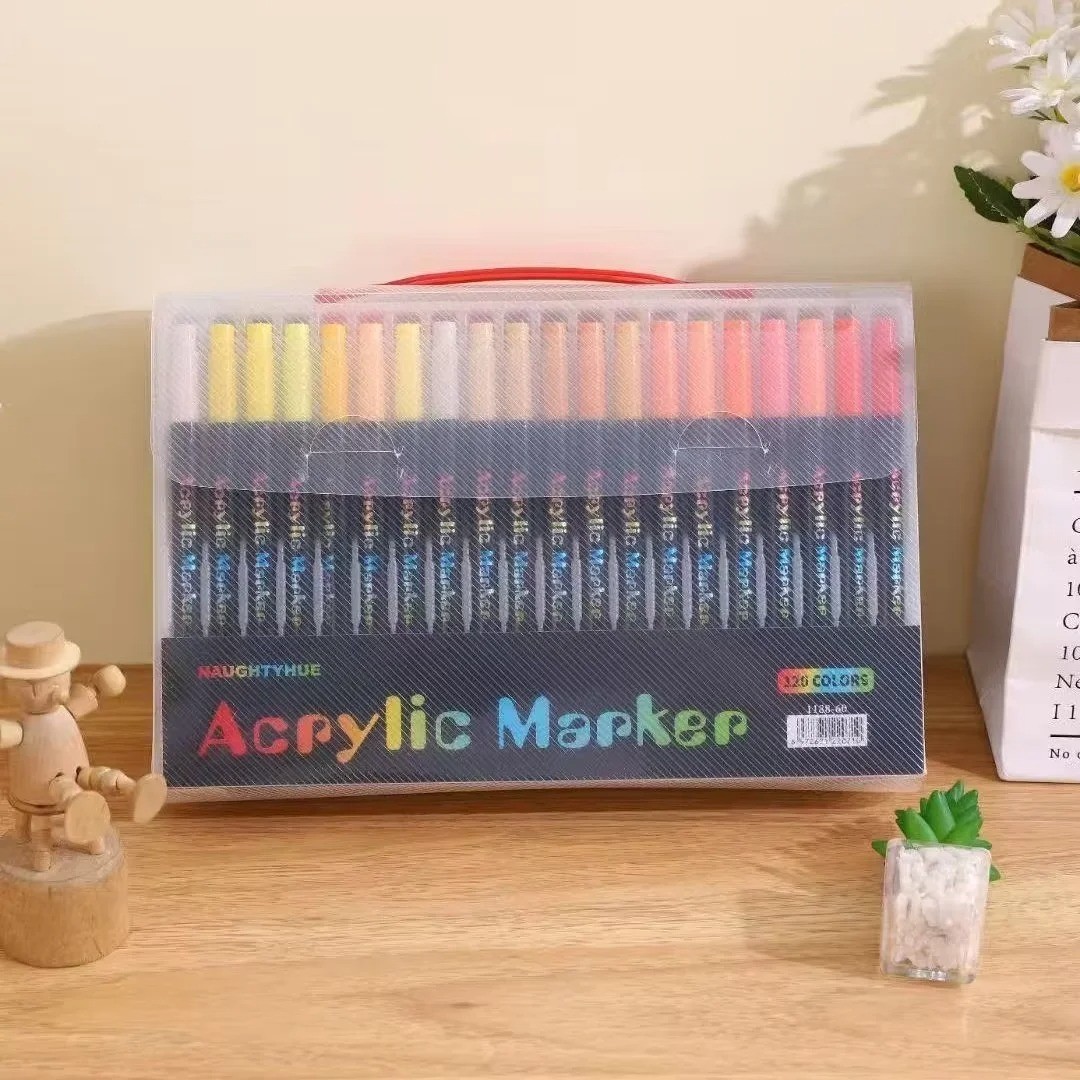 120 Colors Art Paint Markers, Dual Tip Art Markers Set Fine with Brush Tip & Fi$29.99Last checked Nov 27, 2026View on eBay
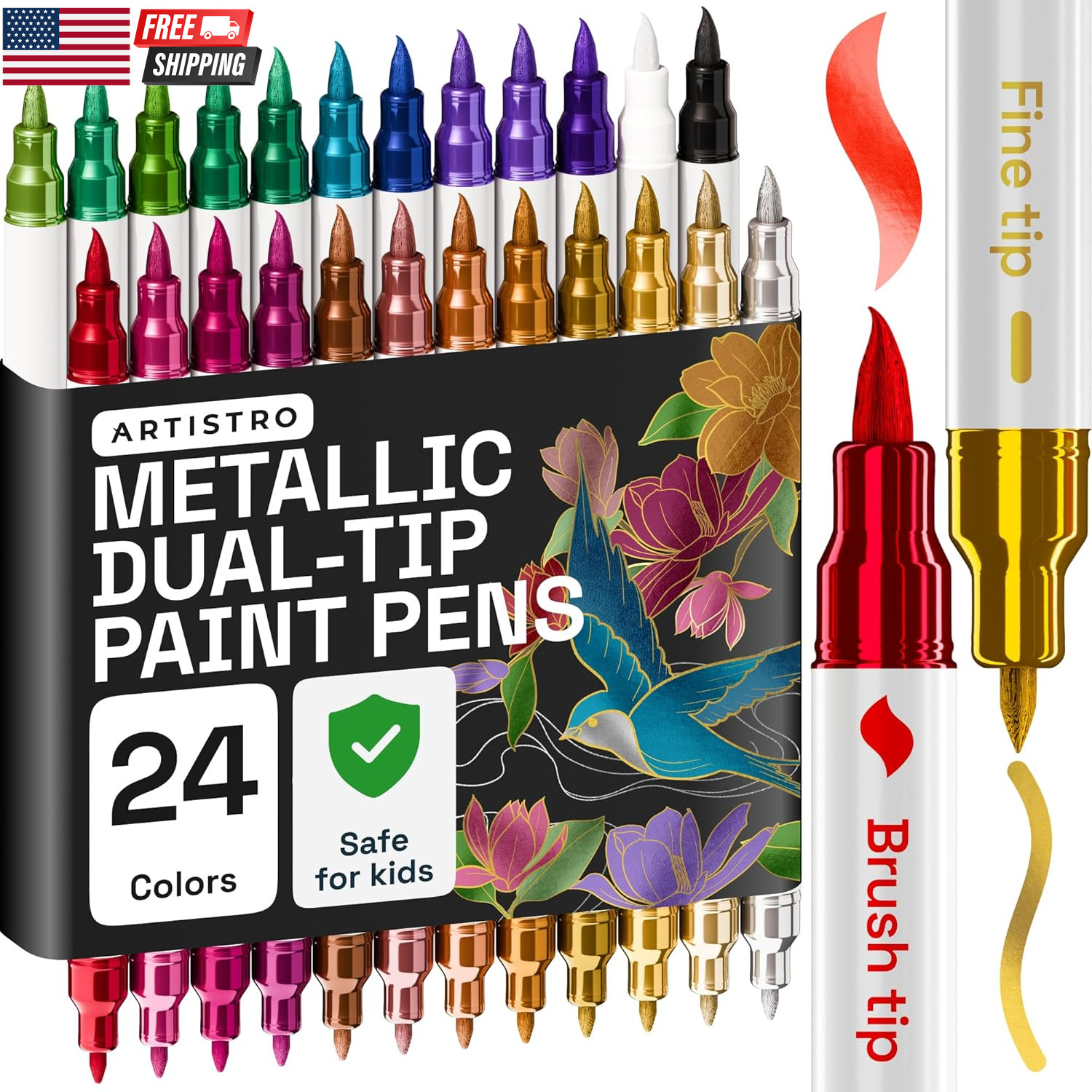 24 Metallic Acrylic Paint Markers - Paint Pens for Drawing, Brush + Fine Tips -$39.04View on eBay
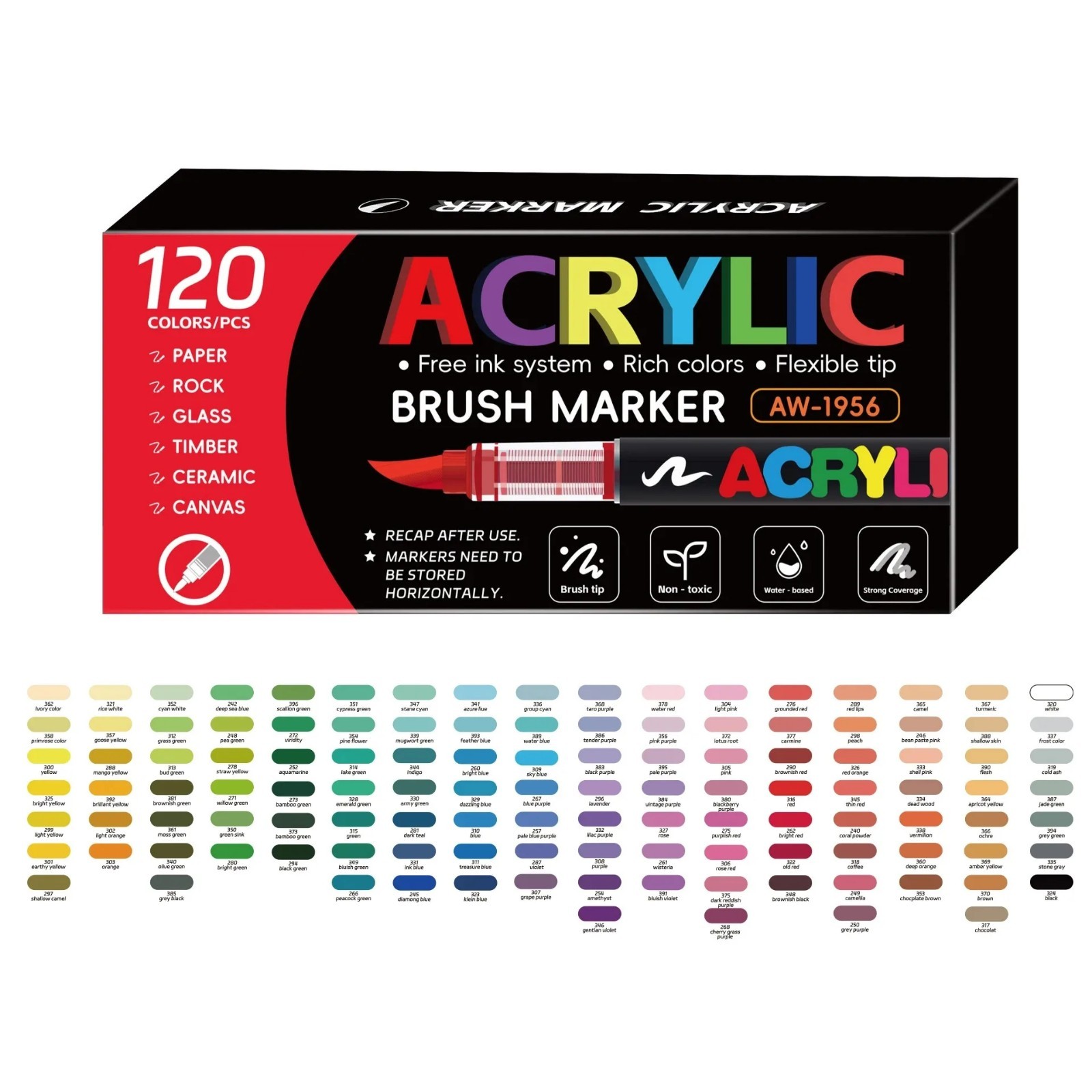 Acrylic Paint Marker Pens Set Brush Tip Permanent Waterproof Opaque 12-120 C Lot$75.60Last checked Nov 19, 2026View on eBay
Highlights
- Tip type separates performance tiers: real bristle or synthetic brush tips flex for thick-to-thin strokes; firm felt tips hold a fixed width and resist fraying under heavy use.
- Ink chemistry governs layering: water-based ink blends with water and other water-based colors; alcohol-based ink sets fast, resists smearing, and layers without reactivating prior strokes.
- Dual-tip construction (brush plus fine or chisel) doubles utility per pen and is the standard for lettering and coloring sets; single-tip pens suit dedicated calligraphy or wash work.
- Refillable and water-brush formats use hollow barrels with valve-controlled water flow, cutting ongoing cost and enabling wet-on-wet watercolor effects without a separate palette.
Best use cases
- Calligraphy and hand lettering: choose real-bristle brush pens with water-based ink and a flexible tip; skip firm felt-tip pens that cannot produce thick-to-thin contrast.
- Bullet journaling and planning: pick dual-tip felt pens with a fine end for lists and a brush end for headers; skip single-tip water brushes, which bleed through thin paper.
- Watercolor sketching and travel: use refillable water brush pens with valve flow control plus water-based pigment pens; skip alcohol markers, which are not water-soluble and need ventilation.
- Kids and high-volume coloring: select washable water-based brush markers with chunky barrels; skip professional bristle-tip sets, whose fine tips fray under heavy pressure.
Buying tips
- Match tip to task: synthetic bristle tips for calligraphy flex; felt or nylon tips for outlining and coloring. Tip diameter under 2 mm suits fine detail, 3-5 mm suits broad strokes.
- Choose ink by layering need: water-based for blending and washes, alcohol-based for smear-resistant layering on marker paper, pigment-based for fade-resistant archival work.
- Check refill architecture: valve-controlled water brushes and refillable ink pens cut replacement cost; sealed disposable pens suit occasional use but dry out once opened.
- Buy set sizes by palette need: 12-24 colors cover basic lettering and skin tones; 48-100 color sets add blends and shading but include low-use hues.
Specs
| Tip Type | Bristle vs felt / dual-tip |
|---|---|
| Ink Base | Water-based / alcohol / pigment |
| Refillable | Valve water brush vs sealed |
| Set Size | 6-12 starter / 24-100 full range |
Related searches
What to check before buying
- Paper match: use 100-120 gsm marker or mixed-media paper for water-based brush pens; alcohol inks require 150 gsm+ coated marker paper to prevent bleed-through.
- Barrel and cap fit: confirm snap or screw caps seal tightly, since water-based tips dry out fast when caps are loose; check barrel diameter for grip comfort.
- Companion parts: water brush pens need a water source and rag; alcohol markers need ventilation and a blending marker; refillable pens need matching ink bottles.
- Storage and climate: store horizontally in a dry space; freezing or prolonged heat degrades water-based ink and can crack plastic barrels.
FAQ
Data sources: eBay / Amazon listings and product attribute feeds. Updated Nov 27, 2026.
Some links on this page are affiliate links. If you buy after clicking one, we may earn a commission at no extra cost to you. This does not change which products appear here or their order. Affiliate disclosure.