
Photos from current listings. Actual item, color, and included accessories may vary.
Paint Marker Buying Guide
Paint markers are pigment-filled pens that lay down opaque, usually waterproof ink on non-porous and mixed surfaces where ordinary markers fail. The core trade-off is solvent/oil-based permanent ink for maximum metal, rubber, and glass adhesion versus water-based acrylic for low-odor, blendable, craft-friendly work. Buy oil-based when the mark must survive weather, abrasion, or washing; buy acrylic when surface variety, color range, and clean layering matter more than chemical permanence.
Median $15.59
Key takeaways
- Oil-based (xylene/toluene or alcohol carrier) markers bond to metal, rubber, tire tread, and glass and resist rain and scuffing; acrylic markers thin out under hard scrubbing and prolonged UV.
- Dual-tip acrylic sets pair a 0.5-1 mm fine tip with a 1-5 mm chisel or dot tip; single-tip permanent markers usually offer one 2-4 mm bullet or chisel nib.
- Acrylic paint markers are water-based and low-VOC, making them safe for indoor craft use on paper, canvas, wood, and fabric; oil-based permanent markers demand ventilation.
At a glance
- Category
- Art Supplies
- Last updated
- Nov 27, 2026
Current offers
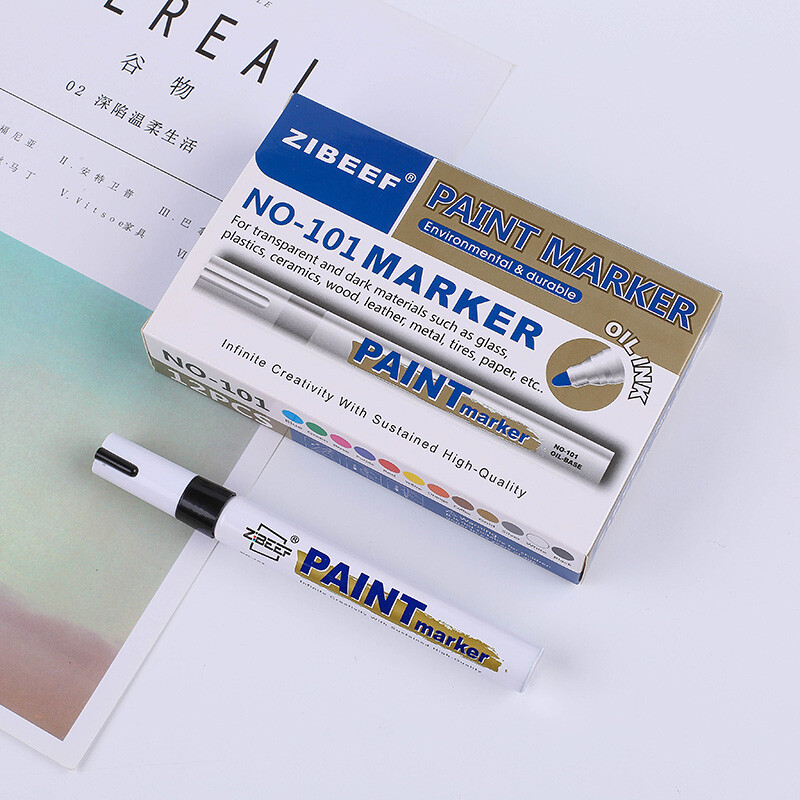 Waterproof Permanent Paint Marker Pen for Car Tyre Tire Tread Rubber Metal pen$2.95Last checked Nov 19, 2026View on eBay
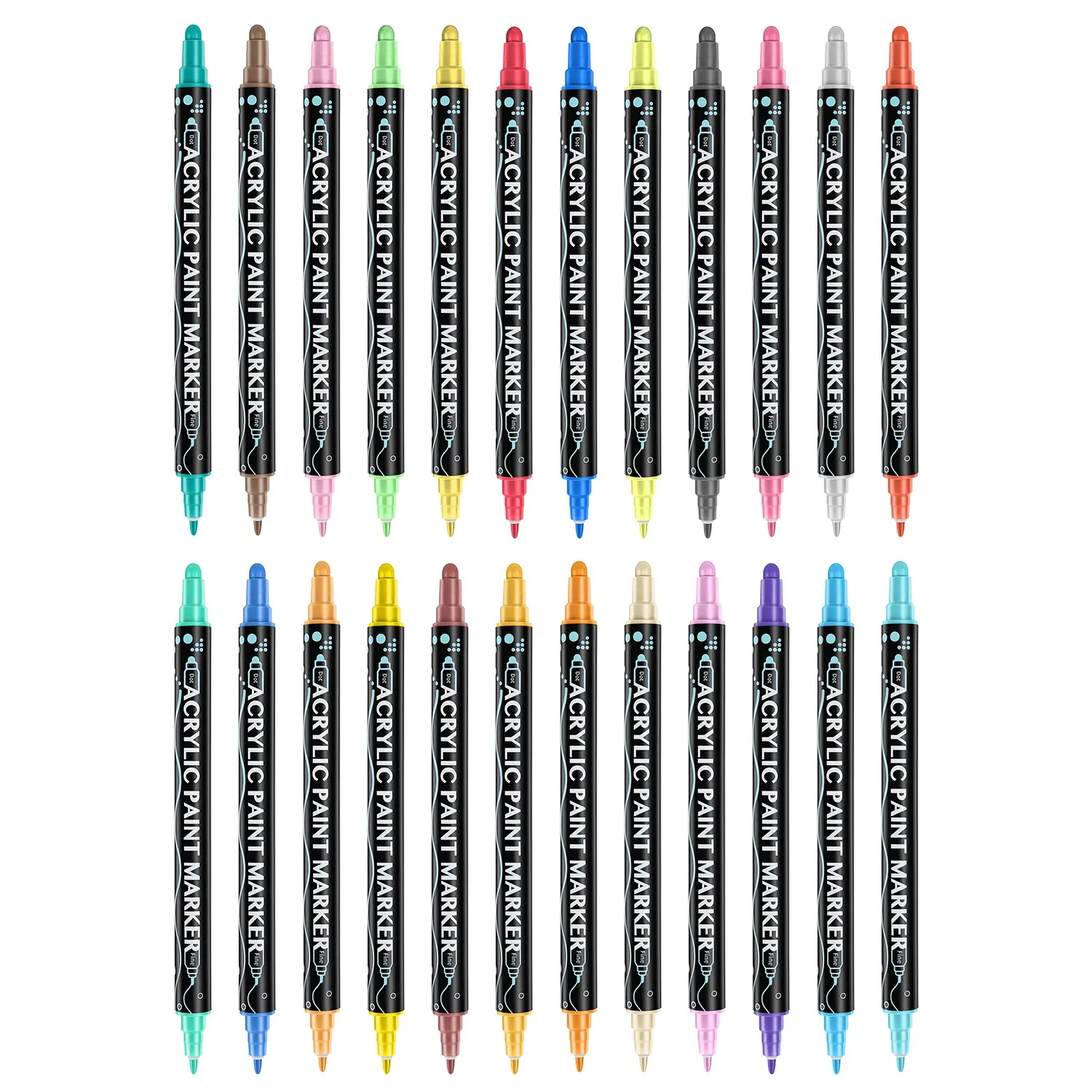 24/48 Colors Dual Tip Acrylic Paint Markers Set, Water-Based Pens with Fine & Broad Tips, Quick-Dry Waterproof Art for Rock Painting, Wood, Glass, Fabric, Ceramic, Canvas & DIY Crafts$27.99View on Mallflare
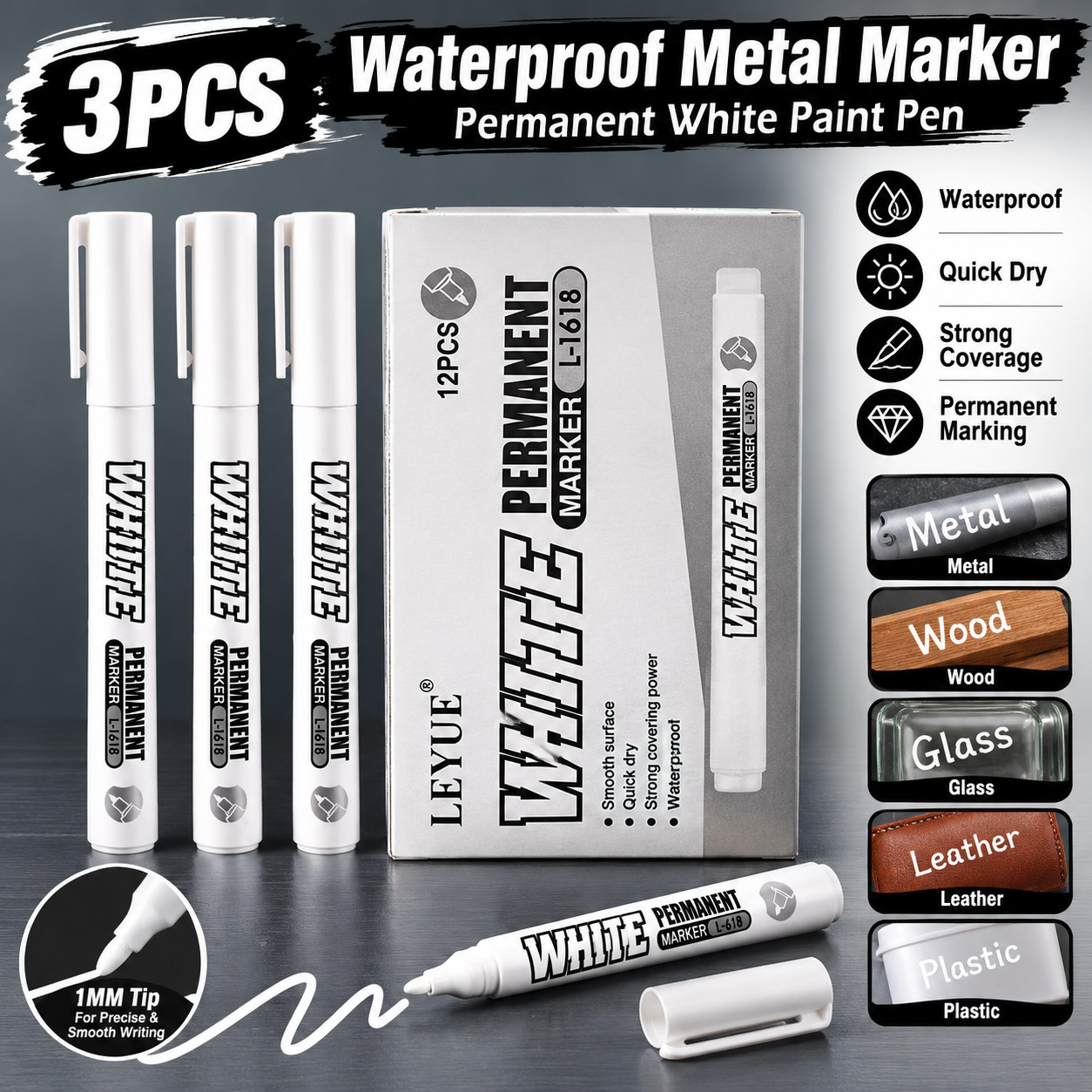 3pcs White Waterproof Permanent Paint Marker Pens for Metal Wood Fabric$2.99View on eBay
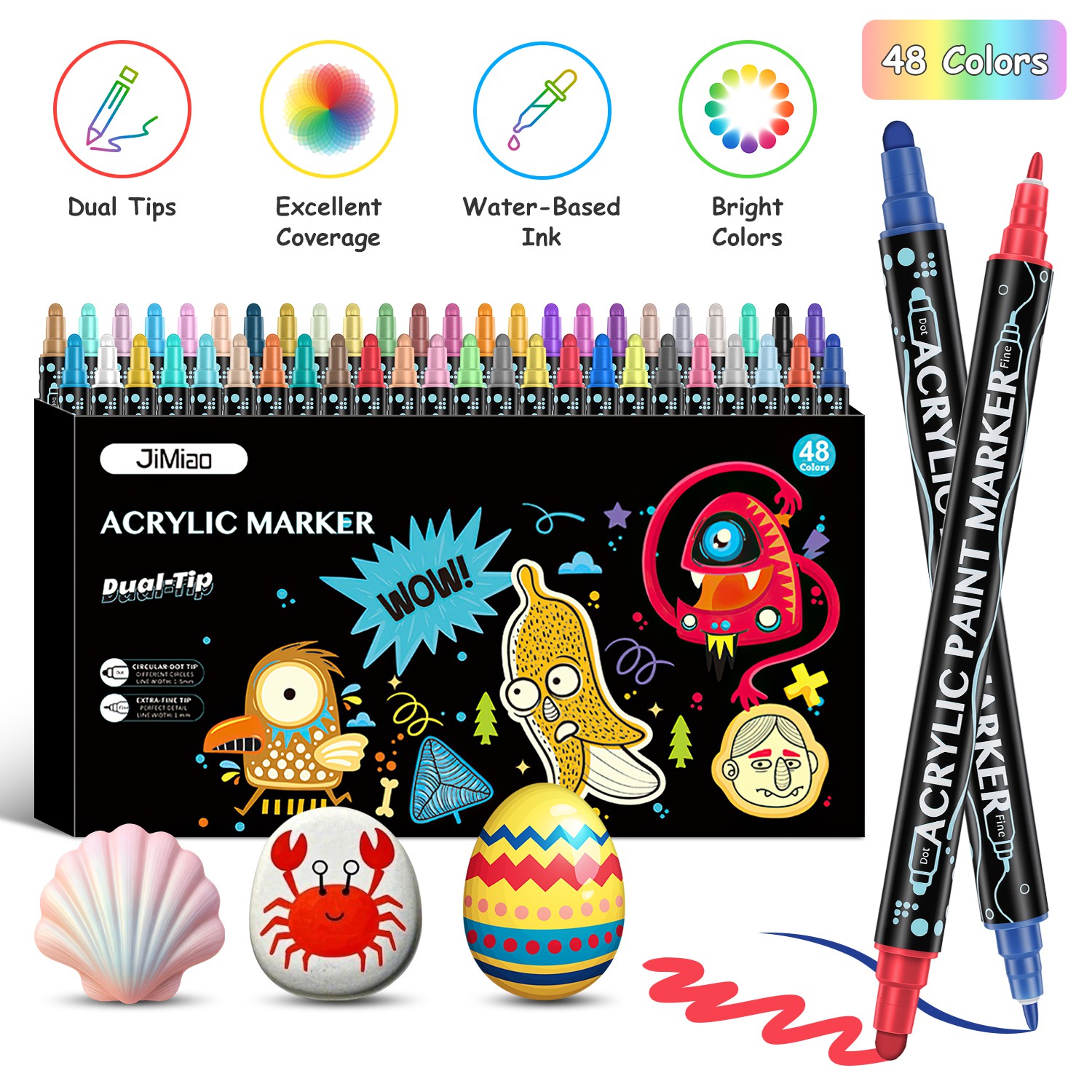 48 Colors Or 24 Options Dual Tip Acrylic Paint Markers Set, Quick-Dry Waterproof Art For Rock Painting, Wood, Glass, Fabric, Ceramic, Canvas & DIY Crafts$28.99View on Mallflare
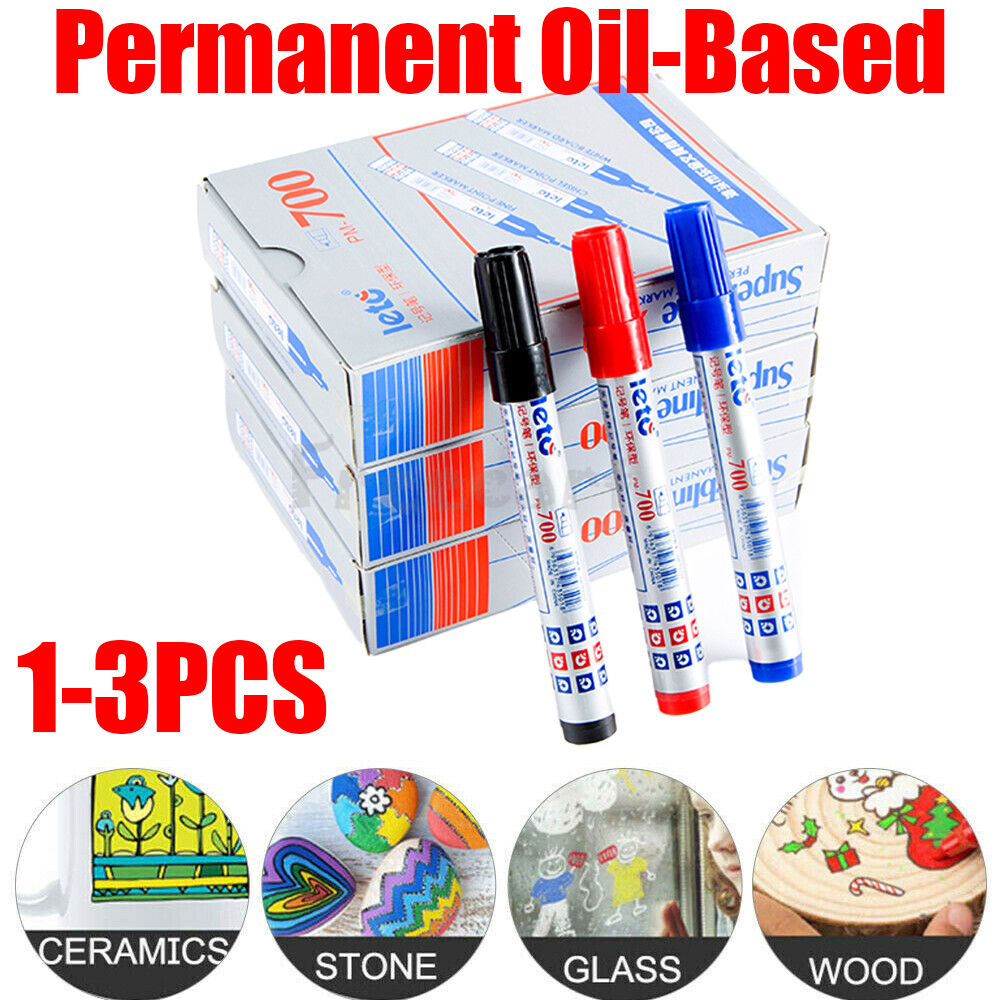 Waterproof Permanent Paint Marker Pen For Car Tyre Tire Tread Rubber Metal Wood$6.15Last checked Nov 21, 2026View on eBay
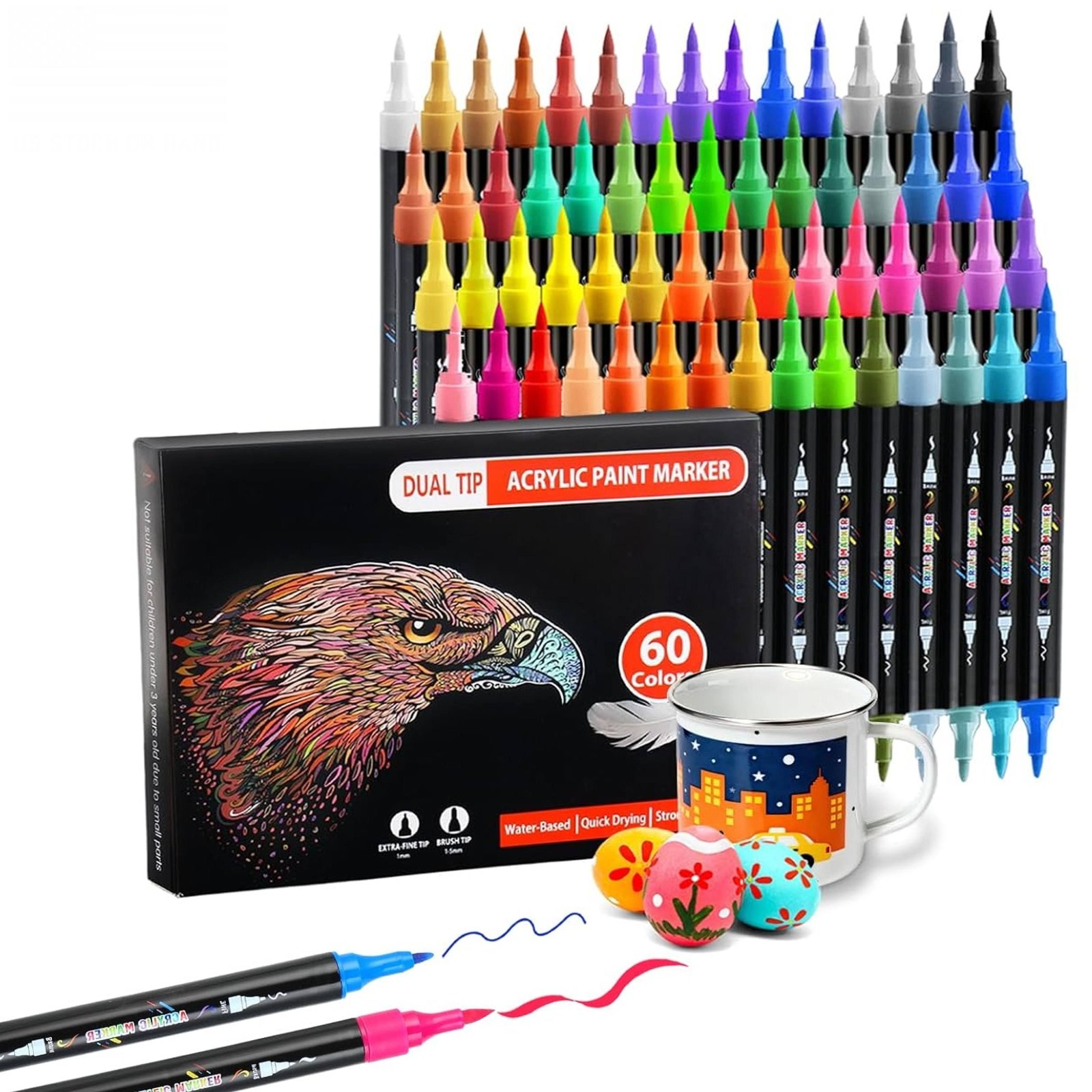 Acrylic Paint Marker Pens Set Brush/Fine Dual Tip Permanent Waterproof Opaque$9.95Last checked Nov 19, 2026View on eBay
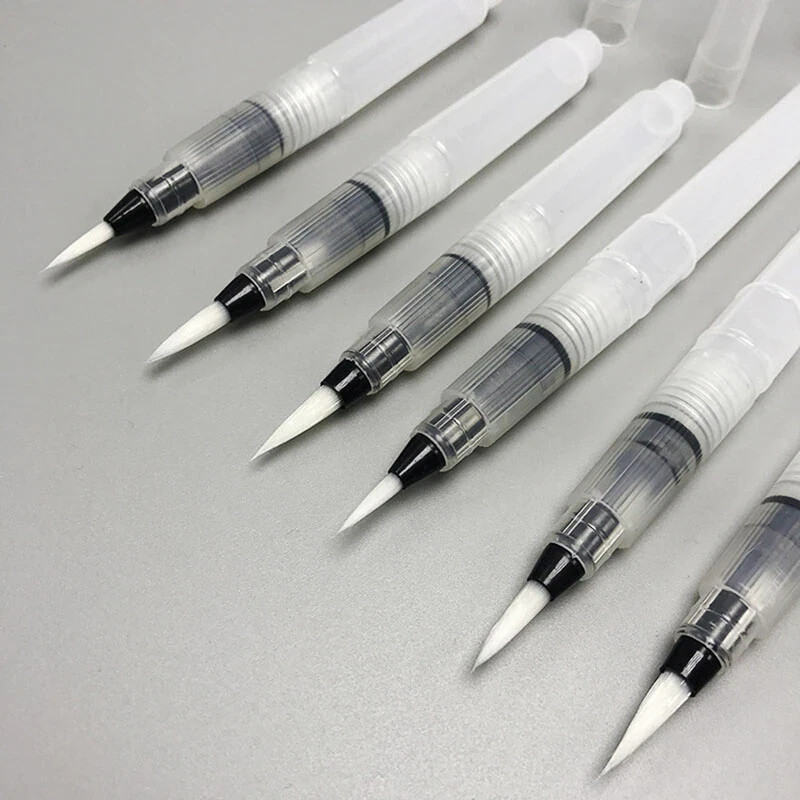 10 PC Refillable Paint Brush Pens Water Color Pencil Soft Watercolor Ink Empty$9.97View on eBay
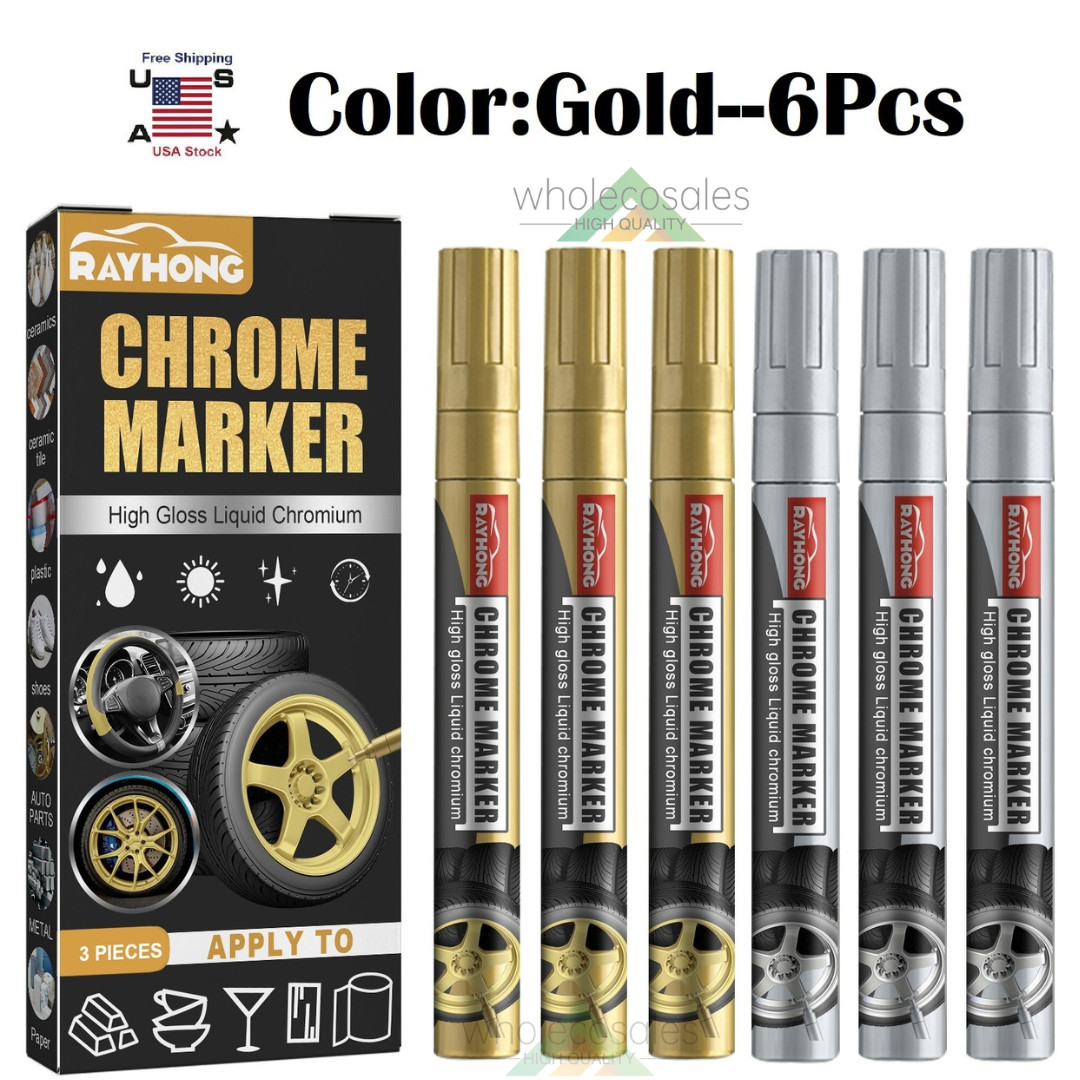 6× Liquid Mirror Chrome Marker Set DIY Car Paint Pen Metal Marker Plated Pens US$10.69Last checked Nov 21, 2026View on eBay
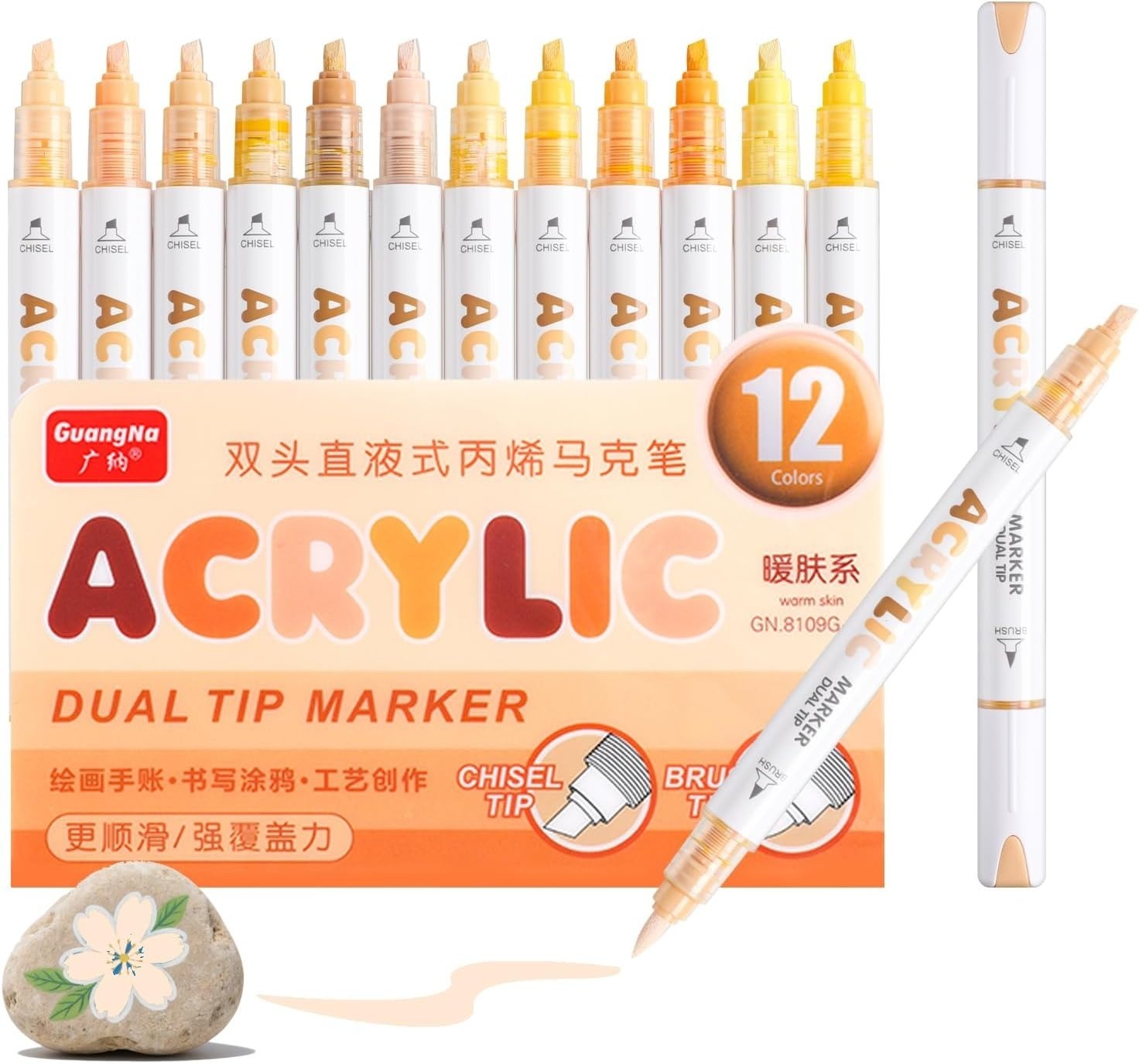 12 Colors Dual Tip Acrylic Paint Pens - Brush & Chisel Tip Acrylic Markers$10.90Last checked Nov 21, 2026View on eBay
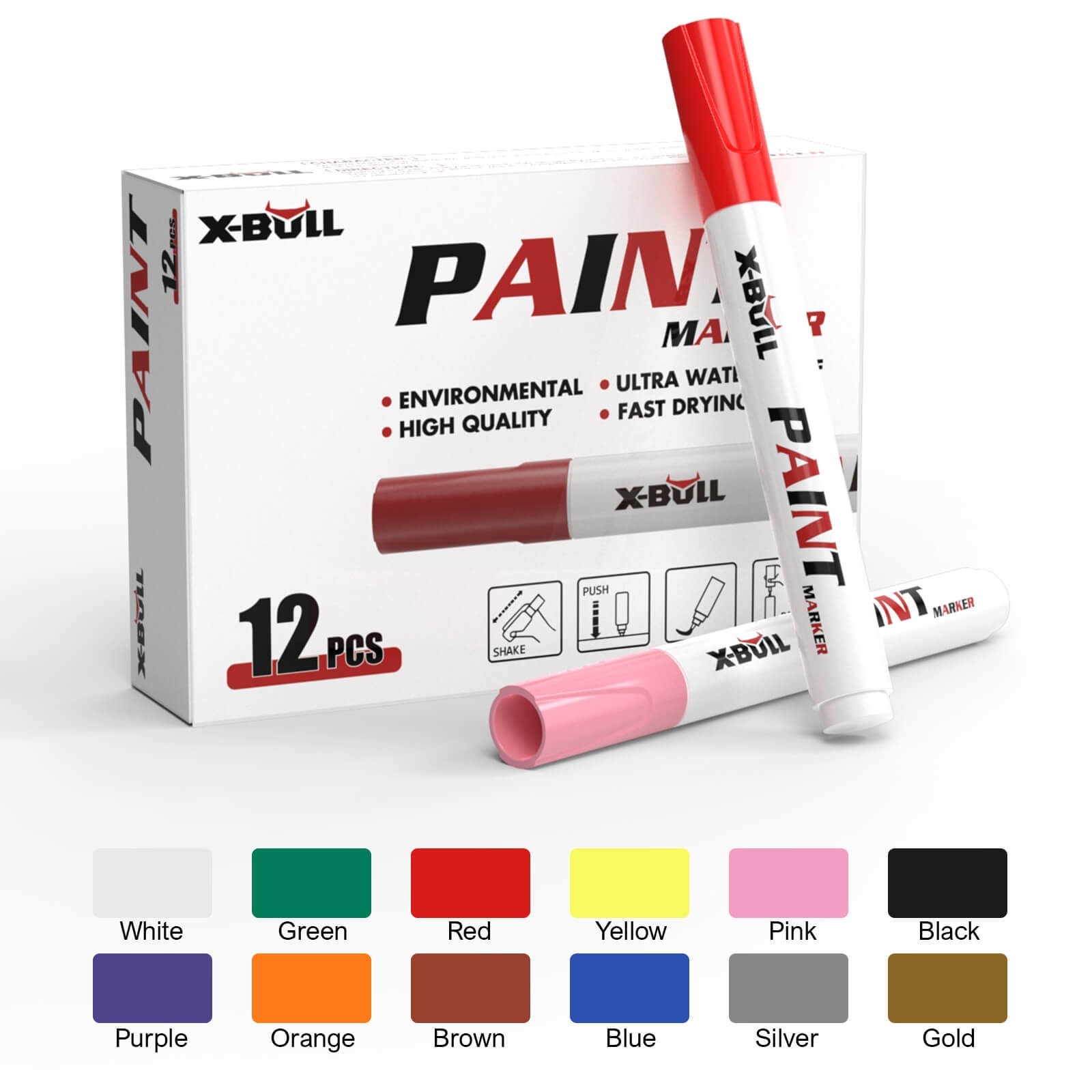 12Pcs Waterproof Permanent Paint Marker Pen For Car Tyre Tire Tread Rubber Metal$12.90Last checked Nov 21, 2026View on eBay
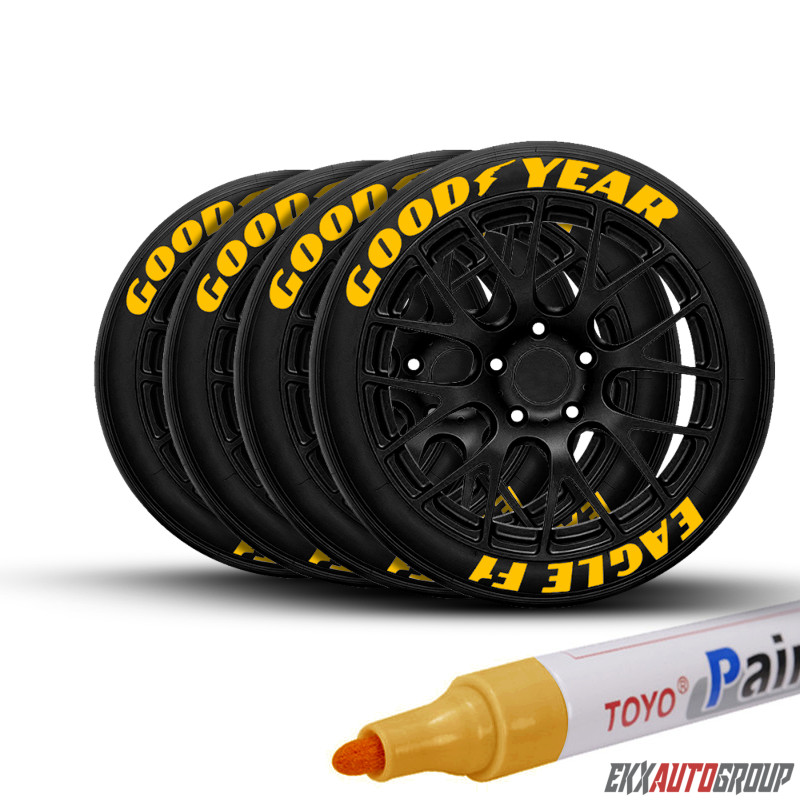 TOYO Tire Letters Waterproof Permanent Paint Marker Pen Car Tires Rubber Metal$13.49Last checked Nov 21, 2026View on eBay
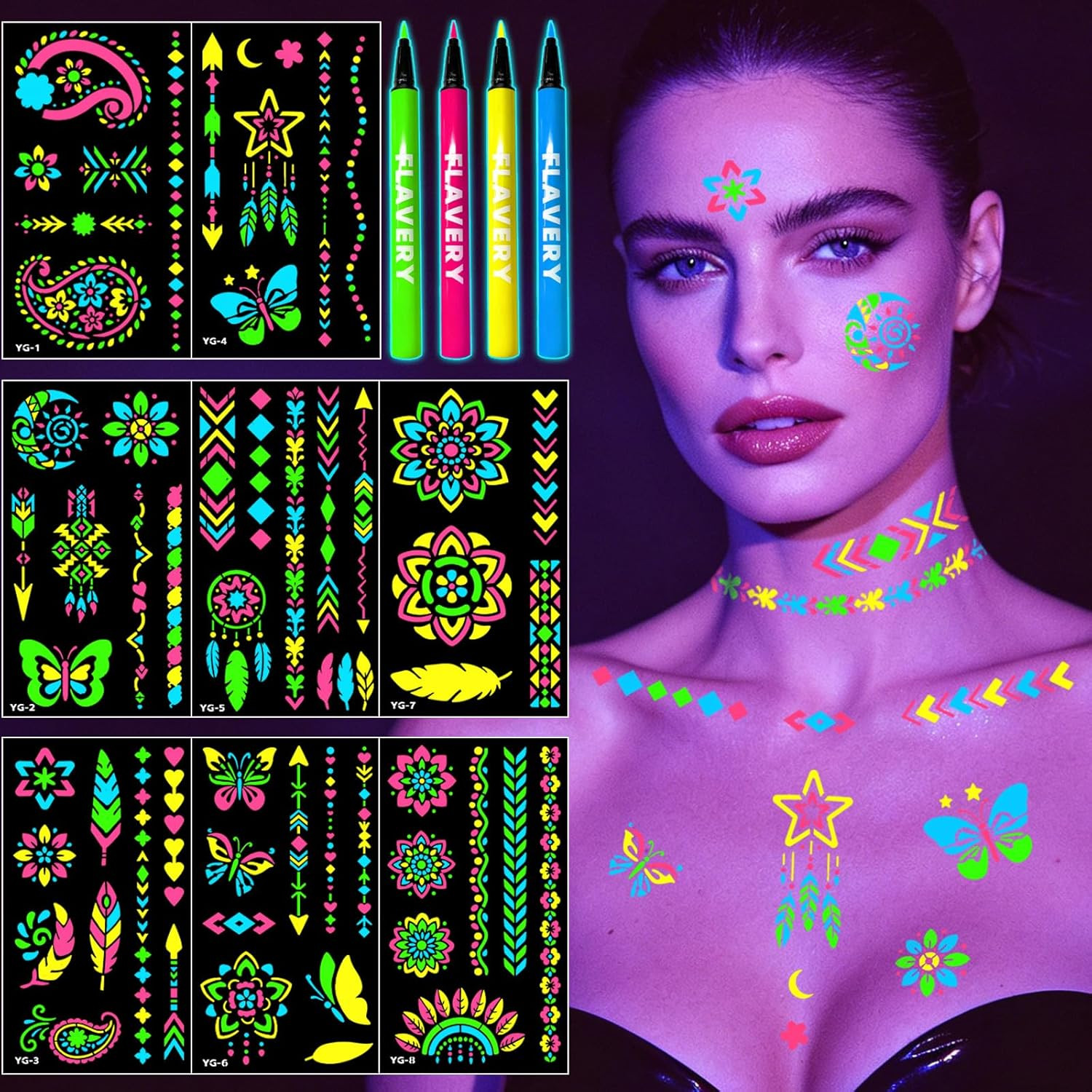 Glow in the Dark Face Paint Markers, Neon Face Paint Pen 4-Color+57Pcs Flower St$13.99Last checked Nov 24, 2026View on eBay
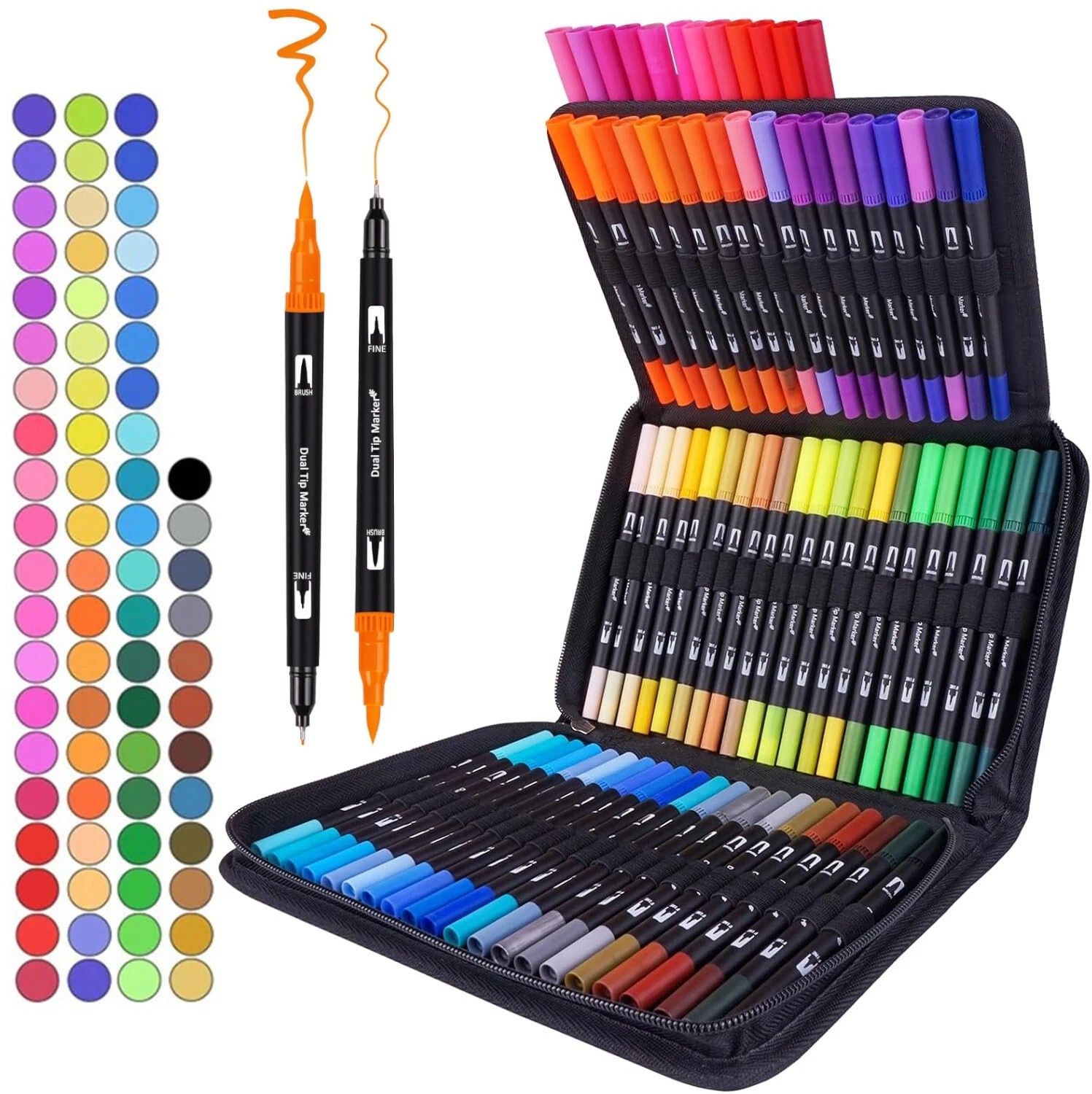 72 Colors Art Paint Markers, Dual Tip Art Markers Set Fine with Brush Tip & Fi$15.59Last checked Nov 18, 2026View on eBay
- 72 Colors Art Paint Markers, Dual Tip Art Markers Set Fine with Brush Tip & Fi$15.89Last checked Nov 21, 2026View on eBay
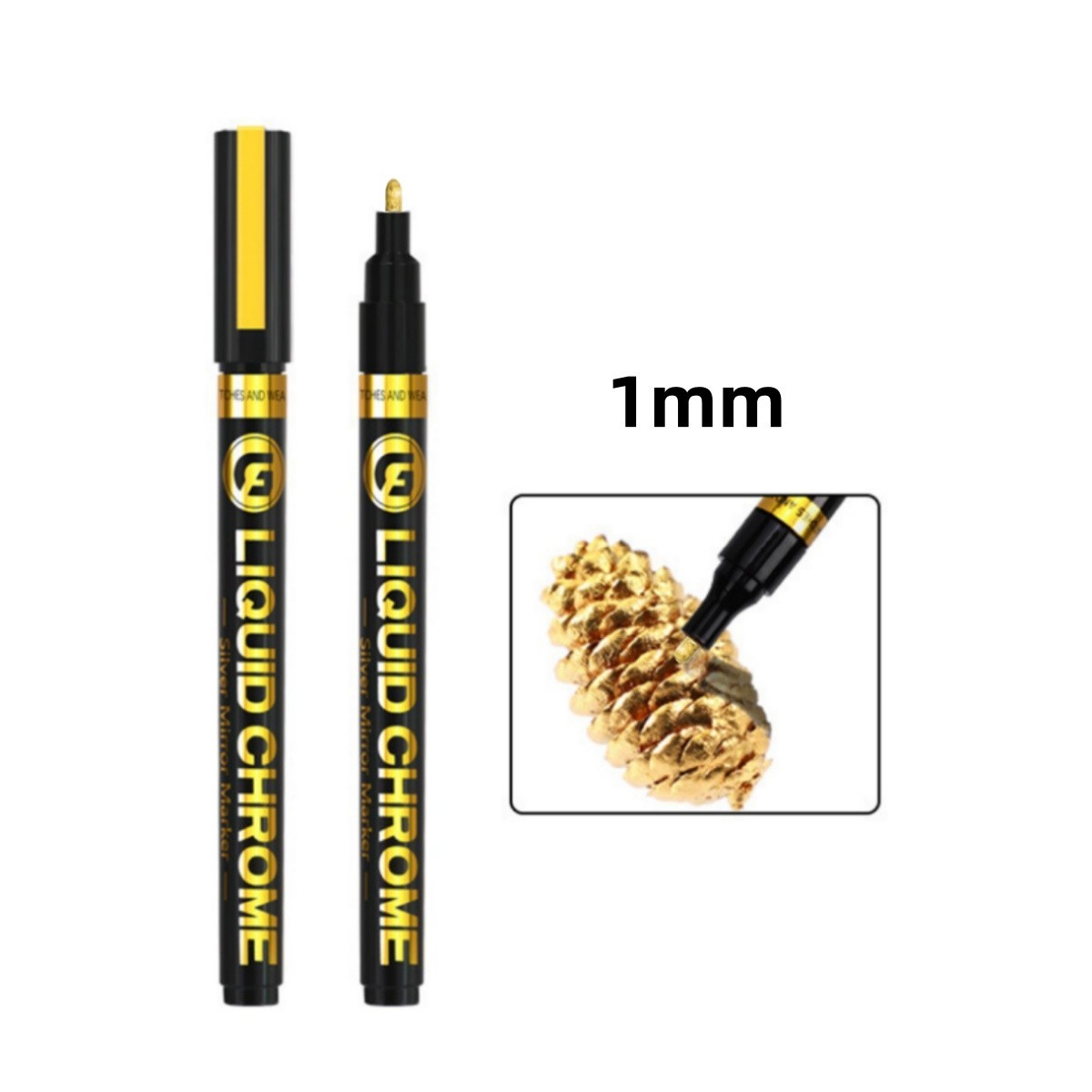 Liquid Chrome Mirror Markers Pens Waterproof DIY Paint Marker for Art Craft US$17.95Last checked Nov 21, 2026View on eBay
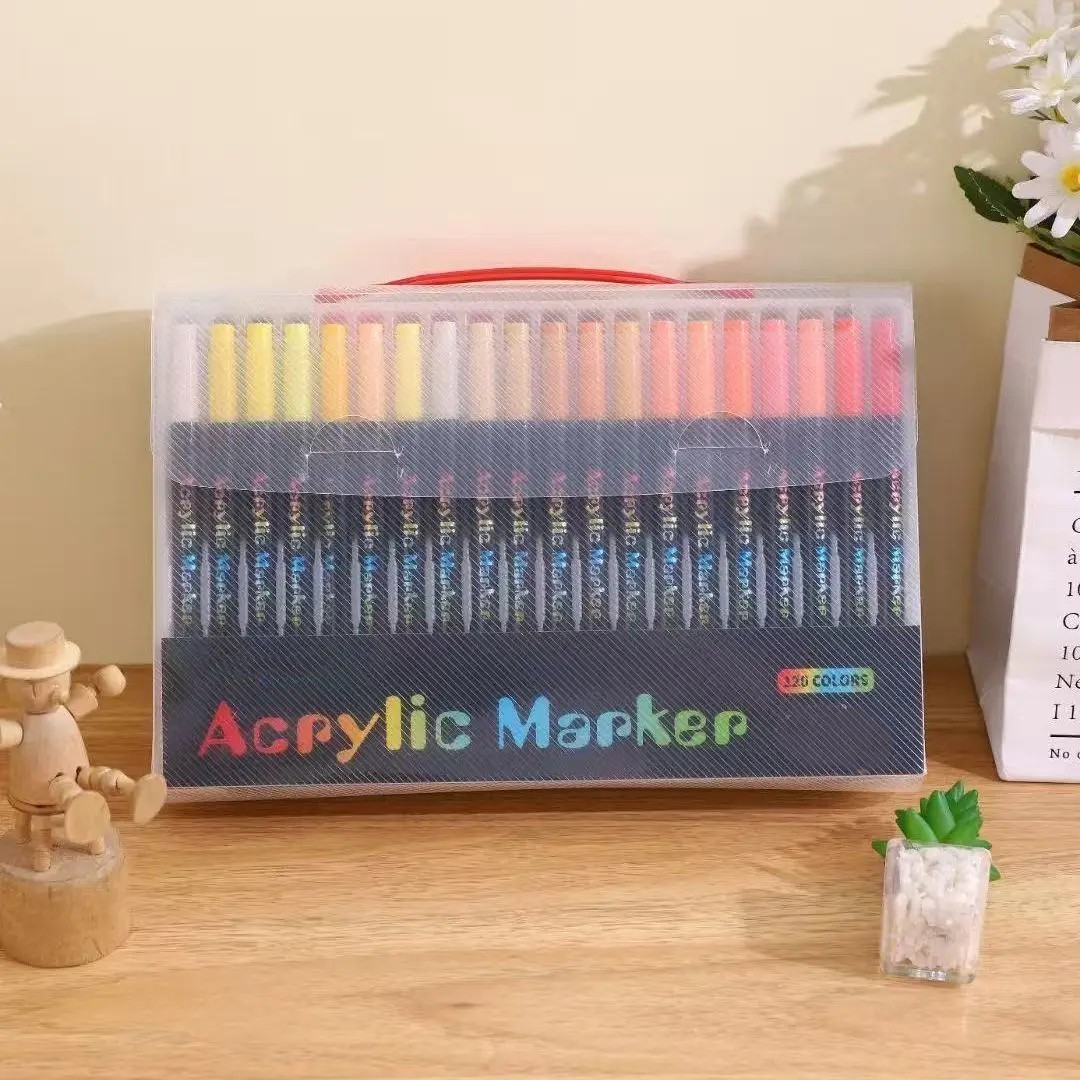 120 Color Acrylic Paint Markers Dual Tip Brush Fine Pens Art Rock Wood Craft Set$27.75View on eBay
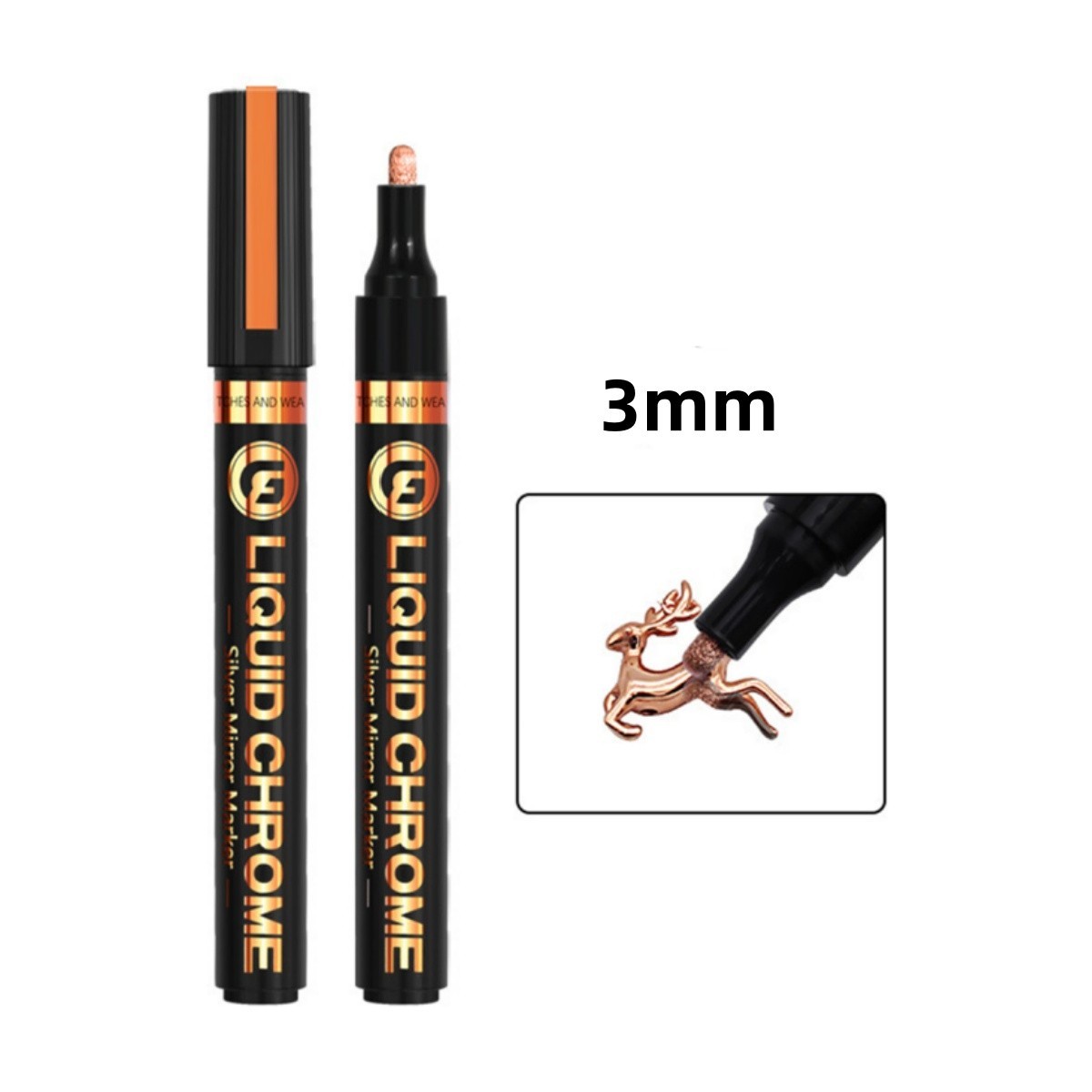 Liquid Chrome Mirror Markers Pens Waterproof DIY Paint Marker for Art Craft US$28.95Last checked Nov 19, 2026View on eBay
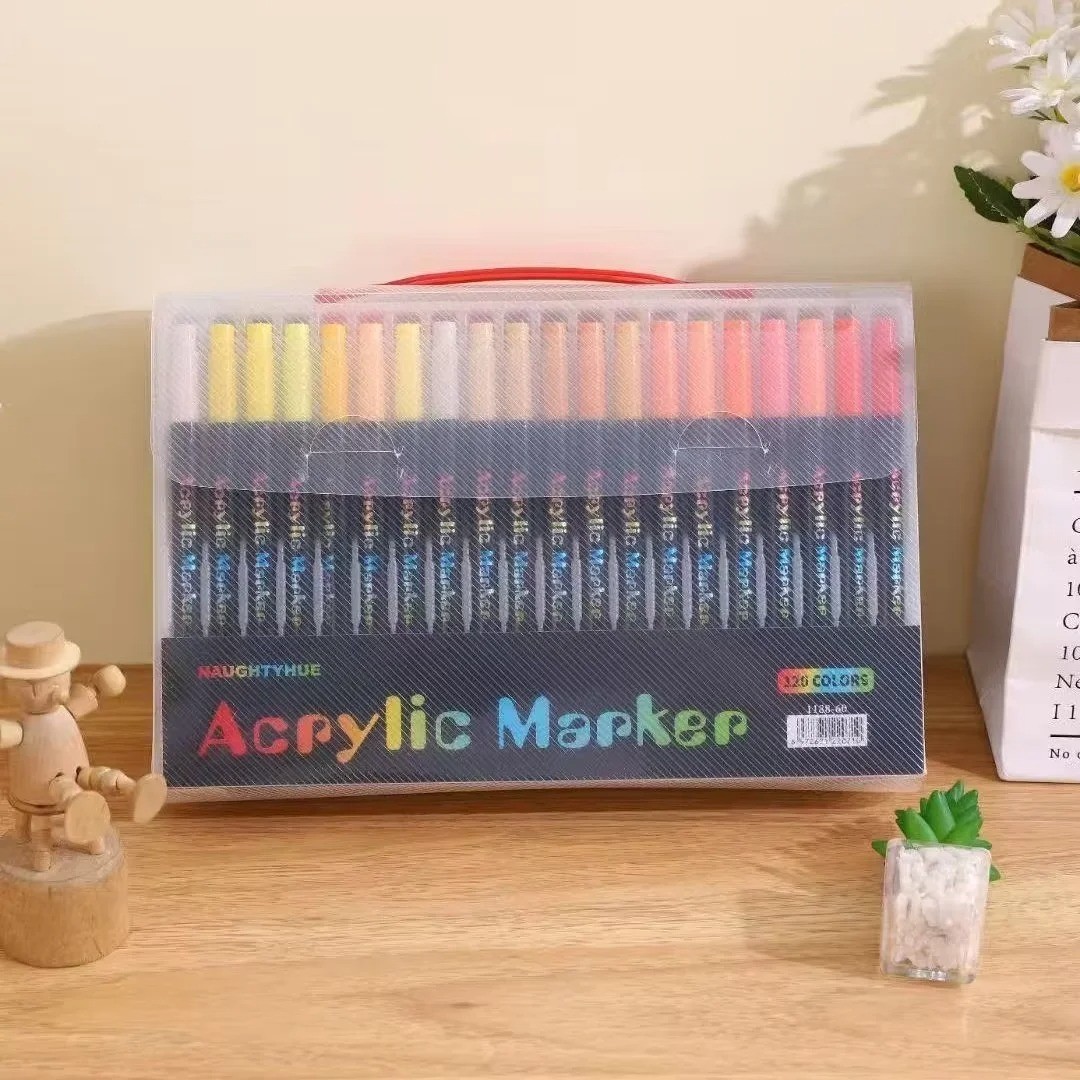 120 Colors Art Paint Markers, Dual Tip Art Markers Set Fine with Brush Tip & Fi$29.99Last checked Nov 27, 2026View on eBay
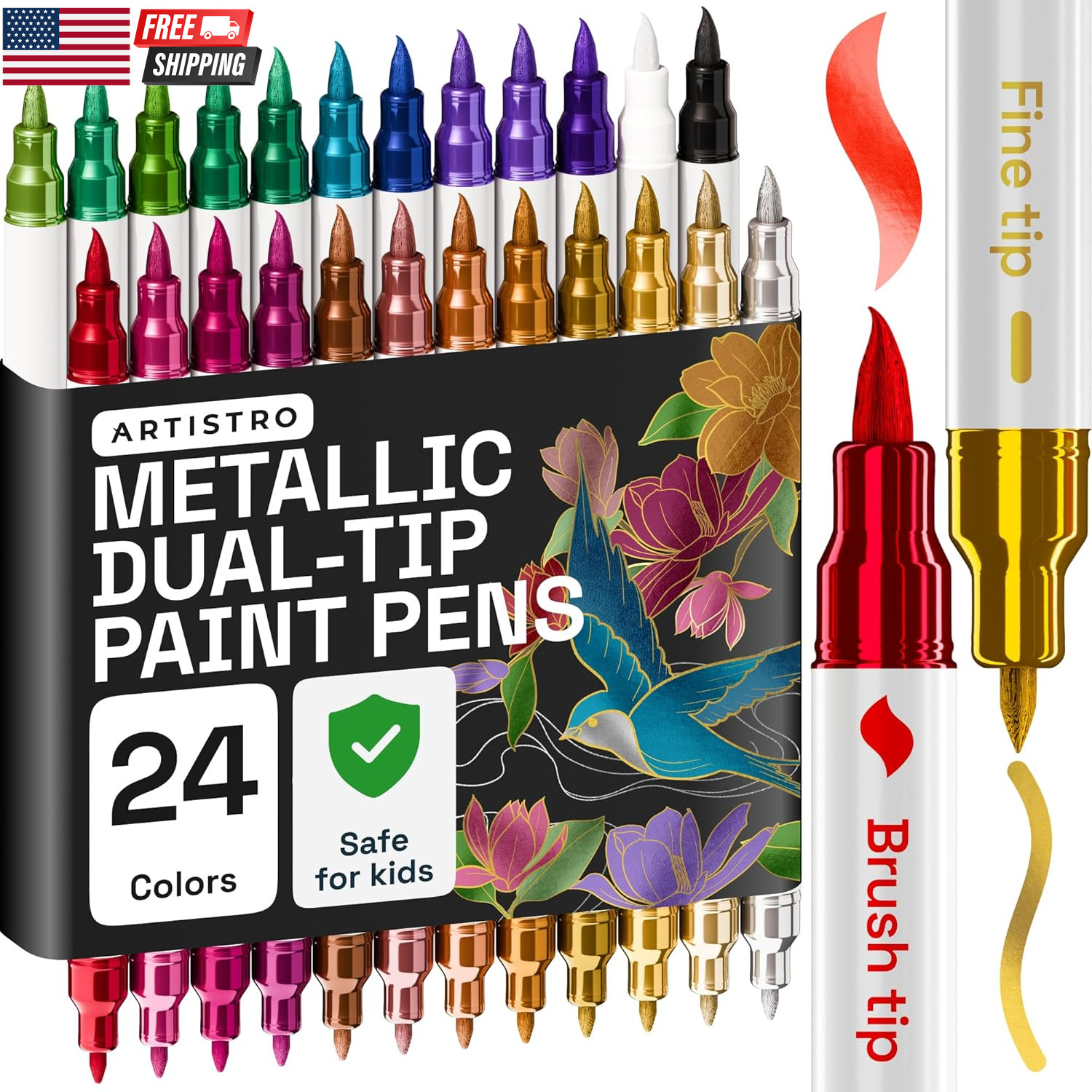 24 Metallic Acrylic Paint Markers - Paint Pens for Drawing, Brush + Fine Tips -$39.04View on eBay
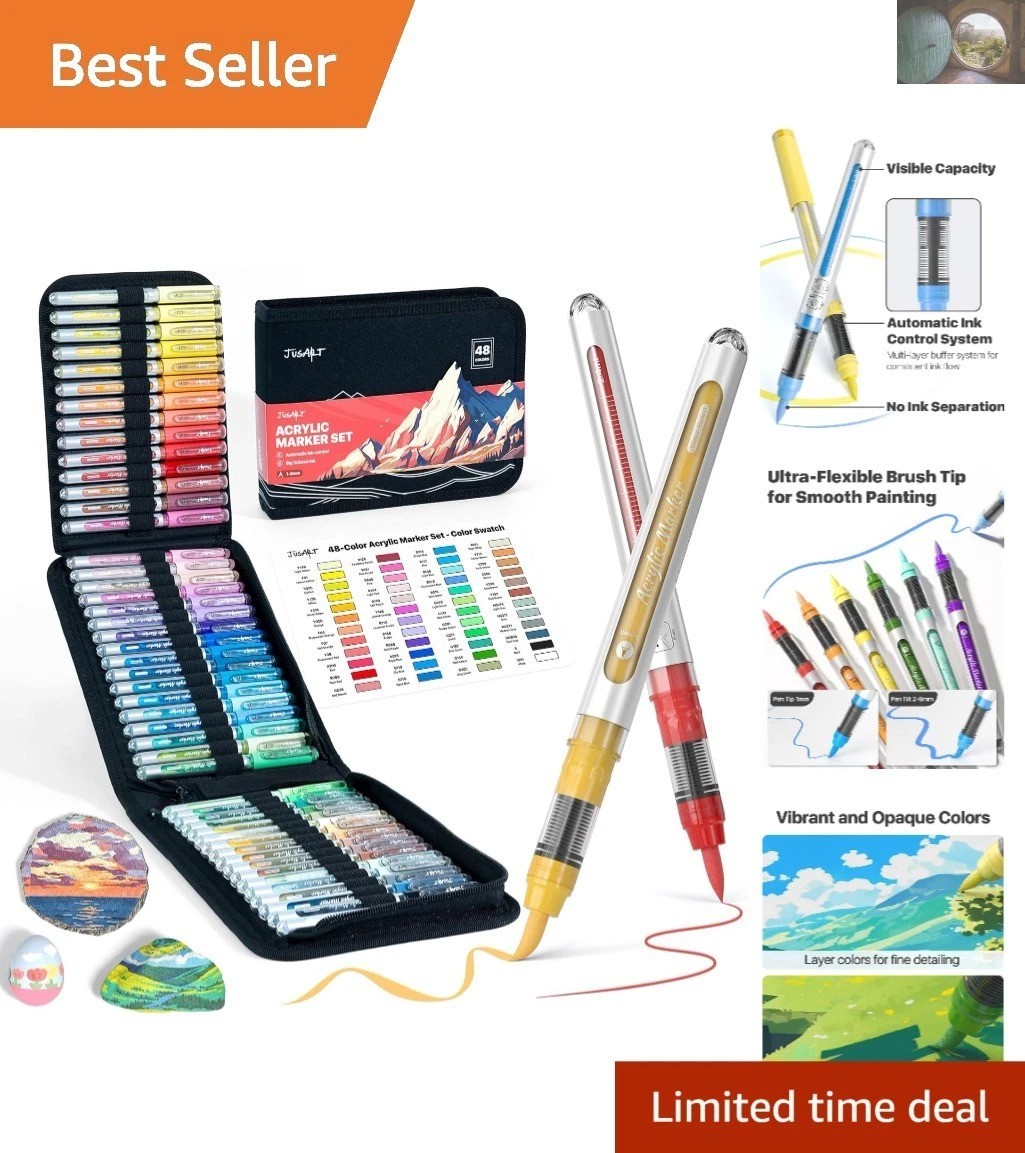 48 Vibrant Colors Acrylic Paint Markers Set - Multi-Surface Art Supplies$51.54Last checked Nov 21, 2026View on eBay
Highlights
- Oil-based (xylene/toluene or alcohol carrier) markers bond to metal, rubber, tire tread, and glass and resist rain and scuffing; acrylic markers thin out under hard scrubbing and prolonged UV.
- Dual-tip acrylic sets pair a 0.5-1 mm fine tip with a 1-5 mm chisel or dot tip; single-tip permanent markers usually offer one 2-4 mm bullet or chisel nib.
- Acrylic paint markers are water-based and low-VOC, making them safe for indoor craft use on paper, canvas, wood, and fabric; oil-based permanent markers demand ventilation.
- Valve-action and shake-and-pump bodies deliver consistent flow on rough surfaces; cheap fiber-wick bodies starve and skip when pressed hard on porous or gritty substrates.
Best use cases
- Pick oil-based permanent markers for tire lettering, automotive touch-up, metal tagging, and outdoor signage where the mark must survive rain, road grime, and washing.
- Pick water-based acrylic dual-tip sets for rock painting, canvas, wood, glass, ceramic, and fabric crafts where color range, layering, and low odor matter more than solvent permanence.
- Skip acrylic markers on tire tread or heavily abraded metal, and skip oil-based markers on paper and fabric projects where bleed-through and solvent smell ruin the result.
Buying tips
- Match ink chemistry to substrate: oil-based for rubber, metal, and glass; water-based acrylic for paper, canvas, wood, and fabric. Mixing them causes poor adhesion and flaking.
- Check tip geometry: 0.5-1 mm fine tips suit lettering and detail; 2-5 mm chisel or broad tips cover large fills. Dual-tip pens cover both but store with caps snapped tight.
- For tire lettering, choose a dedicated oil-based tire marker with a flexible chisel nib; acrylic tire paint chalks off within weeks of road use.
- Buy sets by usable color count, not total pen count; 24-48 color acrylic sets cover blending and skin tones, while 3-12 piece oil-based packs are enough for utility marking.
Specs
| Ink Chemistry | Oil-based permanent vs water-based acrylic |
|---|---|
| Tip Configuration | Fine 0.5-1 mm / broad 2-5 mm chisel |
| Waterproof Rating | Oil-based: weatherproof / acrylic: craft-resistant |
| Color Range | 3-12 utility / 24-48 craft colors |
Related searches
What to check before buying
- Confirm the substrate list printed on the pen: metal, rubber, glass, wood, fabric, ceramic, and canvas each need the matching ink chemistry.
- Check ventilation for oil-based markers; xylene and toluene carriers require airflow, while acrylic markers are low-odor and indoor-safe.
- Verify tip size and type against your lettering scale; tire and signage work needs 2-5 mm chisel nibs, fine detail needs sub-1 mm tips.
- Store pens horizontally and cap tightly; solvent-based markers dry out fast if the nib is exposed, and acrylic pens skin over at the tip.
FAQ
Data sources: eBay / Amazon listings and product attribute feeds. Updated Nov 27, 2026.
Some links on this page are affiliate links. If you buy after clicking one, we may earn a commission at no extra cost to you. This does not change which products appear here or their order. Affiliate disclosure.