
Photos from current listings. Actual item, color, and included accessories may vary.
Quality Colored Pencil Buying Guide
Quality colored pencils are pigment-core drawing tools where the binder-to-pigment ratio, core hardness, and lightfastness rating determine whether color lays down smoothly, blends without bloom, and survives decades without fading. The core trade-off is soft, wax-rich cores for rich coverage versus hard, oil-based or clay-bound cores for sharp detail and layering; premium artist grades use high pigment load and lightfast ratings, while student grades cut pigment with fillers. The decision rule: buy artist-grade open-stock pencils with labeled lightfastness (ASTM I-II) and individual open-stock availability, skip budget sets that lack pigment codes or rely on unnamed fillers.
Median $15.99
Key takeaways
- Wax-based cores (Prismacolor Premier, Derwent Coloursoft) deliver creamy, opaque coverage but sharpen poorly and bloom; oil-based cores (Faber-Castell Polychromos, Caran d'Ache Pablo) hold a fine point and layer without wax buildup.
- Lightfastness ratings follow ASTM D6901 and Blue Wool scale; artist-grade pencils label I or II (excellent to very good), while student sets often omit ratings or fall III-V and fade within years under UV.
- Core diameter and hardness vary: standard 3.8mm cores sharpen to a needle point on hard oil pencils, while 4mm-plus soft cores need a sharp blade and gentle pressure to avoid breakage.
At a glance
- Category
- Art Supplies
- Last updated
- Nov 27, 2026
Current offers
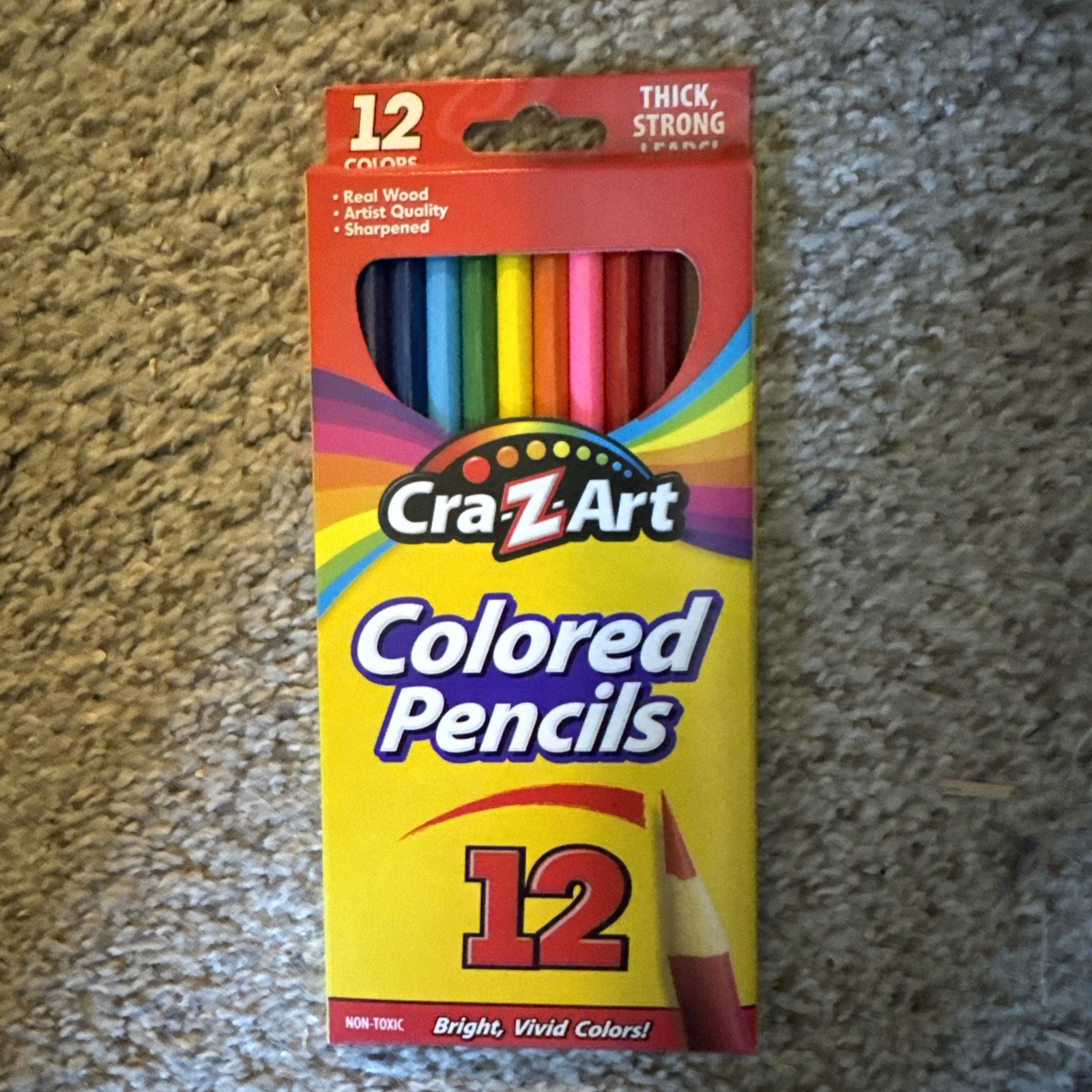 Cra-z-art 12Ct Colored Pencils, Back To School Supplies, Office Product$2.29View on eBay
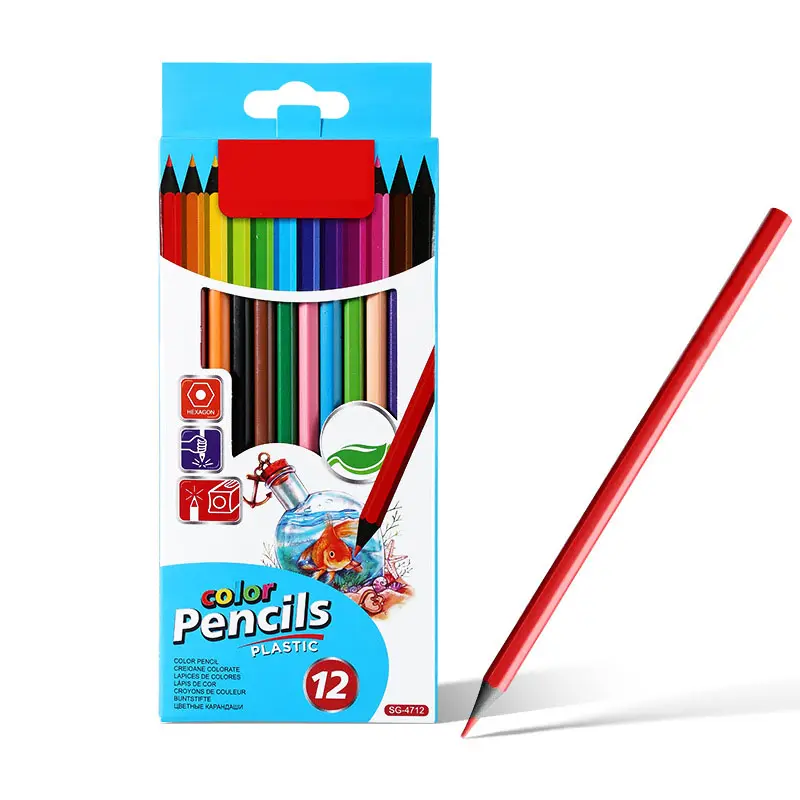 12-Color, Oil-based Colored Pencils Student Art Erasable Lead$9.99View on Mallflare
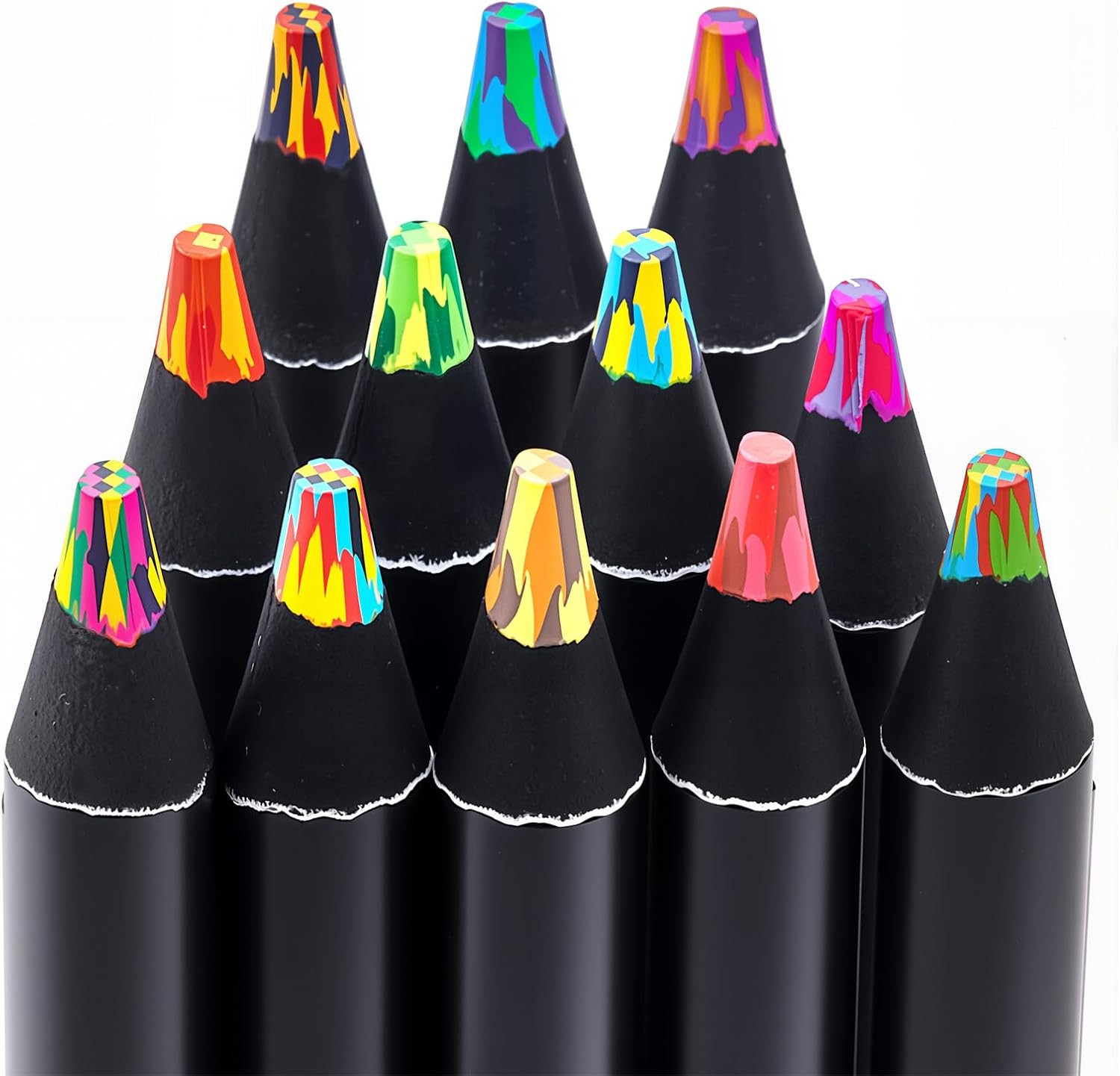 Stocking Stuffers,12 Rainbow Colored Pencils,Art Supplies for Kids, Stocking Stu$6.61Last checked Nov 24, 2026View on eBay
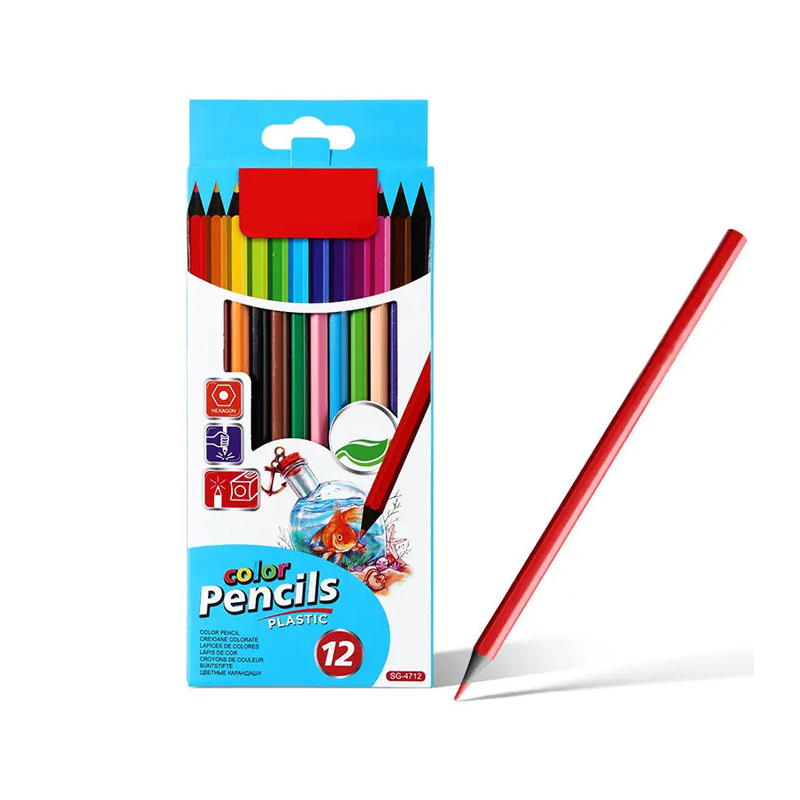 12 Colored Pencils, Art Erasable Lead$15.99View on Mallflare
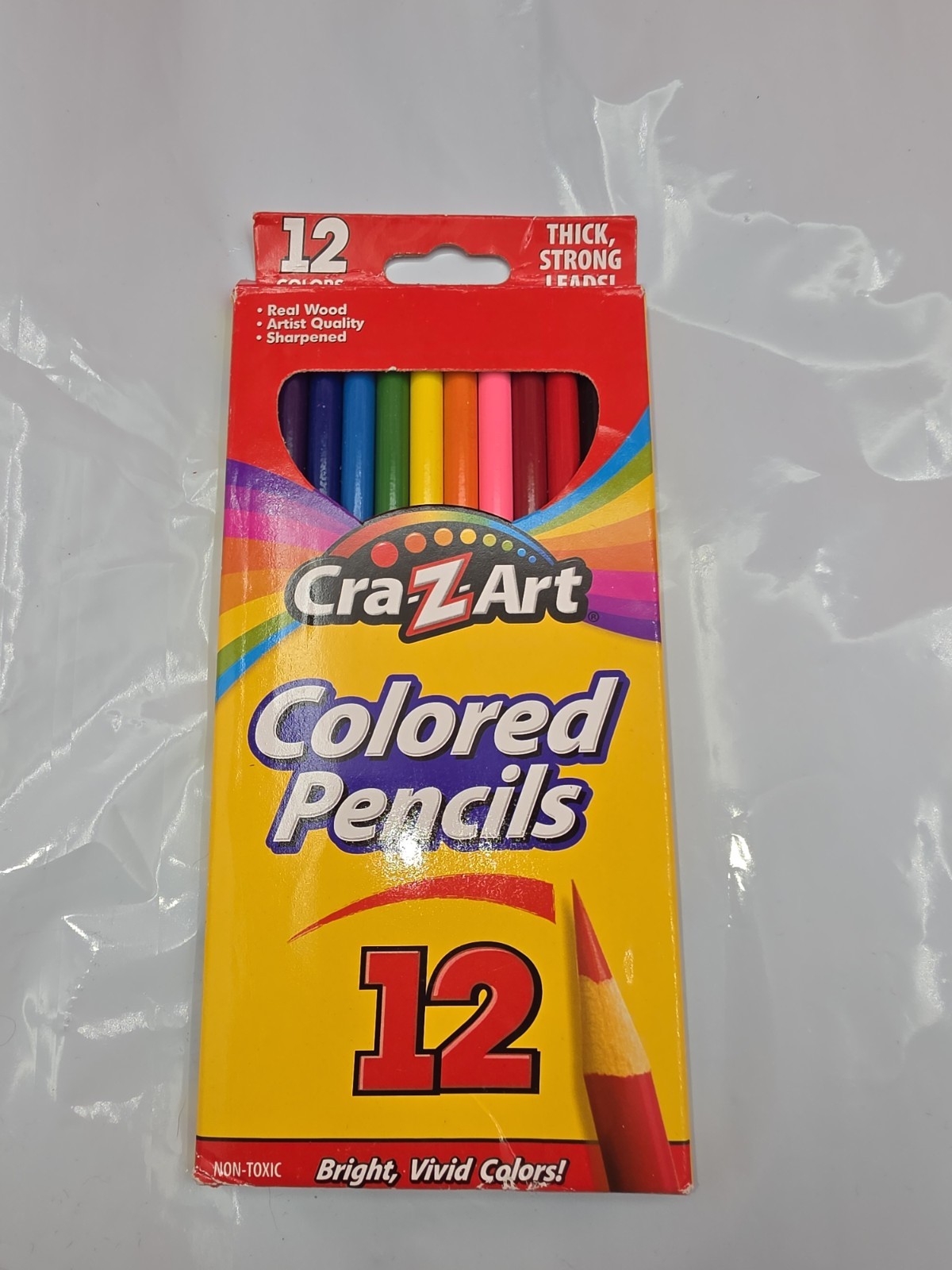 Cra-z-art 12Ct Colored Pencils, Back To School Supplies, Office Product$7.00View on eBay
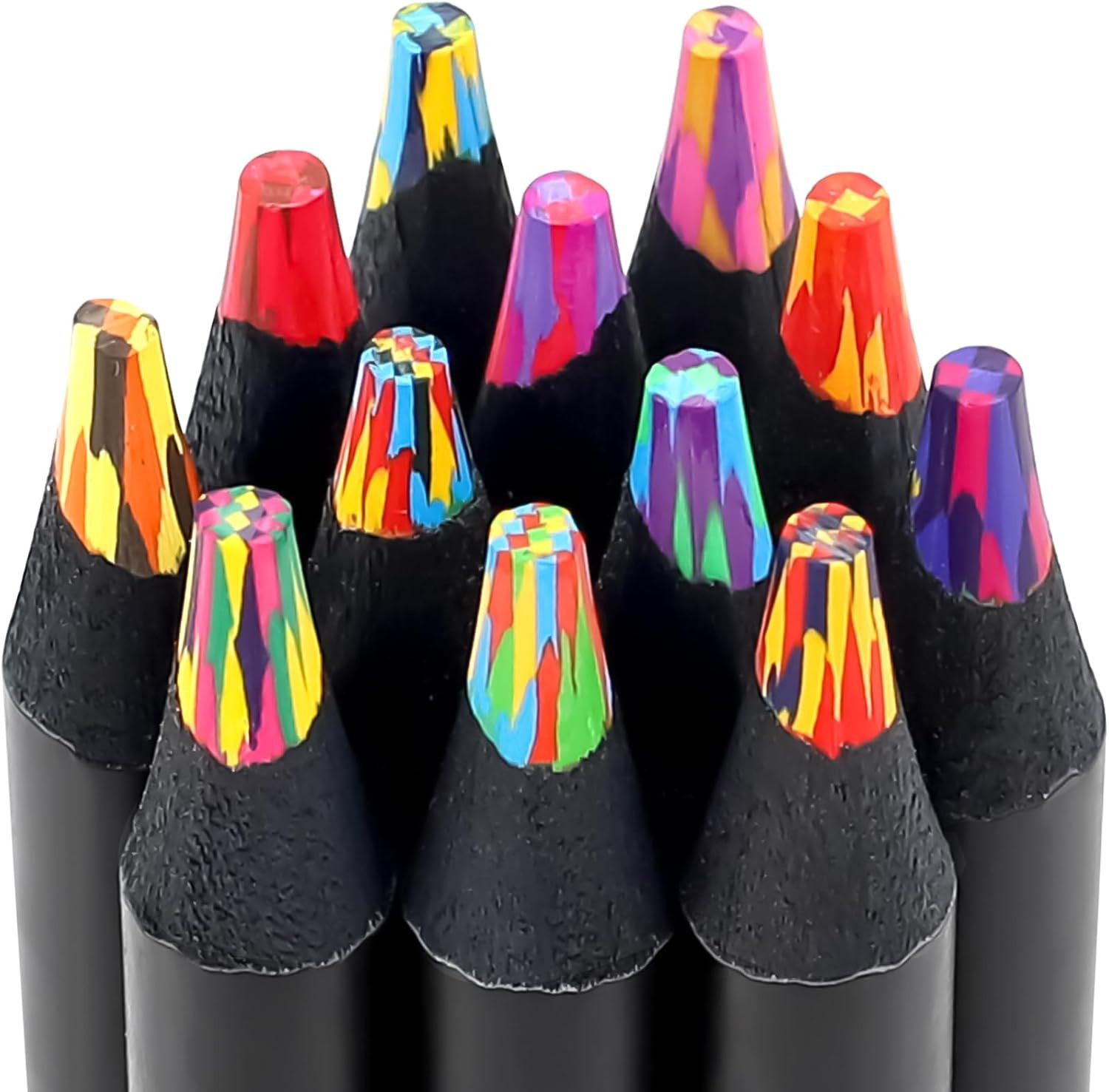 Art Supplies Kids Stocking Stuffers Teens,12 Rainbow Colored Pencils,Tween Teen$12.29Last checked Nov 24, 2026View on eBay
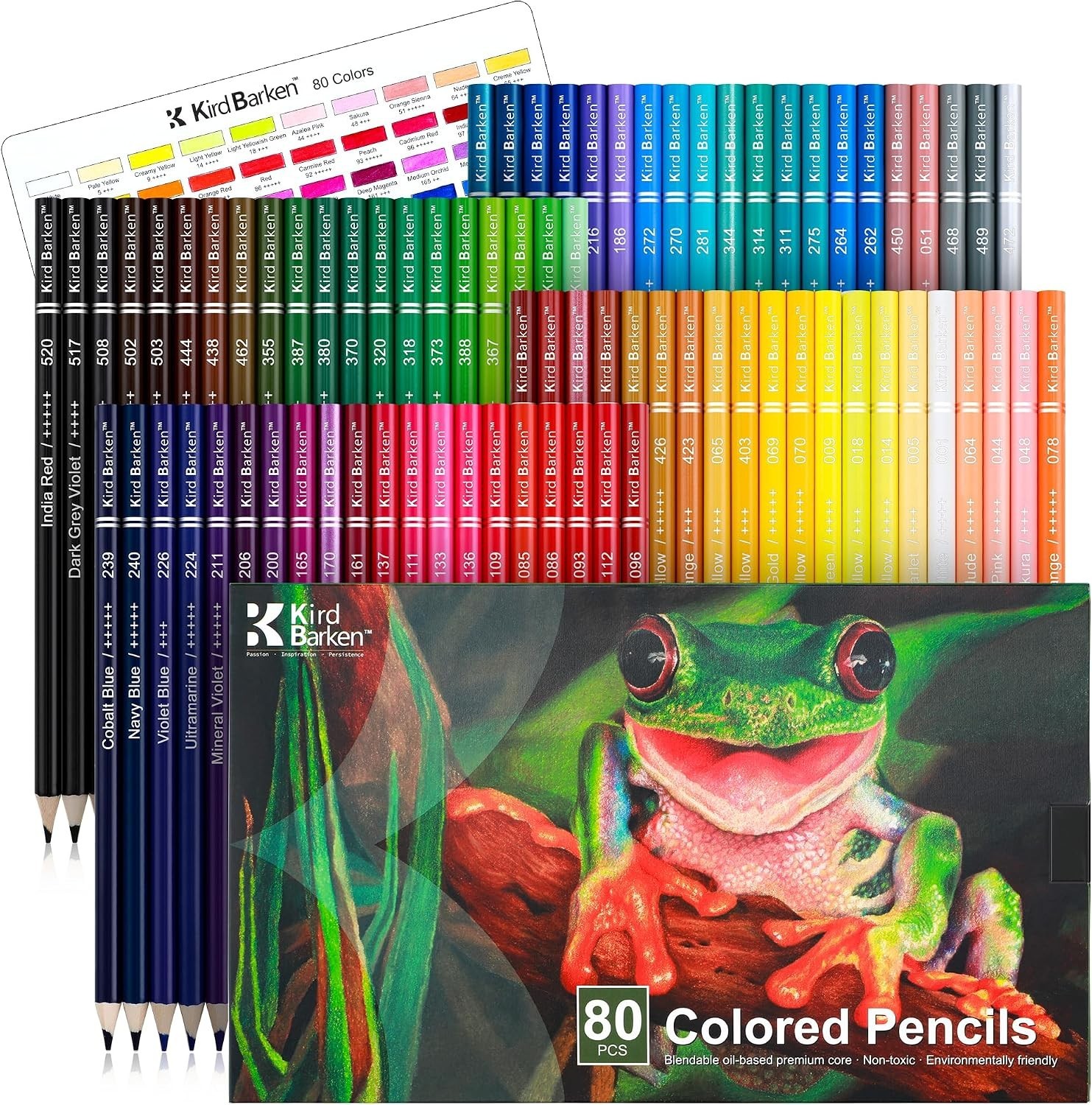 80 Colored Pencils, Soft Core Color Pencil Set for Adult Coloring Books Artist..$13.79View on eBay
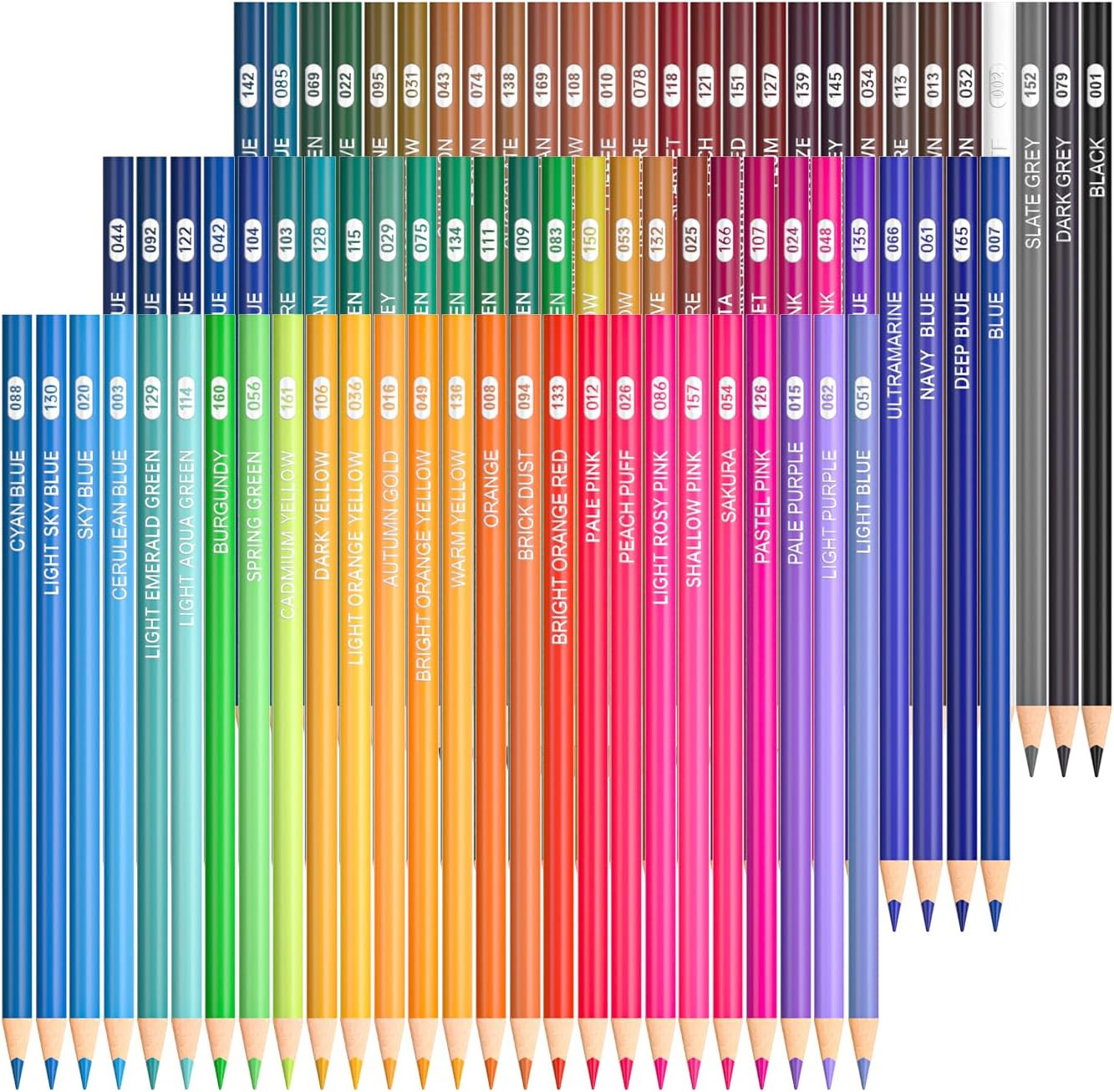 80 Colored Pencils, Soft Core Color Pencil Set for Adult Coloring Books Artist..$13.89Last checked Nov 19, 2026View on eBay
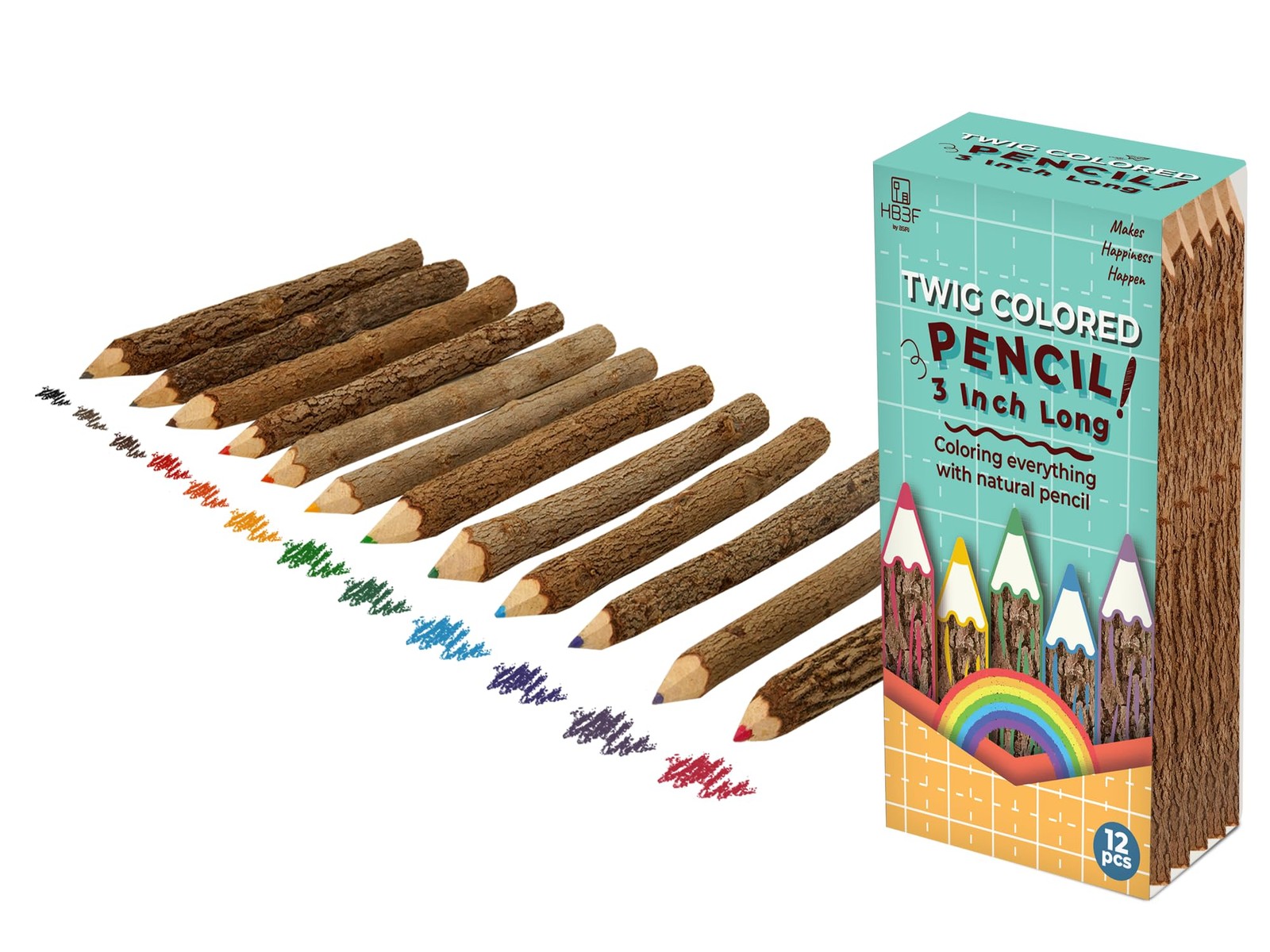 Professional Coloring Pencils Assorted-Stick Twig Outdoor Colored Wooden Penc...$13.99Last checked Nov 19, 2026View on eBay
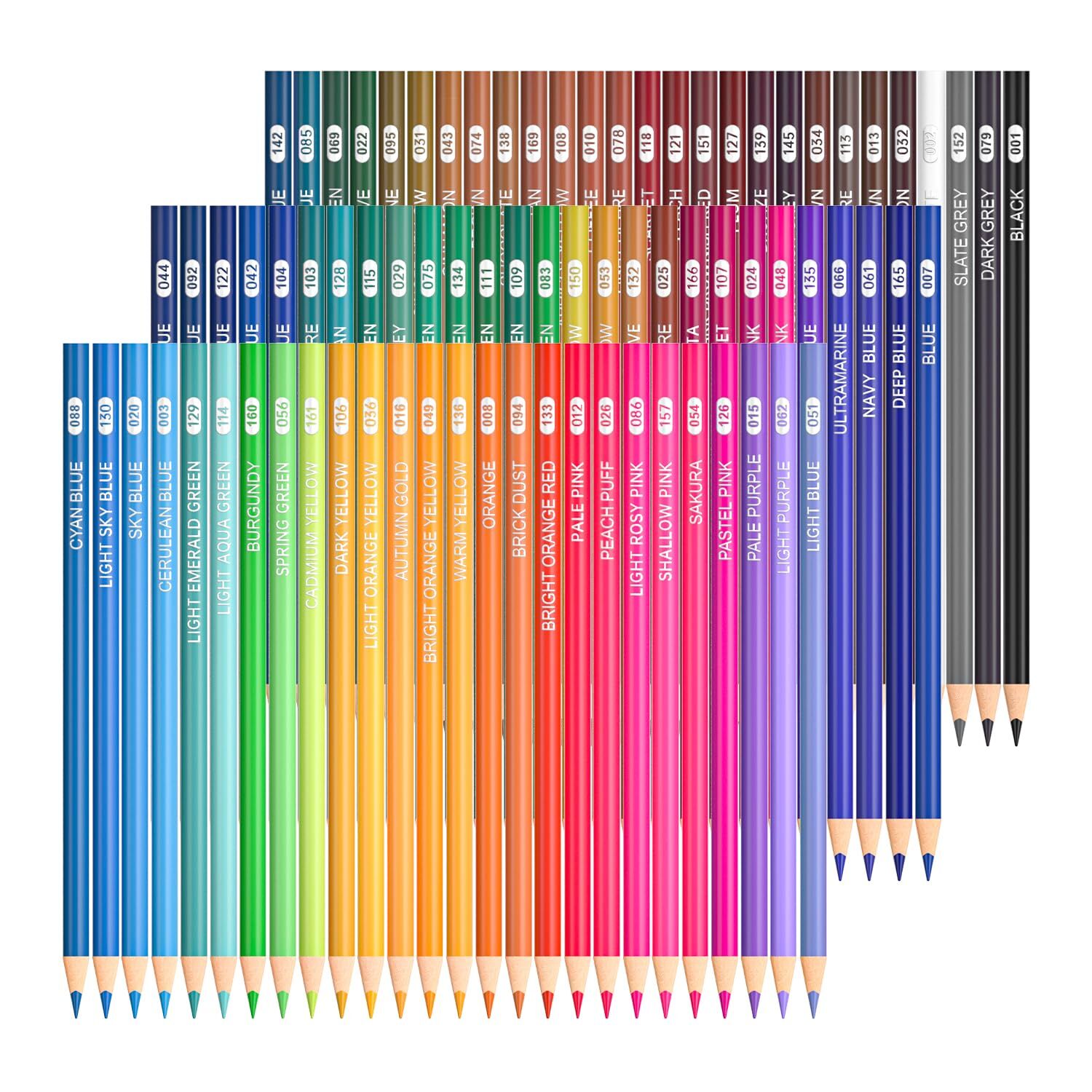 iBayam Colored Pencils 80 Count Color Pencil Set for Adult Coloring Books Soft$14.22Last checked Nov 19, 2026View on eBay
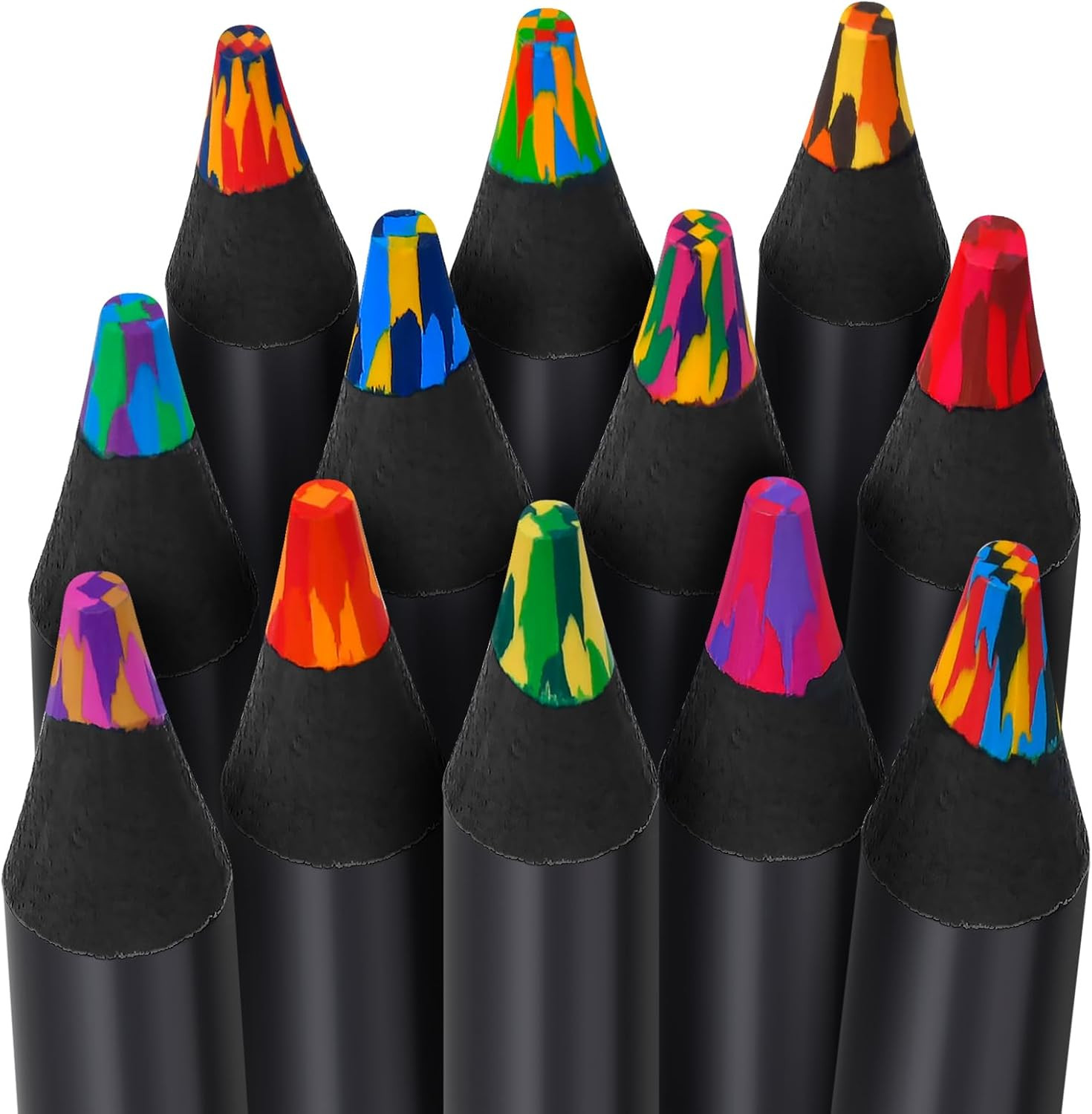 12 Colored Rainbow Pencils for Teen Girl Boys | Stocking Stuffers$17.99Last checked Nov 26, 2026View on eBay
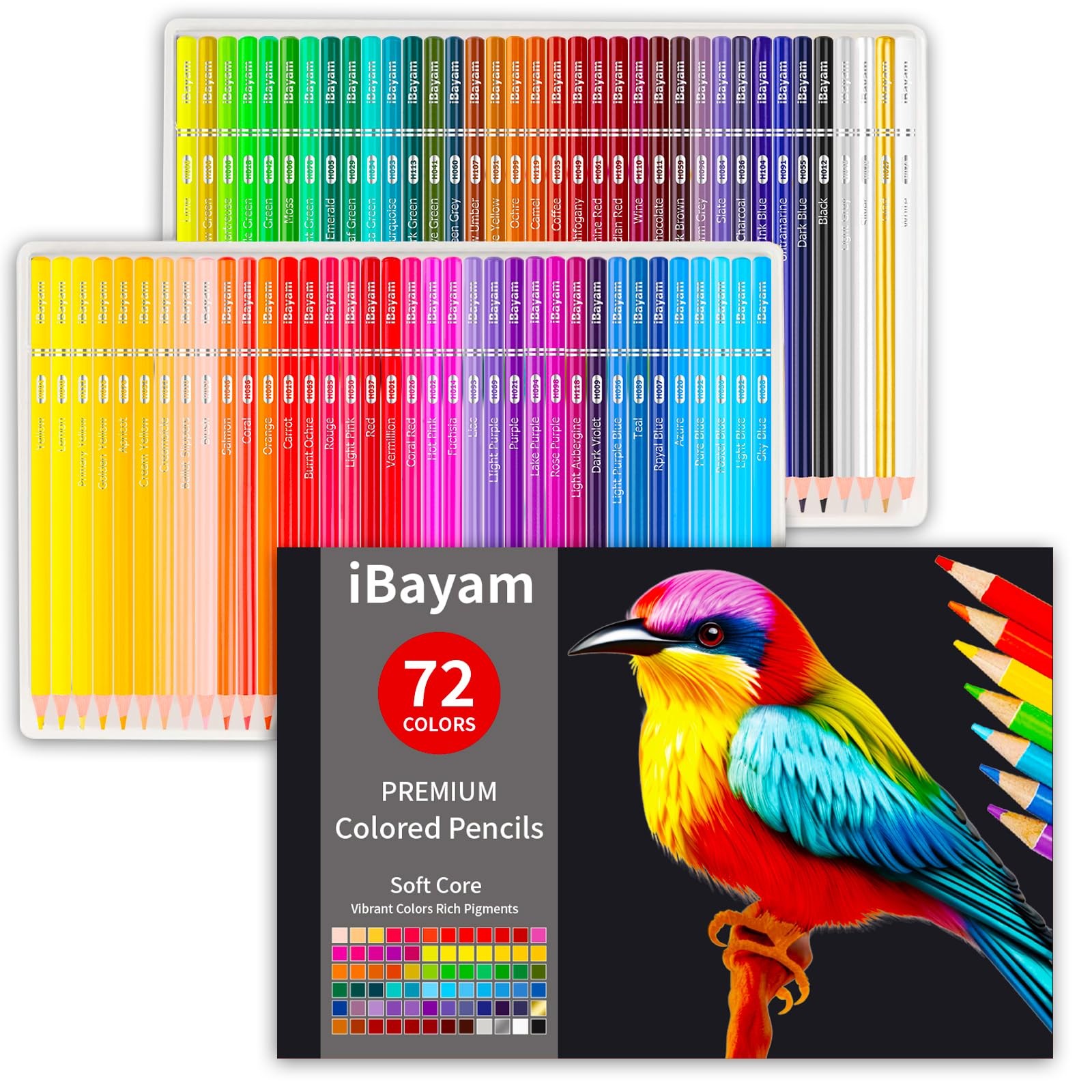 72 Count Colored Pencils for Adult Coloring Books - Soft Core Sketching Drawing$24.18View on eBay
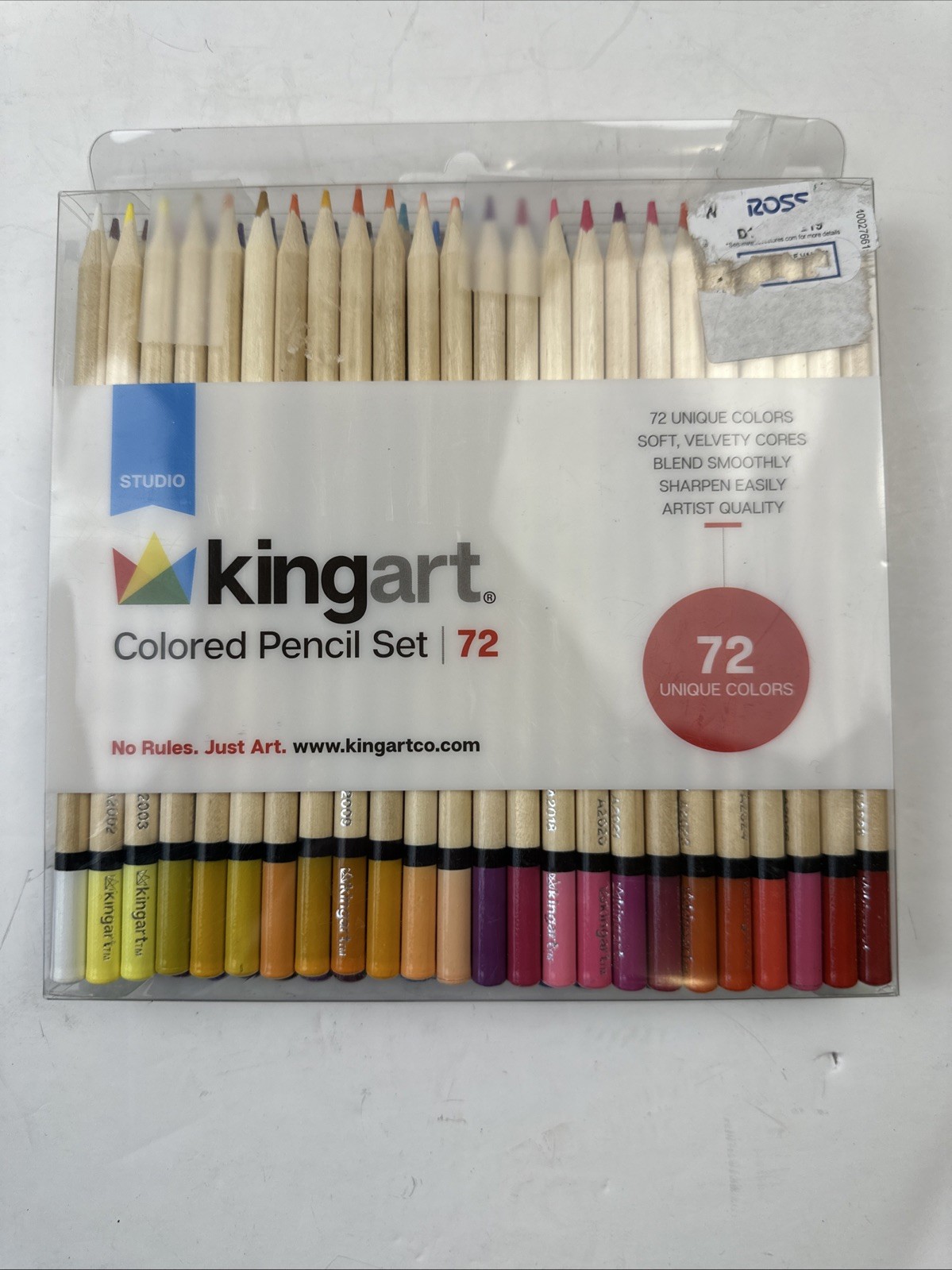 Kingart Studio Colored Pencil Set Soft Velvety Cores 72 Unique Colors New in Bo$26.20View on eBay
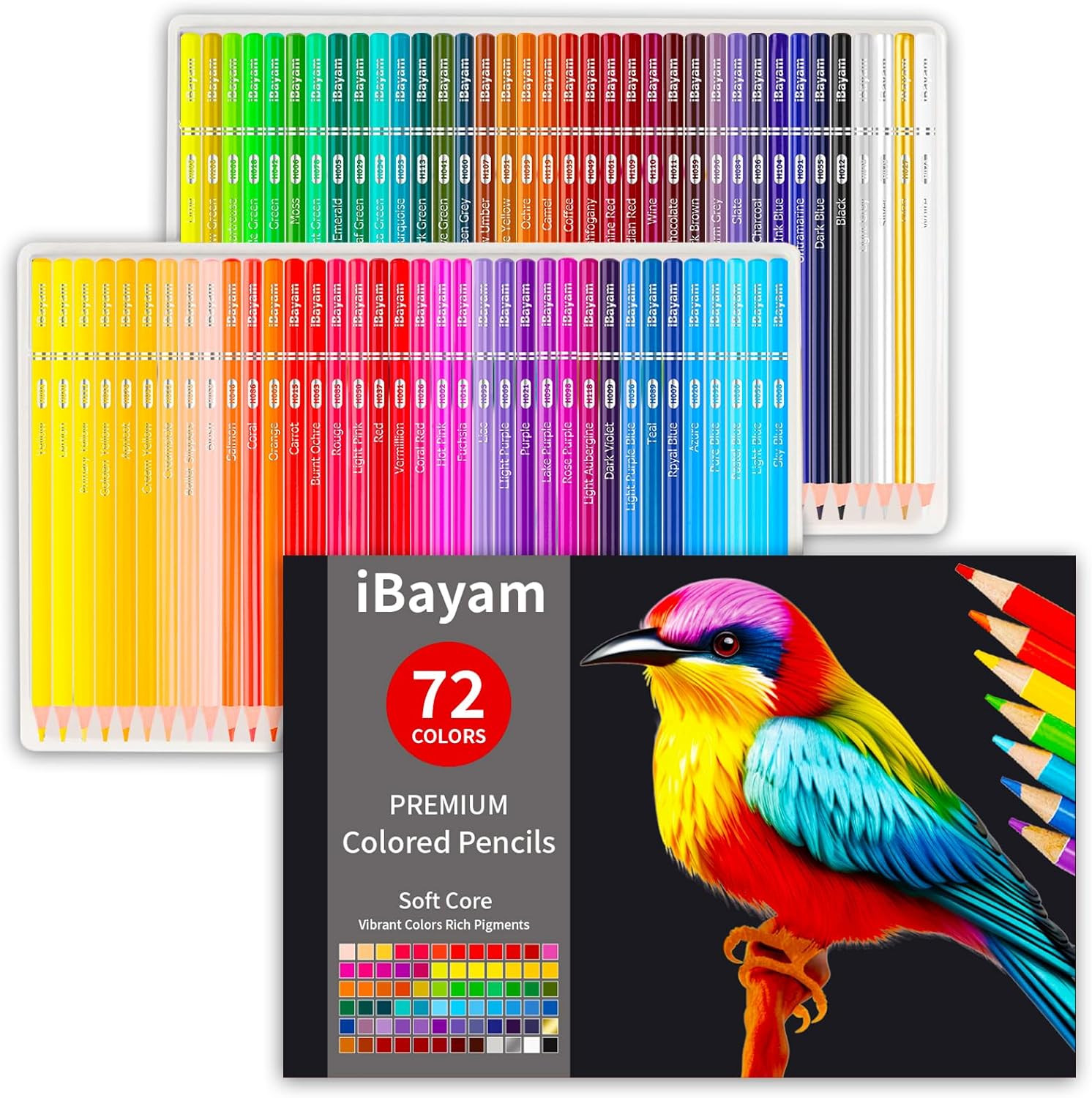 72 Count Colored Pencils for Adult Coloring Books, Soft Core, Ideal for Drawing$27.34View on eBay
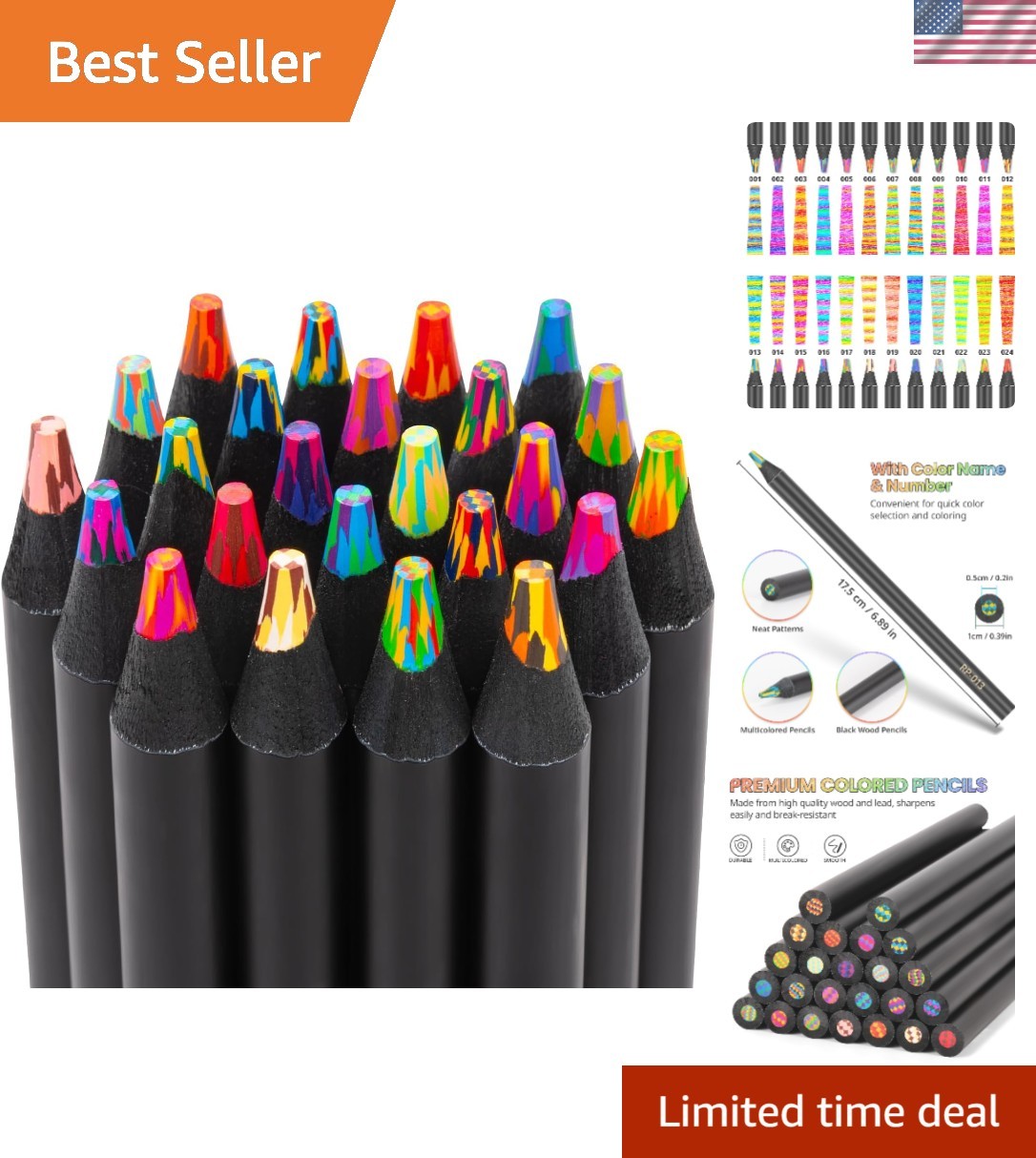 Art Supplies, 24 Rainbow Colored Pencils, Teen Girl Gifts Trendy Stuff, Arts ...$30.93Last checked Nov 23, 2026View on eBay
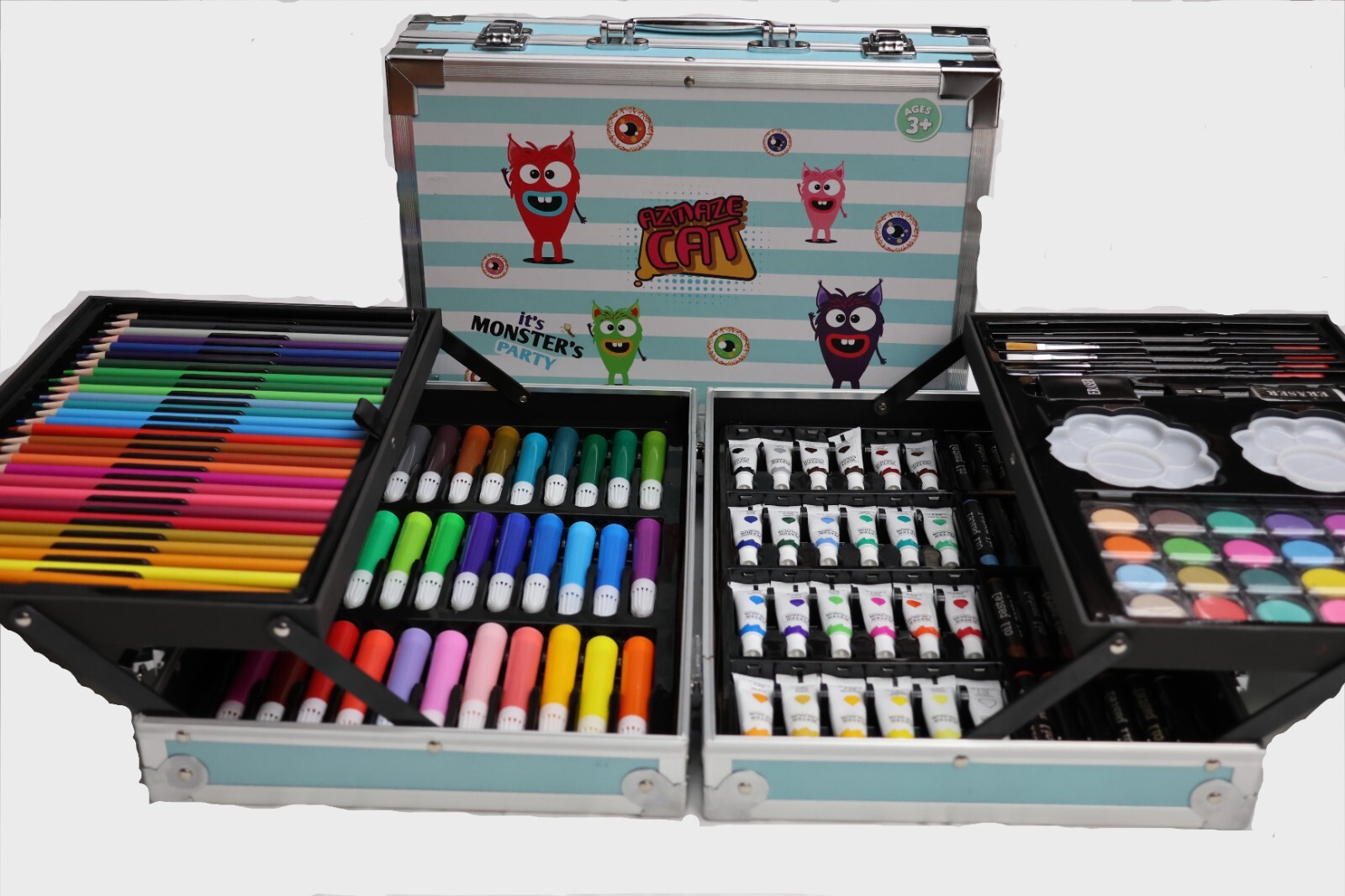 150pc Art Drawing Kit Set Kids Adults Teens Supplies Colored Pencils Sketch Gift$32.50Last checked Nov 24, 2026View on eBay
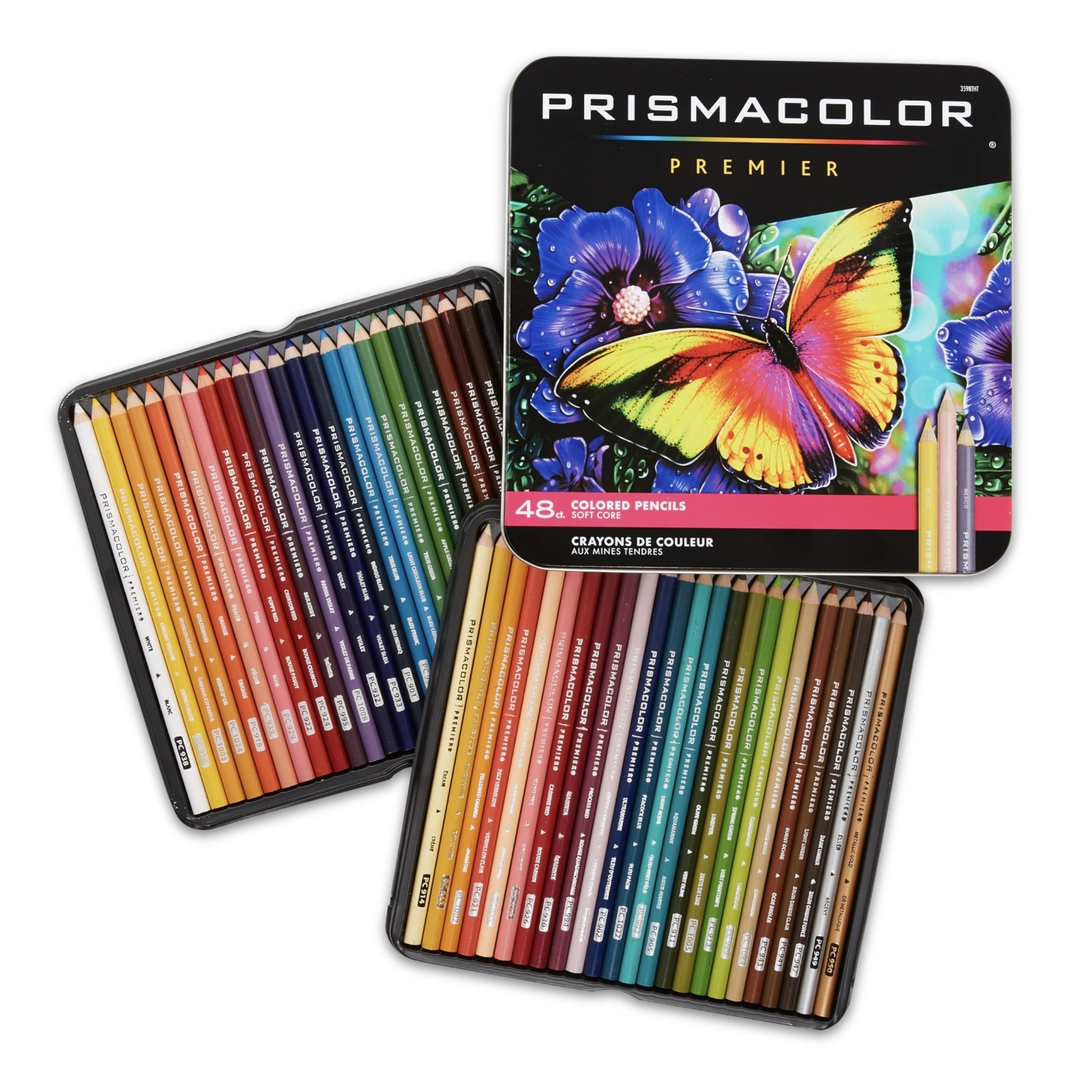 Prismacolor Premier Colored Pencils, Soft Core, Assorted Colors, 48 Count$35.00Last checked Nov 18, 2026View on eBay
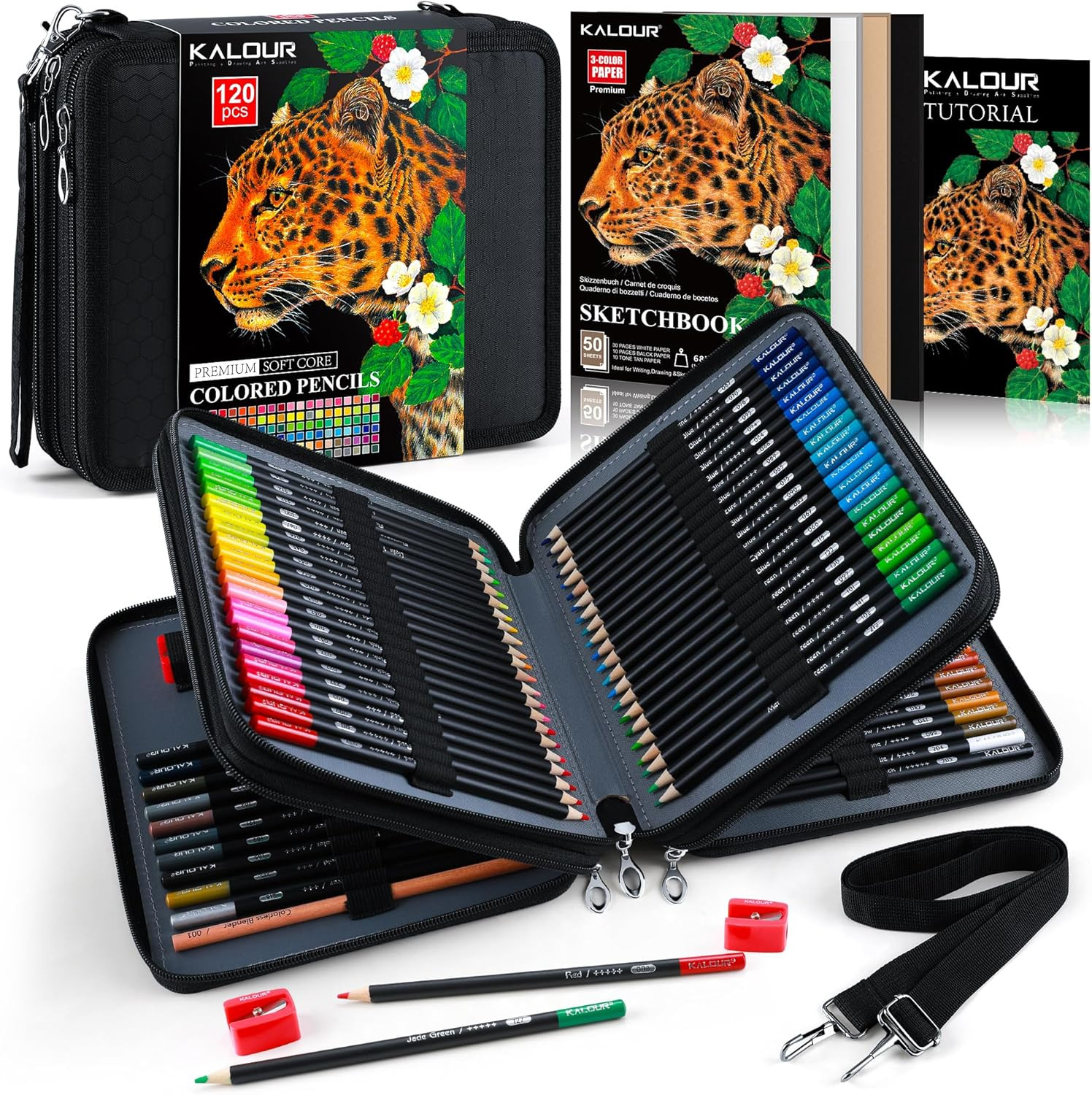 120-Piece Colored Pencil Set with Case, Sketchbook, and Accessories$45.99View on eBay
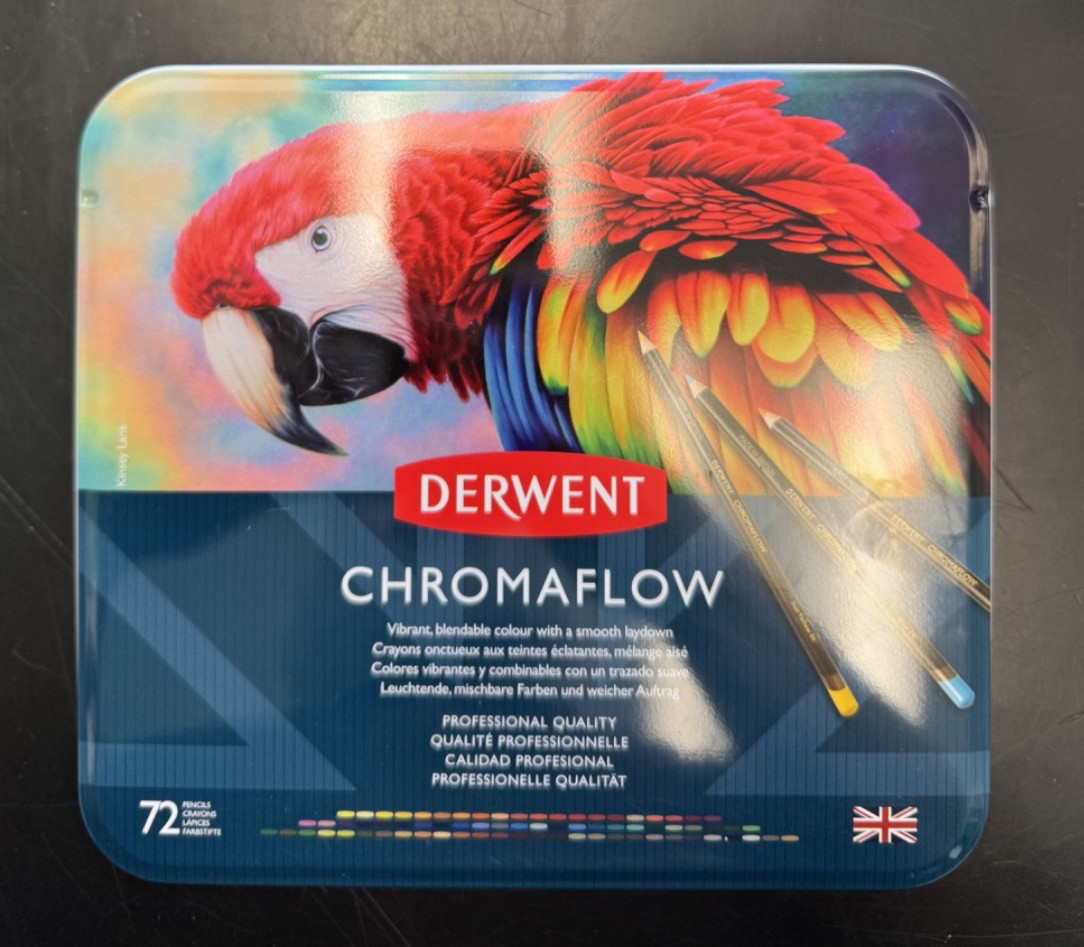 Derwent Chromaflow Colored Pencils Tin, Set of 72, Great Office Product$84.99View on eBay
Highlights
- Wax-based cores (Prismacolor Premier, Derwent Coloursoft) deliver creamy, opaque coverage but sharpen poorly and bloom; oil-based cores (Faber-Castell Polychromos, Caran d'Ache Pablo) hold a fine point and layer without wax buildup.
- Lightfastness ratings follow ASTM D6901 and Blue Wool scale; artist-grade pencils label I or II (excellent to very good), while student sets often omit ratings or fall III-V and fade within years under UV.
- Core diameter and hardness vary: standard 3.8mm cores sharpen to a needle point on hard oil pencils, while 4mm-plus soft cores need a sharp blade and gentle pressure to avoid breakage.
- Open-stock availability separates artist lines from student sets; Polychromos, Pablo, and Derwent Lightfast sell individually, enabling color replacement without re-buying a full tin.
Best use cases
- Detailed realism and fine hatching: choose hard oil-based pencils (Polychromos, Pablo) in open stock — skip soft wax sets that smear under a sharpener and cannot hold a 0.5mm point.
- Loose, vibrant blending and coverage on toned paper: pick soft wax-based pencils (Prismacolor Premier, Derwent Coloursoft) and a colorless blender — skip hard oil cores that deposit too little pigment per stroke.
- Long-term archival commissions or gallery work: use only ASTM I-II rated lines (Derwent Lightfast, Caran d'Ache Luminance) stored away from UV — skip student sets and unrated gift tins.
- Classroom or high-volume practice: buy a student-grade set (Faber-Castell Goldfarb, Staedtler Noris) and accept lower pigment load — skip artist open stock where cost per pencil dominates.
Buying tips
- Match core type to technique: wax-based for opaque layering and burnishing, oil-based for sharp detail and transparent glazing — a 12-pencil test tin of each resolves the choice before committing to a full set.
- Demand a lightfastness rating on the barrel or insert; ASTM I-II or Blue Wool 7-8 is the archive threshold, and any line that omits the rating is hobby-grade regardless of price.
- Check core diameter and sharpener compatibility: 3.8mm oil cores fit standard 8mm sharpeners, while 4.5mm soft cores need a wide-mouth sharpener to prevent splitting.
- Prefer open-stock lines for any working artist: replacing a single worn pencil from a 120-color set is impossible, and open stock confirms the line is a professional system rather than a sealed gift tin.
Specs
| Core Binder | Wax-based vs oil-based |
|---|---|
| Lightfastness | ASTM I-II (artist) vs III-V (student) |
| Core Diameter | 3.8mm standard / 4.5mm soft |
| Open Stock | Individually replaceable vs sealed set |
Related searches
What to check before buying
- Confirm the set includes a lightfastness chart or per-pencil rating: unrated tins are student grade and will fade under display light.
- Verify sharpener mouth diameter matches the core: soft 4.5mm cores split in a standard 8mm sharpener, so a wide-mouth or helical sharpener is required.
- Check paper compatibility: soft wax cores need 150gsm+ toothy paper to grip, while hard oil cores suit smooth 200gsm Bristol for detail work.
- Confirm open-stock availability for each color in the set before buying a large tin — a sealed 72-set with no singles is a dead-end purchase.
FAQ
Data sources: eBay / Amazon listings and product attribute feeds. Updated Nov 27, 2026.
Some links on this page are affiliate links. If you buy after clicking one, we may earn a commission at no extra cost to you. This does not change which products appear here or their order. Affiliate disclosure.