
Photos from current listings. Actual item, color, and included accessories may vary.
Rock Polisher Buying Guide
A rock polisher (tumbler) is a motorized drum that rotates abrasive grit and water with rough stones over days to produce a smooth, polished finish. The primary trade-off is drum capacity and motor architecture versus noise, cycle time, and grit consumption—larger barrels and direct-drive or brushless motors cost more but cut batch time and improve durability. The decision rule: choose a barrel size matched to your weekly rough-rock volume and a motor type rated for continuous multi-day runs; avoid tiny single-speed drums with plastic bushings if you plan to polish harder stones like agate or jasper.
Median $75.99
Key takeaways
- Direct-drive motors eliminate belts and pulleys, reducing slippage and maintenance but transmitting more vibration; belt-driven units run quieter and handle heavier 8–17 lb loads with less motor strain.
- Barrel capacity math: 2–3 lb drums suit single small batches of 1–2 inch stones; 4 lb is the hobby sweet spot; 8–17 lb double-barrel or large-drum units process 3–5 lb of rough per week.
- Grit sequence determines finish: coarse 60/90 silicon carbide shapes stones, then 120/220, pre-polish 500/600, and polish 1000+ aluminum oxide or cerium oxide; skipping stages leaves scratches.
At a glance
- Category
- Art Supplies
- Last updated
- Nov 27, 2026
Current offers
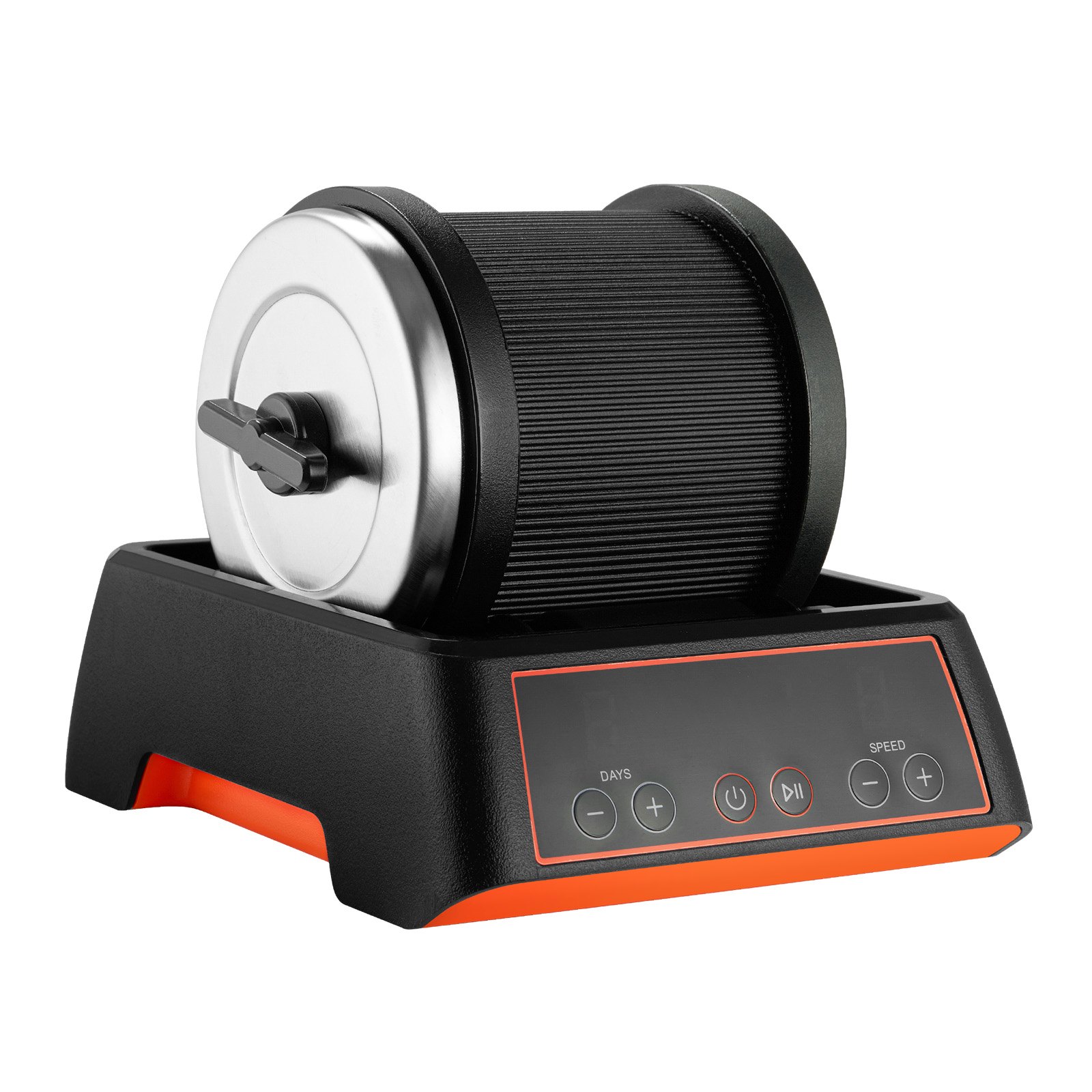 Rock Tumbler Kit, 2 Lbs Polishing Kit, 4 Speed Settings 9-Day Timer Stone Kit, Polisher With Rough Gemstones And Grits, For Adults Kids$47.99View on Mallflare
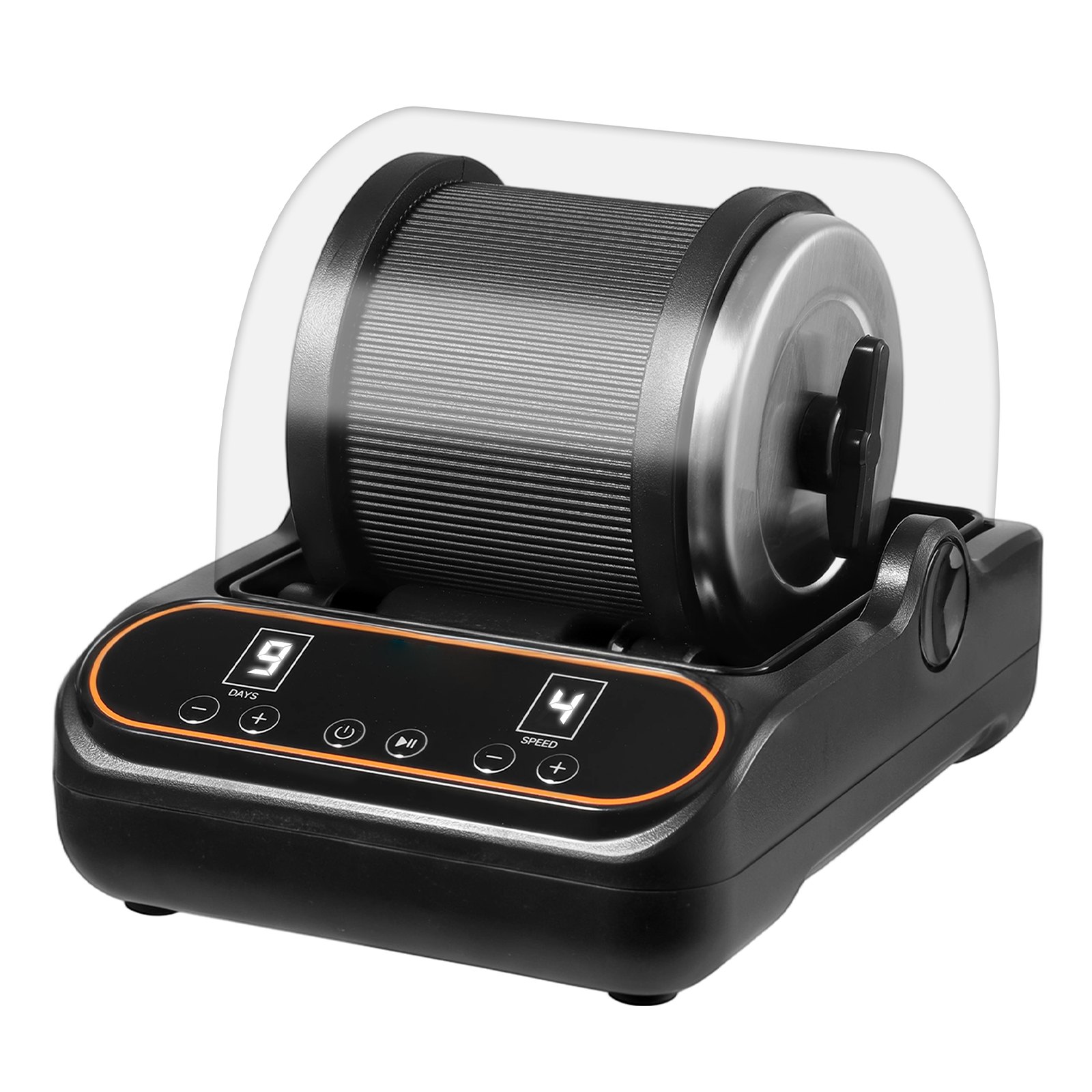 Rock Tumbler, 2 Lb Polishing Machine, Rocks Tumbling Kit With 4-Speed Adjustment, 1–9 Day Timer, PC Sound Reduction Cover & TPU Drum, Direct Drive Motor Quiet Operation$69.99View on Mallflare
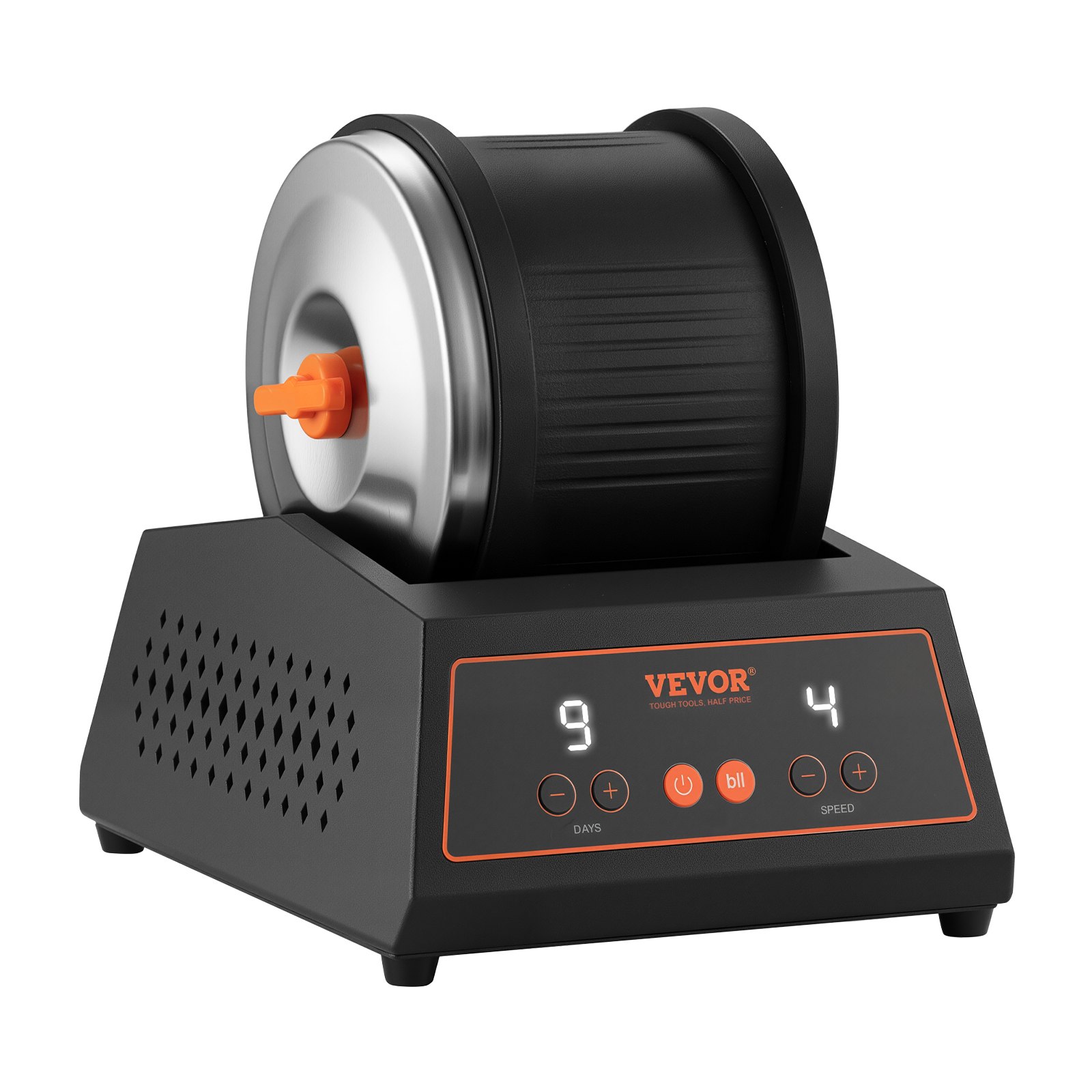 Rock Tumbler 4 lbs Large Barrel 4 Speed Settings Polishing Kit, for Adults Beginners and Hobbyists, 9-Day Timer, Double Capacity, Polisher Kit with Adapter$75.99View on Mallflare
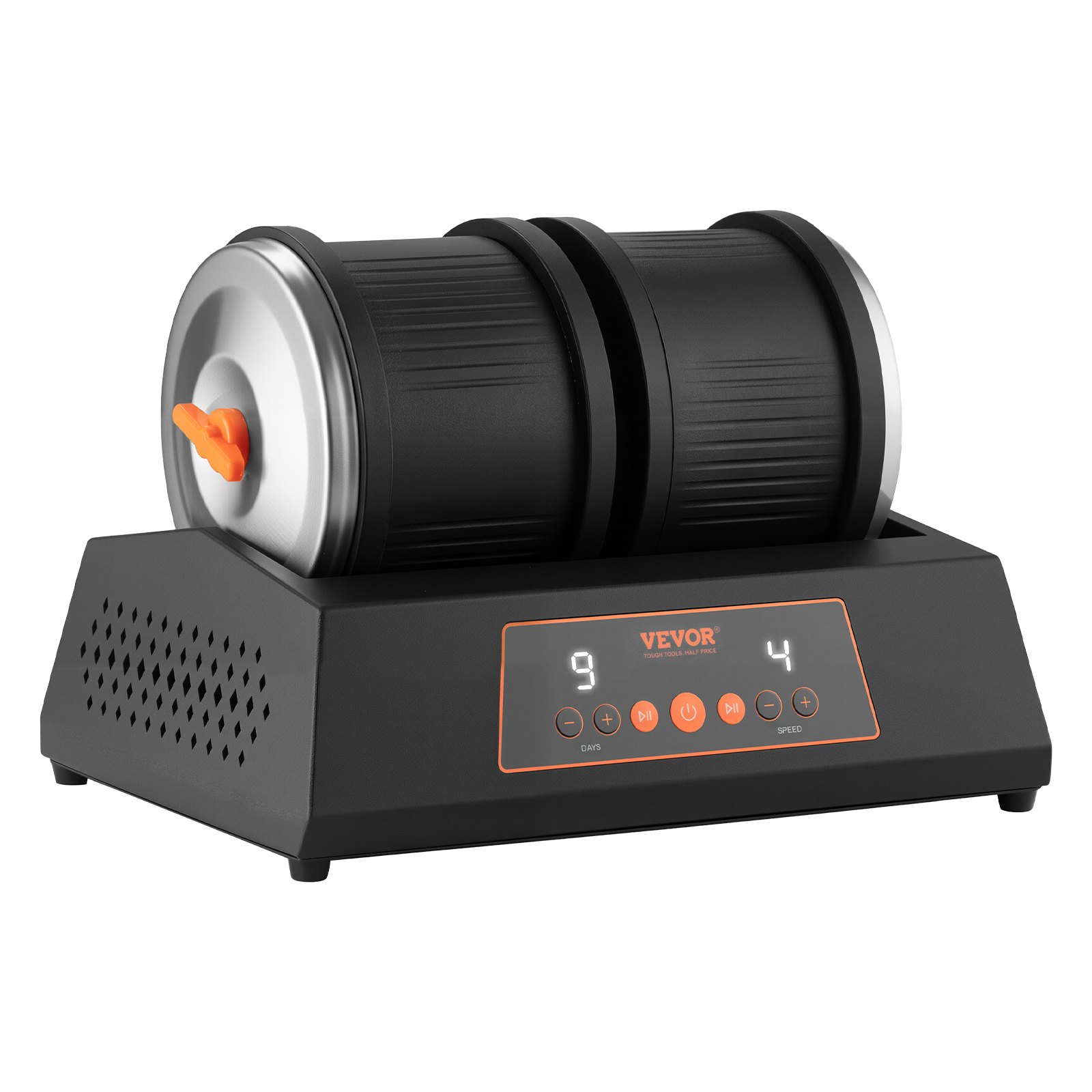 Rock Tumbler 8 lbs Double Barrel 4 Speed Settings Polishing Kit, for Adults Beginners and Hobbyists, 9-Day Timer, Large Capacity, Polisher Kit with Adapter$141.99View on Mallflare
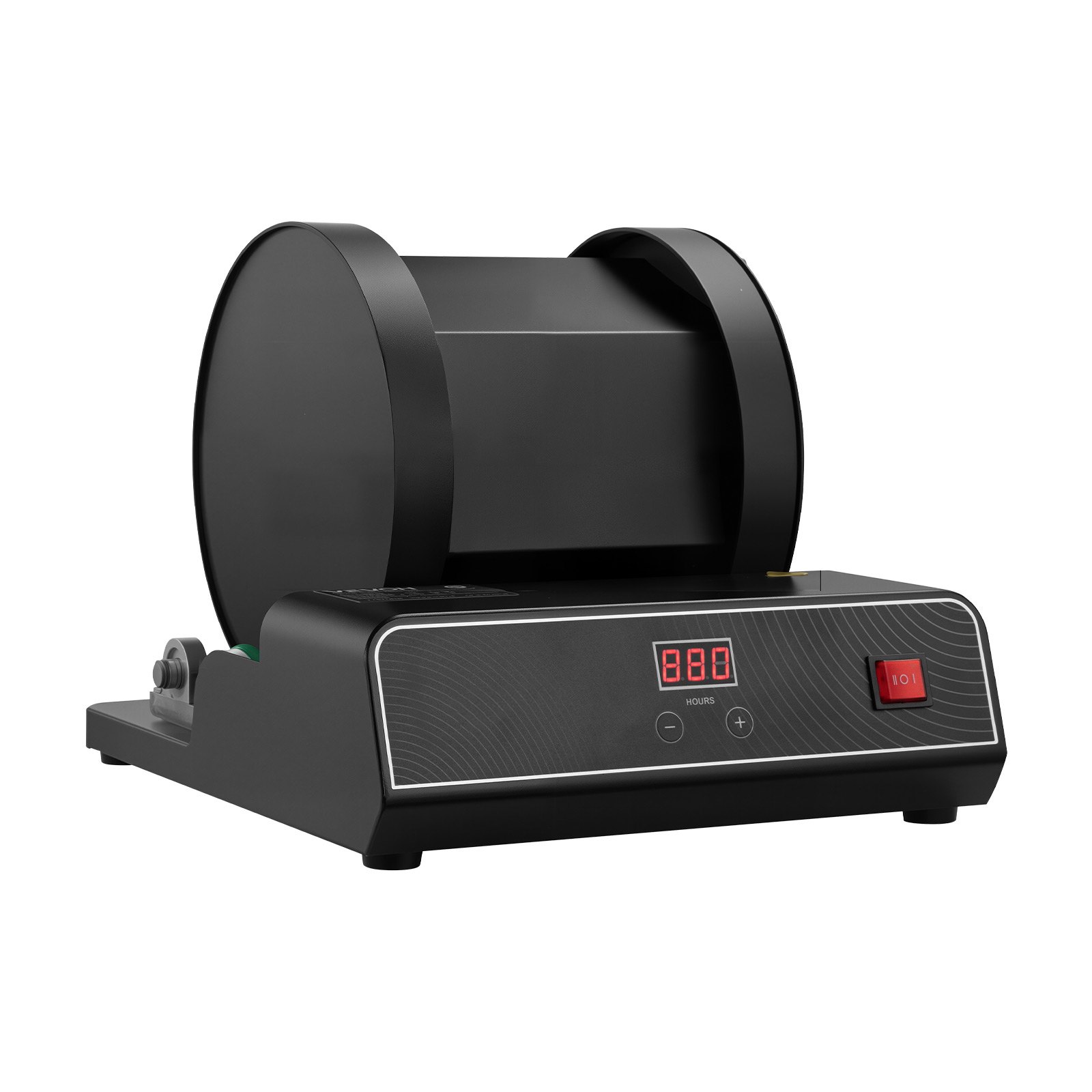 Rock Tumbler Kit, 17 Lbs Polishing Kit, 2-Speed Stone Kit With 240-Hour Timer, Polisher Belt-Driven Brushless Motor, For Adults And Kids$208.99View on Mallflare
Highlights
- Direct-drive motors eliminate belts and pulleys, reducing slippage and maintenance but transmitting more vibration; belt-driven units run quieter and handle heavier 8–17 lb loads with less motor strain.
- Barrel capacity math: 2–3 lb drums suit single small batches of 1–2 inch stones; 4 lb is the hobby sweet spot; 8–17 lb double-barrel or large-drum units process 3–5 lb of rough per week.
- Grit sequence determines finish: coarse 60/90 silicon carbide shapes stones, then 120/220, pre-polish 500/600, and polish 1000+ aluminum oxide or cerium oxide; skipping stages leaves scratches.
- TPU or rubber drums dampen noise and resist grit abrasion better than rigid plastic; a PC sound-reduction cover cuts perceived noise by roughly half but adds footprint.
Best use cases
- Best fit: beginners and kids with a 2–4 lb single-drum unit with 4-speed settings and a 9-day timer—enough capacity for a handful of beach stones and simple enough to run unattended.
- Best fit: hobbyists processing 3–5 lb weekly choose an 8 lb double-barrel or 4 lb large-barrel model; double barrels let you run coarse and polish stages simultaneously or separate stone types.
- Best fit: high-volume or club use picks a 17 lb belt-driven brushless unit with a 240-hour timer—designed for continuous heavy loads and harder stones like agate, jasper, and petrified wood.
- Wrong fit: buying a 17 lb unit for a child’s first kit—large drums need more grit, more rough rock, and longer cycles; start with 2–3 lb and scale up. Skip single-speed toy tumblers for anything harder than Mohs 6.
Buying tips
- Match barrel size to rough volume: a 3 lb drum holds about 1.5–2 lb of stones plus grit and water; a 4 lb drum processes roughly 2–2.5 lb per batch. Double-barrel 8 lb units run two 4 lb batches.
- Choose direct-drive for quiet, low-maintenance small drums (2–4 lb); choose belt-driven for 8 lb and larger loads where torque and heat dissipation matter more than noise.
- Confirm the kit includes a full grit sequence—coarse, medium, pre-polish, polish, and ceramic or plastic media—plus a strainer and instructions; missing stages mean buying grit separately.
- Prefer TPU or rubber drums with a positive-seal lid and metal nut; rigid plastic drums crack under grit abrasion and overtightening. A sound cover is worth it if the unit runs indoors.
Specs
| Drum Capacity | 2–17 lb / single or double barrel |
|---|---|
| Motor Type | Direct-drive vs belt-driven brushless |
| Timer Range | 1–9 day programmable / 240-hour fixed |
| Drum Material | TPU rubber vs rigid plastic |
Related searches
What to check before buying
- Measure the footprint and height of the unit plus sound cover against your shelf or bench; large 8–17 lb units need 18–24 inches of clearance and a stable, level surface.
- Check voltage and plug standard matches your region (120V US vs 230V EU) and that the power adapter is included; some kits ship without it.
- Plan for grit and rough rock: budget roughly 1 lb of grit per 3 lb of stones per full cycle; confirm the kit includes starting rough gemstones or source them separately.
- Verify noise tolerance: direct-drive units run 60–70 dB, belt-driven 50–60 dB; a sound cover helps but adds size. Place on a rubber mat away from bedrooms for multi-day runs.
FAQ
Data sources: eBay / Amazon listings and product attribute feeds. Updated Nov 27, 2026.
Some links on this page are affiliate links. If you buy after clicking one, we may earn a commission at no extra cost to you. This does not change which products appear here or their order. Affiliate disclosure.