
Photos from current listings. Actual item, color, and included accessories may vary.
Jewelry Making Buying Guide
Jewelry making spans stringing beads, wirework, metal forming, and resin/charms, with the primary trade-off between material durability and design flexibility. Durable pieces rely on fired glass or natural stone with correct hole sizing and metal findings rated for skin contact, while budget kits often use acrylic or plated base metal that tarnish or crack. The decision rule: match bead material and hole diameter to your stringing medium, and choose findings in stainless steel or sterling silver for anything worn daily.
Median $13.24
Key takeaways
- Bead hole diameter must exceed stringing medium by 0.2-0.5mm: 4mm bicone crystal needs 0.6-0.8mm holes for 0.5mm wire, while 8mm rounds fit 1mm leather or 0.8mm elastic.
- Glass and crystal beads are fired (Mohs 5-7) and hold color; acrylic beads (Mohs 2-3) scratch and haze, making them suitable only for kids' crafts or prototypes.
- Findings metals: stainless steel and sterling silver resist tarnish and skin reactions; gold-plated brass wears through in weeks on rings and clasps, exposing base metal.
At a glance
- Category
- Beads & Jewelry Making
- Last updated
- Nov 29, 2026
Current offers
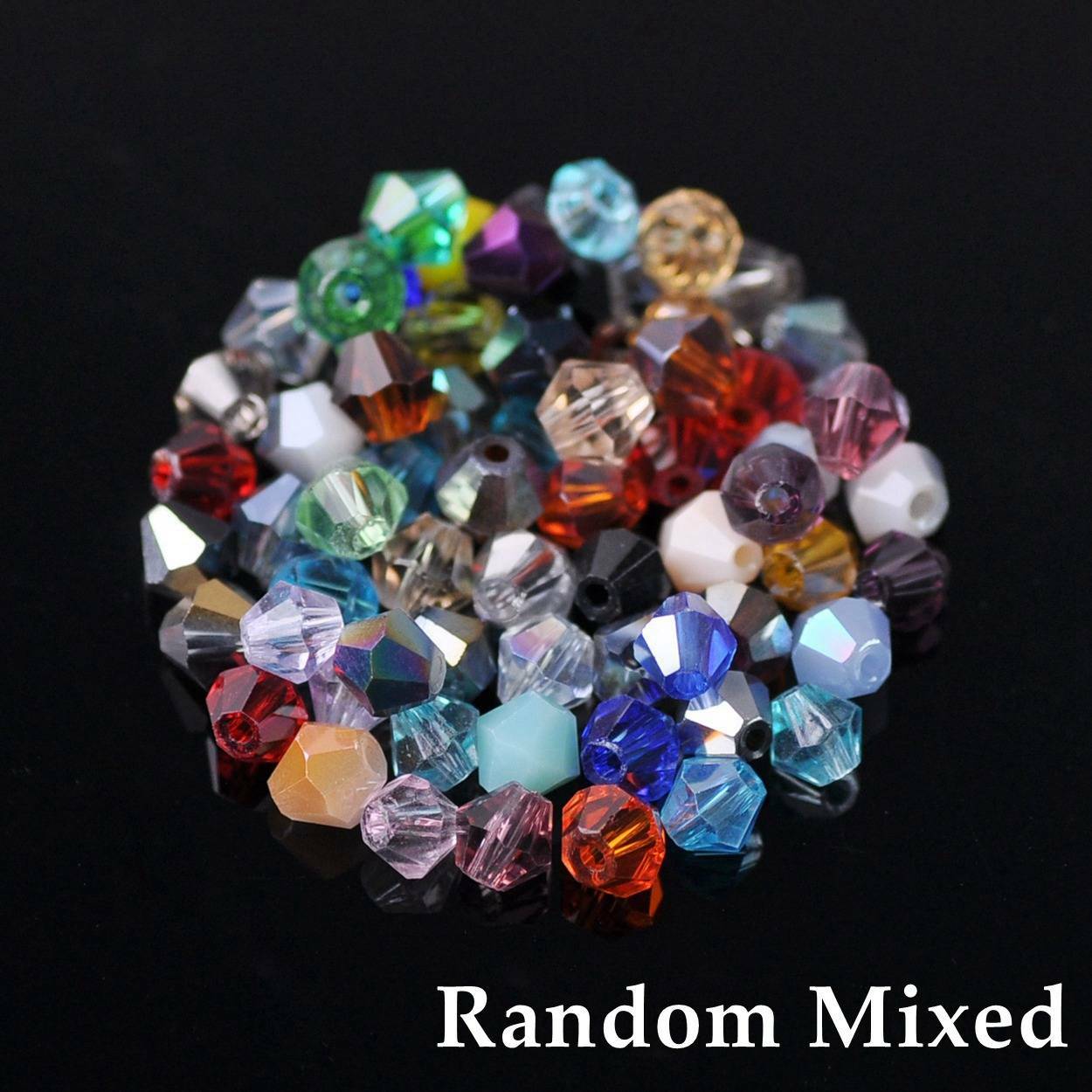 3mm 4mm 6mm 8mm Bicone Faceted Crystal Glass Loose Crafts Beads Jewelry Making$2.15Last checked Nov 21, 2026View on eBay
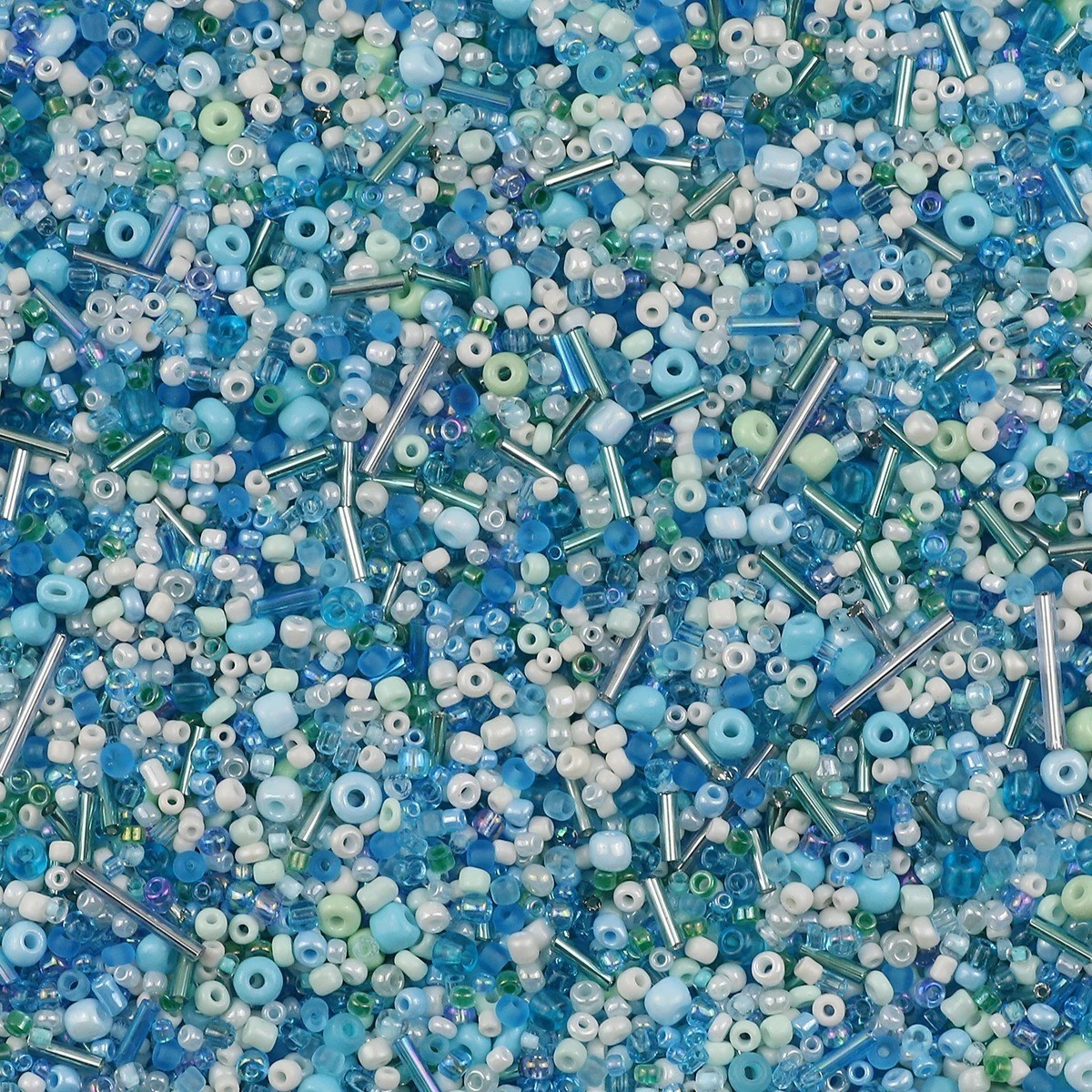 1000PCS Glass Seed Beads Mix Bulk Spacer Beads DIY Jewelry Making$3.19Last checked Nov 22, 2026View on eBay
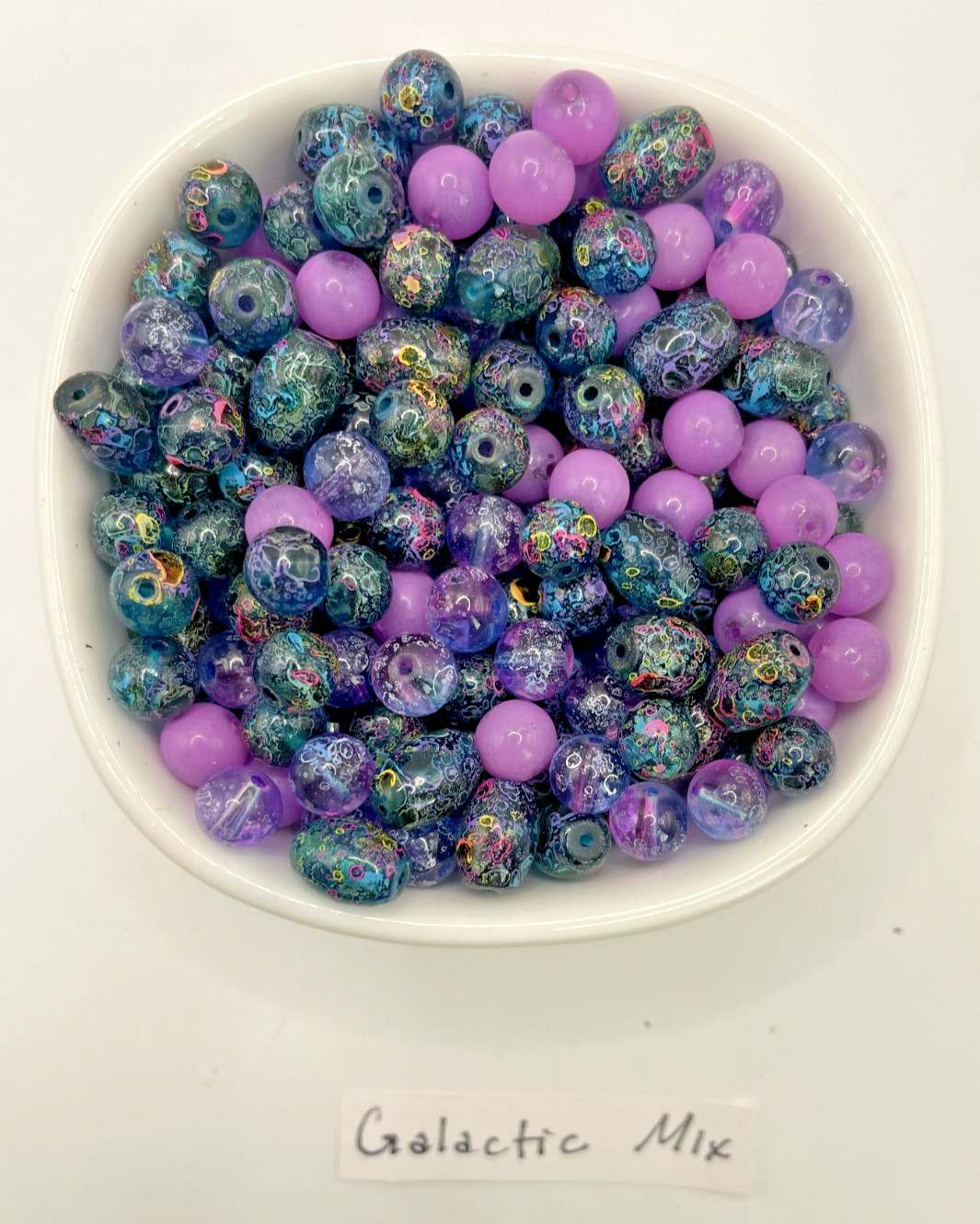 Glass Bead "Galactic" Mix Rounds Barrels Jewelry Making Bracelet 120 beads/4oz$3.99View on eBay
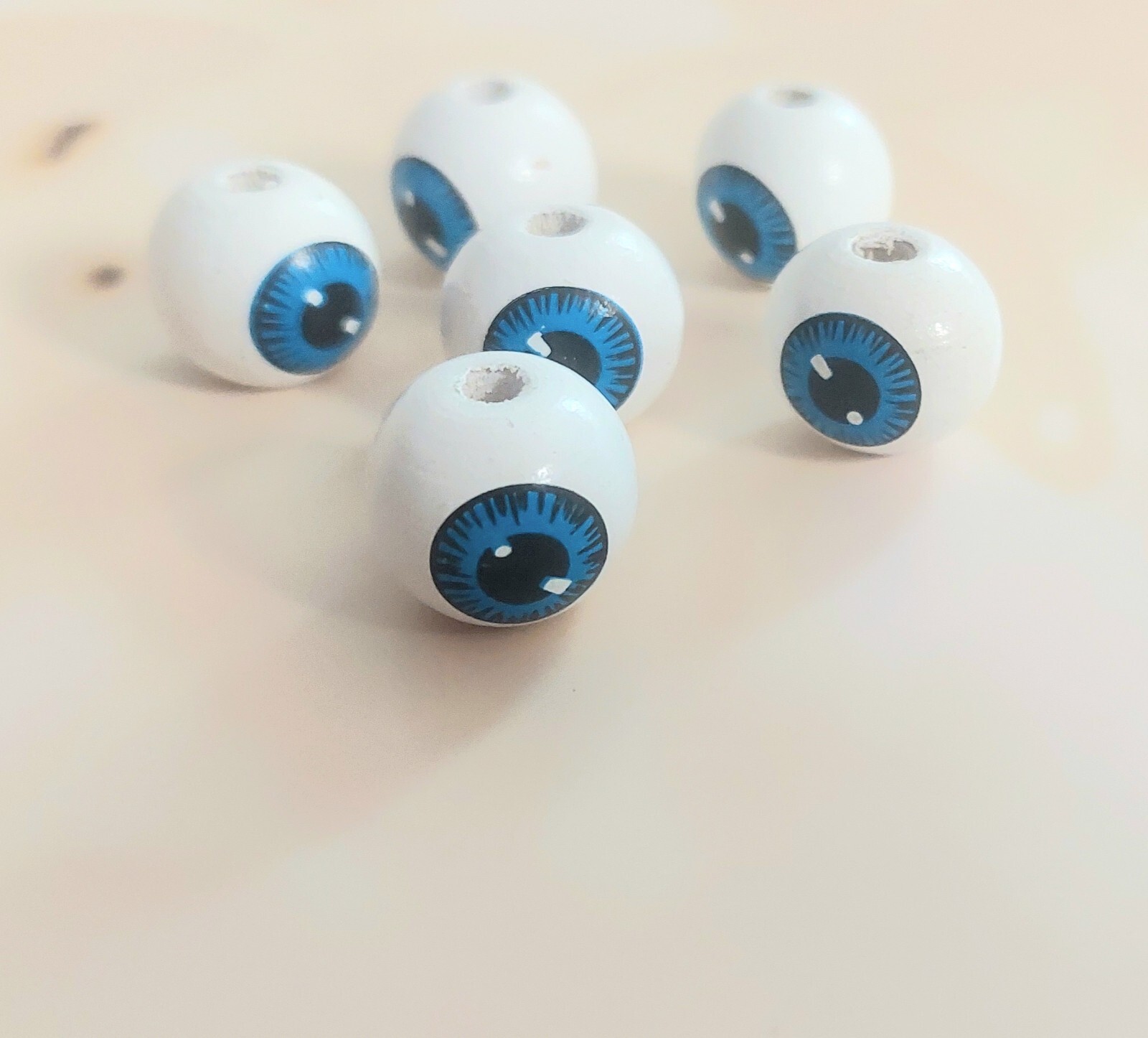 Eyeball Beads Blue White Wood Jewelry Making Creepy Halloween Supplies 15mm 6pcs$4.19Last checked Nov 20, 2026View on eBay
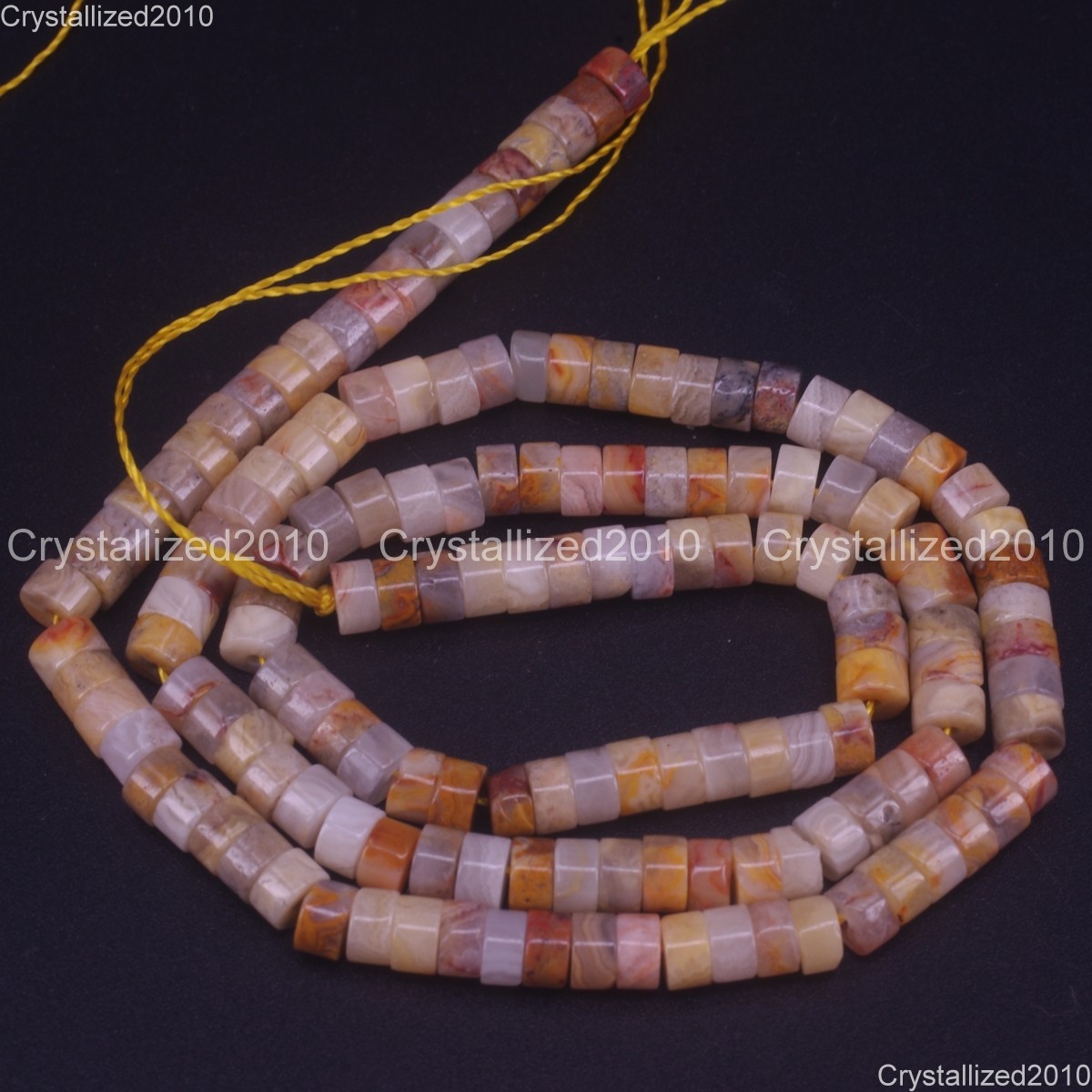 Natural Gemstones Heishi Cylinder Disc Spacer Beads Jewelry Making 2x4mm 15.5"$5.08Last checked Nov 21, 2026View on eBay
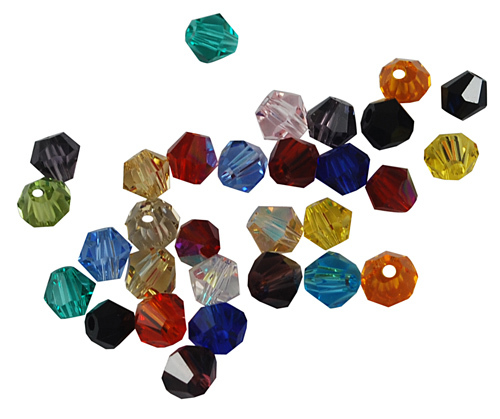 100 Bulk Beads Faceted Bicone Assorted Colors Wholesale Mix 4mm Jewelry Making$5.36Last checked Nov 21, 2026View on eBay
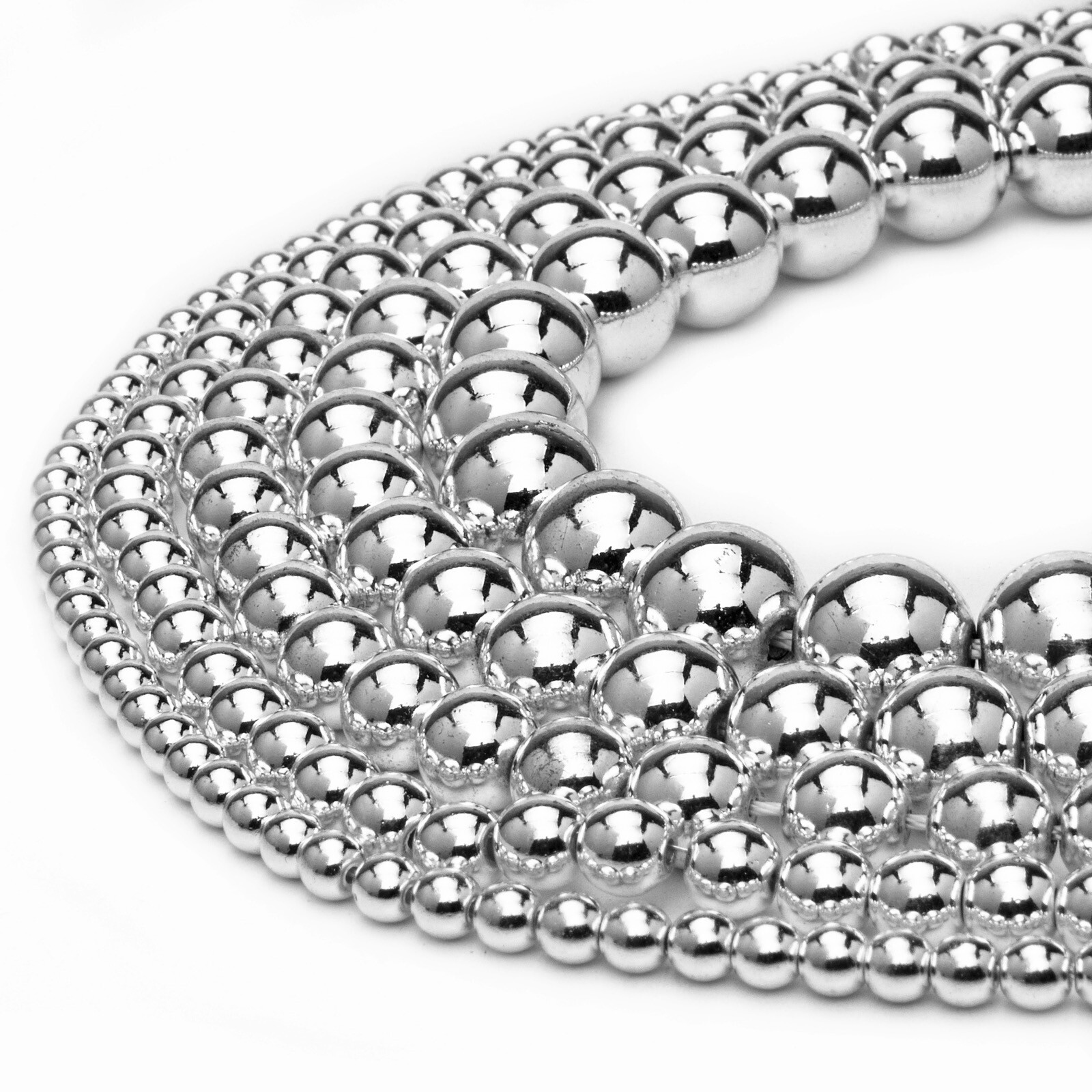 Hematite Beads Jewelry Making Round 4mm 6mm 8mm 10mm 12mm 15” Strand Wholesale$5.53Last checked Nov 22, 2026View on eBay
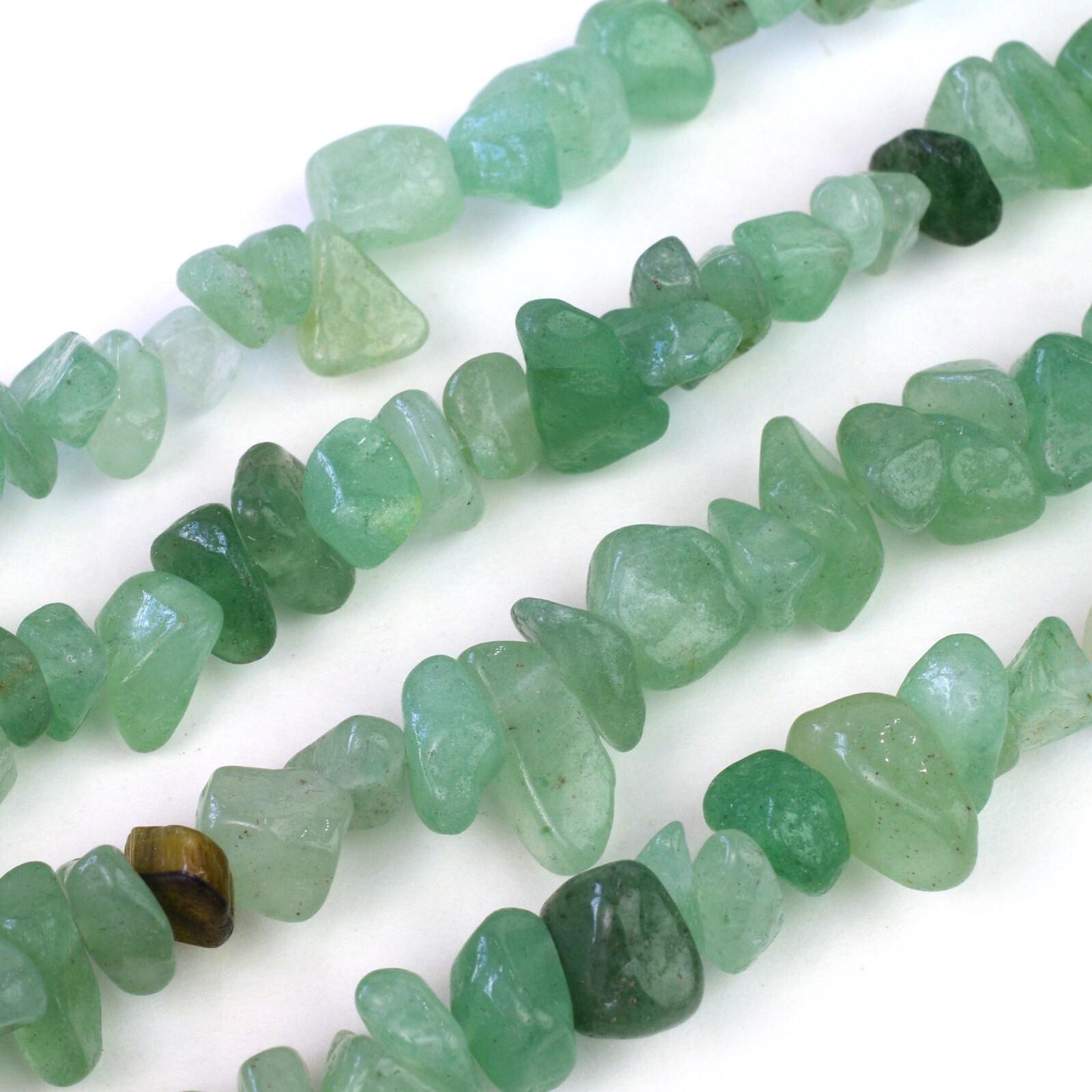 Natural Green Aventurine Chip Beads 32” Strand 5~8mm Jewelry Making Bulk Loose$5.60Last checked Nov 21, 2026View on eBay
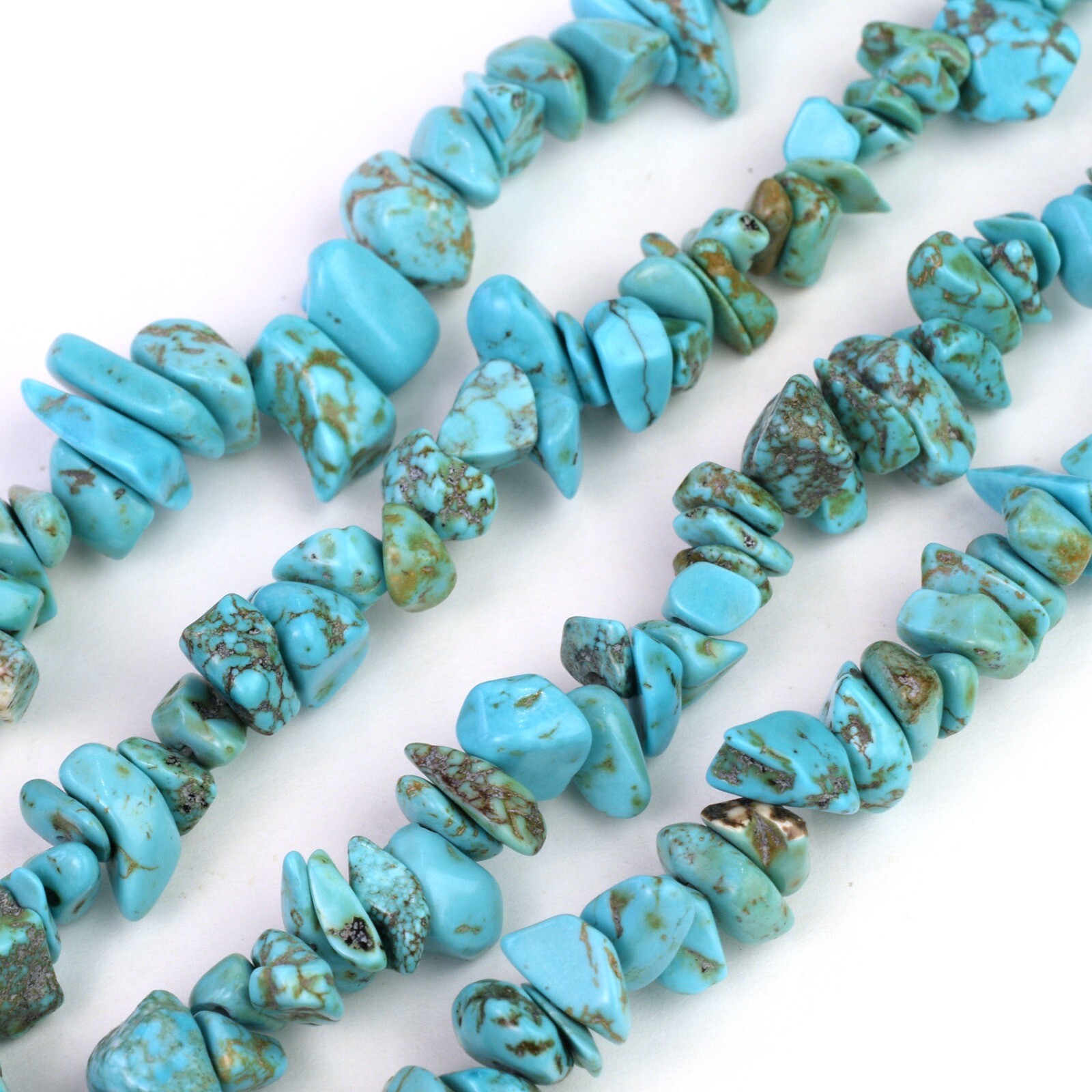 Turquoise Howlite Chip Beads 32” Strand 5~8mm Jewelry Making Bulk Loose$5.65Last checked Nov 21, 2026View on eBay
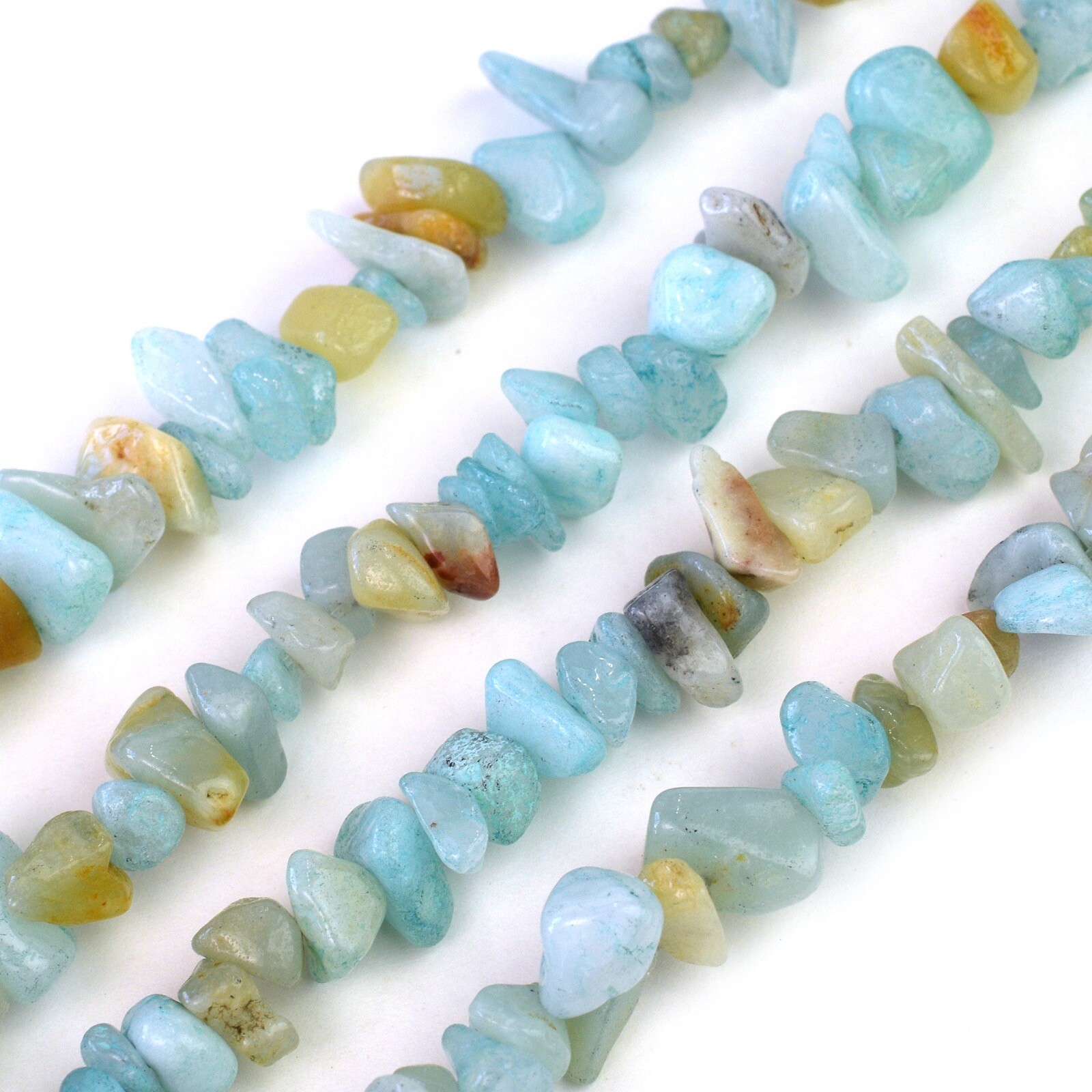 Natural Amazonite Chip Beads 32” Strand 5~8mm Jewelry Making Bulk Loose$5.70Last checked Nov 21, 2026View on eBay
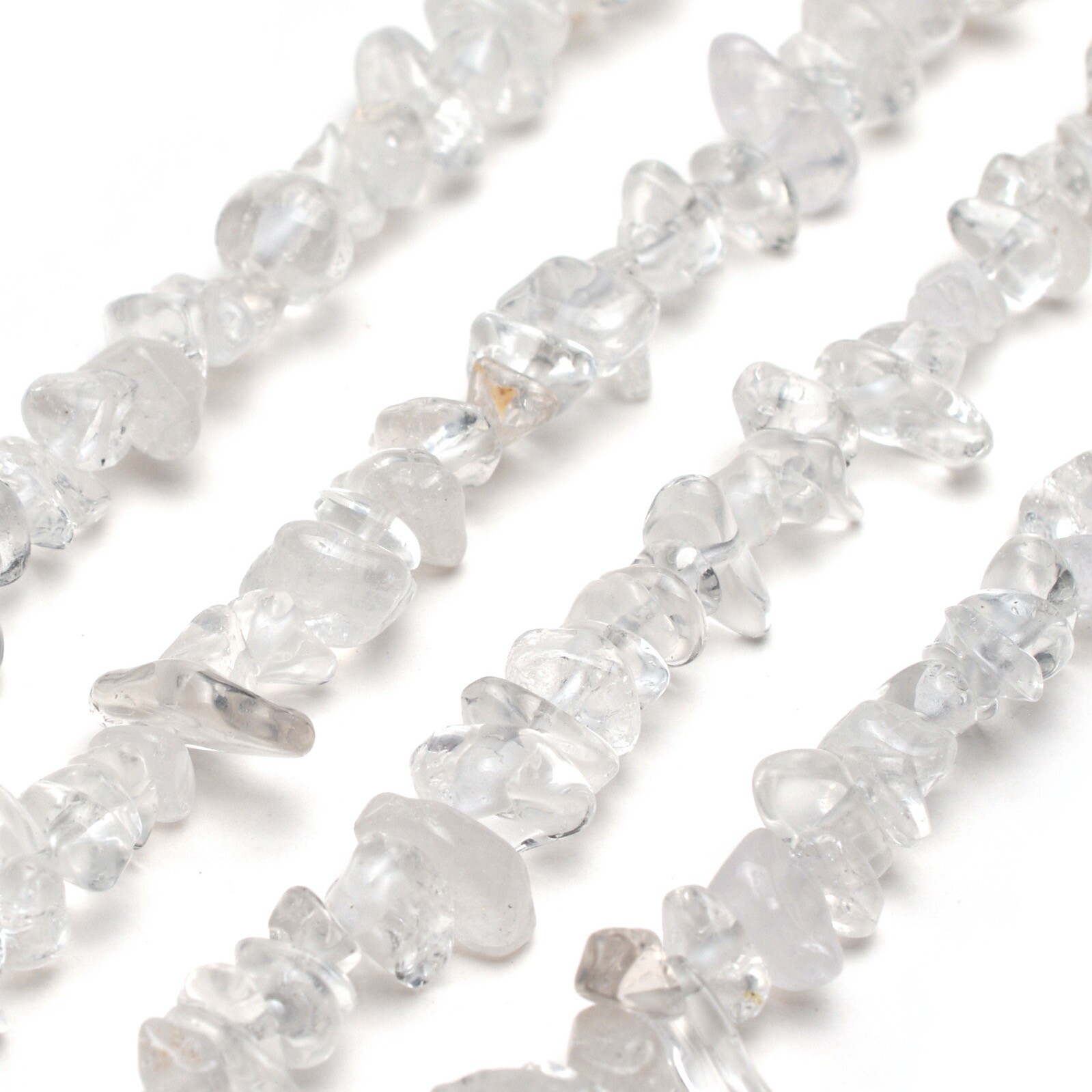 Natural Quartz Crystal Chip Beads 32” Strand 5~8mm Jewelry Making Bulk Loose$5.85Last checked Nov 21, 2026View on eBay
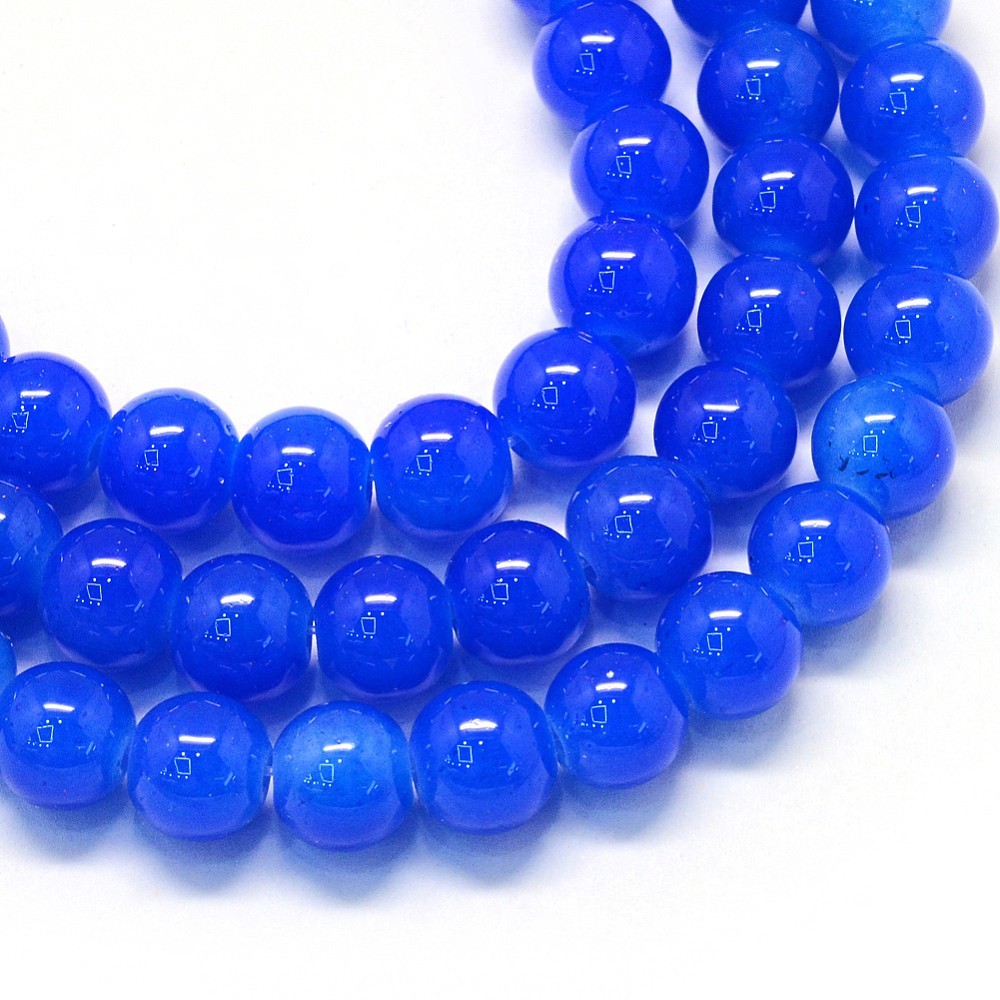 50 Royal Blue Jelly Glass Beads Round 8mm BULK Spacers Jewelry Making Round$5.99Last checked Nov 21, 2026View on eBay
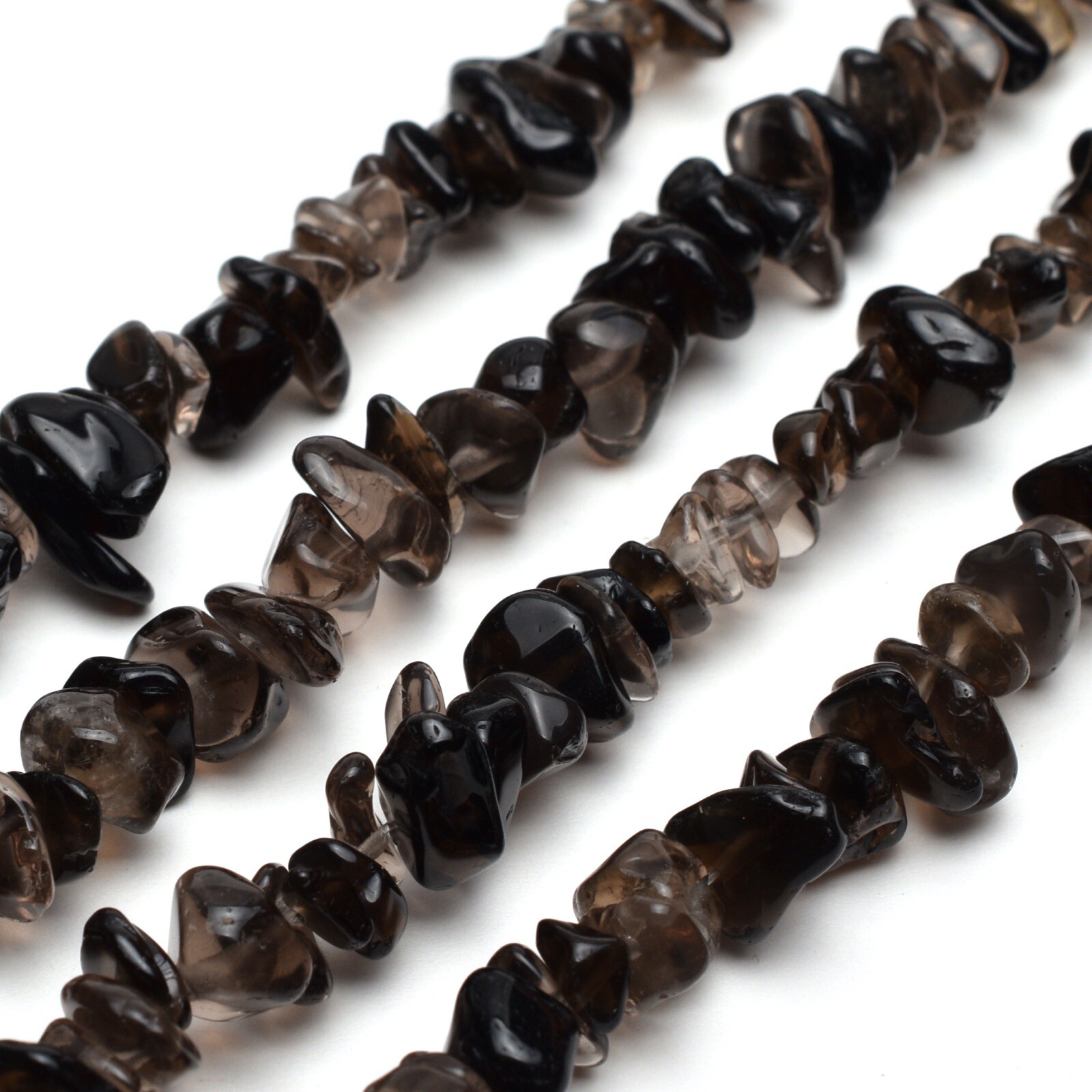 Natural Smoky Quartz Chip Beads 32” Strand 5~8mm Jewelry Making Bulk Loose$6.15Last checked Nov 21, 2026View on eBay
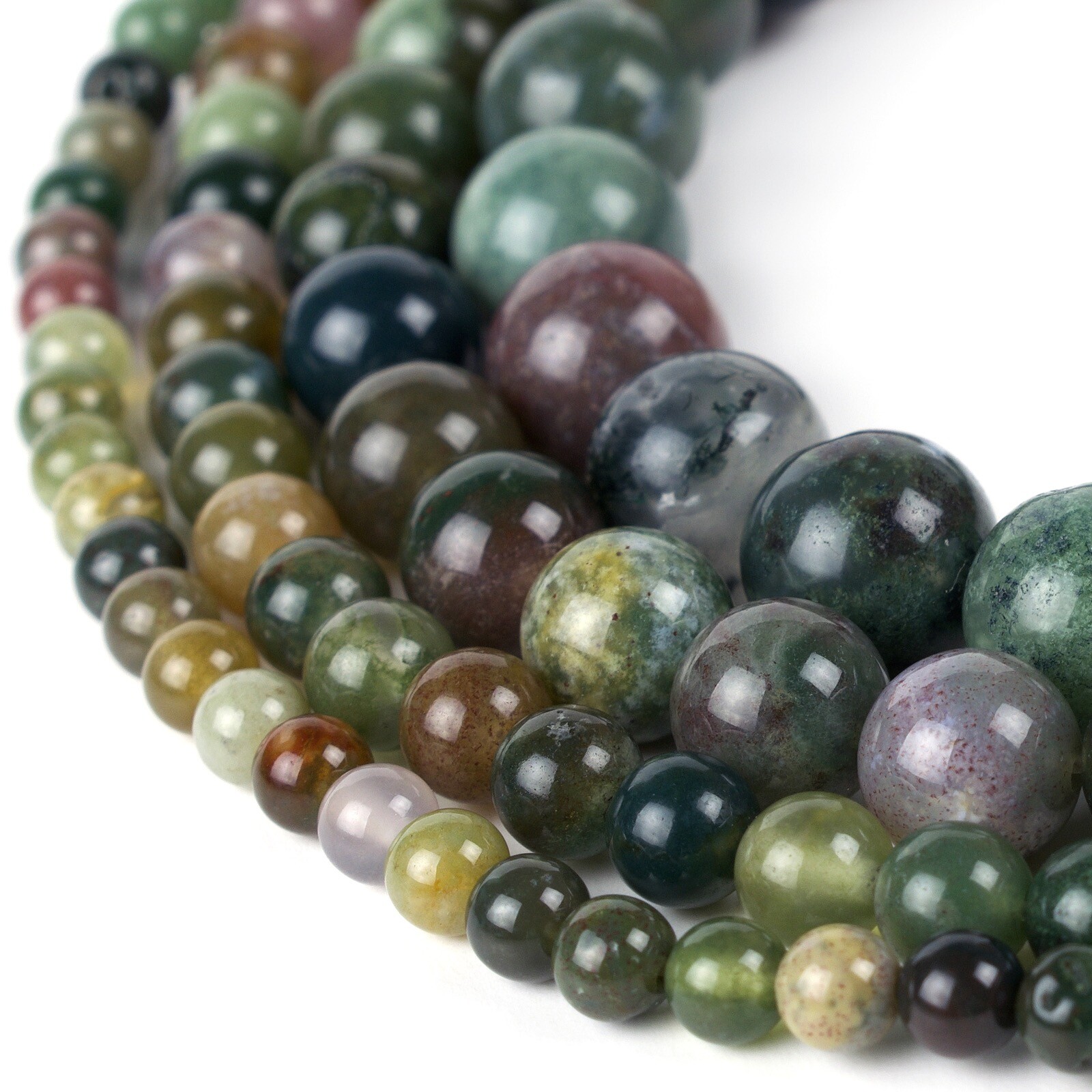 Natural Indian Agate Beads 15” Strand Round Jewelry Making 4mm 6mm 8mm 10mm 12mm$6.38Last checked Nov 21, 2026View on eBay
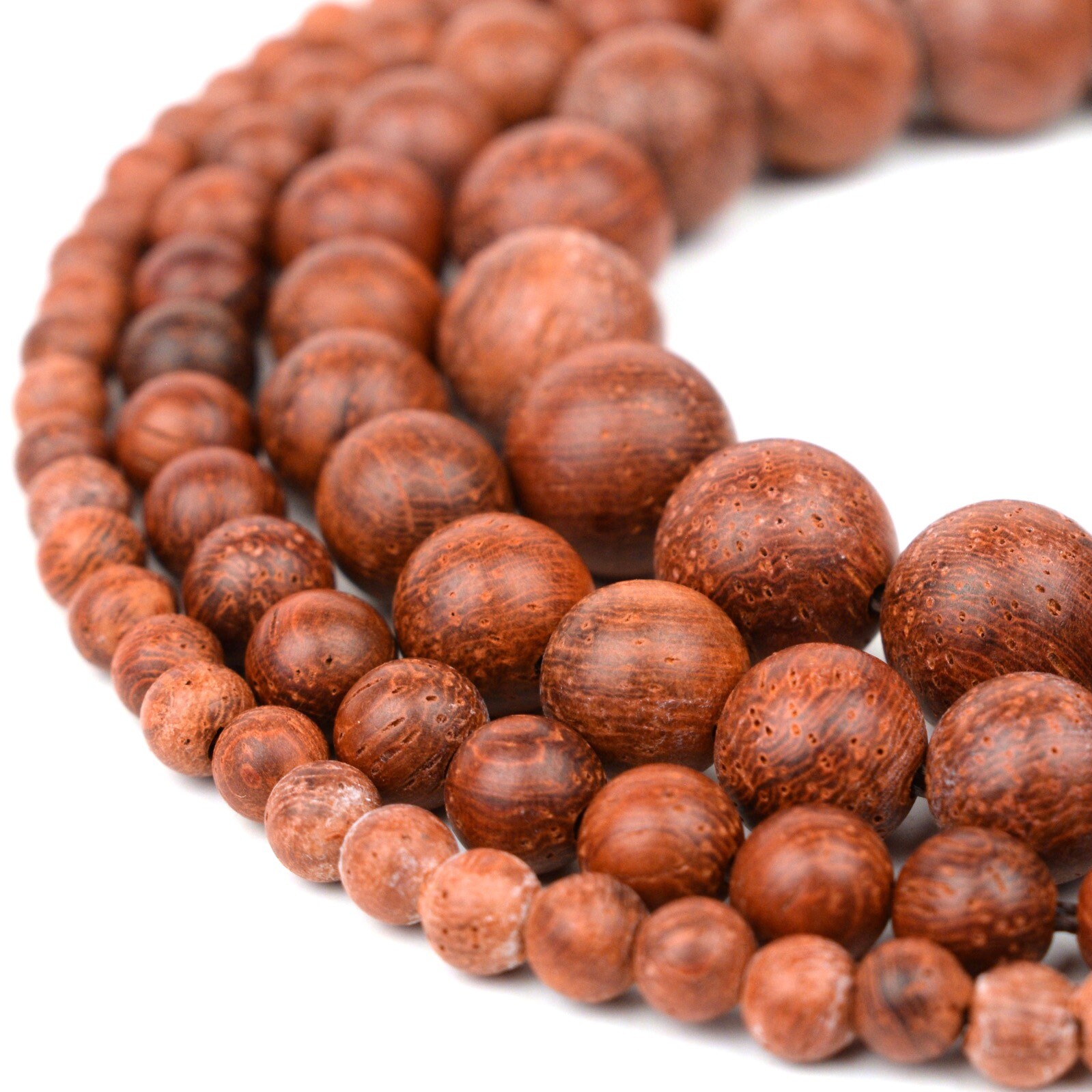 Natural Wood Beads Round 15” Strand Jewelry Making Wenge 4mm 6mm 8mm 10mm 12mm$6.84Last checked Nov 22, 2026View on eBay
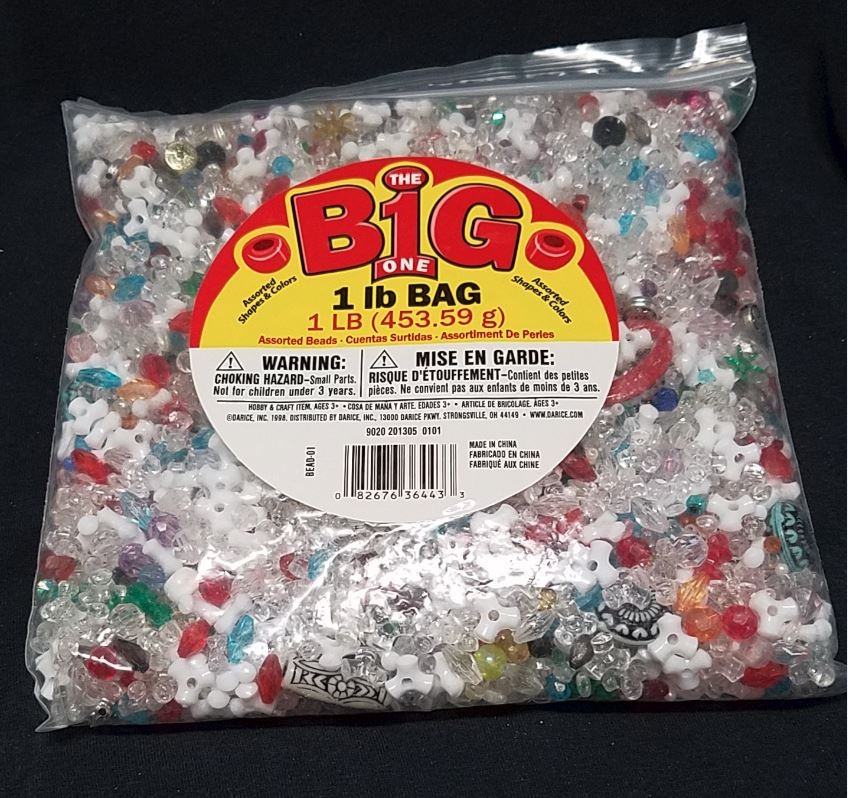 1 Pound Bags Jewelry Making Mixed Beads Colors and Sizes Craft Beads$6.99View on eBay
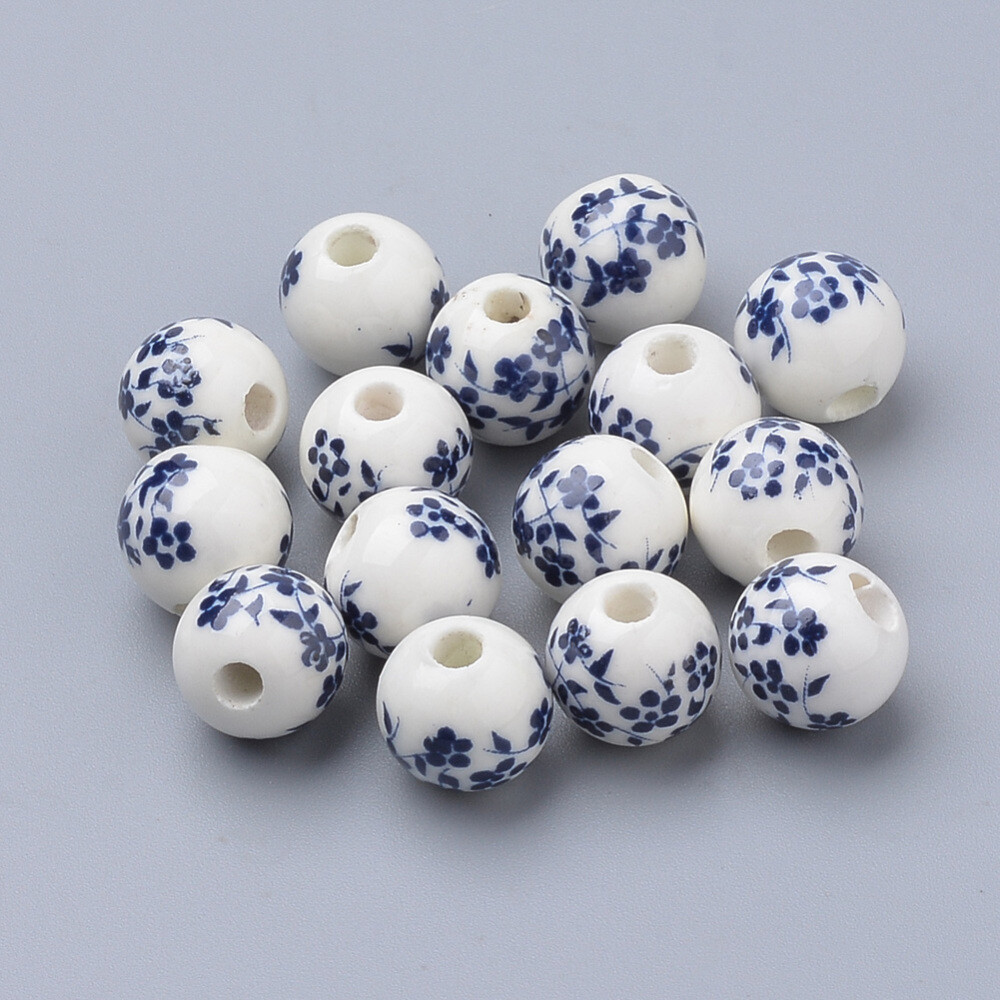 10 Porcelain Flower Beads 10mm White Blue Ceramic Jewelry Making Findings$7.72Last checked Nov 21, 2026View on eBay
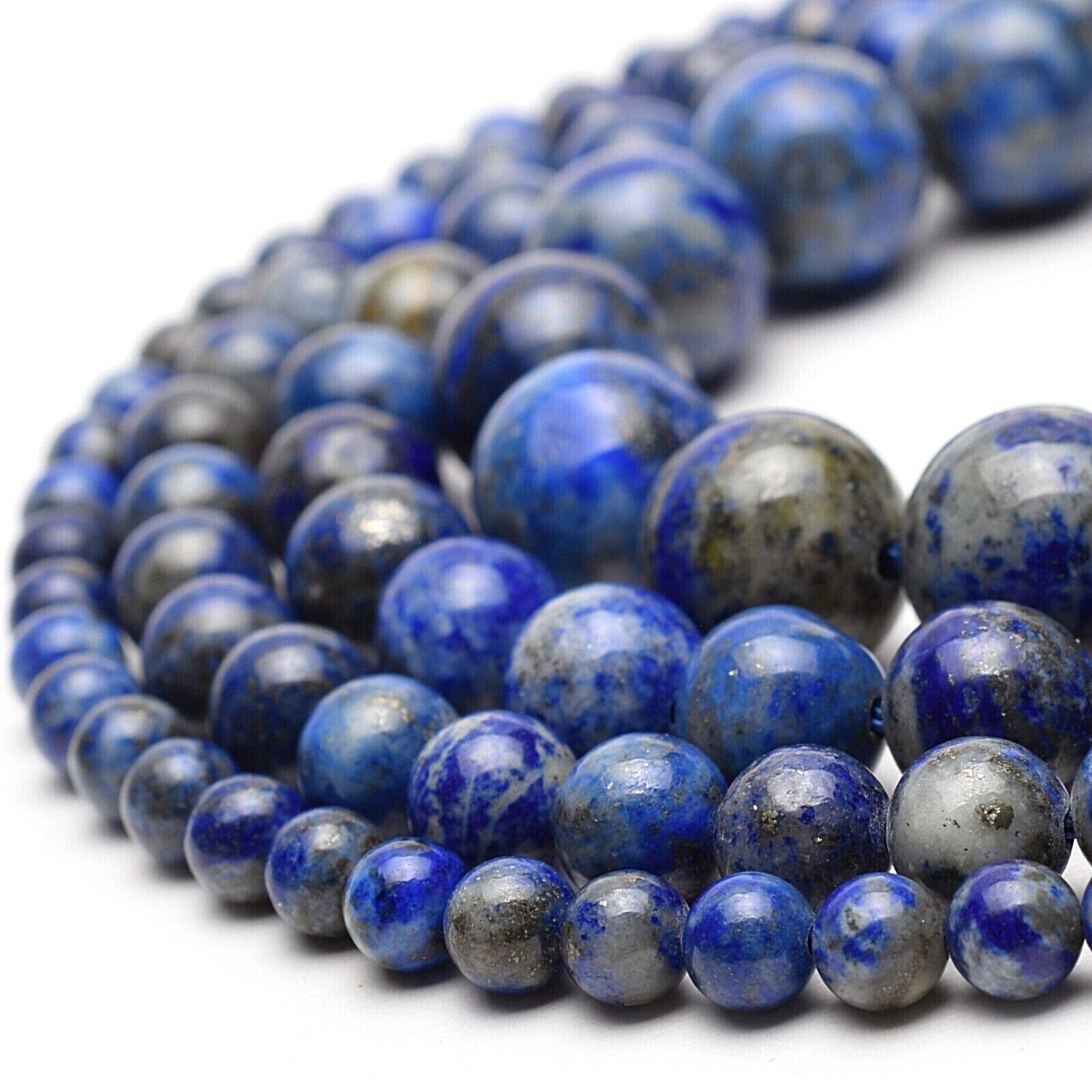 Natural Lapis Lazuli Beads Round 15” Strand Jewelry Making 4mm 6mm 8mm 10mm 12mm$7.78Last checked Nov 21, 2026View on eBay
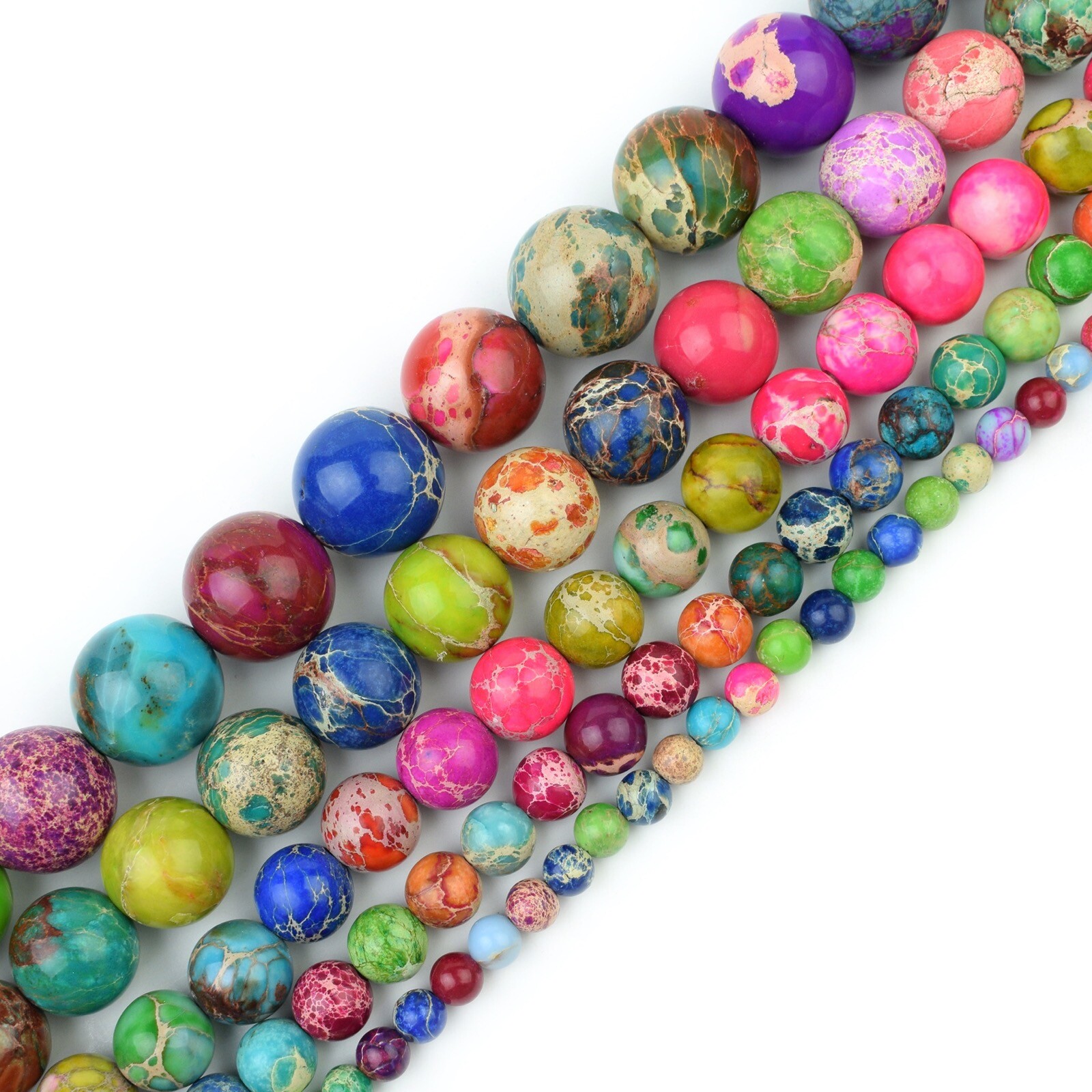 Natural Gemstone Beads Round Jewelry Making Strand Healing 4mm 6mm 8mm 10mm 12mm$9.64Last checked Nov 18, 2026View on eBay
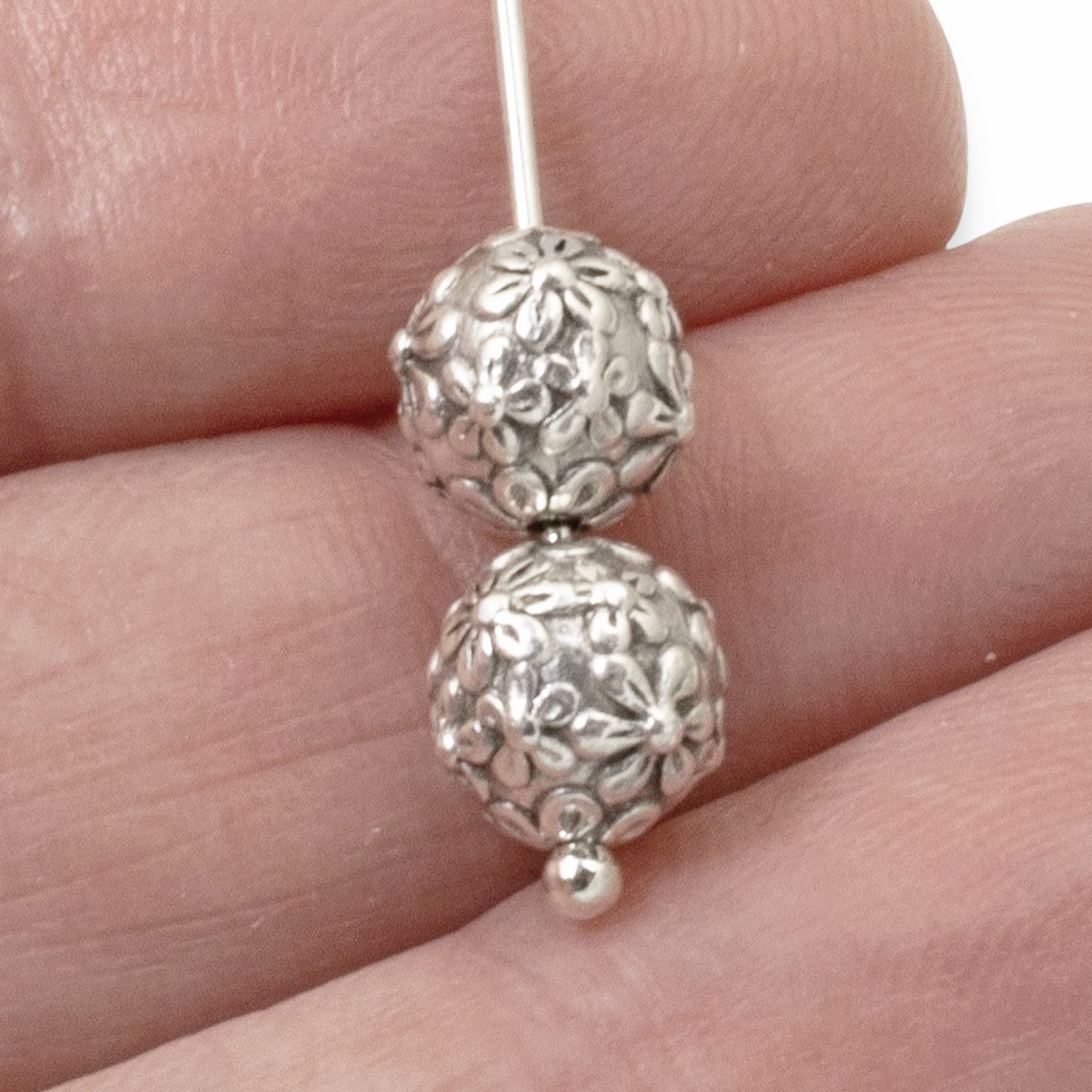 Silver Floral Beads 4-Pack 8mm TierraCast Wedding Nature Jewelry Making Supplies$9.99Last checked Nov 24, 2026View on eBay
Highlights
- Bead hole diameter must exceed stringing medium by 0.2-0.5mm: 4mm bicone crystal needs 0.6-0.8mm holes for 0.5mm wire, while 8mm rounds fit 1mm leather or 0.8mm elastic.
- Glass and crystal beads are fired (Mohs 5-7) and hold color; acrylic beads (Mohs 2-3) scratch and haze, making them suitable only for kids' crafts or prototypes.
- Findings metals: stainless steel and sterling silver resist tarnish and skin reactions; gold-plated brass wears through in weeks on rings and clasps, exposing base metal.
- Jewelry rolling mills are rated by gear ratio and press thickness: 1:2 gear ratio with 0.03-6.5mm range handles sheet and wire, while 0.1-7mm 3-in-1 mills add square and semicircle patterns for metal forming.
Best use cases
- Best fit for daily-wear bracelets and necklaces: choose 4-8mm glass, crystal, or natural stone beads with stainless steel or sterling silver findings and 0.5-0.8mm beading wire; skip acrylic and plated brass for anything worn repeatedly.
- Best fit for kids' and teen craft kits: pick large-hole acrylic or clay beads with elastic cord and plastic findings; skip small seed beads and glass under 4mm due to choking hazard and breakage.
- Best fit for metal forming and wirework: select a rolling mill with 1:2 gear ratio and at least 0.03-6.5mm press range plus a bench block and jeweler's saw; skip low-gear single-roller mills that cannot reduce wire below 1mm.
Buying tips
- Calculate bead count: for a 7-inch bracelet with 8mm beads, you need about 22 beads plus clasp; for 4mm beads, about 44 beads. Buy 10-15% extra for breakage and design changes.
- Match stringing material to bead hole: use 0.5mm beading wire for 4-6mm beads with 0.8mm holes, 0.8mm elastic for 8mm rounds, and 1mm leather or cotton for 10mm+ wood or stone beads.
- Choose findings by wear: sterling silver (92.5% silver) or 304/316 stainless steel for ear wires and clasps; avoid nickel-plated brass for earrings due to allergy risk and tarnish.
- For metal clay or resin, verify compatibility: resin beads must be drilled after curing, and metal clay requires a kiln or torch reaching 900°F+; pick low-fire clay if working with a craft heat tool.
Specs
| Bead Material | Glass/crystal vs acrylic vs stone |
|---|---|
| Bead Hole Size | 0.6-2mm (match to cord/wire) |
| Findings Metal | Stainless/sterling vs plated brass |
| Tool Power | Manual hand tools vs 110/220V electric |
Related searches
What to check before buying
- Measure bead holes with calipers before buying wire or cord; a 0.5mm wire needs at least 0.7mm hole to pass two strands for knotting.
- Confirm your work surface and storage: seed beads and charms require compartmented boxes; rolling mills need a sturdy bench clamped at counter height.
- Check skin sensitivity and age range: nickel-free stainless steel for adults, large acrylic beads and elastic cord for children under 12.
- Verify tool voltage and plug standard for any electric tool (melting pot, kiln, tumbler) matches your region; 110V vs 220V mismatch requires a step-up transformer.
FAQ
Data sources: eBay / Amazon listings and product attribute feeds. Updated Nov 29, 2026.
Some links on this page are affiliate links. If you buy after clicking one, we may earn a commission at no extra cost to you. This does not change which products appear here or their order. Affiliate disclosure.