
Photos from current listings. Actual item, color, and included accessories may vary.
Jewelry Making Kit Buying Guide
A jewelry making kit is a curated bundle of beads, stringing materials, findings, and tools that determines what jewelry styles you can actually build and how long the pieces last. The core trade-off is bead material grade versus component completeness: clay and acrylic kits offer huge piece counts for playful, short-wear projects, while glass, crystal, and metal kits give durable, skin-safe heirloom pieces but at lower counts. Buy based on your intended wear style—everyday adult jewelry demands glass/metal/sterling findings, while kids' and trend crafts tolerate acrylic and clay with elastic cord.
Median $26.48
Key takeaways
- Bead material decides durability: glass and crystal resist scratching and fading, acrylic and clay scuff and discolor with perfumes and sunlight, pewter and brass findings outlast pot-metal platings.
- Piece count is not a quality metric—5000-piece clay kits are mostly flat heishi spacers, while 300–600-piece glass or crystal kits deliver larger, reusable focal beads.
- Findings grade matters: sterling silver or stainless steel clasps and ear wires prevent skin reactions, while nickel-plated and painted base-metal findings tarnish and flake within weeks.
At a glance
- Category
- Beads & Jewelry Making
- Last updated
- Nov 29, 2026
Current offers
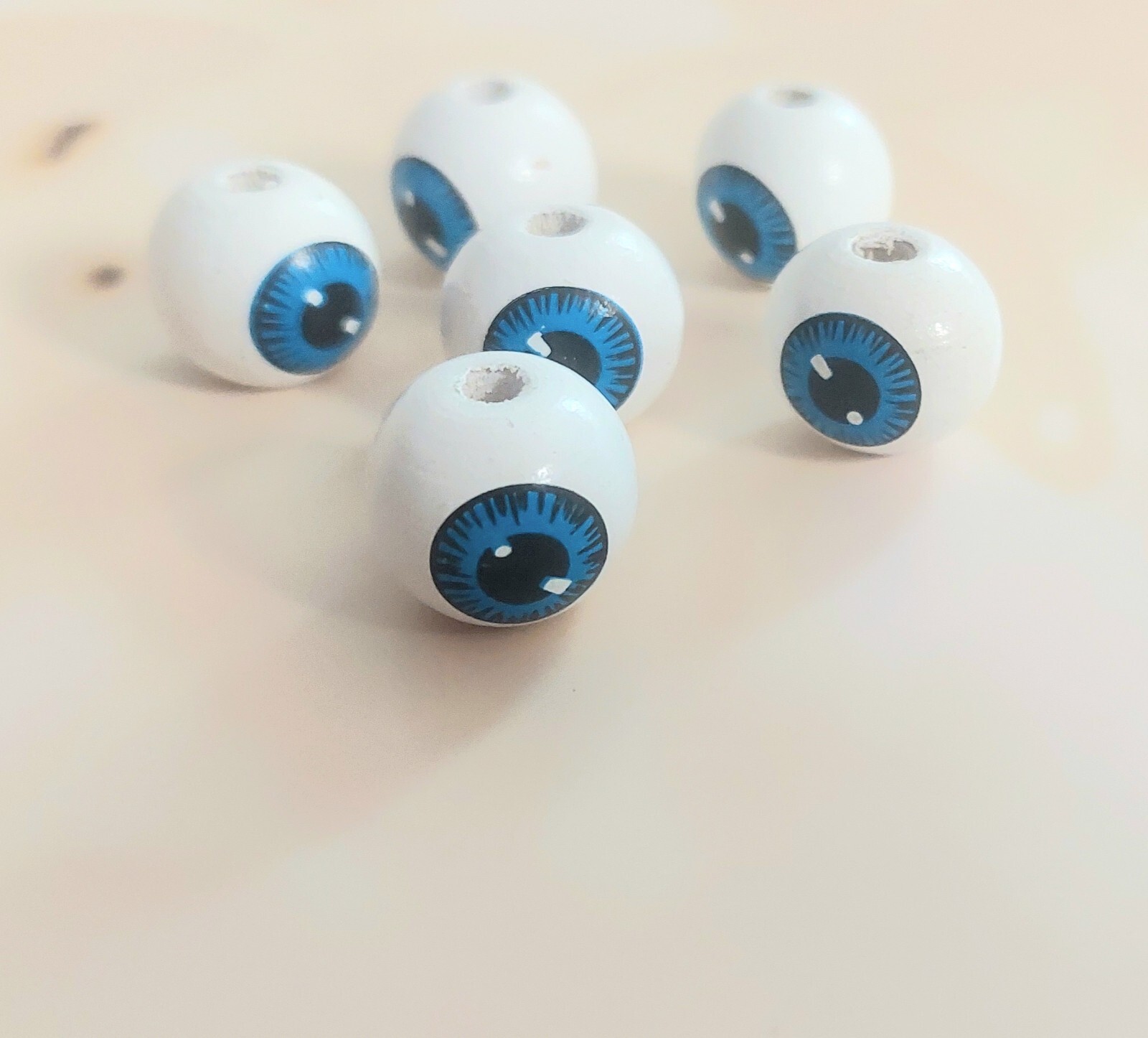 Eyeball Beads Blue White Wood Jewelry Making Creepy Halloween Supplies 15mm 6pcs$4.19Last checked Nov 20, 2026View on eBay
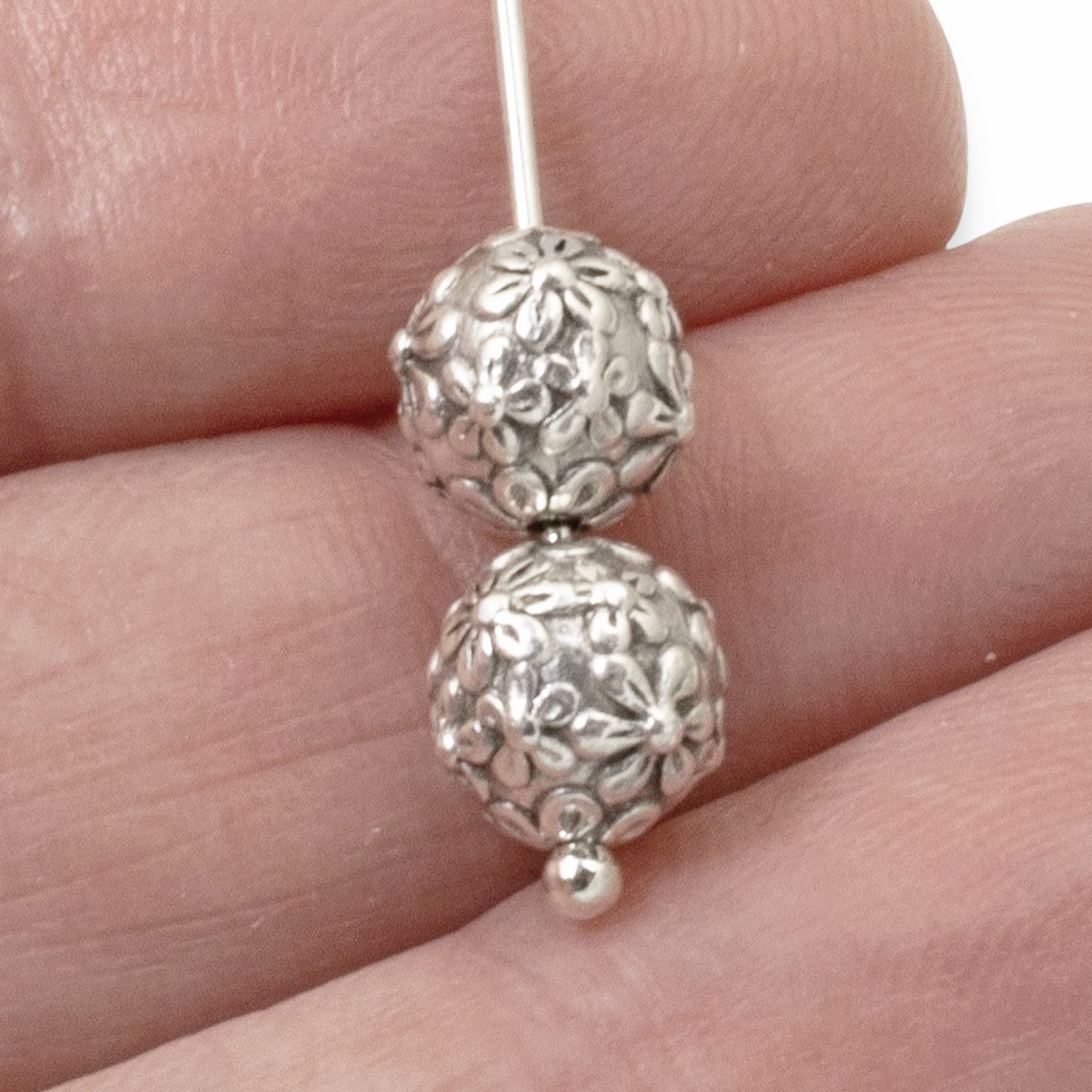 Silver Floral Beads 4-Pack 8mm TierraCast Wedding Nature Jewelry Making Supplies$9.99Last checked Nov 24, 2026View on eBay
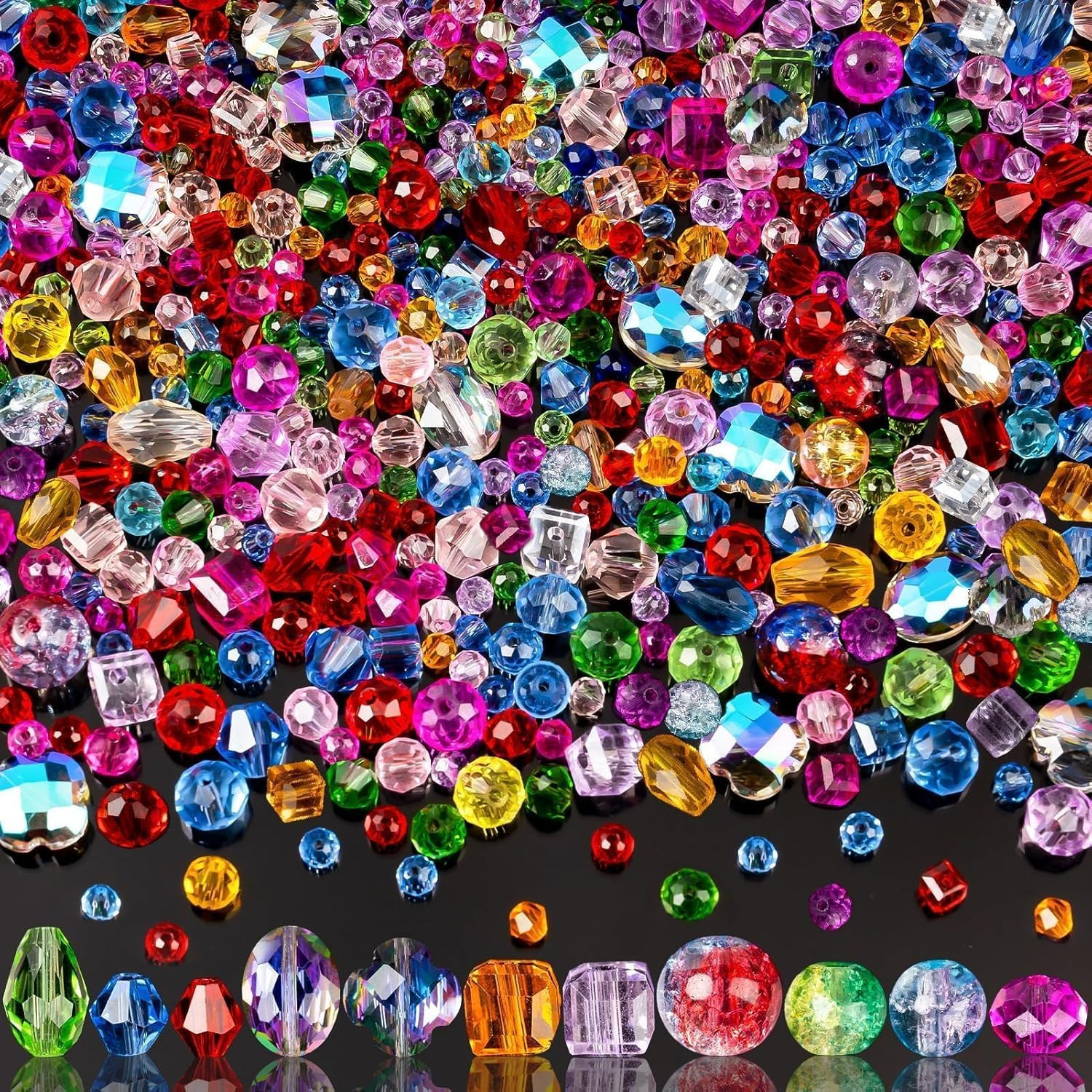 636pcs Glass Beads Jewelry Making Kit Mixed Color Craft Beads Bulk$12.46View on eBay
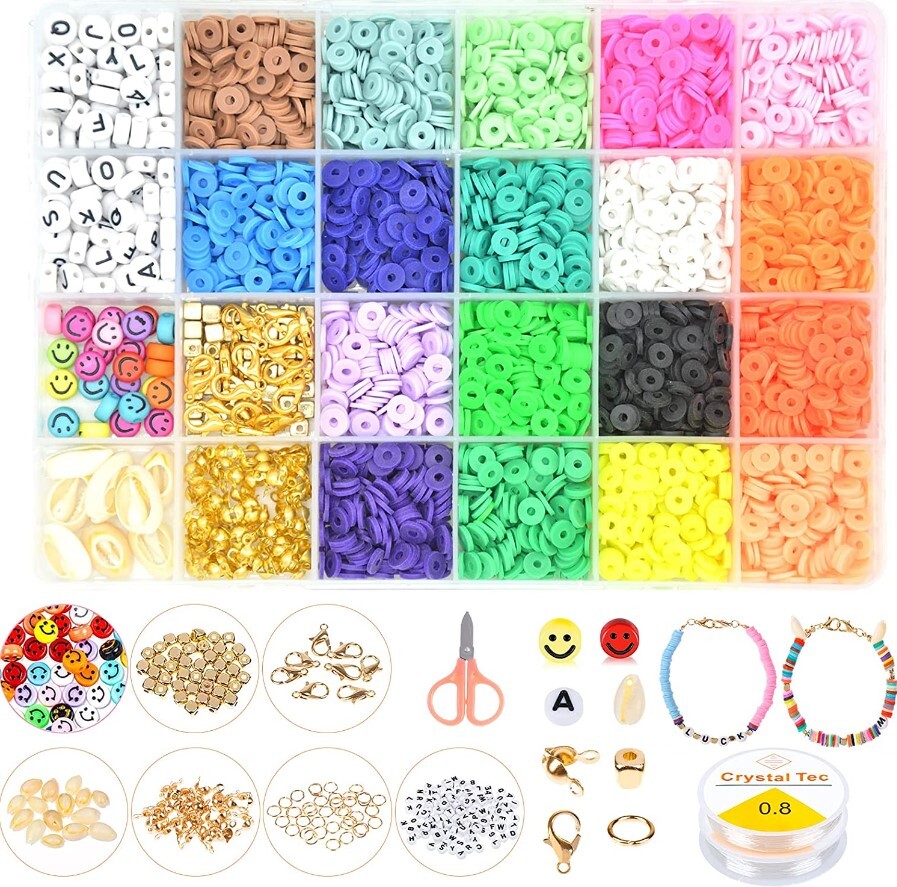 5800 Pcs Flat Beads Bracelet Jewelry Making Kit Heishi Clay Aesthetic Thin Disk$12.99View on eBay
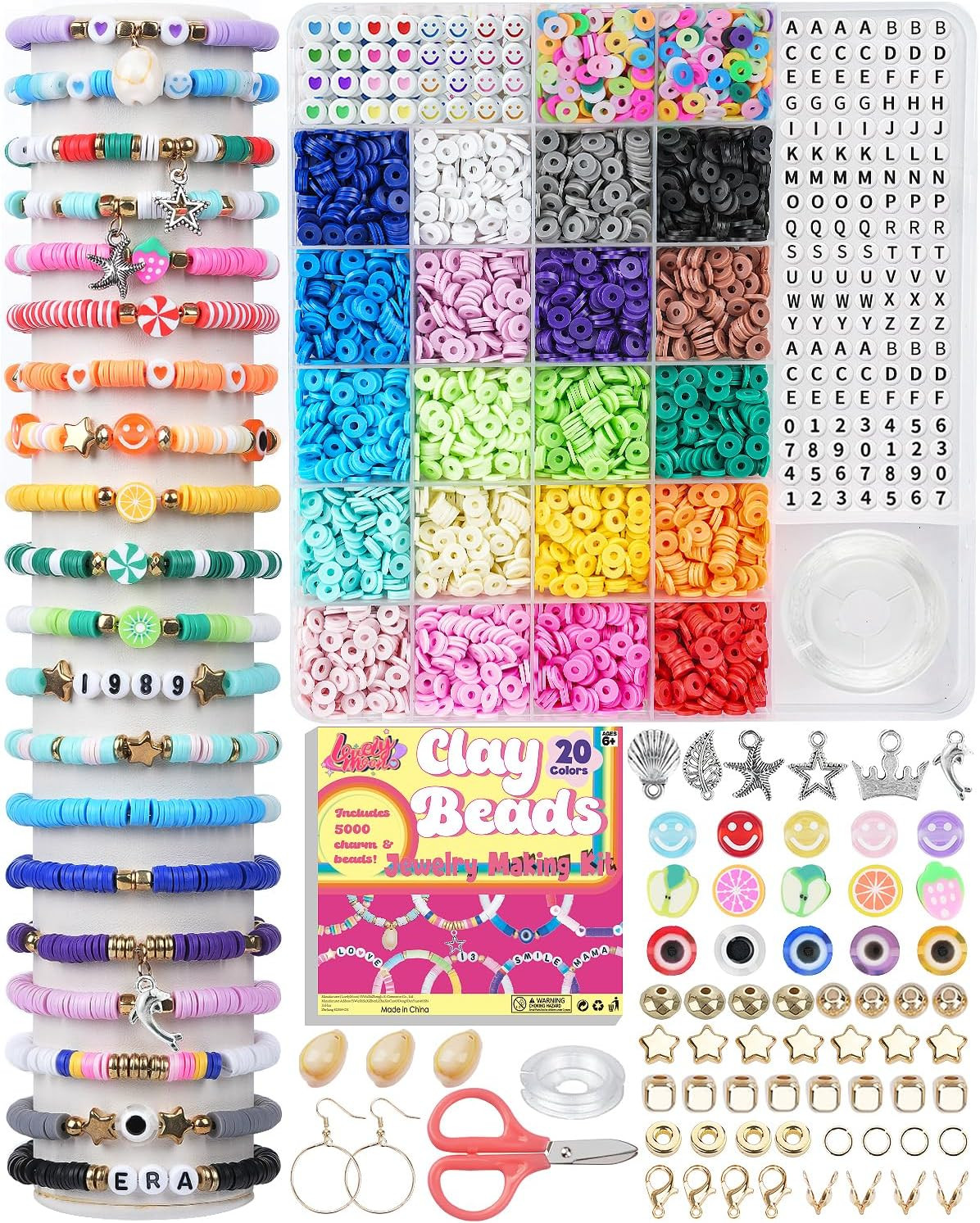 Bracelet Making Kit 5000 Pcs Clay Beads Flat Preppy Beads for Friendship Jewelry$13.31Last checked Nov 21, 2026View on eBay
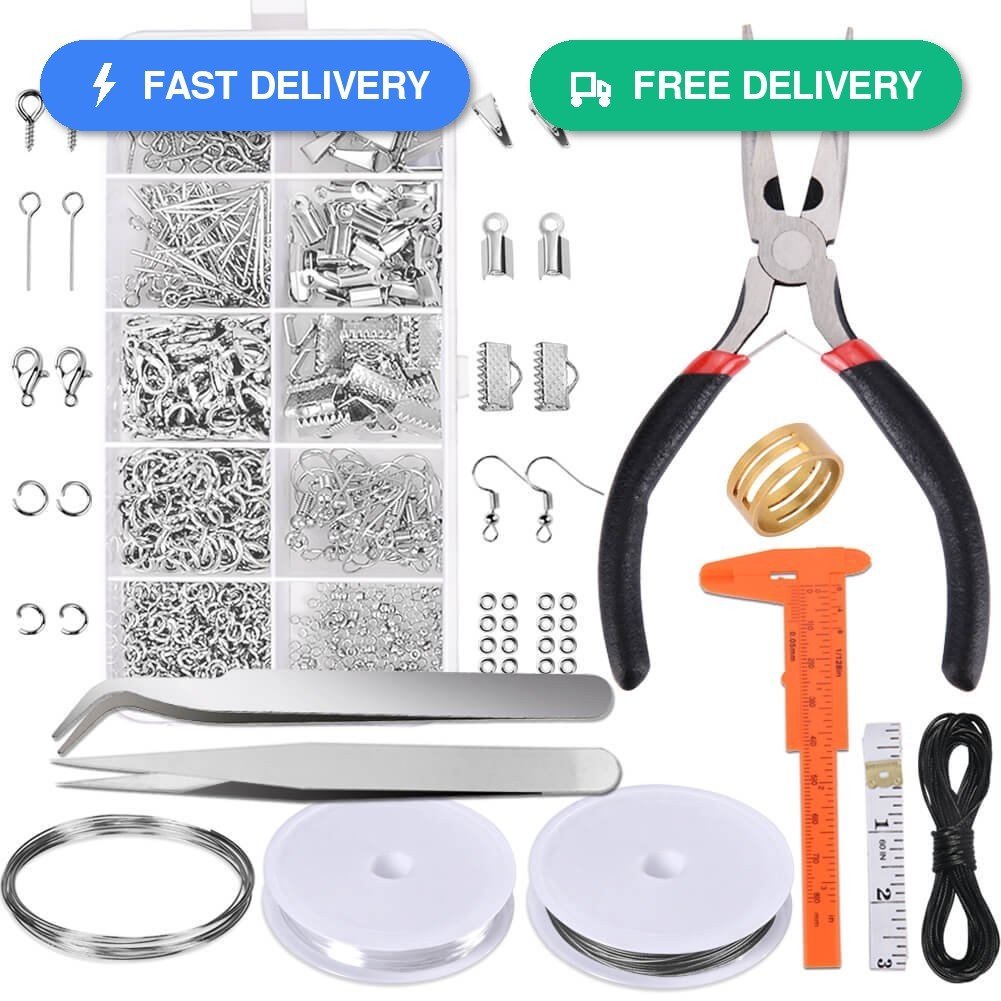 PAXCOO Jewelry Making Supplies Kit - Jewelry Repair Tool with Accessories,...$13.49View on eBay
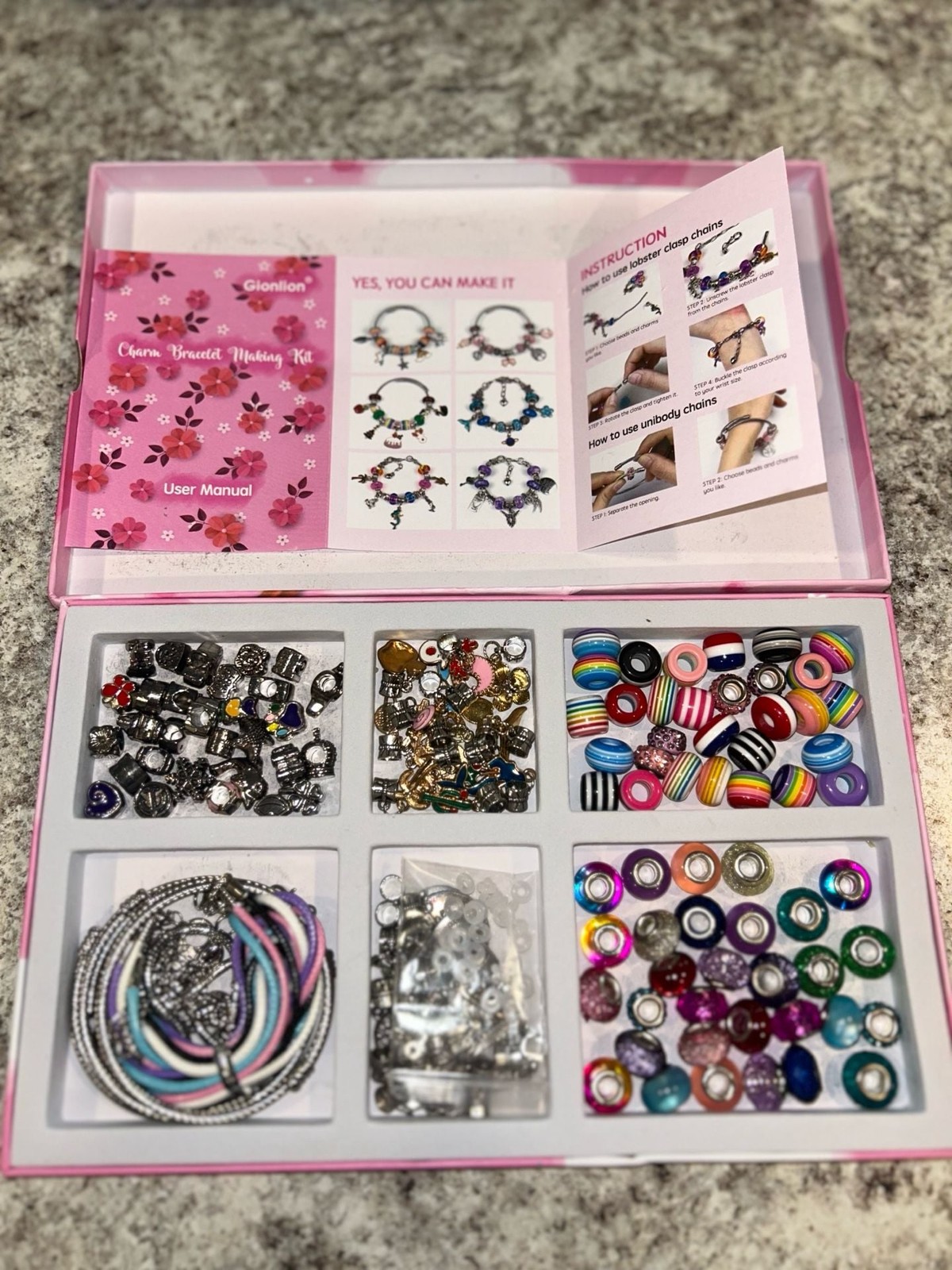 Gionlion Girls Jewelry Making Kit with Charms, Beads, and Bracelets$14.50View on eBay
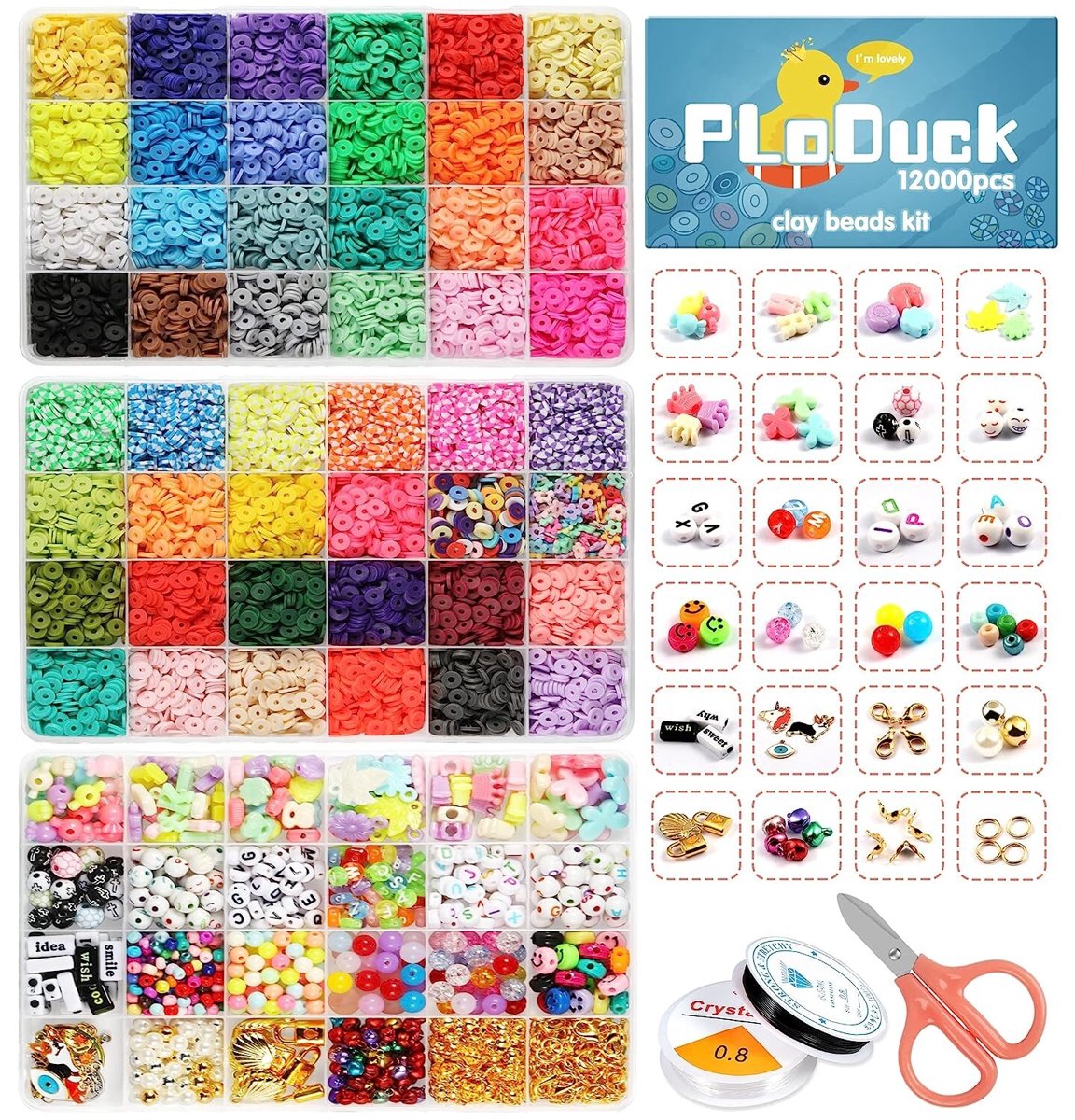 12000 Pcs Clay Flat Beads, DIY Jewelry Making Bracelets Necklace Kit$16.99View on eBay
- Bracelet Making Kit 5000 Pcs Clay Beads Flat Preppy Beads for Friendship Jewelry$17.64Last checked Nov 21, 2026View on eBay
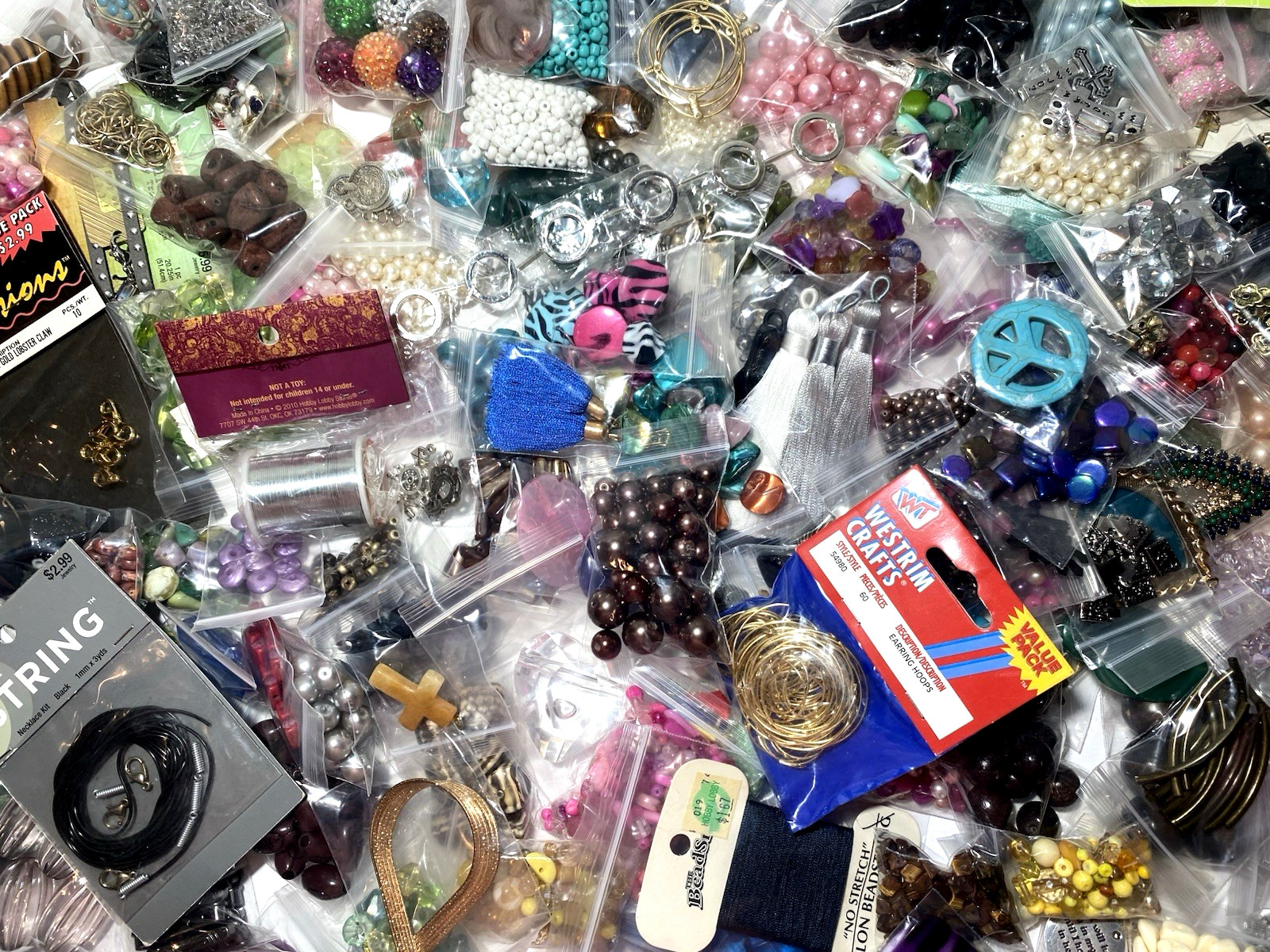 50 Bags Assorted Beads, Charms, Pendants, Jewelry Making Supplies.$18.00View on eBay
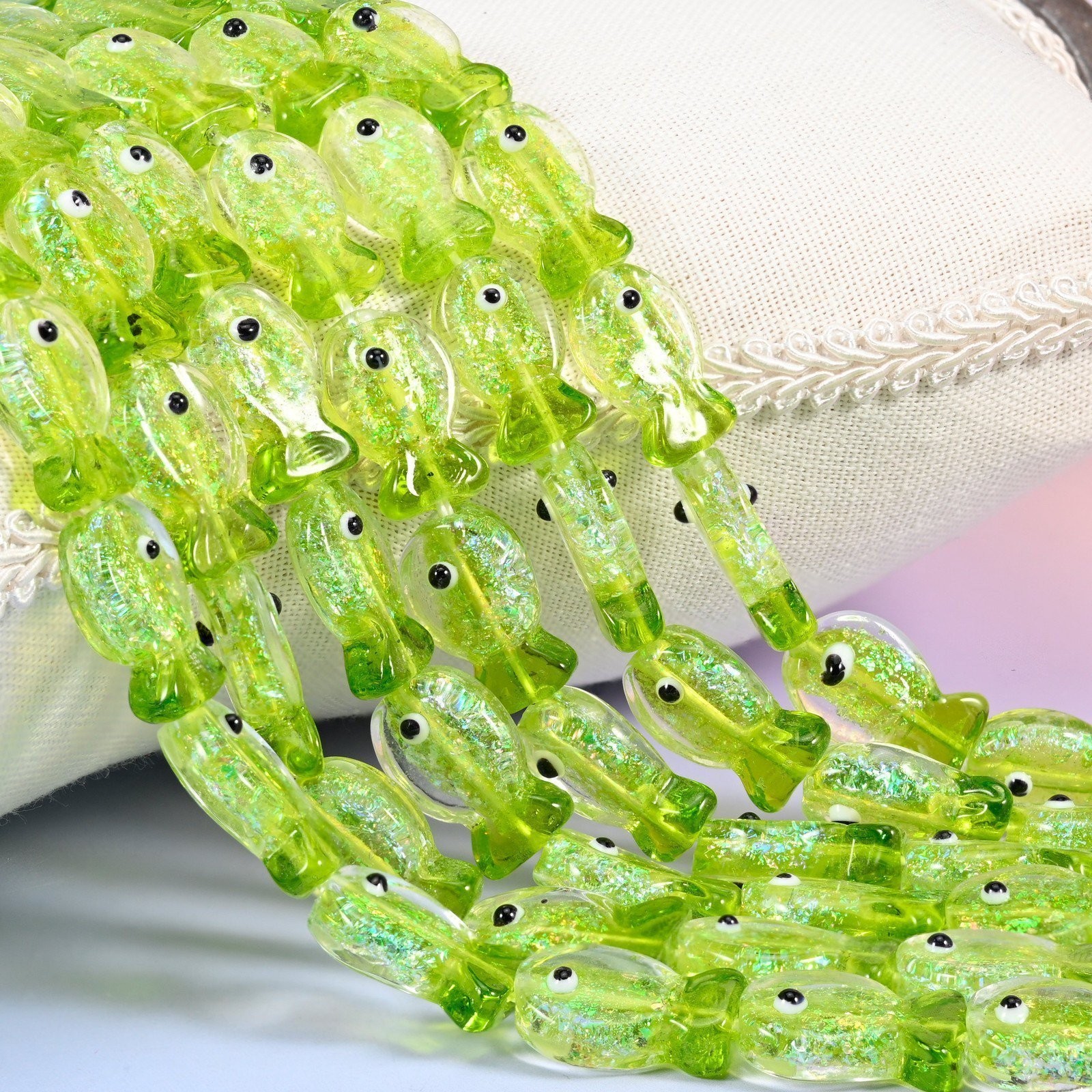 Iridescent Lime Green Fish Glass Beads: Jewelry Making Supply$18.38Last checked Nov 21, 2026View on eBay
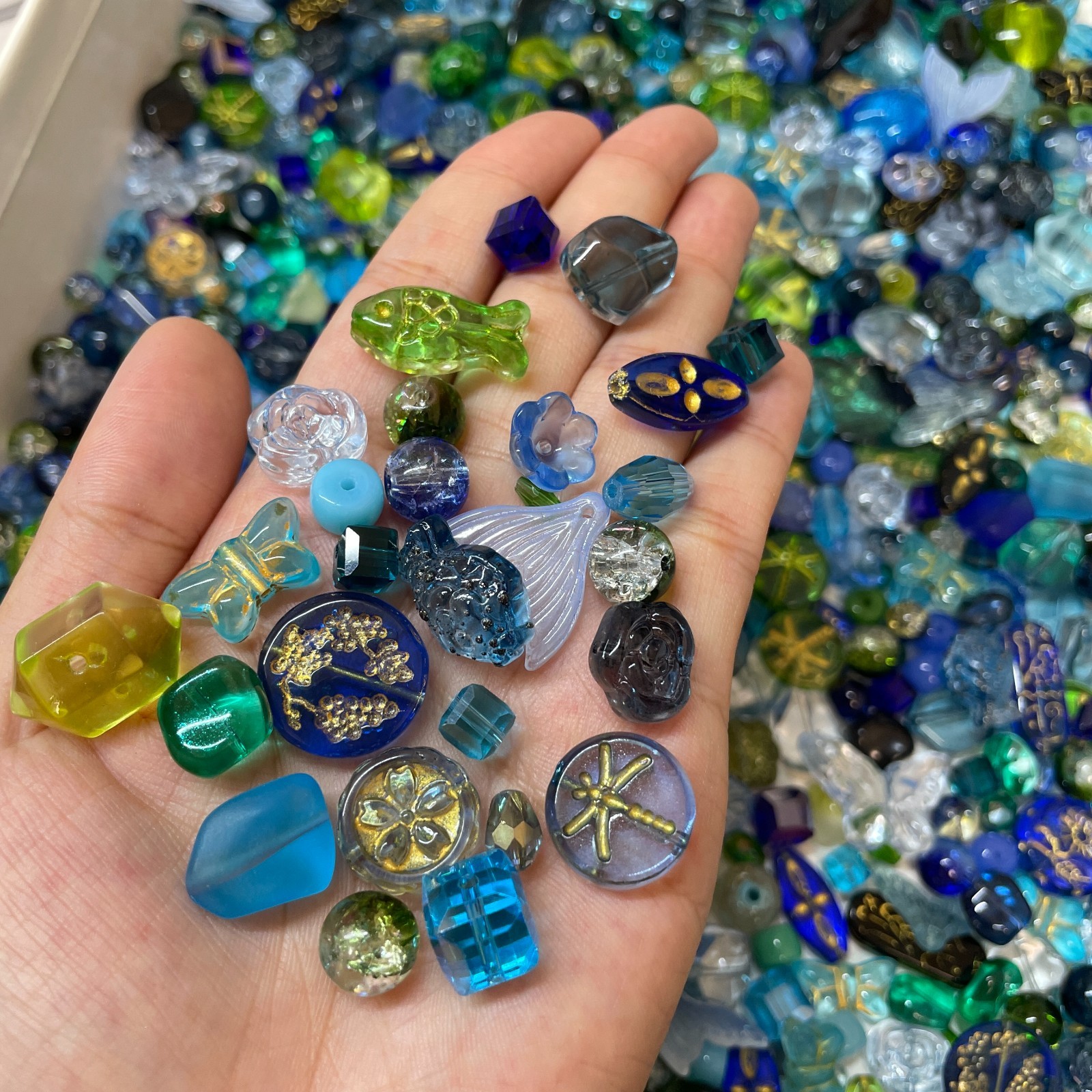 100g Glass beads lot jewelry making mix variety bead supplies Read Description$18.98View on eBay
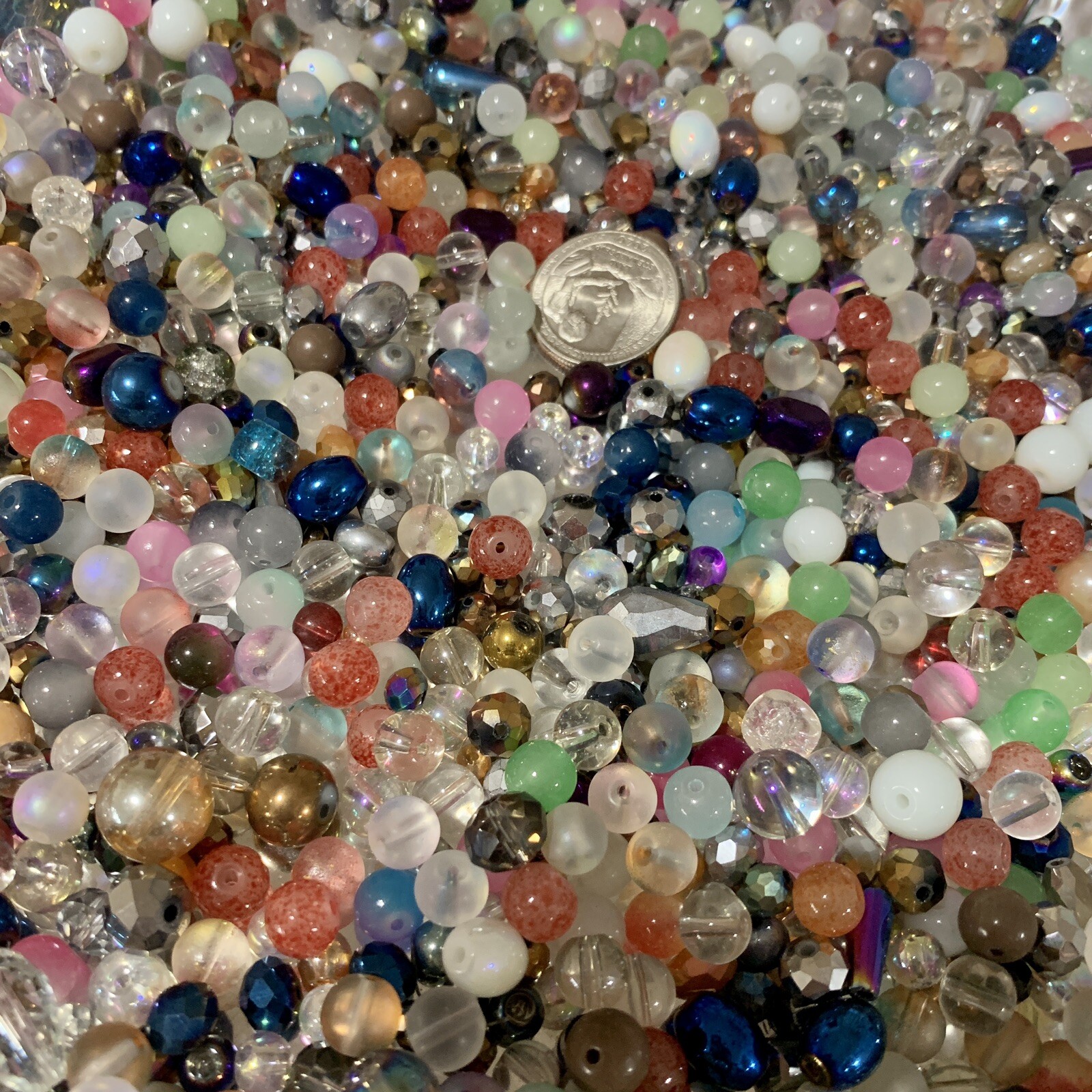 454G/ 16OZ Bead Soup Assorted Lot Crystal Glass Beads Jewelry Making Supplies$18.99Last checked Nov 21, 2026View on eBay
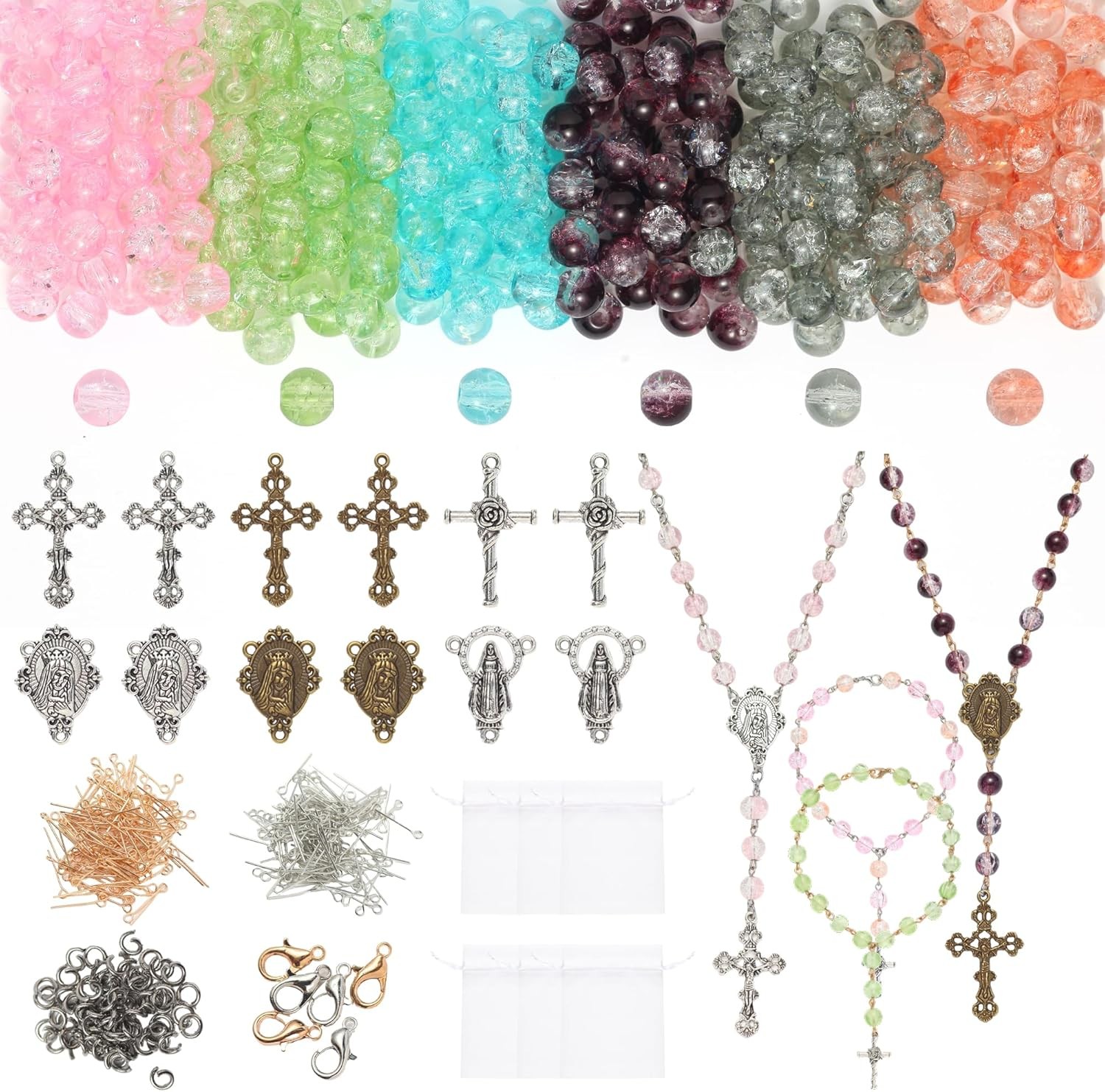 Catholic Rosary Making Kit for Adults Kids,Diy Wedding Rosary Jewelry Necklace M$19.01Last checked Nov 24, 2026View on eBay
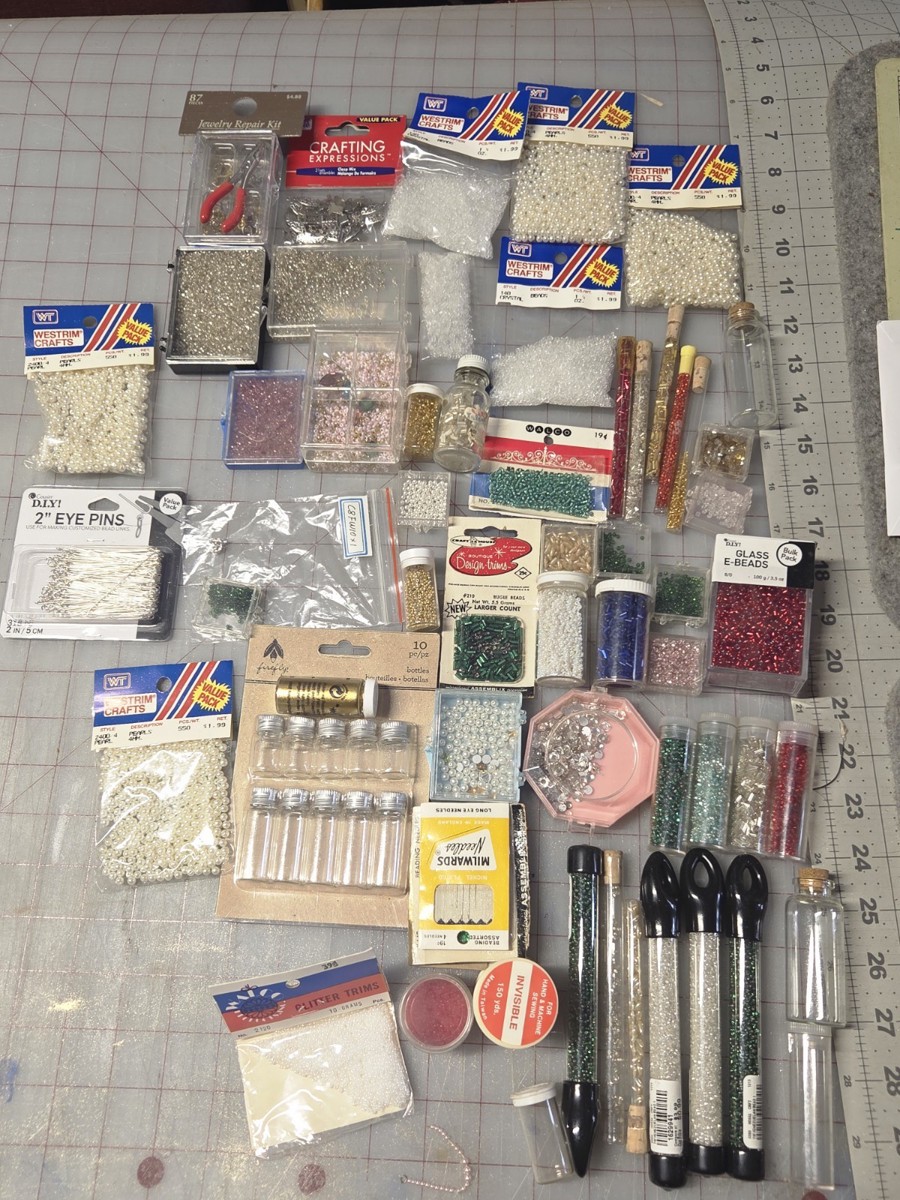 Over 40 Packages Of Beads And Jewelry Making Supplies$20.00View on eBay
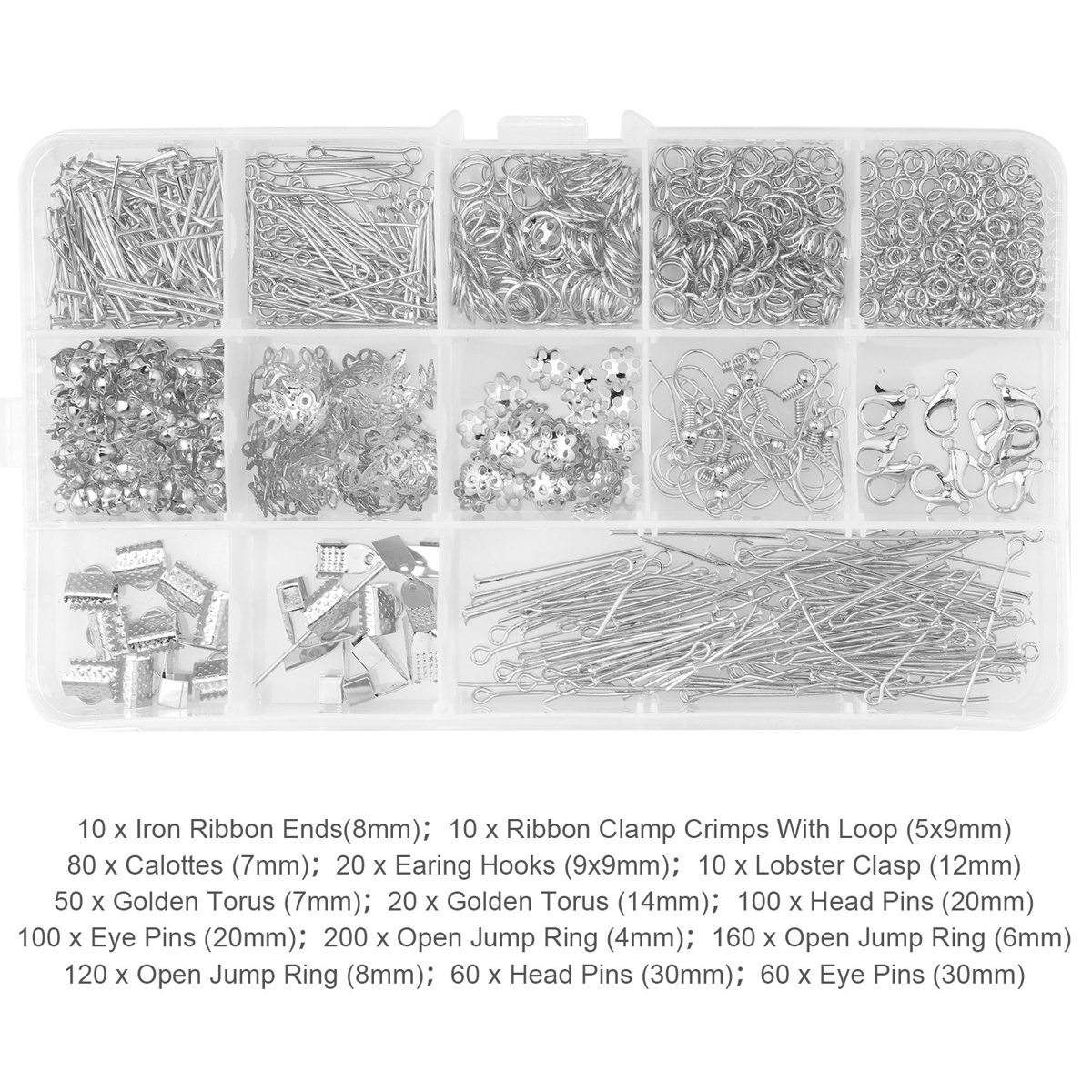 Jewelry Making Kit Wire Anklets Beading Repair Tools Craft Supplies DIY NEW$20.99View on eBay
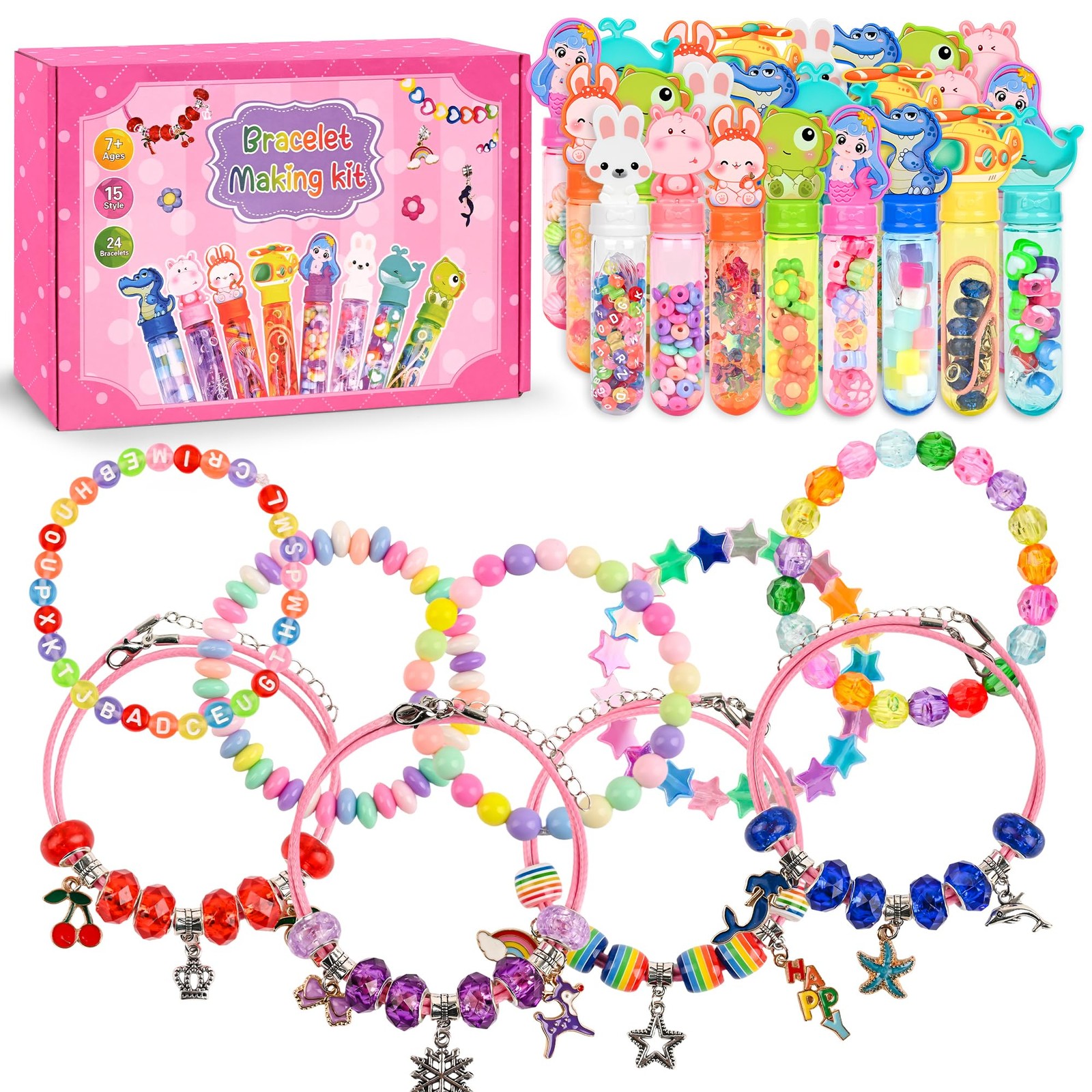 24 Pack Return Gifts Charm Bracelet Jewelry Making Kit Birthday Valentine's D...$23.27Last checked Nov 21, 2026View on eBay
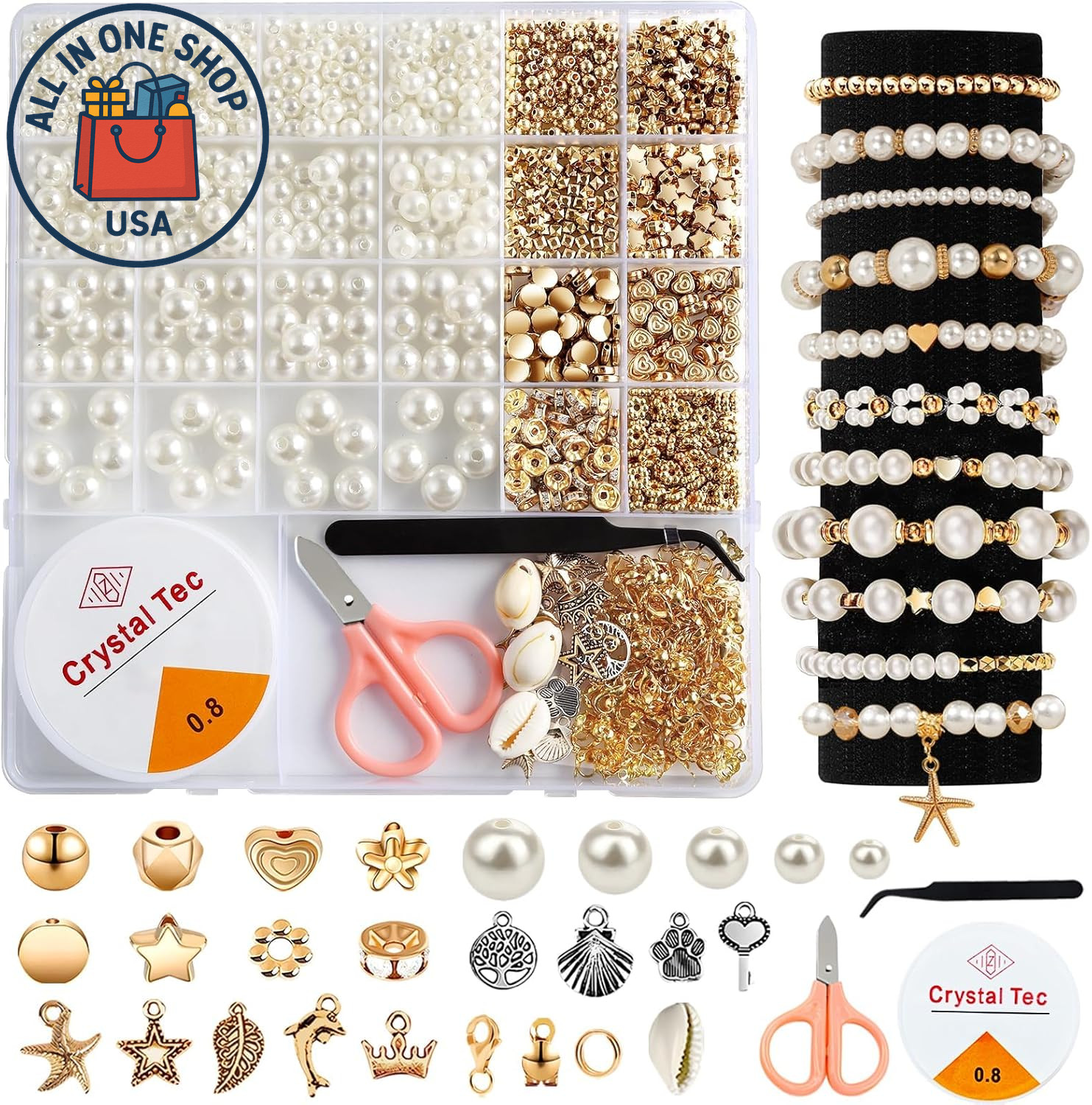 Pearl Beads Jewelry Making Kit for Bracelets, Necklaces, and Earrings 1200Pcs$23.99View on eBay
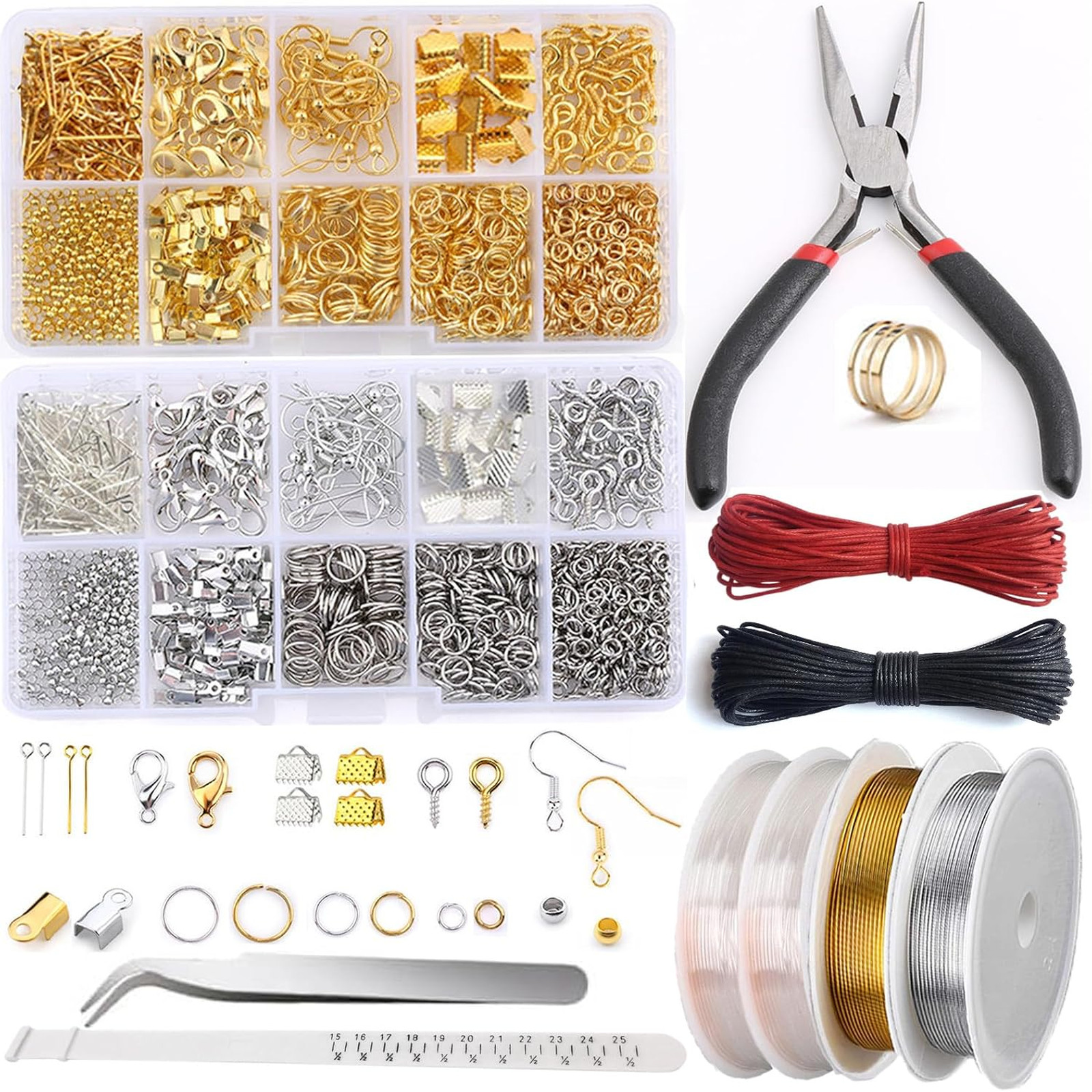 Jewelry Making Supplies Kit with Pliers Beading Tools and Accessories for Adults$24.57View on eBay
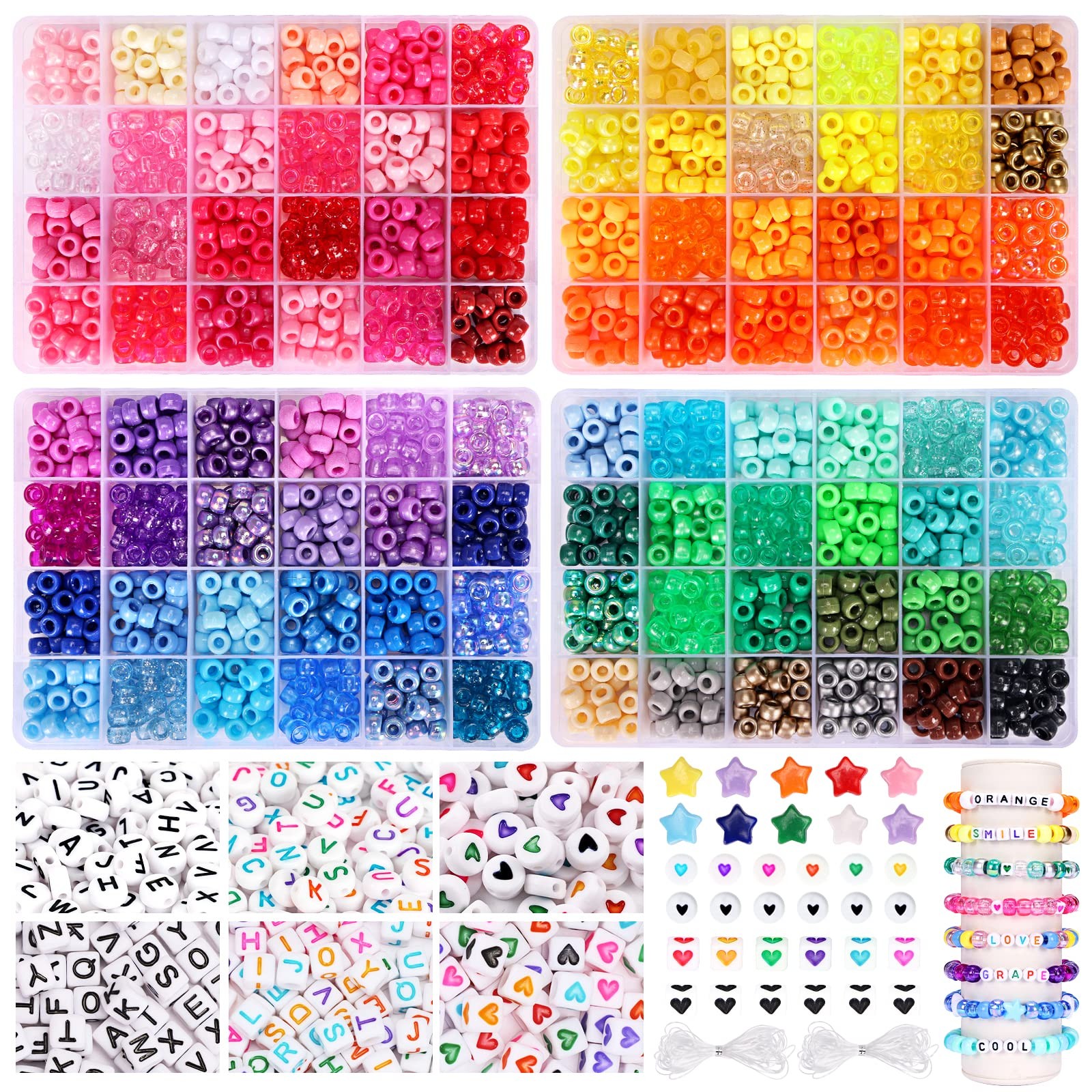 96 Colors Pony Beads Kit - 3000pcs Friendship Bracelets, Jewelry Making Supplies$24.95Last checked Nov 21, 2026View on eBay
Highlights
- Bead material decides durability: glass and crystal resist scratching and fading, acrylic and clay scuff and discolor with perfumes and sunlight, pewter and brass findings outlast pot-metal platings.
- Piece count is not a quality metric—5000-piece clay kits are mostly flat heishi spacers, while 300–600-piece glass or crystal kits deliver larger, reusable focal beads.
- Findings grade matters: sterling silver or stainless steel clasps and ear wires prevent skin reactions, while nickel-plated and painted base-metal findings tarnish and flake within weeks.
- Storage format affects usability: 15–24-compartment grid boxes prevent bead mixing, while bagged kits cause sorting time and lost spacers.
Best use cases
- Best fit: adults building daily-wear bracelets or earrings—choose a glass or crystal kit with stainless steel or sterling findings and a compartment box; skip 5000-piece clay kits.
- Best fit: kids, teens, and party crafts—pick a 3000–6000-piece clay or acrylic heishi kit with elastic cord and plastic needles; skip metal findings and small crystal beads for under-8s.
- Best fit: themed or seasonal gifting (fall, soccer, rosary)—choose a focused charm-and-shape kit with matching spacers; skip generic multicolor bulk if you need a coherent palette.
- Wrong fit: anyone wanting heirloom or wire-wrapping work—general kits lack half-hard wire, mandrels, and proper flush cutters; buy those as separate tool add-ons.
Buying tips
- Match bead size to project: 6mm and 8mm round beads suit bracelets and chokers; 4mm and smaller suit spacers and earrings. Kits listing 6×9mm or 8mm cover most adult bracelets.
- For adult skin contact, require stainless steel or sterling silver findings; nickel-free labeled base metal is acceptable only for short-wear fashion pieces.
- Elastic cord kits should include 0.5–0.8mm cord and a reamer or bead scoop; kits with only string or wire require separate elastic for stretch bracelets.
- Check compartment math: a 24-grid box holds roughly 24 bead types; kits with 5000+ pieces in fewer than 15 compartments will arrive mixed and require re-sorting.
Specs
| Bead Material | Glass/crystal vs clay/acrylic |
|---|---|
| Piece Count Tier | 300-800 vs 3000-6000 pcs |
| Findings Grade | Stainless/sterling vs plated base metal |
| Storage Format | 15-24 grid box vs bagged |
Related searches
What to check before buying
- Measure your wrist or intended wearer: add 1.5–2cm to wrist circumference for stretch bracelets; kits with only 6mm beads need about 20–22 beads per adult bracelet.
- Confirm storage footprint: a 7.8×7.5×0.7in box fits a drawer or shelf; larger 24-grid cases need dedicated craft storage space.
- Verify cord and finding compatibility: confirm the kit includes clasps or elastic matched to your bead hole size (most 6–8mm beads need 0.6–1mm cord or 21–24 gauge wire).
- For kids under 8, confirm choke-hazard compliance—avoid kits with beads under 12mm and small charms; choose oversized clay or acrylic beads with elastic only.
FAQ
Data sources: eBay / Amazon listings and product attribute feeds. Updated Nov 29, 2026.
Some links on this page are affiliate links. If you buy after clicking one, we may earn a commission at no extra cost to you. This does not change which products appear here or their order. Affiliate disclosure.