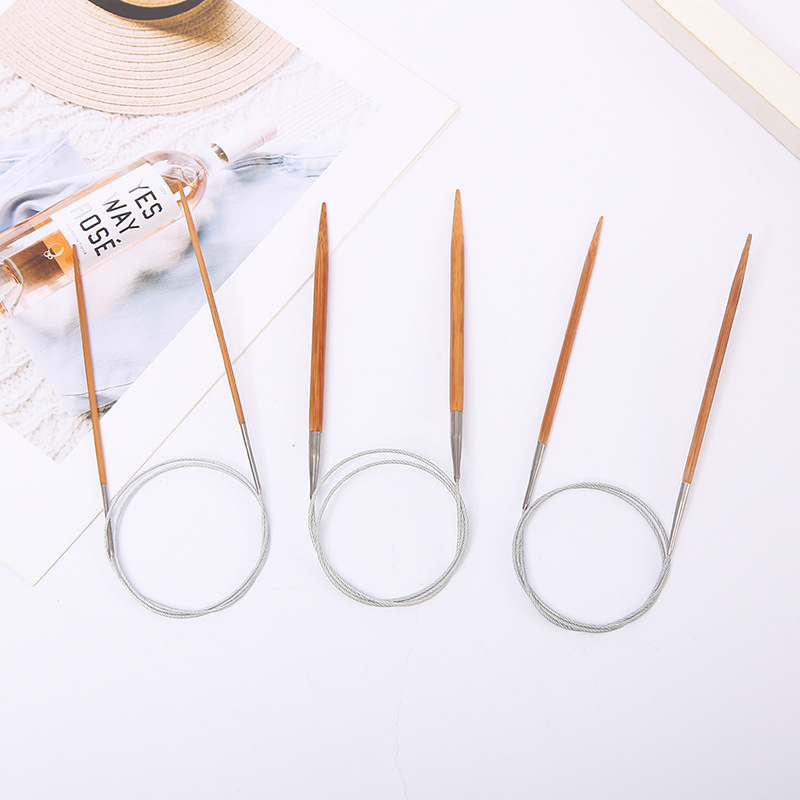

Photos from current listings. Actual item, color, and included accessories may vary.
Knitting Needle Buying Guide
Knitting needles are precision hand tools where the needle surface finish and tip geometry directly dictate stitch tension, speed, and hand fatigue. The primary trade-off is glide versus grip: slick metal needles speed up stockinette but drop stitches, while wood and bamboo provide friction for beginners and slippery yarns. The decision rule is simple: match needle material and tip shape to your yarn fiber and project gauge, and buy interchangeable circular sets only when you need multiple sizes on one cable.
Median $7.99
Key takeaways
- Metal needles (aluminum, stainless, brass) deliver the lowest friction and fastest stitch glide but are the most slippery for loose knitters and slick synthetic yarns.
- Wood and bamboo needles provide natural grip that prevents dropped stitches, making them the standard recommendation for beginners and for silk, alpaca, and other slippery fibers.
- Interchangeable circular sets use a threaded join with a tightening key; the join smoothness and cable memory determine whether stitches snag at the needle-cable transition.
At a glance
- Category
- Knitting Needles & Accessories
- Last updated
- Nov 28, 2026
Current offers
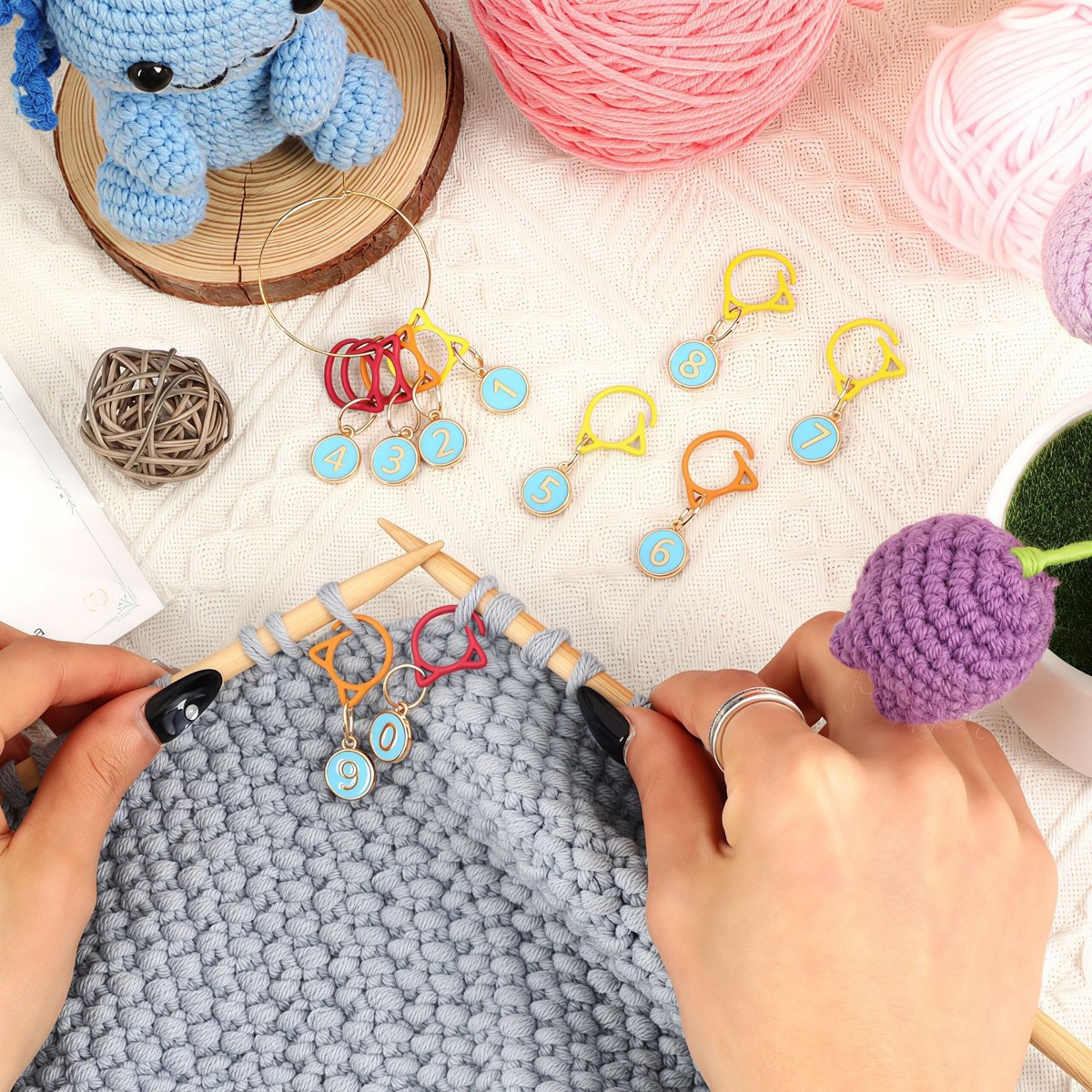
Highlights
- Metal needles (aluminum, stainless, brass) deliver the lowest friction and fastest stitch glide but are the most slippery for loose knitters and slick synthetic yarns.
- Wood and bamboo needles provide natural grip that prevents dropped stitches, making them the standard recommendation for beginners and for silk, alpaca, and other slippery fibers.
- Interchangeable circular sets use a threaded join with a tightening key; the join smoothness and cable memory determine whether stitches snag at the needle-cable transition.
- Tip shape matters: sharp tapered tips suit lace and fine gauge work, while blunt tips suit bulky yarns and arthritic hands that need less precision.
Best use cases
- Blankets and bulky projects: choose long circular needles (32–40 in cable) in 8–11 mm wood or bamboo to support the fabric weight without wrist strain; skip short straight needles that cannot hold blanket stitch counts.
- Sweaters in the round: pick a 24–32 in interchangeable circular set in 3.5–5.5 mm stainless steel for smooth joins and fast body knitting; skip fixed circulars if you need multiple sizes for ribbing and body.
- Beginners and slippery yarns: use bamboo or wood straight needles in 4–5 mm to prevent dropped stitches; skip polished metal until your tension is consistent.
- Fine lace and sock knitting: use sharp-tipped stainless steel circulars or double-pointed needles in 2–2.75 mm for precise decreases; skip blunt wooden tips that split fine plies.
Buying tips
- Match needle size to yarn weight: 4 mm (US 6) suits DK weight, 5–5.5 mm suits worsted, 6–8 mm suits bulky, and 9–12 mm suits super-bulky; the yarn label's recommended gauge is the anchor, not the needle number alone.
- For circular needles, measure the cable length plus needle tips against your stitch count: a 32 in circular holds roughly 200–250 stitches of worsted-weight fabric comfortably; tighter stitch counts bunch on shorter cables.
- Choose interchangeable sets over fixed circulars when you knit multiple gauges: a set covering 3.5–8 mm with 2–3 cable lengths replaces a dozen fixed needles and ensures consistent joins.
- For wooden needles, look for laminated birch or dense hardwood rather than soft bamboo; dense wood resists denting and holds a smoother finish through years of use.
Specs
| Needle Material | Stainless steel / aluminum / birch / bamboo |
|---|---|
| Tip Geometry | Sharp lace / tapered standard / blunt bulky |
| Circular Cable Length | 16–40 in (40–100 cm) |
| Needle Size Range | 2–12 mm (US 0–17) |
Related searches
What to check before buying
- Confirm your project's stitch count fits the circular cable length: total circumference must be at least 2–3 in shorter than the cable for the fabric to slide freely.
- Check hand size and grip style: long straight needles (14 in) suit large hands and lever knitting, while 9–10 in straights suit compact grips and travel.
- Verify the join system if buying interchangeable: threaded screw joins need the included tightening key, and the cable diameter must match the needle tip diameter for smooth stitch passage.
- For wood or bamboo, inspect for splintering or rough tips out of the package; a light sanding with fine grit restores smoothness, but deep cracks mean the needle will snap under tension.
FAQ
Data sources: eBay / Amazon listings and product attribute feeds. Updated Nov 28, 2026.
Some links on this page are affiliate links. If you buy after clicking one, we may earn a commission at no extra cost to you. This does not change which products appear here or their order. Affiliate disclosure.