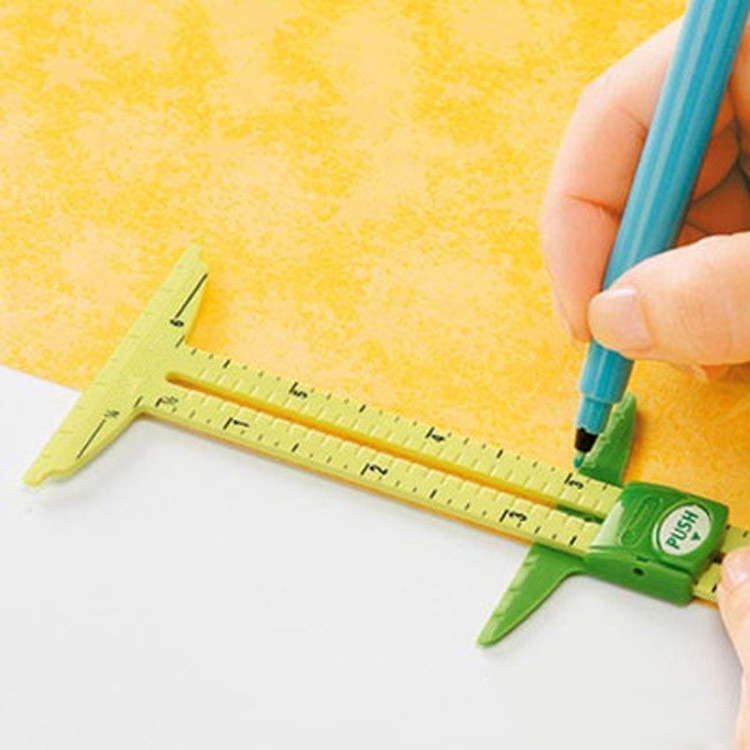

Photos from current listings. Actual item, color, and included accessories may vary.
Patchwork Ruler Buying Guide
A patchwork ruler is a clear acrylic or plastic measuring guide with gridded lines and angle markings used to cut fabric accurately for quilting and patchwork. The key trade-off is optical clarity and edge durability versus flexibility: thin, soft plastic rulers flex and chip, while thick cast acrylic holds a true edge and resists rotary-blade nicks. Choose laser-cut acrylic with printed or etched lines for repeatable 1/4-inch seams; skip thin, flexible, unmarked plastic if you cut daily.
Key takeaways
- Acrylic thickness of 3 mm (1/8 in) or more resists rotary-blade gouging and stays flat; under 2 mm flexes and curls at the edge.
- Laser-etched grid lines do not wear off; painted or printed lines fade with blade contact and repeated use.
- Standard patchwork rulers include 1/4-inch seam allowance markings and 45/60/90-degree angle lines for bias and triangle cuts.
At a glance
- Category
- Rotary Cutting Tools & Mats
- Last updated
- Nov 24, 2026
Current offers
Highlights
- Acrylic thickness of 3 mm (1/8 in) or more resists rotary-blade gouging and stays flat; under 2 mm flexes and curls at the edge.
- Laser-etched grid lines do not wear off; painted or printed lines fade with blade contact and repeated use.
- Standard patchwork rulers include 1/4-inch seam allowance markings and 45/60/90-degree angle lines for bias and triangle cuts.
- Non-slip backing or grip dots keep the ruler from sliding on cotton; bare acrylic slips on smooth quilting fabric.
Best use cases
- Best fit: 6 x 24-inch acrylic ruler for strip cutting and squaring large quilt blocks; skip if you only trim 4-inch squares.
- Best fit: 12.5 x 12.5-inch square ruler for squaring half-square triangles and layer cakes; wrong fit for long strip cutting.
- Best fit: 6.5 x 6.5-inch or 4.5 x 4.5-inch ruler for charm squares and small patchwork; skip oversized rulers for tiny pieces.
- Best fit: rotating or angled ruler with 45/60/90 markings for binding and diamond shapes; wrong fit if you only cut rectangles.
Buying tips
- Match ruler size to your most common cut: 24-inch length for width-of-fabric strips, 12.5-inch square for block squaring.
- Choose 3 mm or thicker cast acrylic; thin rulers deflect under rotary pressure and produce wavy cuts.
- Look for 1/4-inch seam allowance markings on at least two edges; missing marks force manual measuring and error.
- Prefer etched or laser-marked grids over printed lines; printed markings rub off after repeated blade passes.
Specs
| Material | Cast acrylic vs thin plastic |
|---|---|
| Thickness | 3 mm+ (1/8 in) vs under 2 mm |
| Marking Type | Etched/laser vs printed |
| Angle Lines | 45/60/90-degree included vs plain grid |
Related searches
What to check before buying
- Measure your cutting mat: ruler length should not exceed mat dimensions for full strip cuts.
- Confirm your rotary cutter blade size (45 mm or 60 mm) clears the ruler edge without overhang.
- Check that 1/4-inch markings align with your sewing machine's presser foot for consistent seams.
- Verify the ruler has non-slip backing or grip dots if you cut on a smooth, hard mat surface.
FAQ
Data sources: eBay / Amazon listings and product attribute feeds. Updated Nov 24, 2026.
Some links on this page are affiliate links. If you buy after clicking one, we may earn a commission at no extra cost to you. This does not change which products appear here or their order. Affiliate disclosure.