
Photos from current listings. Actual item, color, and included accessories may vary.
Portable Sewing Machine Buying Guide
Portable sewing machines are compact, often sub-10-pound units that trade stitch power, throat space, and material handling for transportability. The core trade-off is motor type and feed mechanism: mechanical oscillating-hook drives handle lightweight fabrics reliably, while walking-foot or drop-feed systems are needed for thick seams. Buy a full-size or walking-foot unit if you sew heavy goods; otherwise choose a mechanical portable with metal internals over an all-plastic frame.
Median $144.99
Key takeaways
- Motor architecture: brushed DC motors in entry portables deliver ~0.3-0.7 amps; walking-foot models like the Consew CP206RL use stronger gear-reduction drives for leather and canvas.
- Feed system: drop-feed with 4-6 point feed dogs suits cotton and knits; a walking foot (dual feed) is mandatory to prevent layer shift on vinyl, webbing, and quilt sandwiches.
- Stitch count: 12-30 built-in stitches covers utility and decorative work; more patterns add complexity without changing penetration force on heavy fabric.
At a glance
- Category
- Sewing & Quilting Machines
- Last updated
- Nov 27, 2026
Current offers
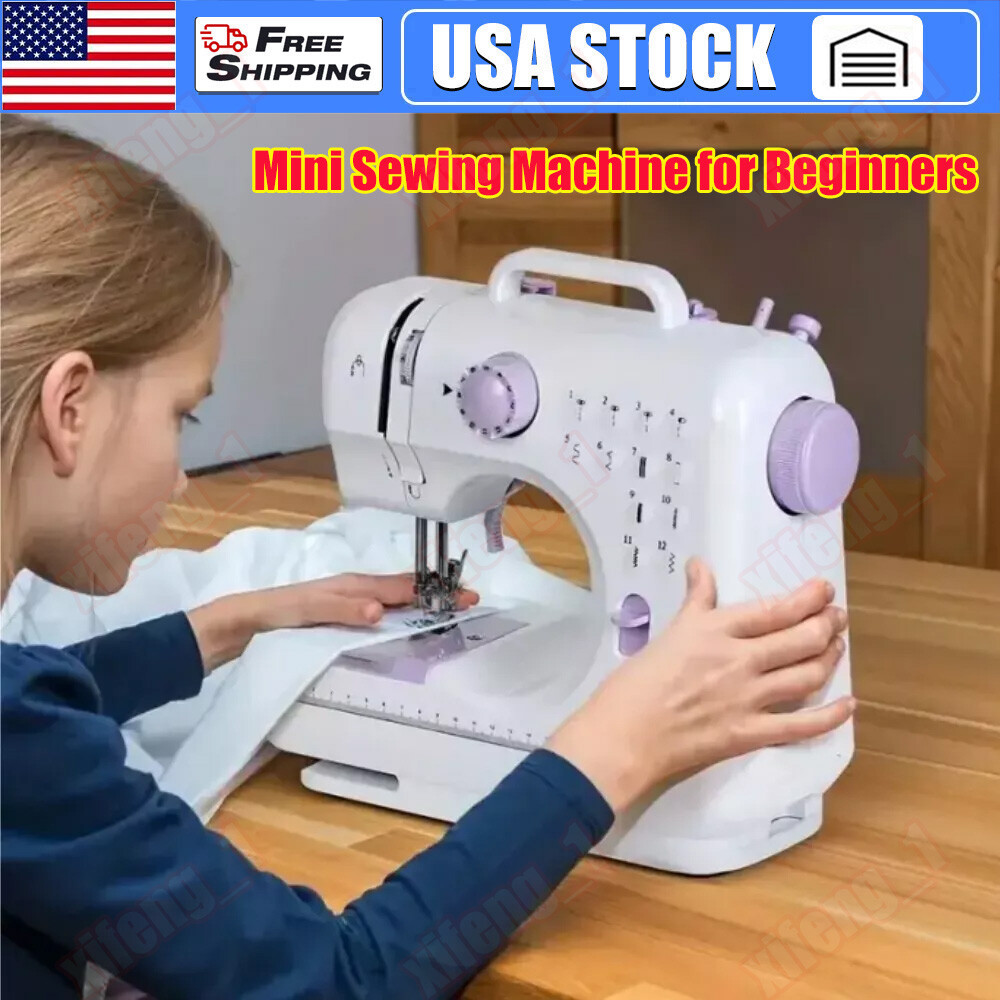 Electric Sewing Machine Portable Crafting Mending Machine 12 Built-In Stitches$32.98View on eBay
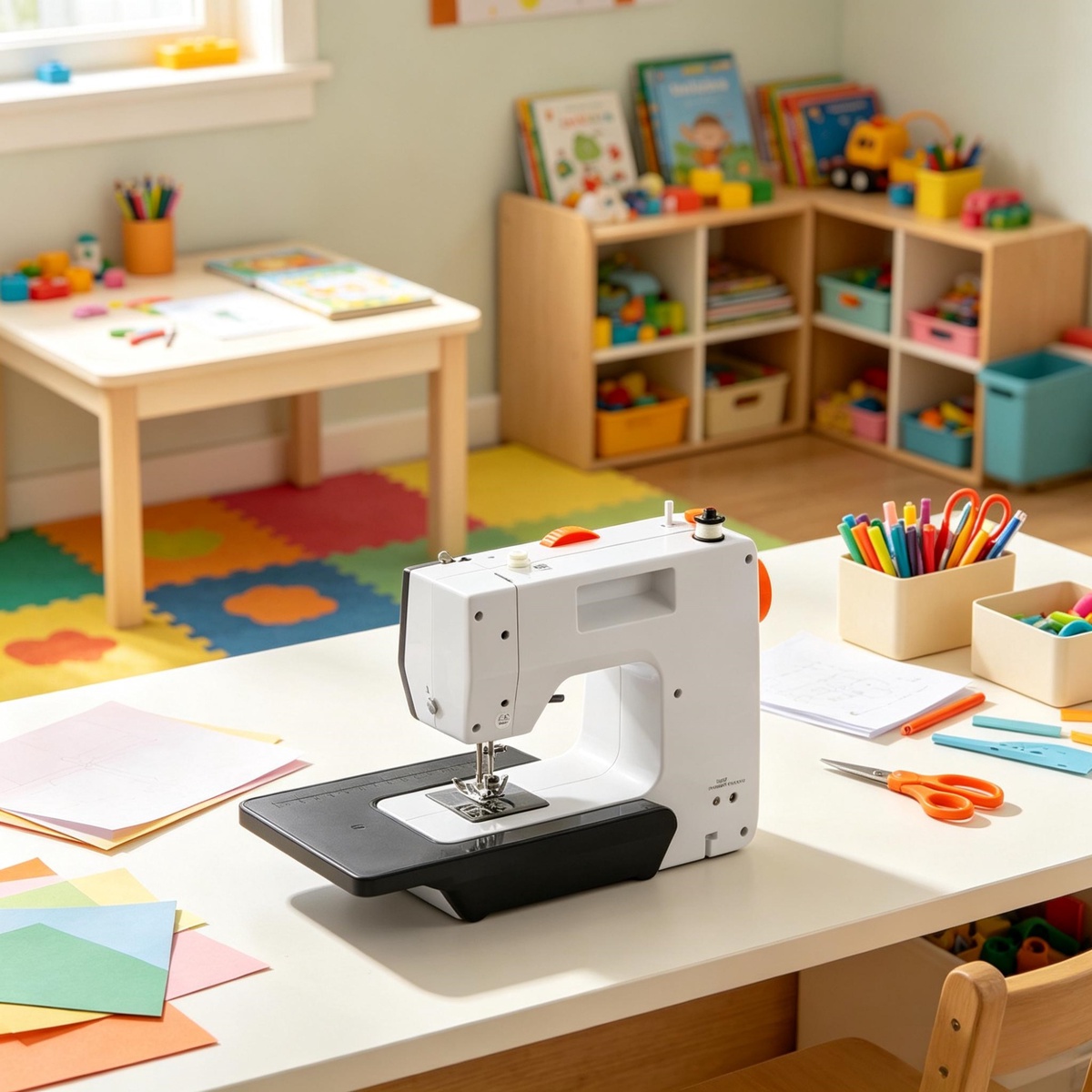 Beginner Portable Sewing Machine, 38 Built-in Stitches & Reverse Dual Speed Control with Extension Table and Foot Pedal$158.99View on Mallflare
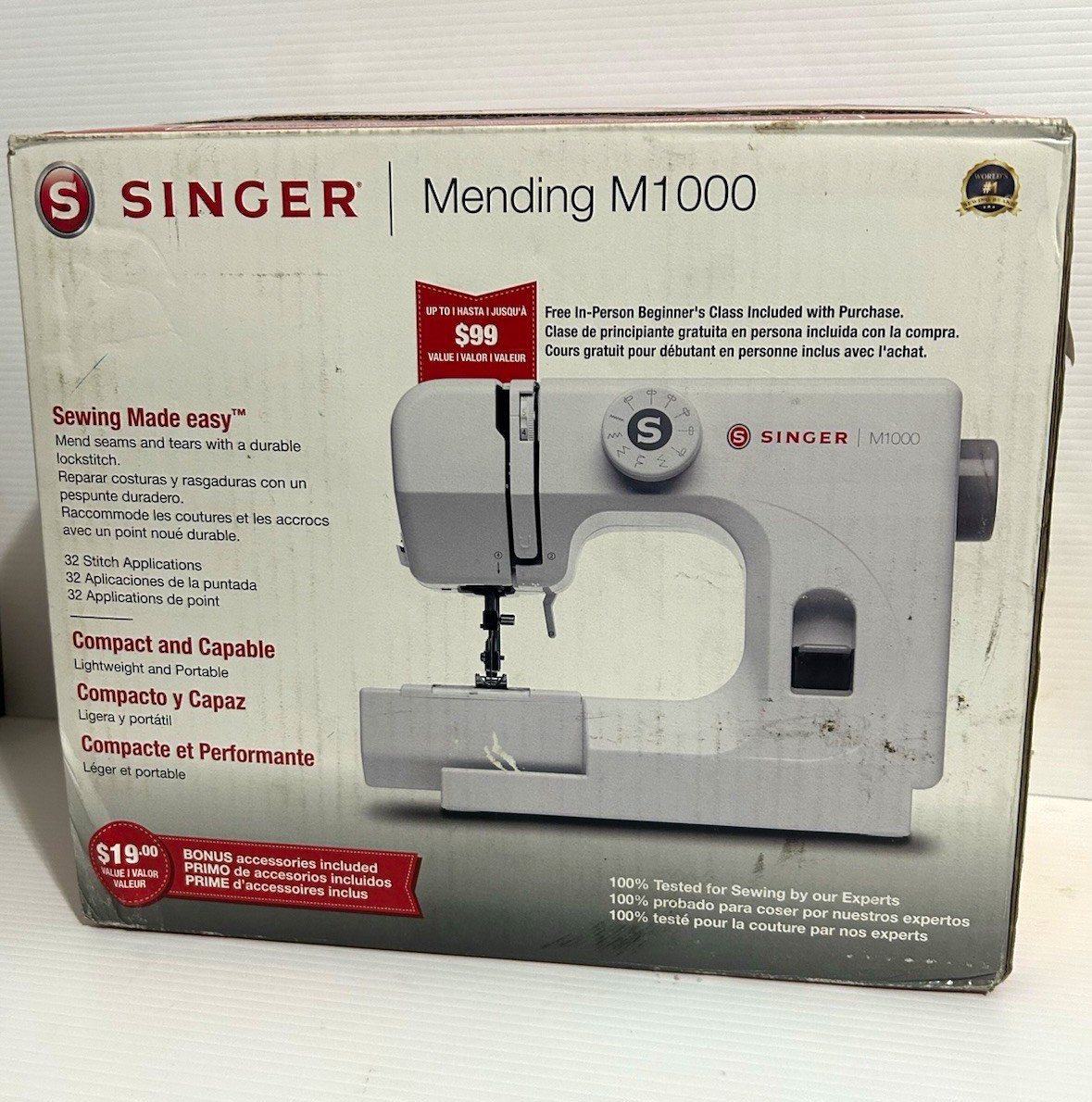 SINGER M1000 Portable Electric Household Sewing Machine (120V) White$60.00View on eBay
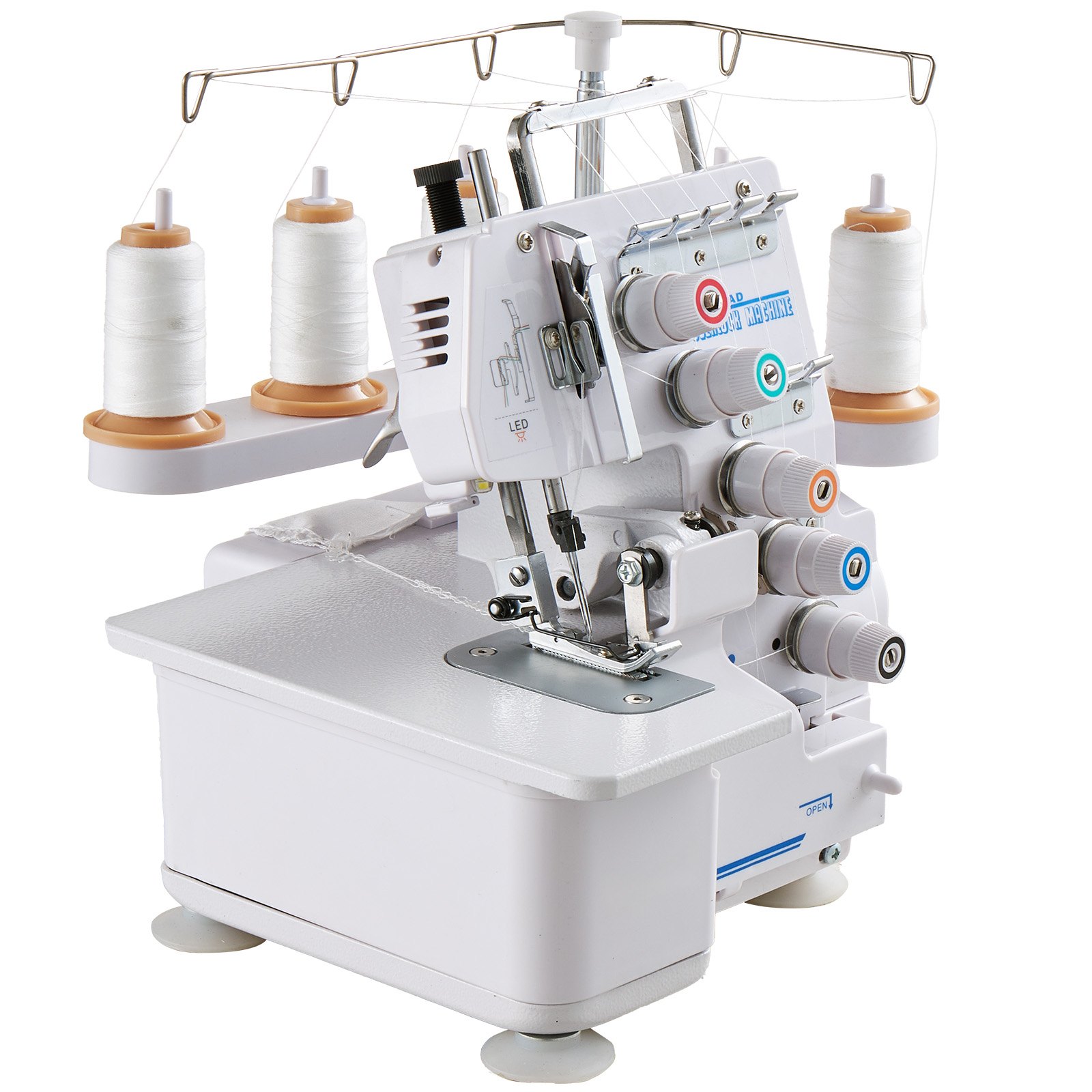 Serger Overlock Sewing Machine, 1250 Stitches Per Minute, 2-3-5 Thread Capability, With LED Light And Strong Suction Feet, Heavy-Duty Metal Frame For Various Fabrics, White$221.99View on Mallflare
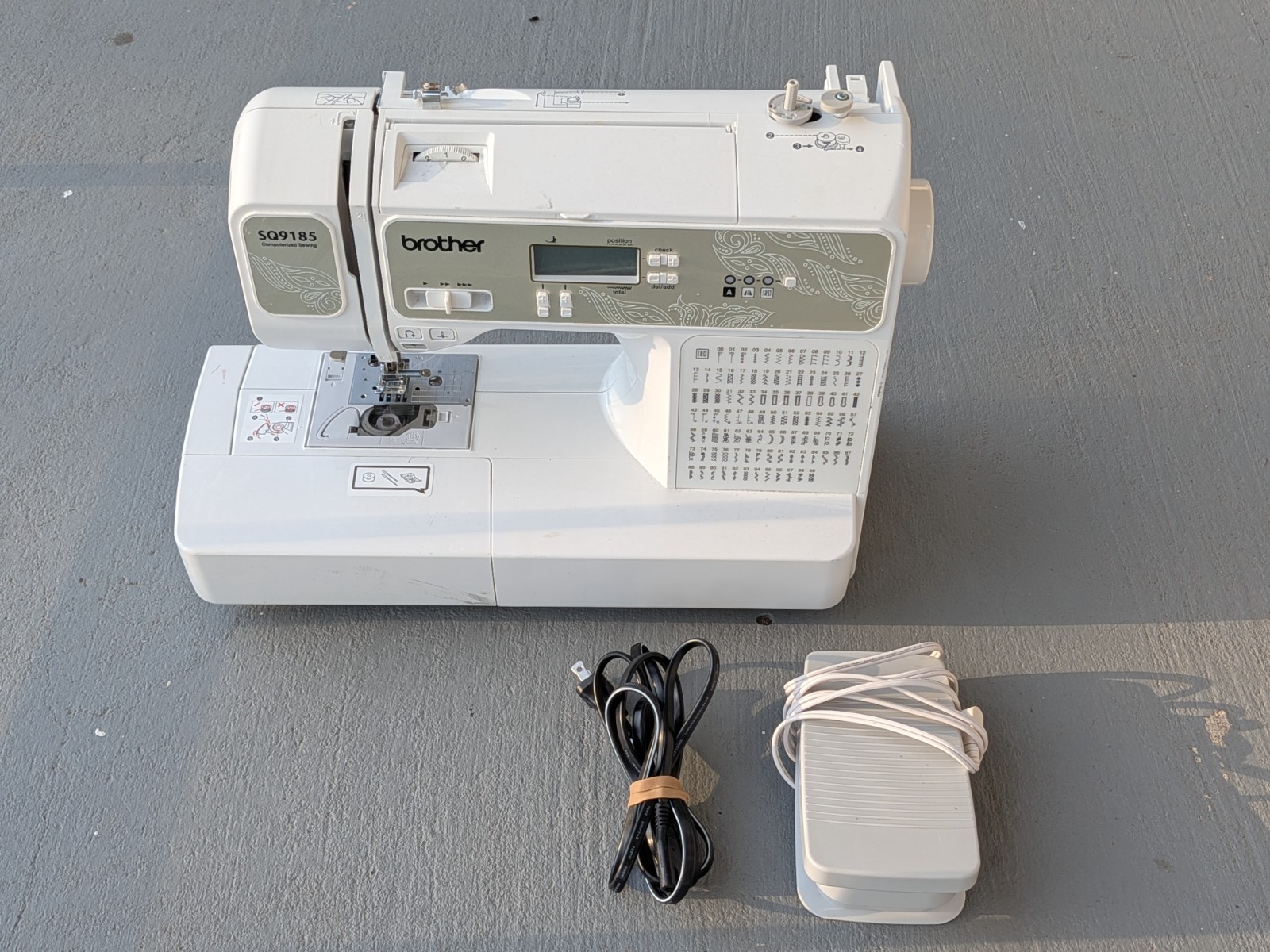 Brother SQ9185 Computerized Sewing Machine w/ Foot Pedal & Power Cord Tested$69.99View on eBay
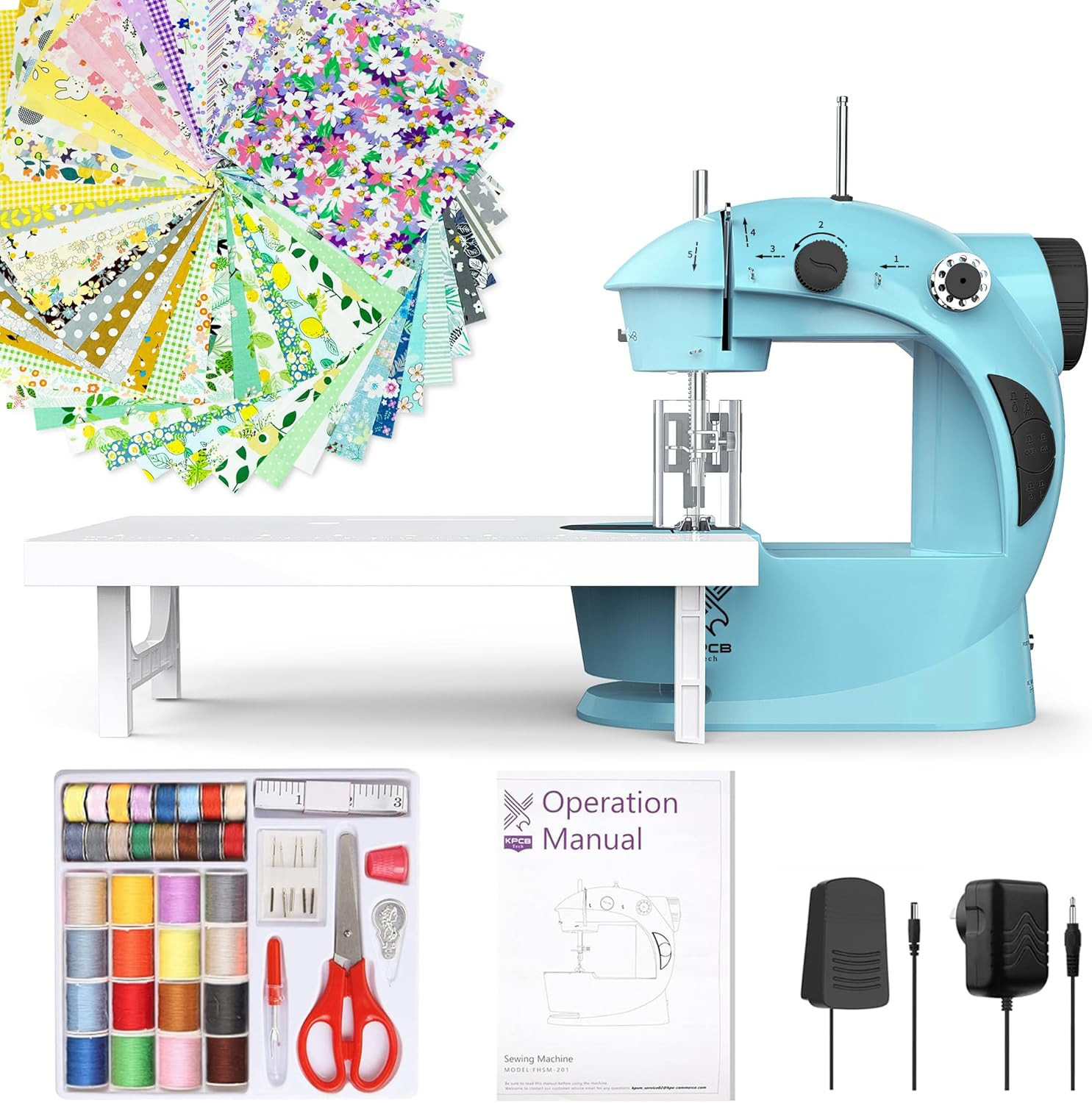 Sewing Machine for Beginners [Full Set] with Finger Guard and Fabric Bundles$83.99View on eBay
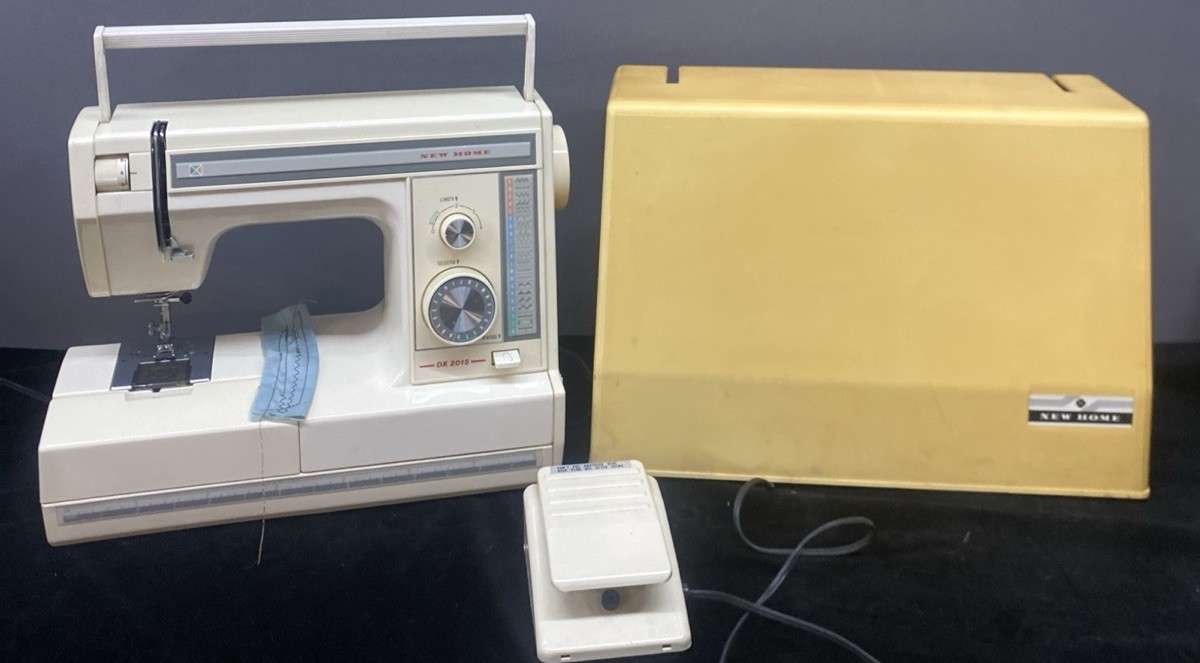 NEW HOME DX 2015 Sewing Machine With Cover And Pedal Tested And Working$123.01View on eBay
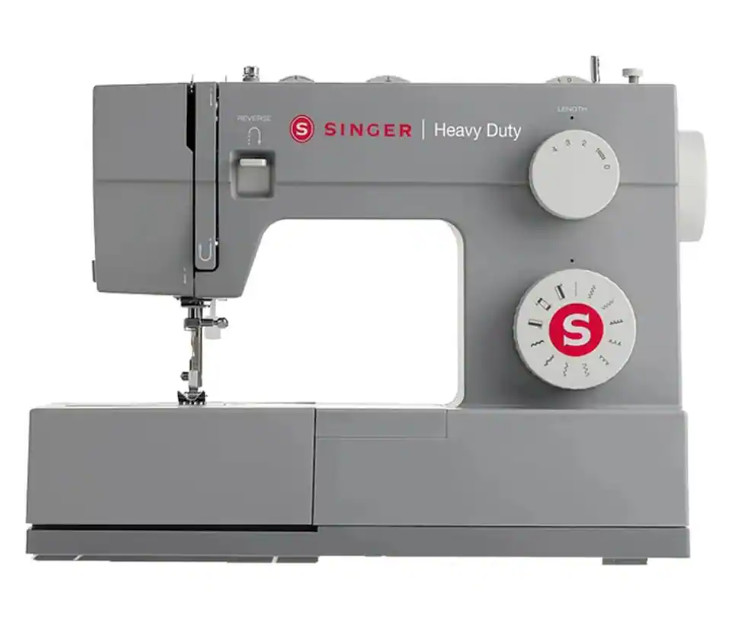 Singer - 4411 Heavy Duty Sewing Machine - Gray, NEW$129.95View on eBay
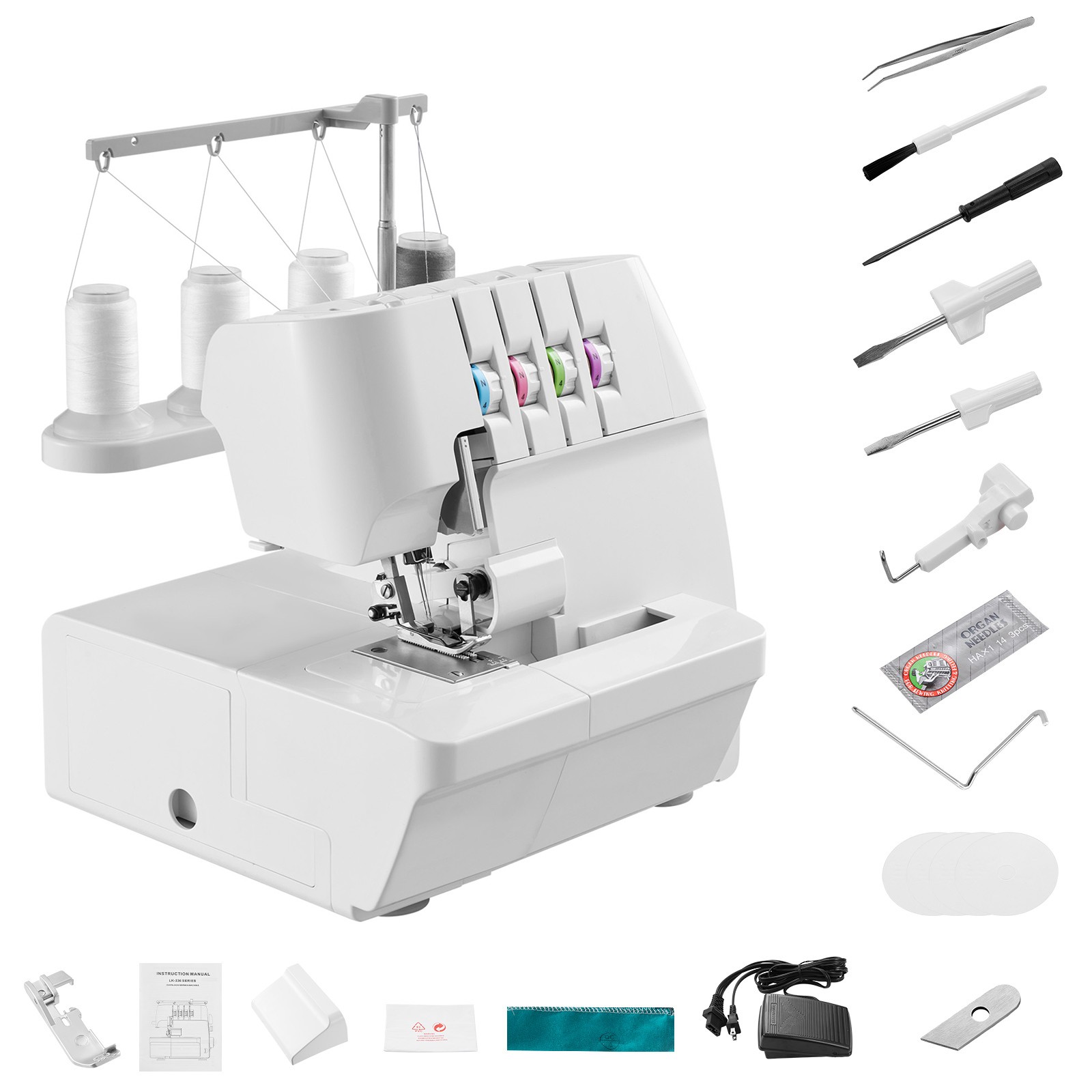 Uimoso Serger Overlock Sewing Machine with 2-3-4 Thread Options, 1250 SPM$144.99View on eBay
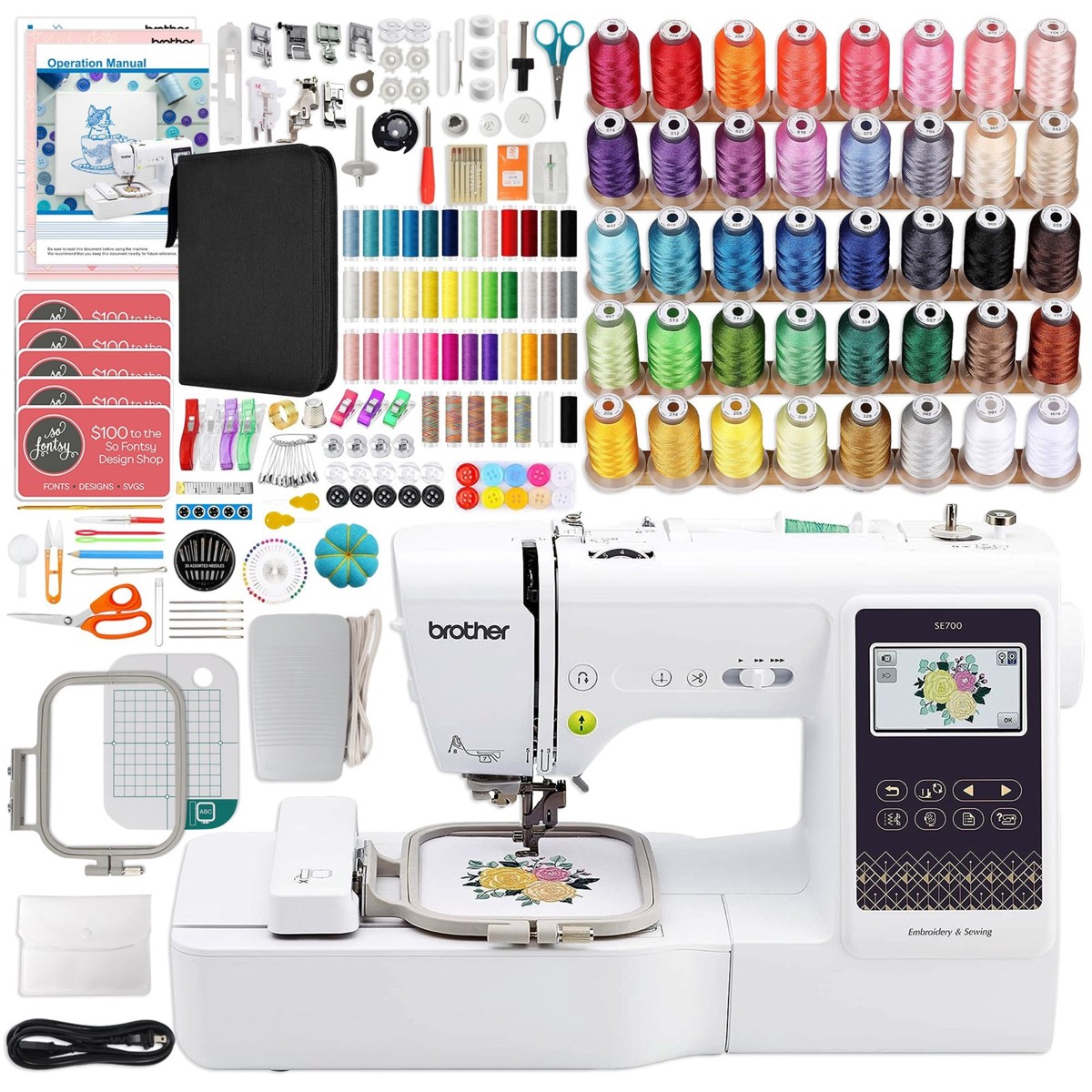 Brother SE700 Embroidery & Sewing Machine w/ 83 Spools & 200+ Accessories$579.99Last checked Nov 17, 2026View on eBay
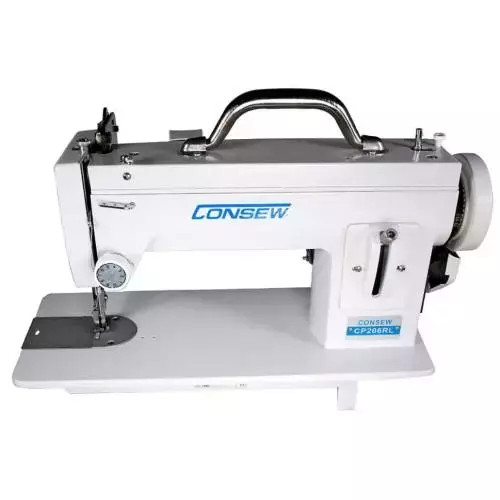 *New* Consew CP206RL Portable Walking Foot Sewing Machine FREE SHIPPING$649.95Last checked Nov 17, 2026View on eBay
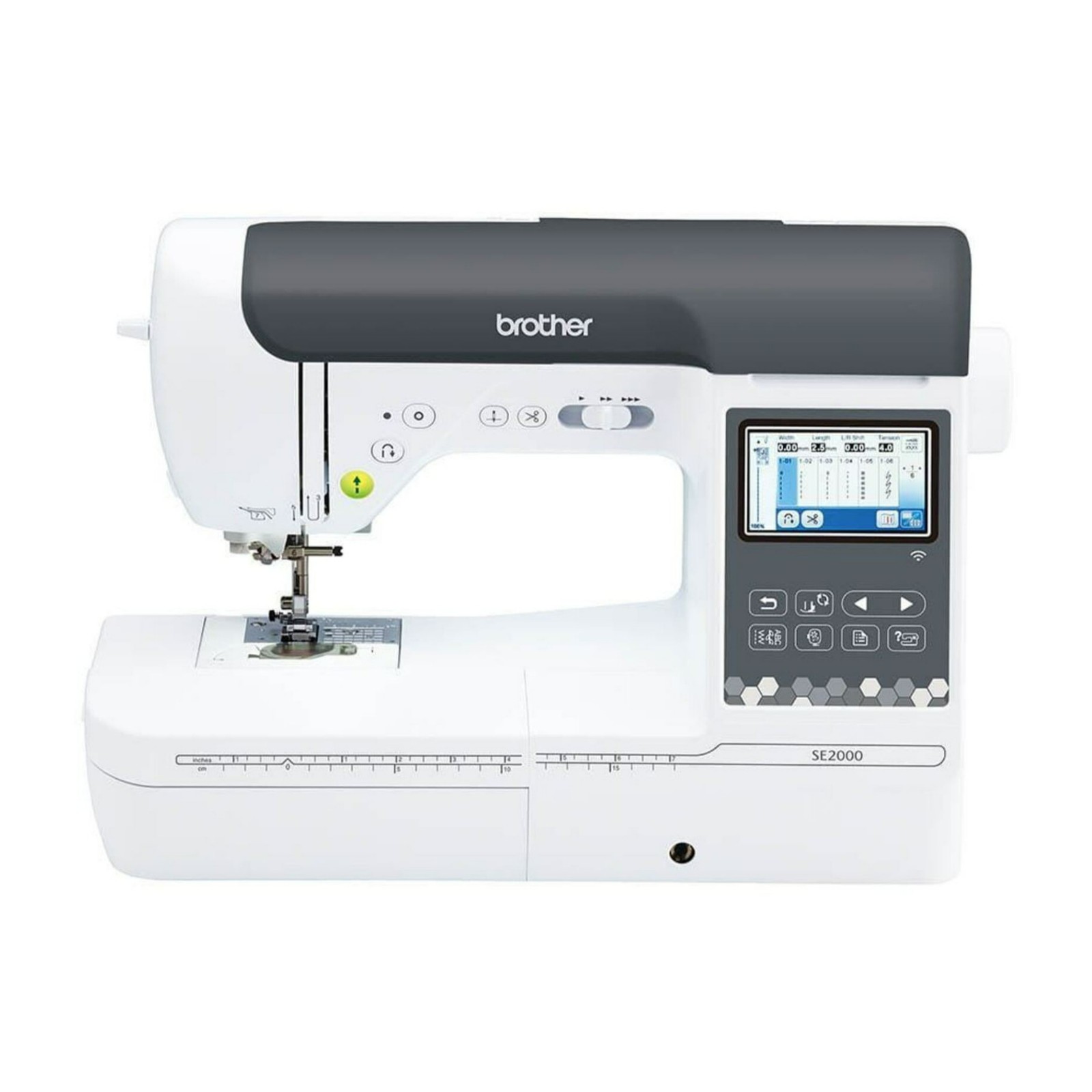 Brother SE2000 Computerized Sewing and Embroidery Machine LCD Display$1,499.99Last checked Nov 18, 2026View on eBay
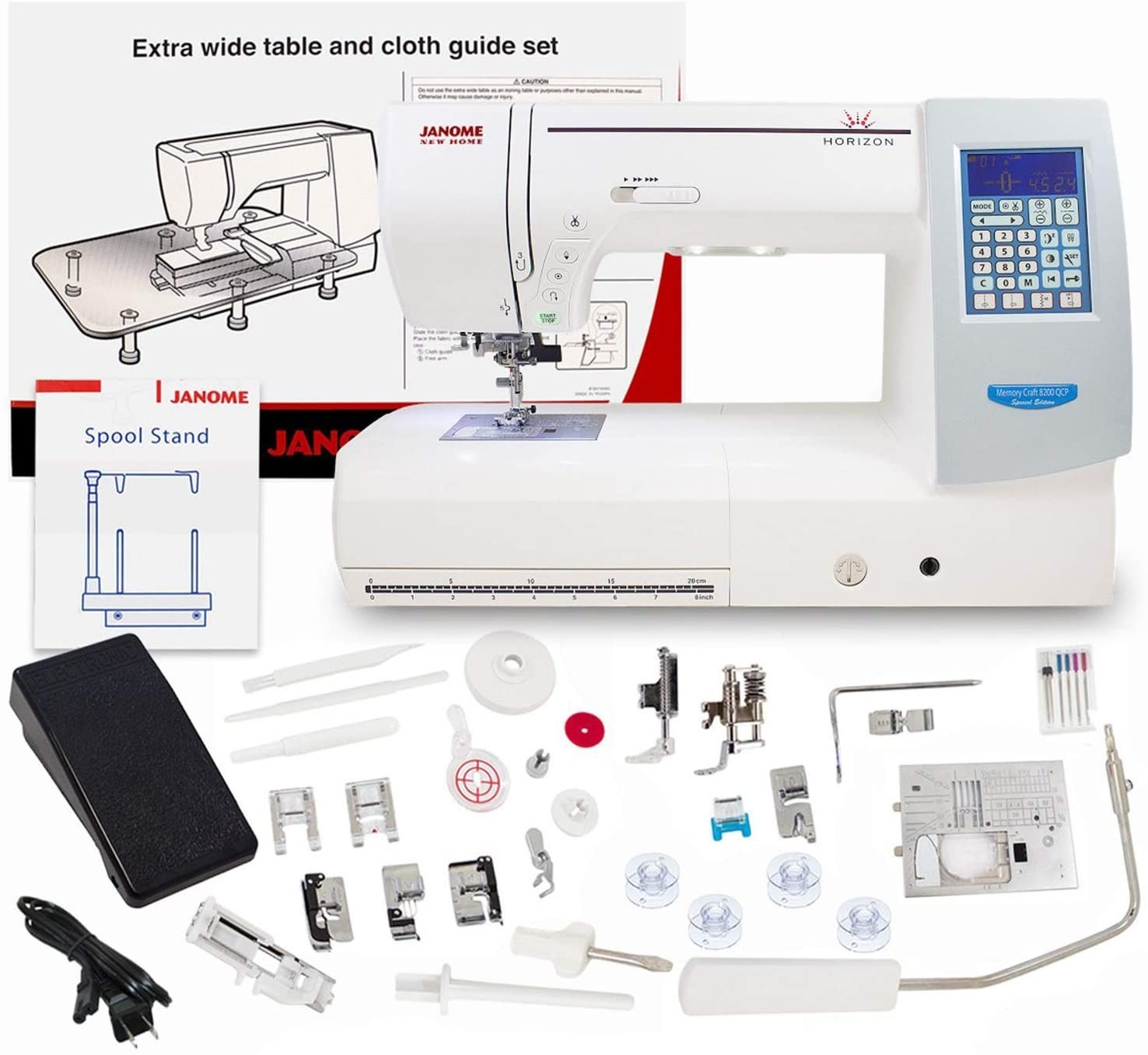 Janome 8200QCP Horizon Special Edition Quilting Sewing Machine Classroom Models$1,899.00Last checked Nov 18, 2026View on eBay
Highlights
- Motor architecture: brushed DC motors in entry portables deliver ~0.3-0.7 amps; walking-foot models like the Consew CP206RL use stronger gear-reduction drives for leather and canvas.
- Feed system: drop-feed with 4-6 point feed dogs suits cotton and knits; a walking foot (dual feed) is mandatory to prevent layer shift on vinyl, webbing, and quilt sandwiches.
- Stitch count: 12-30 built-in stitches covers utility and decorative work; more patterns add complexity without changing penetration force on heavy fabric.
- Frame and hook: metal internal frames with oscillating or rotary hooks outlast ABS-plastic chassis; a jammed plastic hook is the most common failure on budget portables.
Best use cases
- Best fit: apartment sewists doing mending, hemming, and light garment work should pick a mechanical 12-stitch portable with a metal frame and drop feed.
- Best fit: quilters and bag makers should choose a walking-foot portable (e.g., Consew CP206RL class) with a 1-amp or higher motor and clearance for layered batting.
- Wrong fit: shoppers sewing leather, canvas, or multi-layer webbing should skip toy-grade or all-plastic portables and buy a walking-foot or full-size industrial machine.
- Wrong fit: high-volume daily sewists should skip 5-pound micro portables; their small motors overheat and their limited throat space restricts larger projects.
Buying tips
- Match motor amperage to fabric: under 0.5 A for cotton and knits, 0.5-0.8 A for denim and canvas, 1 A or more for leather and walking-foot work.
- Check throat space: 5-6 inches of harp width suits sleeves and small bags; anything under 4 inches restricts quilting and garment construction.
- Confirm hook and bobbin type: a metal rotary hook with a standard 15-class bobbin is easier to source and more durable than proprietary plastic bobbins.
- Require a walking foot or dual-feed option if you sew vinyl, webbing, or quilt sandwiches; drop feed alone causes layer shift and skipped stitches.
Specs
| Motor Type | Brushed DC vs walking-foot gear drive |
|---|---|
| Feed System | Drop feed vs walking foot (dual feed) |
| Stitch Count | 12-30 built-in utility/decorative |
| Frame & Hook | Metal frame + rotary/oscillating hook |
Related searches
What to check before buying
- Measure your table or workspace: portables weigh 5-15 pounds and need a stable surface at least 18 inches wide during operation.
- Verify voltage and plug: 120 V US models require a standard NEMA 1-15 outlet; 220-240 V units need a step-down converter for US use.
- Check accessory compatibility: confirm the machine accepts standard snap-on presser feet and 15-class bobbins before buying proprietary accessories.
- Plan for storage: hard-shell cases or built-in handles matter if the machine travels; open-arm portables without a case are easy to damage in transit.
FAQ
Data sources: eBay / Amazon listings and product attribute feeds. Updated Nov 27, 2026.
Some links on this page are affiliate links. If you buy after clicking one, we may earn a commission at no extra cost to you. This does not change which products appear here or their order. Affiliate disclosure.