
Photos from current listings. Actual item, color, and included accessories may vary.
Sewing Machine Buying Guide
Sewing machines span mechanical, computerized, and serger architectures that determine stitch range, speed, and fabric capability. The core trade-off is motor and frame rigidity versus stitch-electronics complexity: mechanical units excel at thick seams with serviceable parts, while computerized models add decorative stitches but can limit heavy-fabric work. Decide by fabric weight and stitch needs: if you sew denim, canvas, or multiple layers, prioritize a metal-frame mechanical with high presser-foot lift; if you need decorative stitches and repeatability, choose computerized with at least 60 stitches and speed control.
Median $144.99
Key takeaways
- Mechanical machines use metal or nylon gears and direct speed control; computerized models use stepper motors and circuit boards for stitch patterns, adding failure points but repeatable decorative stitching.
- Sergers run 2/3/4-thread configurations at up to 1,250 SPM with differential feed; sewing machines top out around 800–1,100 SPM and rely on presser-foot lift and needle plate markings.
- Throat space (5 in standard, 7+ in quilting) determines whether you can roll a queen quilt through the harp; quilters need 7+ in and an extension table.
At a glance
- Category
- Sewing & Quilting Machines
- Last updated
- Nov 27, 2026
Current offers
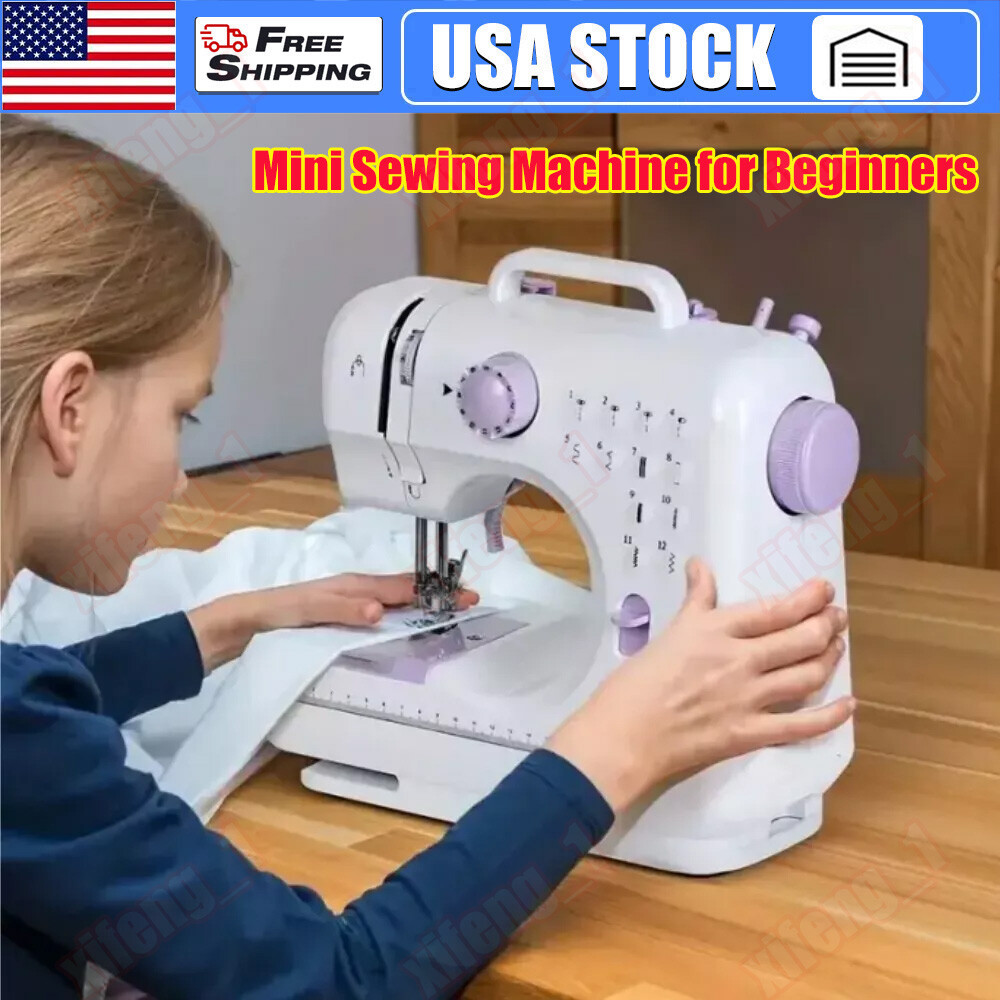 Electric Sewing Machine Portable Crafting Mending Machine 12 Built-In Stitches$32.98View on eBay
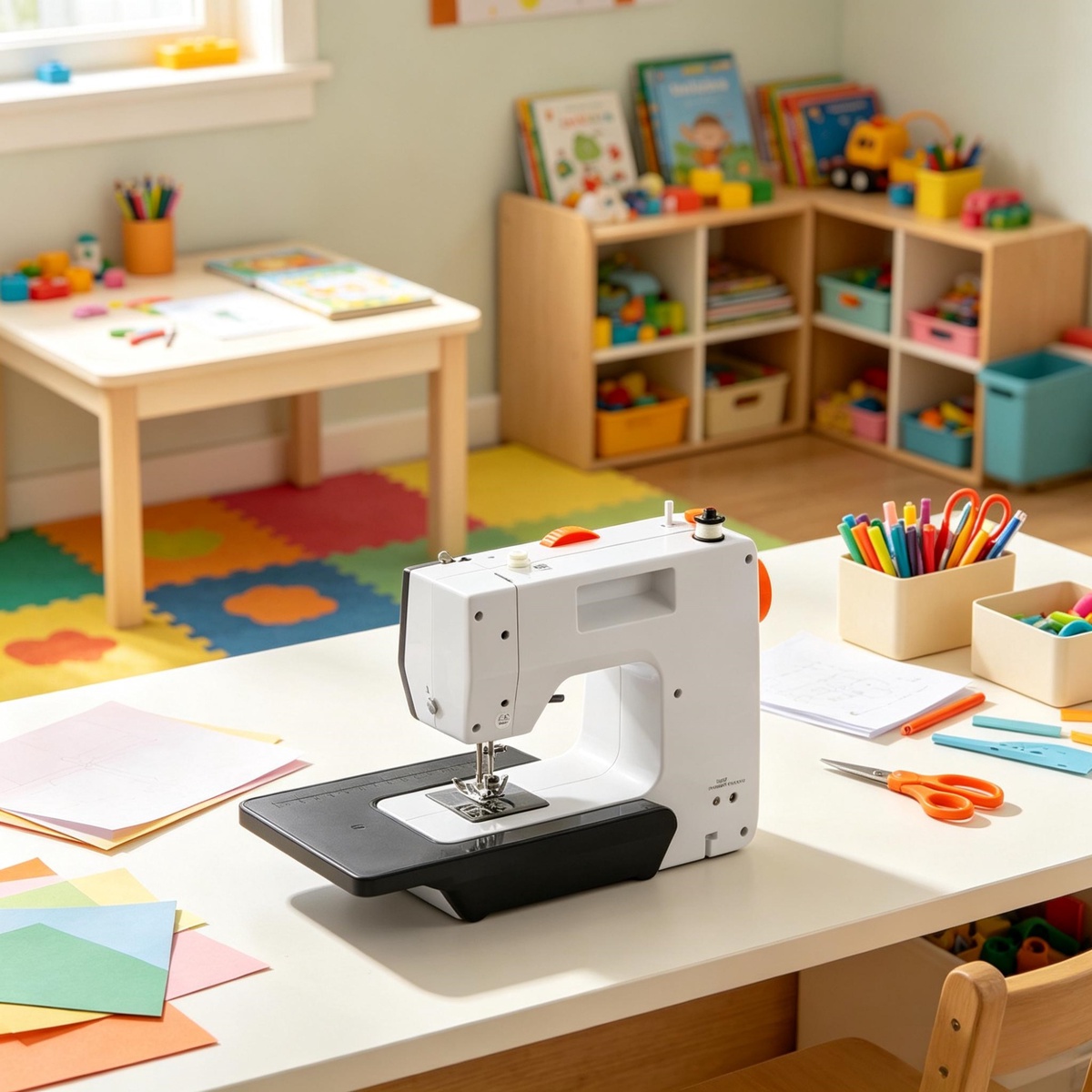 Beginner Portable Sewing Machine, 38 Built-in Stitches & Reverse Dual Speed Control with Extension Table and Foot Pedal$158.99View on Mallflare
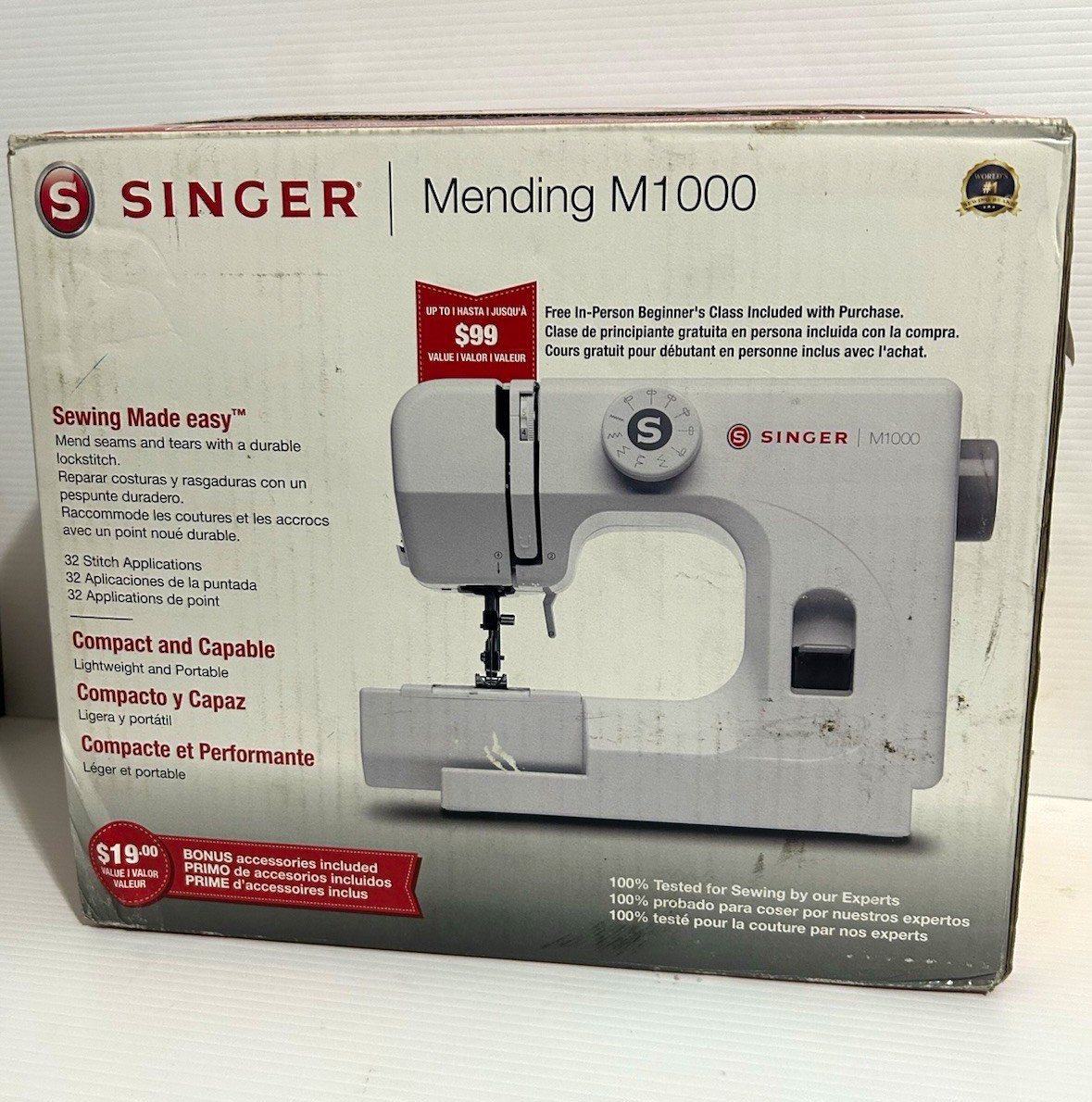 SINGER M1000 Portable Electric Household Sewing Machine (120V) White$60.00View on eBay
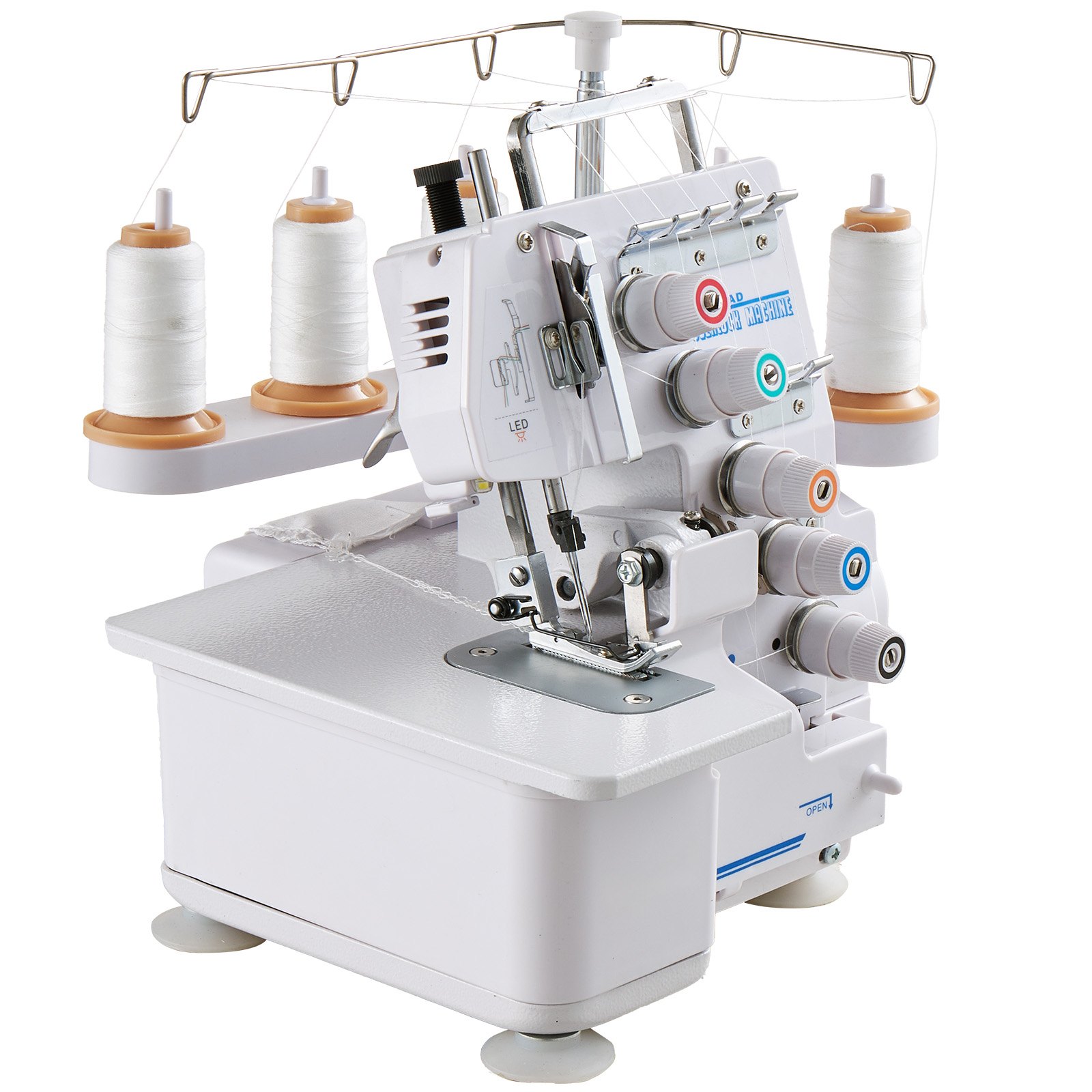 Serger Overlock Sewing Machine, 1250 Stitches Per Minute, 2-3-5 Thread Capability, With LED Light And Strong Suction Feet, Heavy-Duty Metal Frame For Various Fabrics, White$221.99View on Mallflare
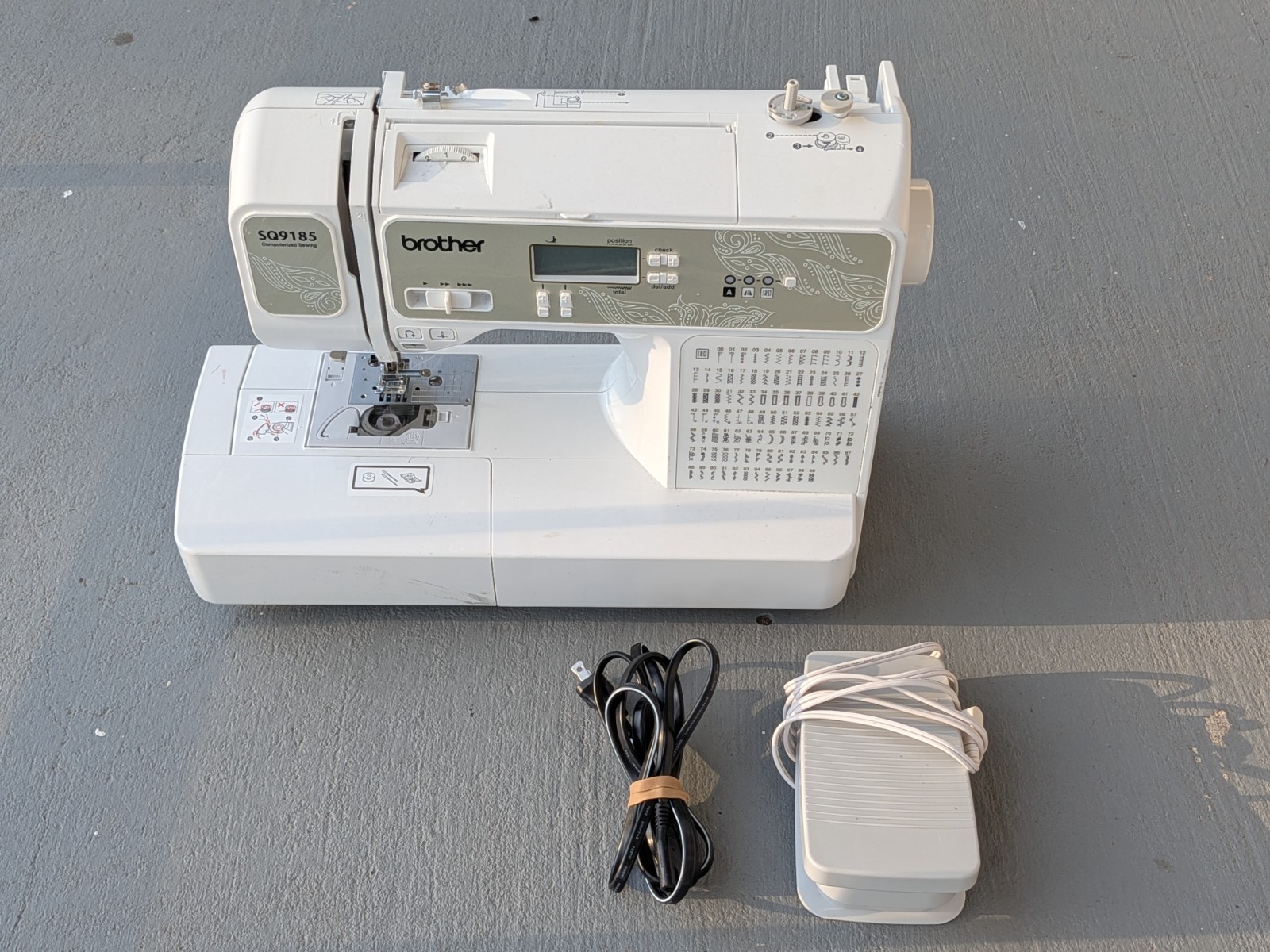 Brother SQ9185 Computerized Sewing Machine w/ Foot Pedal & Power Cord Tested$69.99View on eBay
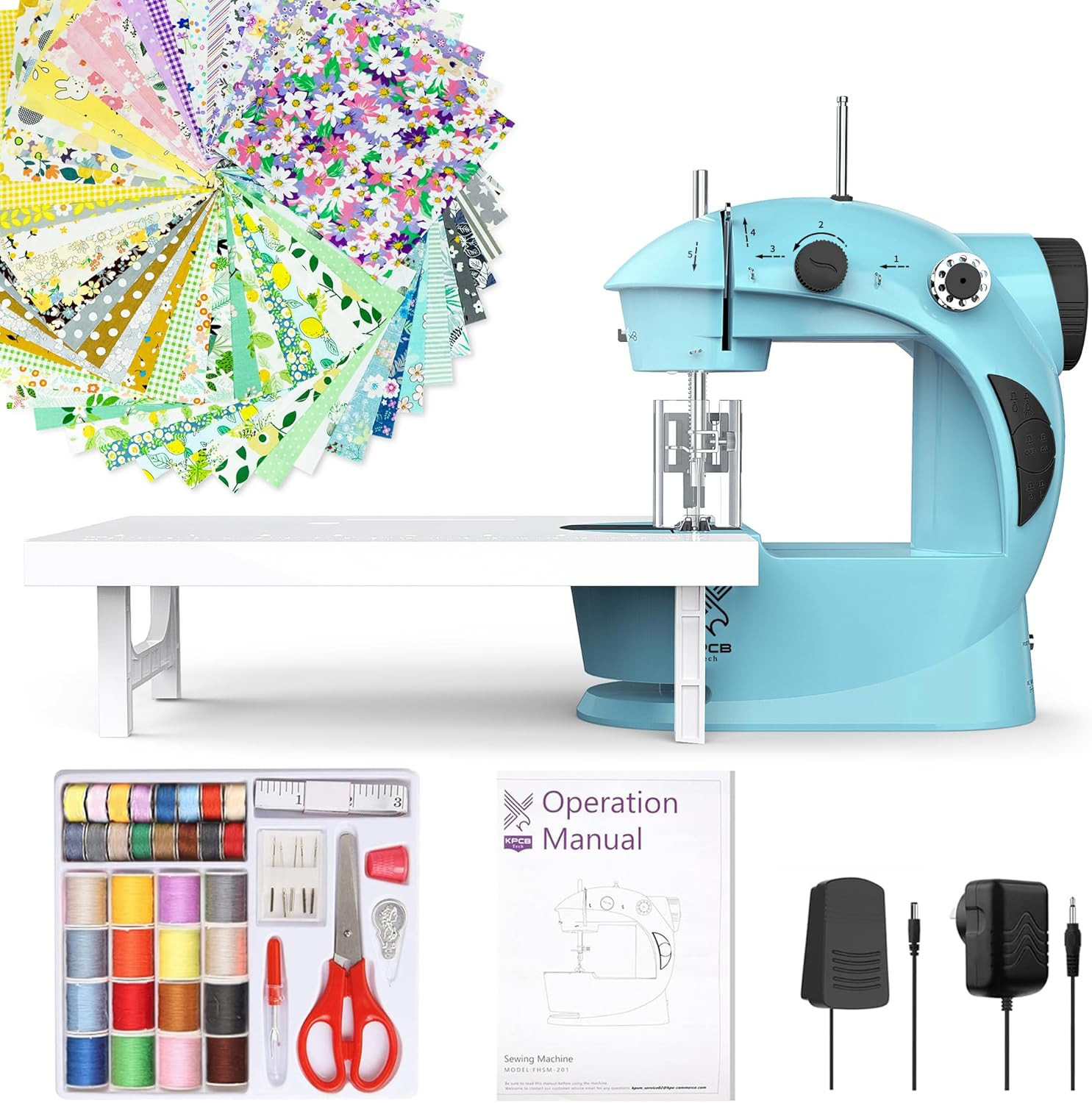 Sewing Machine for Beginners [Full Set] with Finger Guard and Fabric Bundles$83.99View on eBay
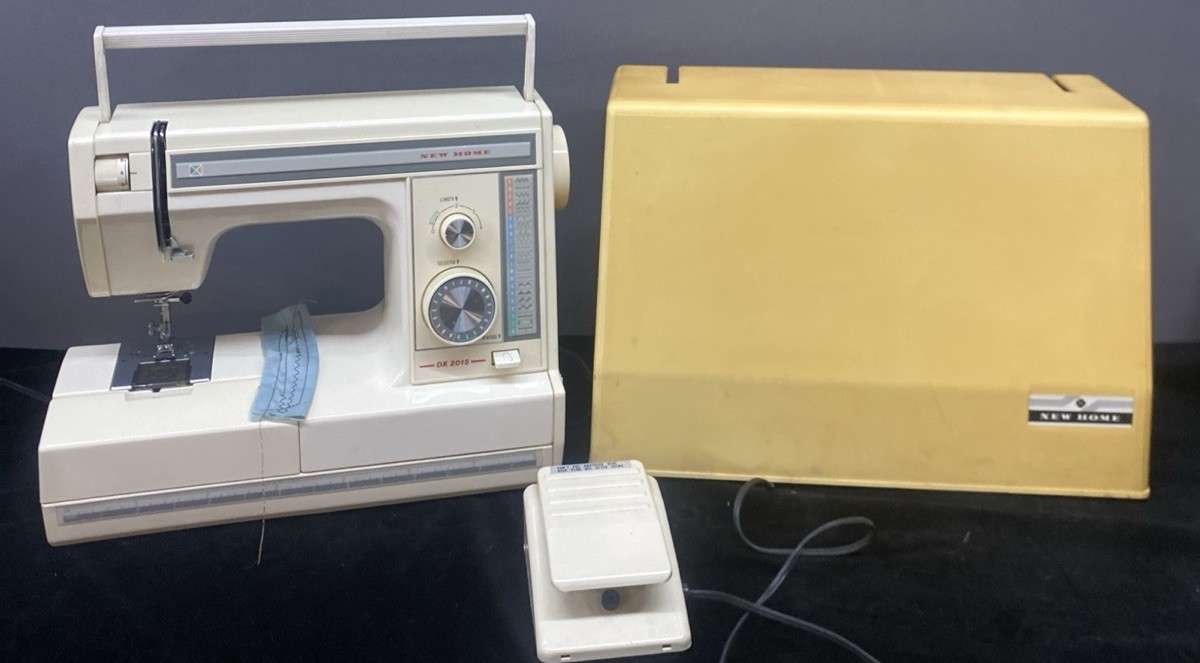 NEW HOME DX 2015 Sewing Machine With Cover And Pedal Tested And Working$123.01View on eBay
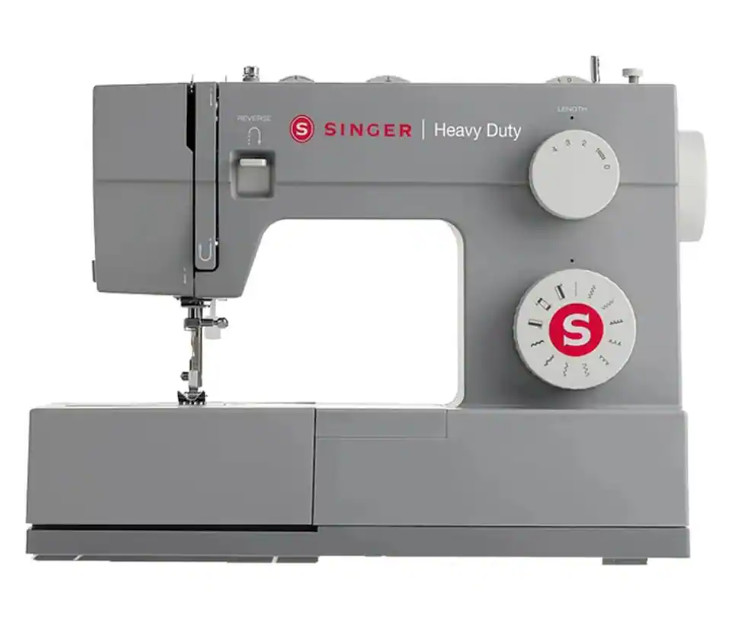 Singer - 4411 Heavy Duty Sewing Machine - Gray, NEW$129.95View on eBay
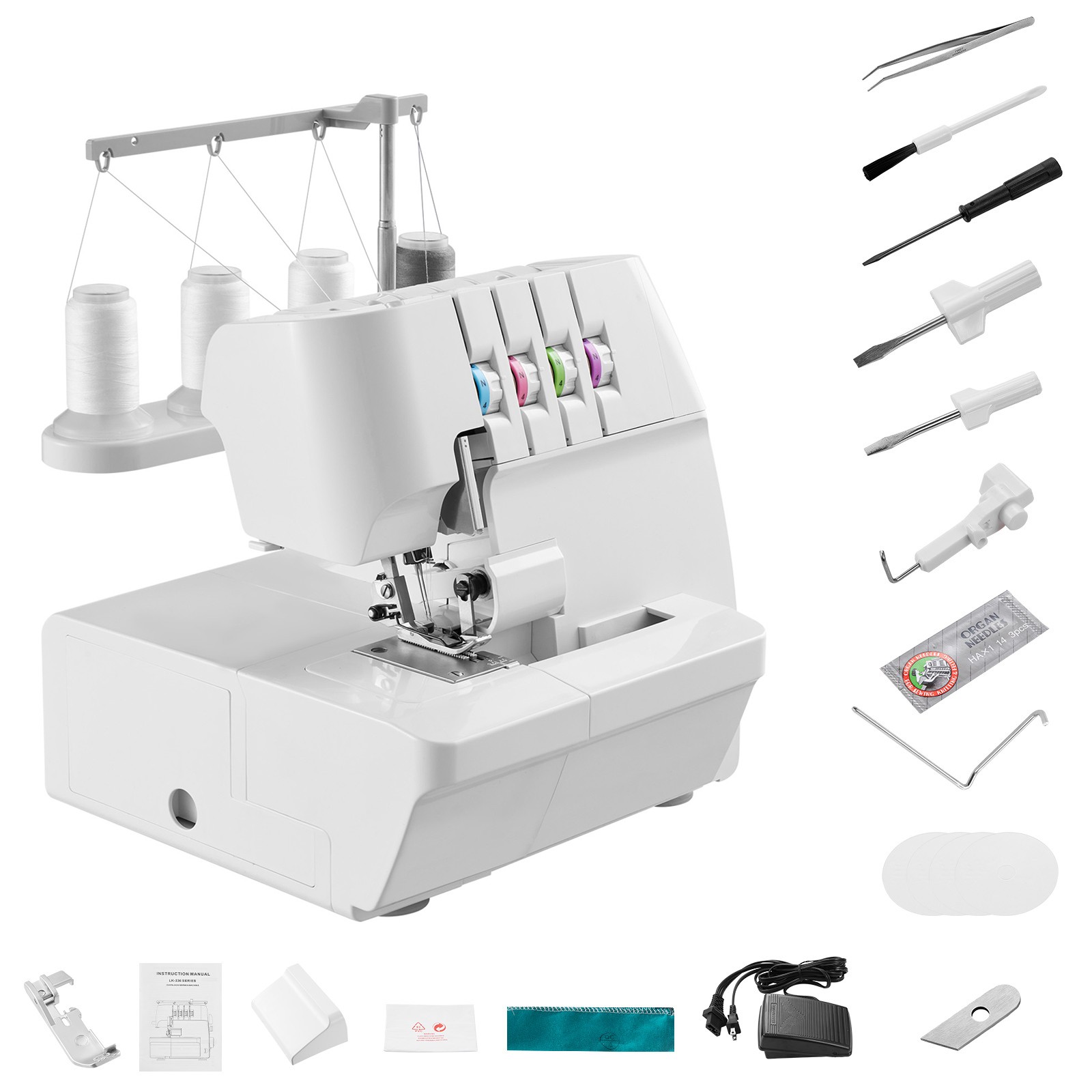 Uimoso Serger Overlock Sewing Machine with 2-3-4 Thread Options, 1250 SPM$144.99View on eBay
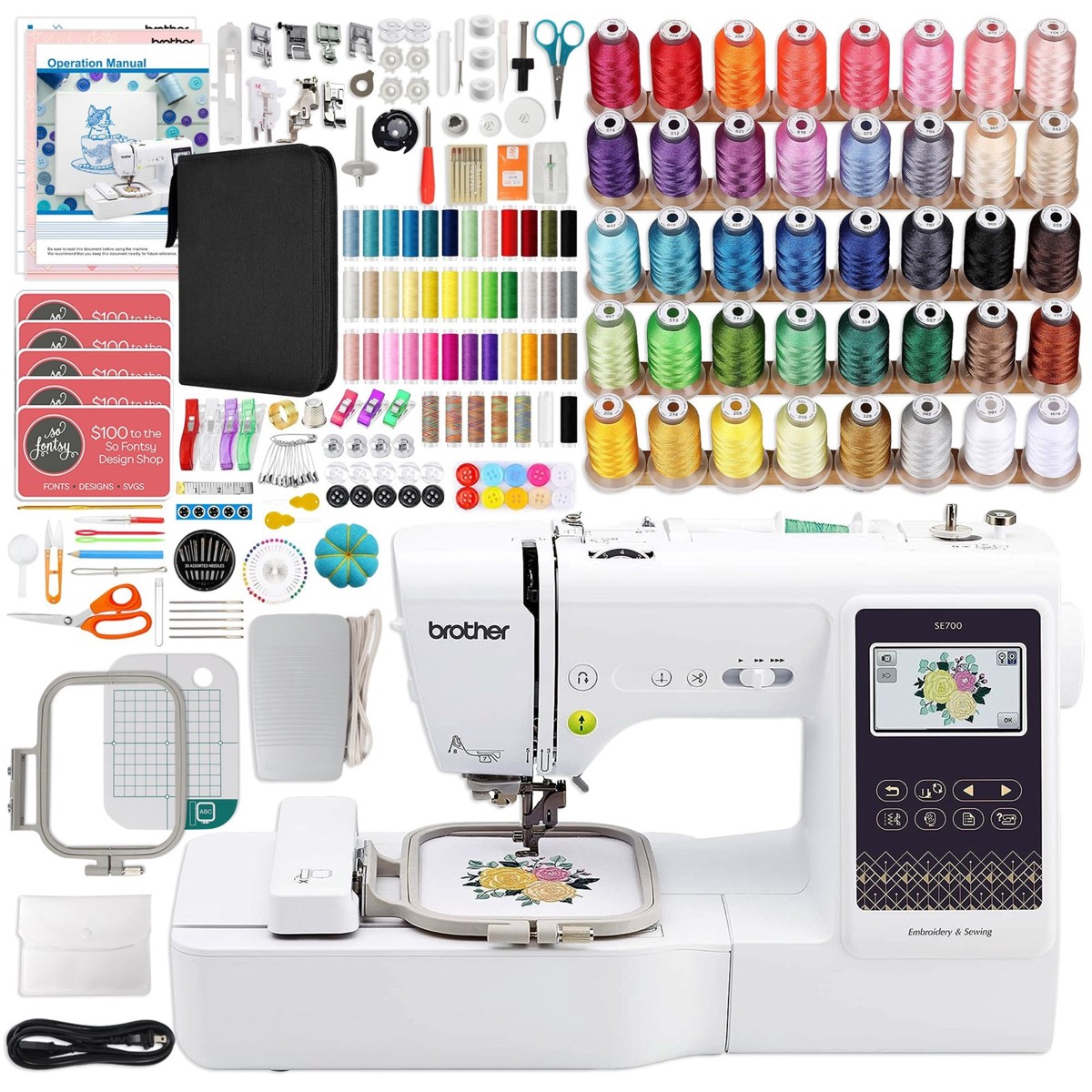 Brother SE700 Embroidery & Sewing Machine w/ 83 Spools & 200+ Accessories$579.99Last checked Nov 17, 2026View on eBay
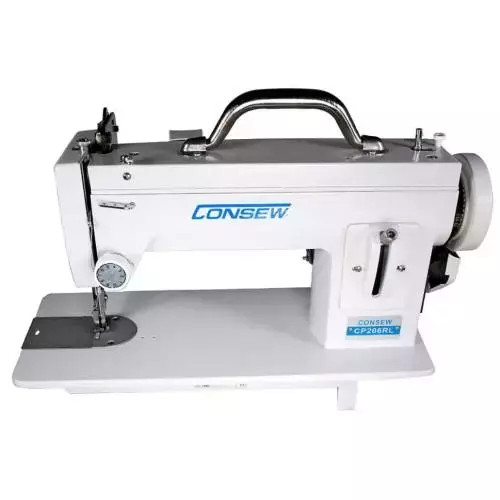 *New* Consew CP206RL Portable Walking Foot Sewing Machine FREE SHIPPING$649.95Last checked Nov 17, 2026View on eBay
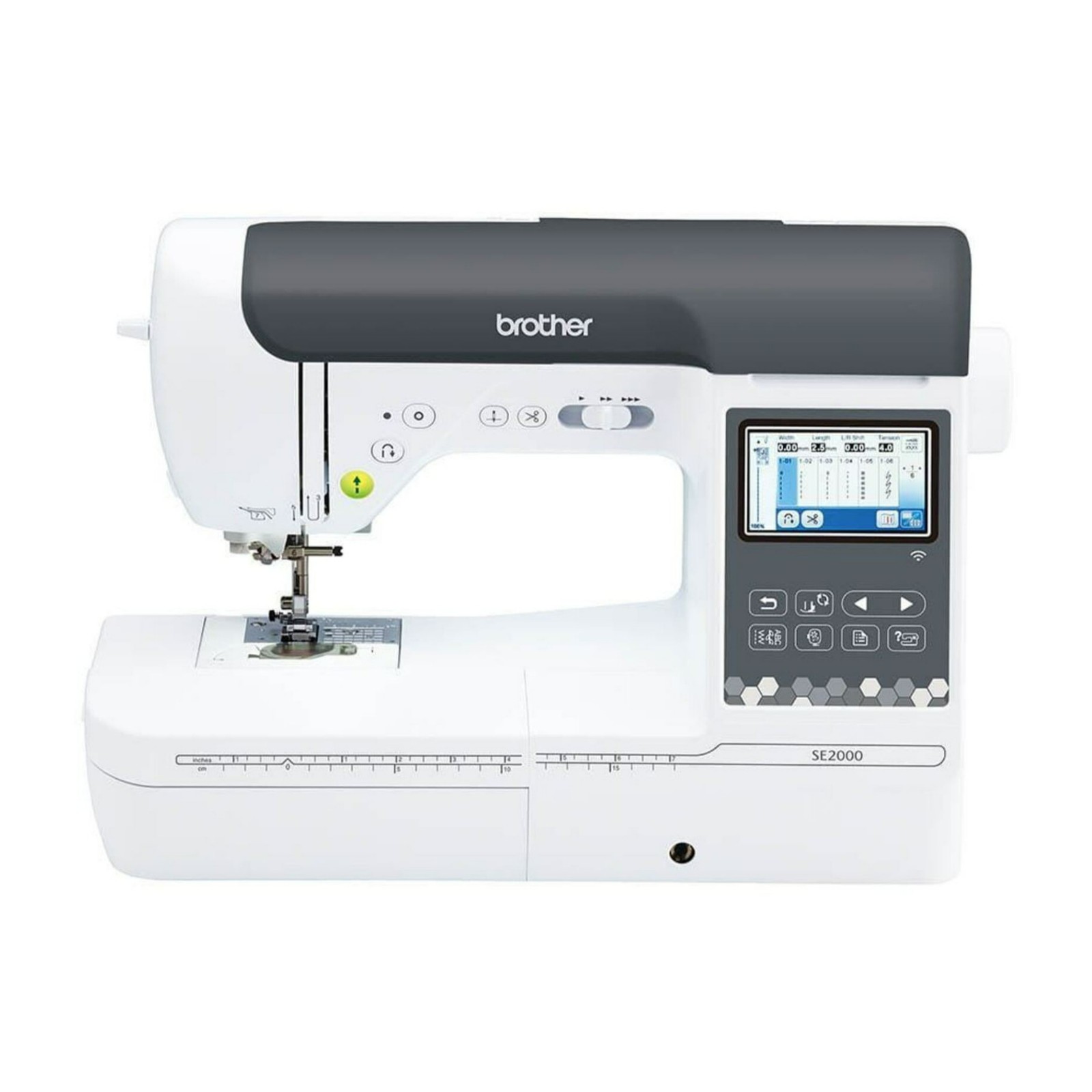 Brother SE2000 Computerized Sewing and Embroidery Machine LCD Display$1,499.99Last checked Nov 18, 2026View on eBay
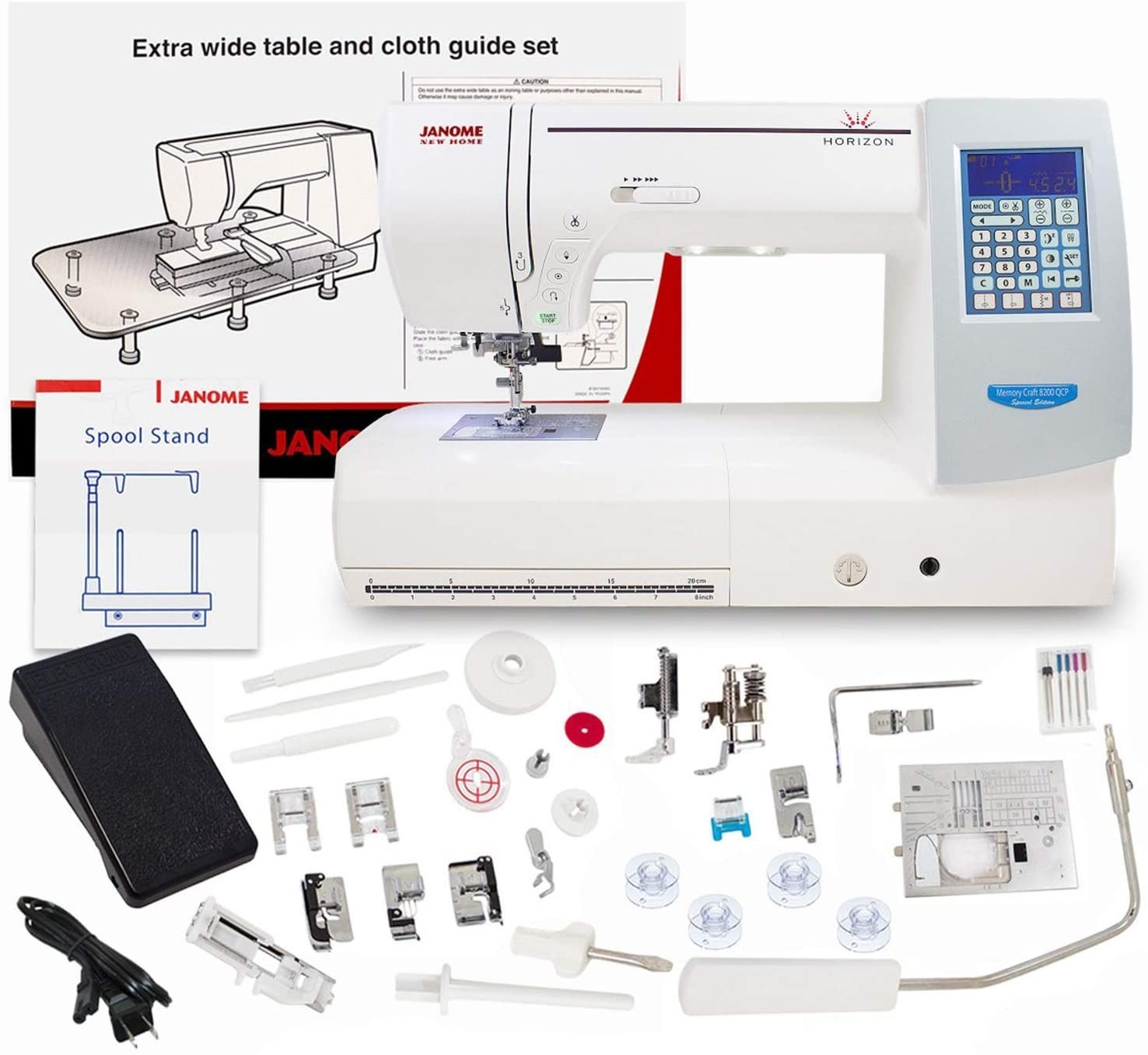 Janome 8200QCP Horizon Special Edition Quilting Sewing Machine Classroom Models$1,899.00Last checked Nov 18, 2026View on eBay
Highlights
- Mechanical machines use metal or nylon gears and direct speed control; computerized models use stepper motors and circuit boards for stitch patterns, adding failure points but repeatable decorative stitching.
- Sergers run 2/3/4-thread configurations at up to 1,250 SPM with differential feed; sewing machines top out around 800–1,100 SPM and rely on presser-foot lift and needle plate markings.
- Throat space (5 in standard, 7+ in quilting) determines whether you can roll a queen quilt through the harp; quilters need 7+ in and an extension table.
- Heavy-duty models specify metal interior frames and higher presser-foot lift (often 6 mm+) versus entry-level plastic-frame machines with 4–5 mm lift that struggle over denim cross-seams.
Best use cases
- Best for garment alterations and home decor: pick a mechanical 12–20 stitch machine with metal frame and adjustable presser-foot pressure; skip mini/portable units with fixed pressure for anything beyond lightweight cotton.
- Best for quilting: choose a computerized or mechanical model with 7+ in throat space, needle-down position, and speed control; skip standard 5 in throat machines for queen-size quilts.
- Best for denim, canvas, and layered seams: select a heavy-duty mechanical with high presser-foot lift and a walking-foot or even-feed option; skip 12-stitch budget portables and sergers for main seams.
- Best for finishing edges and knits: a 2/3/4-thread serger at 1,250 SPM with differential feed; skip sergers if you need buttonholes, zippers, or decorative topstitching—they cannot replace a sewing machine.
Buying tips
- Match motor and frame to fabric: metal-frame mechanical with at least 850 SPM and 6 mm presser-foot lift for denim; plastic-frame portables are for light cotton and mending only.
- For quilting, require 7+ in throat space and an included extension table; 5 in standard throat space cannot handle rolled queen quilts without bunching.
- Count stitches by task: 12–20 basic stitches cover garments and home decor; 60+ decorative stitches on computerized models add monograms and appliqué but not heavy-fabric capability.
- Serger thread count matters: 4-thread for durable overlock on wovens, 3-thread for knits and rolled hems, 2-thread for narrow rolled edges; confirm differential feed ratio for stretch fabrics.
Specs
| Machine Type | Mechanical / Computerized / Serger |
|---|---|
| Stitch Count | 12–20 basic / 60+ decorative |
| Max Speed | 800–1,100 SPM sewing; 1,250 SPM serger |
| Throat Space | 5 in standard / 7+ in quilting |
Related searches
What to check before buying
- Measure your workspace and table height: sewing machines need stable, level surface with clearance for the arm; sergers need extra side clearance for thread stands and waste bins.
- Confirm voltage and plug standard: 120V US models require grounded outlet; 220–240V units need step-down converter or local plug adapter.
- Check bobbin and needle system compatibility: front-loading versus top-drop bobbins and needle type (universal, denim, stretch) must match your fabric and machine class.
- Verify companion parts: foot pedal, power cord, bobbin case, and presser feet (zipper, buttonhole, walking) are often sold separately on used and mini machines.
FAQ
Data sources: eBay / Amazon listings and product attribute feeds. Updated Nov 27, 2026.
Some links on this page are affiliate links. If you buy after clicking one, we may earn a commission at no extra cost to you. This does not change which products appear here or their order. Affiliate disclosure.