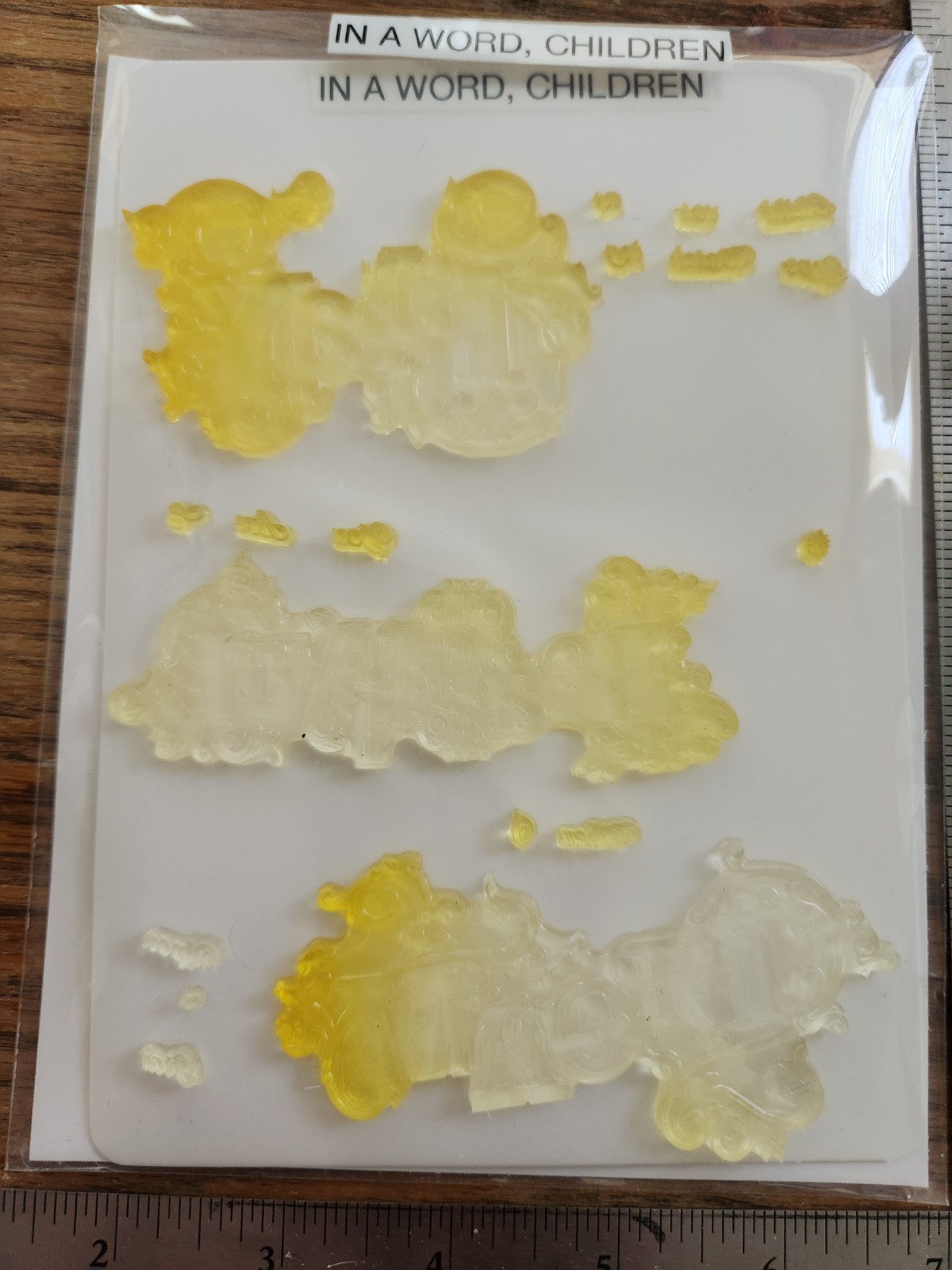

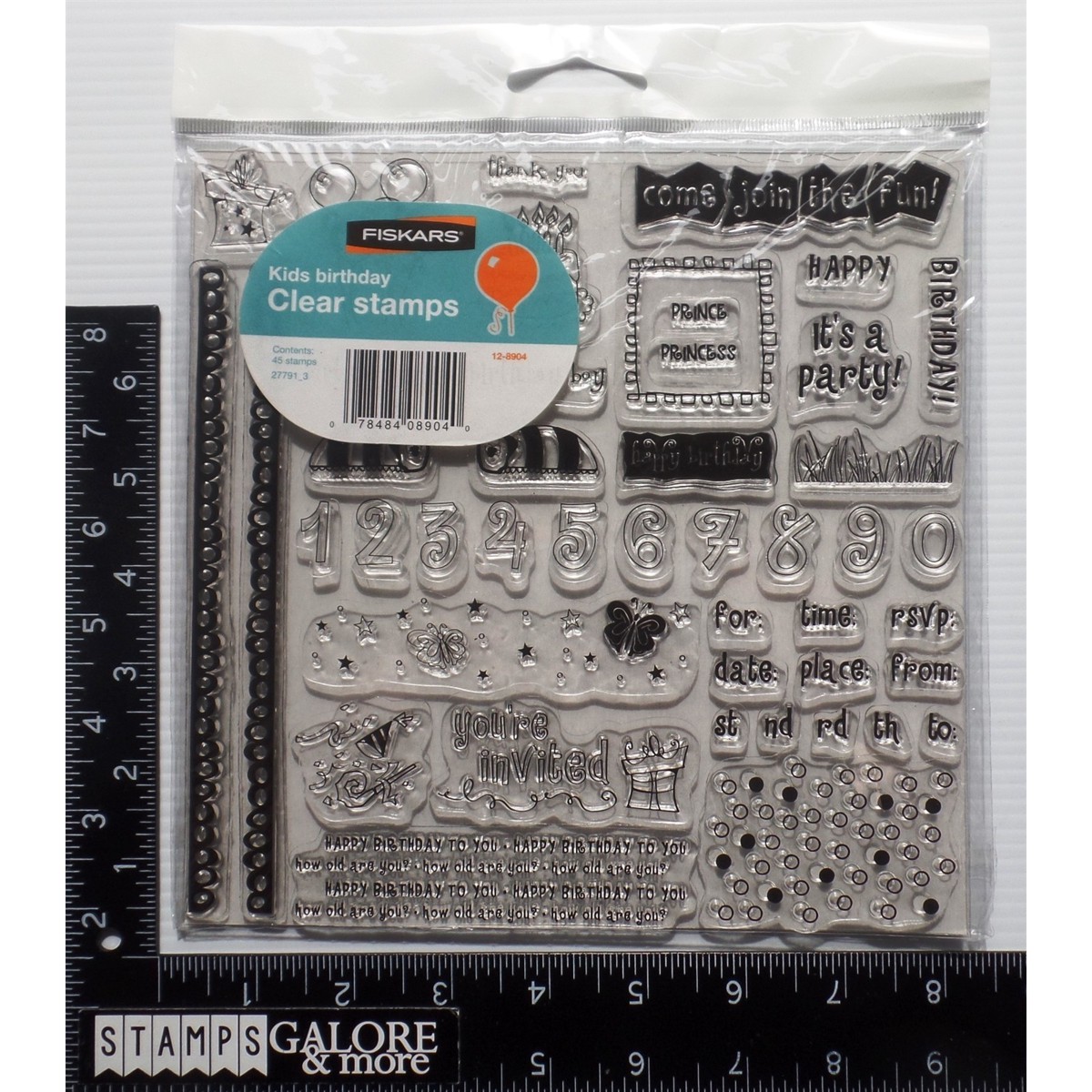
Photos from current listings. Actual item, color, and included accessories may vary.
Clear Stamp Buying Guide
Clear stamps are photopolymer or silicone stamps that adhere to acrylic blocks, offering precise placement and easy storage for card making and paper crafts. The key trade-off is polymer quality vs. price: premium clear photopolymer yields crisp, durable impressions, while cheap silicone or PVC stamps can tear, yellow, or smear. Choose photopolymer (often laser-engraved) for repeated fine-detail work, and avoid unbranded silicone sets if you need longevity.
Median $3.22
Key takeaways
- Photopolymer vs. silicone: photopolymer resists yellowing and holds fine lines under 1mm; silicone is softer but prone to tearing and ink beading.
- Laser-engraved vs. molded: engraved photopolymer stamps produce sharper edges and deeper detail than molded silicone, especially on text and thin-line images.
- Stamp sheet thickness: 2–3mm photopolymer is standard for acrylic-block cling; thinner sheets (<1.5mm) may not adhere reliably and can distort.
At a glance
- Category
- Stamping, Embossing & Kids' Crafts
- Last updated
- Nov 28, 2026
Current offers
Highlights
- Photopolymer vs. silicone: photopolymer resists yellowing and holds fine lines under 1mm; silicone is softer but prone to tearing and ink beading.
- Laser-engraved vs. molded: engraved photopolymer stamps produce sharper edges and deeper detail than molded silicone, especially on text and thin-line images.
- Stamp sheet thickness: 2–3mm photopolymer is standard for acrylic-block cling; thinner sheets (<1.5mm) may not adhere reliably and can distort.
- Acrylic block compatibility: stamps must be cling-mount (static-cling) or low-tack adhesive-backed; wood-mount stamps won't work without conversion.
Best use cases
- Best fit: card makers needing precise alignment and fine text — choose laser-engraved photopolymer sets with a clear backing sheet.
- Best fit: kids' crafts and quick projects — pick larger, simpler silicone or photopolymer stamps with bold shapes and fewer tiny details.
- Wrong fit: high-volume production stamping — skip thin silicone stamps; invest in deep-etch photopolymer or red rubber for durability.
- Wrong fit: mixed-media with heavy texture paste — avoid clear stamps entirely; use stencils or foam stamps that tolerate thick media.
Buying tips
- Choose photopolymer over silicone for any stamp with text or lines thinner than 1mm; silicone rounds off fine detail.
- Match stamp size to block: stamps larger than 4x6 inches need a correspondingly large acrylic block or stamp positioner for even pressure.
- Check cling type: static-cling stamps work on smooth acrylic; low-tack adhesive stamps need a clean, dry block and lose tack over time.
- For kids, select stamps with rounded corners and non-toxic, solvent-free ink; avoid sets with loose micro-parts under 3cm.
Specs
| Material | Photopolymer / Silicone / Rubber |
|---|---|
| Mount Type | Cling / Adhesive-backed / Wood |
| Detail Level | Fine-line (<1mm) to bold shapes |
| Sheet Size | 2x3 in to 8x10 in |
Related searches
What to check before buying
- Measure your acrylic block: ensure the stamp sheet fits within block dimensions with at least 1cm border for even pressure.
- Confirm ink compatibility: water-based dye inks work with photopolymer; pigment inks need heat-setting on porous paper.
- Check storage environment: store photopolymer away from direct sunlight and heat to prevent yellowing and distortion.
- Verify stamp backing: cling stamps need a smooth, clean acrylic surface; textured or scratched blocks reduce adhesion.
FAQ
Data sources: eBay / Amazon listings and product attribute feeds. Updated Nov 28, 2026.
Some links on this page are affiliate links. If you buy after clicking one, we may earn a commission at no extra cost to you. This does not change which products appear here or their order. Affiliate disclosure.