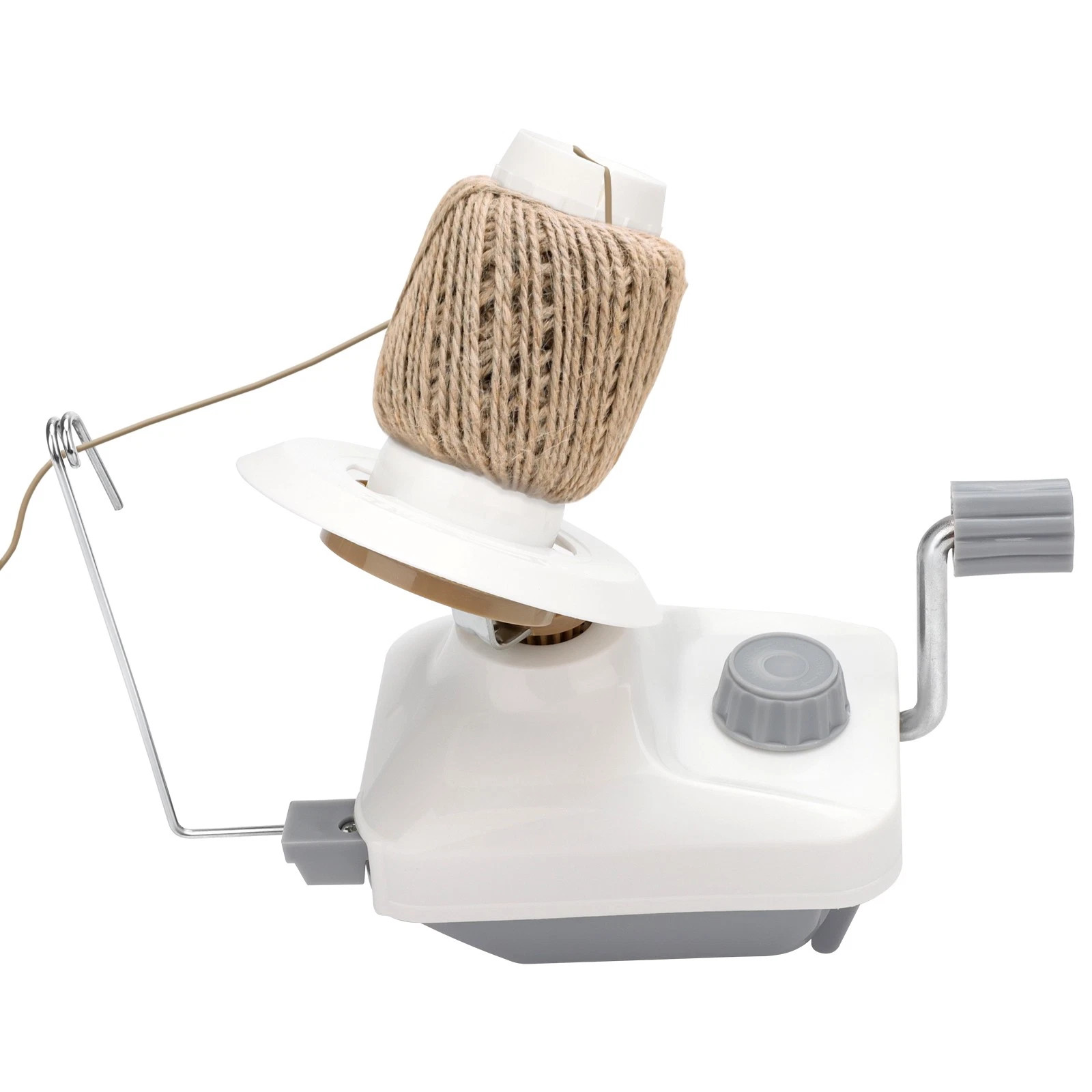

Photos from current listings. Actual item, color, and included accessories may vary.
Heavy Duty Yarn Winder Buying Guide
A heavy duty yarn winder is a mechanical tool built to wind large yarn quantities into consistent cakes without flexing, jamming, or stripping its gears. The core trade-off is between reinforced metal gearing and frame rigidity versus plastic components that wear out under high-tension or bulky-weight yarns. The decision rule is simple: if you regularly wind full skeins, bulky weight, or more than a few hundred grams at a time, buy a metal-geared winder with a clamped or bolted base; plastic-geared winders are only for light, occasional use with fingering-weight yarn.
Median $35.00
Key takeaways
- Metal internal gears (steel or brass) versus nylon/plastic gears is the single biggest durability divider; plastic teeth strip under high tension or when the yarn cake jams against the guide.
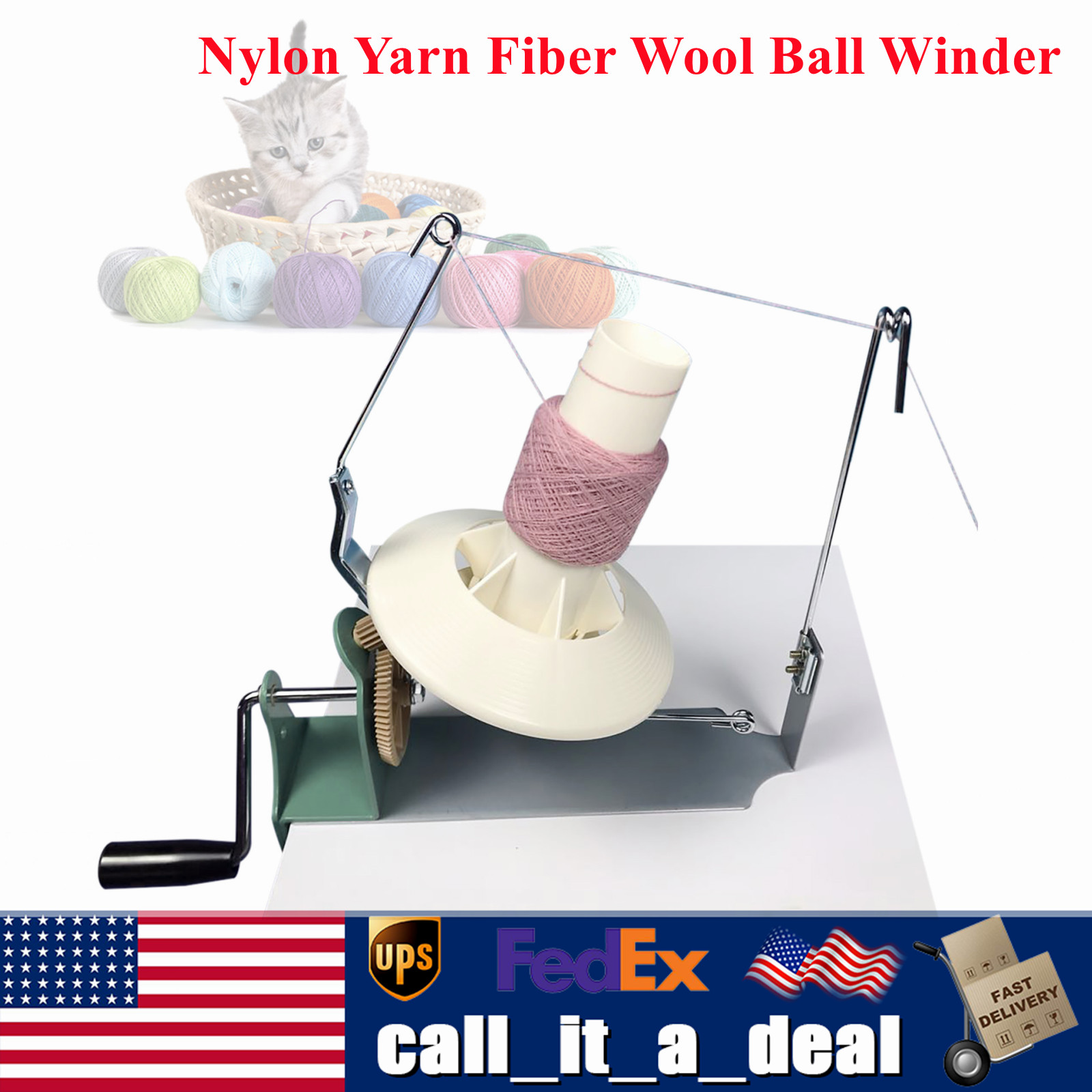
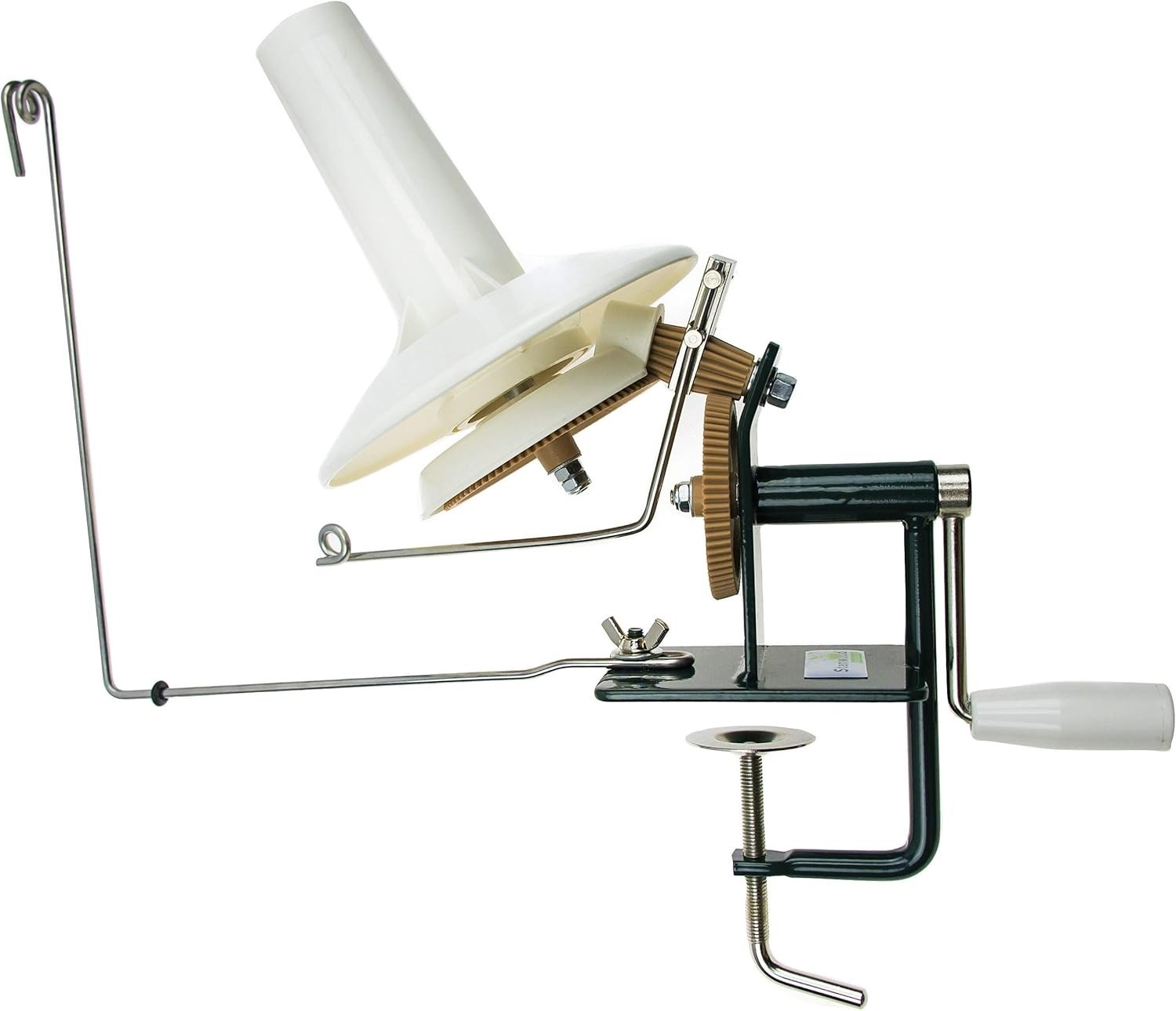
- A table clamp with a wide throat and rubber padding prevents the winder from tipping or walking during high-speed winding; bolt-mount bases are stronger but require a dedicated surface.
- Yarn guide arm design matters: a smooth, wide-travel guide with a roller or ceramic eye reduces friction and keeps tension even across the cake, especially with fuzzy or thick yarns.
At a glance
- Category
- Yarn Winders & Project Bags
- Last updated
- Nov 27, 2026
Current offers
Highlights
- Metal internal gears (steel or brass) versus nylon/plastic gears is the single biggest durability divider; plastic teeth strip under high tension or when the yarn cake jams against the guide.
- A table clamp with a wide throat and rubber padding prevents the winder from tipping or walking during high-speed winding; bolt-mount bases are stronger but require a dedicated surface.
- Yarn guide arm design matters: a smooth, wide-travel guide with a roller or ceramic eye reduces friction and keeps tension even across the cake, especially with fuzzy or thick yarns.
- Winding capacity is rated by cake diameter and weight; heavy duty models typically handle 200–500 g cakes and 4–6 inch diameters, while light models max out around 100 g.
Best use cases
- Best fit: winding full 100 g skeins of worsted or bulky yarn into center-pull cakes for frequent project use—choose a metal-geared winder with a clamp and a wide guide arm.
- Wrong fit: winding a single 50 g ball of laceweight once a month—a plastic-geared hand winder or a simple nostepinne is sufficient and costs far less.
- Best fit: winding large quantities (multiple skeins at once) for dyeing, storage, or machine knitting—pick a winder rated for 500 g cakes with a bolt-down or heavy clamp base and a metal crank handle.
- Wrong fit: using a lightweight plastic winder on a glass or thin table—the clamp can crack the surface or the winder will wobble; choose a freestanding or bolted model instead.
Buying tips
- Match winder capacity to your typical yarn weight: fingering/sport needs 100–150 g capacity; worsted/aran needs 200–300 g; bulky/chunky needs 400–500 g and a reinforced frame.
- Check the gear material explicitly—look for 'metal gears' or 'steel gears' in the spec; nylon gears are a downgrade even if the frame is metal.
- Measure your table edge thickness before buying a clamp-on model: most clamps open to 1.5–2 inches, so thick benches or rounded edges require a bolt-mount or freestanding base.
- Prefer a winder with a removable or replaceable yarn guide arm; a fixed plastic guide is a common failure point and cannot be upgraded.
Specs
| Gear Material | Metal (steel/brass) vs plastic |
|---|---|
| Cake Capacity | 100–500 g / 4–6 in diameter |
| Mount Type | Table clamp vs bolt-down base |
| Yarn Guide | Wide-travel roller/ceramic vs fixed plastic |
Related searches
What to check before buying
- Measure your mounting surface: tabletop thickness (clamp throat) and stability—a heavy duty winder exerts leverage and needs a solid, non-flexing edge.
- Confirm the winder's cake diameter and weight rating against your largest typical skein; winding beyond the rating strains gears and frame.
- Check the crank handle ergonomics and whether it is metal or plastic; plastic cranks crack under torque, especially with bulky yarn.
- Verify the winder ships with a clamp or mounting hardware; some models require a separate bolt-down kit or a specific table lip.
FAQ
Data sources: eBay / Amazon listings and product attribute feeds. Updated Nov 27, 2026.
Some links on this page are affiliate links. If you buy after clicking one, we may earn a commission at no extra cost to you. This does not change which products appear here or their order. Affiliate disclosure.