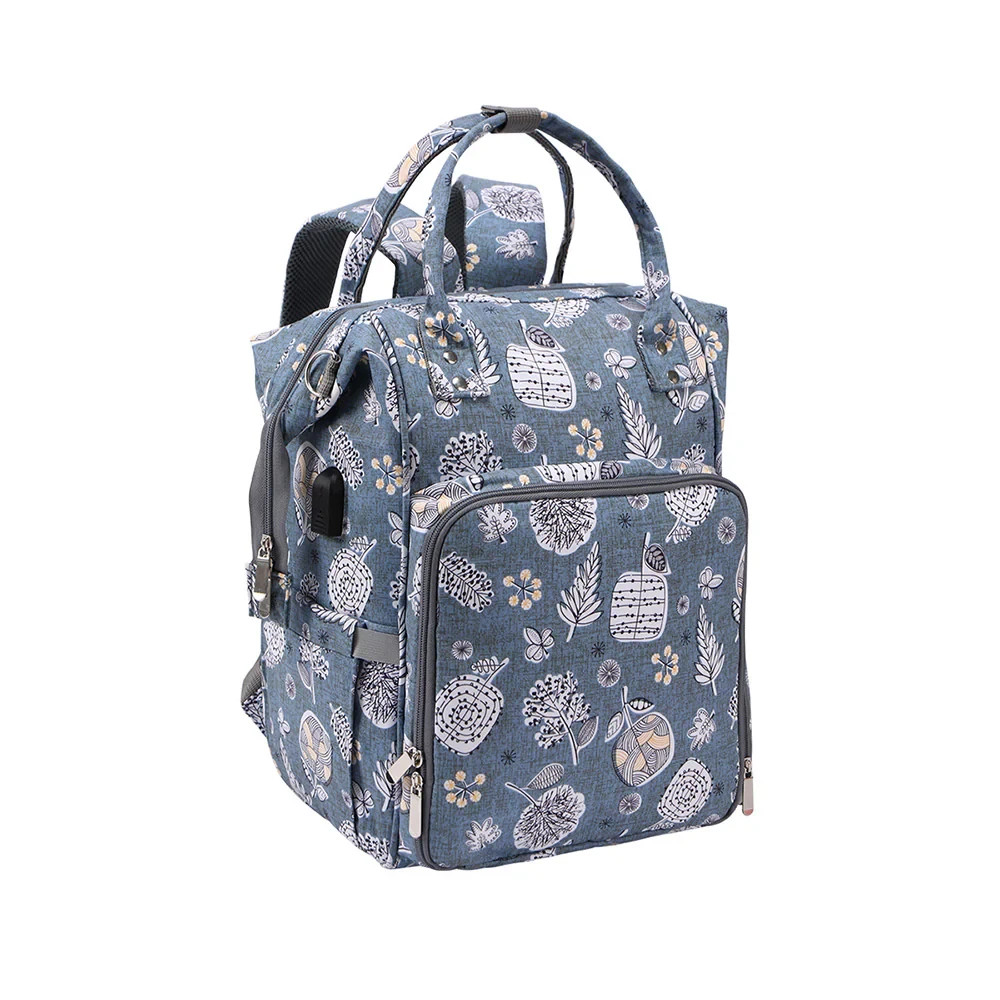

Photos from current listings. Actual item, color, and included accessories may vary.
Yarn Bag Buying Guide
A yarn bag only earns its keep if it holds your working skeins, needles, and notions without collapsing or tangling. Most buyers pick a tote that is too floppy for upright yarn feeding or too small for a full project, so prioritize stand-up structure and real compartment depth over decorative prints.
Bag Structure:Rigid base tote vs soft zippered pouchYarn Feed:Grommet holes vs open-top vs noneShell Material:600D polyester / waxed canvas / cottonCompartment Layout:Divided multi-skein vs single compartment
Typical price range$29.99
Key takeaways
- Rigid or semi-rigid base and side panels keep the bag upright so skeins feed cleanly without rolling under the couch.
- Exterior yarn grommets or buttoned feed holes allow continuous strand tension while the project stays zipped inside.
- 600D polyester or heavy canvas shells resist snags from needles and hooks far better than thin nylon or nonwoven fabric.
At a glance
- Category
- Yarn Winders & Project Bags
- Last updated
- Nov 28, 2026
Current offers
Highlights
- Rigid or semi-rigid base and side panels keep the bag upright so skeins feed cleanly without rolling under the couch.
- Exterior yarn grommets or buttoned feed holes allow continuous strand tension while the project stays zipped inside.
- 600D polyester or heavy canvas shells resist snags from needles and hooks far better than thin nylon or nonwoven fabric.
- Internal divider count and depth determine whether the bag holds one large blanket project or several small skeins organized by color.
Best use cases
- Choose a structured tote with grommet feed holes for crochet blankets and amigurumi where multiple skeins must stay untangled and upright.
- Pick a compact zippered project bag with a wrist strap for sock and lace knitting on commutes; skip oversized totes that swallow small WIPs.
- For a full sweater or large blanket WIP, select a deep bag with a flat reinforced base and at least four internal dividers; avoid soft drawstring sacks.
Buying tips
- Check base dimensions against your largest project: a sweater WIP needs roughly 14–16 inches of width and a flat bottom to sit stable.
- Prioritize 600D polyester or waxed canvas over thin cotton or nonwoven fabric, which snag on needles and sag under skein weight.
- Look for metal grommets or reinforced button holes rather than loose slits, which fray and let yarn escape within weeks.
- Avoid bags with only one open compartment for multi-skein projects; dividers or removable pouches prevent color mixing and tangles.
Specs
| Bag Structure | Rigid base tote vs soft zippered pouch |
|---|---|
| Yarn Feed | Grommet holes vs open-top vs none |
| Shell Material | 600D polyester / waxed canvas / cotton |
| Compartment Layout | Divided multi-skein vs single compartment |
Related searches
What to check before buying
- Measure your largest WIP and skein count, then confirm interior depth and divider count fit without compressing the project.
- Verify the bag base is flat and reinforced so it stands upright on carpet or a table while you pull yarn.
- Check the strap drop and handle attachment stitching; a loaded yarn bag can weigh several pounds and weak seams are the first failure point.
- Confirm zipper type and pull size—coil zippers with large pulls are easier to operate mid-project than tiny metal teeth.
FAQ
Data sources: eBay / Amazon listings and product attribute feeds. Updated Nov 28, 2026.
Some links on this page are affiliate links. If you buy after clicking one, we may earn a commission at no extra cost to you. This does not change which products appear here or their order. Affiliate disclosure.