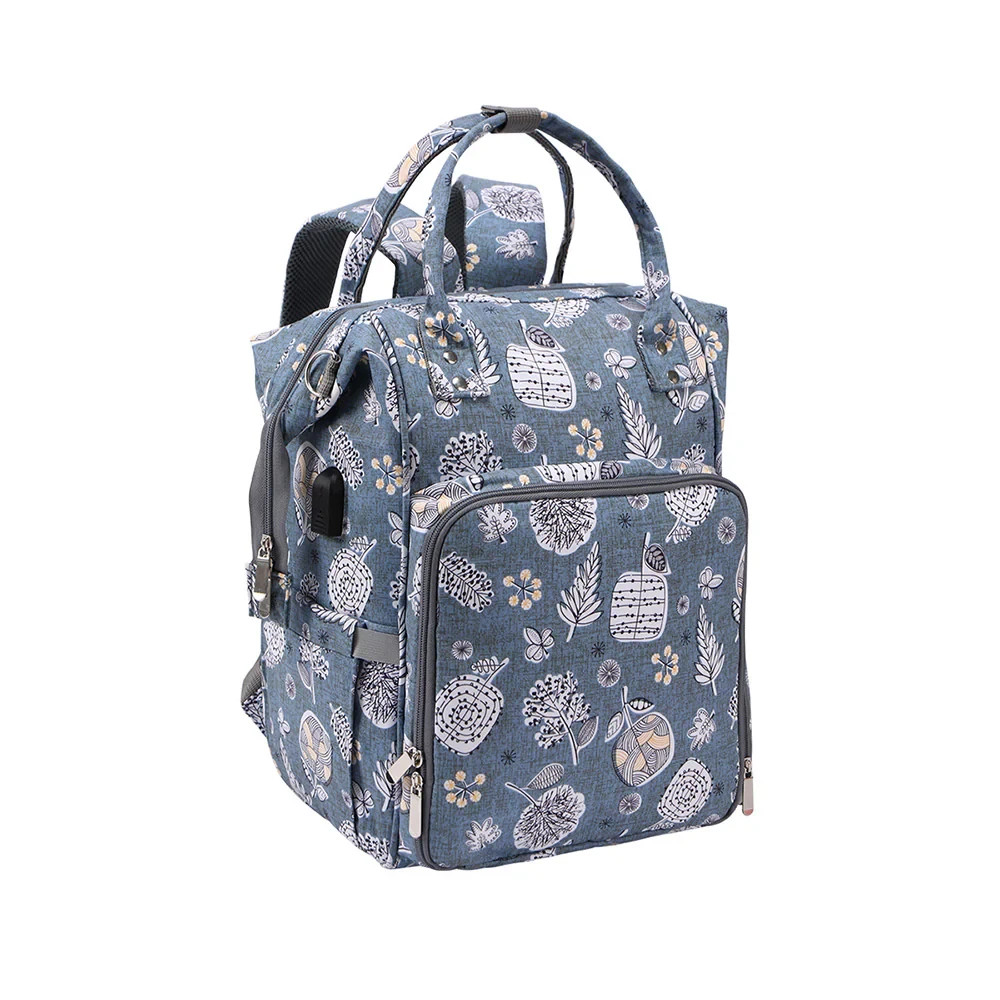

Photos from current listings. Actual item, color, and included accessories may vary.
Yarn Organizer Bag Buying Guide
A yarn organizer bag is a soft-sided carry system that keeps skeins, hooks, needles, and works-in-progress tangle-free and portable. The decisive trade-off is between open-top tote access and enclosed backpack structure, with fabric grade and internal divider configuration determining whether yarn stays clean and organized or collapses into a single messy compartment. Choose a bag with reinforced stitching, a stabilized base, and dedicated skein compartments; skip thin single-layer totes with no base support.
Key takeaways
- Quilted 600D polyester or canvas outer shells resist abrasion and hook snags; single-layer 210D nylon tears at seam junctions under loaded skein weight.
- Backpack configurations distribute 4-6 skeins plus tools across two shoulders; totes concentrate the same load on one hand and one strap seam.
- Internal divider systems range from fixed elastic loops to removable velcro partitions; fixed loops fit standard 50-100g skeins but block oversized 250g balls.
At a glance
- Category
- Yarn Winders & Project Bags
- Last updated
- Nov 28, 2026
Current offers
Highlights
- Quilted 600D polyester or canvas outer shells resist abrasion and hook snags; single-layer 210D nylon tears at seam junctions under loaded skein weight.
- Backpack configurations distribute 4-6 skeins plus tools across two shoulders; totes concentrate the same load on one hand and one strap seam.
- Internal divider systems range from fixed elastic loops to removable velcro partitions; fixed loops fit standard 50-100g skeins but block oversized 250g balls.
- USB charging ports on quilted backpacks are pass-through female USB-A sockets requiring your own power bank; they add no battery or charging circuitry.
Best use cases
- Pick a structured backpack with padded straps and multiple divider pockets for commuting, classes, or travel where hands-free carry and skein protection matter most.
- Pick an open-top tote with a rigid base and exterior tool pockets for stationary home use or short car trips where quick access beats portability.
- Skip thin collapsible fabric totes with no base panel for any use involving multiple skeins or needles — they slump, snag, and dump contents when set down.
Buying tips
- Match internal width to skein format: standard 50-100g skeins need at least 4 inches of compartment width; 250g balls need 6 inches or removable dividers.
- Choose bags with a rigid base insert or reinforced bottom panel — this is the single strongest predictor of whether a loaded bag stands upright or collapses.
- Look for YKK or equivalent metal zippers and bar-tacked strap attachments; plastic coil zippers on budget bags fail first at the curve of the top opening.
- For backpack styles, verify padded shoulder straps at least 2 inches wide and a sternum strap — unpadded straps cut into shoulders at 4+ skein loads.
Specs
| Carry Style | Backpack / Tote / Crossbody |
|---|---|
| Shell Fabric | 600D polyester / canvas vs 210D nylon |
| Skein Capacity | 4-6 standard 50-100g skeins |
| Base Structure | Rigid insert vs soft collapsible |
Related searches
What to check before buying
- Measure your largest skein or yarn ball diameter and confirm compartment dimensions accommodate it without compression.
- Confirm the bag's base footprint fits your intended storage shelf, car seat, or project chair before committing to a structured backpack.
- Check whether the bag includes or requires a separate needle/hook case — most organizer bags provide pockets but not enclosed tool storage.
- For USB-port backpacks, confirm you already own a power bank; the bag provides only a pass-through cable and port, not charging capability.
FAQ
Data sources: eBay / Amazon listings and product attribute feeds. Updated Nov 28, 2026.
Some links on this page are affiliate links. If you buy after clicking one, we may earn a commission at no extra cost to you. This does not change which products appear here or their order. Affiliate disclosure.