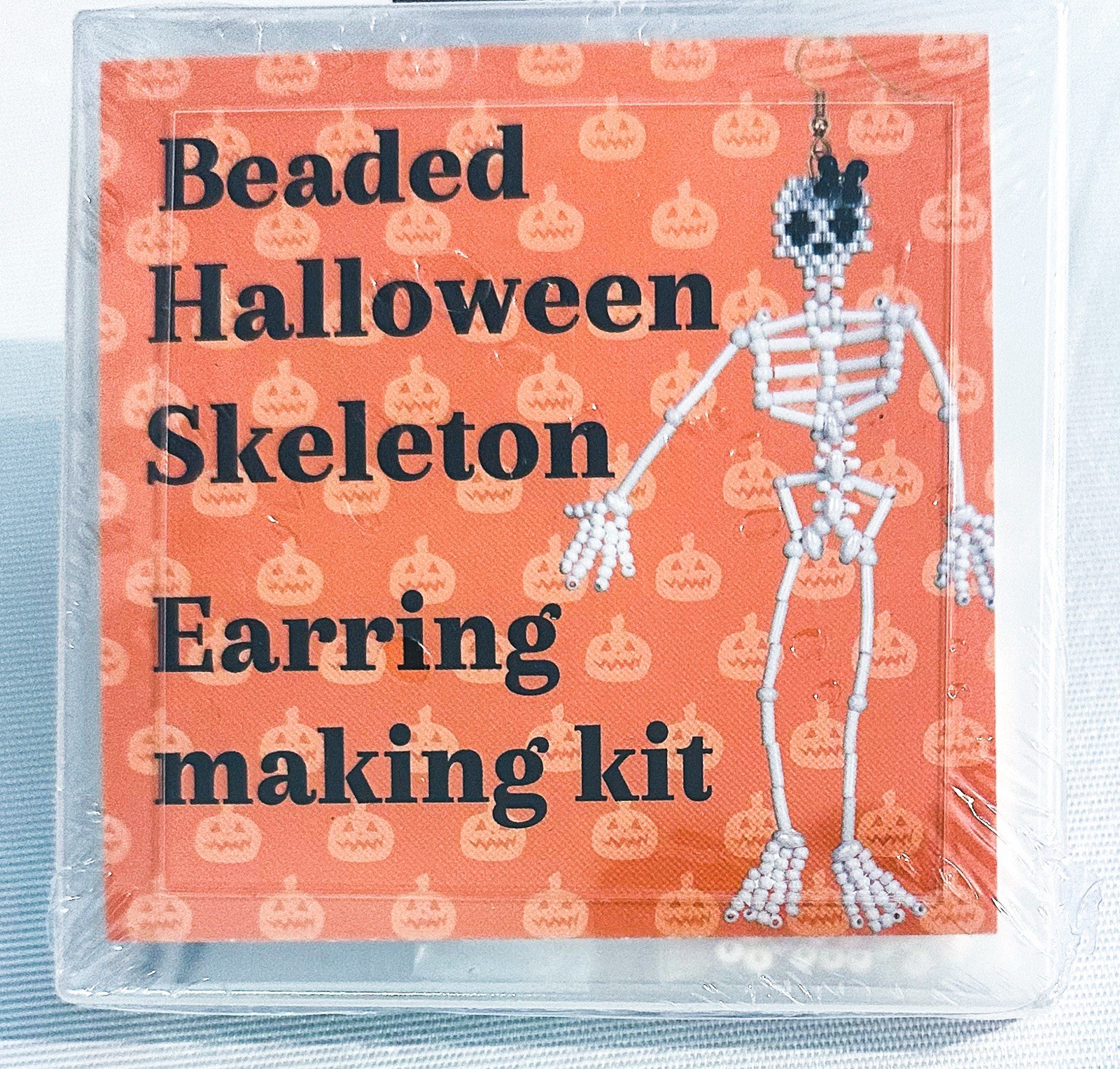

Photos from current listings. Actual item, color, and included accessories may vary.
Earring Making Kit Buying Guide
An earring making kit bundles the core findings, wire, beads, and hand tools needed to assemble earrings, and the key trade-off is between low-grade craft wire/plated findings that tarnish and lose shape versus jewelry-grade stainless steel or gold-filled components that hold up to wear. The decision rule: buy kits built around a named wire gauge and hypoallergenic metal grade with dedicated pliers, and skip kits that list only bead counts without specifying component metallurgy.
Median $16.99
Key takeaways
- Earring wire is sized by gauge and hardness: 20-22 gauge half-hard wire holds an ear-wire curve, while 24-26 gauge dead-soft wire bends easily but collapses under a dangling bead load.
- Ear-wire findings come in three durability tiers: surgical stainless steel and titanium resist tarnish and nickel reactions; gold-filled (14/20) carries a thick bonded gold layer; gold-plated brass flakes within weeks of skin contact.
- Kit tool quality separates usable kits from throwaways: hardened-steel chain-nose and round-nose pliers with return springs and cushioned grips outperform cast-zinc pliers that dent at the jaw and misalign.
At a glance
- Category
- Beads & Jewelry Making
- Last updated
- Nov 28, 2026
Current offers
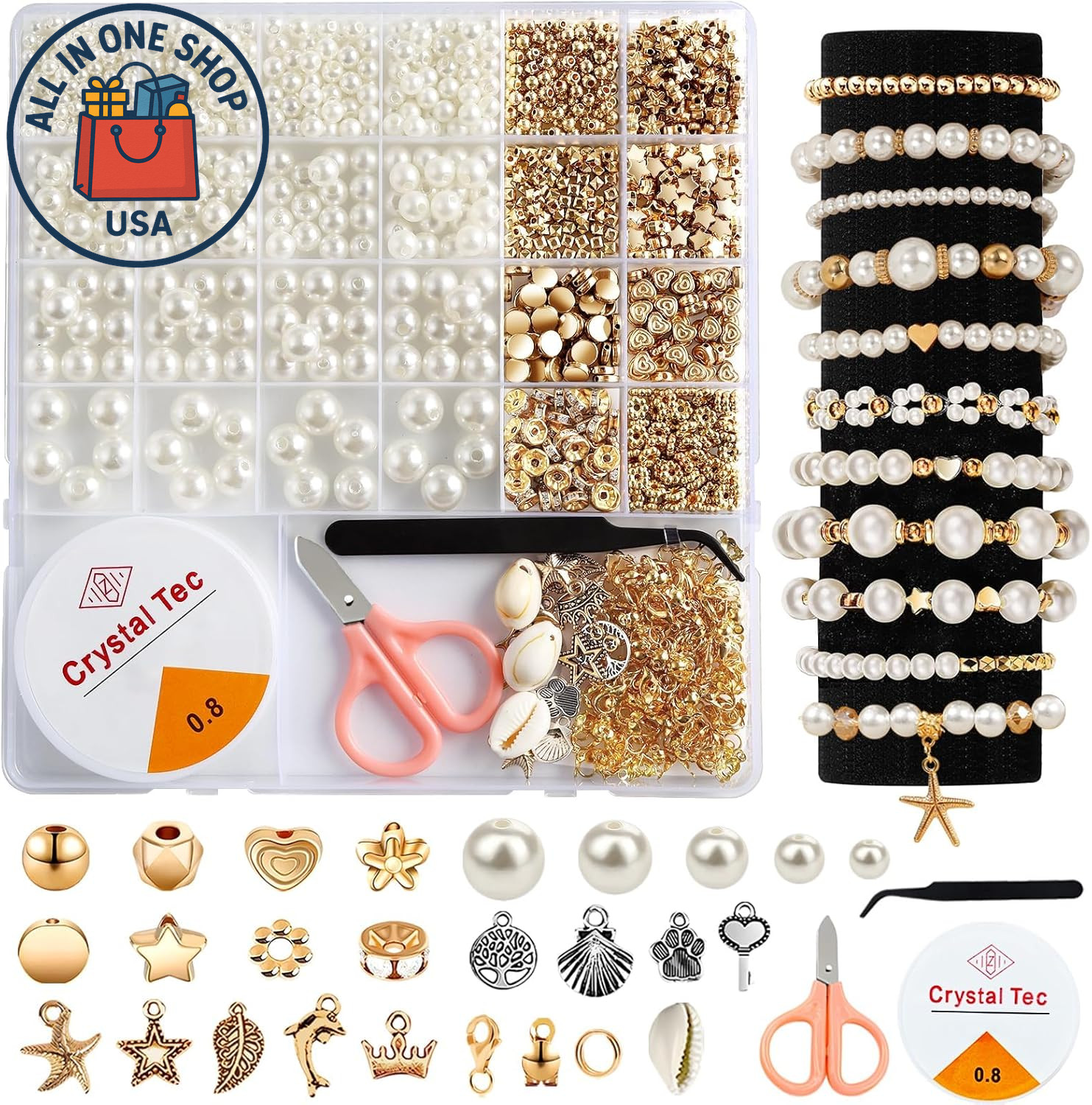
Highlights
- Earring wire is sized by gauge and hardness: 20-22 gauge half-hard wire holds an ear-wire curve, while 24-26 gauge dead-soft wire bends easily but collapses under a dangling bead load.
- Ear-wire findings come in three durability tiers: surgical stainless steel and titanium resist tarnish and nickel reactions; gold-filled (14/20) carries a thick bonded gold layer; gold-plated brass flakes within weeks of skin contact.
- Kit tool quality separates usable kits from throwaways: hardened-steel chain-nose and round-nose pliers with return springs and cushioned grips outperform cast-zinc pliers that dent at the jaw and misalign.
- Bead-hole sizing governs whether a kit is actually assemblable: most 6-8mm round beads use 0.8-1.2mm holes, which accept 20-22 gauge wire and headpins but reject thicker 18-gauge stock.
Best use cases
- Best fit for adult beginners and gift-makers: a kit with 20-22 gauge half-hard wire, stainless or gold-filled ear wires, and two hardened-steel pliers — skip bead-count-only kits with no wire gauge listed.
- Best fit for high-volume crafters making matching sets: buy a kit with a bead organizer, 1.5-2mm jump rings in bulk, and spare ear-wire blanks; skip kits that include only one pair of ear wires per bead type.
- Wrong fit for anyone with nickel sensitivity: standard gold-plated brass hooks will irritate; choose titanium or 14/20 gold-filled findings instead, even at a higher tier.
- Best fit for children's or costume earrings: lightweight acrylic and seed-bead kits with 24-gauge soft wire and plastic posts are appropriate; skip heavy stone-chip kits with sharp irregular edges for young wearers.
Buying tips
- Match wire gauge to earring weight: 20-22 gauge half-hard for dangles and hoops, 24-26 gauge dead-soft only for lightweight seed-bead and threader designs.
- Demand a stated metal grade on ear wires and posts — 'hypoallergenic' alone is marketing; surgical stainless steel, titanium, or 14/20 gold-filled are the concrete standards.
- Count jump rings and ear wires, not just beads: a usable kit supplies at least two ear wires and four jump rings per planned pair, or you will stall mid-project.
- Choose kits with hardened-steel pliers (chain-nose plus round-nose); cast-zinc or unmarked pliers deform at the jaw and mar wire, making consistent loops impossible.
Specs
| Wire Gauge | 20-22 ga half-hard (dangles); 24-26 ga soft |
|---|---|
| Ear Wire Metal | Titanium / surgical steel / 14-20 gold-filled |
| Pliers Included | Hardened steel chain-nose + round-nose |
| Bead Hole Fit | 0.8-1.2 mm holes for 20-22 ga wire |
Related searches
What to check before buying
- Confirm the kit lists wire gauge and hardness — 20-22 gauge half-hard is the safe default for ear wires and wrapped loops.
- Verify ear-wire and post metallurgy: titanium, surgical stainless steel, or 14/20 gold-filled for sensitive ears; avoid unmarked plated brass.
- Measure bead holes against your wire: 6-8mm beads typically need 0.8-1.2mm holes to pass 20-22 gauge wire twice for a wrapped loop.
- Check tool count and type: at minimum one chain-nose and one round-nose hardened-steel plier with return springs; add flush cutters for wire trimming.
FAQ
Data sources: eBay / Amazon listings and product attribute feeds. Updated Nov 28, 2026.
Some links on this page are affiliate links. If you buy after clicking one, we may earn a commission at no extra cost to you. This does not change which products appear here or their order. Affiliate disclosure.