
Photos from current listings. Actual item, color, and included accessories may vary.
Large Hole Bead Buying Guide
Large-hole beads are beads with a bore diameter of roughly 4–8 mm, engineered to slide over thicker stringing materials such as leather cord, memory wire, European charm bracelets, and 2–3 mm wire. The core trade-off is bore consistency versus material durability: glass and crystal chips or off-round beads crack at the hole edge, while wood and metal maintain round, smooth bores but differ in weight and tarnish resistance. Buy glass or crystal only when the hole is fire-polished and the bead is annealed; choose wood, metal, or natural stone for structural reliability on heavy or outdoor projects.
Median $28.99
Key takeaways
- Bore diameter drives compatibility: 4–5 mm holes fit 3 mm leather and most European snake chains; 6 mm+ holes are required for 5 mm cord, memory wire, and chunky beadable pens.
- Glass and lampwork large-hole beads are the most fragile — buy only annealed, fire-polished glass; unpolished holes act as sharp edges that cut cord and cause chip propagation.
- Metal spacer beads (copper, brass, silver-plated) need tarnish-resistant plating; antique copper finishes wear faster at the bore edge than polished brass or sterling.
At a glance
- Category
- Beads & Jewelry Making
- Last updated
- Nov 27, 2026
Current offers
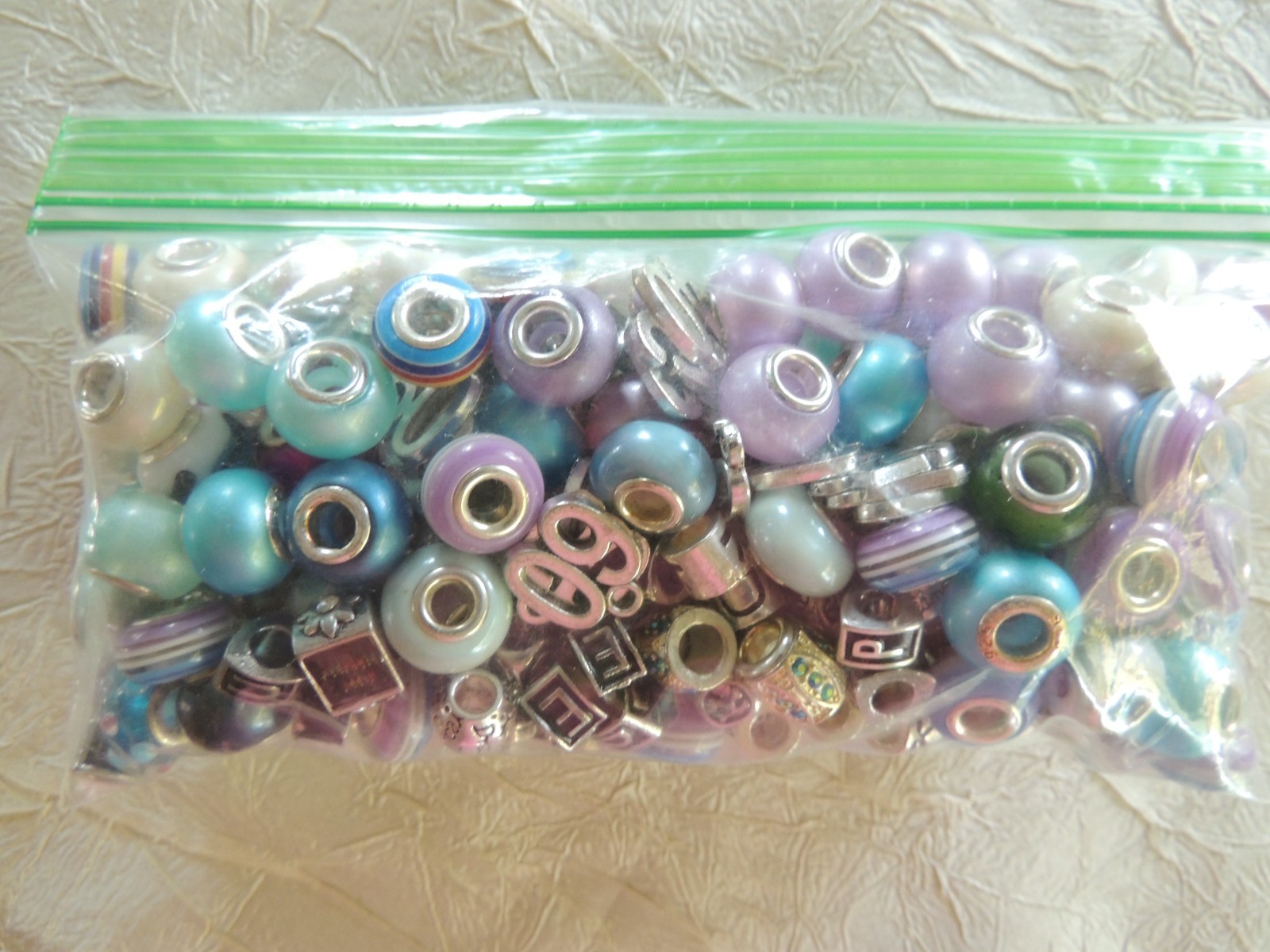 231 Pieces Beads and Charms Jewelry Making Mix Variety Lot Large Big Hole$14.50View on eBay
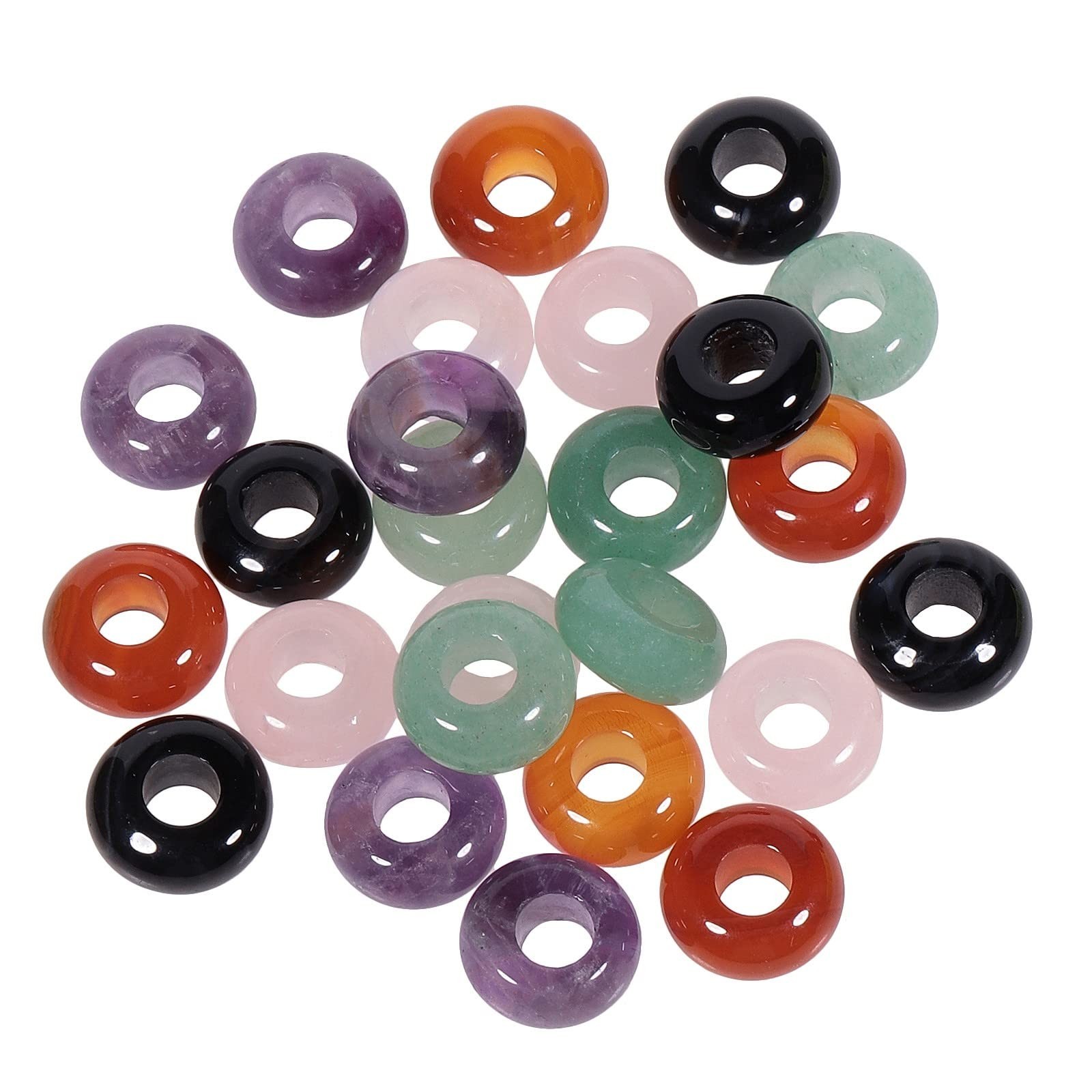 SUNYIK Assorted Crystal Stones Large Hole (6mm) Rondelle European Beads Fits ...$28.99Last checked Nov 23, 2026View on eBay
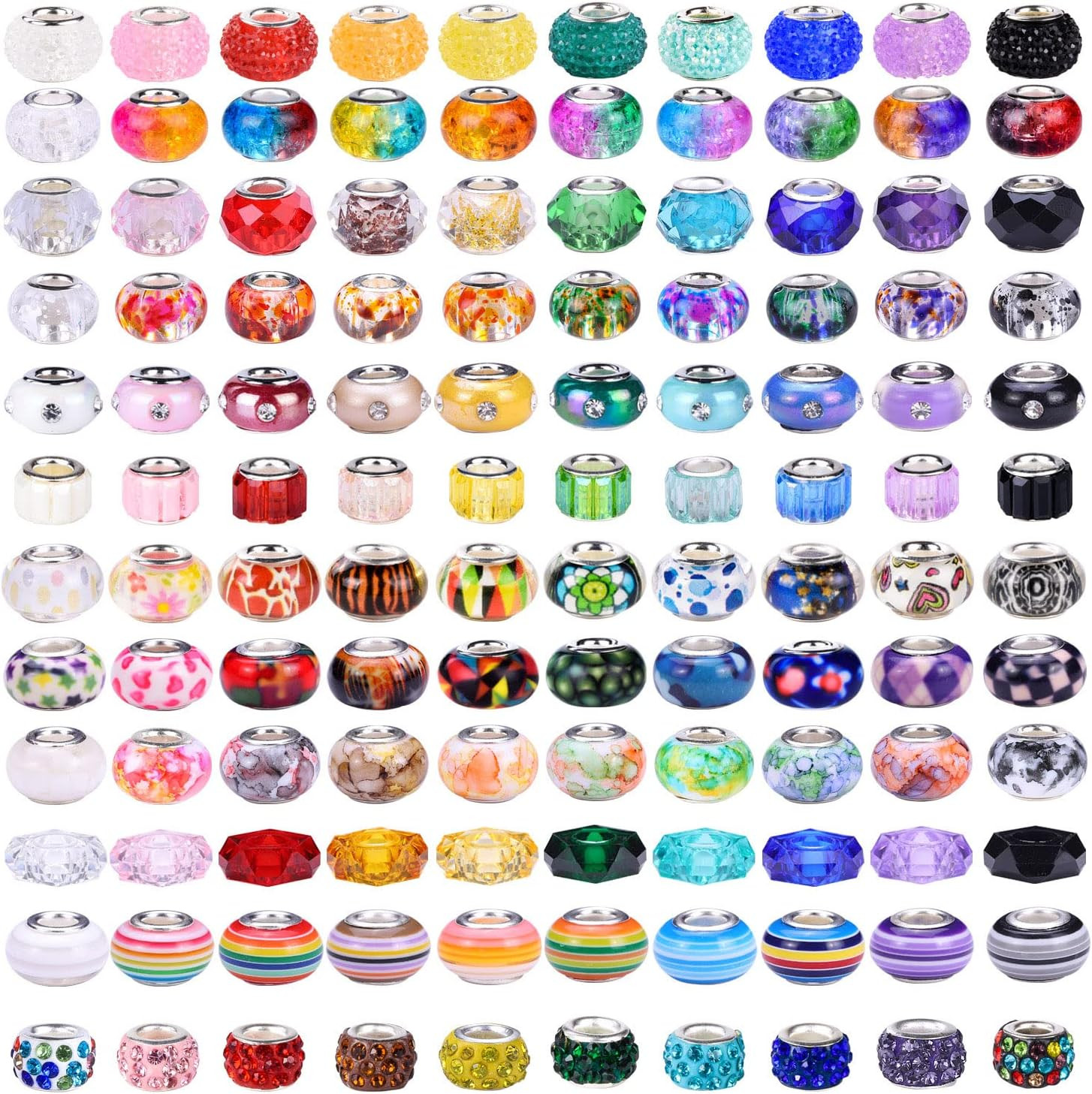 240 Pieces Assorted European Craft Beads Large Hole Lampwork Spacer Beads Colorf$30.99Last checked Nov 18, 2026View on eBay
Highlights
- Bore diameter drives compatibility: 4–5 mm holes fit 3 mm leather and most European snake chains; 6 mm+ holes are required for 5 mm cord, memory wire, and chunky beadable pens.
- Glass and lampwork large-hole beads are the most fragile — buy only annealed, fire-polished glass; unpolished holes act as sharp edges that cut cord and cause chip propagation.
- Metal spacer beads (copper, brass, silver-plated) need tarnish-resistant plating; antique copper finishes wear faster at the bore edge than polished brass or sterling.
- Natural wood large-hole beads are the durability benchmark for garlands and macramé — unfinished hardwood rounds resist splitting, but soft balsa-like wood dents and absorbs oils.
Best use cases
- Best fit: European charm bracelets and beadable pens — pick 4–5 mm bore glass, crystal, or metal beads with smooth, polished interiors; skip rough-edged wooden beads that abrade the bracelet core.
- Best fit: Garlands, macramé, and leather cord jewelry — choose 6 mm+ bore unfinished hardwood or natural stone rondelles that grip thick cord without splitting; skip thin-walled glass on high-tension cords.
- Best fit: Mixed-media and sampler crafting — buy assorted large-hole lots in metal, wood, and acrylic; skip single-material glass assortments if the project involves wire wrapping or outdoor exposure.
- Wrong fit: Fine beadweaving and seed-bead work — large-hole beads are too bulky and heavy for loom or needle weaving; use standard 11/0 seed beads instead.
Buying tips
- Match bore to stringing material: measure your cord or wire, then add 1–1.5 mm clearance — a 3 mm leather cord needs a 4–4.5 mm hole; 5 mm cord needs 6 mm+.
- For glass and crystal, demand annealed, fire-polished beads; unannealed glass with rough holes chips at the rim and cuts stringing cord under tension.
- Choose solid metal or hardwood for structural beads and plated or glass for accent beads — plating thickness on spacers determines whether the finish survives friction.
- Buy large-hole beads by bore consistency, not count: lots with mixed hole sizes (common in cheap assortments) require sorting and create loose, wobbly fits on cords.
Specs
| Bore Diameter | 4–8 mm (4–5 mm standard) |
|---|---|
| Outer Diameter | 6–20 mm rondelle/round |
| Core Materials | Glass, wood, metal, stone, acrylic |
| Compatible Cord | 3–5 mm leather / memory wire |
Related searches
What to check before buying
- Measure your cord, wire, or bracelet core with calipers before ordering — bore diameter is the single fit-critical dimension and is often listed imprecisely.
- Confirm the bead's outer diameter clears your project: large-hole rondelles over 10 mm outer diameter look bulky on slim leather bracelets and beadable pens.
- Check material compatibility with skin oils and humidity: unfinished wood darkens and plated copper tarnishes; sealed wood and sterling or stainless steel last longer.
- Verify you have the companion hardware — European-style large-hole beads need charm-bracelet cores, bead stoppers, or glue-on end caps; loose beads alone won't stay put.
FAQ
Data sources: eBay / Amazon listings and product attribute feeds. Updated Nov 27, 2026.
Some links on this page are affiliate links. If you buy after clicking one, we may earn a commission at no extra cost to you. This does not change which products appear here or their order. Affiliate disclosure.