
Photos from current listings. Actual item, color, and included accessories may vary.
Red Bead Buying Guide
Red beads span a wide range from cheap plastic pony beads for kids' crafts to kiln-fired glass and gemstone beads for heirloom jewelry. The primary trade-off is material durability and colorfastness versus cost: bulk plastic is fine for seasonal crafts but fades and scratches, while glass, stone, and anodized metal hold color and structure for years. The decision rule is simple: match the bead substrate to the wear cycle — plastic for single-event or kids' use, glass/stone/metal for anything worn weekly or sold as finished jewelry.
Median $41.99
Key takeaways
- Plastic pony beads (typically 6x9 mm, 4 mm hole) are injection-molded polystyrene or acrylic; they scratch, chip, and fade under UV within one season.
- Glass seed beads are graded by size (e.g., 11/0 ≈ 2.1 mm) and sold by weight (hanks or grams); Japanese Miyuki/Toho hold ±0.1 mm tolerance, Chinese glass often drifts ±0.3 mm.
- Natural red stone beads — carnelian, red jasper, garnet — are drilled 0.8–1.2 mm and graded by Mohs hardness (6.5–7.5), so they resist scratching but can fracture at the drill hole if the wall is under 1 mm.
At a glance
- Category
- Beads & Jewelry Making
- Last updated
- Nov 27, 2026
Current offers
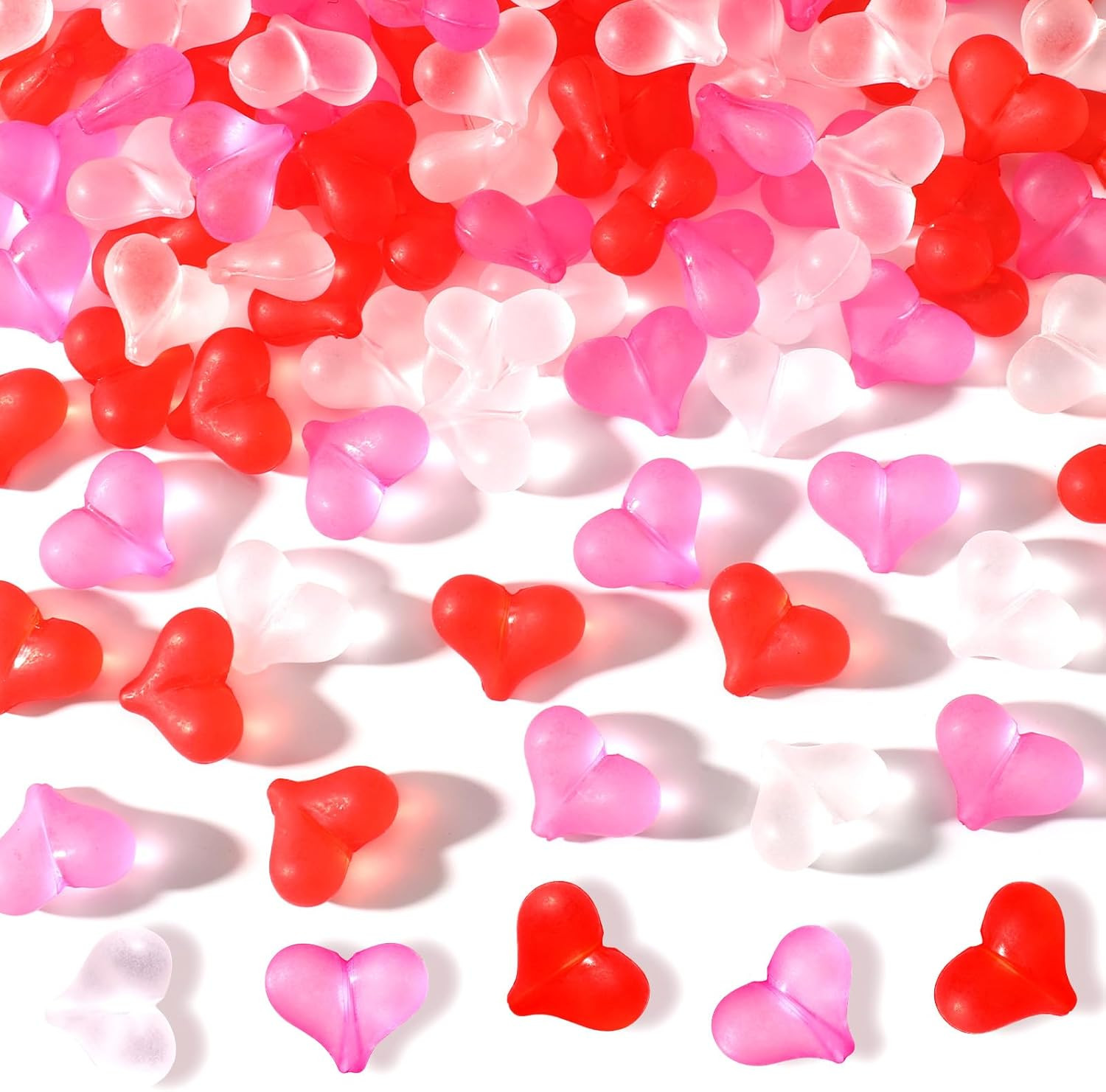 Frosted Heart Beads,120Pcs Valentine'S Day Red Pink Heart Candy Beads for Valent$12.93Last checked Nov 20, 2026View on eBay
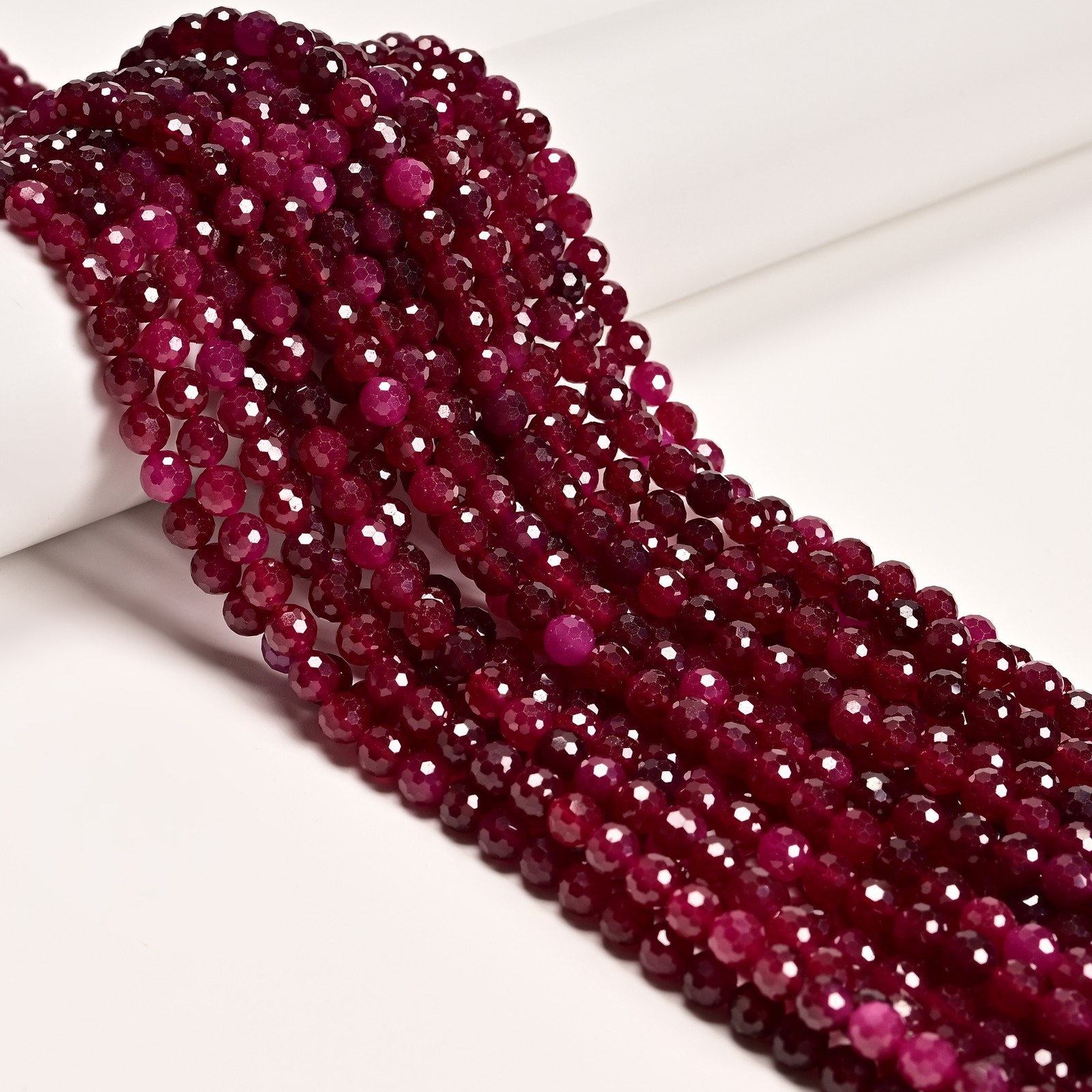 Natural Grade AA Ruby Micro Faceted Round Beads Size 6mm 15.5'' Strand$41.99View on eBay
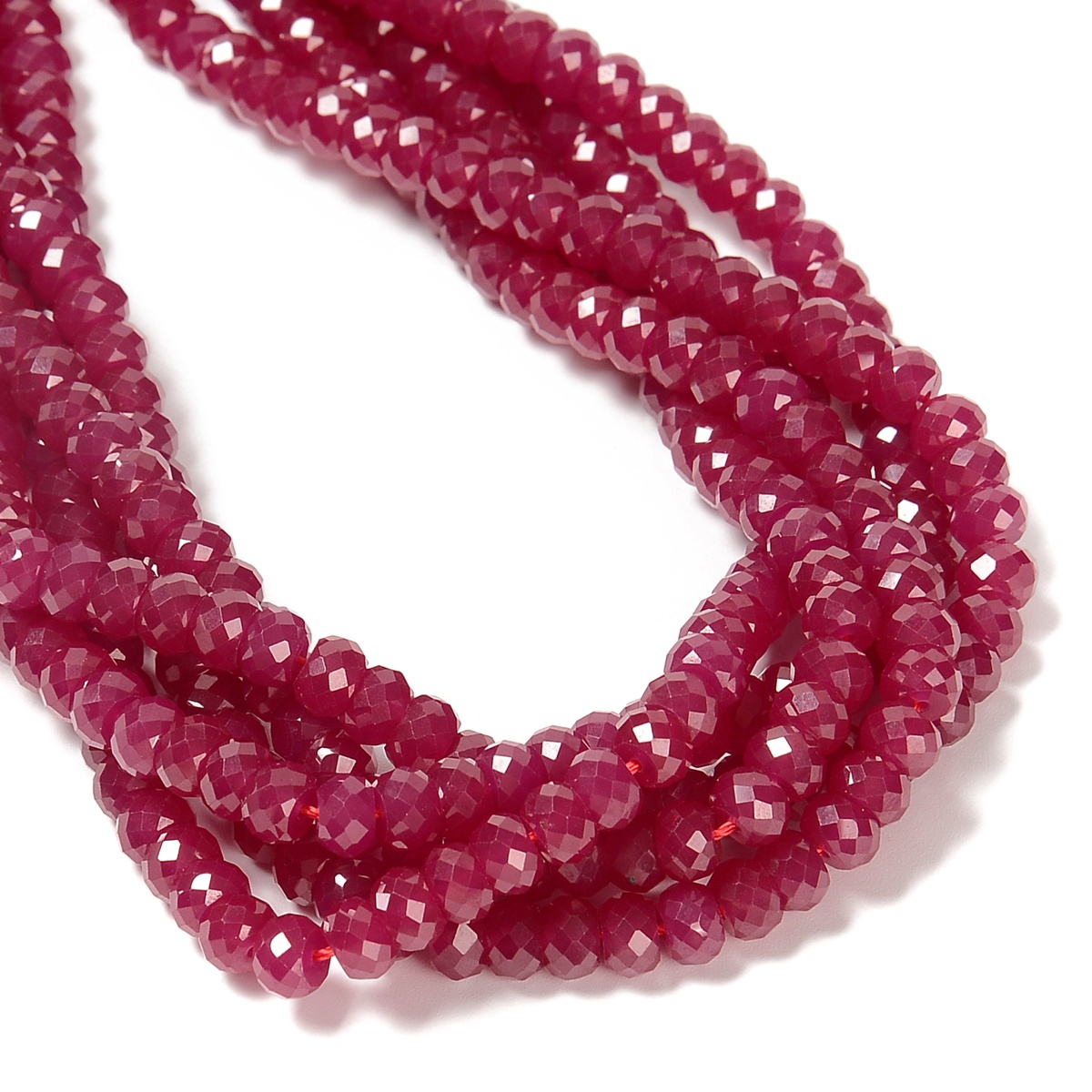 Natural Ruby Faceted Rondelle Beads Size 3x5mm 4x6mm 15.5'' Strand$47.99Last checked Nov 27, 2026View on eBay
Highlights
- Plastic pony beads (typically 6x9 mm, 4 mm hole) are injection-molded polystyrene or acrylic; they scratch, chip, and fade under UV within one season.
- Glass seed beads are graded by size (e.g., 11/0 ≈ 2.1 mm) and sold by weight (hanks or grams); Japanese Miyuki/Toho hold ±0.1 mm tolerance, Chinese glass often drifts ±0.3 mm.
- Natural red stone beads — carnelian, red jasper, garnet — are drilled 0.8–1.2 mm and graded by Mohs hardness (6.5–7.5), so they resist scratching but can fracture at the drill hole if the wall is under 1 mm.
- Anodized aluminum and dyed wood beads offer lightweight color, but anodized coatings wear at contact points and dyed wood bleeds if soaked; lacquered hardwood (e.g., maple) holds color better than softwood.
Best use cases
- Kids' bracelets, VBS, and classroom crafts: choose 1200-piece plastic pony bead bulk (6x9 mm) in red or red-white assortments — skip glass or stone, which chip and pose choking hazards for under-6s.
- Everyday beaded bracelets and necklaces for adults: pick 6–8 mm glass, carnelian, or red jasper rounds on 7-inch strands — skip bulk plastic, which looks dull after a few wears.
- Holiday and event-specific designs (Valentine's, Christmas, patriotic): buy themed 100–120 piece kits with heart or star shapes in acrylic — skip natural stone, whose color varies per bead and won't match a uniform palette.
- Heirloom or sale-quality jewelry: use 8–10 mm gemstone or lampwork glass with 0.8–1.0 mm drill holes and string on 49-strand stainless cable — skip elastic cord and plastic altogether.
Buying tips
- Match hole size to stringing material: 0.5–0.8 mm holes take 26-gauge wire or silk thread; 1.0–1.5 mm holes fit 1 mm elastic or leather; 2 mm+ holes suit macramé cord and pony beads.
- For bracelets, plan 7–8 inches of strung length per adult wrist; at 6 mm beads that is roughly 28–32 beads, so a 100-piece pack yields three adult bracelets.
- Choose colorfast substrates for repeat wear: anodized aluminum, kiln-fired glass, and natural stone hold red; dyed wood, coated plastic, and painted ceramic bleed or flake.
- Buy glass by origin: Japanese seed beads (Miyuki, Toho) for uniform size in bead weaving; Czech pressed glass for shapes; Chinese glass for budget bulk where ±0.3 mm variance is acceptable.
Specs
| Material Grade | Plastic acrylic vs glass vs natural stone |
|---|---|
| Bead Diameter | 4 mm / 6 mm / 8 mm / 10 mm rounds |
| Hole Size | 0.8–1.2 mm stone / 2–4 mm pony |
| Pack Format | 1000+ pcs bulk vs 7-inch strand |
Related searches
What to check before buying
- Measure the wrist or neck circumference and add 0.5–1 inch of ease; divide by bead diameter to get the piece count before ordering.
- Check the stringing material diameter against the bead's drill hole — a 1 mm elastic cord will not pass a 0.8 mm stone hole.
- Verify the bead is colorfast for its use: plastic for indoor crafts, glass/stone/metal for outdoor, water, or daily-wear jewelry.
- For children under 6, confirm bead diameter exceeds 12 mm or skip small beads entirely to avoid choking hazards.
FAQ
Data sources: eBay / Amazon listings and product attribute feeds. Updated Nov 27, 2026.
Some links on this page are affiliate links. If you buy after clicking one, we may earn a commission at no extra cost to you. This does not change which products appear here or their order. Affiliate disclosure.