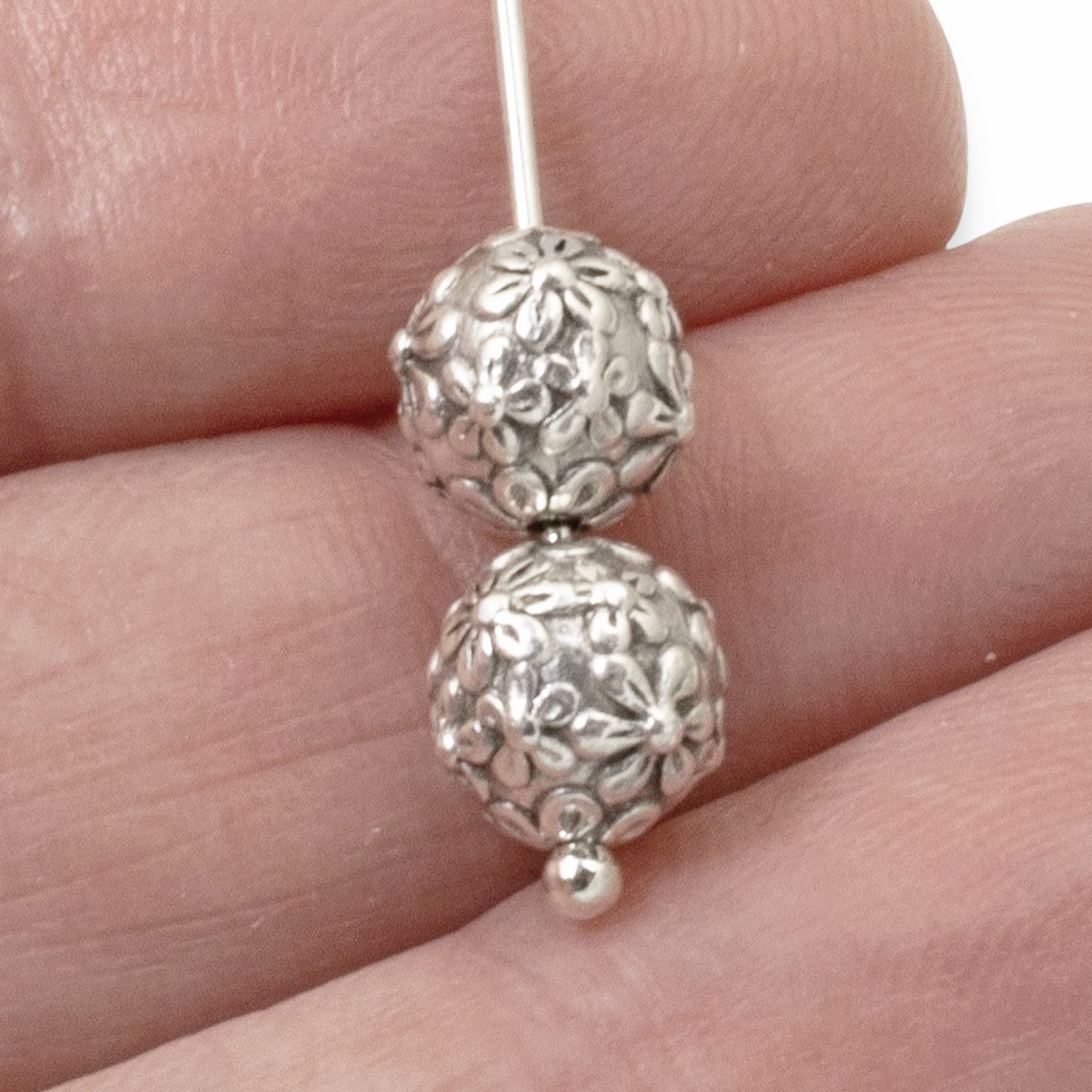

Photos from current listings. Actual item, color, and included accessories may vary.
Silver Bead Buying Guide
Silver beads span a wide performance range: solid 925 sterling silver delivers lasting shine and skin-safe wear, while silver-plated brass, alloy, and pewter are cosmetic finishes that wear through with friction and moisture. The core trade-off is metal purity versus cost, and the decision rule is simple: buy solid sterling or fine silver for heirloom or daily-wear pieces, and reserve plated or base-metal beads for fashion jewelry where tarnish and flaking are acceptable.
Median $10.99
Key takeaways
- 925 sterling silver is 92.5% silver alloyed with copper for hardness; it is skin-safe, solderable, and can be re-polished, unlike plated alloys.
- Silver-plated beads use a thin electroplated layer over brass or copper; the plate wears off at contact points within weeks to months of daily wear.
- Pewter and zinc alloy beads are silver-toned but contain no silver; they are soft, dent easily, and darken rather than develop a patina.
At a glance
- Category
- Beads & Jewelry Making
- Last updated
- Nov 28, 2026
Current offers
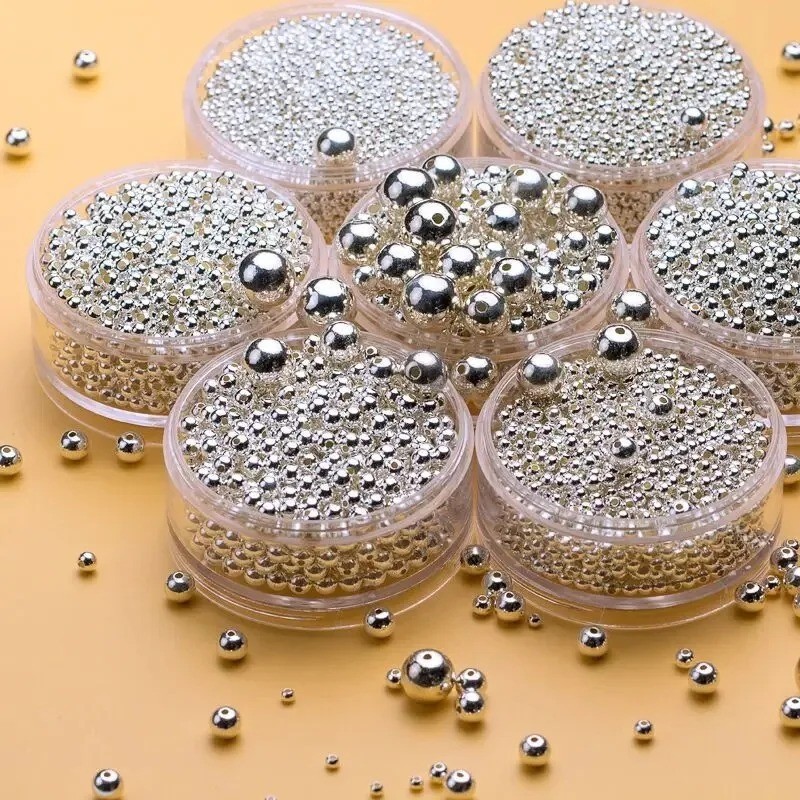
Highlights
- 925 sterling silver is 92.5% silver alloyed with copper for hardness; it is skin-safe, solderable, and can be re-polished, unlike plated alloys.
- Silver-plated beads use a thin electroplated layer over brass or copper; the plate wears off at contact points within weeks to months of daily wear.
- Pewter and zinc alloy beads are silver-toned but contain no silver; they are soft, dent easily, and darken rather than develop a patina.
- Size grading matters: 3-4mm spacer beads suit delicate chain and seed-bead work, 6-8mm rounds anchor bracelet and earring designs, and 10mm+ beads are focal pieces.
Best use cases
- Best fit: solid 925 sterling spacers and rounds for bracelets, earrings, and heirloom pieces that contact skin and get re-polished.
- Best fit: antique-silver Tibetan-style alloy or pewter beads for boho and festival jewelry where patina and low cost matter more than longevity.
- Wrong fit: plated alloy beads for daily-wear rings or anklets — sweat and friction strip the finish and expose base metal.
- Wrong fit: sterling silver for large-volume seed-bead projects — the cost per bead and softness make it impractical compared with glass or plated spacer assortments.
Buying tips
- Look for a '925' or 'S925' stamp on sterling beads; unstamped 'silver' beads are plated or alloy and will not hold their finish.
- Match bead hole size to stringing material: 0.5-0.8mm holes suit fine wire and silk thread, while 1.5mm+ holes fit leather cord and chain.
- For spacer work, buy 3-4mm smooth rounds in bulk; for focal designs, buy 8-10mm textured or floral beads in small packs.
- Choose anti-tarnish storage (zip bags with tarnish strips) for sterling; plated beads should be kept dry and away from perfume and chlorine.
Specs
| Metal Purity | 925 sterling / plated alloy / pewter |
|---|---|
| Bead Size | 3-4mm spacer / 6-8mm round / 10mm+ focal |
| Hole Diameter | 0.5-0.8mm fine / 1.5mm+ cord |
| Finish Style | Polished / antique / oxidized |
Related searches
What to check before buying
- Measure your stringing material diameter and confirm the bead hole is at least 0.2mm larger for easy threading.
- Check skin sensitivity: nickel-alloy and some plated beads can irritate; sterling and fine silver are the safer choices for ear wires and bracelets.
- Confirm the bead size fits your design scale — 4mm spacers read as accents, 8mm rounds read as main beads on a standard 7-inch bracelet.
- Plan storage and cleaning: sterling needs a polishing cloth and tarnish-safe bag; plated beads need dry storage and no ultrasonic cleaning.
FAQ
Data sources: eBay / Amazon listings and product attribute feeds. Updated Nov 28, 2026.
Some links on this page are affiliate links. If you buy after clicking one, we may earn a commission at no extra cost to you. This does not change which products appear here or their order. Affiliate disclosure.