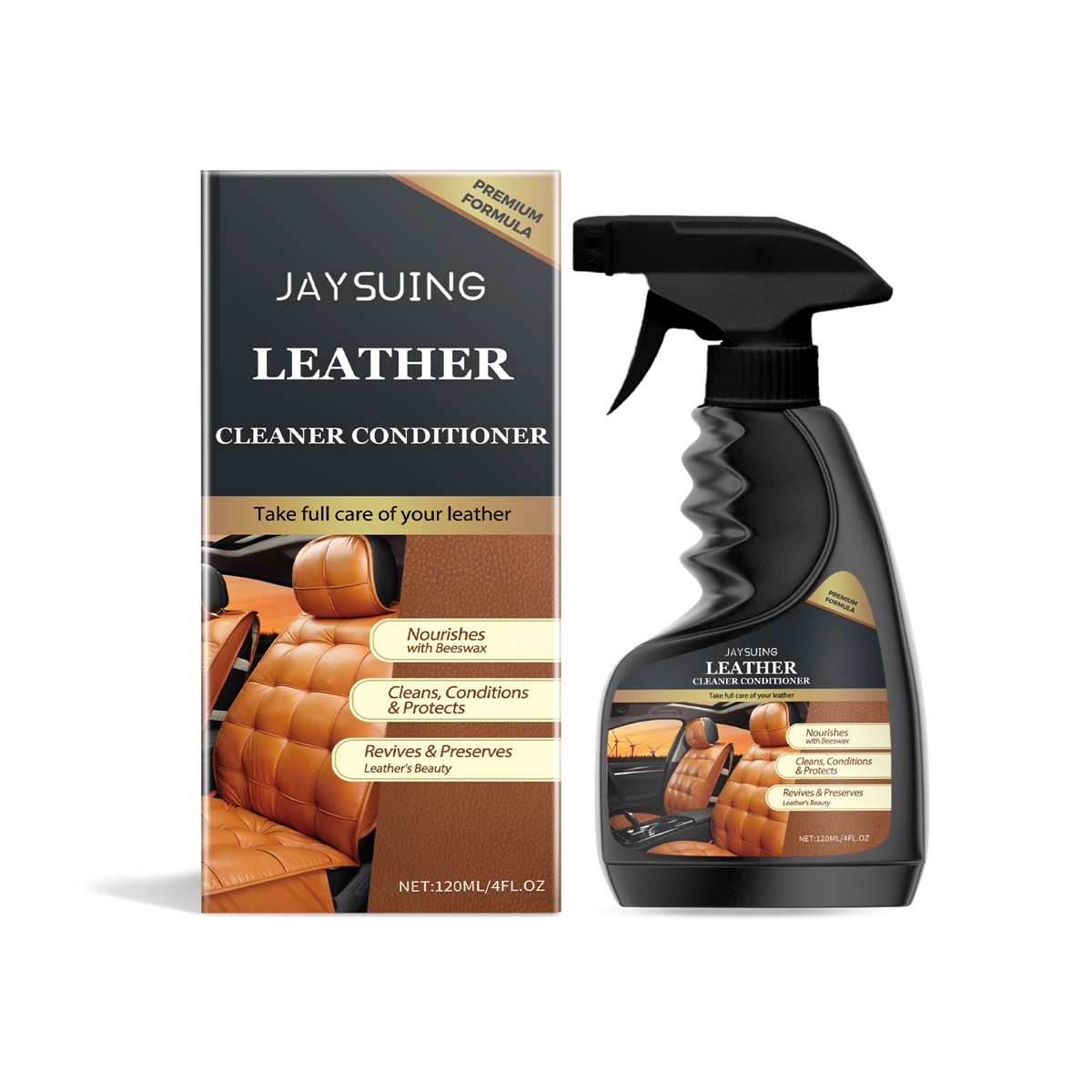

Photos from current listings. Actual item, color, and included accessories may vary.
Leather Cleaner And Conditioner Buying Guide
Leather cleaners and conditioners are two distinct product classes: a pH-balanced cleaner lifts embedded soil without stripping dyes, while a conditioner replenishes oils and forms a protective barrier against cracking. The core trade-off is solvent strength versus substrate safety — harsh alkaline cleaners and silicone-heavy conditioners deliver fast shine but degrade stitching, topcoat, and breathability over time. The decision rule: buy a dedicated pH-neutral cleaner plus a lanolin- or neatsfoot-based conditioner for smooth leather, and skip all-in-one 'clean-and-shine' sprays for aniline, suede, or bonded leather where they cause darkening or delamination.
Key takeaways
- Cleaner pH should sit between 5.5 and 7.5; alkaline cleaners above pH 9 strip tanning agents and accelerate topcoat cracking on finished leather.
- Conditioners split into oil-based (neatsfoot, mink, lanolin) for restoration and water-based (polymer/wax emulsion) for light maintenance — oil-based darkens light-colored leather.
- Silicone and petroleum-distillate conditioners seal pores, trap dirt, and prevent even reapplication; avoid them on aniline, suede, and perforated leather.
At a glance
- Category
- Leather Hardware, Patterns & Care
- Last updated
- Nov 26, 2026
Current offers
Highlights
- Cleaner pH should sit between 5.5 and 7.5; alkaline cleaners above pH 9 strip tanning agents and accelerate topcoat cracking on finished leather.
- Conditioners split into oil-based (neatsfoot, mink, lanolin) for restoration and water-based (polymer/wax emulsion) for light maintenance — oil-based darkens light-colored leather.
- Silicone and petroleum-distillate conditioners seal pores, trap dirt, and prevent even reapplication; avoid them on aniline, suede, and perforated leather.
- Foam or gel cleaners with pH-neutral surfactants rinse clean without saturation; liquid soaps require damp-cloth removal to avoid residue buildup in seams.
Best use cases
- Best fit: finished cowhide car seats, boots, and sofas — use a pH-neutral foam cleaner followed by a lanolin or wax-emulsion conditioner every 3–6 months; skip oil-based conditioners on light beige or perforated hides.
- Best fit: aniline or semi-aniline fashion leather — use a dedicated aniline-safe cleaner and a water-based protector only; skip neatsfoot oil and mink oil, which darken and blotch unfinished dyed surfaces permanently.
- Best fit: suede and nubuck — use a dry foam or eraser block plus a fluoropolymer spray protector; skip all liquid conditioners, which mat the nap and leave water stains.
- Best fit: bonded or bycast leather — use a mild water-based cleaner and light polymer conditioner; skip solvent cleaners and heavy oils, which dissolve the polyurethane topcoat and cause peeling.
Buying tips
- Match the conditioner base to the finish: oil-based (neatsfoot/mink) for full-grain and oil-tanned work boots; water-based emulsions for finished, pigmented, or light-colored upholstery.
- Choose a cleaner with a stated pH range of 5.5–7.5 and no added silicone; cleaner concentrates dilute 1:10 to 1:30 and outlast ready-to-use sprays without extra packaging waste.
- For furniture and car interiors, use a foam applicator and buff dry; residual cleaner left in perforations or stitching wicks into foam padding and causes mildew.
- Buy cleaner and conditioner as separate products — '2-in-1' formulas compromise surfactant rinsing and oil penetration, and they cannot be tailored to aniline versus finished leather.
Specs
| Cleaner pH Range | 5.5–7.5 (pH-neutral) |
|---|---|
| Conditioner Base | Oil-based vs water-based emulsion |
| Leather Finish Fit | Finished, aniline, suede, bonded |
| Silicone Content | Silicone-free preferred |
Related searches
What to check before buying
- Identify the leather finish first: finished/pigmented, aniline, suede/nubuck, or bonded — the finish dictates cleaner chemistry and conditioner base, not the item type.
- Patch-test on a hidden seam or under-cushion area and wait 24 hours for darkening, color bleed, or topcoat tackiness before full application.
- Confirm container volume and dilution ratio so one concentrate bottle yields enough working solution for the full furniture set or vehicle interior.
- Check that the kit includes an applicator pad or horsehair dauber; cloth-only application overworks seams and leaves lint in grain crevices.
FAQ
Data sources: eBay / Amazon listings and product attribute feeds. Updated Nov 26, 2026.
Some links on this page are affiliate links. If you buy after clicking one, we may earn a commission at no extra cost to you. This does not change which products appear here or their order. Affiliate disclosure.