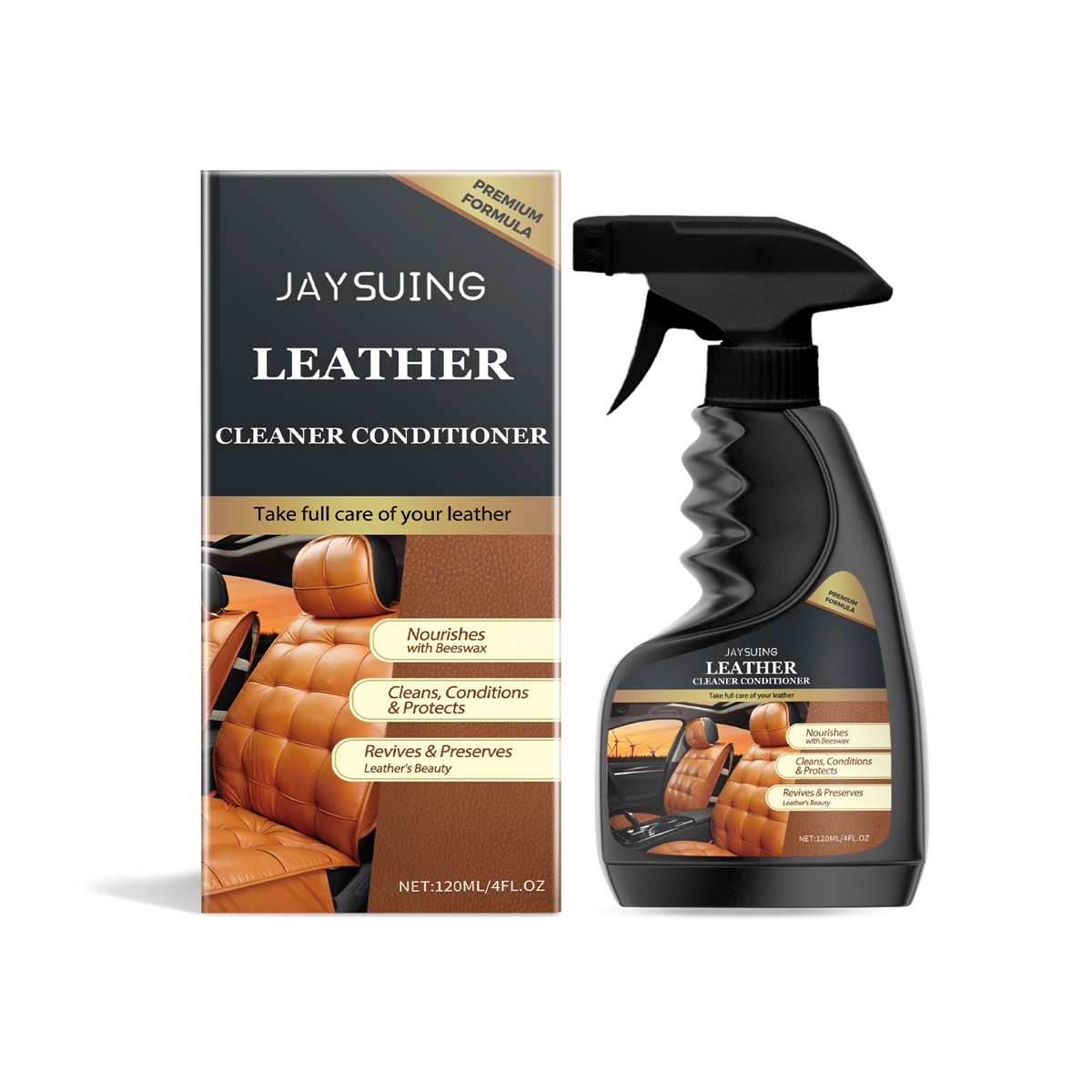

Photos from current listings. Actual item, color, and included accessories may vary.
Leather Conditioner Buying Guide
Leather conditioner is a maintenance product that replenishes oils, restores suppleness, and builds a protective barrier against cracking and drying across furniture, footwear, jackets, and bags. The primary trade-off separates nourishing oil/wax conditioners that absorb into the hide from surface-only silicone or petroleum dressings that sit on top and can attract dust or weaken stitching over time. The clear decision rule: choose a pH-balanced, oil- or wax-based conditioner matched to the leather's finish (aniline vs pigmented vs suede), and skip tinted repair creams if your goal is conditioning rather than color correction.
Median $67.74
Key takeaways
- Oil-based conditioners (neatsfoot, mink, lanolin) penetrate aniline and full-grain leather; wax-based (beeswax, carnauba) sit on pigmented finishes for a protective top coat.
- Silicone and petroleum distillate dressings give instant shine but block pores, attract dust, and can degrade thread and adhesive bonds over repeated use.
- Tinted color-correction creams are pigmented repair products, not conditioners — they mask scuffs and cracks but do not restore moisture or flexibility to the hide.
At a glance
- Category
- Leather Hardware, Patterns & Care
- Last updated
- Nov 26, 2026
Current offers
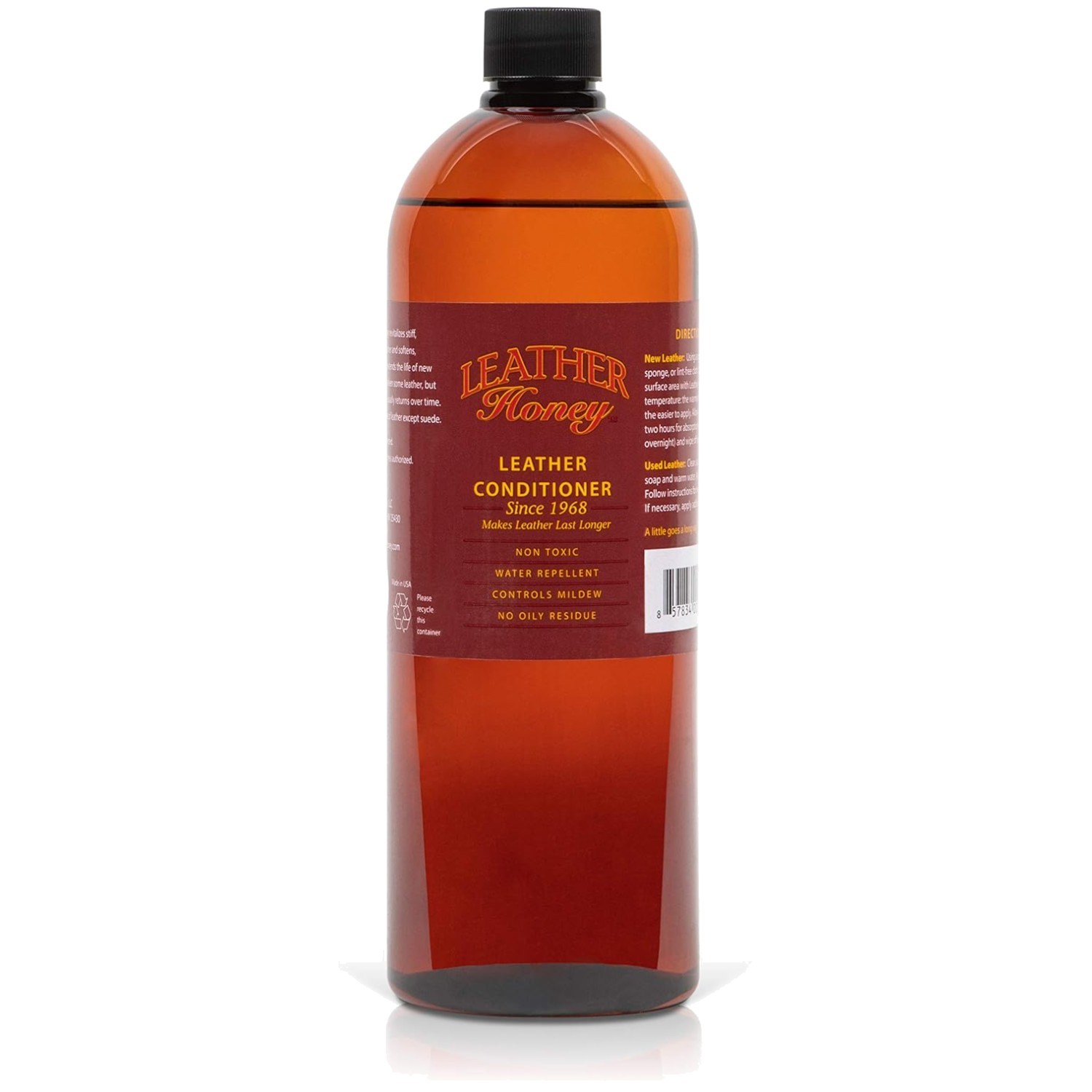
Highlights
- Oil-based conditioners (neatsfoot, mink, lanolin) penetrate aniline and full-grain leather; wax-based (beeswax, carnauba) sit on pigmented finishes for a protective top coat.
- Silicone and petroleum distillate dressings give instant shine but block pores, attract dust, and can degrade thread and adhesive bonds over repeated use.
- Tinted color-correction creams are pigmented repair products, not conditioners — they mask scuffs and cracks but do not restore moisture or flexibility to the hide.
- pH-balanced formulas (roughly pH 5–7) match leather's natural acidity; alkaline saddle soaps and harsh detergents strip tanning oils and accelerate cracking.
Best use cases
- Best fit for furniture and sofas: a non-tinted, oil- or wax-based conditioner applied 2–4 times yearly; skip tinted repair creams unless you are specifically hiding scratches on a pigmented couch.
- Best fit for boots and shoes: a heavier wax or oil conditioner for full-grain and work leather, buffed after absorption; skip silicone sprays that leave a slick film and reduce breathability.
- Best fit for jackets and handbags: a light lotion or cream conditioner for lambskin and finished leathers; skip heavy pastes on delicate aniline or suede, which darken and mat the nap.
- Wrong fit: using saddle soap or all-purpose cleaner as a conditioner — it cleans but does not replenish oils, so pair cleaning with a dedicated conditioner afterward.
Buying tips
- Match formula to finish: aniline and full-grain take penetrating oils; pigmented and patent take wax or cream top-coats; suede and nubuck need dedicated sprays, not creams.
- Check the ingredient list: neatsfoot oil, lanolin, beeswax, and carnauba signal nourishing conditioners; silicone, mineral oil, and petroleum distillates signal surface dressings.
- For color correction, tinted creams are a separate purchase from conditioner — apply conditioner first, then tint only on pigmented leather, never on aniline.
- Buy in a size matched to use frequency: furniture needs larger volumes applied 2–4 times yearly; footwear and bags need small tins that stay fresh longer.
Specs
| Formula Base | Oil/wax vs silicone/petroleum |
|---|---|
| Leather Finish Fit | Aniline, pigmented, suede, bonded |
| pH Range | pH 5–7 balanced |
| Tint | Neutral vs tinted repair |
Related searches
What to check before buying
- Identify your leather type first: aniline/full-grain, pigmented, suede/nubuck, or bonded — the conditioner must match the finish or it will darken or mat the surface.
- Patch-test on a hidden area (inside seam, back panel) and wait 24 hours to confirm no darkening, discoloration, or finish lifting before full application.
- Confirm the product is a conditioner, not a cleaner or tinted repair cream — many 'care' creams are pigmented and will alter color on light leather.
- Check application tools: soft cloths or horsehair brushes for creams, and ensure you have a neutral cleaner for pre-cleaning since conditioner should go on clean leather.
FAQ
Data sources: eBay / Amazon listings and product attribute feeds. Updated Nov 26, 2026.
Some links on this page are affiliate links. If you buy after clicking one, we may earn a commission at no extra cost to you. This does not change which products appear here or their order. Affiliate disclosure.