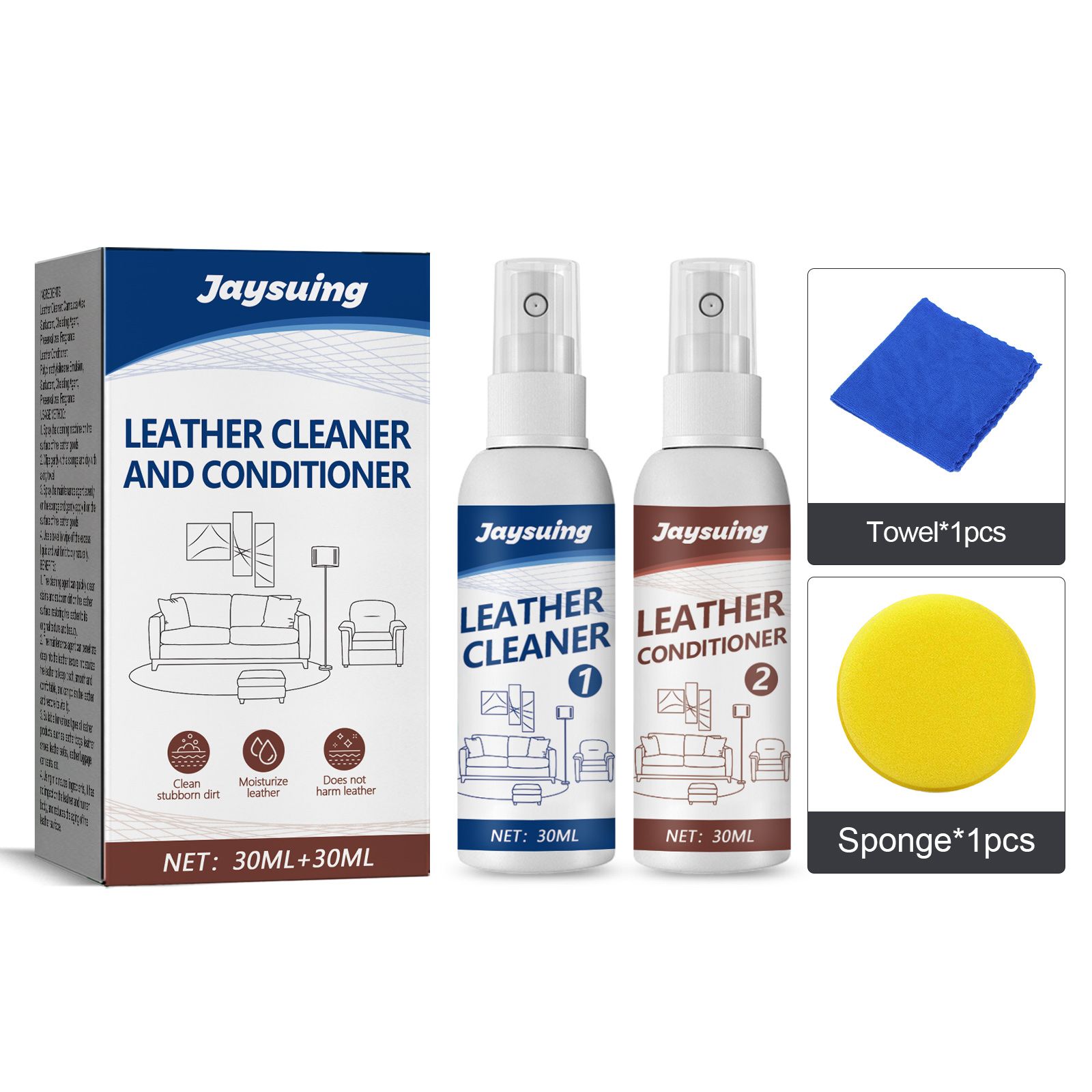

Photos from current listings. Actual item, color, and included accessories may vary.
Leather Treatment Buying Guide
Leather treatment covers cleaners, conditioners, color-restoring creams, and repair pastes that maintain or restore finished leather goods like car seats, sofas, bags, and shoes. The core trade-off is chemistry versus finish: water-based pH-neutral cleaners and conditioners preserve factory coatings and stitching, while solvent-heavy or silicone-laden products and abrasive color creams can strip dyes, darken light leather, or void coatings. The decision rule: choose a pH-neutral cleaner plus a dedicated conditioner for maintenance, and only step up to pigment-based color correction or flexible repair paste when the finish is cracked, faded, or torn.
Median $17.49
Key takeaways
- Water-based, pH-neutral cleaners (pH roughly 5.5–7) protect factory topcoats and stitching; high-alkaline or solvent cleaners degrade both over repeated use.
- Conditioners use lanolin, neatsfoot oil, or silicone; silicone gives temporary shine but builds up and attracts dust, while lanolin and neatsfoot absorb for lasting suppleness.
- Color-correction creams are pigment plus binder, not conditioners — they sit on the surface, so shade matching and thin layering matter more than quantity.
At a glance
- Category
- Leather Hardware, Patterns & Care
- Last updated
- Nov 26, 2026
Current offers
Highlights
- Water-based, pH-neutral cleaners (pH roughly 5.5–7) protect factory topcoats and stitching; high-alkaline or solvent cleaners degrade both over repeated use.
- Conditioners use lanolin, neatsfoot oil, or silicone; silicone gives temporary shine but builds up and attracts dust, while lanolin and neatsfoot absorb for lasting suppleness.
- Color-correction creams are pigment plus binder, not conditioners — they sit on the surface, so shade matching and thin layering matter more than quantity.
- Flexible repair pastes and adhesives are for tears, cracks, and peeling; they need a clean, dry surface and often a heat or pressure set to bond to coated leather.
Best use cases
- Best fit: car seats and coated furniture in regular use — pick a pH-neutral cleaner plus a water-based conditioner applied every 3–6 months to prevent cracking and dye transfer.
- Wrong fit: suede, nubuck, or aniline (unfinished) leather — standard cleaners and conditioners clog nap and darken the hide; use dedicated suede/nubuck products instead.
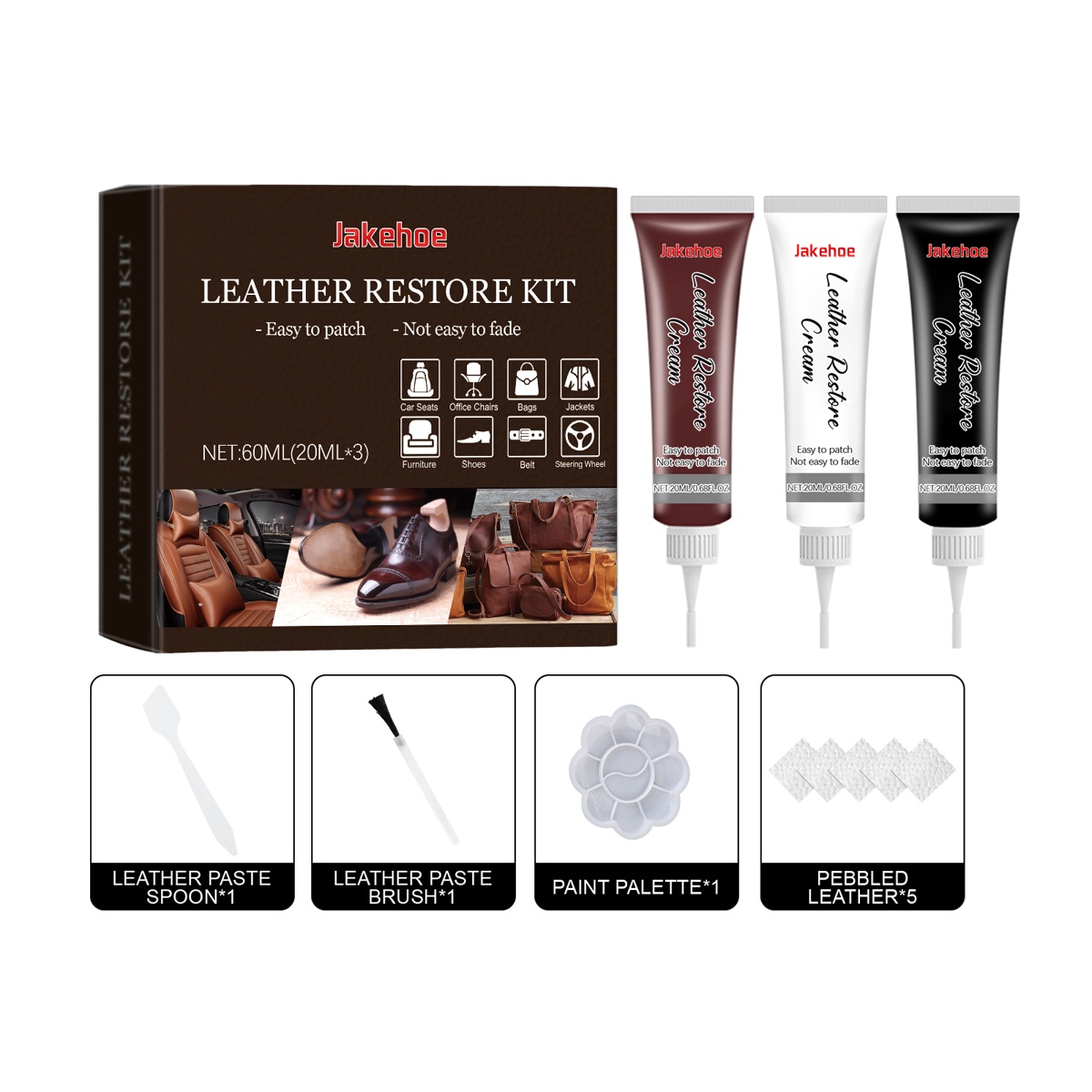
- Best fit: faded or cracked black/brown finished leather — use a pigmented color-correction cream in thin layers; skip it on light beige or white leather where shade mismatch shows.
- Wrong fit: deep tears, seam splits, or peeling coatings — a conditioner will not fix structural damage; use a flexible repair paste or adhesive, and replace heavily failed panels.
Buying tips
- Match chemistry to finish: water-based pH-neutral cleaner plus water-based conditioner for coated automotive and furniture leather; avoid solvent or silicone-heavy products on light colors.
- For color correction, buy the closest shade and test on a hidden area — pigment creams darken as they cure and cannot be lightened once applied.
- Choose kit sizes by usage: a 2 x 30 ml cleaner/conditioner kit covers a few seats or one sofa; full furniture sets need larger bottles to avoid running out mid-job.
- Repair pastes must stay flexible — rigid fillers crack again under seat or cushion flex, so look for flexible, leather-safe adhesive formulations.
Specs
| Chemistry | Water-based pH-neutral vs solvent |
|---|---|
| Product Type | Cleaner / Conditioner / Color / Repair |
| Leather Compatibility | Finished/coated vs suede/nubuck/aniline |
| Kit Format | 2 x 30 ml kit to full-size bottles |
Related searches
What to check before buying
- Confirm the leather type: finished/coated (car seats, most sofas) accepts standard cleaners and conditioners; suede, nubuck, and aniline need dedicated products.
- Check stitching and perforation: avoid heavy creams on perforated or contrast-stitched panels where residue collects and discolors thread.
- For color creams, verify the exact shade code or swatch against your item — especially white, cream, and light grey where yellowing or darkening shows immediately.
- For repair pastes and adhesives, ensure the surface is clean, dry, and free of old silicone or wax, or the bond will fail.
FAQ
Data sources: eBay / Amazon listings and product attribute feeds. Updated Nov 26, 2026.
Some links on this page are affiliate links. If you buy after clicking one, we may earn a commission at no extra cost to you. This does not change which products appear here or their order. Affiliate disclosure.