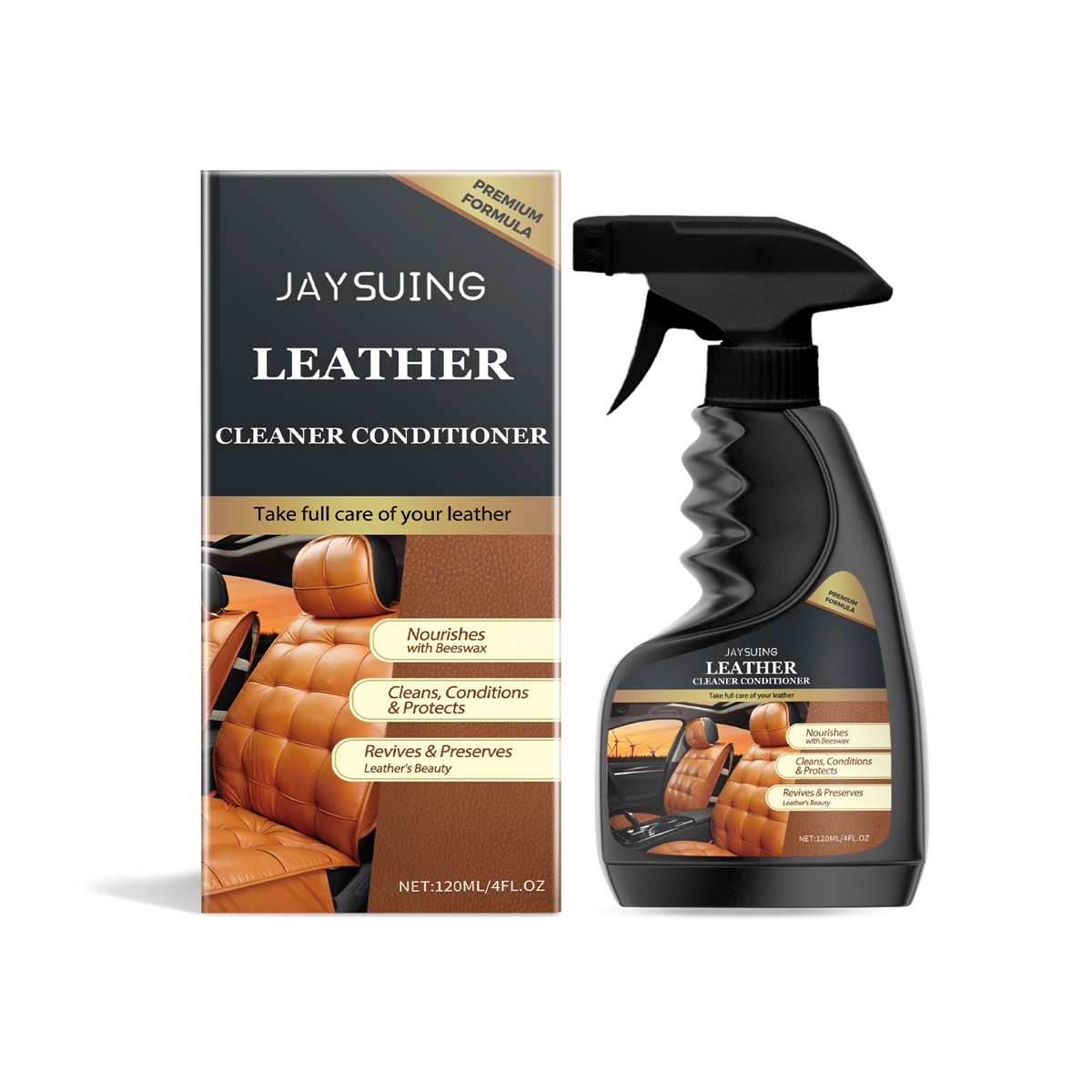

Photos from current listings. Actual item, color, and included accessories may vary.
Leather Cleaner Conditioner Buying Guide
Leather cleaner-conditioner products are two-in-one formulations that lift embedded grime while replenishing oils lost through use and age, and the core trade-off is solvent strength versus pH-neutral conditioning depth—stronger cleaners strip faster but dry and crack finished leather if not balanced. The durable decision rule: choose a pH-balanced, non-detergent cleaner with a dedicated conditioner step (or a proven 2-in-1) for finished leather, and reserve high-alkaline or solvent-heavy degreasers only for heavily soiled, unfinished, or work-boot leather.
Key takeaways
- pH-balanced (roughly 5.5–7.0) water-based cleaners preserve finished leather's acrylic topcoat; alkaline cleaners above pH 9 dull dye and accelerate cracking.
- Saddle soap is a cleaner, not a conditioner—it leaves leather dry and must be followed by a dedicated oil/wax conditioner within 24 hours.
- Conditioner carriers split into three families: lanolin/neatsfoot oil (deep, darkening), silicone-free wax emulsions (protective, low-sheen), and water-based creams (light, fast-absorbing).
At a glance
- Category
- Leather Hardware, Patterns & Care
- Last updated
- Nov 26, 2026
Current offers
Highlights
- pH-balanced (roughly 5.5–7.0) water-based cleaners preserve finished leather's acrylic topcoat; alkaline cleaners above pH 9 dull dye and accelerate cracking.
- Saddle soap is a cleaner, not a conditioner—it leaves leather dry and must be followed by a dedicated oil/wax conditioner within 24 hours.
- Conditioner carriers split into three families: lanolin/neatsfoot oil (deep, darkening), silicone-free wax emulsions (protective, low-sheen), and water-based creams (light, fast-absorbing).
- 2-in-1 cleaner-conditioners trade cleaning power for convenience; separate cleaner + conditioner steps deliver deeper soil removal on aged or heavily used leather.
Best use cases
- Best fit: car interiors, sofas, and finished handbags—pick a pH-neutral foam or cream cleaner plus a non-greasy conditioner to avoid sticky residue and dye transfer.
- Best fit: boots, saddlery, and work leather—use saddle soap for cleaning, then a lanolin or neatsfoot conditioner for oil replenishment and water resistance.
- Wrong fit: suede, nubuck, and unfinished aniline leather—standard cleaner-conditioners clog nap and stain; use dedicated suede erasers/brushes and neutral suede protectors instead.
- Wrong fit: patent, bonded, or vinyl-coated leather—skip oil-based conditioners that sit on the surface; use a damp microfiber cloth and a silicone-free protectant only.
Buying tips
- Match the product to the leather finish: finished/coated leather takes water-based cream; oil-tanned and harness leather takes oil/wax conditioners; suede takes neither.
- Avoid detergents, alcohol, and high-alkaline cleaners on automotive and upholstery leather—they strip the topcoat and cause long-term cracking.
- Test any conditioner on a hidden panel first: darkening and color shift appear within 24 hours on aniline and pull-up leathers.
- Prefer formulations with a short, recognizable ingredient list (lanolin, neatsfoot oil, beeswax, carnauba) over silicone-heavy products that leave a greasy film.
Specs
| Leather Type | Finished, oil-tanned, aniline, suede |
|---|---|
| pH Range | 5.5–7.0 neutral (finished leather) |
| Conditioner Base | Lanolin, neatsfoot, wax, water-based |
| Format | Cream, foam, liquid, bar soap |
Related searches
What to check before buying
- Identify the leather type before buying: finished/coated, oil-tanned, aniline, suede/nubuck, or bonded/vinyl—each requires a different cleaner-conditioner class.
- Measure the cleaning area; a small 4–8 oz tin or bottle covers a full sofa or two car seats, so avoid oversized bulk containers that dry out before use.
- Check application tools: most kits need a horsehair dauber brush, lint-free cloth, and a soft buffing brush; buy them separately if not included.
- Confirm climate compatibility: humid environments favor water-based creams that resist mold; dry climates favor oil/wax conditioners that slow moisture loss.
FAQ
Data sources: eBay / Amazon listings and product attribute feeds. Updated Nov 26, 2026.
Some links on this page are affiliate links. If you buy after clicking one, we may earn a commission at no extra cost to you. This does not change which products appear here or their order. Affiliate disclosure.