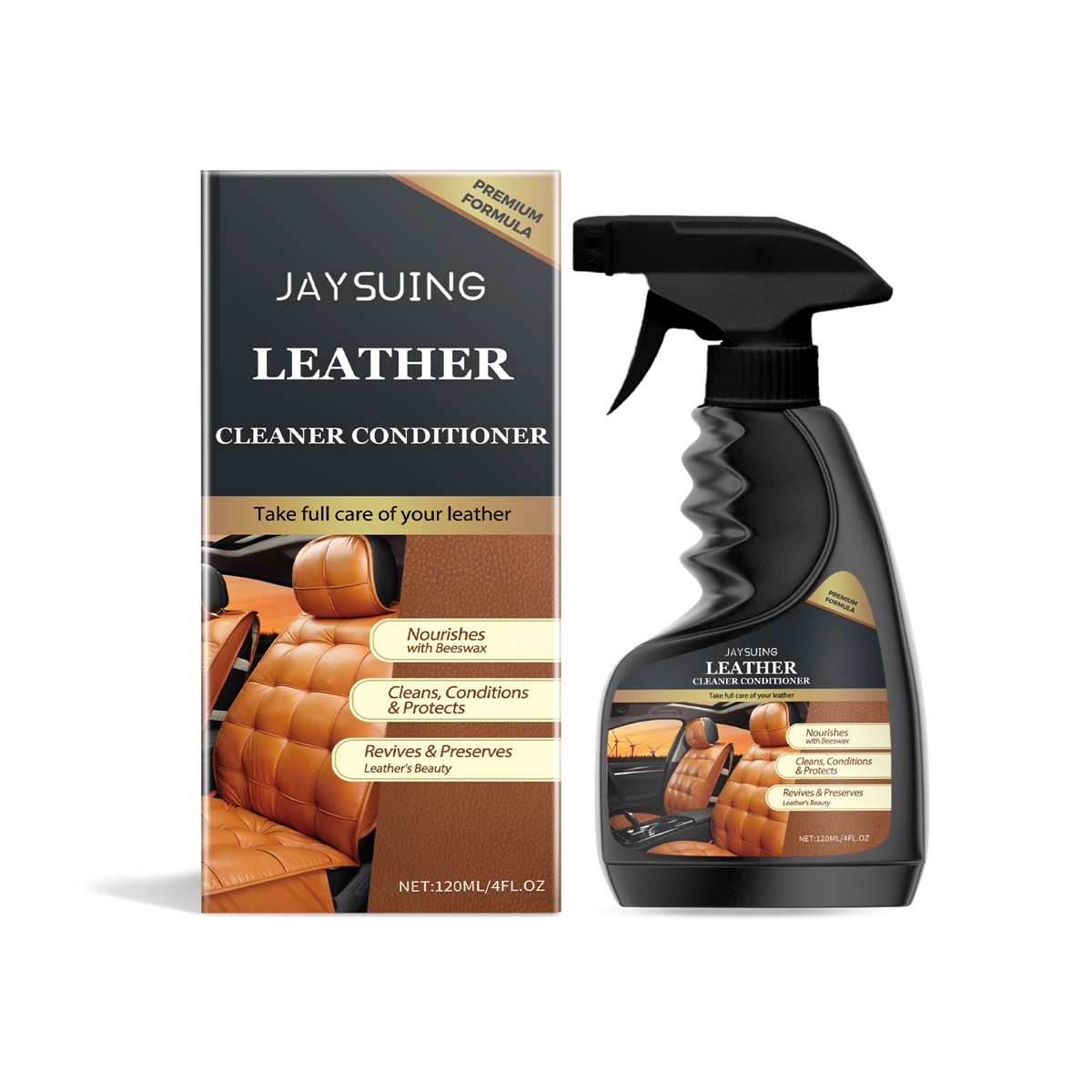

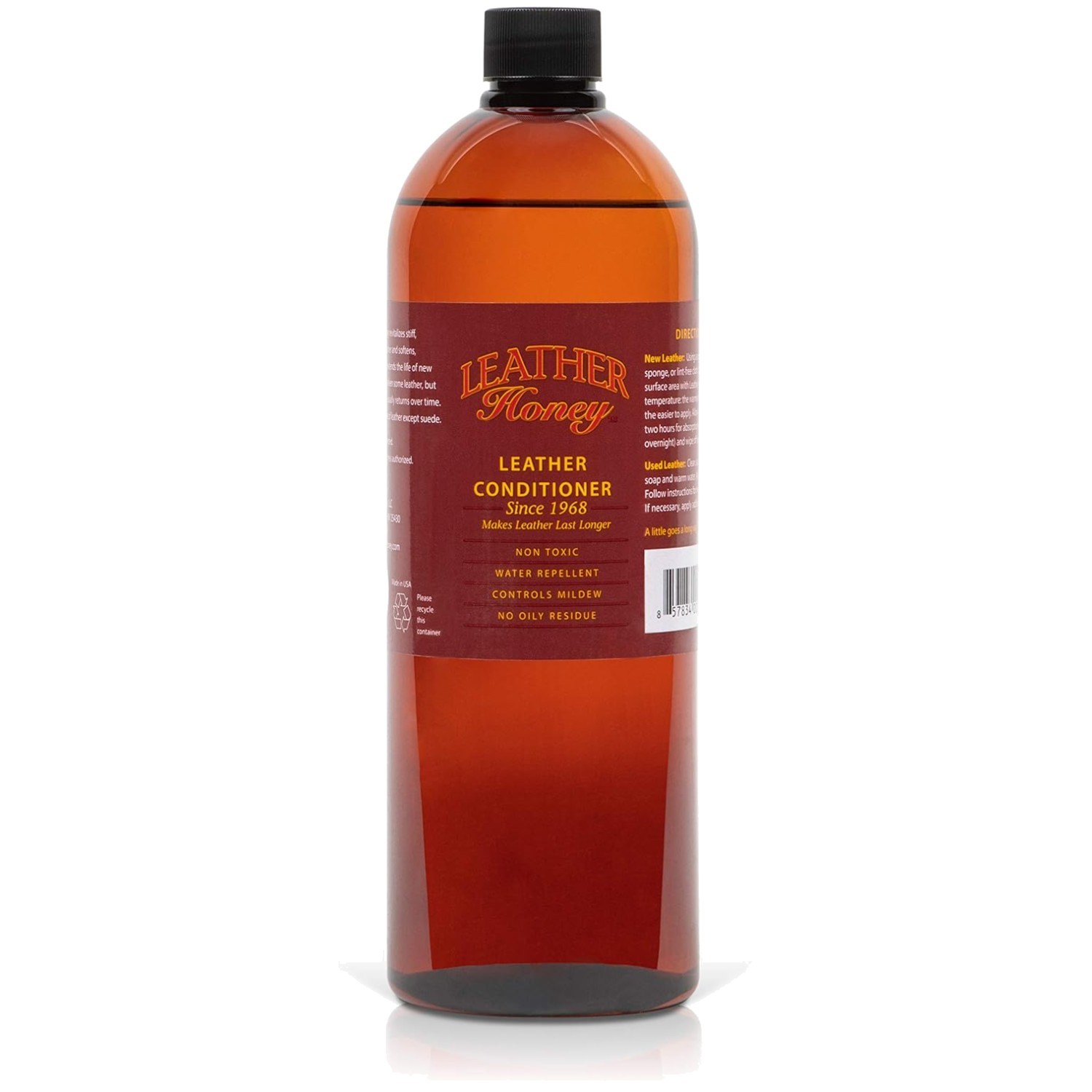
Photos from current listings. Actual item, color, and included accessories may vary.
Leather Oil Buying Guide
Leather oil is a nourishing treatment that replenishes lost fats in leather fibers to restore suppleness and prevent cracking, distinct from surface cleaners and pigmented repair creams. The primary trade-off is between pure, penetrating oils (neatsfoot, mink, lanolin) that absorb deeply but darken leather, and blended conditioners with waxes or silicone that sit on the surface and add shine with less color shift. The decision rule: buy pure oil for dry, matte, vegetable-tanned or work leather that can handle darkening; choose a wax-emulsion conditioner for finished, dyed, or light-colored leather where you want conditioning without a patina jump.
Median $67.74
Key takeaways
- Neatsfoot oil (rendered cattle shin bone) is the standard for heavy boots and tack; pure grade absorbs fully, while 'neatsfoot compound' cuts it with mineral oil and is cheaper but less durable.
- Mink oil is a soft fat that waterproofs and softens but darkens light leather and can oxidize to a rancid smell; it suits dark work boots, not aniline or suede.
- Lanolin-based conditioners (wool grease) penetrate well and are less darkening than neatsfoot, making them the pick for light-colored or antique-finished leather.
At a glance
- Category
- Leather Hardware, Patterns & Care
- Last updated
- Nov 26, 2026
Current offers
Highlights
- Neatsfoot oil (rendered cattle shin bone) is the standard for heavy boots and tack; pure grade absorbs fully, while 'neatsfoot compound' cuts it with mineral oil and is cheaper but less durable.
- Mink oil is a soft fat that waterproofs and softens but darkens light leather and can oxidize to a rancid smell; it suits dark work boots, not aniline or suede.
- Lanolin-based conditioners (wool grease) penetrate well and are less darkening than neatsfoot, making them the pick for light-colored or antique-finished leather.
- Wax-emulsion conditioners (beeswax or carnauba in water) sit on the grain, add water resistance and shine, and are the safe choice for finished upholstery and patent or semi-gloss leather.
Best use cases
- Best fit for pure neatsfoot oil: dry, cracked, matte work boots, saddlery, and vegetable-tanned belts that need deep re-fatting and can accept a darkening patina; apply thin coats and buff.
- Best fit for mink oil: dark, oil-tanned or smooth leather hiking and work boots needing water resistance and softening; wrong fit for suede, nubuck, or light aniline leather where it stains and darkens.
- Best fit for lanolin or wax-emulsion conditioner: finished upholstery, car interiors, handbags, and light-colored leather where color shift is unacceptable; wrong fit for raw, dry, absorbent leather that needs deep oil rather than surface protection.
- Wrong fit for all pure oils: suede, nubuck, and patent leather — use a dedicated suede protector or patent-safe conditioner instead; oils matte the nap and cloud patent finishes.
Buying tips
- Match oil to tannage: vegetable-tanned and oil-tanned leather absorb neatsfoot and mink oil well; chrome-tanned finished leather takes wax-emulsion conditioners without blotching.
- Test darkening on a hidden area first: pure neatsfoot and mink oil can shift light leather two to three shades; lanolin and wax emulsions shift less than one shade.
- Thin coats beat soaking: apply oil with a cloth in light layers, let absorb 12–24 hours, and buff off excess; over-oiling clogs fibers and attracts dirt.
- Avoid silicone and petroleum distillates on quality leather: they give short-term shine but strip natural oils and block future conditioning or repair creams from bonding.
Specs
| Oil Type | Neatsfoot / Mink / Lanolin / Wax |
|---|---|
| Leather Compatibility | Smooth, oil-tan, veg-tan (not suede) |
| Darkening Effect | High (neatsfoot/mink) to Low (lanolin/wax) |
| Application | Thin coat, 12–24 hr absorb, buff |
Related searches
What to check before buying
- Identify your leather type before buying: smooth finished, oil-tanned, vegetable-tanned, suede/nubuck, or patent — each takes a different oil or conditioner class.
- Check the item's finish and color: light or aniline leather needs a non-darkening lanolin or wax emulsion; dark work leather can take neatsfoot or mink oil.
- Confirm the product is a conditioner/oil, not a pigmented repair cream or cleaner — kits like color-correction creams are for crack and scuff repair, not routine oiling.
- Have lint-free cloths and a horsehair brush ready; oil application needs buffing and excess removal, and a brush works oil into seams and welts on boots.
FAQ
Data sources: eBay / Amazon listings and product attribute feeds. Updated Nov 26, 2026.
Some links on this page are affiliate links. If you buy after clicking one, we may earn a commission at no extra cost to you. This does not change which products appear here or their order. Affiliate disclosure.