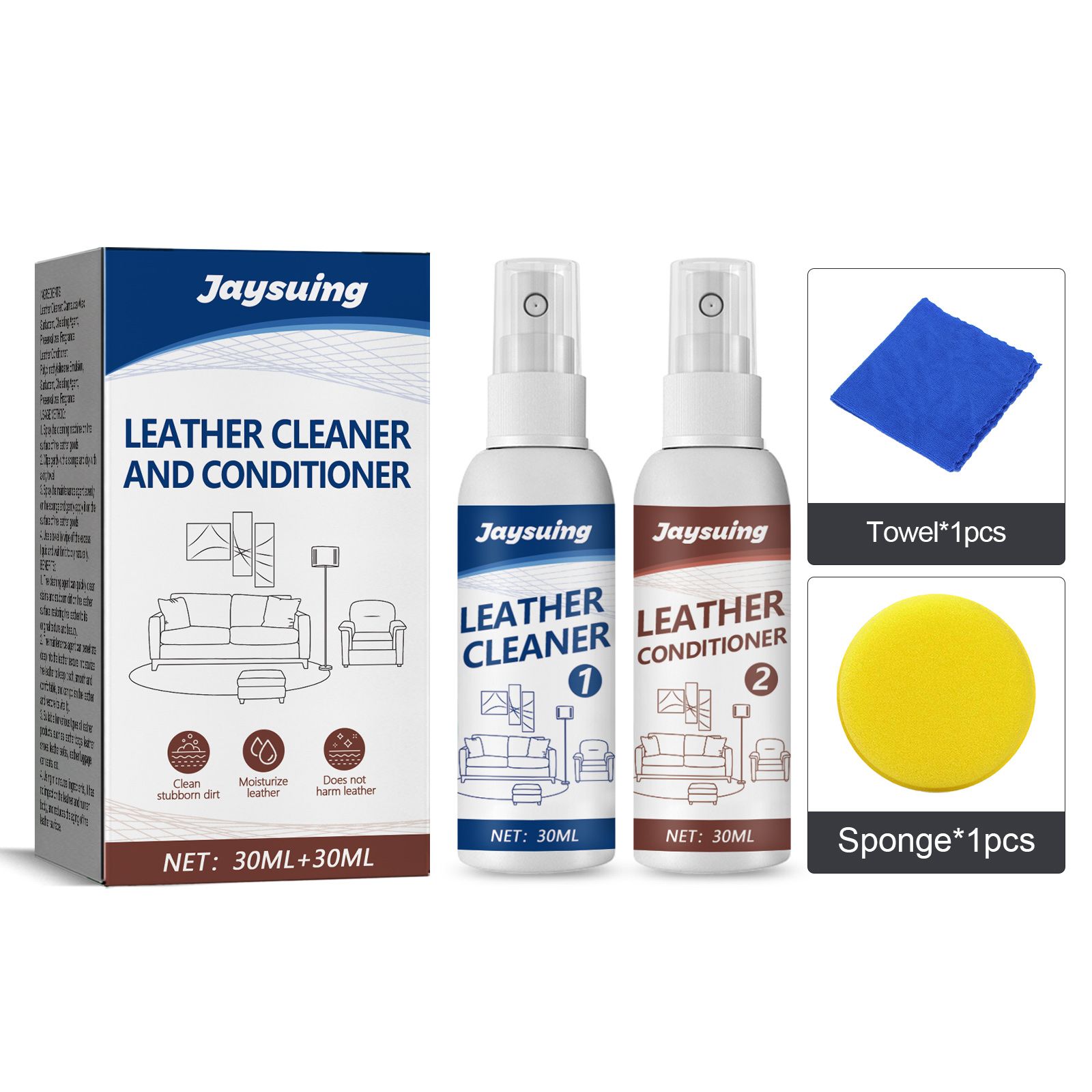

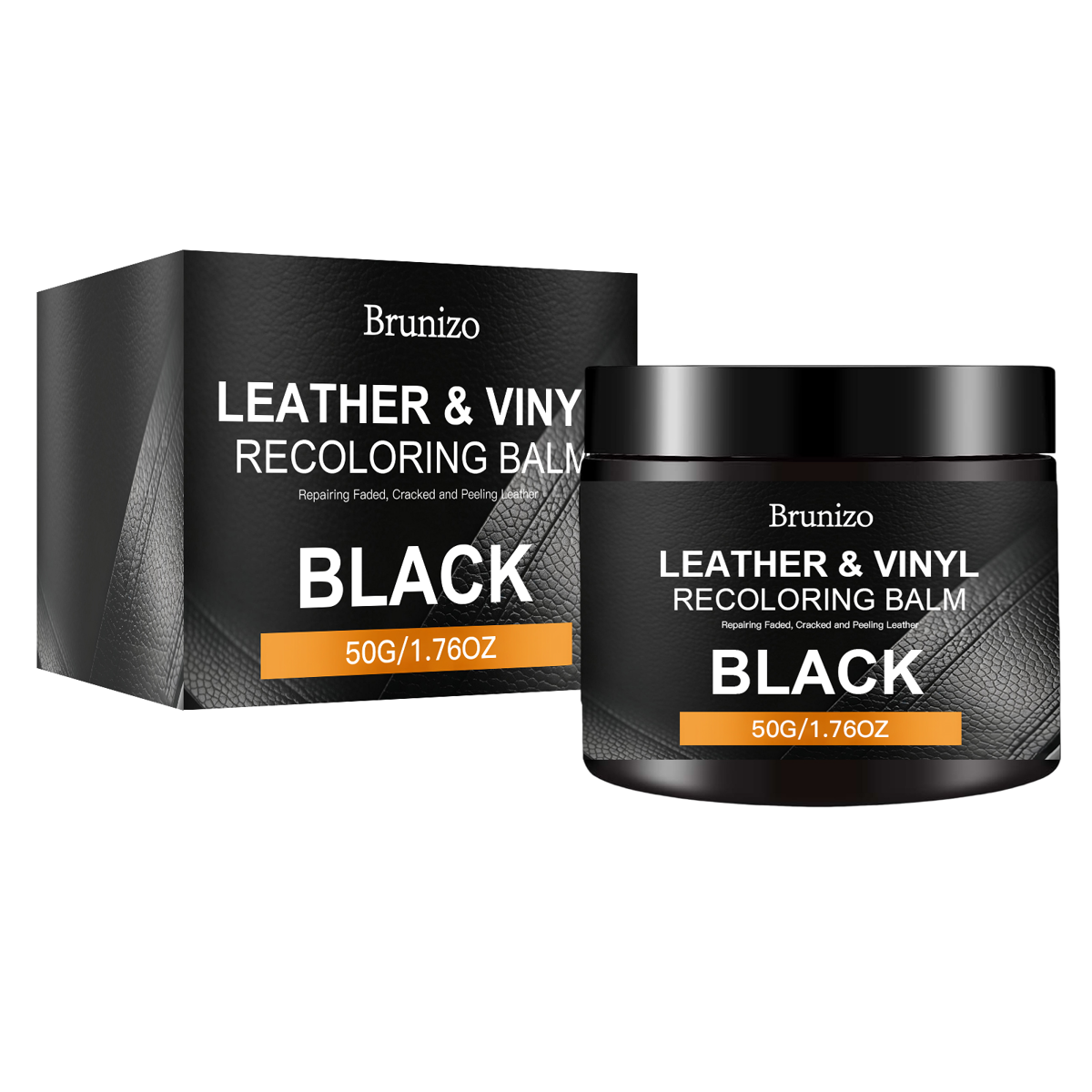
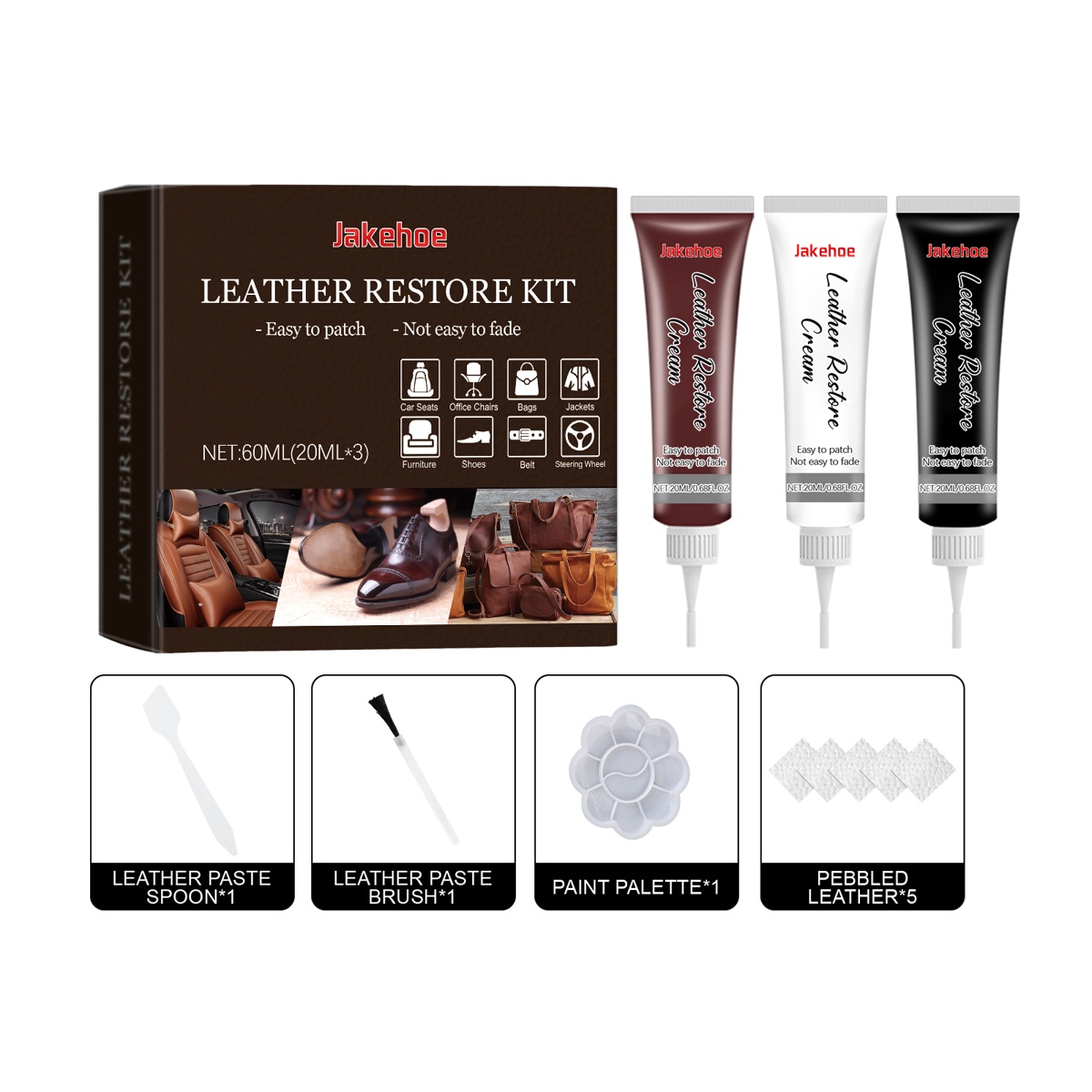
Photos from current listings. Actual item, color, and included accessories may vary.
Leather Softener Buying Guide
Leather softeners are conditioning agents—emulsions, oils, or wax blends—that restore suppleness by replenishing lost fats and reducing fiber friction. The core trade-off is penetration vs. surface protection: oils and emulsified conditioners soften deeply, while wax-heavy balms sit on top and can stiffen or darken. Choose a water-based or oil-in-water emulsion for softening without residue; reserve solvent or wax-dominant products for cleaning or weatherproofing.
Median $19.99
Key takeaways
- Water-based emulsions (oil-in-water) penetrate fibers and soften without leaving tacky film; solvent-based products clean but can strip natural oils.
- Lanolin and neatsfoot oil are classic deep softeners; silicone and petroleum distillates add shine but do not restore suppleness.
- Wax-heavy balms (beeswax, carnauba) protect and waterproof but stiffen leather—avoid them on boots or gloves you need broken-in.
At a glance
- Category
- Leather Hardware, Patterns & Care
- Last updated
- Nov 26, 2026
Current offers
Highlights
- Water-based emulsions (oil-in-water) penetrate fibers and soften without leaving tacky film; solvent-based products clean but can strip natural oils.
- Lanolin and neatsfoot oil are classic deep softeners; silicone and petroleum distillates add shine but do not restore suppleness.
- Wax-heavy balms (beeswax, carnauba) protect and waterproof but stiffen leather—avoid them on boots or gloves you need broken-in.
- pH-balanced conditioners (pH 5–7) match leather's natural acidity; alkaline soaps and harsh solvents degrade collagen over time.
Best use cases
- Boots and footwear: pick a water-based or neatsfoot-oil softener with a pH near 6; skip wax-heavy balms that stiffen flex points.
- Car interiors and furniture: use a non-greasy emulsion that dries matte; avoid silicone-heavy sprays that attract dust and leave slick film.
- Gloves and garments: choose a light lanolin or oil-in-water lotion for flexibility; skip paste waxes that crack at creases.
- Antique or museum leather: use a neutral, solvent-free conditioner with no dyes or perfumes; avoid colored creams that alter patina.
Buying tips
- Match softener to leather type: full-grain and top-grain absorb oils well; corrected-grain and bonded leather need water-based emulsions to avoid over-saturation.
- Check the first three ingredients: water, lanolin, neatsfoot oil, or jojoba indicate softening; petroleum distillates or silicone indicate surface coating.
- For boots, apply thin coats and warm leather gently—excess oil can weaken stitching and cause stretching; one light application per season is typical.
- Colored creams (black, brown) add pigment and gloss but are not softeners—use a neutral conditioner first, then a colored cream only for scuffs.
Specs
| Base Type | Water-based emulsion vs oil/wax |
|---|---|
| Key Softener | Lanolin / neatsfoot / jojoba |
| pH Balance | pH 5–7 (leather-safe) |
| Finish | Matte natural vs gloss/wax |
Related searches
What to check before buying
- Confirm leather type: full-grain, top-grain, corrected-grain, suede, or bonded—each needs a different softener chemistry.
- Test on a hidden area (inside seam or tongue) 24 hours before full application to check for darkening or discoloration.
- Check product pH or claim (pH-balanced, neutral) and avoid alkaline cleaners that degrade leather fibers.
- For footwear, ensure the softener is compatible with the sole adhesive and stitching—solvent-based products can weaken cement bonds.
FAQ
Data sources: eBay / Amazon listings and product attribute feeds. Updated Nov 26, 2026.
Some links on this page are affiliate links. If you buy after clicking one, we may earn a commission at no extra cost to you. This does not change which products appear here or their order. Affiliate disclosure.