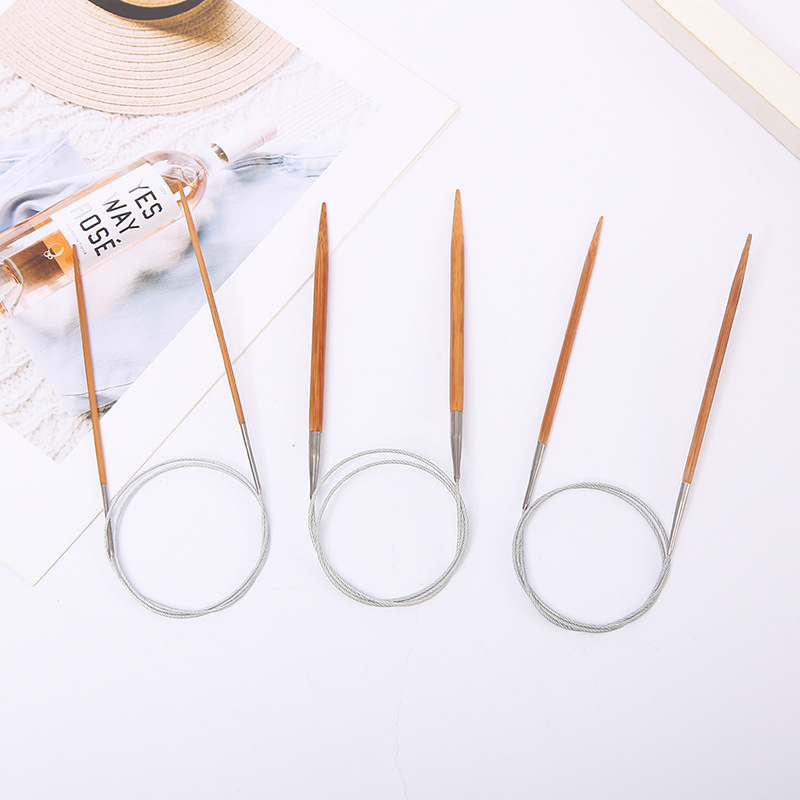

Photos from current listings. Actual item, color, and included accessories may vary.
Knitting Needle Arthriti Buying Guide
Arthritis-friendly knitting needles are designed to reduce hand strain through larger grips, smoother joins, and lightweight or flexible materials. The key trade-off is between needle diameter (larger is easier to grip but limits stitch gauge) and handle ergonomics (chunky rubber or wood grips add control but can feel bulky). Choose needles with a diameter of at least 6 mm and a textured, non-slip handle if joint pain is moderate to severe; skip thin metal circulars under 4 mm unless using them only for brief finishing.
Median $7.99
Key takeaways
- Needle diameter 6–10 mm (US 10–15) reduces finger pinch force by roughly 30–50% compared to 2–3 mm needles, per hand-therapy ergonomics studies.
- Wood (birch, bamboo) and hollow plastic needles weigh 40–60% less than solid aluminum, lowering wrist torque during long sessions.
- Circular needles with flexible cables and swivel joints minimize lever-arm strain on thumb and index finger versus rigid straight needles.
At a glance
- Category
- Knitting Needles & Accessories
- Last updated
- Nov 28, 2026
Current offers
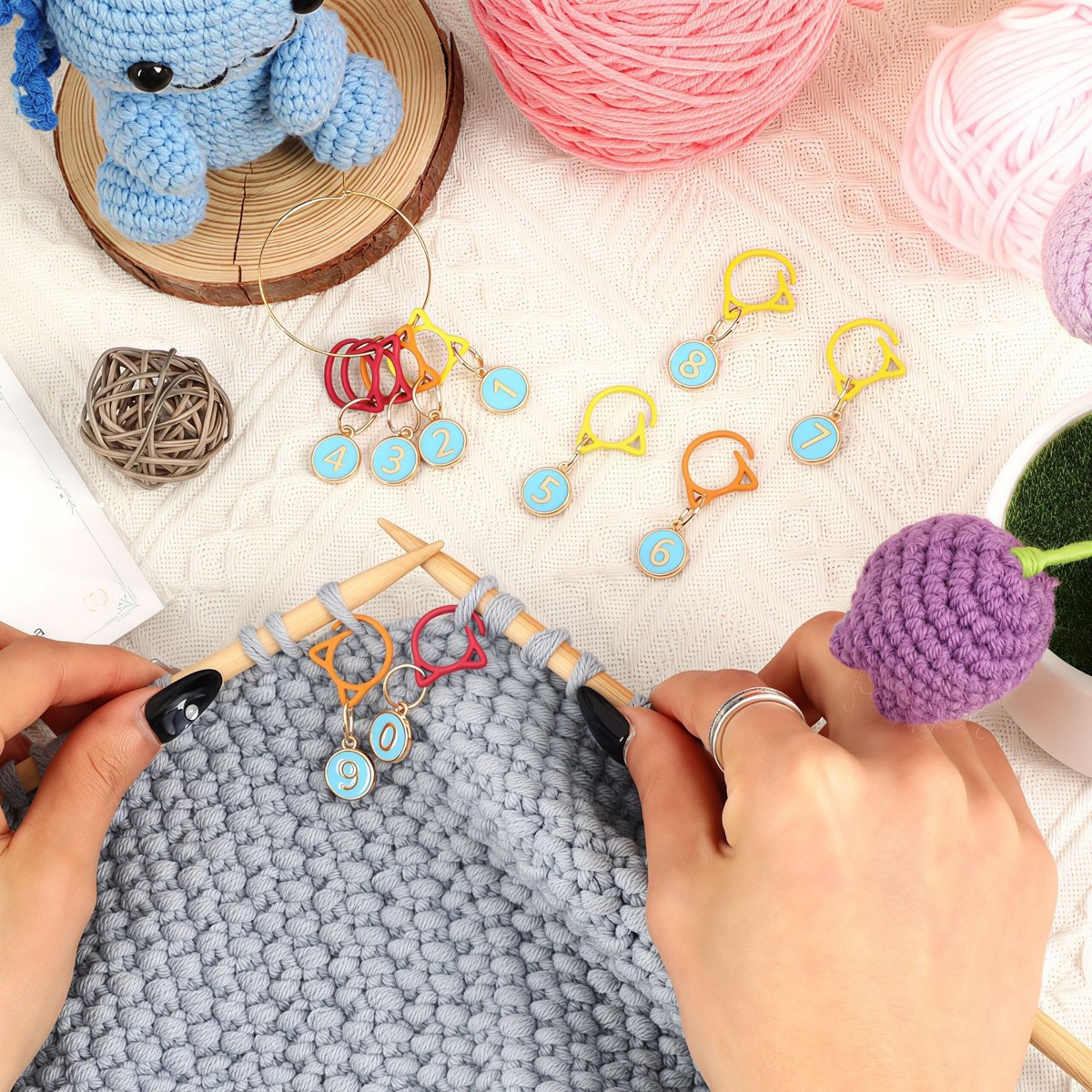
Highlights
- Needle diameter 6–10 mm (US 10–15) reduces finger pinch force by roughly 30–50% compared to 2–3 mm needles, per hand-therapy ergonomics studies.
- Wood (birch, bamboo) and hollow plastic needles weigh 40–60% less than solid aluminum, lowering wrist torque during long sessions.
- Circular needles with flexible cables and swivel joints minimize lever-arm strain on thumb and index finger versus rigid straight needles.
- Ergonomic grips made from soft TPR or EVA foam add 10–15 mm diameter and absorb vibration; hard plastic grips offer less relief but last longer.
Best use cases
- Best fit: knitters with moderate osteoarthritis who work flat projects — choose 6–8 mm bamboo circulars with foam grips and 80–100 cm cables for lap comfort.
- Best fit: knitters with severe hand weakness or limited grip — pick 10 mm hollow plastic straights with built-up rubber handles, even if it limits fine gauge work.
- Wrong fit: knitters who need precise lace or sock gauges (2–3 mm) — arthritis-friendly grips are not available below 4 mm; use thin needles only for short intervals with compression gloves.
- Wrong fit: knitters who prefer metal slickness for speed — polished aluminum reduces friction but increases required grip force; switch to coated aluminum or wood for less slip.
Buying tips
- Match needle diameter to yarn weight: for worsted yarn use 5–6.5 mm; for bulky use 8–10 mm; never go below 4 mm if morning stiffness lasts over 30 minutes.
- Choose circular needles with a cable-to-needle join that is smooth and swivel-mounted — rough joins force a tighter grip and cause yarn drag.
- Prefer interchangeable sets with screw-in tips only if you can tighten them with a key; loose tips catch stitches and increase hand tension.
- Look for handle length of at least 12 cm on straight needles — shorter handles concentrate pressure on the palm base.
Specs
| Needle Diameter | 6–10 mm (US 10–15) for arthritis |
|---|---|
| Handle Material | Foam/TPR > wood > plastic > metal |
| Needle Type | Circular (flexible cable) vs straight |
| Tip Shape | Blunt/rounded vs sharp lace |
Related searches
What to check before buying
- Measure your hand span: if palm width exceeds 9 cm, choose needles with grip diameter of 15 mm or more to avoid finger cramping.
- Check your project gauge: arthritis-friendly diameters (6–10 mm) produce 4–5 stitches per inch; adjust pattern or yarn weight accordingly.
- Verify cable length for circulars: 80 cm suits sweaters and blankets; 40 cm is too short for most arthritis-friendly grips and causes wrist bending.
- Confirm tip shape: blunt or rounded tips reduce accidental splitting and eye strain; sharp lace tips are not recommended for low-vision or tremor-prone knitters.
FAQ
Data sources: eBay / Amazon listings and product attribute feeds. Updated Nov 28, 2026.
Some links on this page are affiliate links. If you buy after clicking one, we may earn a commission at no extra cost to you. This does not change which products appear here or their order. Affiliate disclosure.