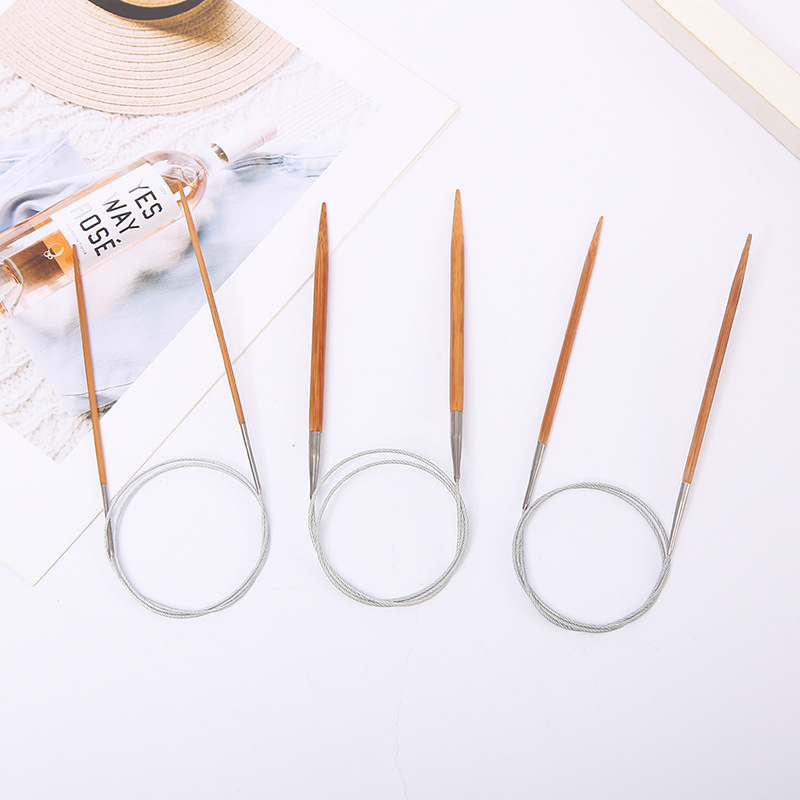

Photos from current listings. Actual item, color, and included accessories may vary.
Stainless Steel Circular Knitting Needle Buying Guide
Stainless steel circular knitting needles pair a slick, durable metal surface with a flexible cable for knitting in the round, and the core trade-off is surface slickness versus grip: polished stainless is fast and snag-free but lets slippery yarns slide, while brushed or coated tips add control at the cost of speed. The clear decision rule is to buy stainless only when you want durability, smooth joins, and easy sliding for lace, fine-gauge, or high-yardage projects—and choose bamboo or wood instead when loose, slick, or heavy yarns need grip and you knit at a relaxed pace.
Key takeaways
- Stainless tips resist corrosion and wear far better than aluminum or coated brass, keeping polished glide intact through years of high-yardage knitting without plating chips or oxidation rings.
- Cable join quality decides performance more than the metal: a flush, snag-free transition and a swivel joint prevent yarn catching and reduce hand fatigue on long circular runs.
- Tip geometry controls speed and control—tapered lace points catch fine stitches easily, while blunt tips suit bulky yarns and beginners who drop stitches on slick metal.
At a glance
- Category
- Knitting Needles & Accessories
- Last updated
- Nov 28, 2026
Current offers
Highlights
- Stainless tips resist corrosion and wear far better than aluminum or coated brass, keeping polished glide intact through years of high-yardage knitting without plating chips or oxidation rings.
- Cable join quality decides performance more than the metal: a flush, snag-free transition and a swivel joint prevent yarn catching and reduce hand fatigue on long circular runs.
- Tip geometry controls speed and control—tapered lace points catch fine stitches easily, while blunt tips suit bulky yarns and beginners who drop stitches on slick metal.
- Fixed circulars lock one needle size to one cable length; interchangeable stainless sets add cost but let you swap tip sizes and cable lengths for varied circumferences.
Best use cases
- Best fit: lace, fingering, and fine-gauge sweater bodies knit in the round—pick tapered stainless tips with a smooth swivel join for fast, even sliding over thousands of stitches.
- Best fit: durable everyday circulars for hats, sleeves, and cowls—choose fixed stainless circulars in the cable length matching your stitch count and skip interchangeable sets if you knit one size at a time.
- Wrong fit: loose, slick, or heavy plant-fiber and acrylic yarns—stainless lets stitches slide off; use bamboo or wood tips for grip instead of forcing metal.
- Wrong fit: tight-gauge bulky knitting where hand tension runs high—polished stainless can feel uncontrollable; pick blunt stainless tips or switch to wood for bulkier yarns.
Buying tips
- Match cable length to stitch count, not project type: a 16-inch circular suits hat crowns and small circumferences, 24–32 inches covers sweater bodies, and 40 inches or more handles large blankets and magic-loop setups.
- Choose tip taper by yarn weight: sharp lace points for fingering and lace, standard tapered points for DK and worsted, blunt tips for bulky and beginner-friendly control on slick metal.
- Prefer swivel joins and smooth cable-to-tip transitions; a snag at the join costs more knitting time than any difference in stainless grade, so inspect the connection quality first.
- For interchangeable systems, confirm the thread standard matches your existing tips and cables—cross-brand thread mismatches force you to rebuy the whole system rather than one component.
Specs
| Needle Material | Stainless steel vs bamboo/wood |
|---|---|
| Circular Type | Fixed vs interchangeable set |
| Cable Length | 16 / 24 / 32 / 40 in |
| Tip Shape | Lace taper / standard / blunt |
Related searches
What to check before buying
- Measure your project circumference and pick a cable length shorter than the total stitch circumference so stitches can slide freely around the needle.
- Check the tip-to-cable join for a flush, snag-free transition and confirm the cable swivels if you plan long circular runs.
- Confirm the needle size matches your yarn gauge swatch—stainless slides faster than wood, so swatch on the actual needle before committing to a sweater.
- For interchangeable sets, verify thread compatibility with your existing tips and cables, and confirm the case holds the tip sizes and cable lengths you actually use.
FAQ
Data sources: eBay / Amazon listings and product attribute feeds. Updated Nov 28, 2026.
Some links on this page are affiliate links. If you buy after clicking one, we may earn a commission at no extra cost to you. This does not change which products appear here or their order. Affiliate disclosure.