
Photos from current listings. Actual item, color, and included accessories may vary.
Brother Heavy Duty Sewing Machine Buying Guide
Brother Heavy Duty machines are mechanical, top-loading sewing machines built around a metal frame and a stronger motor than entry-level plastic-frame models, aimed at thick seams and daily use. The core trade-off is motor/frame rigidity versus feature set: Heavy Duty models prioritize penetration power and durability over stitch variety, embroidery, or computerization. The decision rule is simple: buy Heavy Duty only if you regularly sew denim, canvas, or multiple layers; if you need decorative stitches or quilting width, step up to a computerized or quilting-specific model instead.
Median $579.99
Key takeaways
- Metal internal frame vs plastic frame: the metal chassis reduces flex and vibration, which is what actually lets the needle penetrate thick seams without skipped stitches.
- Motor and needle-penetration force separate Heavy Duty tiers: higher-tier models drive through denim and canvas; base models still bog down on webbing or heavy leather.
- Top-loading bobbin (drop-in) is standard across the line, with a jam-proof bobbin case and a clear bobbin cover for quick changes.
At a glance
- Category
- Sewing & Quilting Machines
- Last updated
- Nov 27, 2026
Current offers
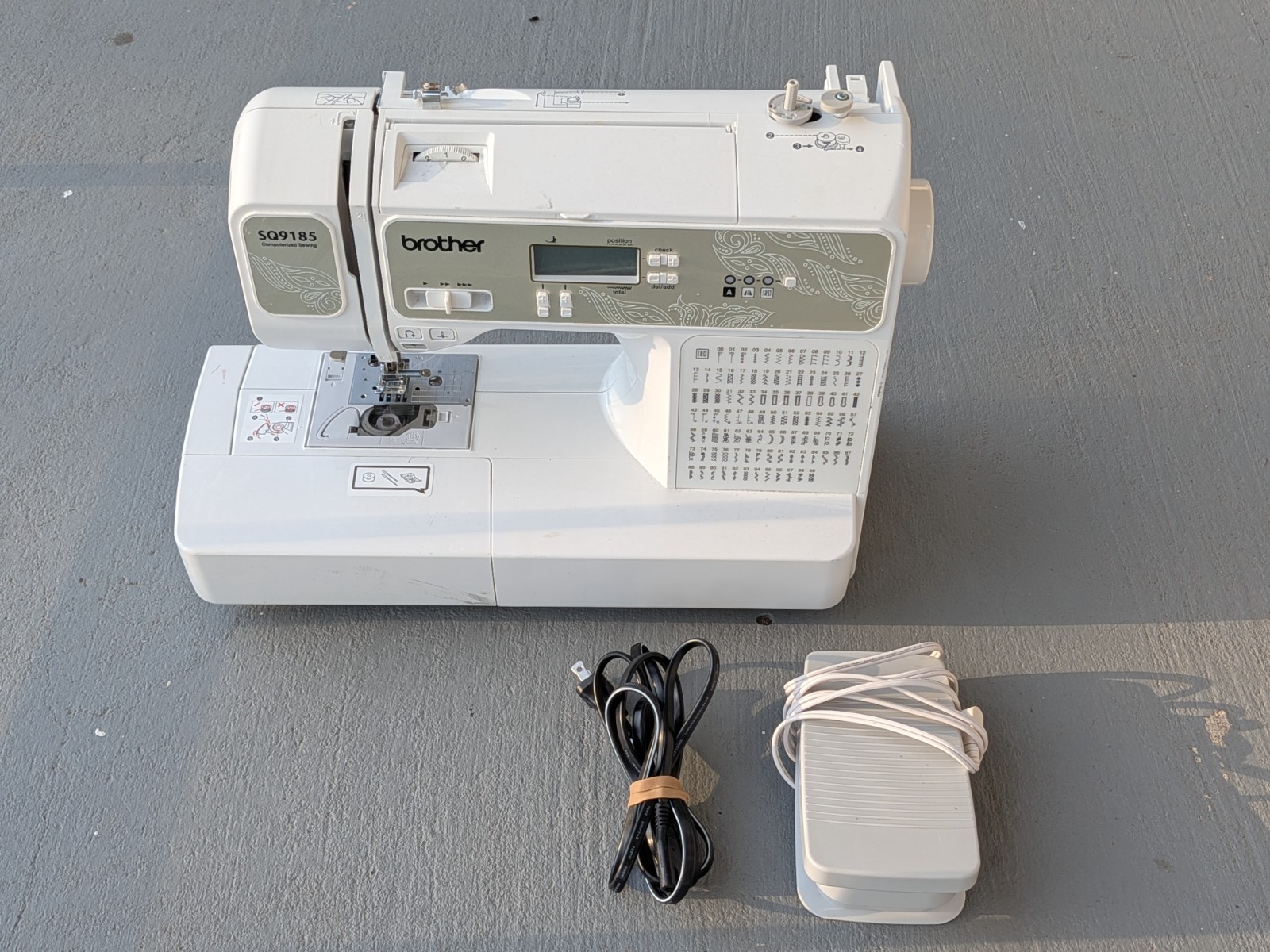 Brother SQ9185 Computerized Sewing Machine w/ Foot Pedal & Power Cord Tested$69.99View on eBay
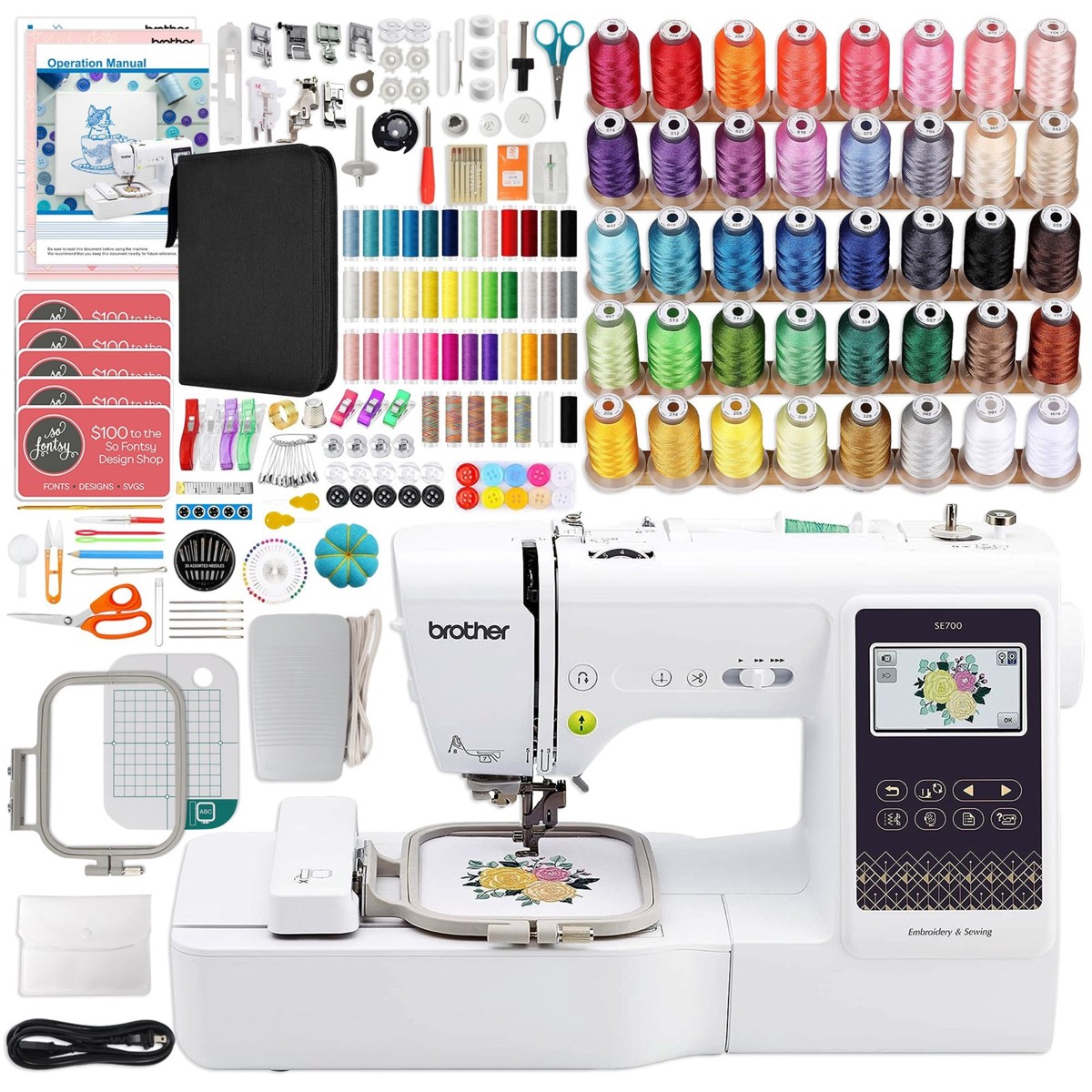 Brother SE700 Embroidery & Sewing Machine w/ 83 Spools & 200+ Accessories$579.99Last checked Nov 17, 2026View on eBay
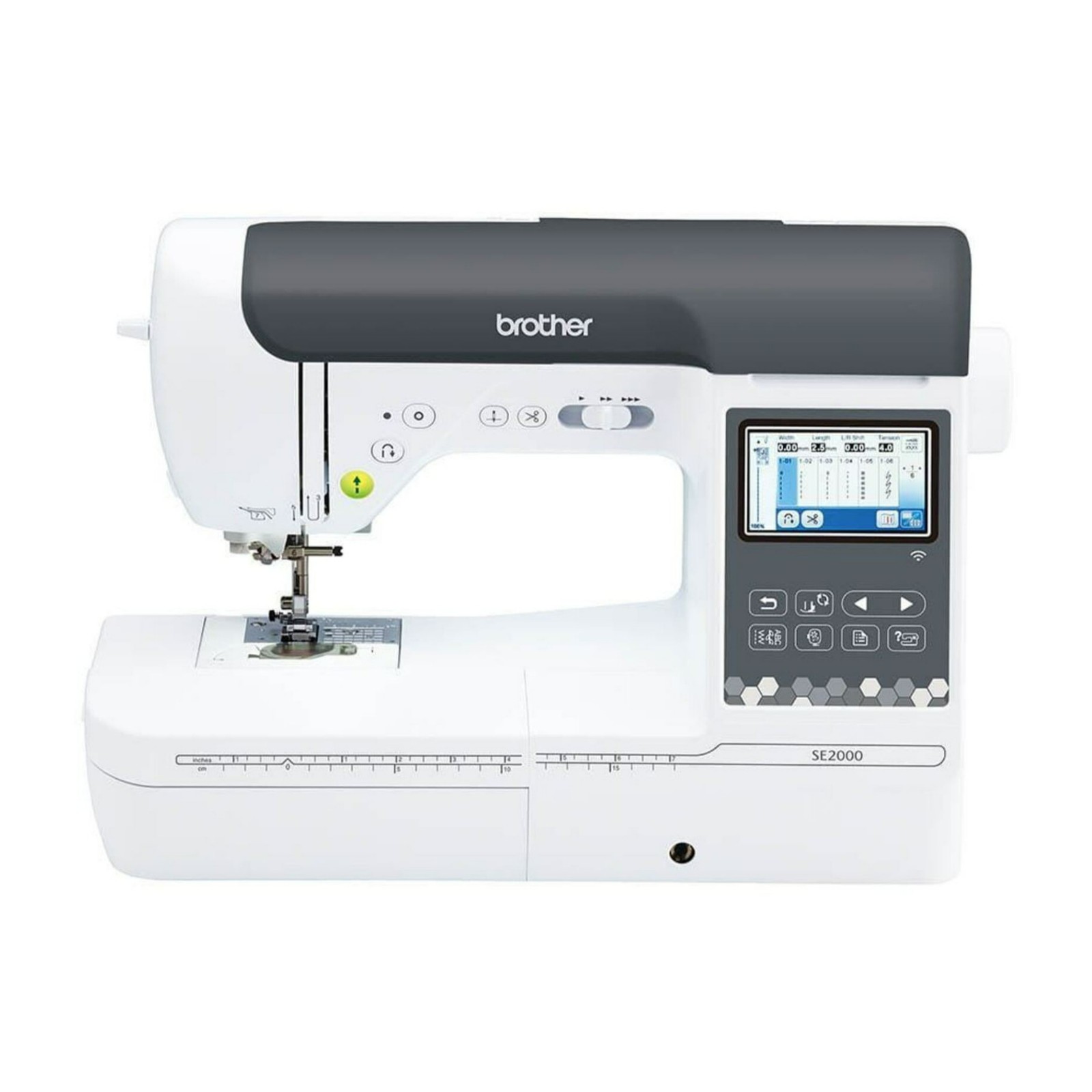 Brother SE2000 Computerized Sewing and Embroidery Machine LCD Display$1,499.99Last checked Nov 18, 2026View on eBay
Highlights
- Metal internal frame vs plastic frame: the metal chassis reduces flex and vibration, which is what actually lets the needle penetrate thick seams without skipped stitches.
- Motor and needle-penetration force separate Heavy Duty tiers: higher-tier models drive through denim and canvas; base models still bog down on webbing or heavy leather.
- Top-loading bobbin (drop-in) is standard across the line, with a jam-proof bobbin case and a clear bobbin cover for quick changes.
- Generation differences matter: older Heavy Duty models top out around 1,000 stitches per minute, while newer revisions add speed control and a reinforced needle plate.
Best use cases
- Best fit: home sewers working regularly with denim, canvas, upholstery weight, or multiple layered seams — pick a Heavy Duty tier with metal frame and adjustable presser foot pressure.
- Wrong fit: quilters needing a wide throat and extension table — skip Heavy Duty and choose a quilting-specific machine with a larger harp space.
- Best fit: beginners who want a mechanical, low-maintenance machine with simple dial controls and no computer board to fail — base Heavy Duty models are ideal.
- Wrong fit: sewers who want embroidery, decorative stitch libraries, or automatic needle threading — Heavy Duty models are mechanical and intentionally minimal.
Buying tips
- Check the frame material: a metal internal frame is the single biggest durability indicator; plastic-frame 'heavy duty' labeling is marketing, not construction.
- Match needle and thread to fabric: Heavy Duty machines still require size 16/100 needles and heavy-duty thread for denim; the machine cannot compensate for wrong consumables.
- Verify presser foot pressure adjustment: models with adjustable pressure handle thick seams far better than fixed-pressure models.
- Confirm the harp (throat) space: Heavy Duty machines typically offer around 6.5 inches, which is fine for garments but tight for large quilts.
Specs
| Frame Construction | Metal internal frame vs plastic |
|---|---|
| Bobbin Type | Top-loading drop-in (jam-proof) |
| Stitch Speed | Up to ~1,000 stitches per minute |
| Harp Space | ~6.5 inches (garment-focused) |
Related searches
What to check before buying
- Measure your sewing table or workspace: Heavy Duty machines are heavier and need a stable surface; confirm the footprint fits before buying.
- Check your fabric stash: if you mostly sew lightweight cotton, a Heavy Duty machine is overkill — a standard mechanical model is lighter and cheaper.
- Confirm voltage and plug standard: Brother sells region-specific models; ensure the machine matches your country's voltage and plug type.
- Verify included accessories: Heavy Duty models should include a denim needle, heavy-duty thread, and a screwdriver for needle plate changes.
FAQ
Data sources: eBay / Amazon listings and product attribute feeds. Updated Nov 27, 2026.
Some links on this page are affiliate links. If you buy after clicking one, we may earn a commission at no extra cost to you. This does not change which products appear here or their order. Affiliate disclosure.