
Photos from current listings. Actual item, color, and included accessories may vary.
Compact Sewing Machine Buying Guide
Compact sewing machines trade stitch variety and throat space for portability and a small footprint, making motor type and frame rigidity the decisive durability factors. Mechanical oscillating-hook models suit light mending; computerized or metal-frame drop-feed machines handle quilting and layered fabrics without skipped stitches. Choose a metal internal frame and adjustable presser-foot pressure for longevity, and skip all-plastic budget tiers if you sew weekly.
Median $144.99
Key takeaways
- Motor type: brushed DC motors (often 0.3–0.9A) power most compacts; higher-torque models with metal gears pierce denim without stalling.
- Frame construction: a die-cast aluminum or steel chassis minimizes vibration and needle deflection at high speed; ABS-plastic frames flex and skip stitches on thick seams.
- Hook and feed: oscillating vertical hooks are common on compacts; rotary horizontal hooks with drop-in bobbins run smoother and are easier to thread.
At a glance
- Category
- Sewing & Quilting Machines
- Last updated
- Nov 27, 2026
Current offers
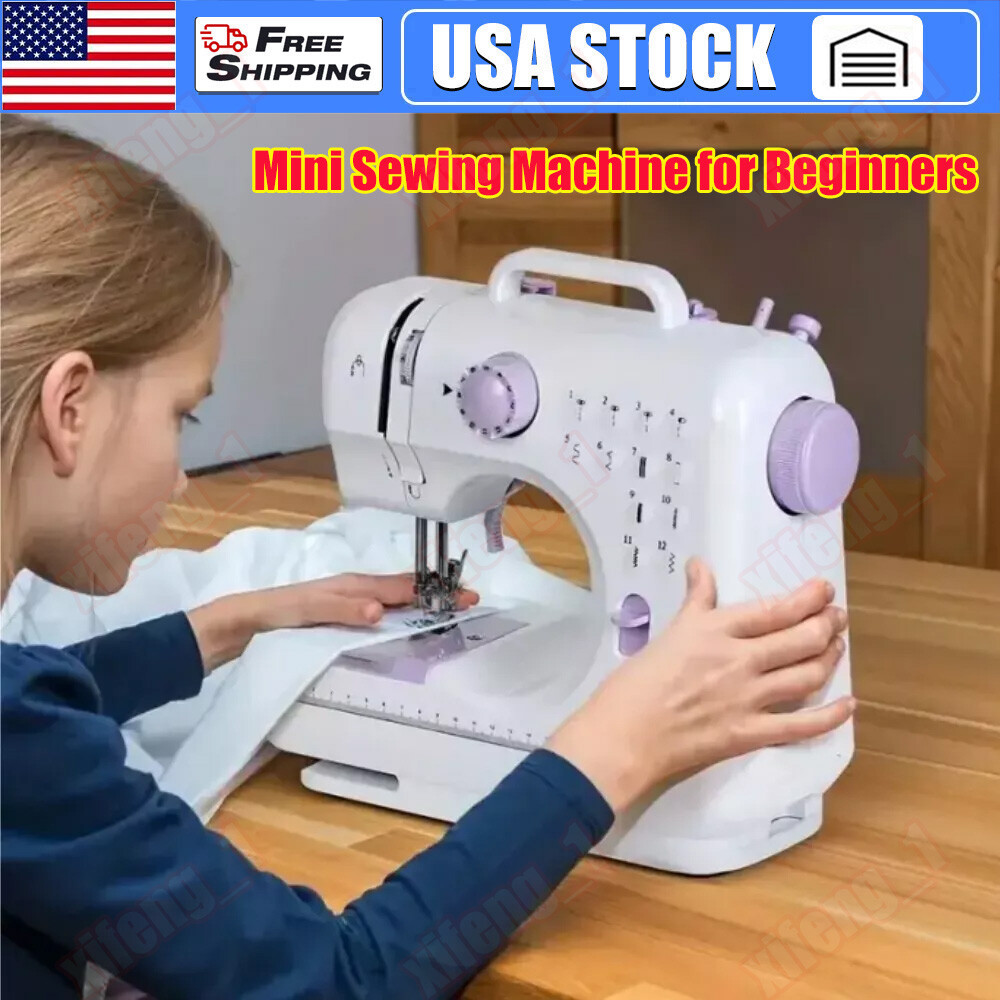 Electric Sewing Machine Portable Crafting Mending Machine 12 Built-In Stitches$32.98View on eBay
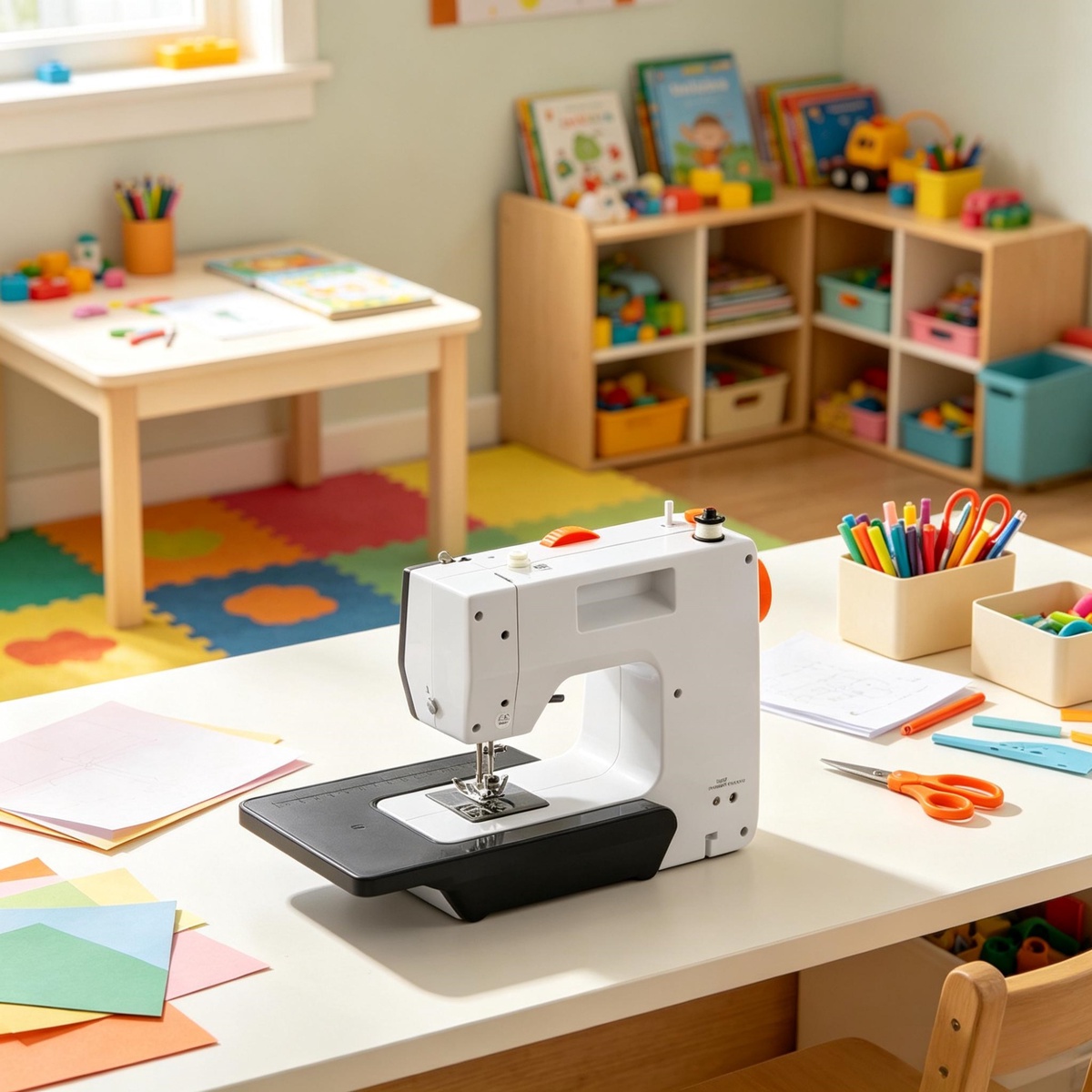 Beginner Portable Sewing Machine, 38 Built-in Stitches & Reverse Dual Speed Control with Extension Table and Foot Pedal$158.99View on Mallflare
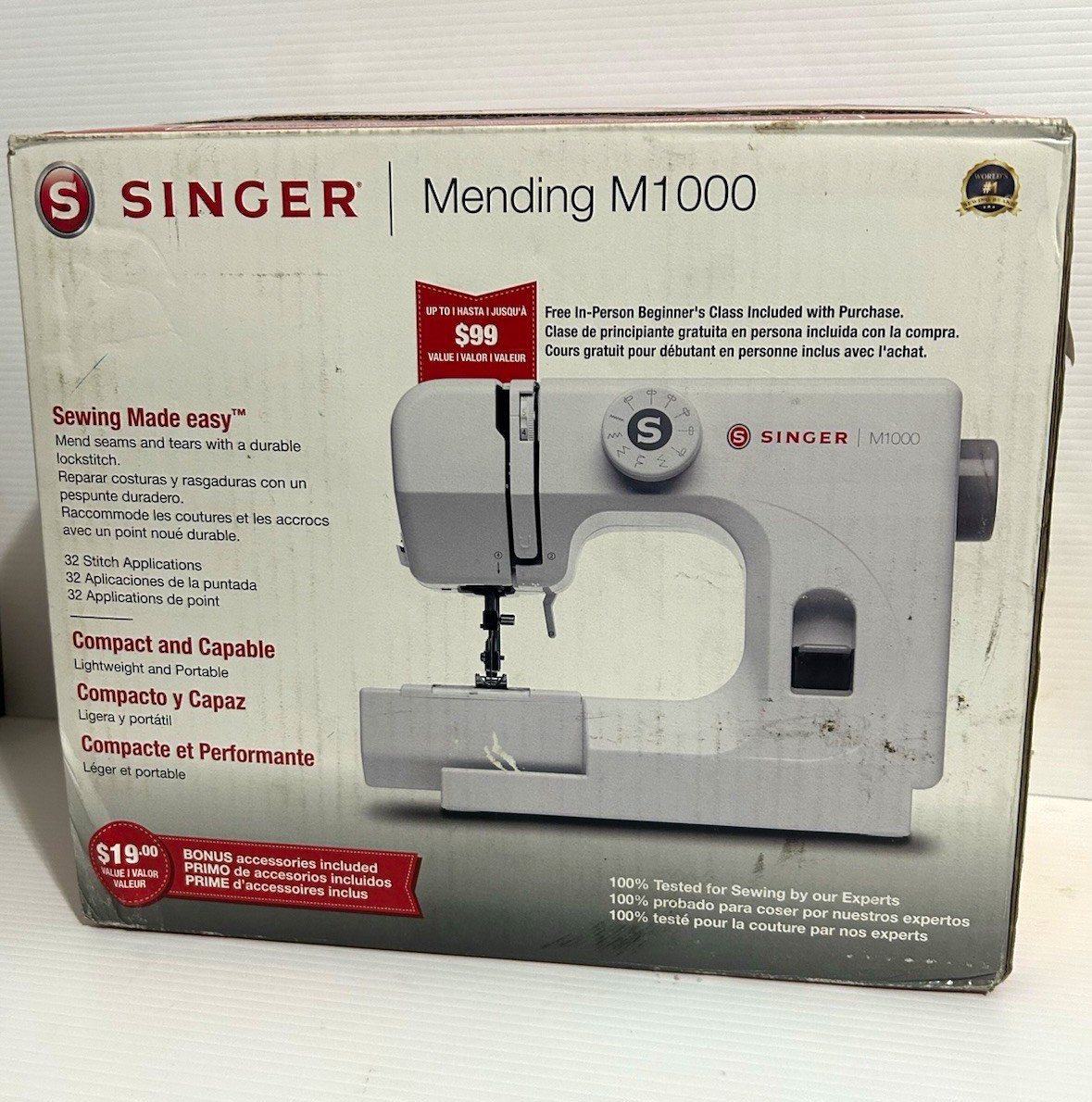 SINGER M1000 Portable Electric Household Sewing Machine (120V) White$60.00View on eBay
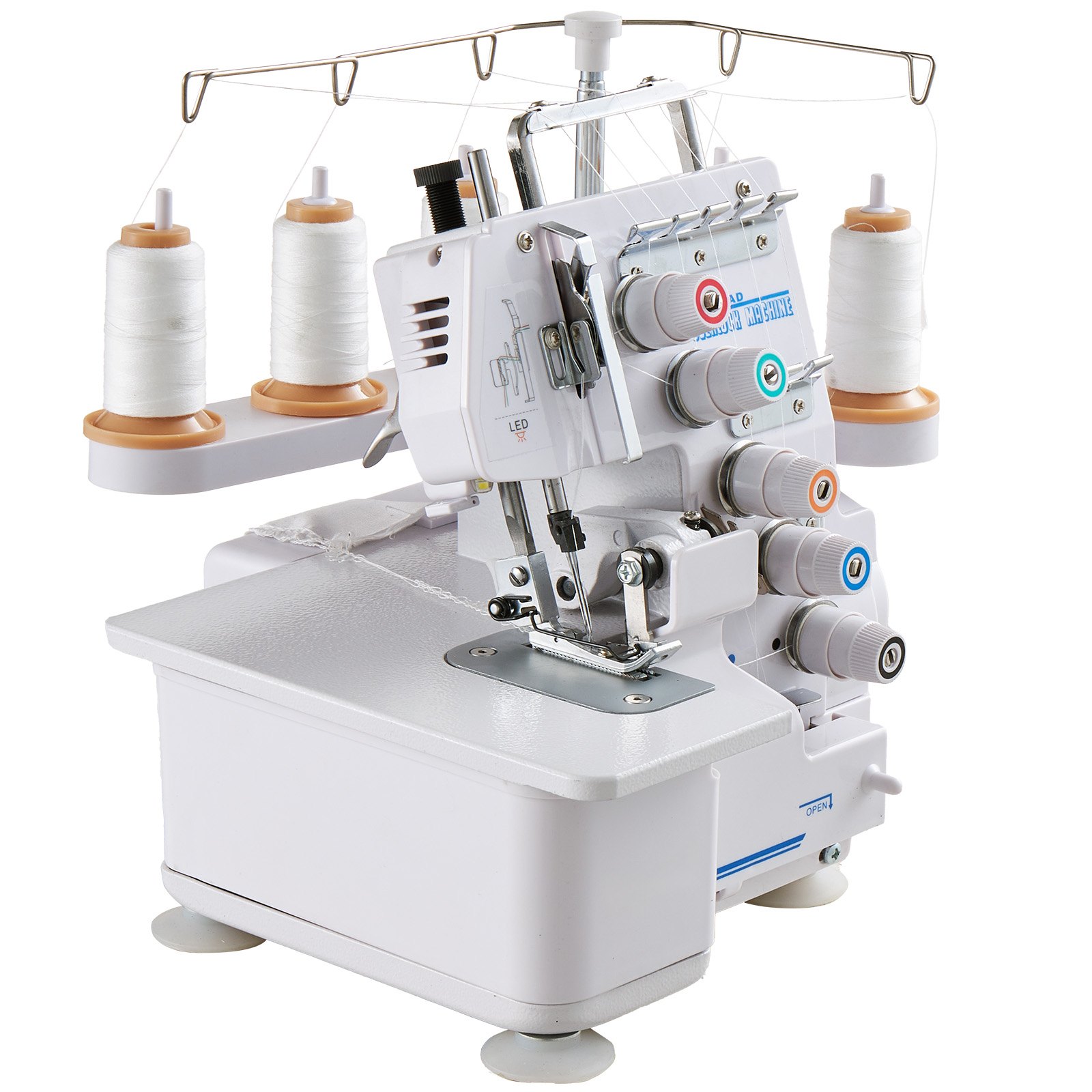 Serger Overlock Sewing Machine, 1250 Stitches Per Minute, 2-3-5 Thread Capability, With LED Light And Strong Suction Feet, Heavy-Duty Metal Frame For Various Fabrics, White$221.99View on Mallflare
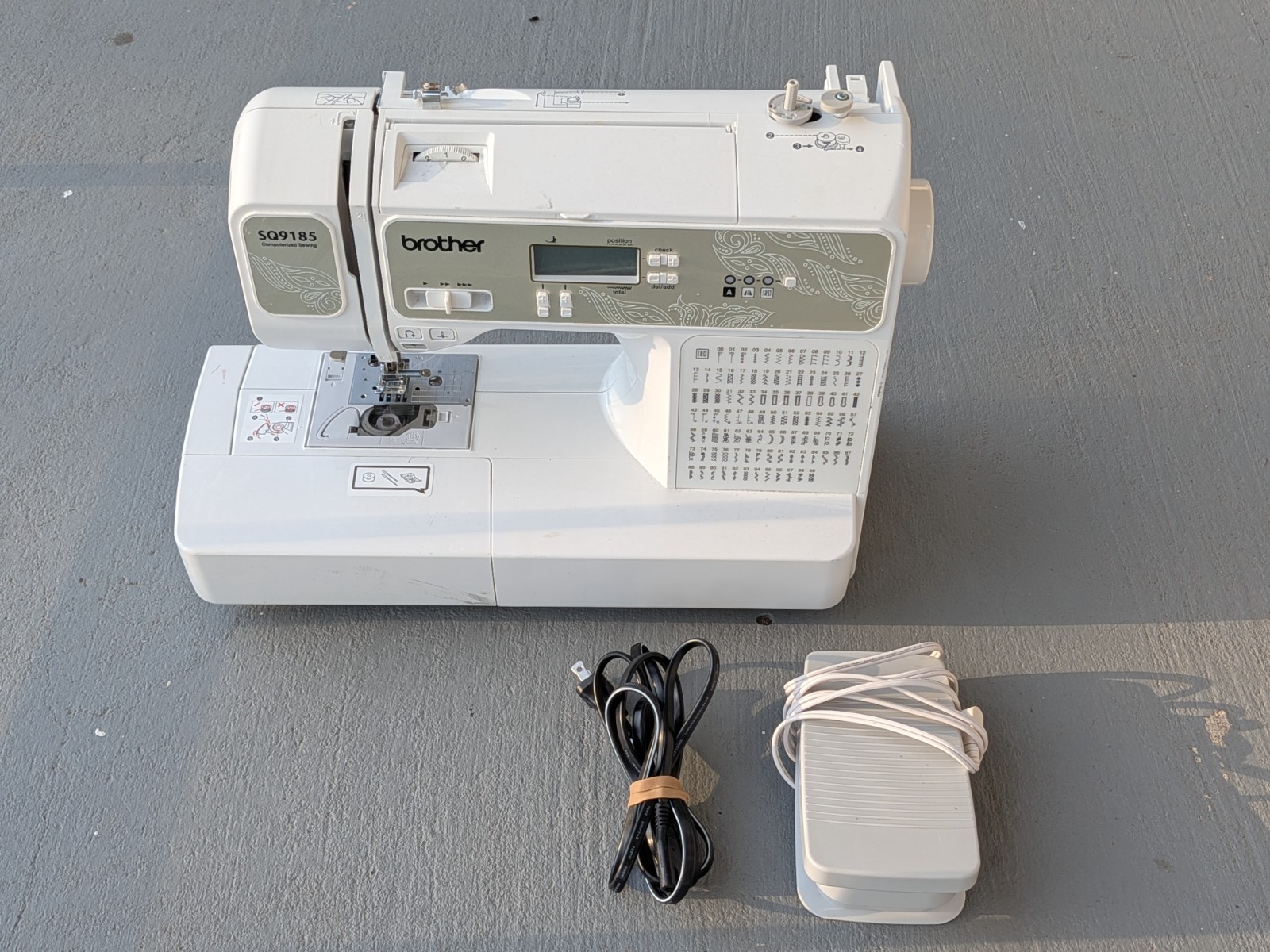 Brother SQ9185 Computerized Sewing Machine w/ Foot Pedal & Power Cord Tested$69.99View on eBay
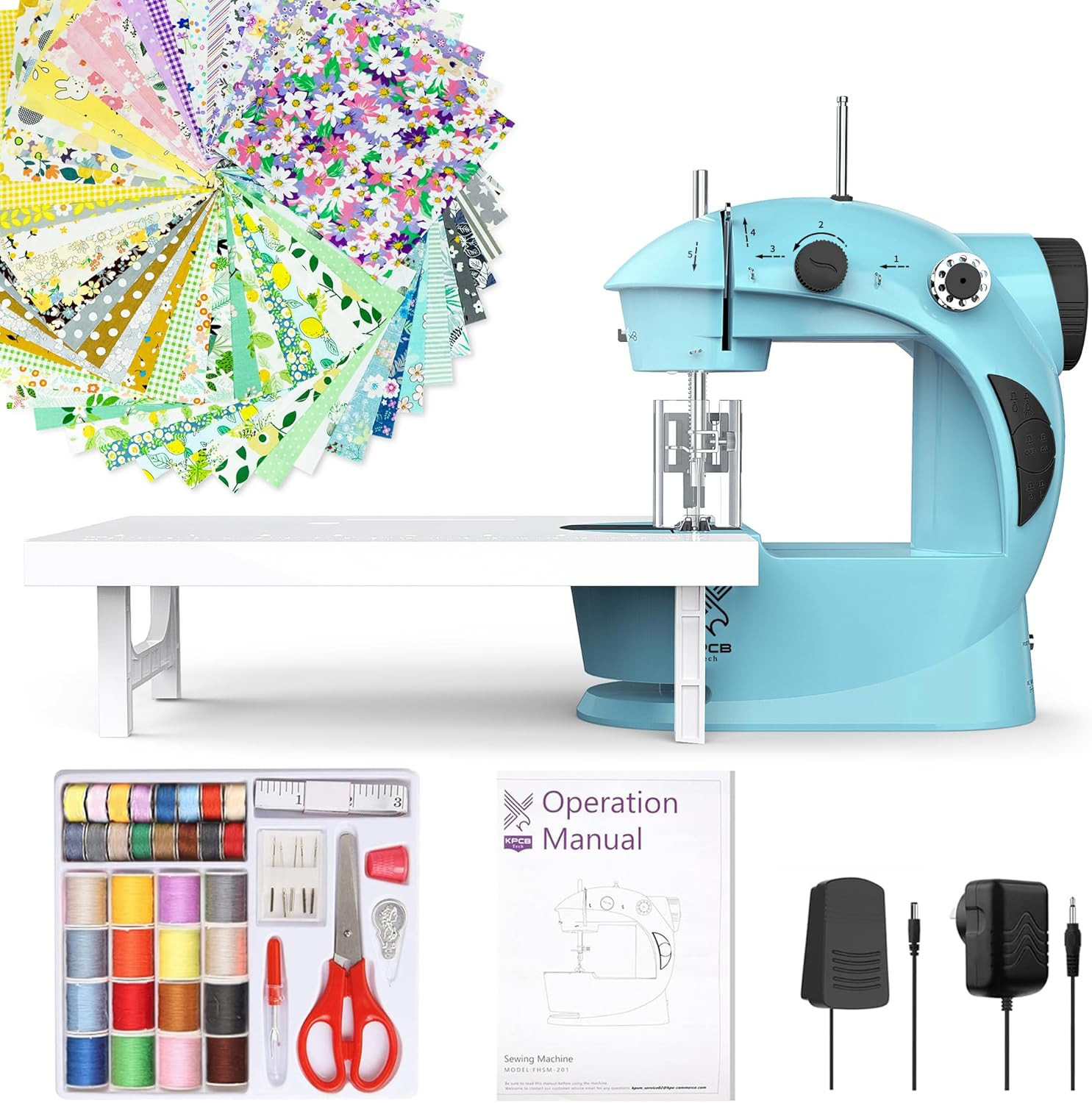 Sewing Machine for Beginners [Full Set] with Finger Guard and Fabric Bundles$83.99View on eBay
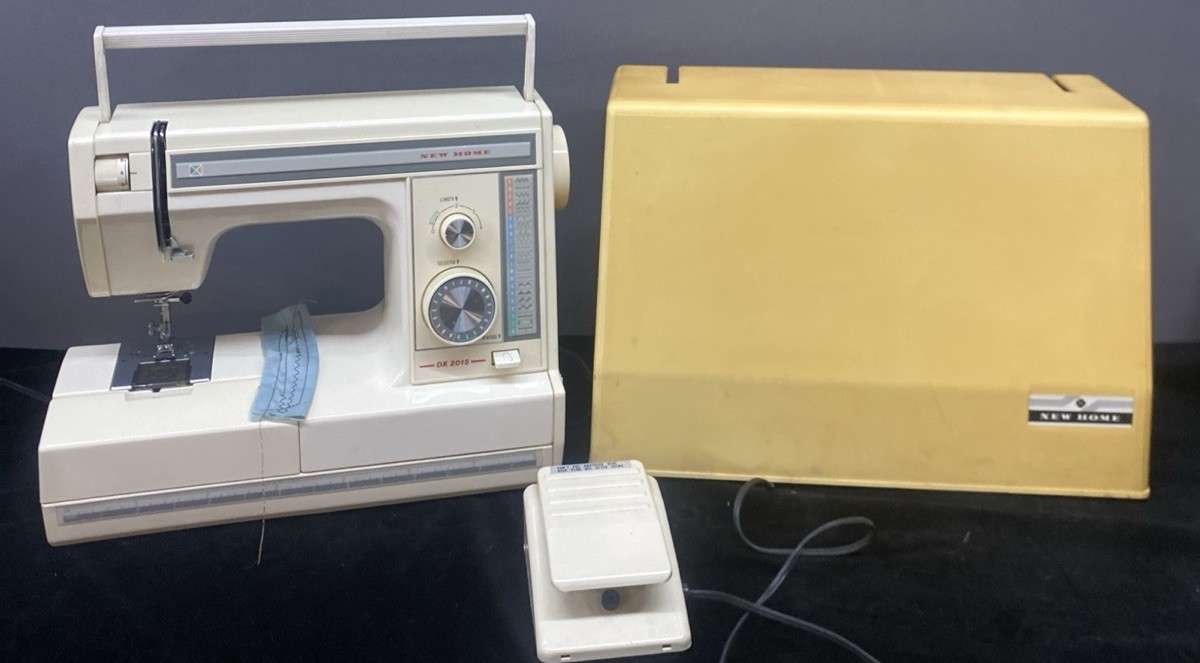 NEW HOME DX 2015 Sewing Machine With Cover And Pedal Tested And Working$123.01View on eBay
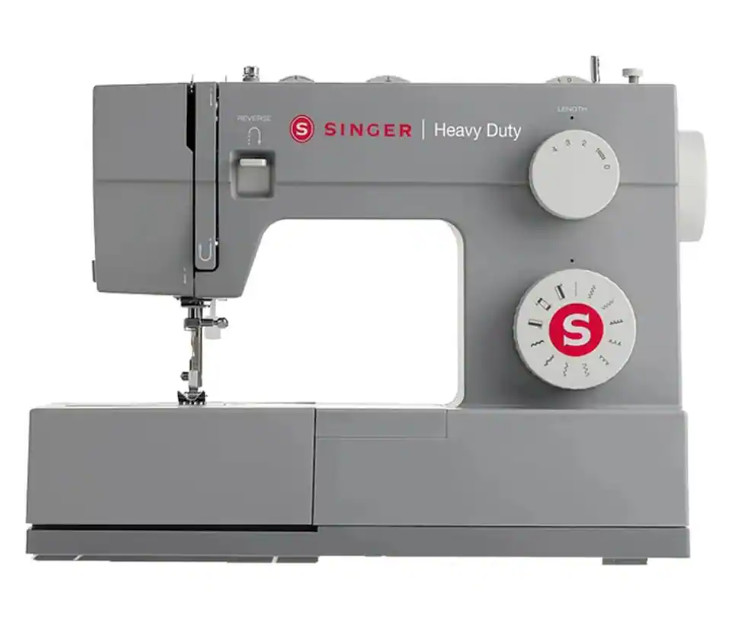 Singer - 4411 Heavy Duty Sewing Machine - Gray, NEW$129.95View on eBay
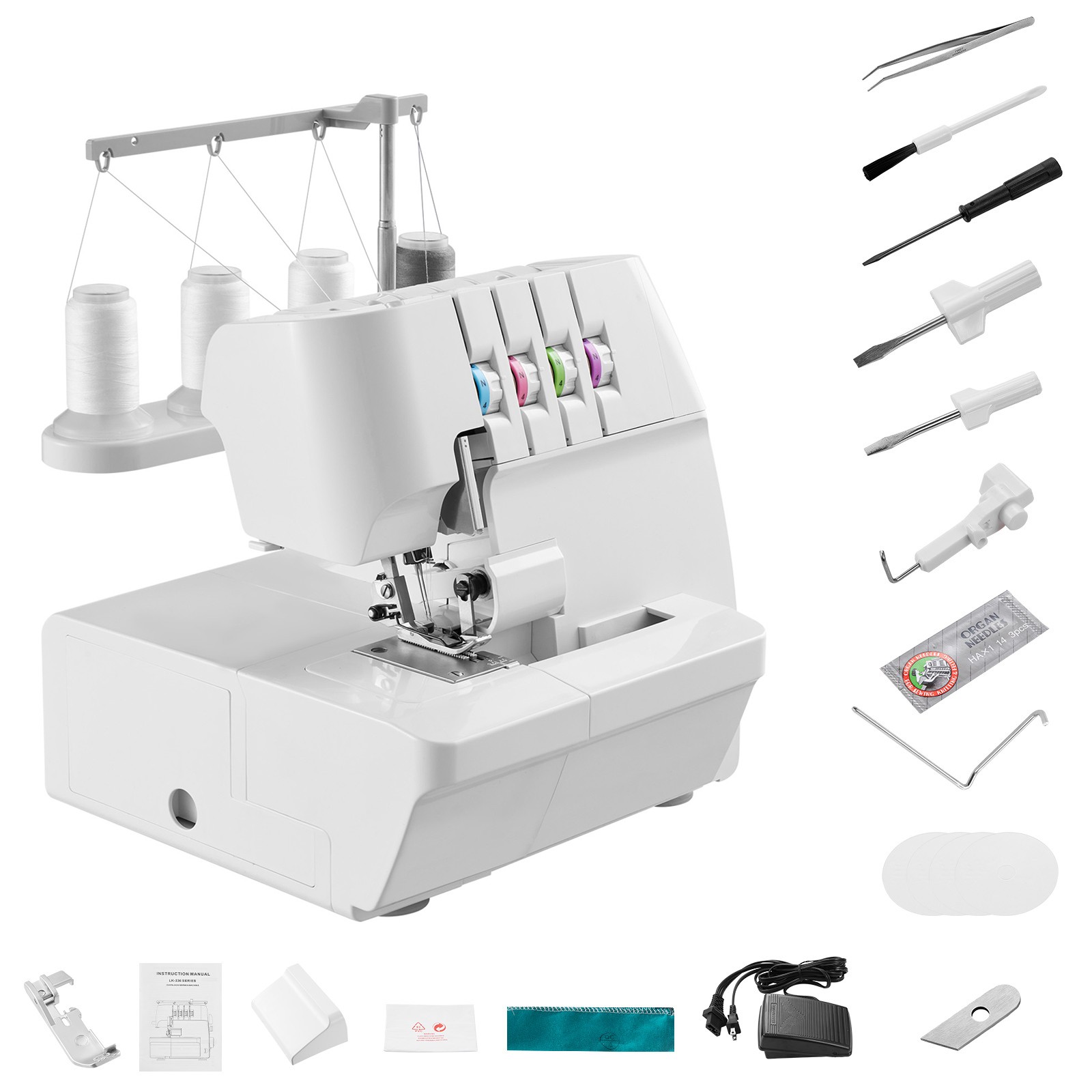 Uimoso Serger Overlock Sewing Machine with 2-3-4 Thread Options, 1250 SPM$144.99View on eBay
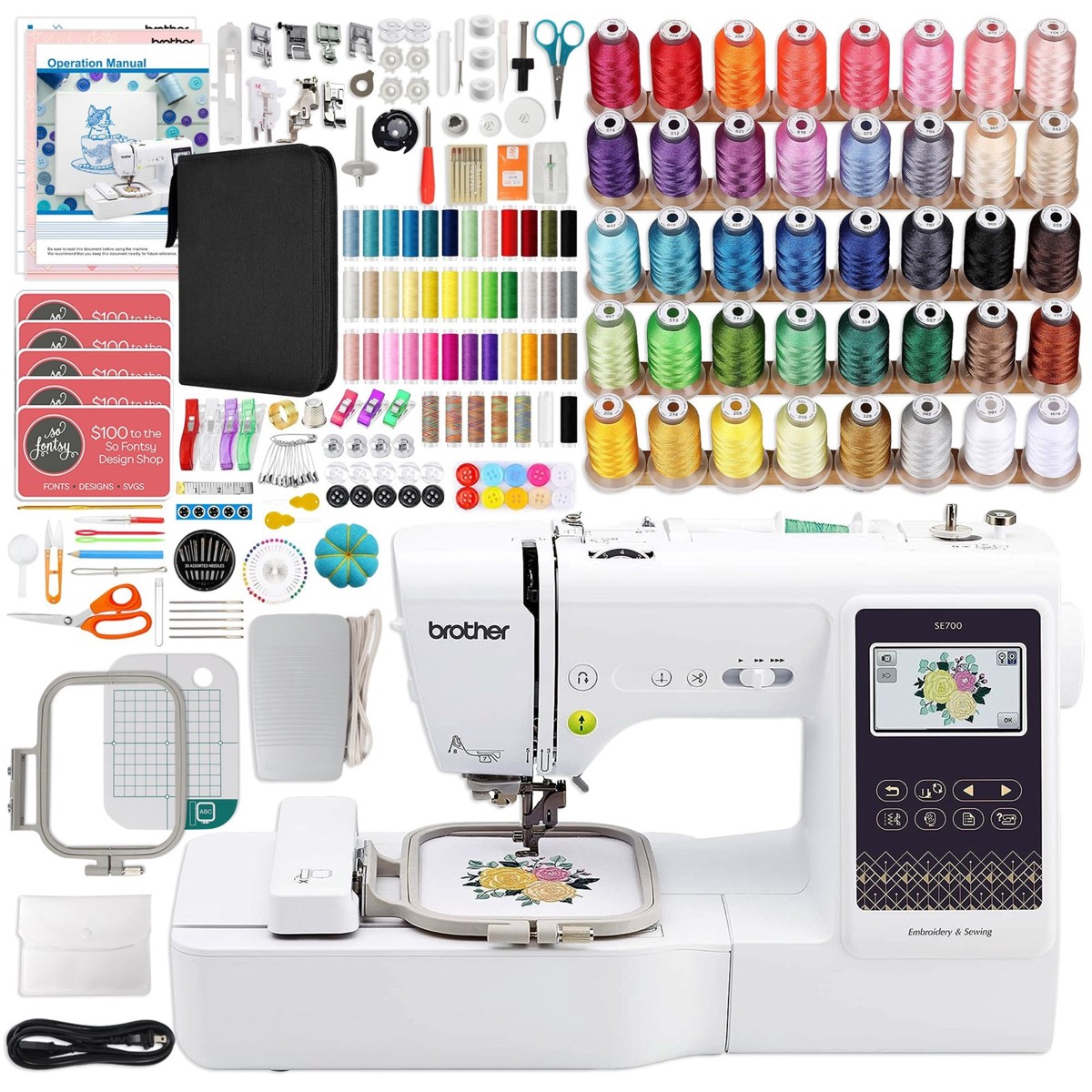 Brother SE700 Embroidery & Sewing Machine w/ 83 Spools & 200+ Accessories$579.99Last checked Nov 17, 2026View on eBay
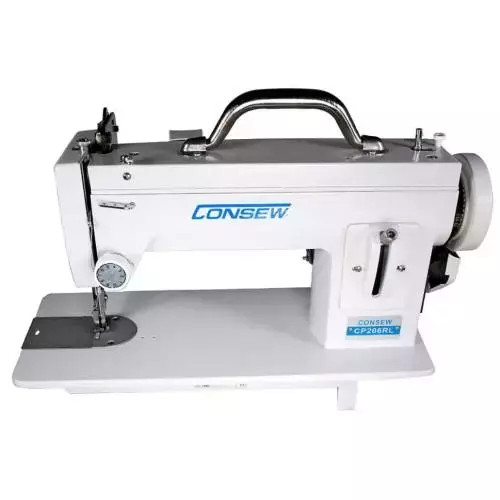 *New* Consew CP206RL Portable Walking Foot Sewing Machine FREE SHIPPING$649.95Last checked Nov 17, 2026View on eBay
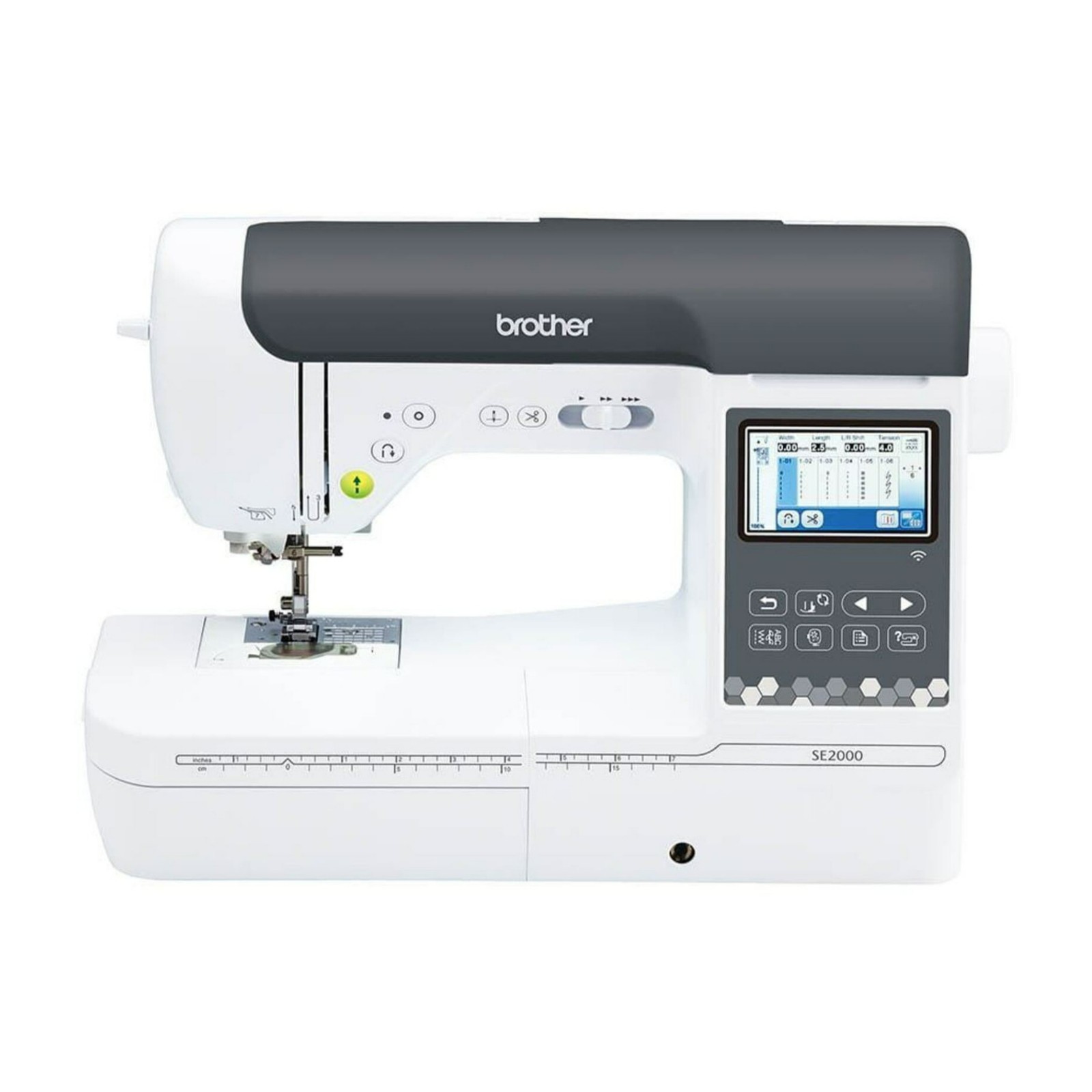 Brother SE2000 Computerized Sewing and Embroidery Machine LCD Display$1,499.99Last checked Nov 18, 2026View on eBay
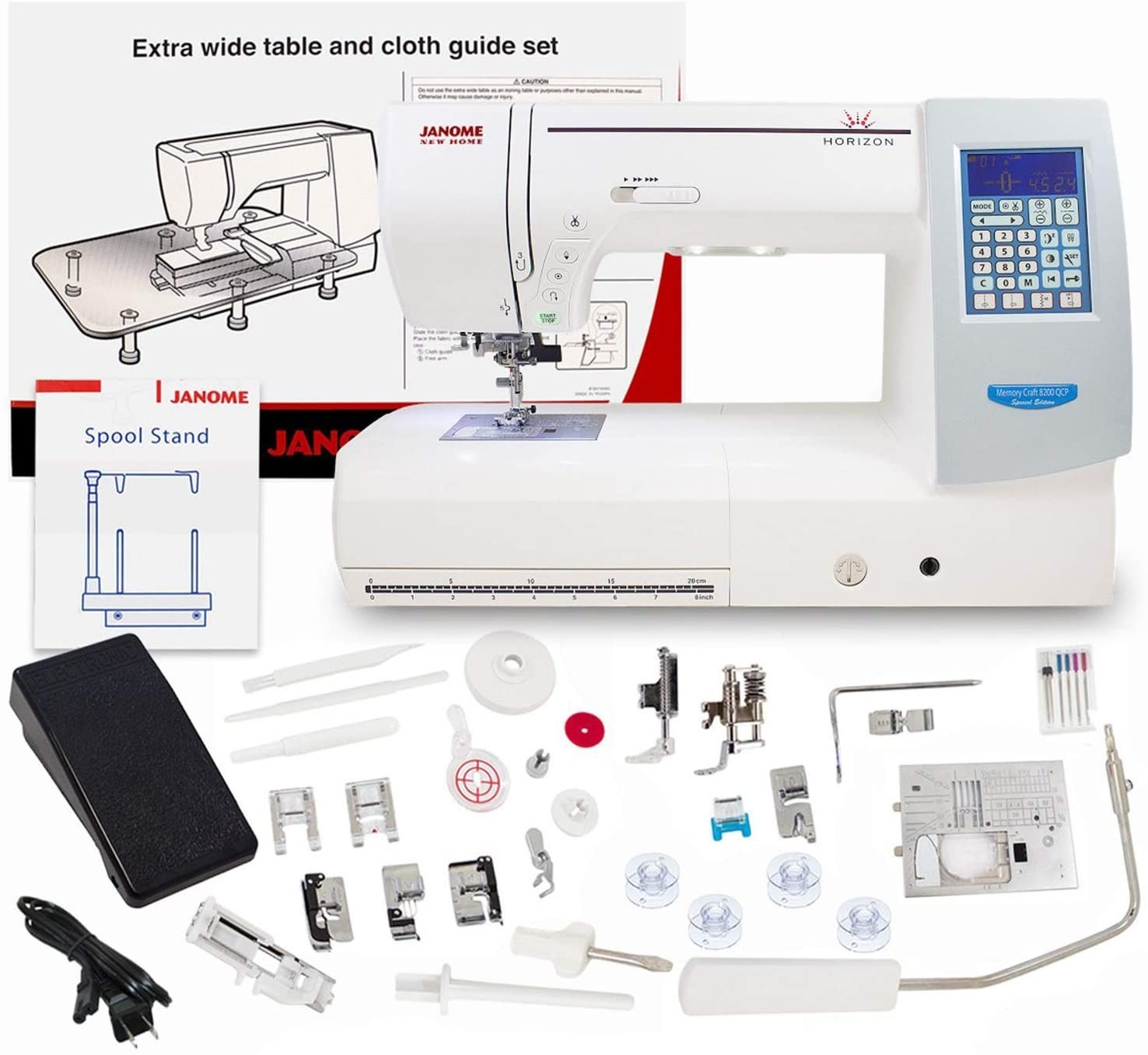 Janome 8200QCP Horizon Special Edition Quilting Sewing Machine Classroom Models$1,899.00Last checked Nov 18, 2026View on eBay
Highlights
- Motor type: brushed DC motors (often 0.3–0.9A) power most compacts; higher-torque models with metal gears pierce denim without stalling.
- Frame construction: a die-cast aluminum or steel chassis minimizes vibration and needle deflection at high speed; ABS-plastic frames flex and skip stitches on thick seams.
- Hook and feed: oscillating vertical hooks are common on compacts; rotary horizontal hooks with drop-in bobbins run smoother and are easier to thread.
- Stitch electronics: mechanical dials are reliable and repair-friendly; computerized compacts add needle-up/down and speed limiting but need stable voltage.
Best use cases
- Best fit: apartment dwellers mending hems, curtains, and light cottons — pick a 12–20 stitch mechanical compact with a metal frame and 4-step buttonhole.
- Best fit: quilters piecing small projects — choose a compact with a 6.5–7 in throat, drop-feed dog, and adjustable presser-foot pressure; skip fixed-pressure toy machines.
- Wrong fit: regular denim or canvas sewing — a compact with a plastic frame and 0.3A motor will stall; step up to a full-size metal-frame machine with a 1A motor.
- Wrong fit: monogramming or large quilting — compacts lack the 9 in throat and embroidery arm; choose a mid-arm or embroidery-capable machine instead.
Buying tips
- Verify the internal frame material: die-cast aluminum or steel survives years of use; all-plastic chassis is the first failure point on budget compacts.
- Check presser-foot pressure adjustment — fixed-pressure compacts crush knits and slip on vinyl; adjustable pressure handles both without skipped stitches.
- Match motor amperage to fabric: 0.3–0.5A for light cottons, 0.6–0.9A for layered quilting; underpowered motors overheat when pushed through seams.
- Confirm bobbin class (usually Class 15 or 66) and needle system (typically 130/705H) — standard consumables keep the machine serviceable long-term.
Specs
| Motor Type | Brushed DC vs metal-gear high-torque |
|---|---|
| Frame Material | Die-cast aluminum vs ABS plastic |
| Hook System | Oscillating vertical vs rotary horizontal |
| Throat Space | 6–7 in compact / 7–9 in full-size |
Related searches
What to check before buying
- Measure your sewing table or storage spot: most compacts are 12–16 in wide and 10–12 in deep; leave 6 in clearance behind for the thread path.
- Check the plug and voltage: North American models are 120V/60Hz; confirm the machine ships with the correct plug for your region.
- Confirm included accessories: bobbin, needles, presser feet, and a seam ripper are standard; a dust cover and extension table are worth having for small spaces.
- Test stitch quality on your actual fabric before committing — bring a scrap of your thickest material to a dealer or use a return window for a home trial.
FAQ
Data sources: eBay / Amazon listings and product attribute feeds. Updated Nov 27, 2026.
Some links on this page are affiliate links. If you buy after clicking one, we may earn a commission at no extra cost to you. This does not change which products appear here or their order. Affiliate disclosure.