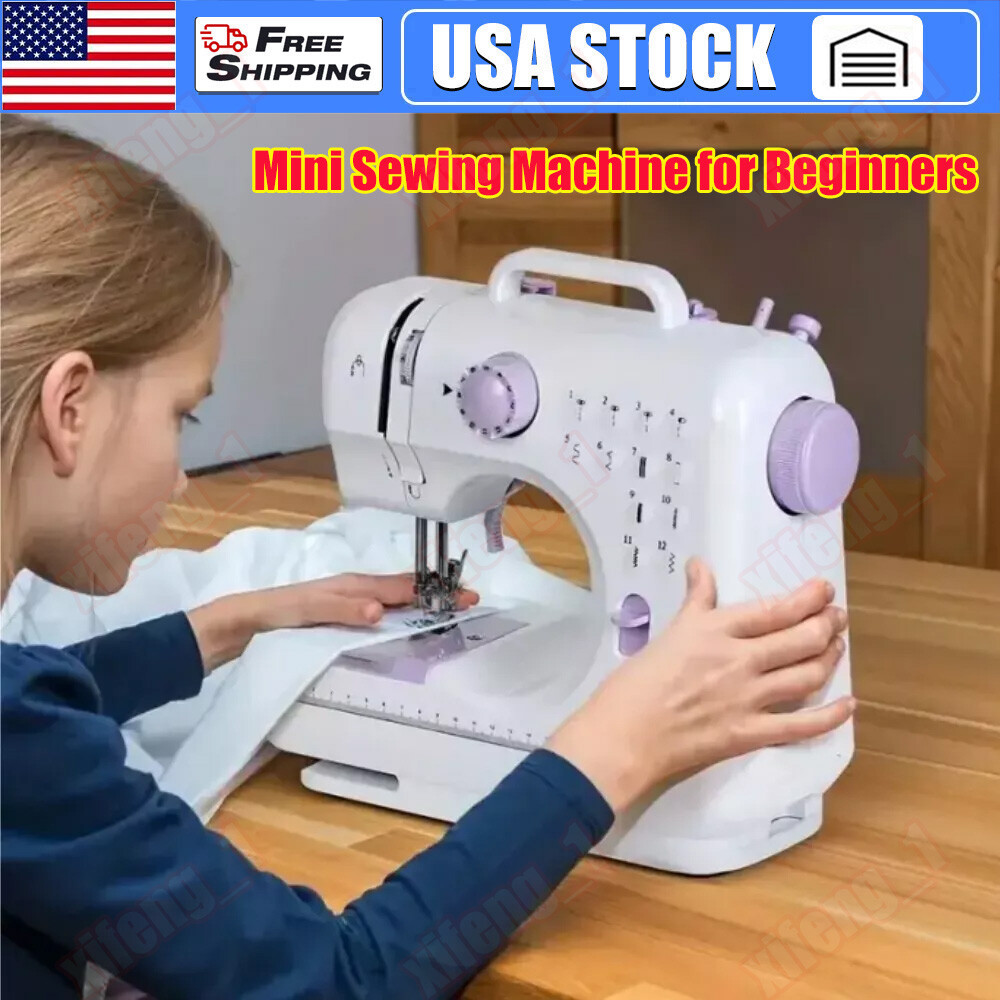

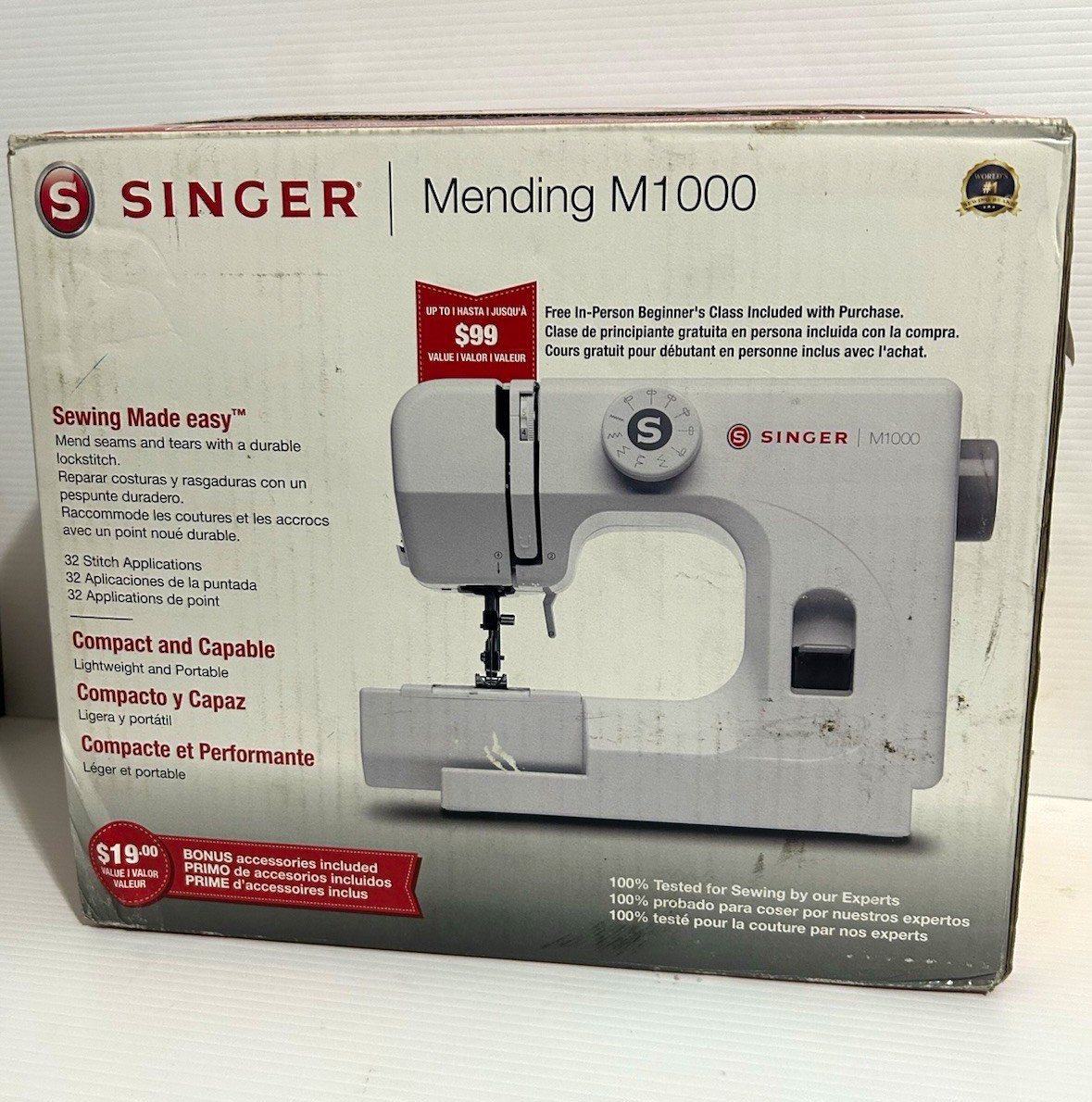
Photos from current listings. Actual item, color, and included accessories may vary.
Electric Sewing Machine Buying Guide
Electric sewing machines range from basic 12-stitch portable units for mending to computerized models with hundreds of stitch patterns and automatic threaders. The core trade-off is motor type and frame rigidity: brushed DC motors in plastic-bodied portables are fine for light mending but stall on thick seams, while metal-framed mechanical or stepper-motor computerized machines deliver consistent penetration through denim and multiple layers. Choose based on your thickest regular fabric and stitch variety needs, not on the headline stitch count.
Median $46.49
Key takeaways
- Mechanical machines use a rotary or oscillating hook with a brushed AC/DC motor; computerized models use a stepper motor with PCB control for stitch selection and speed regulation.
- Portable 12-stitch units (e.g., Singer M1000 class) are fixed-speed or single-dial, 120V only, and typically handle lightweight cotton and mending, not heavy upholstery.
- Metal internal frame vs plastic chassis is the primary durability divider; plastic-frame portables flex under load, causing skipped stitches and timing drift over time.
At a glance
- Category
- Sewing & Quilting Machines
- Last updated
- Nov 28, 2026
Current offers
Highlights
- Mechanical machines use a rotary or oscillating hook with a brushed AC/DC motor; computerized models use a stepper motor with PCB control for stitch selection and speed regulation.
- Portable 12-stitch units (e.g., Singer M1000 class) are fixed-speed or single-dial, 120V only, and typically handle lightweight cotton and mending, not heavy upholstery.
- Metal internal frame vs plastic chassis is the primary durability divider; plastic-frame portables flex under load, causing skipped stitches and timing drift over time.
- Stitch count tiers: ~12 built-in (basic utility), ~20-40 (mechanical with decorative), 60-200+ (computerized with memory and buttonhole templates).
Best use cases
- Best fit: casual mending, hemming, and kids' crafts — pick a 12-stitch portable like the Singer M1000 class at 120V; skip if you plan to sew denim or canvas regularly.
- Best fit: garment sewing and quilting with varied fabrics — choose a mechanical machine with 20+ stitches and a metal frame; skip the cheapest plastic-body portables that flex on thick seams.
- Best fit: decorative stitching, monogramming, and one-step buttonholes — go computerized with an LCD and speed slider; skip if you only need straight and zigzag utility stitches.
- Wrong fit: upholstery, leather, or multi-layer canvas — no 12-stitch portable or standard domestic electric machine will reliably penetrate; move to a walking-foot or industrial tier.
Buying tips
- Match motor class to fabric weight: brushed DC portables for light cotton and mending; metal-frame mechanical or stepper-motor computerized for denim and multiple layers.
- Count stitches by utility: ensure at least straight, zigzag, blind hem, and a 4-step buttonhole; decorative stitch counts above 30 add little for basic repairs.
- Check voltage and plug standard: US models are 120V/60Hz with NEMA 1-15P; confirm 220-240V compatibility only if you are outside North America.
- Prefer adjustable presser-foot pressure and a drop-in or front-loading bobbin with a clear cover; fixed-pressure portables limit fabric range.
Specs
| Motor Type | Brushed DC vs Stepper motor |
|---|---|
| Frame Material | Metal internal frame vs plastic chassis |
| Stitch Count | 12 / 20-40 / 60-200+ built-in |
| Voltage Standard | 120V 60Hz NEMA 1-15P (US) |
Related searches
What to check before buying
- Measure your sewing table or workspace: portable units need roughly 12-16 inches of width and a stable surface; full-size mechanical/computerized machines need 18-24 inches.
- Confirm your thickest regular project: if it exceeds 4 layers of quilting cotton or includes denim, skip 12-stitch portables and select a metal-frame model.
- Check outlet and voltage: 120V grounded outlet for North American models; use a step-down transformer only if importing a 220-240V unit.
- Budget for companion parts: extra bobbins in the machine's class, size 11-14 needles, and a walking foot or quilting guide if you plan quilting.
FAQ
Data sources: eBay / Amazon listings and product attribute feeds. Updated Nov 28, 2026.
Some links on this page are affiliate links. If you buy after clicking one, we may earn a commission at no extra cost to you. This does not change which products appear here or their order. Affiliate disclosure.