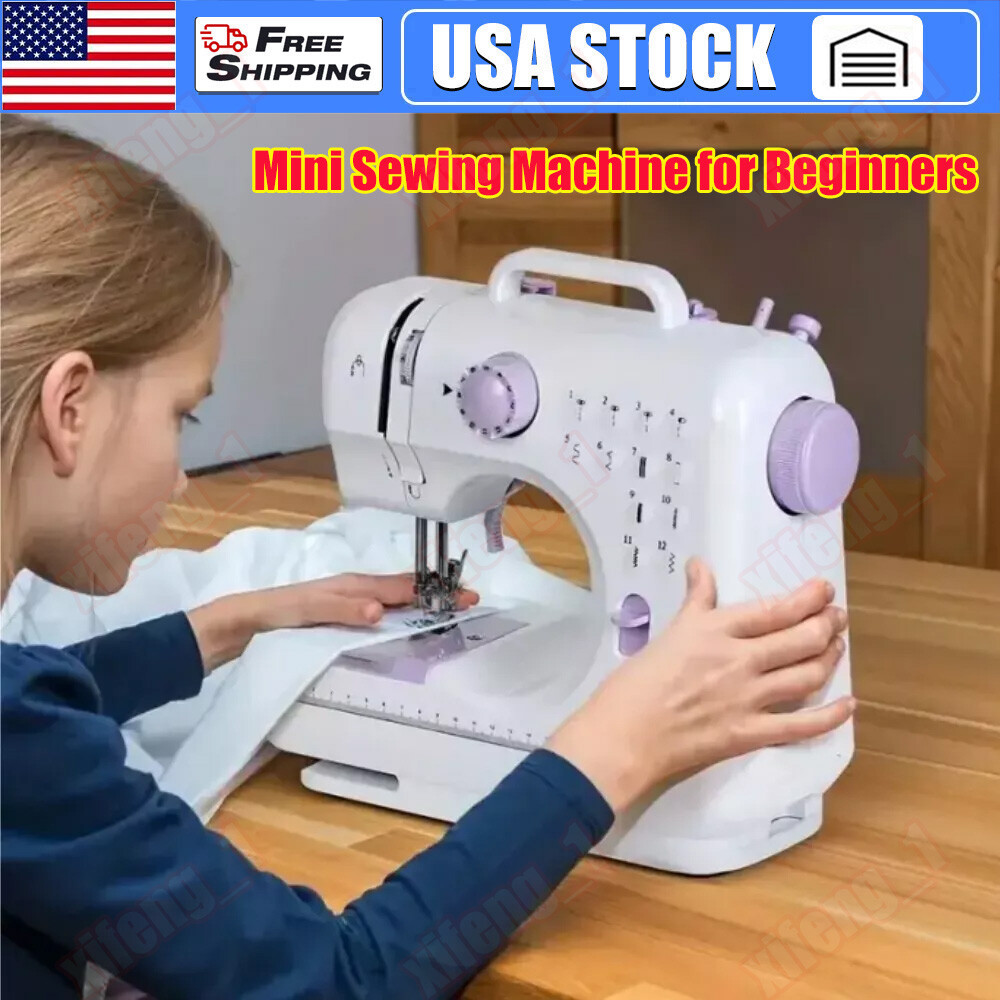

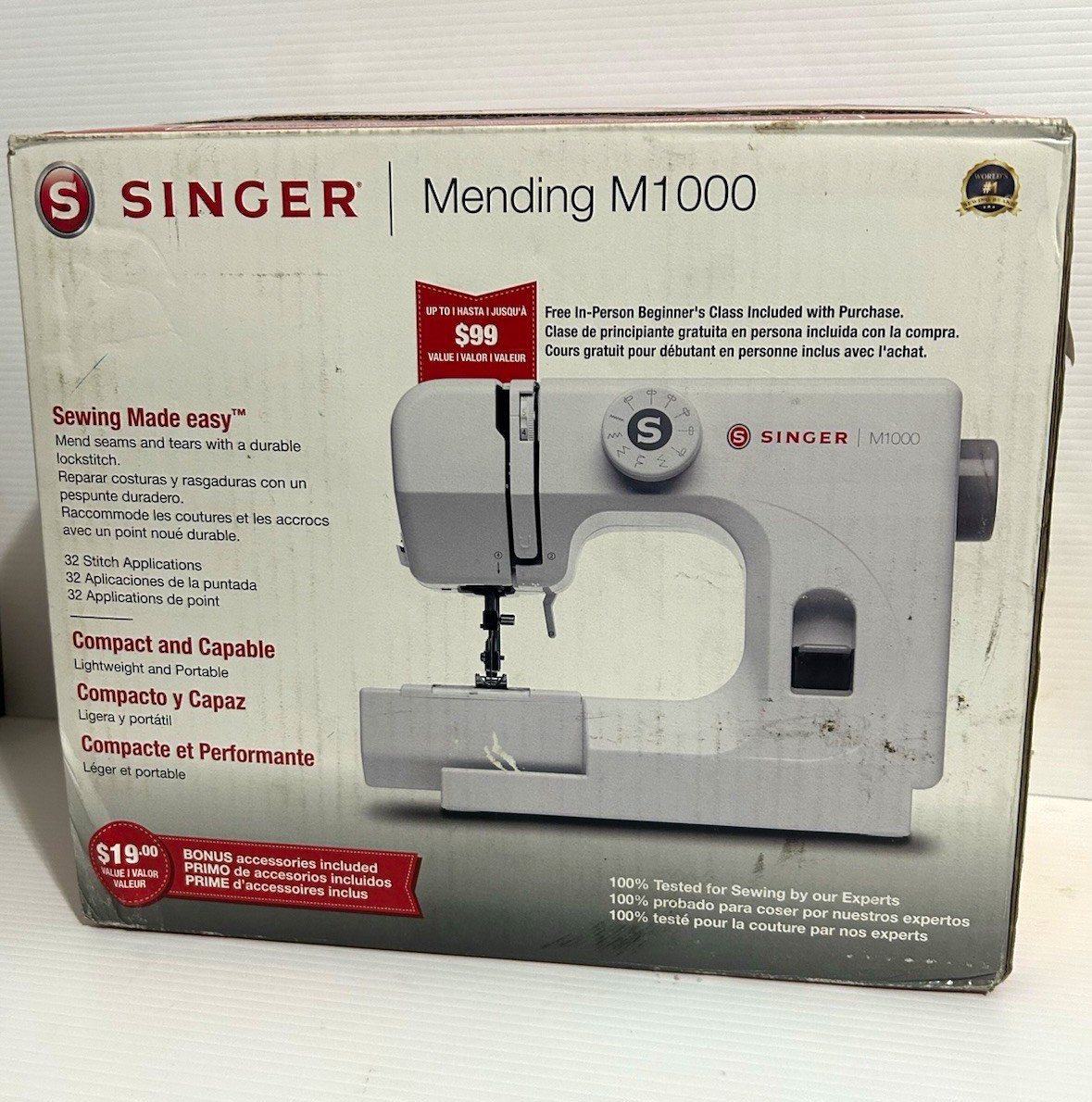
Photos from current listings. Actual item, color, and included accessories may vary.
Portable Electric Sewing Machine Buying Guide
A portable electric sewing machine is a compact, motorized unit designed for light mending, crafts, and beginner projects, trading stitch power and bed stability for low weight and stowability. The core trade-off is build rigidity versus portability: full-size metal-frame machines handle thick seams and quilting, while travel-friendly units use plastic chassis and limited motor torque. The decision rule is simple—buy a metal internal frame with adjustable presser foot pressure for regular use; choose a plastic-body 12-stitch unit only for occasional hemming and kids' crafts.
Median $46.49
Key takeaways
- Motor type separates durability tiers: brushed DC motors in budget portables wear out faster than brushless or geared metal motors rated for continuous use.
- Stitch count alone is not quality—12 built-in stitches covers 90% of mending; mechanical dial selection outlasts cheap membrane buttons.
- Full-size portables use standard 15x1 needles and class 15 bobbins; mini/travel units often require proprietary needles and smaller bobbins that limit thread and accessory choice.
At a glance
- Category
- Sewing & Quilting Machines
- Last updated
- Nov 28, 2026
Current offers
Highlights
- Motor type separates durability tiers: brushed DC motors in budget portables wear out faster than brushless or geared metal motors rated for continuous use.
- Stitch count alone is not quality—12 built-in stitches covers 90% of mending; mechanical dial selection outlasts cheap membrane buttons.
- Full-size portables use standard 15x1 needles and class 15 bobbins; mini/travel units often require proprietary needles and smaller bobbins that limit thread and accessory choice.
- Adjustable presser foot pressure and a metal needle plate are the two features that most reliably prevent skipped stitches on denim and canvas.
Best use cases
- Best fit: apartment dwellers hemming curtains and patching jeans—pick a 12-stitch mechanical unit with metal frame and drop-in bobbin, not a mini handheld.
- Best fit: quilters who need portability to classes—choose a full-size portable with 6mm+ stitch width and extension table compatibility, skipping ¾-size travel machines.
- Wrong fit: sewists regularly working 8+ oz denim or multiple layers—skip plastic-chassis portables and step up to a metal-frame full-size or semi-industrial machine.
Buying tips
- Match bobbin system to your workflow: drop-in bobbins are easier to load and jam less; front-loading class 15 bobbins hold more thread but require a removable bobbin case.
- Check stitch width and length ranges: 5mm width and 4mm length handles basic zigzag and buttonholes; 6–7mm width is needed for decorative stitches and overcasting.
- Prefer machines with a standard 15x1 needle system and class 15 bobbins—proprietary needles and bobbins raise long-term cost and limit thread compatibility.
- For 120V regions confirm the plug and motor voltage match; dual-voltage portables exist but require a step-down transformer for 220–240V outlets.
Specs
| Motor Type | Brushed DC vs Brushless / Geared |
|---|---|
| Stitch Count | 1–12 basic vs 30–100+ decorative |
| Bobbin System | Drop-in vs Front-loading Class 15 |
| Chassis Material | Plastic vs Metal internal frame |
Related searches
What to check before buying
- Measure your sewing surface: a portable needs at least 18 inches of clear table width, or a dedicated extension table, to support fabric weight without tipping.
- Confirm you have a grounded 120V outlet within cord reach—most portables ship with a 4–6 ft cord and no extension.
- If you plan to quilt, check that the machine accepts a walking foot and free-motion quilting foot on its shank type (snap-on vs. screw-on).
- Verify the machine's weight against your transport needs: sub-10 lb units are carry-friendly; 15–20 lb full-size portables need a case with a shoulder strap.
FAQ
Data sources: eBay / Amazon listings and product attribute feeds. Updated Nov 28, 2026.
Some links on this page are affiliate links. If you buy after clicking one, we may earn a commission at no extra cost to you. This does not change which products appear here or their order. Affiliate disclosure.