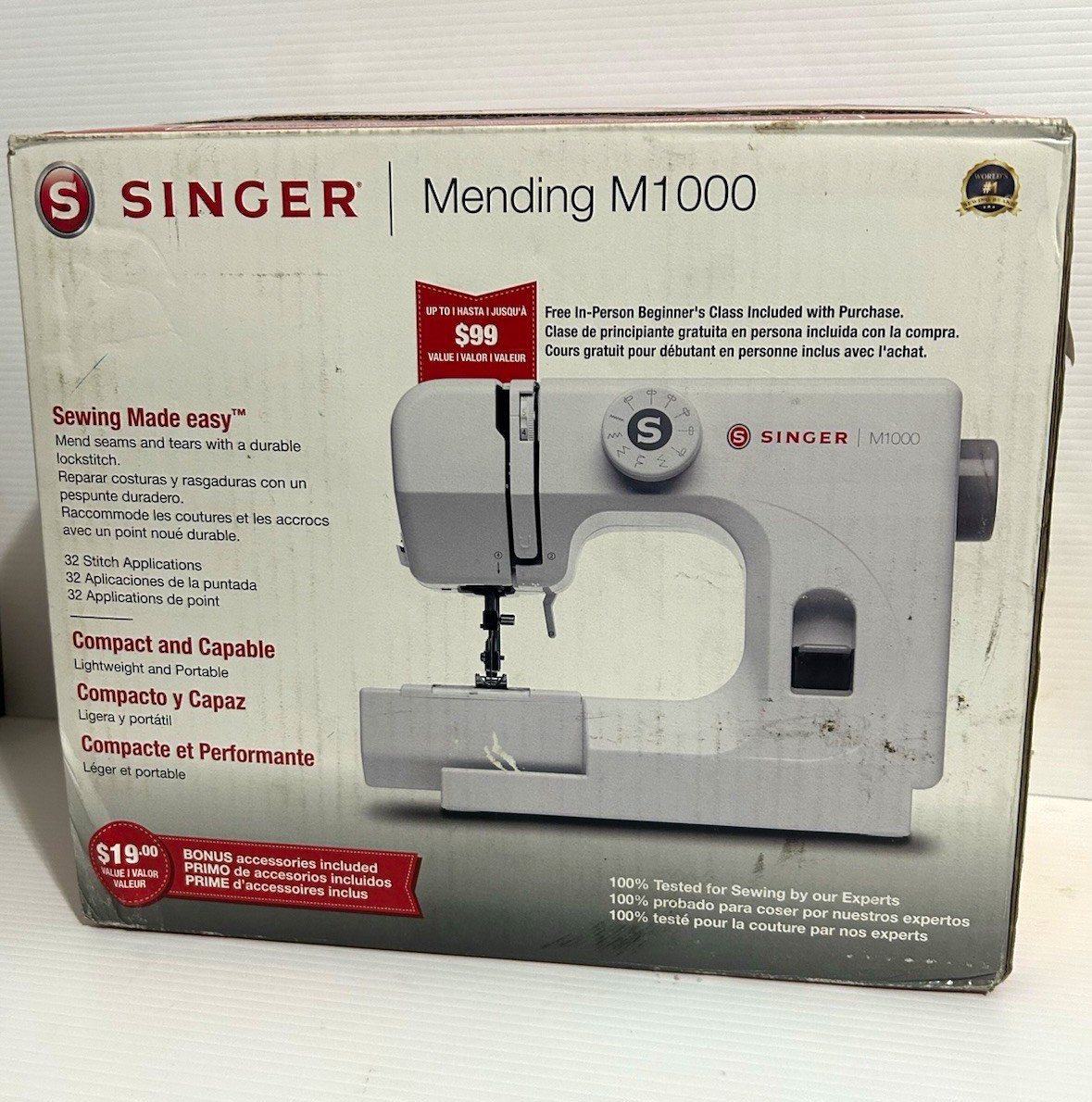

Photos from current listings. Actual item, color, and included accessories may vary.
Singer Electric Sewing Machine Buying Guide
Singer electric sewing machines span simple mechanical portables to computerized quilting models, with the core trade-off being motor type and stitch architecture: brushed AC motors in entry units versus brushless DC or stepper motors in higher tiers. The decision rule is straightforward—match the machine's hook type, stitch count, and frame rigidity to your regular workload, and skip any model that lacks a metal interior frame or adjustable presser foot pressure for serious sewing.
Key takeaways
- Top-loading drop-in bobbin (15-class) vs front-loading oscillating bobbin: top-load is easier to thread but front-load holds tension better for thick seams.
- Entry Singer models use brushed AC motors rated for intermittent duty; heavy-use tiers use brushless DC or stepper motors rated for continuous operation.
- Stitch count tiers cluster at 6-10 utility stitches (mechanical), 20-40 (electronic), and 100+ (computerized) with adjustable stitch length and width.
At a glance
- Category
- Sewing & Quilting Machines
- Last updated
- Nov 28, 2026
Current offers
Highlights
- Top-loading drop-in bobbin (15-class) vs front-loading oscillating bobbin: top-load is easier to thread but front-load holds tension better for thick seams.
- Entry Singer models use brushed AC motors rated for intermittent duty; heavy-use tiers use brushless DC or stepper motors rated for continuous operation.
- Stitch count tiers cluster at 6-10 utility stitches (mechanical), 20-40 (electronic), and 100+ (computerized) with adjustable stitch length and width.
- Metal interior frame vs plastic chassis directly determines vibration resistance and maximum speed stability at 800-1100 stitches per minute.
Best use cases
- Best fit: beginners mending and simple crafts—pick a mechanical 6-10 stitch model with top-load bobbin; skip computerized units with stitch menus you won't use.
- Best fit: quilters piecing and free-motion work—choose a model with adjustable presser foot pressure, drop feed dogs, and at least 7-inch throat space; skip compact portables with fixed pressure.
- Best fit: garment sewers on midweight fabrics—prioritize a front-load bobbin, metal frame, and 1-step buttonhole; skip 3/4-size machines with limited accessory feet.
- Wrong fit: daily upholstery or denim hems—standard domestic Singers lack the piercing power and walking foot rigidity of industrial or semi-industrial machines.
Buying tips
- Match bobbin system to fabric weight: top-load 15-class for light-to-medium wovens; front-load for consistent tension on thick seams and knits.
- Verify throat space (horizontal distance from needle to pillar): under 6 inches limits quilting and rolled hems; 7 inches or more is the practical minimum for quilting.
- Check presser foot pressure adjustment—fixed-pressure models cannot handle velvet, leather, or free-motion quilting without tension artifacts.
- For 120V markets confirm the plug type and motor rating; Singer exports may be 220-240V with different cord standards, so match voltage to your outlet.
Specs
| Motor Type | Brushed AC vs Brushless DC/Stepper |
|---|---|
| Bobbin System | Top-load 15-class vs Front-load |
| Stitch Count | 6-10 mechanical / 20-40 electronic / 100+ |
| Throat Space | 6 in compact vs 7+ in quilting |
Related searches
What to check before buying
- Measure your sewing table depth and clearance: full-size machines need at least 18 inches of front-to-back stability to avoid vibration walk.
- Confirm your outlet voltage (120V in North America) and that the machine includes the correct plug; 220-240V units require a step-down transformer.
- Check that the accessory feet you need (zipper, buttonhole, walking) are included or use the standard snap-on shank system.
- Verify bobbin class availability locally: 15-class plastic bobbins are universal; front-load machines use proprietary bobbins harder to source.
FAQ
Data sources: eBay / Amazon listings and product attribute feeds. Updated Nov 28, 2026.
Some links on this page are affiliate links. If you buy after clicking one, we may earn a commission at no extra cost to you. This does not change which products appear here or their order. Affiliate disclosure.