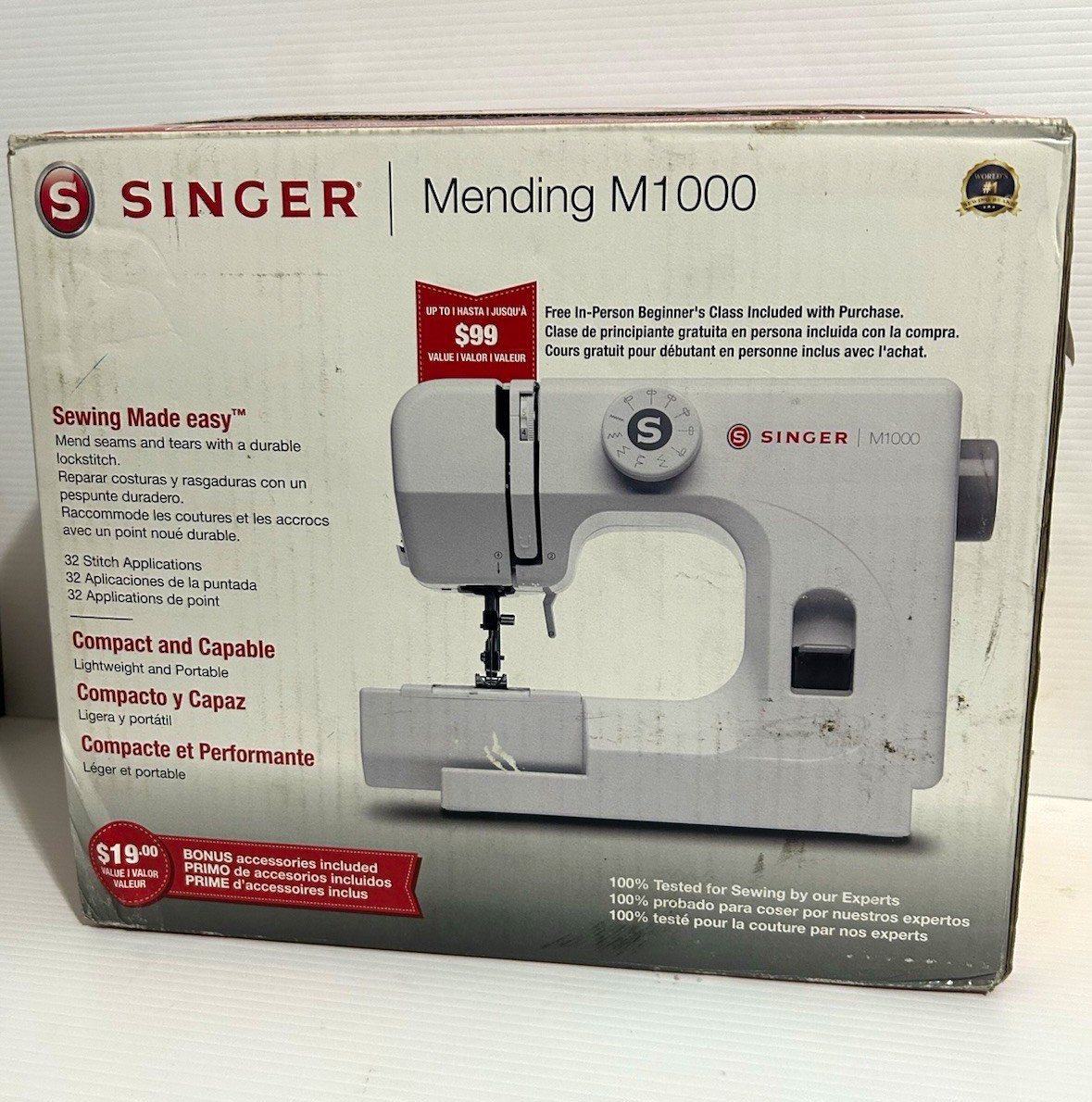

Photos from current listings. Actual item, color, and included accessories may vary.
Singer Heavy Duty Sewing Machine Buying Guide
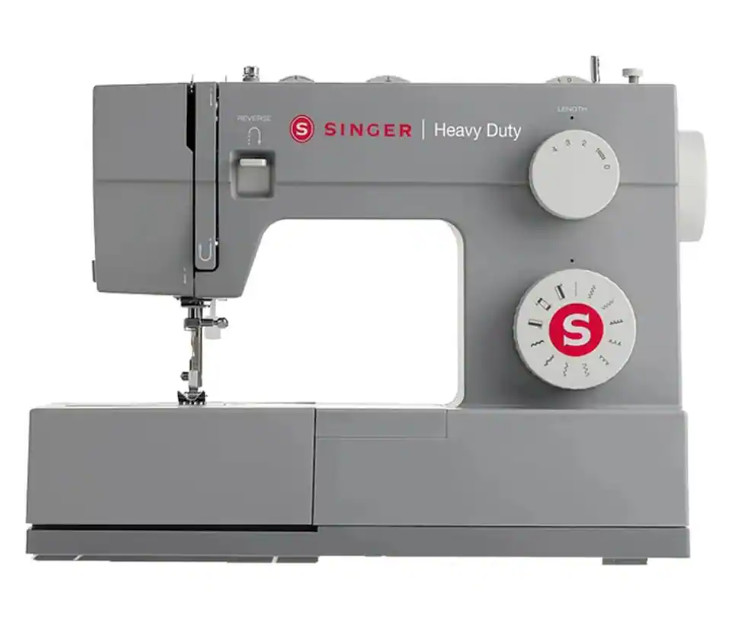
Singer Heavy Duty machines are mechanical, metal-frame sewing machines built for thicker fabrics and higher stitch speeds than entry-level plastic-gear models. The core trade-off is motor wattage and metal internal components versus the lack of computerized features and precise low-speed control found on electronic machines. Choose a Heavy Duty if you routinely sew denim, canvas, or light leather and want a simple, repairable workhorse; skip it if you need fine decorative stitching, automatic buttonholes, or whisper-quiet operation.
Median $94.98
Key takeaways
- Singer Heavy Duty models use a 60-70W motor and metal frame with metal gears, delivering about 1,100 stitches per minute versus roughly 750 on plastic-gear beginner machines.
- The 4411 is mechanical with 11 stitch patterns and a 4-step buttonhole; the 4423 adds a 23-stitch selection and a faster 1,100 SPM top speed.
- Heavy Duty machines accept standard 15x1 needles and class 15 bobbins, but leather work requires a leather-point needle and a walking foot or roller foot for feed reliability.
At a glance
- Category
- Sewing & Quilting Machines
- Last updated
- Nov 28, 2026
Current offers
Highlights
- Singer Heavy Duty models use a 60-70W motor and metal frame with metal gears, delivering about 1,100 stitches per minute versus roughly 750 on plastic-gear beginner machines.
- The 4411 is mechanical with 11 stitch patterns and a 4-step buttonhole; the 4423 adds a 23-stitch selection and a faster 1,100 SPM top speed.
- Heavy Duty machines accept standard 15x1 needles and class 15 bobbins, but leather work requires a leather-point needle and a walking foot or roller foot for feed reliability.
- Presser foot lift is about 6mm, enough for 8-10 oz denim but marginal for thick veg-tan leather; a jump foot or adjustable presser foot is needed above that.
Best use cases
- Best fit: home sewists repairing jeans, hemming canvas, and making bags from denim or light 4-6 oz leather—pick the 4411 for basic stitches or the 4423 for more pattern variety.
- Wrong fit: quilters needing a large throat space and precise 1/4-inch seam control—choose a quilting-specific machine with a 9-inch throat and speed control instead.
- Best fit: beginners who want a repairable mechanical machine with widely available parts and a metal bobbin case—skip computerized models with touchscreens and proprietary firmware.
- Wrong fit: production leatherwork above 8 oz or repeated thick seams—a Heavy Duty will stall; step up to a walking-foot industrial or a compound-feed leather machine.
Buying tips
- Match the model to your stitch needs: 4411 for 11 stitches and a 4-step buttonhole, 4423 for 23 stitches and 1,100 SPM; both share the same metal frame and 60-70W motor.
- For leather, confirm the machine ships with a leather needle and a walking foot; a standard zigzag foot will skip and drag on 6 oz+ hides.
- Check that the machine accepts class 15 bobbins and 15x1 needles—these are universal and cheap, unlike proprietary bobbin systems on some computerized brands.
- A 60W motor handles 8 oz denim at slow speed; if you routinely sew webbing or 10 oz canvas, choose a model rated at 70W or above and sew at half speed.
Specs
| Motor & Frame | 60-70W / metal frame & gears |
|---|---|
| Stitch Speed | 750-1,100 SPM mechanical |
| Bobbin & Needle | Class 15 bobbin / 15x1 needle |
| Max Fabric Weight | 8-10 oz denim / 6-8 oz leather |
Related searches
What to check before buying
- Measure your work surface: the machine footprint is roughly 16 x 7 inches, and you need 12 inches of clearance behind for fabric passage.
- Confirm your outlet voltage matches the machine's rating (120V US or 220-240V export) and that the plug type fits your wall without an adapter.
- Verify your table can support about 12-15 lbs; the metal frame is stable but heavy compared with plastic-bodied machines.
- Check that you have a standard 15x1 needle supply and class 15 bobbins on hand—Heavy Duty machines do not use front-loading drop-in bobbins.
FAQ
Data sources: eBay / Amazon listings and product attribute feeds. Updated Nov 28, 2026.
Some links on this page are affiliate links. If you buy after clicking one, we may earn a commission at no extra cost to you. This does not change which products appear here or their order. Affiliate disclosure.