
Photos from current listings. Actual item, color, and included accessories may vary.
Leather Hide Buying Guide
Leather hides are whole or cut skins sold by animal type, tannage, and thickness, and the primary trade-off is between soft, stretchy garment/drapery tannages and dense, rigid utility tannages that resist abrasion. The decisive rule: match the hide's temper (stiffness) and substance (thickness in oz/mm) to the end item, not the animal name alone—oversized heads, neck wrinkles, and brand scars are normal hide realities, not defects.
Median $36.12
Key takeaways
- Vegetable-tanned cowhide and bridle sides run 8–14 oz (3.2–5.6 mm) and are denser, stiffer, and better for belts, holsters, and straps than chrome-tanned upholstery hides.
- Upholstery nappa and pebble-grain cowhides are chrome-tanned at roughly 0.8–1.4 mm for softness and drape, appropriate for seats and bags but prone to stretching at seams.
- Garment hides (goat, buckskin, lambskin) are thin and pliable—often 0.5–0.9 mm—and suit apparel and linings, but lack the density for load-bearing straps.
At a glance
- Category
- Leather Hides & Panels
- Last updated
- Nov 25, 2026
Current offers
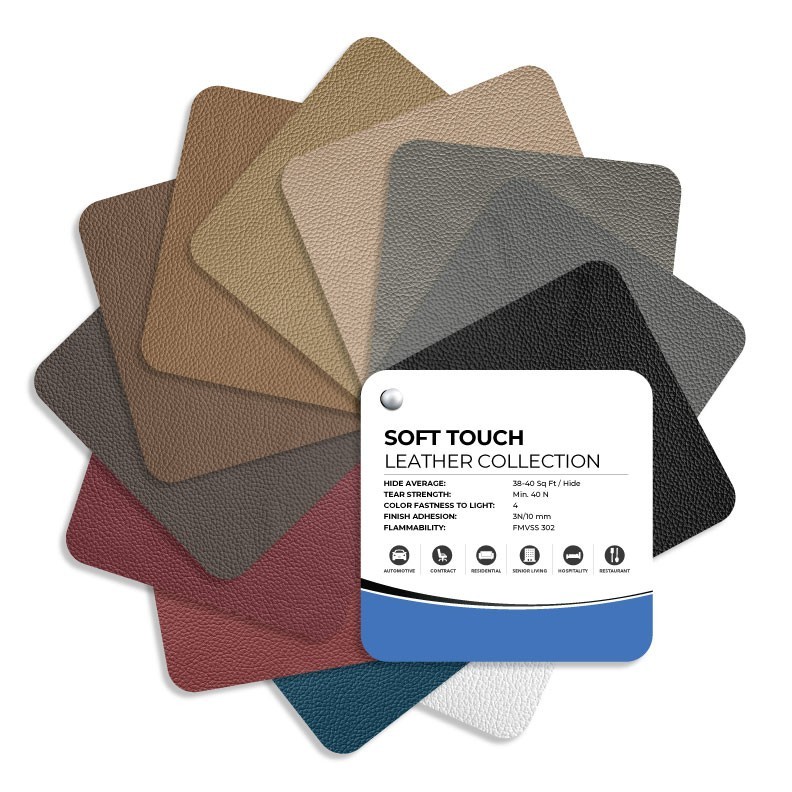 SALE! WHOLE BLACK LEATHER HIDE AUTOMOTIVE NAPPA PEBBLE UPHOLSTERY SEAT COW FULL$14.99View on eBay
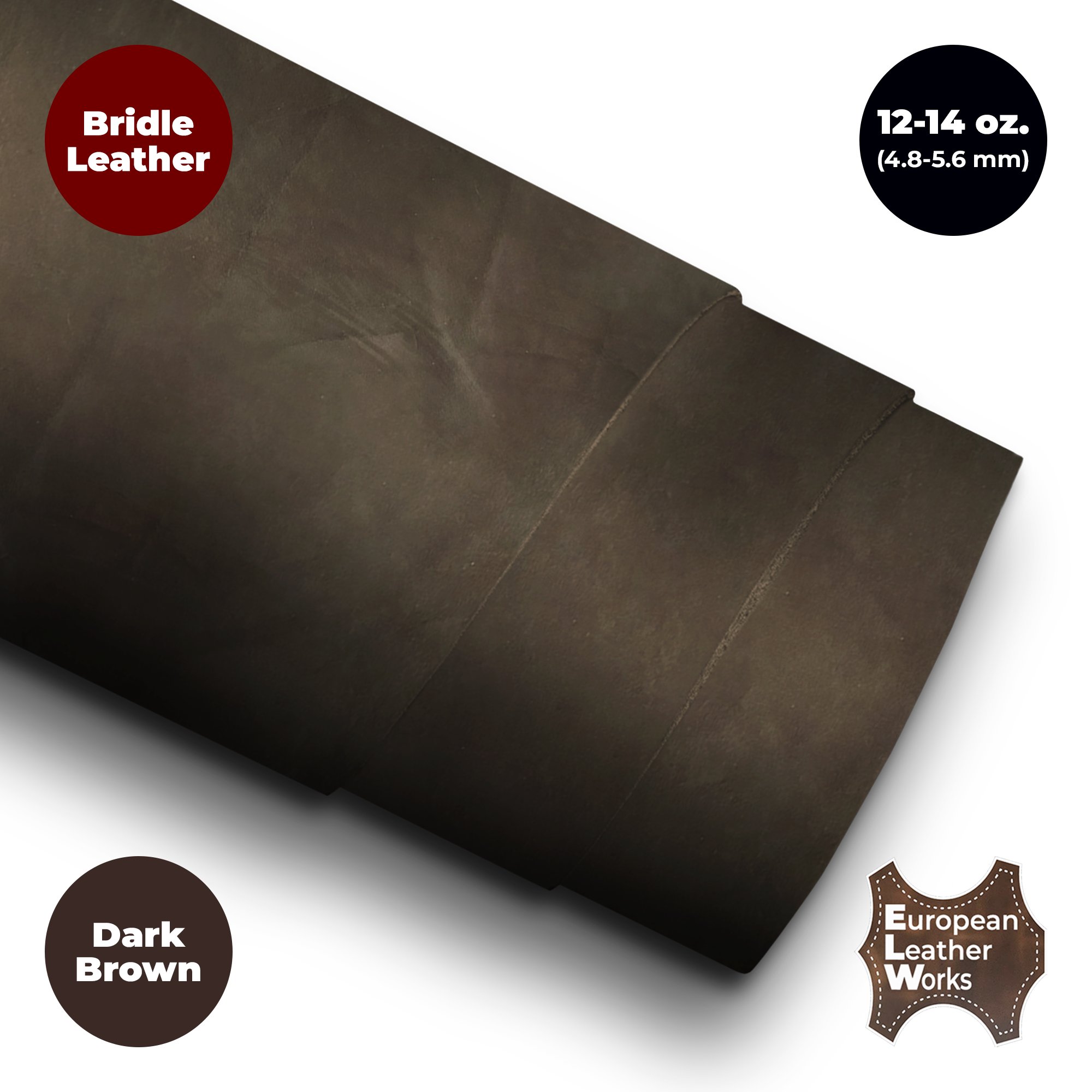 12-14oz (4.8-5.6 mm) Bridle Veg Tan Cowhide Leather Sheet Hides$24.98View on eBay
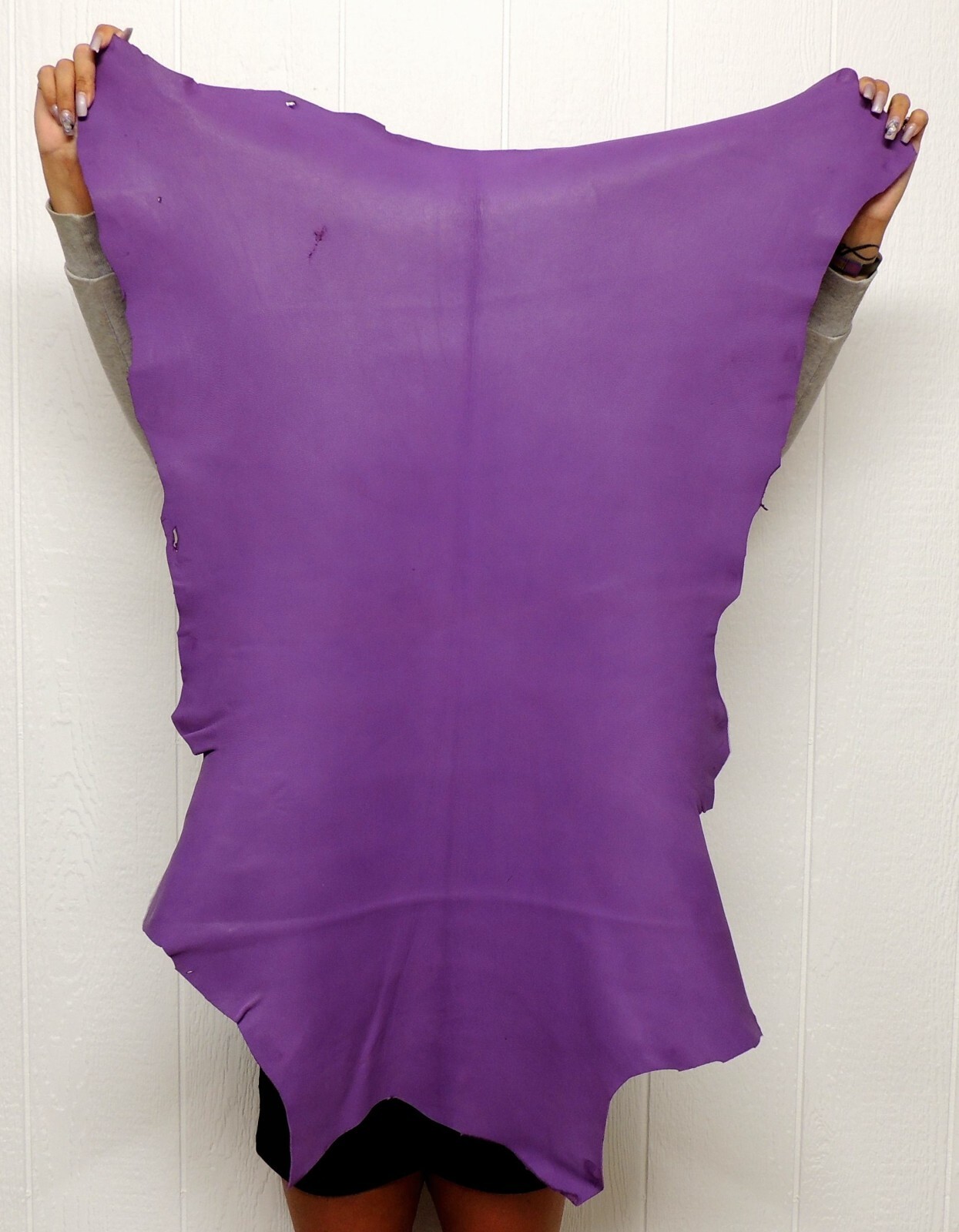 PURPLE Buckskin Garment Leather Hide for SCA LARP Garb Cosplay Native Craft Bags$47.25View on eBay
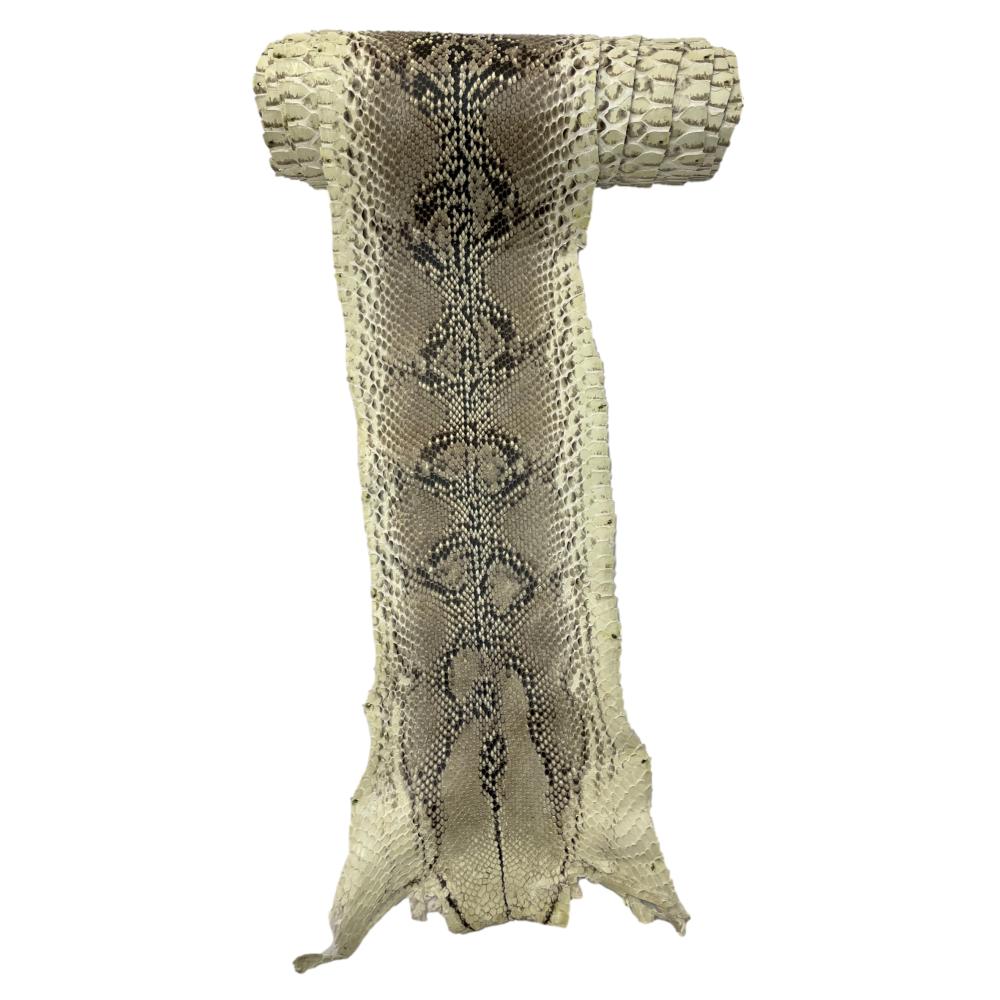 Large Exotic Python Snake Skin Leather - Real Hide$179.95View on eBay
Highlights
- Vegetable-tanned cowhide and bridle sides run 8–14 oz (3.2–5.6 mm) and are denser, stiffer, and better for belts, holsters, and straps than chrome-tanned upholstery hides.
- Upholstery nappa and pebble-grain cowhides are chrome-tanned at roughly 0.8–1.4 mm for softness and drape, appropriate for seats and bags but prone to stretching at seams.
- Garment hides (goat, buckskin, lambskin) are thin and pliable—often 0.5–0.9 mm—and suit apparel and linings, but lack the density for load-bearing straps.
- Exotic skins (python, etc.) are sold as small panels with CITES documentation requirements for interstate or international shipment; they demand lining and edge finishing.
Best use cases
- Pick 8–14 oz bridle or veg-tan cowhide sides for belts, holsters, dog collars, and tool pouches; skip soft nappa, which stretches and scuffs under point loads.
- Pick chrome-tanned nappa or pebble-grain cowhide for automotive and furniture upholstery; skip thick bridle, which cannot conform to seat contours.
- Pick goat or buckskin garment hides for vests, cosplay, bags, and book covers; skip them for any strap that sees more than light tension.
- Pick small craft panels (8"x8" or similar) for small leather goods and repairs; skip them when you need a continuous piece larger than the panel's usable rectangle.
Buying tips
- Convert substance before buying: 1 oz ≈ 0.4 mm, so 4–6 oz (1.6–2.4 mm) is bag weight, 8–10 oz (3.2–4.0 mm) is belt weight, and 12–14 oz (4.8–5.6 mm) is heavy bridle/stamping stock.
- Expect 10–25% loss from a whole hide to neck wrinkles, brand scars, and irregular edges; buy a side or panel measured by usable square footage rather than gross hide area.
- Veg-tan takes tooling, dye, and burnishing; chrome-tan is softer and color-fast but does not carve cleanly—choose tannage by finish, not by animal alone.
- For dark brown or black upholstery, confirm the dye is through-dyed or top-coated; surface-sprayed hides reveal light-colored cores at cut edges and creases.
Specs
| Tannage Type | Veg-tan vs chrome-tan |
|---|---|
| Substance | 2–4 oz garment to 12–14 oz bridle |
| Animal / Grain | Cow, goat, lamb, exotic (python) |
| Cut Format | Whole hide, side, panel, remnant |
Related searches
What to check before buying
- Measure the largest continuous pattern piece you must cut and compare it to the hide's usable rectangle—neck, belly, and leg areas are thin and stretchy.
- Check the tannage against your finish plan: veg-tan for tooling, dyeing, and burnishing; chrome-tan for soft, pre-colored upholstery and garments.
- Confirm thickness in both oz and mm and that your machine or hand tools can handle it—standard home sewing machines stall above roughly 4 oz (1.6 mm).
- For exotic or wild-caught skins, confirm CITES documentation ships with the hide and that your state allows the species.
FAQ
Data sources: eBay / Amazon listings and product attribute feeds. Updated Nov 25, 2026.
Some links on this page are affiliate links. If you buy after clicking one, we may earn a commission at no extra cost to you. This does not change which products appear here or their order. Affiliate disclosure.