CraftNest Guide

CraftNest Guide

Crafts & Party Supplies Reviews & Buying Guides

Compare crafts & party supplies by use case, features, trade-offs, price, returns, and seller terms before you buy.

Buying guides

Buying guide image
EVA Foam, Thermoplastics & Tools

Foam Sheet

Foam sheet covers EVA, polyethylene, and polyurethane rolls and tiles used for cosplay armor, tool drawer liners, case padding, and craft projects. The decisive trade-off is density and thickness versus cutability: high-density EVA (38kg/m³ and above) holds shape for armor but resists hand-cutting, while soft sponge rubber cuts easily but compresses and degrades. Choose high-density EVA for structural builds and closed-cell PE or sponge for padding and liners.
Buying guide image
Beads & Jewelry Making

Rolling Mill

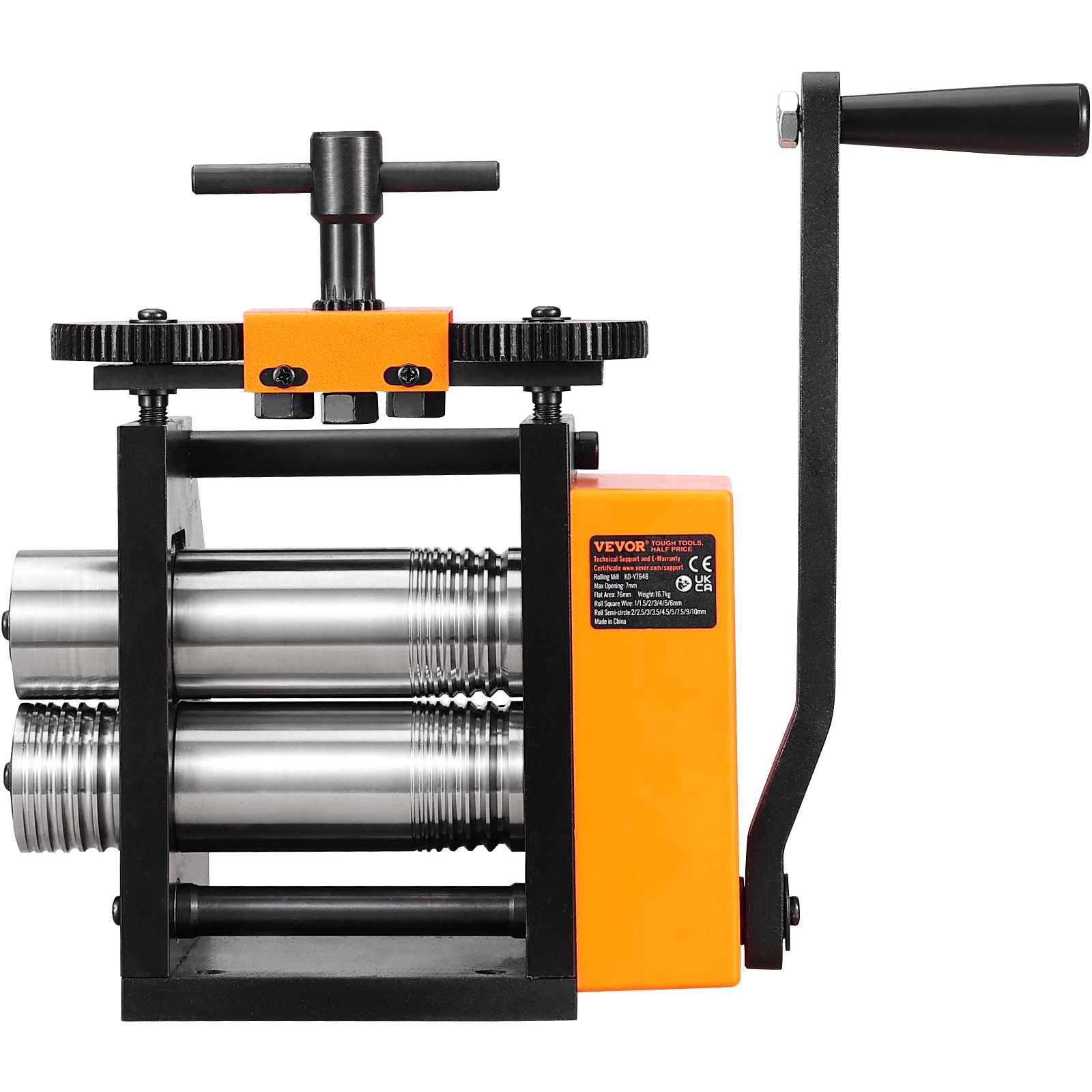
A rolling mill is a bench-mounted metal-forming machine that reduces ingots, wire, and sheet to precise thicknesses through hardened steel rolls; the core trade-off is roll width and gear ratio against frame rigidity and roll hardening quality. Buyers should treat 1:2 gear ratio, 75–76 mm roll width, and 3-in-1 (sheet, square wire, half-round) capability as the baseline for serious jewelry work, and accept only manual mills with hardened, parallel-adjustable rolls for durable results.

Buying guide image
Party Supplies & Balloons

Elegant Plastic Plate

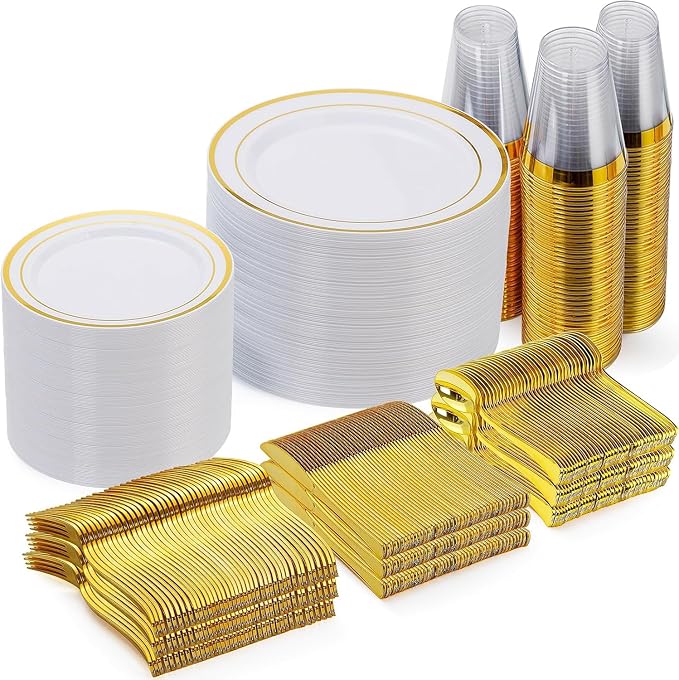
Elegant plastic plates are rigid or semi-rigid disposable tableware engineered to mimic ceramic or china for weddings, banquets, and upscale parties. The core trade-off is between premium heft and finish (rigid, heavyweight polystyrene or reusable PET with metallic trim) versus thin thermoformed budget plates that flex, scratch, and look cheap. The decision rule: choose heavy-gauge rigid plates with a laminated or foil-stamped rim for a seated dinner, and thin lightweight plates only for casual buffets where stack height and cost per guest dominate.

Buying guide image
Easter & Spring Decorations

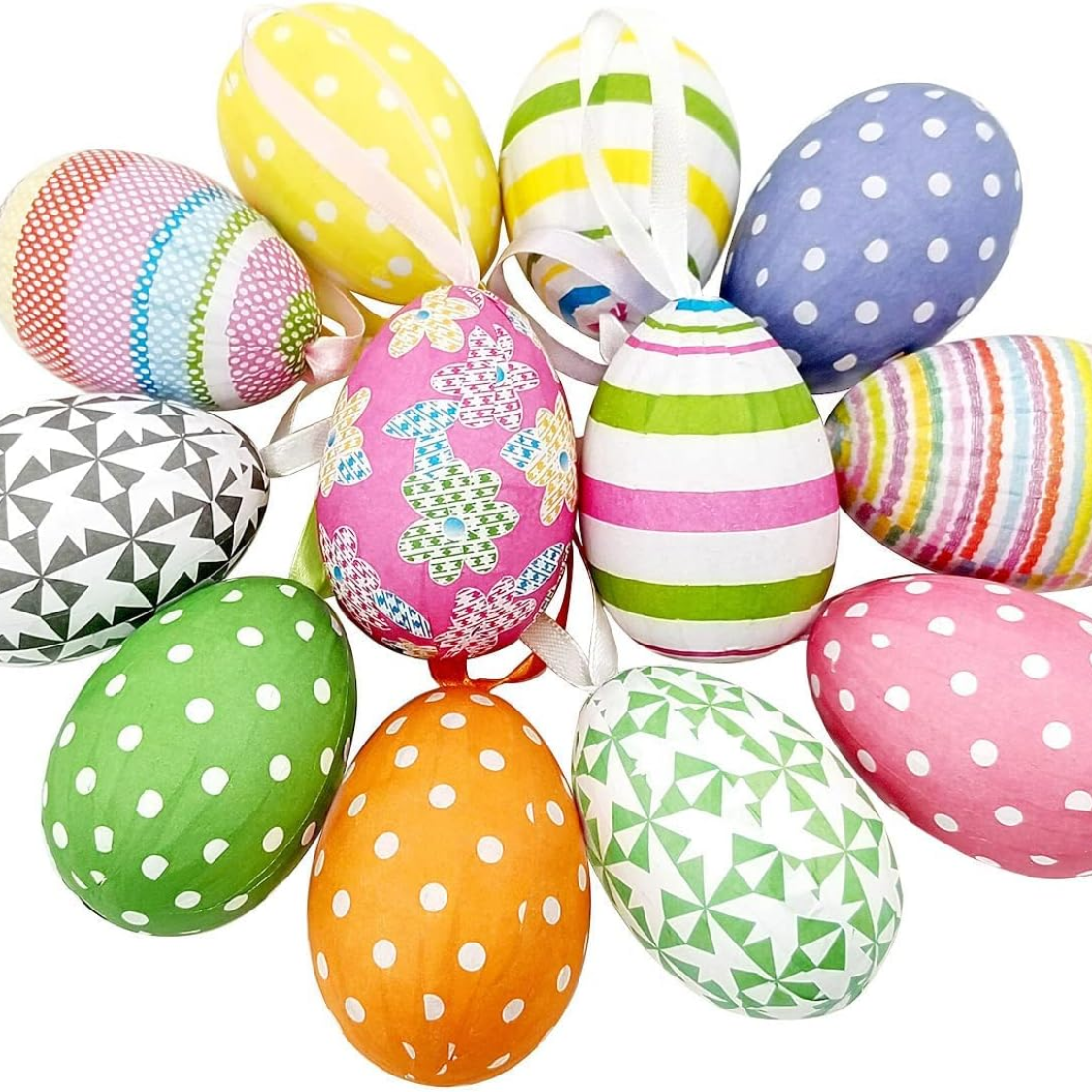
Egg Ornament

Egg ornaments are decorative hanging or display eggs used for Easter trees, spring vignettes, and seasonal centerpieces. The main trade-off is material durability versus visual finish: foam and paper-mache are lightweight and shatter-resistant but can fade or dent, while glass and ceramic hold color and gloss but chip or break on impact. Choose shatter-resistant materials for high-traffic or outdoor use, and glass or hand-painted finishes only for protected indoor display.

Buying guide image
Knitting Needles & Accessories

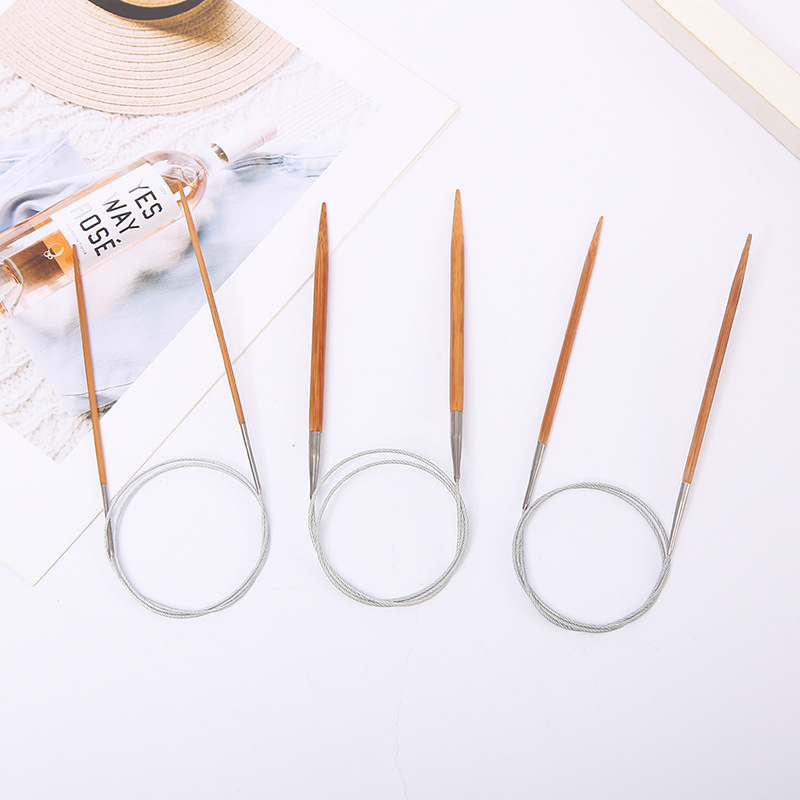
Knitting Needle Set With Case

A knitting needle set with case bundles interchangeable circular tips, fixed circulars, or straight needles with a storage organizer, and the decisive trade-off is connection security and tip material versus case convenience. Durable sets use threaded metal joins with tightening keys or smooth click-lock mechanisms, while compromise sets rely on friction-fit plastic joins that snag yarn and loosen mid-project. Choose a set by needle material, join type, and tip range—not by case count—to separate lifetime tools from disposable kits.

Buying guide image
Presser Feet, Notions & Threading

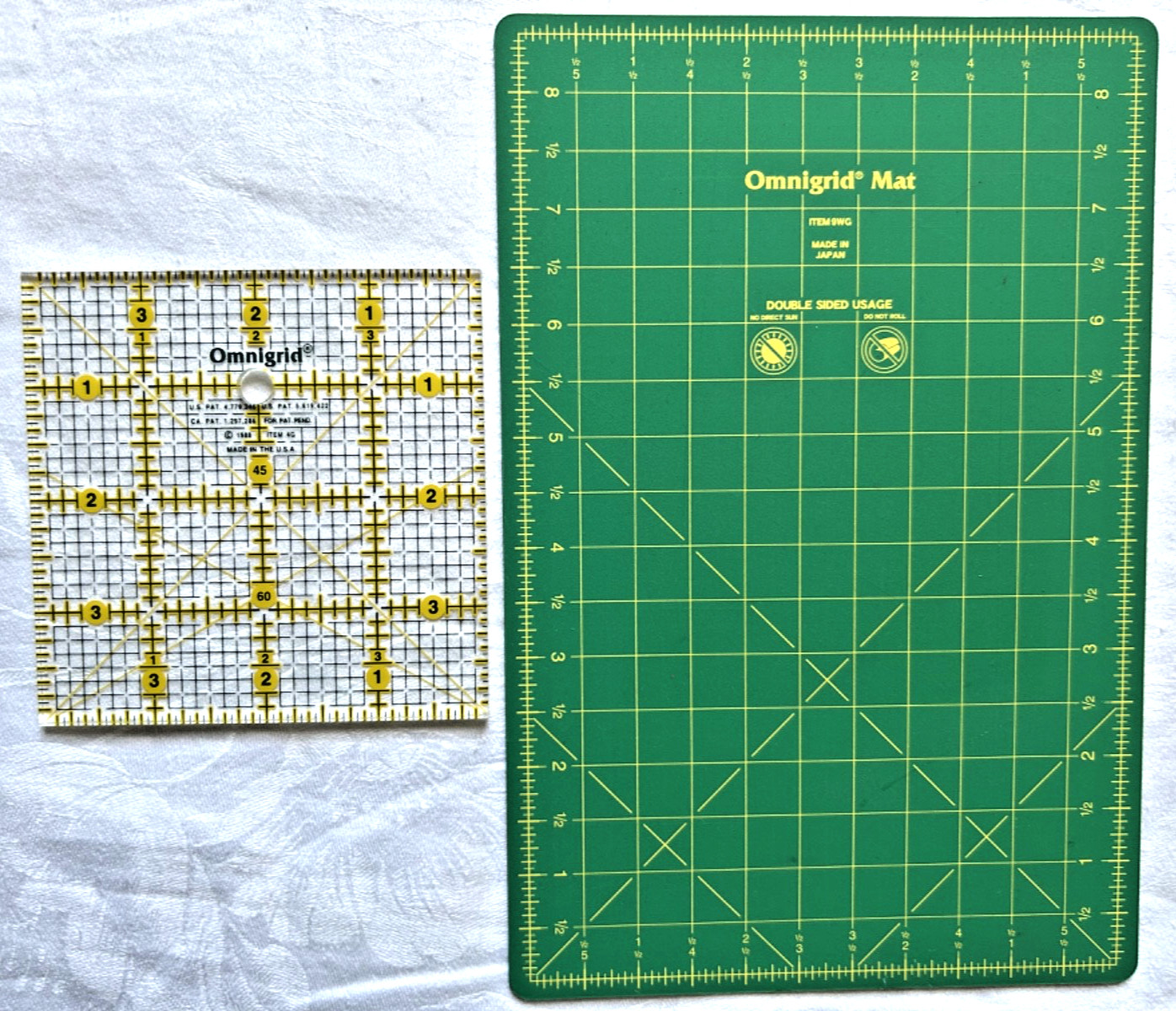
Quilting Ruler Set

A quilting ruler set is a bundle of clear acrylic templates used with a rotary cutter to measure, align, and cut fabric at exact angles and strip widths. The key trade-off is between thin, flexible rulers that slip and chip versus thick, laser-etched rulers with non-slip backing that hold a true 90-degree edge over thousands of cuts. Buy a set with at least 3 mm (1/8 in) acrylic thickness, etched (not printed) grid lines, and a non-slip surface; skip any ruler under 2 mm thick or with painted markings.

Buying guide image
Beads & Jewelry Making

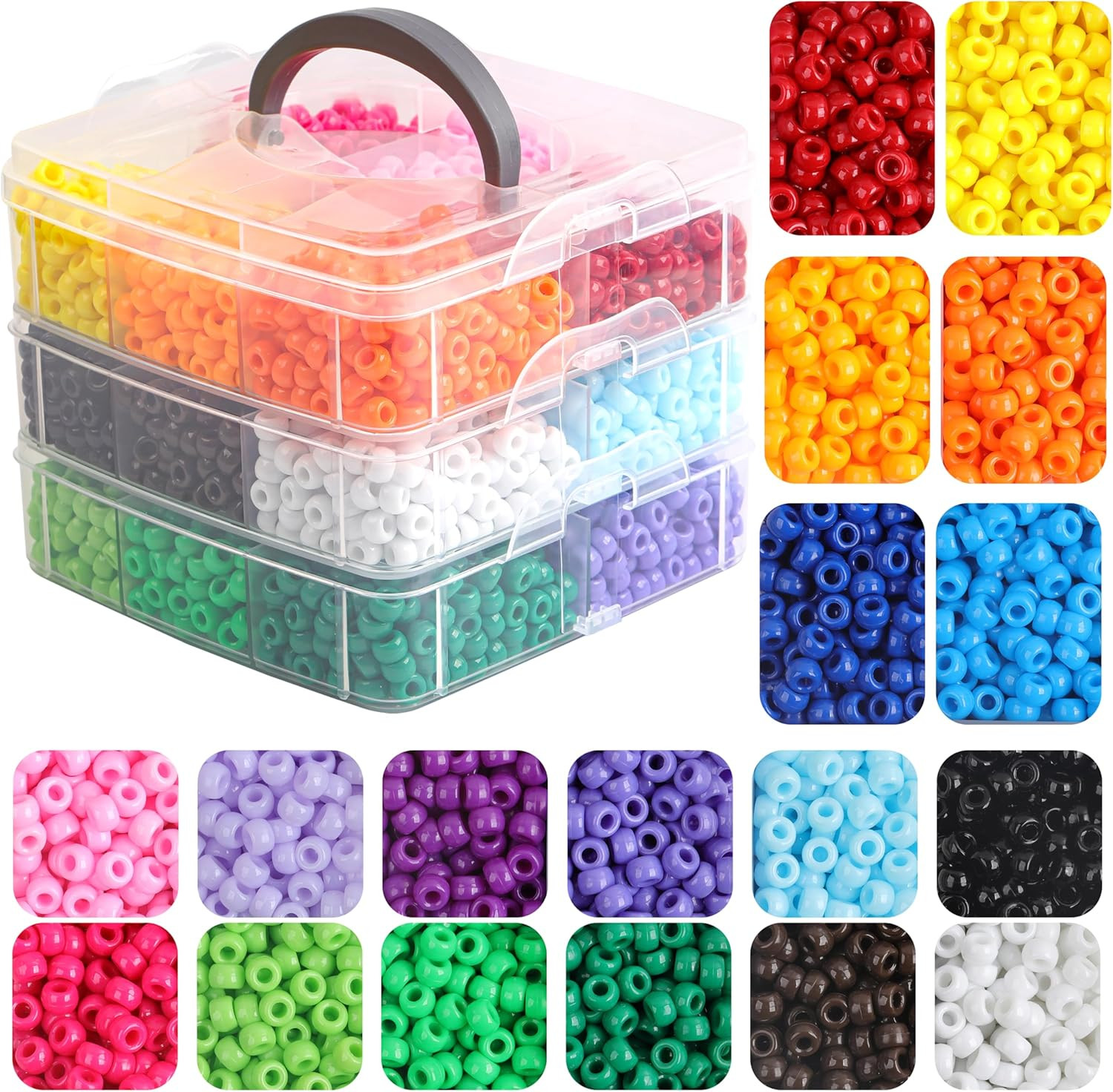
Multicolor Bead

Multicolor beads are the color-variety backbone of jewelry making, sold as mixed acrylic, glass, or stone assortments where the core trade-off is hue consistency and material durability versus low upfront cost. Durable options use colorfast glass, dyed stone, or UV-stable acrylic with drilled, tumbled edges; compromises show paint flaking, uneven hole placement, and brittle plastic. The decision rule: match bead material to wear frequency — glass or stone for daily-wear pieces, acrylic for kids' crafts and trend-driven designs.

Buying guide image
Leather Stitching Tools

Leather Punch

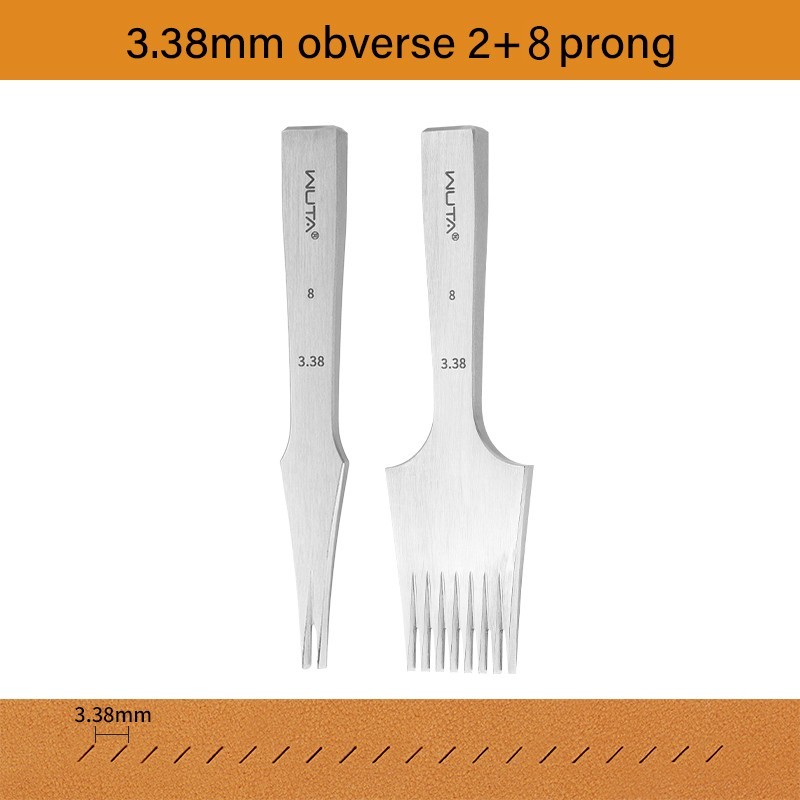
Leather punches are the hole-making and stitch-marking tools that determine whether your seams are straight, evenly spaced, and tear-resistant. The core trade-off is between hardened steel pricking irons with precise tooth geometry (for stitching layout) and hollow drive punches or rotary pliers (for clean round holes in belts and straps). Buy diamond- or French-style pricking irons in hardened steel for stitching work; buy hollow steel drive punches or rotary pliers for hardware holes—avoid soft stamped chisels that bend and skew spacing.

Buying guide image
Ceramic Glazes & Colors

Paint

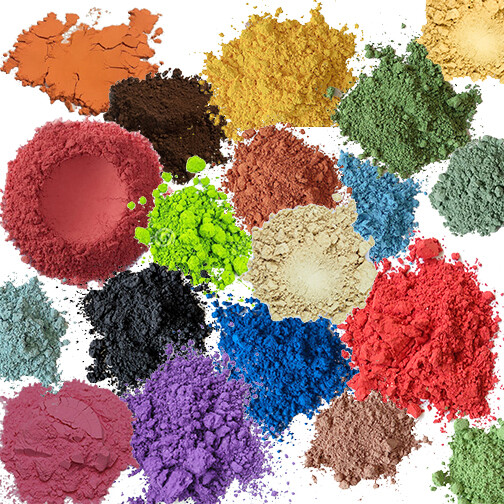
Ceramic paint spans three distinct chemistries—underglaze, glaze, and overglaze luster—each with different firing ranges and durability. The key trade-off is between low-fire convenience (cone 06–04) and high-fire integration (cone 5–10), where only true glaze or high-fire underglaze survives outdoor freeze-thaw. For outdoor planters, choose a high-fire glaze or a cone 5+ underglaze sealed under a clear glaze; avoid low-fire craft paint and overglaze lusters.

Buying guide image
Paper Crafts & Scrapbooking

Stampin Up Paper Punch

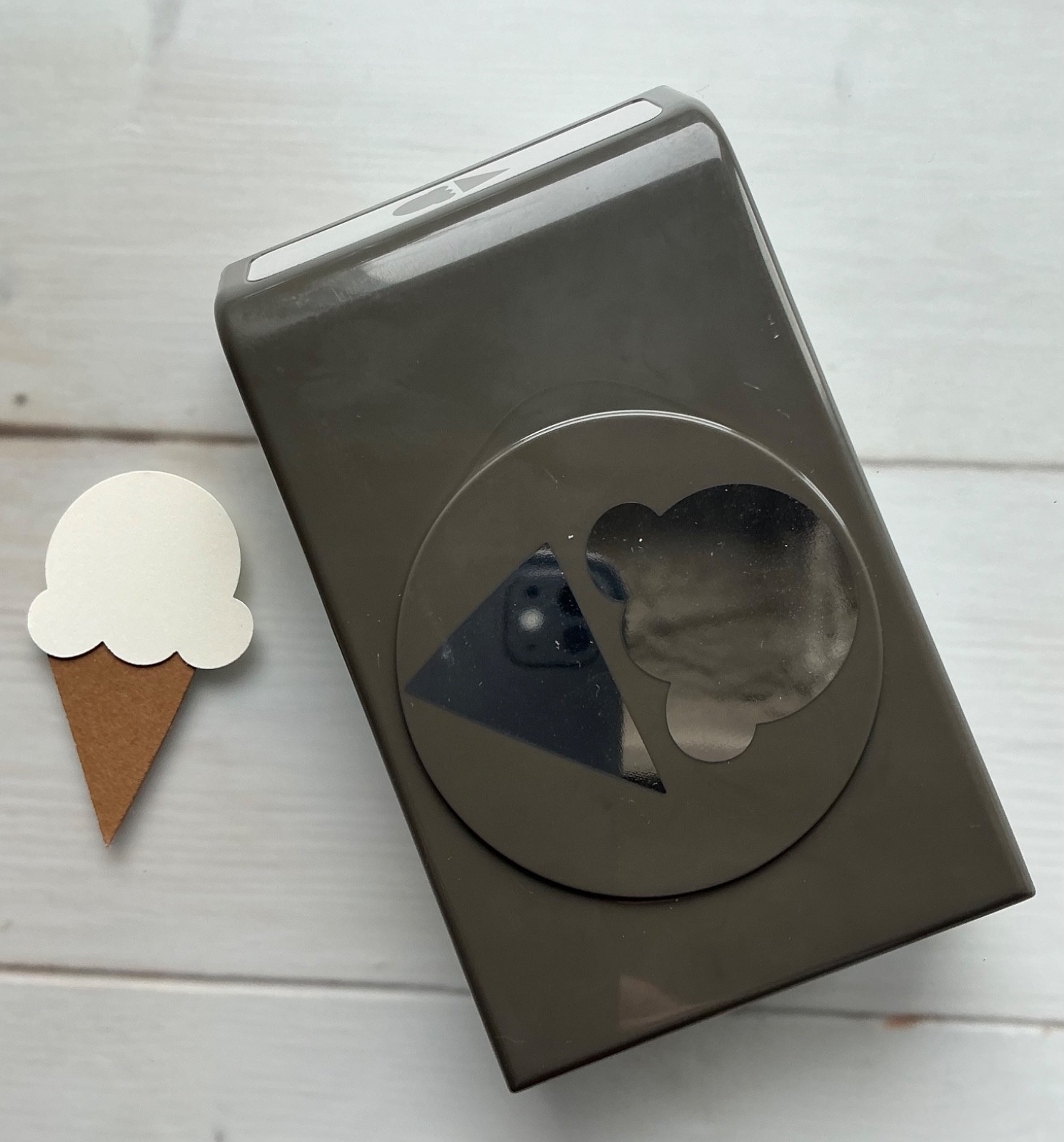
Stampin' Up! paper punches are steel-blade lever punches sold in two distinct generations: older Whale-style and newer Flat-style bodies, both using the same 1/2-inch-to-2-inch punch head families. The core trade-off is blade geometry and body profile—Whale punches offer deeper throat reach but bulkier storage, while Flat punches are compact and lighter but have shorter reach. Buy Flat-style for modern cardmaking on 8.5x11 or A2 stock; buy Whale-style only if you need long-throat reach or are matching an existing collection.

Buying guide image
Knitting Needles & Accessories

Knitting Needle Arthriti

Arthritis-friendly knitting needles are designed to reduce hand strain through larger grips, smoother joins, and lightweight or flexible materials. The key trade-off is between needle diameter (larger is easier to grip but limits stitch gauge) and handle ergonomics (chunky rubber or wood grips add control but can feel bulky). Choose needles with a diameter of at least 6 mm and a textured, non-slip handle if joint pain is moderate to severe; skip thin metal circulars under 4 mm unless using them only for brief finishing.

Buying guide image
Leather Stitching Tools

Leather Stitching Tool Kit

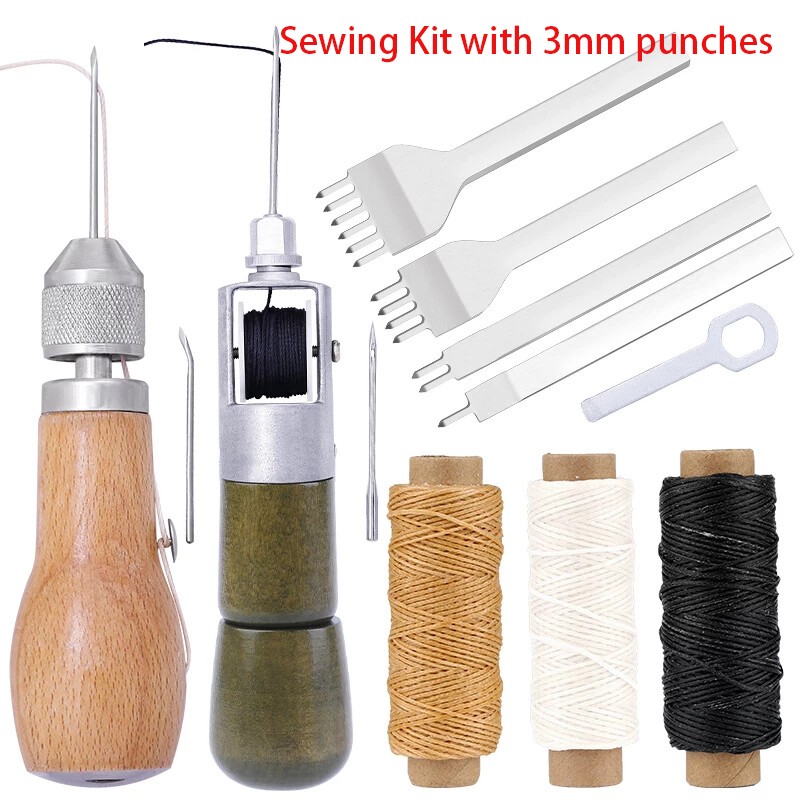
A leather stitching tool kit bundles the awls, pricking irons, punches, needles, and thread needed to hand-sew leather, and the core trade-off is stamped vs. milled pricking irons and hardened vs. mild-steel awls. Durable kits use hardened steel irons with polished tines and diamond or round awls that hold an edge; compromise kits use soft stamped metal that bends and burrs after a few belts.

Buying guide image
Leather Stitching Tools

Speedy Stitcher Kit

A Speedy Stitcher kit is a hand-awl sewing system built around a locking-stitch needle and waxed thread, designed for repairing heavy leather, canvas, webbing, and upholstery without a sewing machine. The core trade-off is between low-cost cast-alloy awls with thin replacement needles and hardened-steel awls with precisely ground points that survive repeated piercing through thick hides. The decision rule: buy a kit whose awl body is hardened steel with a locking collet and whose needle assortment covers both straight and curved points—skip kits that bundle only one straight needle with soft pot-metal handles.

Buying guide image
Sewing & Quilting Machines

Embroidery

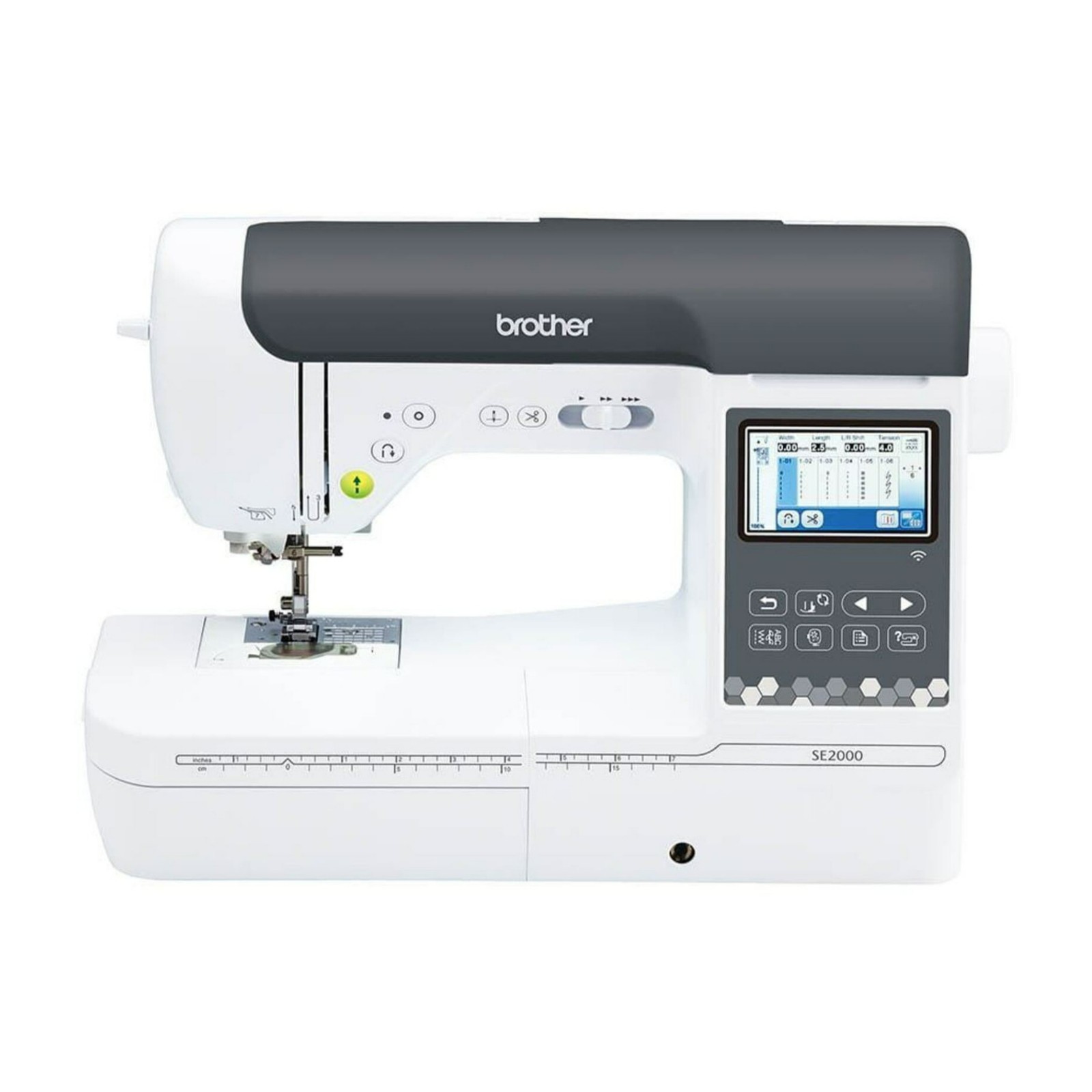
Embroidery combo machines add a computer-controlled embroidery arm to a standard sewing head, letting you switch between garment construction and decorative stitching on one unit. The key trade-off is embroidery field size (hoop capacity) versus budget and complexity: 4x4-inch fields suit monograms and small motifs, while 5x7-inch or larger fields handle jacket backs and quilt blocks without repositioning. Buy a machine whose largest hoop matches your typical design size, and insist on USB or direct-connect file transfer—machines limited to built-in designs or proprietary cards are dead ends.

Buying guide image
Presser Feet, Notions & Threading

Presser Foot Set

A presser foot set is a collection of interchangeable feet that control fabric feed, seam allowance, and stitch formation on a sewing machine; the primary trade-off is shank compatibility and foot material versus kit breadth, since a 34-piece set for the wrong shank is worthless while a 3-piece set in the right shank can cover most seams. The clear decision rule: match the shank standard and machine generation first, then buy the smallest kit that contains the feet your actual sewing tasks require—skip mega-kits built for a shank your machine does not use.

Buying guide image
Craft Cutting, Embroidery & Heat Press Machines

Embroidery Machine

Embroidery machines range from single-needle home units to multi-needle commercial systems, with the core trade-off being hoop size and needle count versus budget and floor space. Single-needle machines with 4x4-inch hoops suit hobbyists, while 6-needle or larger units with 6x10-inch+ hoops handle production and large designs. The decision rule: buy the largest hoop and needle count you can afford and house, because embroidery capacity is defined by hoop dimensions, not stitch count.

Buying guide image
Crochet Hooks & Accessories

Crochet Hook

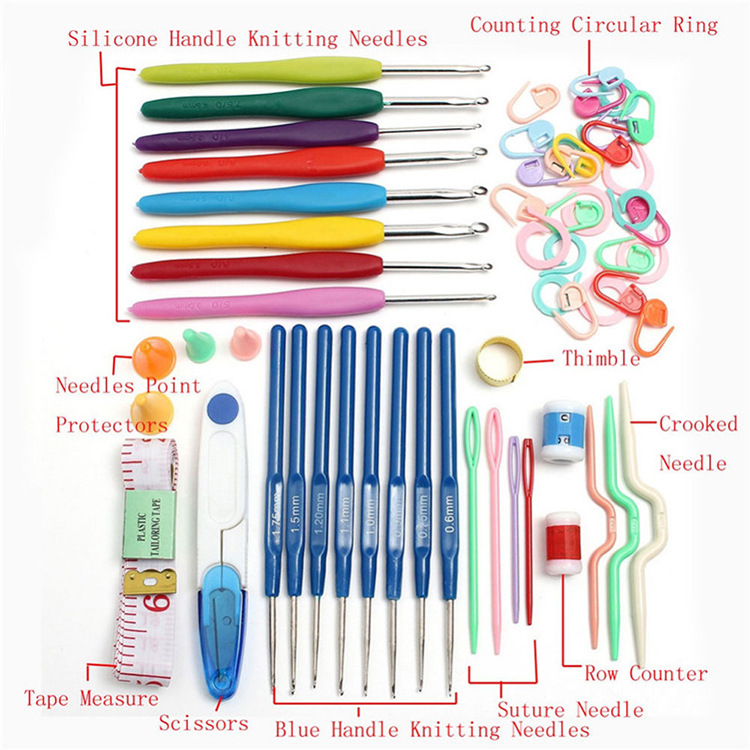
Crochet hooks are precision hand tools where the head geometry, throat smoothness, and handle ergonomics determine stitch consistency and hand fatigue far more than decorative handles. The core trade-off is aluminum or steel precision versus plastic or bamboo friction and flex, and the decisive rule is that inline or tapered head design must match your yarn weight and tension style while the handle must match your grip duration.

Buying guide image
Craft Cutting, Embroidery & Heat Press Machines

Cricut Heat Press

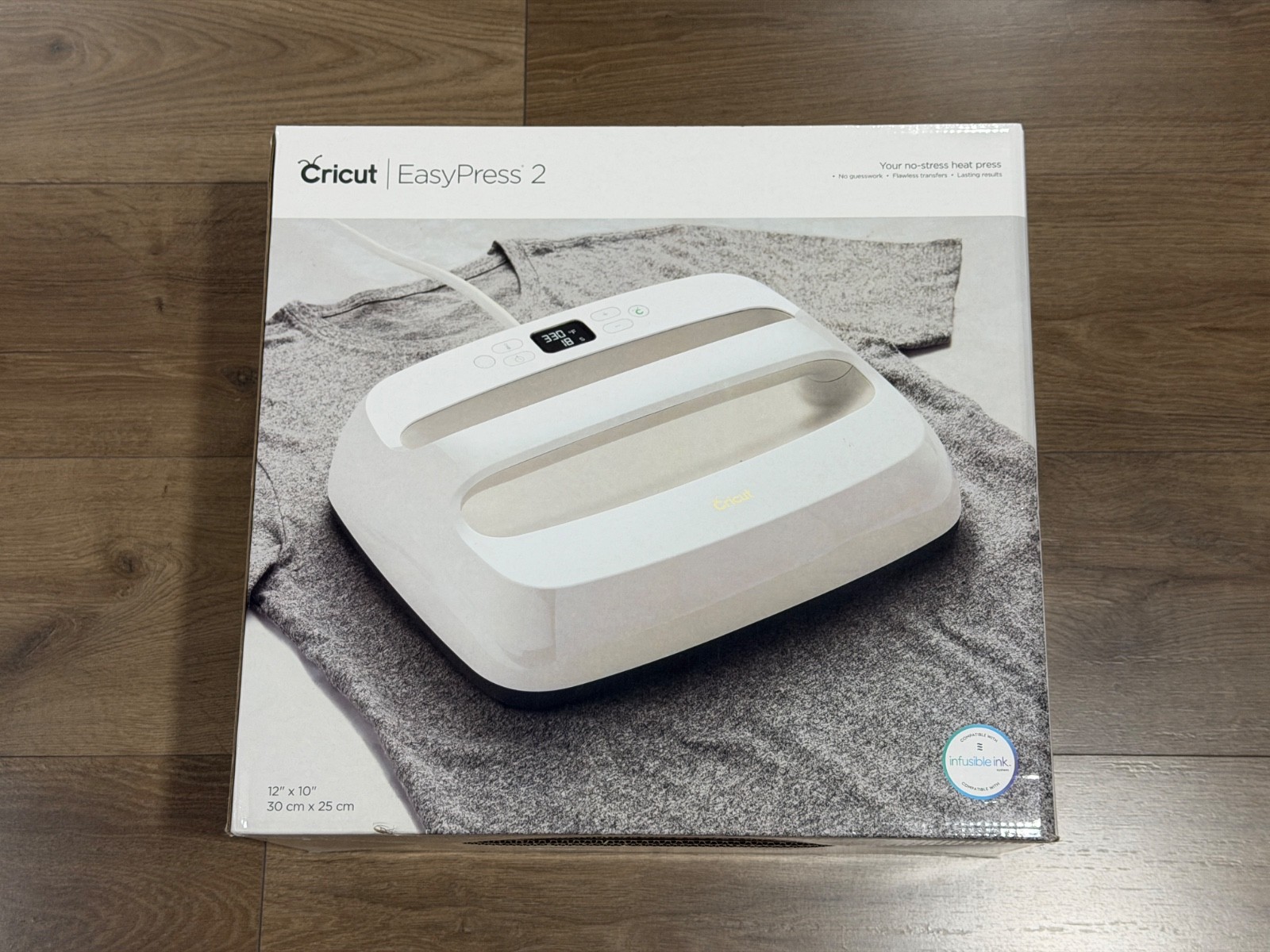
Cricut heat presses are designed to pair with Cricut's ecosystem for applying heat-transfer vinyl (HTV), Infusible Ink, and iron-on projects onto fabric and blanks, with the main trade-off being platen size and automation level versus budget and workspace. The clear decision rule: buy an EasyPress 2 or Mini for occasional flat HTV jobs on standard garments, choose the 12x12 EasyPress 2 or Autopress when you need edge-to-edge coverage or consistent pressure, and skip all-in-one combo kits that bundle a press with unrelated accessories.

Buying guide image
Rotary Cutting Tools & Mats

Rotary Cutter

A rotary cutter is a rolling-blade fabric and craft tool defined by blade diameter (18mm, 28mm, 45mm, 60mm) and handle ergonomics; the core trade-off is between blade-size precision versus multi-layer cutting capacity and safety-lock complexity. Buy 45mm as the universal default for quilting and fabric, 60mm only for thick multi-layer or batting work, and 28mm for curves and appliqué — anything without a spring-loaded retract or dual-action safety lock is a compromise.

Buying guide image
Fabrics & Thread

Fleece Fabric

Fleece fabric is a knit or nonwoven textile with a brushed surface that traps air for warmth without weight, and the decisive trade-off is between loft/insulation and durability/pilling resistance. Buy anti-pill or pill-resistant polyester fleece for garments and blankets that see repeated washing; choose standard or fusible fleece only for craft, backing, and structured projects where surface wear is minimal.

You may also like

Finding more guides for you…