CraftNest Guide

CraftNest Guide

Crafts & Party Supplies Reviews & Buying Guides

Compare crafts & party supplies by use case, features, trade-offs, price, returns, and seller terms before you buy.

Buying guides

Buying guide image
Leather Hides & Panels

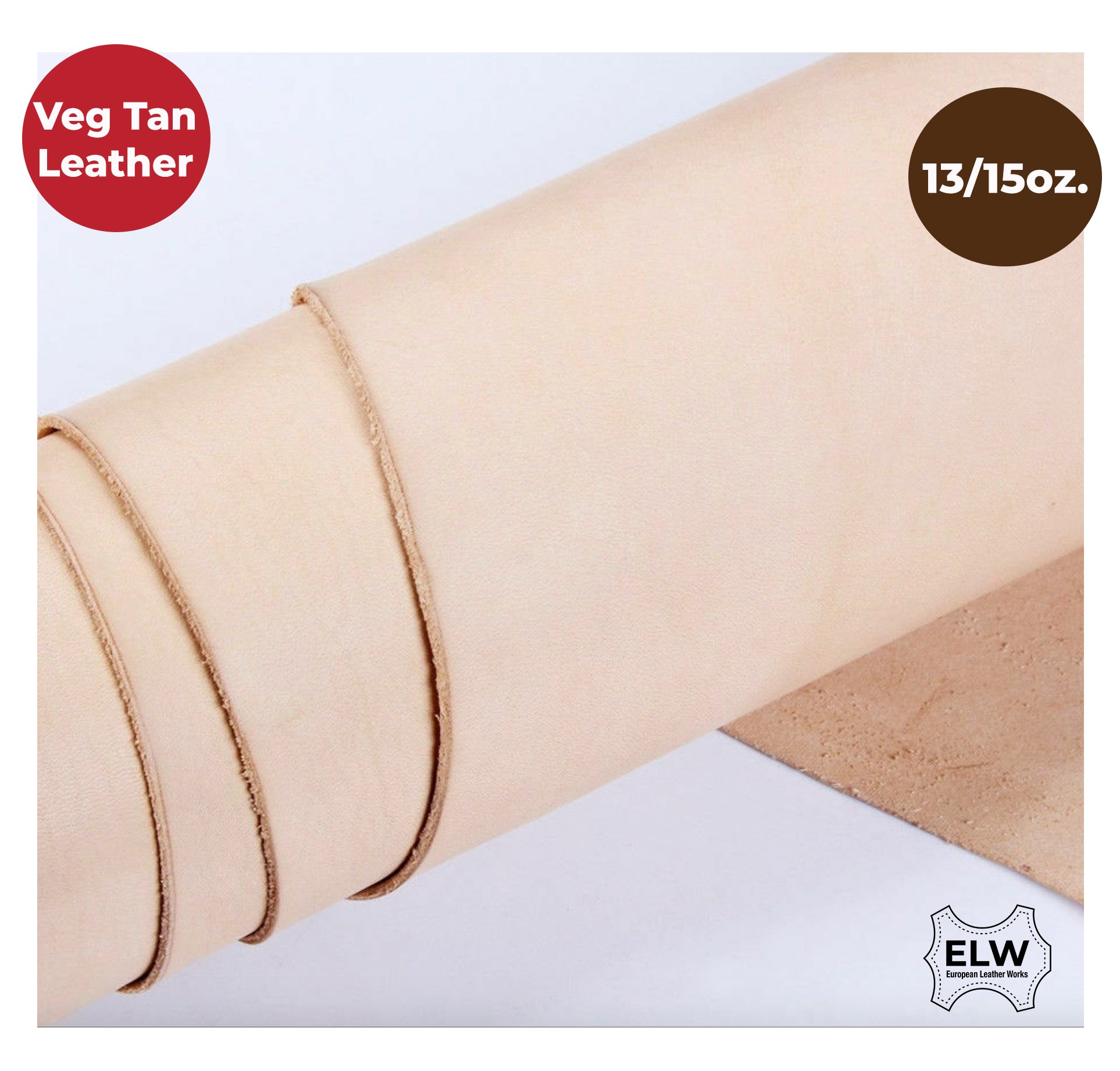
Veg Tan Leather Hide

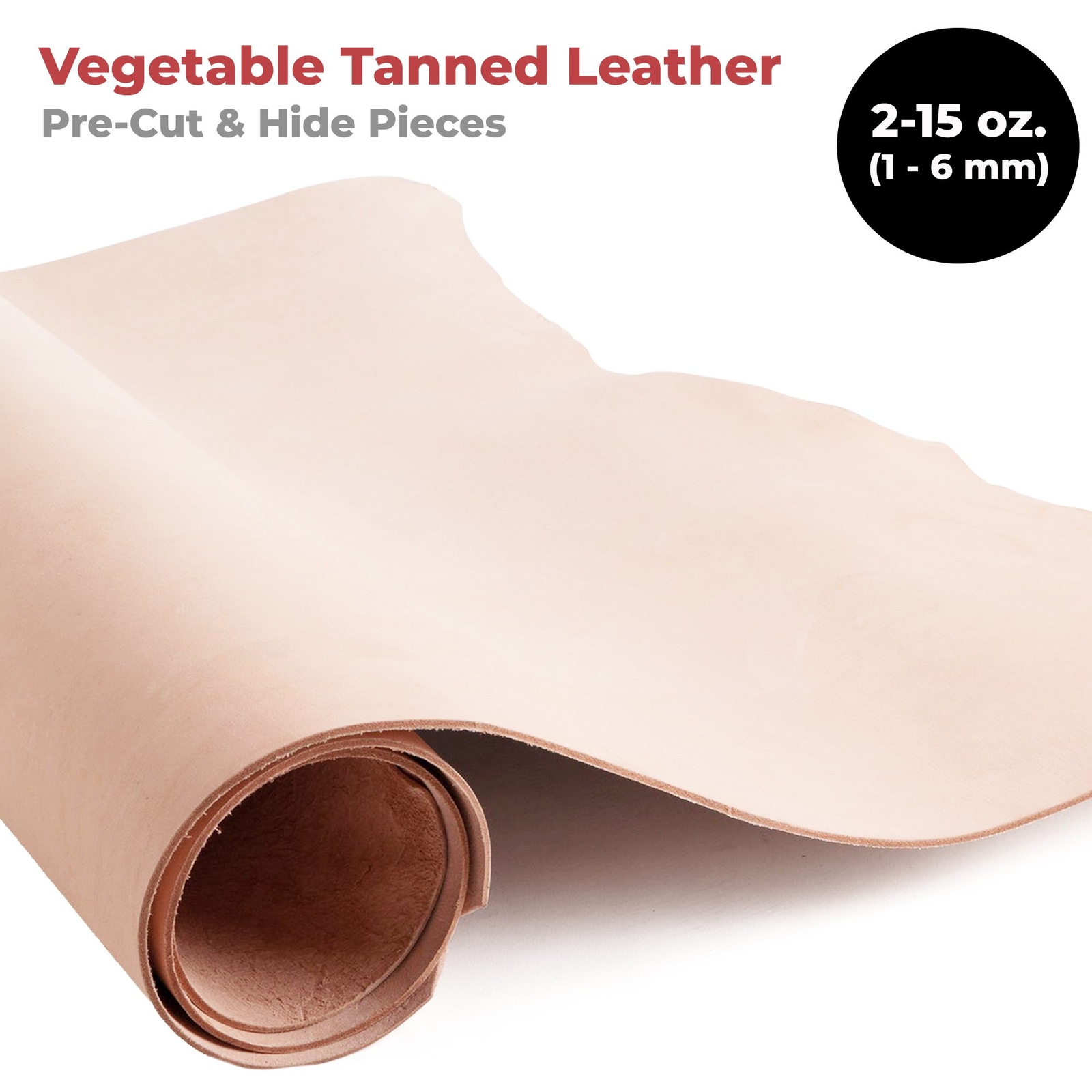
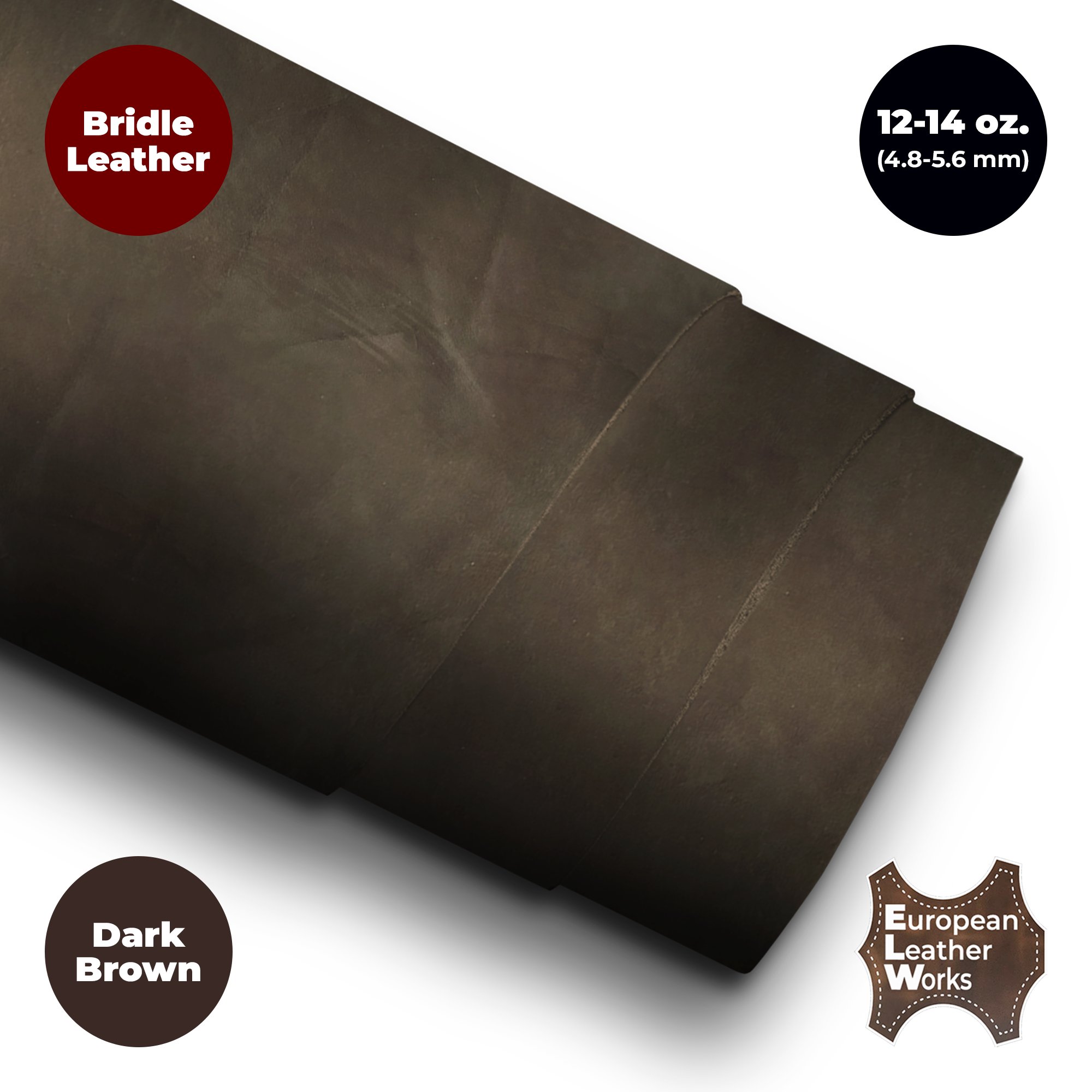
Veg tan leather hide is full-grain cowhide tanned with plant tannins, prized for tooling, molding, and aging patina rather than soft drape. The core trade-off is tannage consistency and thickness: drum-dyed, tight-fiber hides resist stretching and take stamping cleanly, while cheap import splits or belly cuts delaminate and blotch. Buy full-grain, back-boned veg tan in a stated ounce weight that matches your project's forming needs; skip anything labeled 'genuine leather' or sold only by the square foot without thickness.
Buying guide image
Knitting & Crochet Patterns

Crochet Granny Square

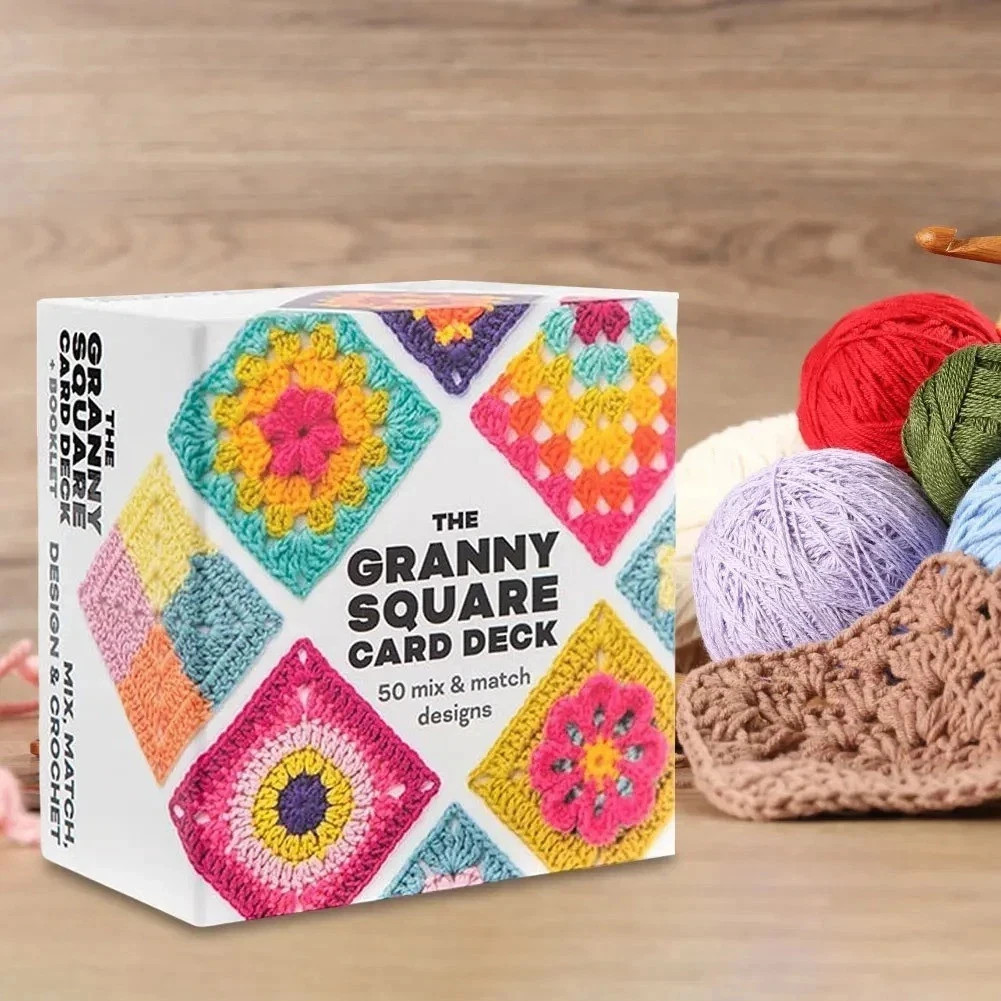
Granny squares are modular crochet motifs built from clustered stitches and chain spaces, joined into blankets, garments, and bags. The core trade-off is between solid single-color squares (sturdy, fast, predictable gauge) and multi-color motifs (visual impact but more joining ends and looser gauge drift). Choose solid-color worsted-weight squares for durability and easy joining; choose multi-color or lace motifs only if you accept blocking and weaving-in time.

Buying guide image
Leather Hides & Panels

Veg Tan Hide

Veg tan hide is full-grain cowhide tanned with plant tannins, prized for rigidity, toolability, and a patina that darkens with age. The core trade-off is thickness versus workability: 4–6 oz hides carve and fold cleanly for bags and wallets, while 10–14 oz hides resist deformation for belts, straps, and armor but require heavy edge finishing and stitching. Choose by finished-goods thickness and temper—not by color names or cut dimensions alone—and reject hides with loose break, scars, or inconsistent tannage.

Buying guide image
Leather Hides & Panels

Vegetable Tanned Hide

Vegetable-tanned hide is full-grain or top-grain leather cured with plant tannins, prized for firm hand, burnishable edges, and tooling response. The main trade-off is thickness and cut format: thicker sides (4-6mm) suit straps and holsters, while thinner panels (1.5-2.5mm) suit wallets and linings. Buy a side or bend from a tannery with grade disclosure for tooling work; choose pre-cut panels only when thickness is stated in both ounces and millimeters.

Buying guide image
Christmas Decorations

Garage Door Cover

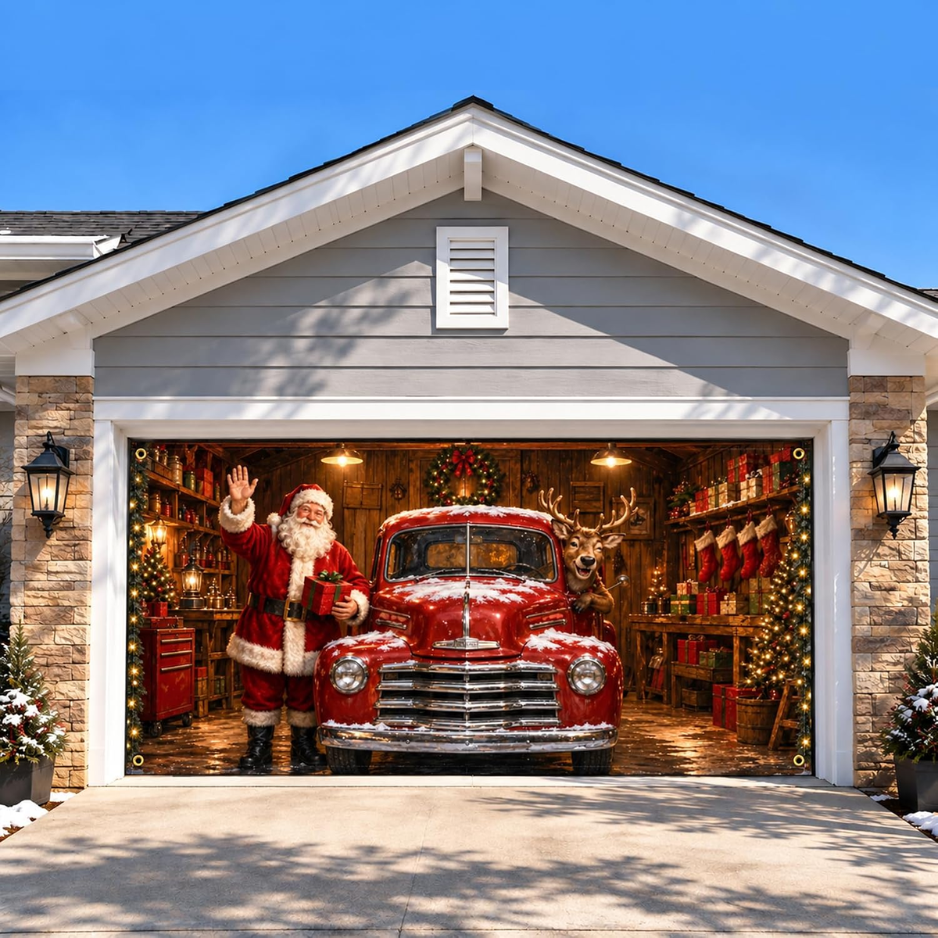
Garage door covers are large-format holiday banners that transform a standard 7x16 ft double or 7x8 ft single garage door into a full-facade display. The core trade-off is between printed fabric banners (full coverage, wind load, grommet/strap mounting) and magnetic panel sets (easier install, limited to steel doors, smaller coverage). Choose a reinforced fabric cover with corner grommets and bottom tension straps for full-door scenes; choose magnetic panels only for steel doors needing quick, reusable decoration.

Buying guide image
Ceramic Glazes & Colors

Amaco Ceramic Glaze

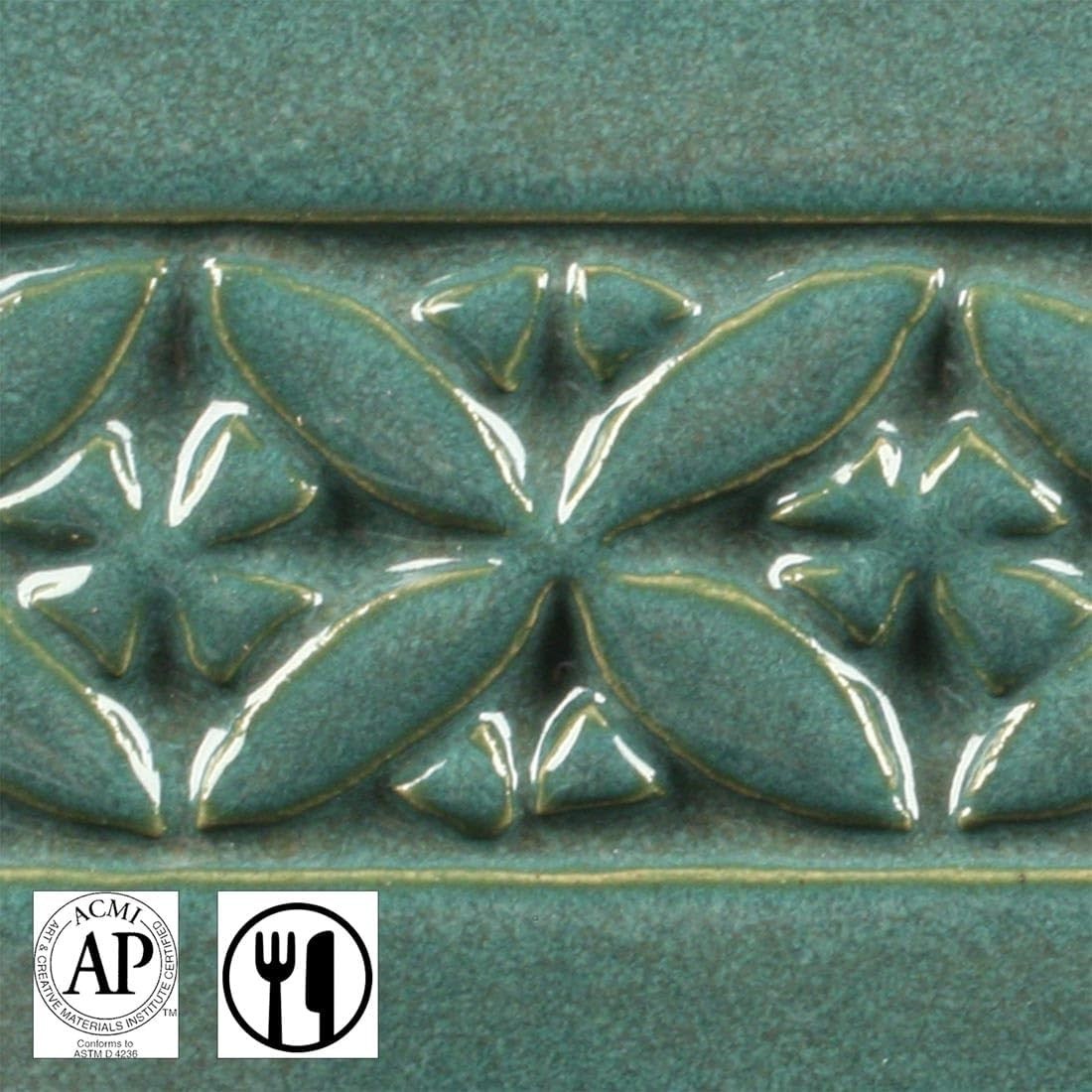
Amaco Ceramic Glaze is a family of lead-free, dinnerware-safe finishes for pottery and ceramics, spanning low-fire (Cone 05-04), mid-fire (Cone 5-6), and high-fire (Cone 10) formulations. The primary trade-off is firing range versus surface effect: low-fire glazes stay put and are easy to control, while high-fire glazes fuse deeper into the clay body for durability but demand a kiln that reaches Cone 10. The decision rule is simple: match the glaze's rated cone to your kiln's maximum and your clay's maturity point—never mix low-fire glaze on high-fire clay or vice versa.

Buying guide image
Ceramic Glazes & Colors

Amaco Pottery Glaze

Amaco pottery glazes are a family of brush-on and dipping ceramic finishes spanning low-fire (05-04), mid-fire (5-6), and high-fire (9-10) firing ranges, with the Pottery Craft (PC) and Celadon (C) lines being the most widely used brush-on formulas. The critical buyer trade-off is not color variety but cone compatibility: Amaco's PC and Celadon glazes are rated for cone 5-6 (mid-fire) and will craze, blister, or run off the pot if fired beyond their rated cone, while the high-fire (cone 9-10) lines are a separate formulation entirely. The decision rule is simple: match the glaze line to your kiln's target cone first, then choose brush-on (pint, 4 oz) for small or detailed work versus dry/powder or gallon formats for dipping production batches.

Buying guide image
Paper Crafts & Scrapbooking

Shadow Box

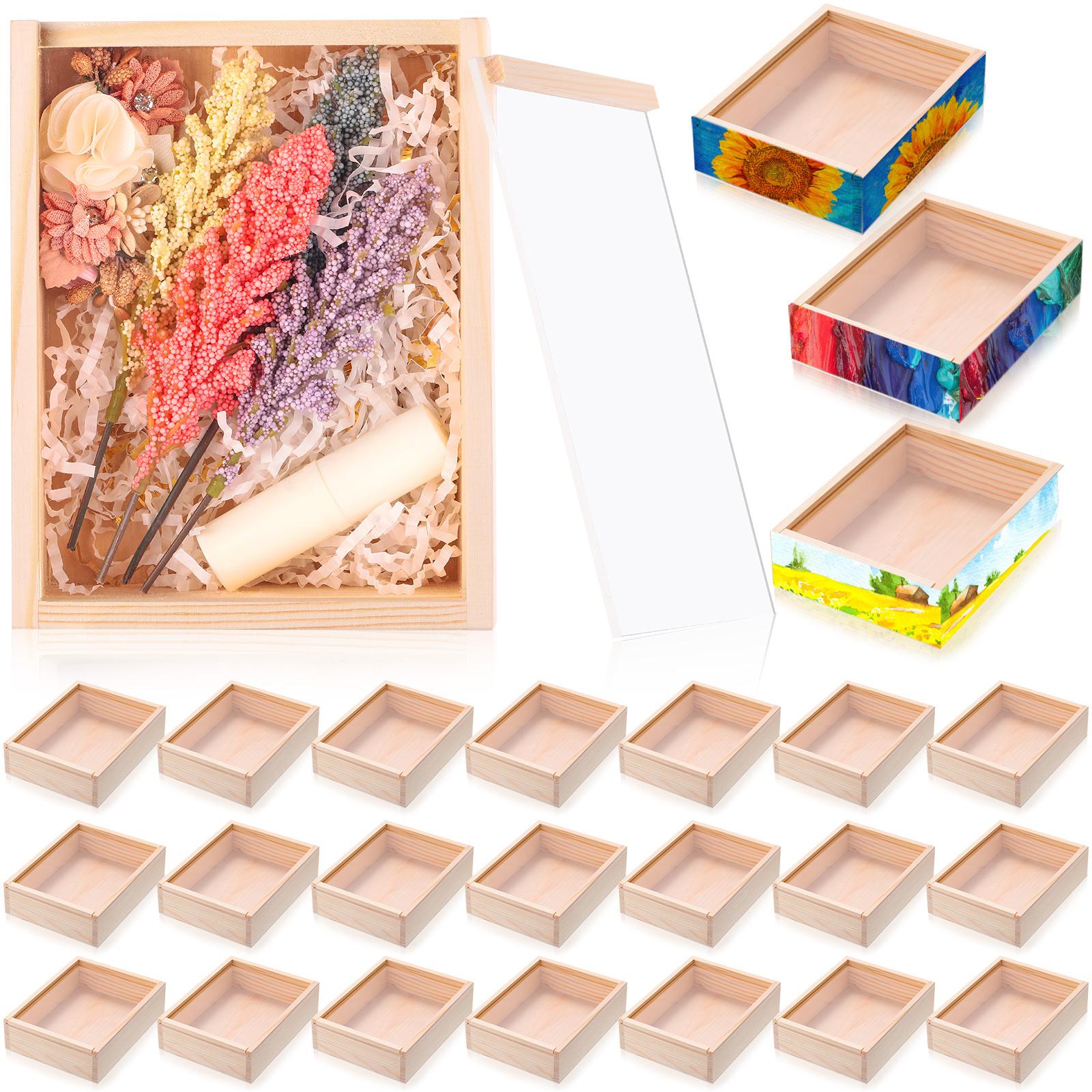
A shadow box is a display frame with a deep, enclosed cavity that holds three-dimensional objects behind glass or acrylic. The key trade-off is depth versus display area: shallow boxes suit medals and flat keepsakes, while deep boxes fit urns, models, and bulky memorabilia without crowding the glass. Choose a box whose interior depth exceeds your thickest object by at least 0.5–1 inch, with a removable back or hinged door for loading, and skip open-front or paper-thin chipboard boxes that sag under weight.

Buying guide image
Craft Cutting, Embroidery & Heat Press Machines

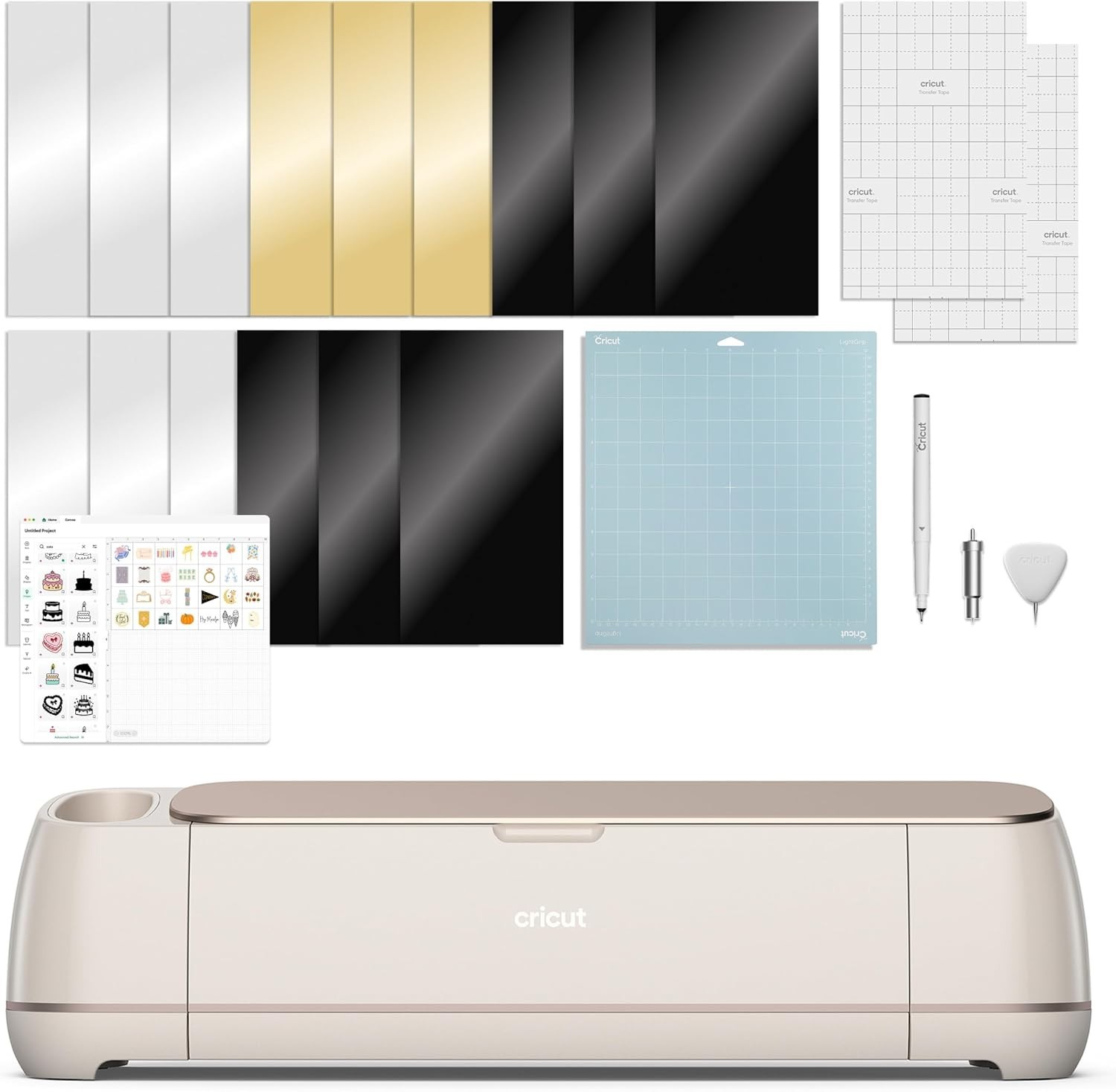
Smart Cutting Machine

Smart cutting machines are computer-guided die cutters that cut, score, and draw on vinyl, cardstock, fabric, and leather via blade or knife assemblies driven by design software. The defining trade-off is cutting force plus tool ecosystem versus bed width and material rigidity: entry machines handle thin media, while high-force models cut thicker materials and emboss or mill. The decision rule is simple: buy the highest cutting force and widest bed you can house, then match the blade/tool set to the materials you will actually cut.

Buying guide image
Yarn

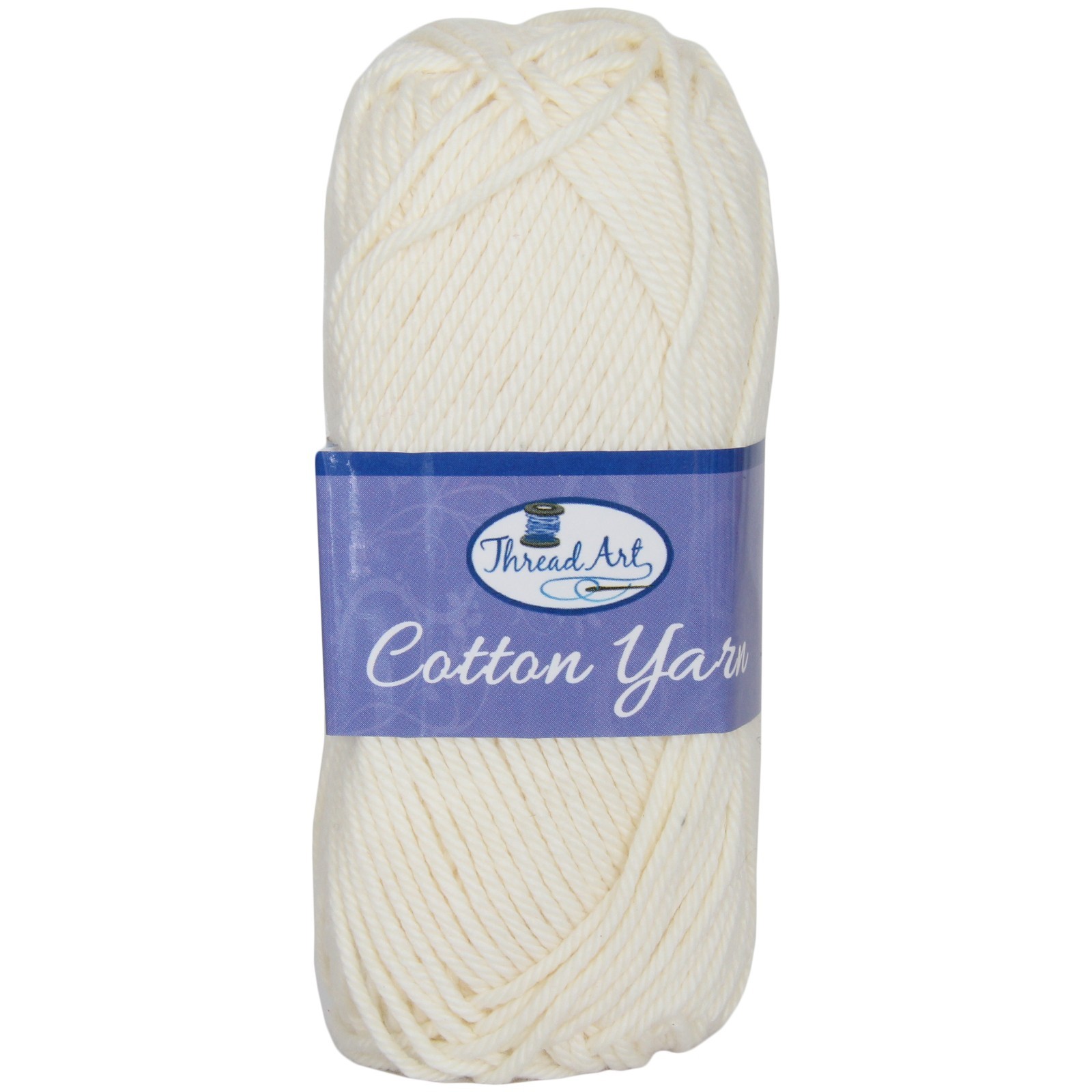
Cotton Crochet Yarn

Cotton crochet yarn is a non-elastic, plant-fiber yarn valued for stitch definition, breathability, and machine washability, available in mercerized or unmercerized forms. The core trade-off is absorbency and drape versus memory and stretch: cotton has none of wool's elasticity, so gauge and ply structure matter more than brand. Choose long-staple, tightly plied cotton for durable garments and home goods; avoid loose single-ply or high-shedding short-staple yarn for anything requiring wash durability.

Buying guide image
Sewing & Quilting Machines

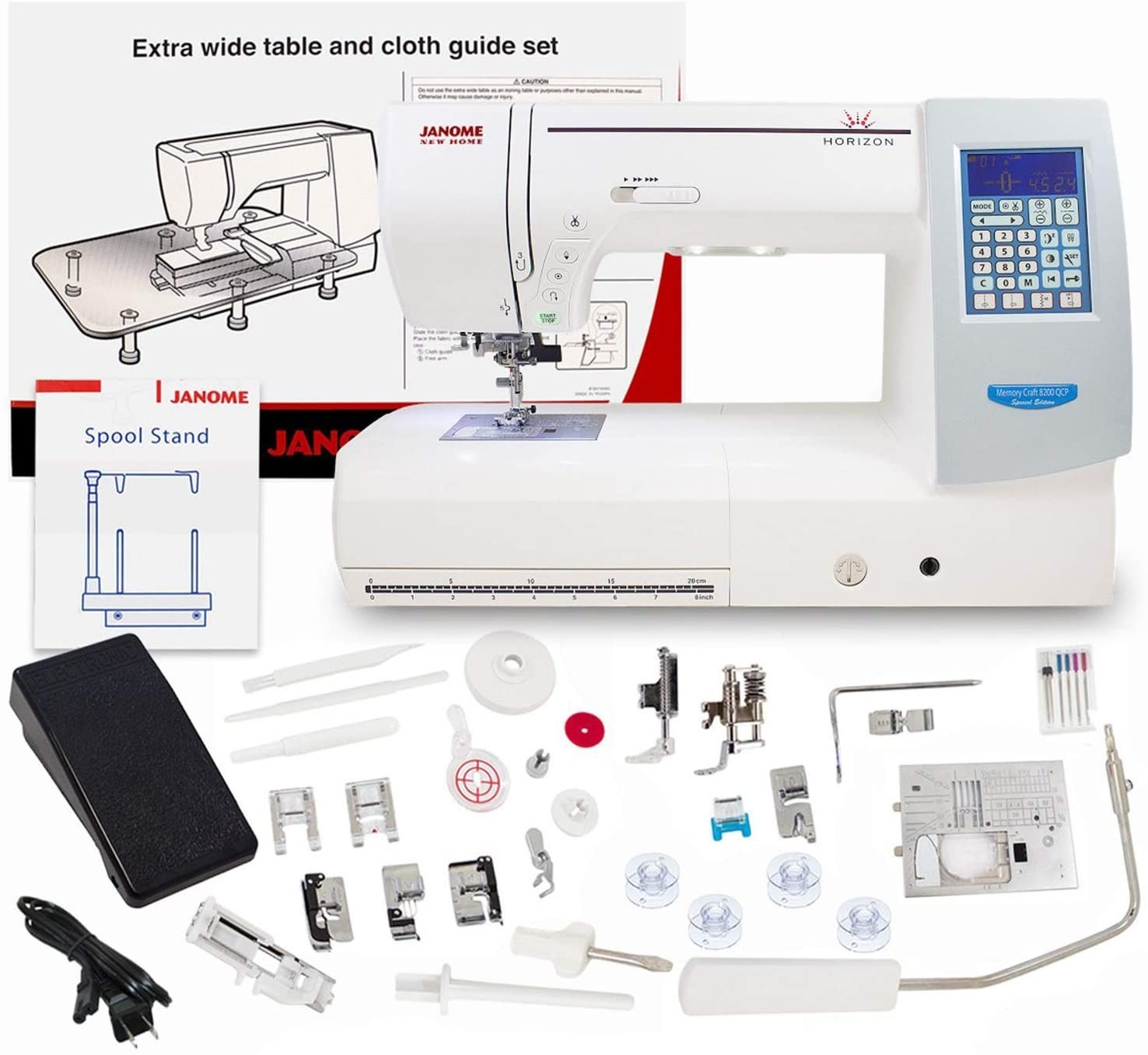
Quilting Machine

Quilting machines span two distinct architectures: domestic computerized machines with a quilt table and long-arm quilting heads with deep throat space. The primary trade-off is throat/harp space versus stitch-regulation complexity—longarms deliver speed and frame compatibility, domestics deliver piecing and decorative stitches. The decision rule: buy a longarm only if your project exceeds 120 inches of quilt width or you require a frame; choose a domestic quilting machine if piecing, free-motion on a table, and multi-stitch utility matter more than throat depth.

Buying guide image
Party Supplies & Balloons

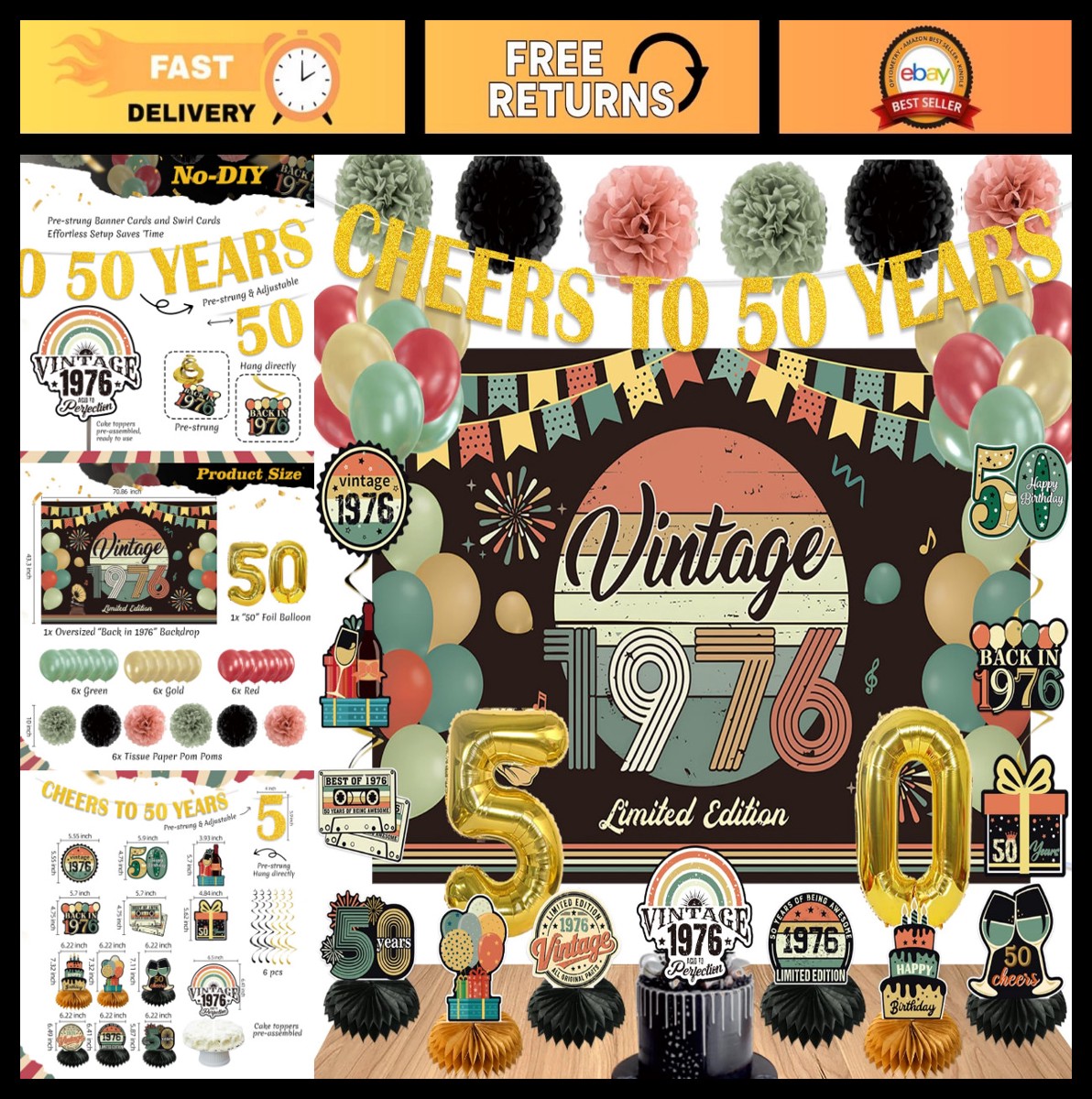
50th Birthday Party Decoration

50th birthday decorations are a themed party-supply kit segment where the primary trade-off is between all-in-one kits with paper/thin plastic accents and modular sets built from reusable fabric banners and helium-grade foil balloons. The decision rule is simple: buy a kit whose banner and balloon materials are explicitly stated (cardstock GSM, foil vs latex) and whose piece count matches your venue size; skip vague kits that only list a total piece count without material specs.

Buying guide image
Party Supplies & Balloons

50th Party Decoration

50th party decorations are milestone-event kits that combine banners, balloons, and tableware built around a specific year or anniversary theme, with the core trade-off being glitter-shedding paper banners versus durable printed cardstock and foil. Choose printed or foil-backed cardstock and helium-rated foil balloons for a durable, reusable set, and skip loose-glitter paper banners if you need clean, photo-ready surfaces.

Buying guide image
Party Supplies & Balloons

60th Birthday Party Decoration

60th birthday decorations are a themed kit segment defined by the balance between reusable fabric/foil backdrops and disposable tableware volume. The core trade-off is whether you buy a coordinated multi-piece set for full-room coverage or assemble durable banner-and-balloon anchors separately, because thin foil and low-GSM paper flag or tear during a single event. The decision rule: prioritize sets that specify fabric banners or heavy foil and 12-inch balloons, and treat sub-100-piece paper kits as single-use photo props rather than room-wide décor.

Buying guide image
Party Supplies & Balloons

60th Party Decoration

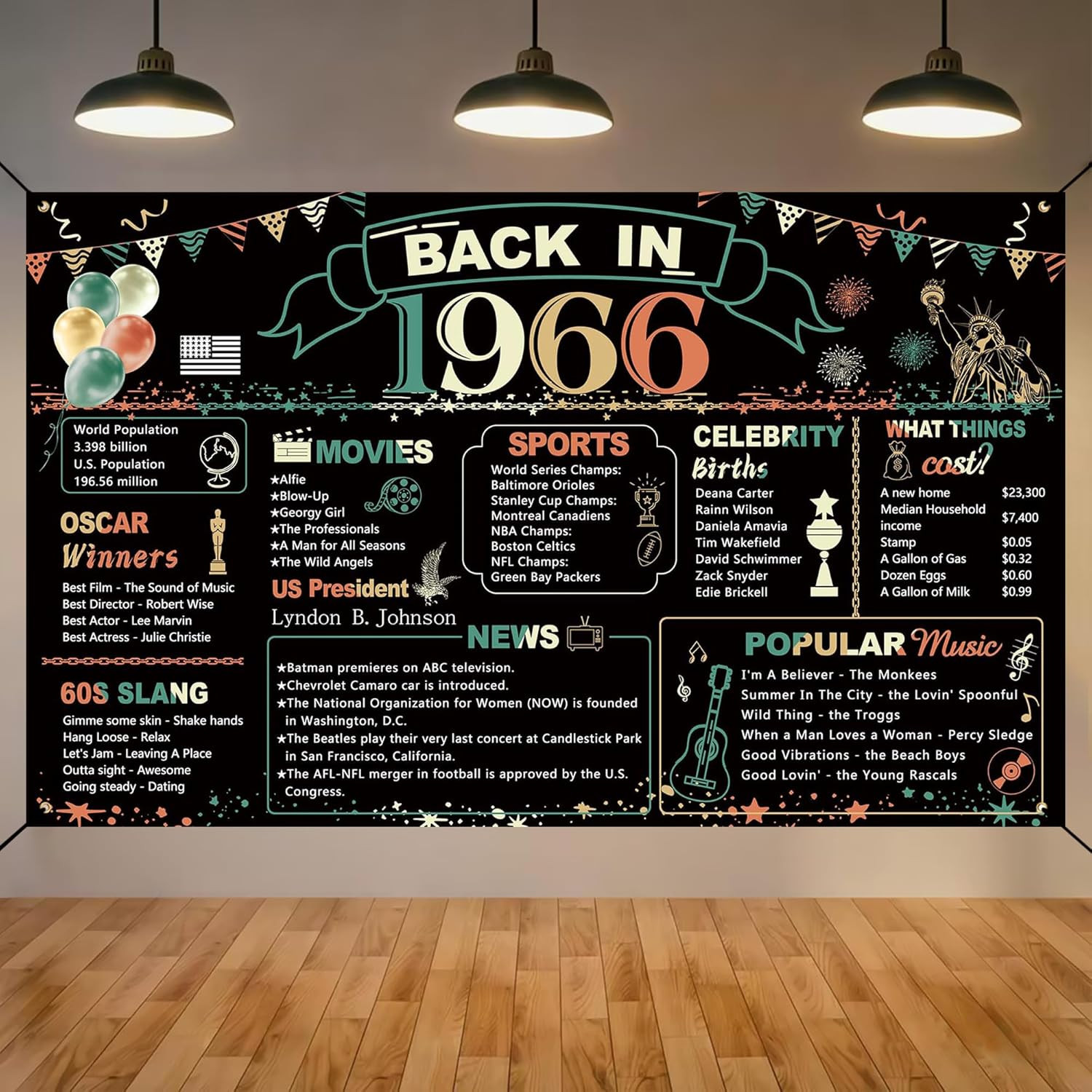
60th party decorations are milestone celebration kits that combine banners, balloons, tableware, and photo backdrops into coordinated themes. The primary trade-off is between all-in-one convenience kits (more pieces but thinner materials) and modular, higher-grade components (fewer pieces but reusable banners and helium-grade balloons). Choose a kitted set only if you need fast setup for a single event; choose modular pieces if you want durable banners, consistent color themes, and balloons that hold helium for the full party.

Buying guide image
Christmas Decorations

Pink Ornament

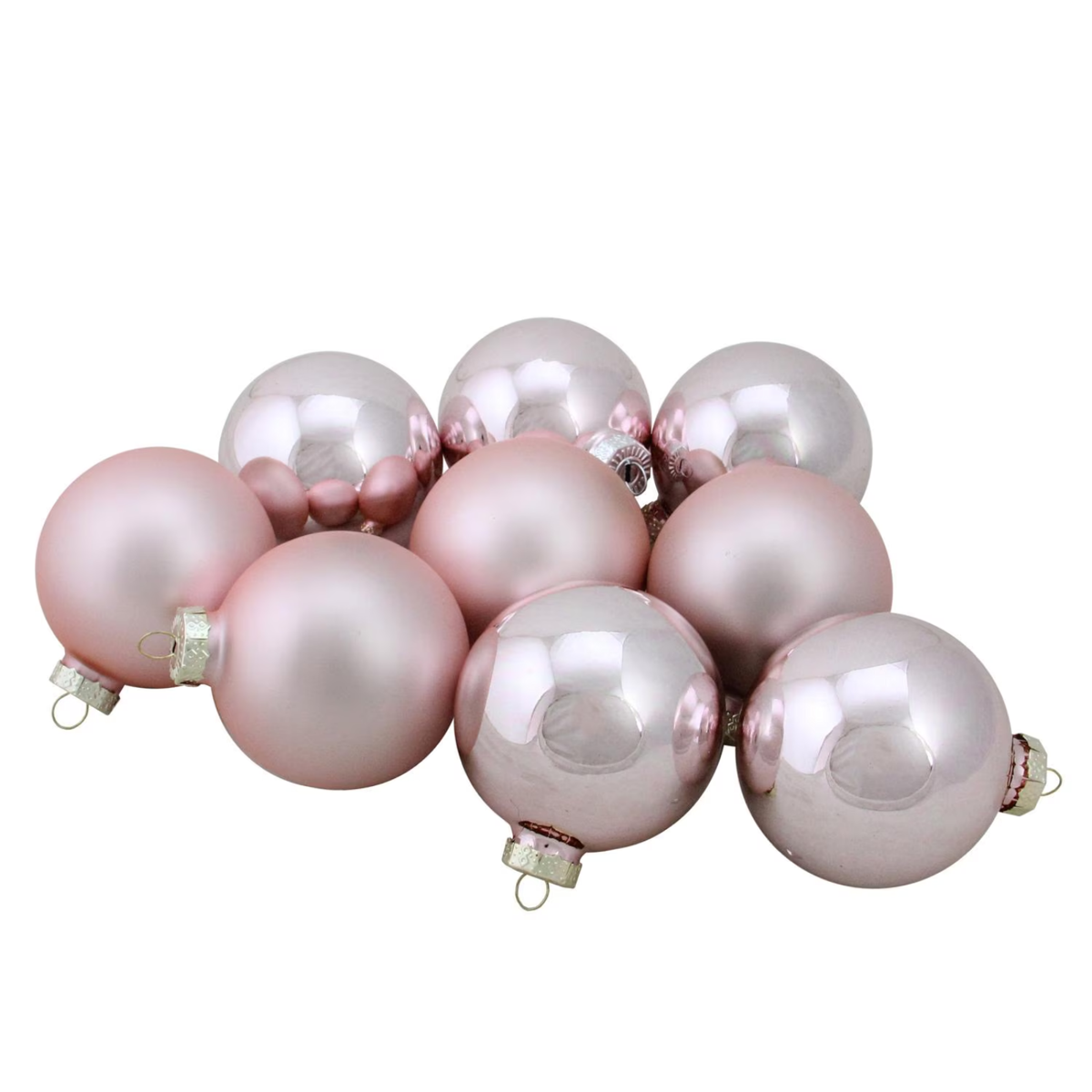
Pink glass ball ornaments are a colorway-driven segment of traditional Christmas tree decor, where the primary trade-off is between hand-blown, kiln-annealed glass and injection-molded plastic or thin machine glass. The decision rule: choose glass for clarity, weight, and light refraction; choose plastic or shatterproof finishes only for high-traffic or floor-level trees where breakage risk outweighs luster.

Buying guide image
Fabrics & Thread

Ripstop Nylon Fabric

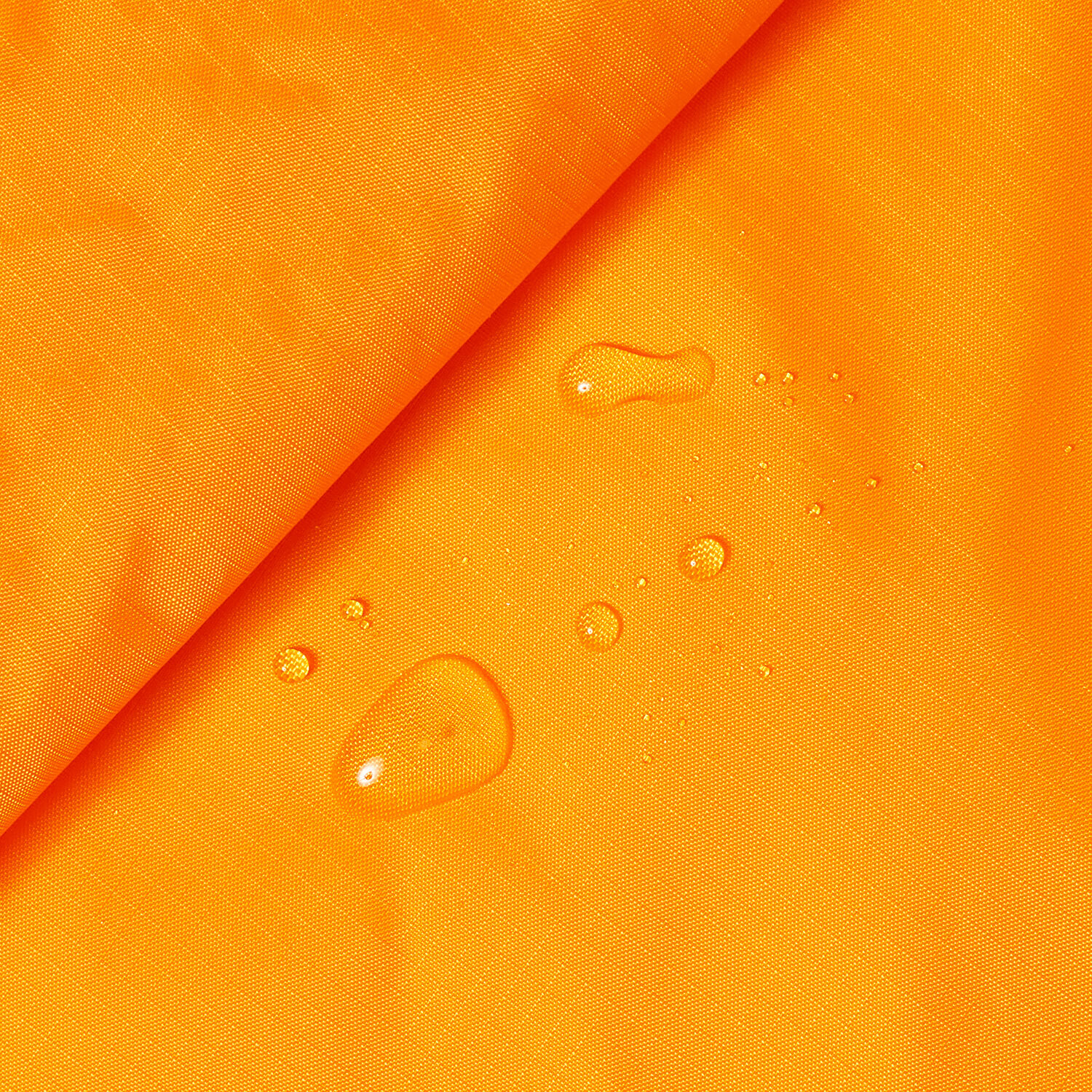
Ripstop nylon is a woven synthetic fabric reinforced with a grid of thicker threads to stop tears from spreading, used for outdoor gear, kites, flags, and lightweight covers. The core trade-off is between fabric weight/denier (durability and abrasion resistance) and packability/breathability, with waterproof coatings and seam sealing determining real weather protection. The decision rule: buy solution-dyed or calendared ripstop in 40D–210D for load-bearing or high-abrasion uses, and 20D–30D uncoated or silicone-treated for ultralight packables.

Buying guide image
Fabrics & Thread

Waterproof Material Fabric

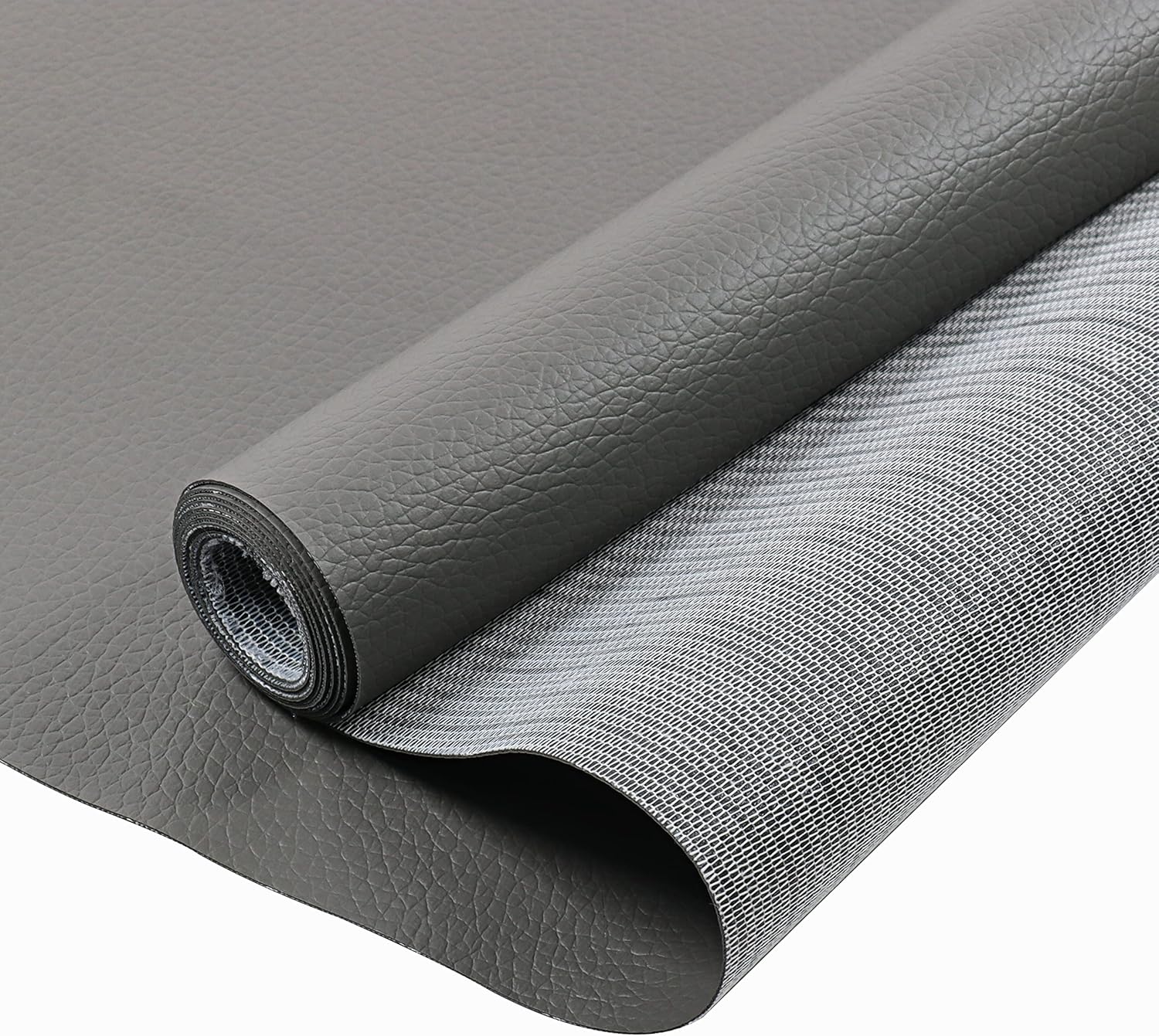
Waterproof material fabric spans three distinct architectures—coated synthetic knits/wovens, laminated membranes, and vinyl/PVC faux leather—each trading breathability, hand-feel, and UV stability against absolute liquid blocking. The core buying decision is matching the waterproof mechanism to the end use: stitched outdoor gear needs seam-sealed laminates, upholstery needs thick UV-stable vinyl, and packable covers need lightweight PU-coated ripstop. Durable options specify a hydrostatic head rating and a coating or membrane grade; compromises rely on vague 'water-resistant' claims with no numeric standard.

Buying guide image
Leather Dyes & Edge Finishes

Leather Paint

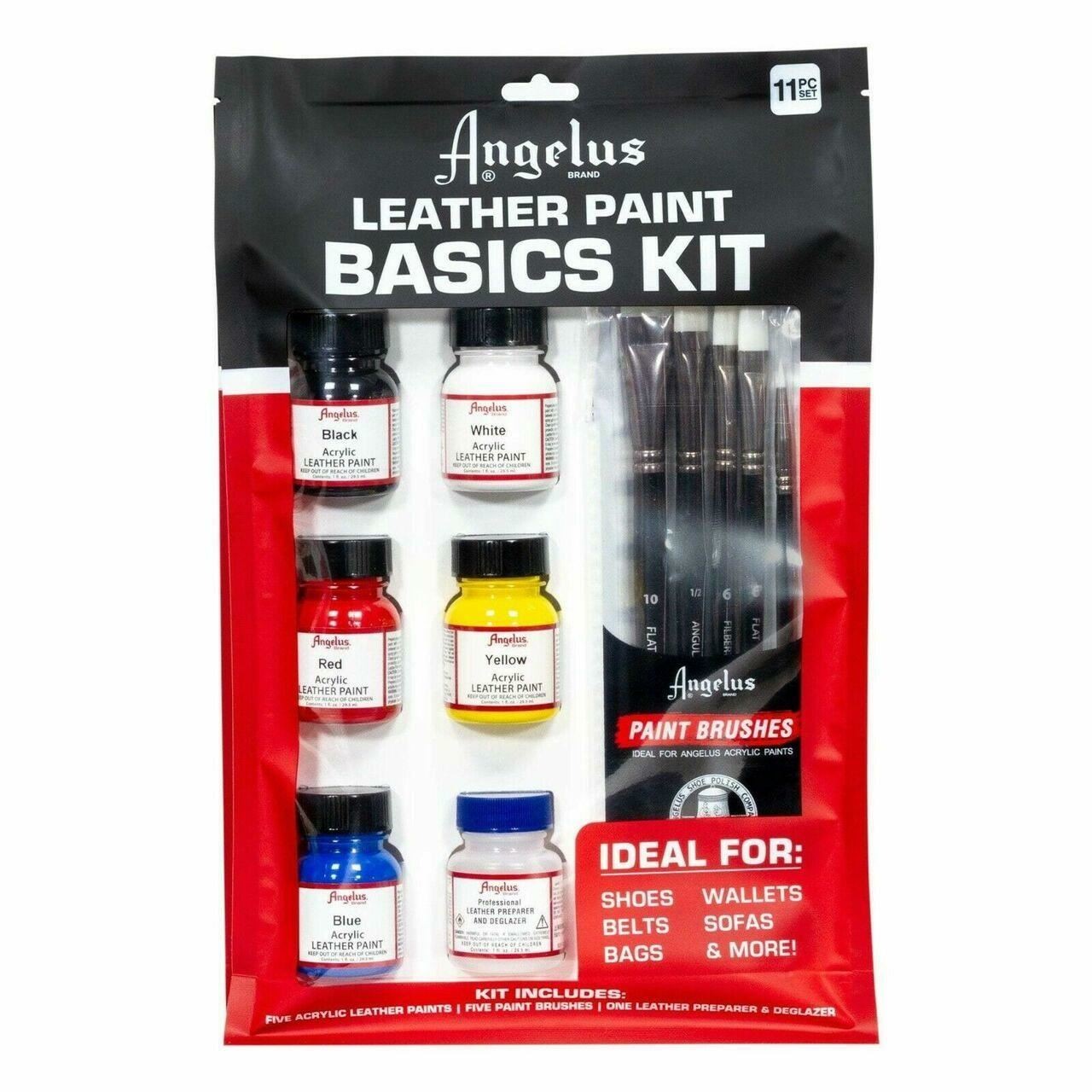
Leather paint is a flexible acrylic coating that restores or recolors finished leather upholstery, auto interiors, and footwear when the surface is intact but faded or dyed unevenly. Performance hinges on acrylic flexibility and adhesion, not color coverage; weak binders crack at seams and flex points. Choose a paint explicitly rated for flexing leather and pair it with a dedicated top coat; skip all-purpose craft acrylics.

Buying guide image
Knitting Needles & Accessories

Bamboo Knitting Needle

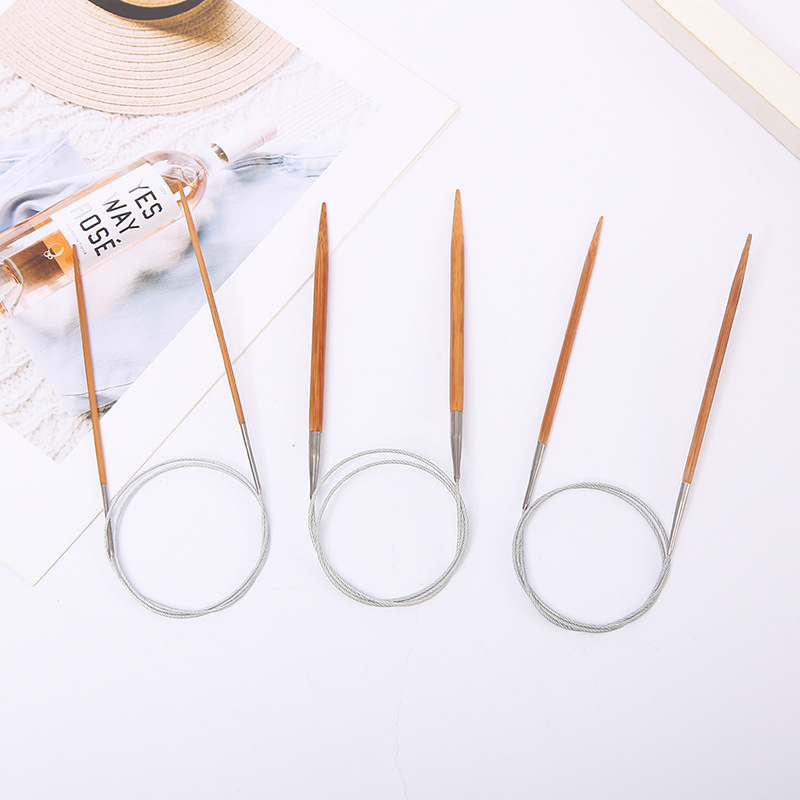
Bamboo knitting needles are lightweight, warm-to-the-touch tools favored for grippy stitch control and quiet, fatigue-free sessions. The core trade-off is surface friction versus durability: bamboo offers grip for slippery yarns but can warp, splinter, or snap at thin gauges, while denser woods and metal trade grip for longevity. Choose bamboo for lace-weight to worsted projects on circulars and straights; skip it for tight-gauge sock knitting or high-tension work where metal or reinforced wood wins.

You may also like

Finding more guides for you…