CraftNest Guide

CraftNest Guide

Crafts & Party Supplies Reviews & Buying Guides

Compare crafts & party supplies by use case, features, trade-offs, price, returns, and seller terms before you buy.

Buying guides

Buying guide image
Sewing & Quilting Machines

Portable Electric Sewing Machine

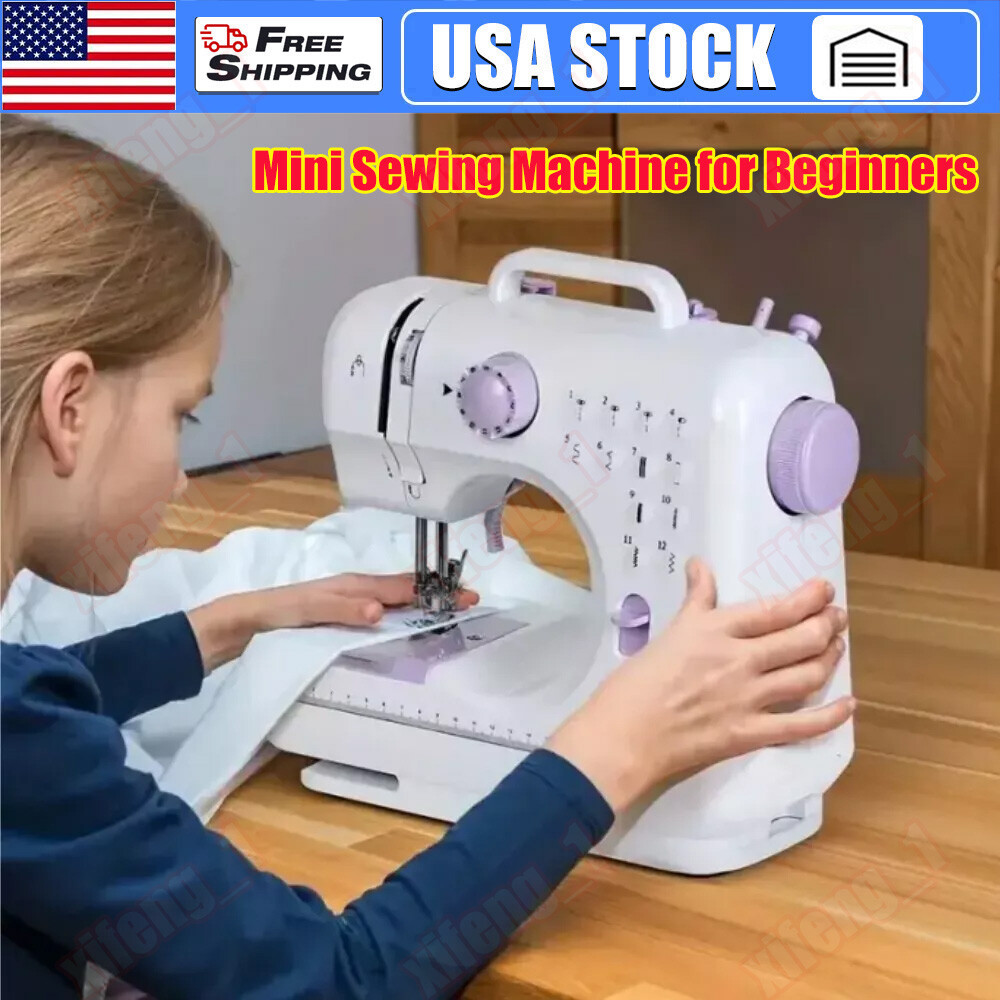
A portable electric sewing machine is a compact, motorized unit designed for light mending, crafts, and beginner projects, trading stitch power and bed stability for low weight and stowability. The core trade-off is build rigidity versus portability: full-size metal-frame machines handle thick seams and quilting, while travel-friendly units use plastic chassis and limited motor torque. The decision rule is simple—buy a metal internal frame with adjustable presser foot pressure for regular use; choose a plastic-body 12-stitch unit only for occasional hemming and kids' crafts.
Buying guide image
Craft Cutting, Embroidery & Heat Press Machines

Automatic Cutting Machine

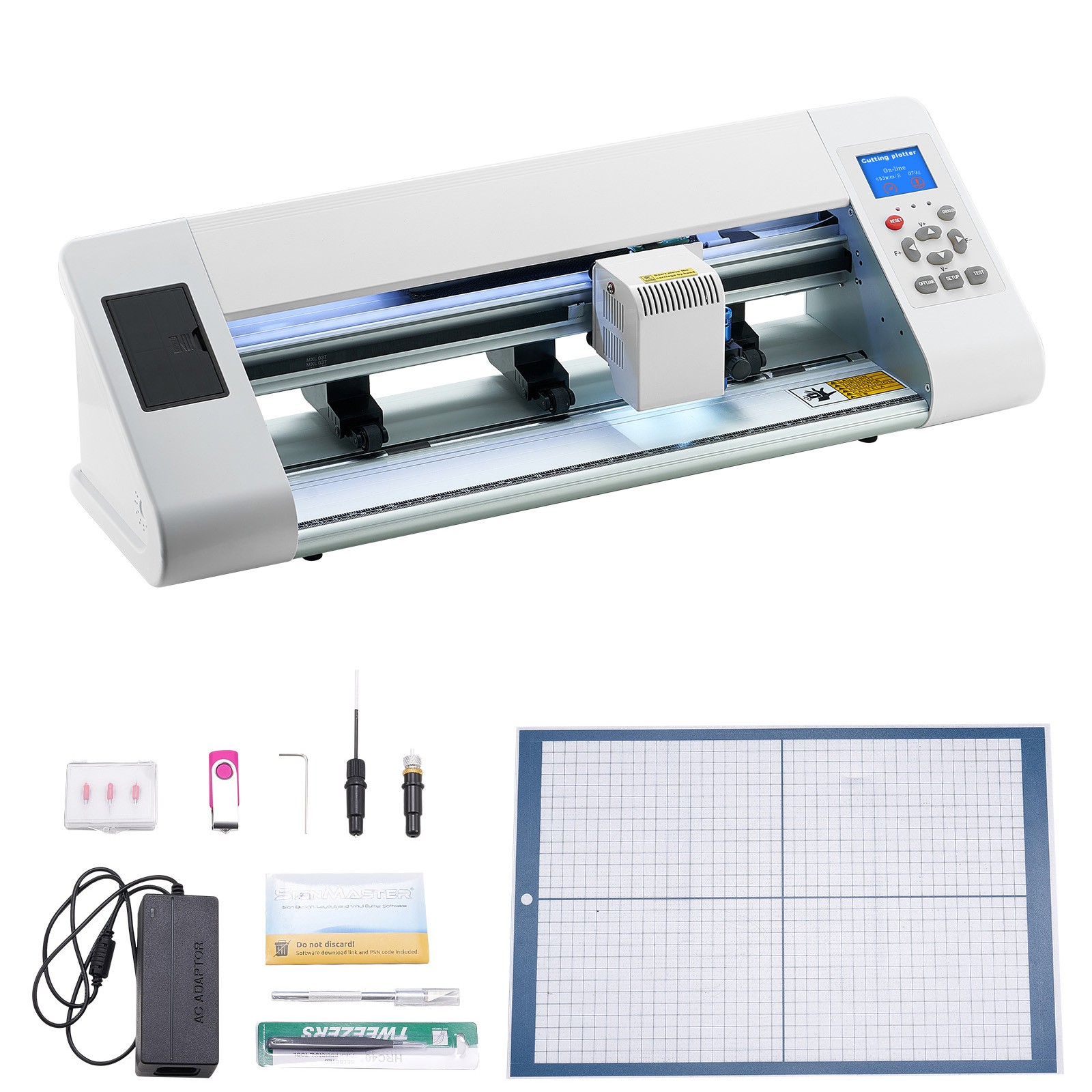
Automatic cutting machines are motorized desktop or floor-standing plotters that feed and cut vinyl, cardstock, and craft media via software-driven blades or blades with registration-mark edge detection. The core trade-off is between a compact desktop auto-feed cutter for paper and adhesive vinyl and a wide-format semi-automatic roll cutter for sign-shop work; the decision rule is simple: buy auto edge detection for print-then-cut accuracy, and buy a floor-stand roll cutter only if you routinely cut 24-inch-plus sign vinyl.

Buying guide image
Craft Cutting, Embroidery & Heat Press Machines

Vevor Tumbler Heat Press

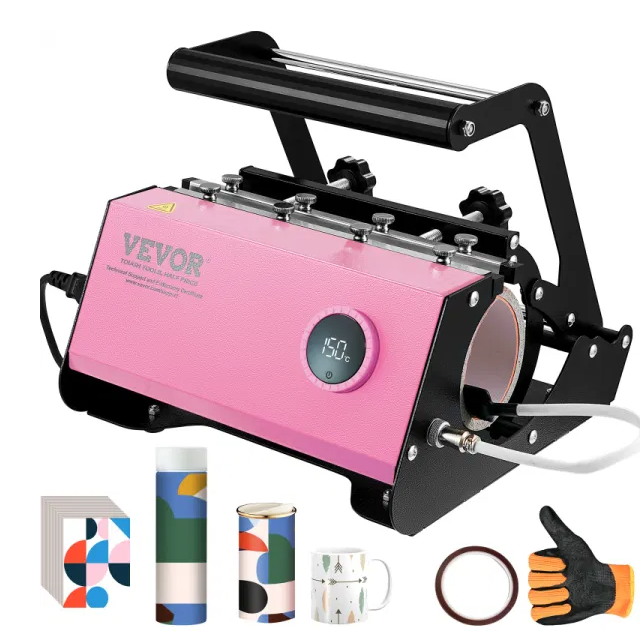
A VEVOR tumbler heat press is a low-cost entry into sublimation printing, but the two common models are not interchangeable: one handles only 11–15 oz and 16–25 oz straight blanks, while the other stretches to 30 oz. The real buying decisions are wrap diameter range, straight-wall compatibility, and whether the controller and heating element are robust enough for repeated cycles.

Buying guide image
Christmas Decorations

Door Wreath With Lights

A lighted door wreath combines artificial foliage or metal framing with integrated LED strings, and the core trade-off is between battery-powered convenience and weather-sealed durability. Buyers must choose between warm-white classic looks and multi-color showpieces, while sizing and IP rating determine whether the wreath survives a covered porch or an exposed exterior door. The clear rule: pick IP44+ sealed battery packs and tip-dense construction (150+ tips for 24 in, 270+ for 36 in) for outdoor use; reserve unsealed or sparse wreaths for sheltered indoor doors.

Buying guide image
Beads & Jewelry Making

Beading Tool

Beading tools are the pliers, wire cutters, and specialty implements that turn beads and wire into durable jewelry. The key trade-off is between hardened, precision-ground steel tools with return springs and soft, loose-pivot budget tools that mar wire and slip under pressure. Buy for the exact metal and bead workflow you use: chain-nose and round-nose pliers for wire wrapping, flush cutters for clean ends, and crimping pliers if you crimp beads rather than knot.

Buying guide image
Knitting & Crochet Patterns

Etsy Crochet Blanket Pattern

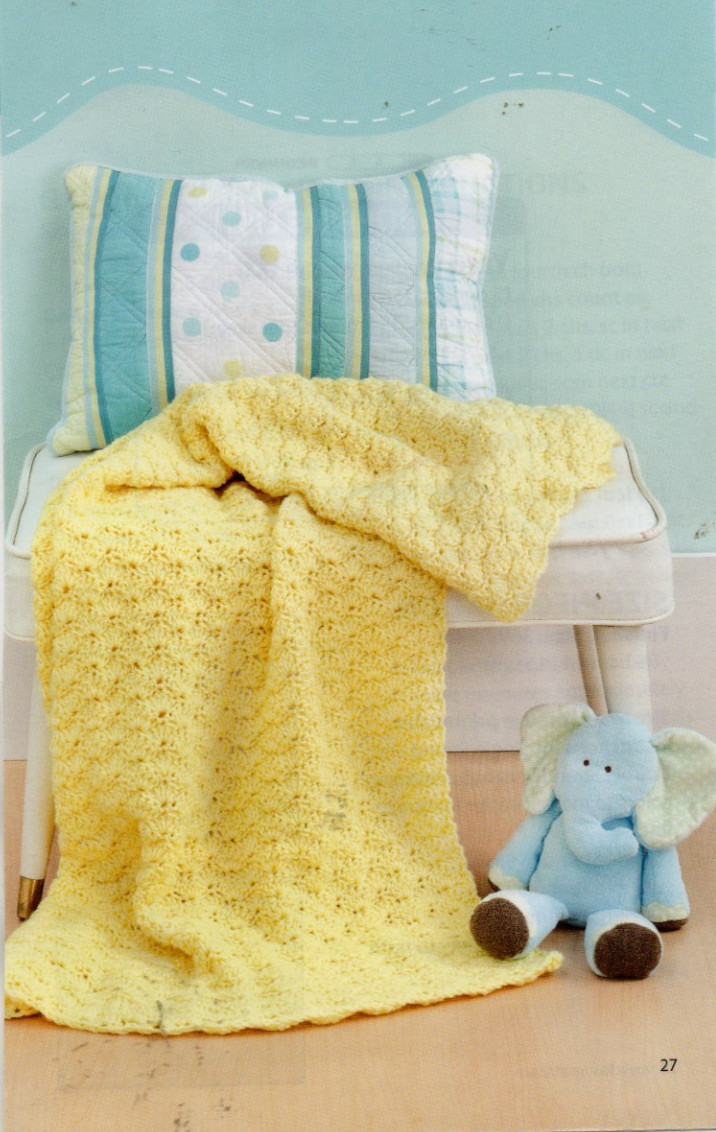
Shoppers hunting for Etsy crochet blanket patterns often get lost in hundreds of near-identical PDFs and forget the single most important buying factor: whether the pattern's gauge, yarn weight, and finished size actually match their skill level and intended blanket use. The two tracked offers—a sunshine toddler blanket and a granny stripe baby blanket—represent two very different construction paths, so choosing the right one comes down to reading the pattern's stated gauge and yardage before anything else.

Buying guide image
Sewing & Quilting Machines

Serger

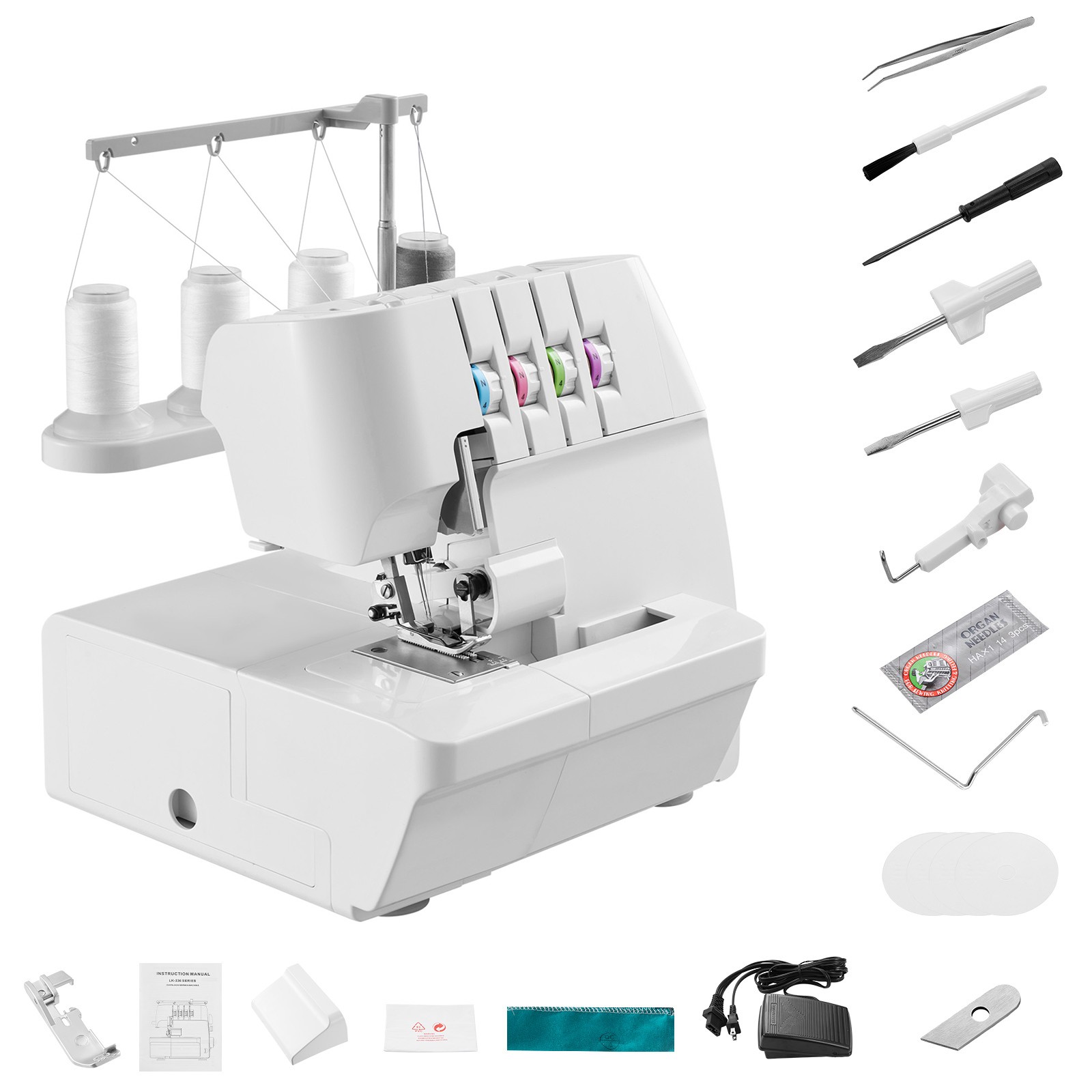
Sergers are not sewing machines with extra stitches; they are overlock machines built to trim, wrap, and stretch-finish fabric edges in one pass. Buying the wrong thread count or differential-feed setup is the most common mistake, because a 3-thread serger cannot replicate a 4-thread stretch stitch and a 5-thread safety stitch is a different architecture entirely.

Buying guide image
Beads & Jewelry Making

Earring Making Kit

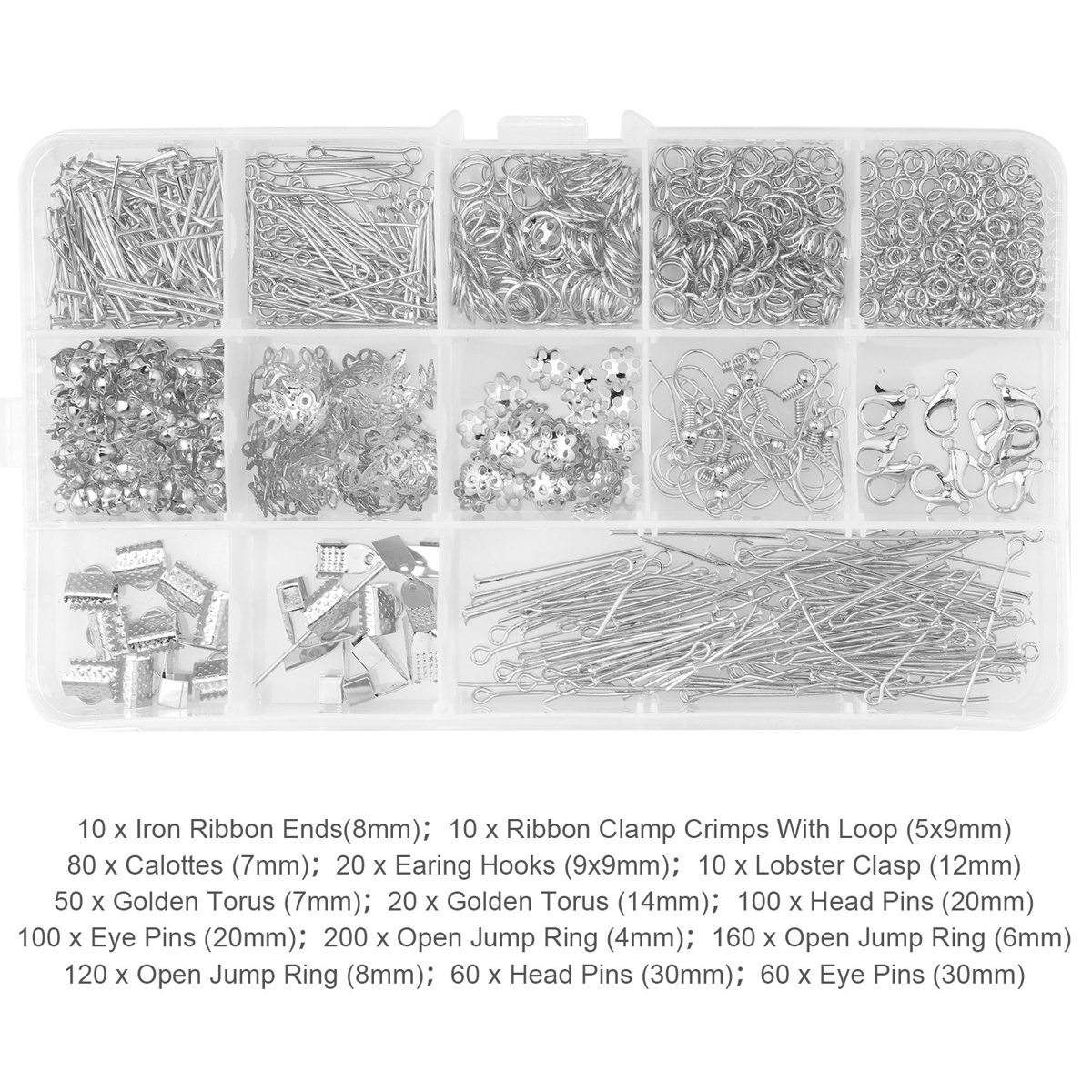
An earring making kit bundles the core findings, wire, beads, and hand tools needed to assemble earrings, and the key trade-off is between low-grade craft wire/plated findings that tarnish and lose shape versus jewelry-grade stainless steel or gold-filled components that hold up to wear. The decision rule: buy kits built around a named wire gauge and hypoallergenic metal grade with dedicated pliers, and skip kits that list only bead counts without specifying component metallurgy.

Buying guide image
Leather Cutting & Punching Tools

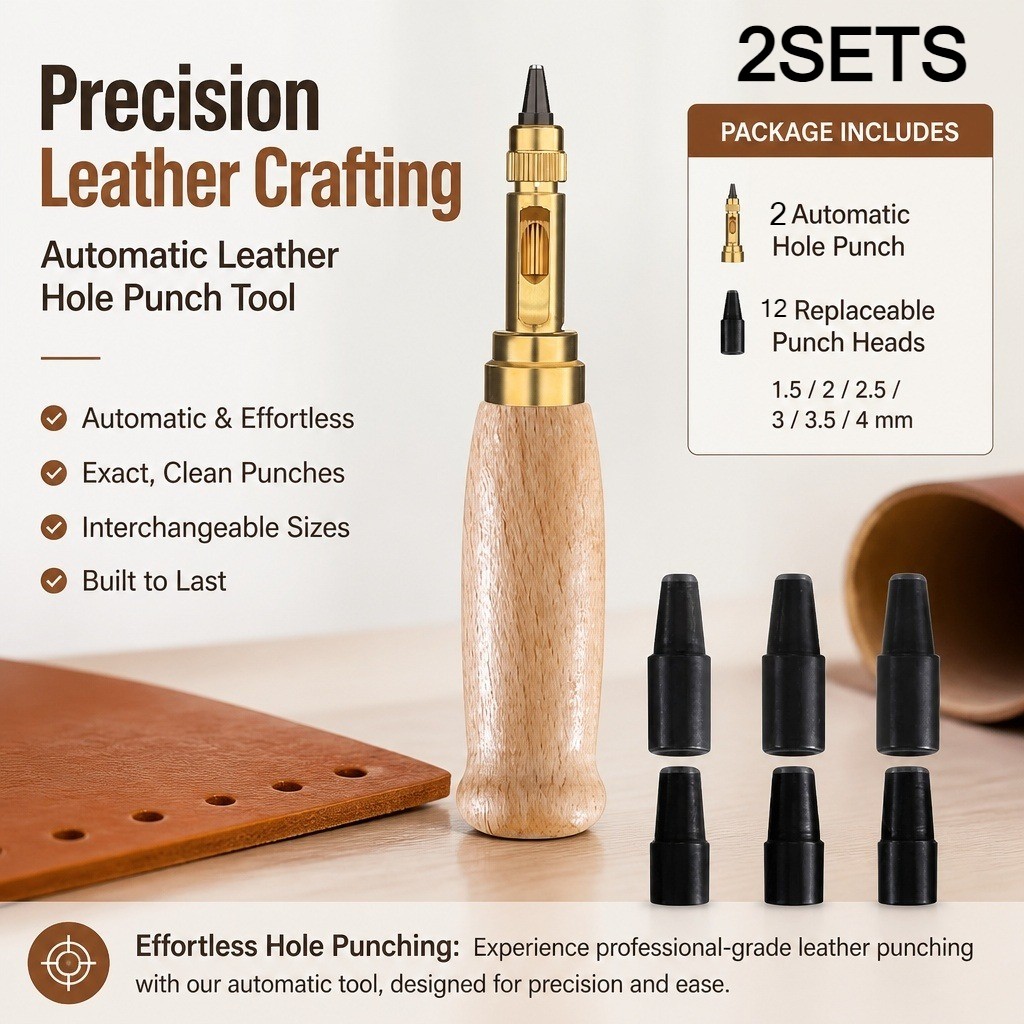
Hole Punch

A leather hole punch is a dedicated tool for creating clean, round holes in leather, synthetics, and heavy fabrics—critical for belts, straps, watch bands, and lacing. The core trade-off is between rotary plier-style punches (fast, size-selectable, but limited by jaw depth and leverage) and drive-punch or chisel sets (hammered or pressed, superior on thick stock and tight spacing, but requiring a mallet or press). The decision rule: for belts and straps up to 4mm thick with edge-access holes, a rotary punch with hardened steel tips is sufficient; for thick veg-tan, tight stitch-line holes, or production repeatability, step up to a forged drive-punch set or a rack-and-pinion press.

Buying guide image
Leather Hardware, Patterns & Care

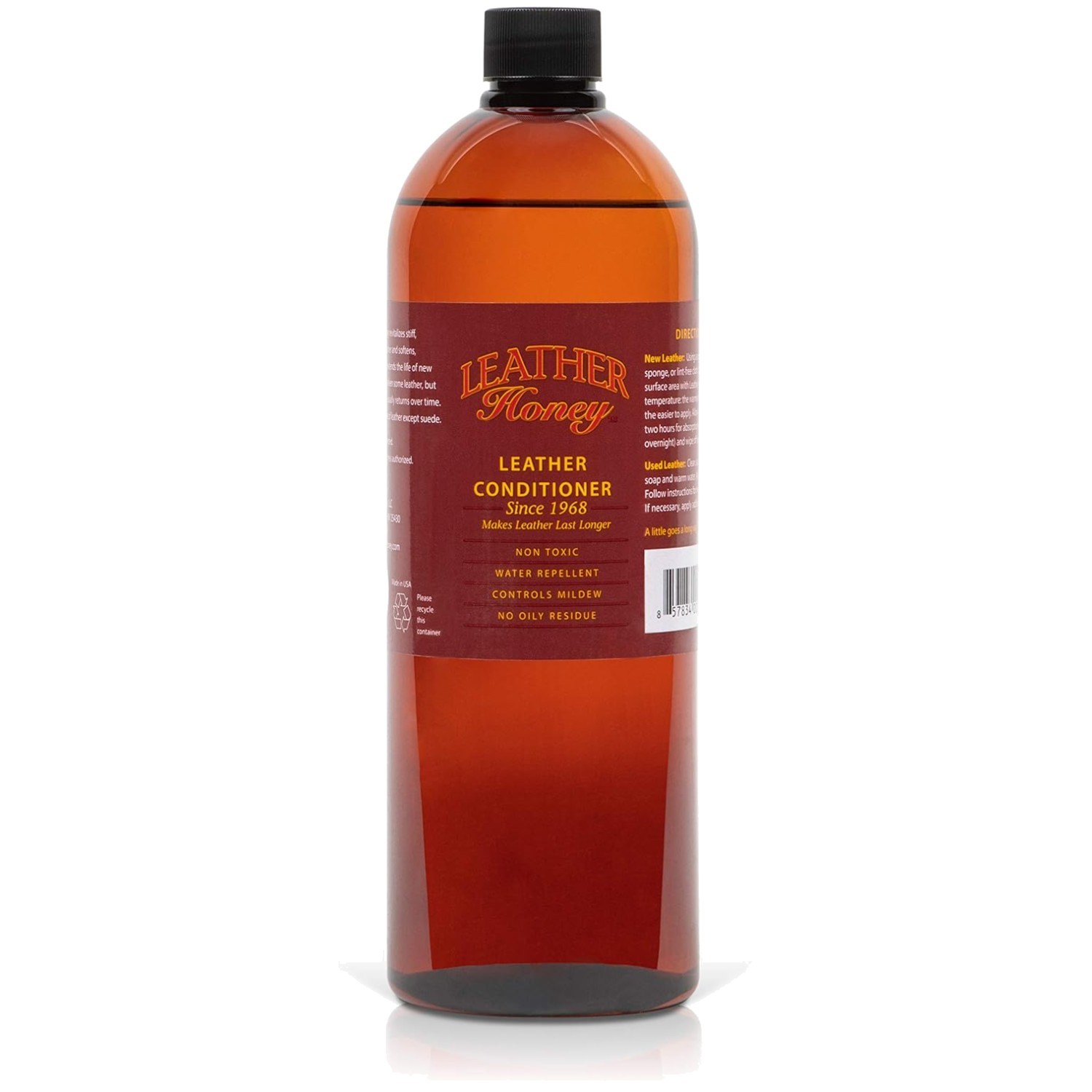
Leather Oil

Leather oil is a nourishing treatment that replenishes lost fats in leather fibers to restore suppleness and prevent cracking, distinct from surface cleaners and pigmented repair creams. The primary trade-off is between pure, penetrating oils (neatsfoot, mink, lanolin) that absorb deeply but darken leather, and blended conditioners with waxes or silicone that sit on the surface and add shine with less color shift. The decision rule: buy pure oil for dry, matte, vegetable-tanned or work leather that can handle darkening; choose a wax-emulsion conditioner for finished, dyed, or light-colored leather where you want conditioning without a patina jump.

Buying guide image
Paper Crafts & Scrapbooking

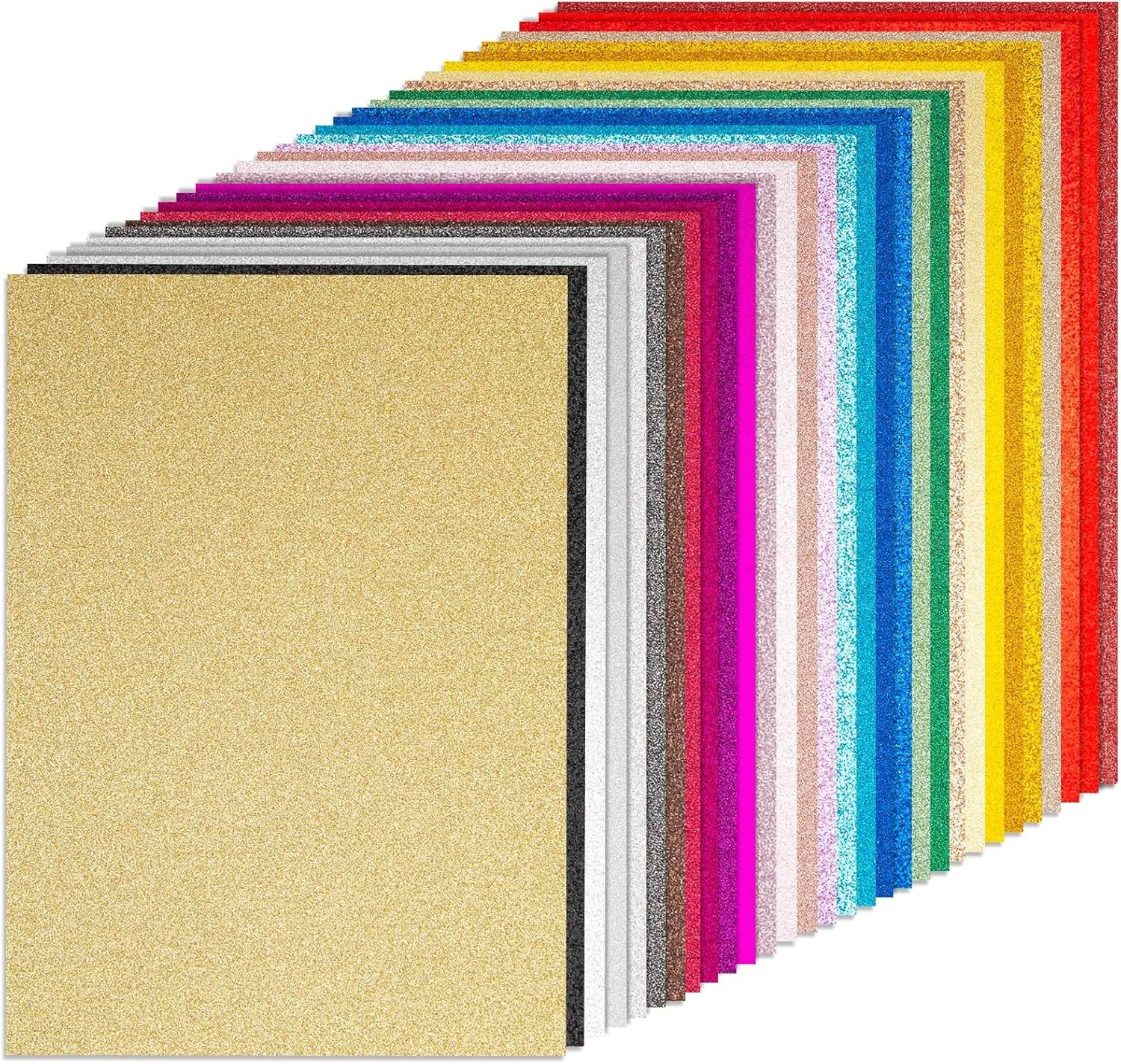
Glitter Paper

Glitter paper is decorative cardstock with a bonded glitter, shimmer, or pearl finish used for scrapbooking, cardmaking, and die-cutting. The core trade-off is loose-shed glitter and weak adhesive backing versus tightly bonded, die-cuttable sheets with a stable paper core. Choose heat- or pressure-bonded glitter on 65-110 lb cardstock for clean cuts and low shed; skip loose craft glitter on thin paper if you need archival or machine-cut results.

Buying guide image
Fall & Thanksgiving Decorations

Centerpiece With Candles

Centerpieces with candles are tabletop arrangements that pair a candle source (real wax, LED, or battery pillar) with seasonal fall/Thanksgiving elements like pumpkins, foliage, and figurines. The core trade-off is flame safety and wax maintenance versus the fire-and-forget convenience of LED or flameless designs, with material grade (solid wood vs. resin vs. fabric) and footprint size determining whether the piece lasts seasons or sheds apart by November. The decision rule: buy real-wax only for a stable, supervised dining table with a heat-safe mat; choose LED/flameless for sideboards, mantels, kids' tables, or any surface where the candle will be left unattended.

Buying guide image
Fall & Thanksgiving Decorations

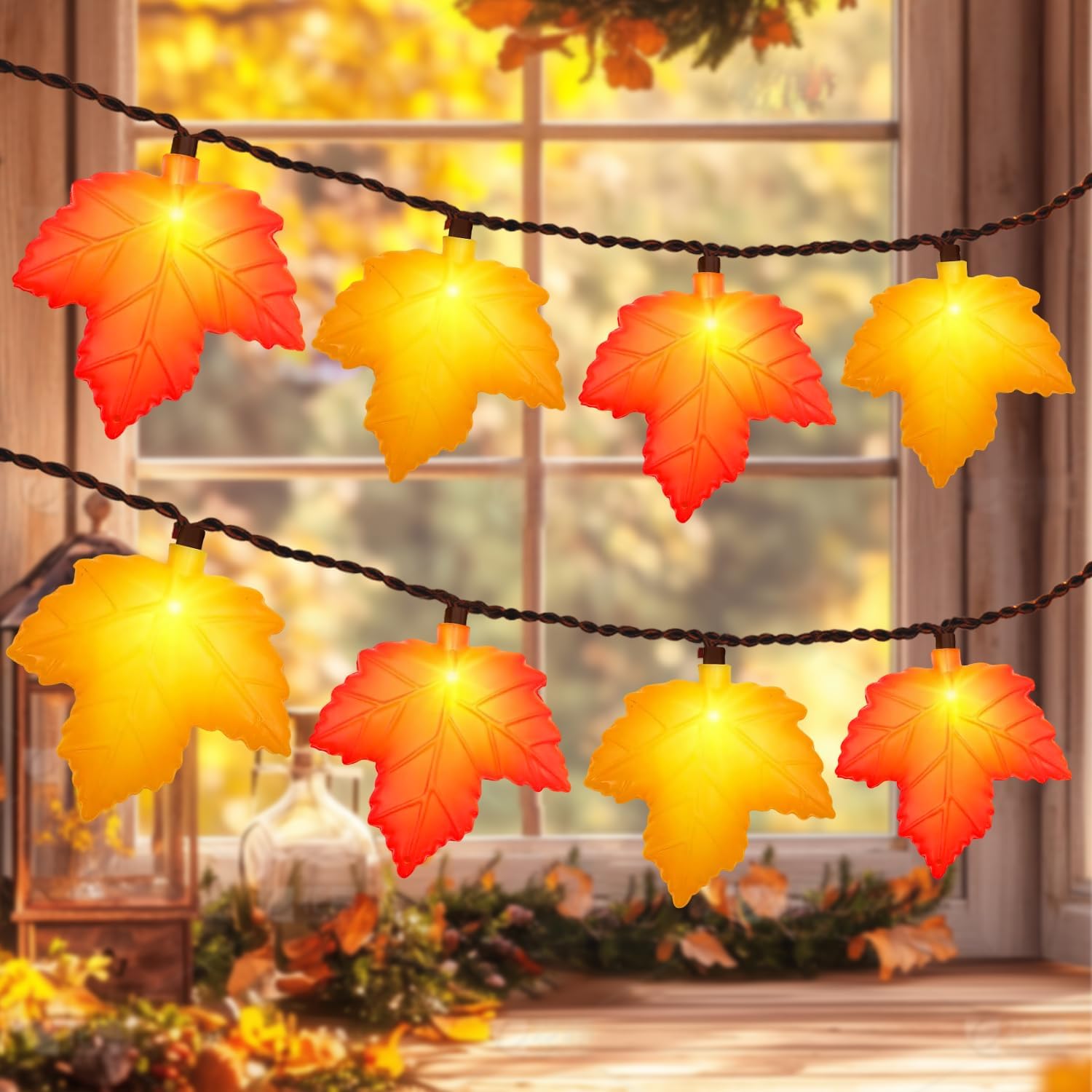
Fall Outdoor Light

Fall outdoor lights are decorative string or stake lights rated for exposed seasonal use, where the critical trade-off is weather-sealed low-voltage LED construction versus unsealed indoor-only novelty strands. Durable options carry explicit IP65+ ratings, UV-stabilized leaf/globes, and plug-in adapters with sealed connectors; compromises are thin-gauge wire, non-replaceable LEDs, and 'indoor/outdoor' claims without an IP number.

Buying guide image
Presser Feet, Notions & Threading

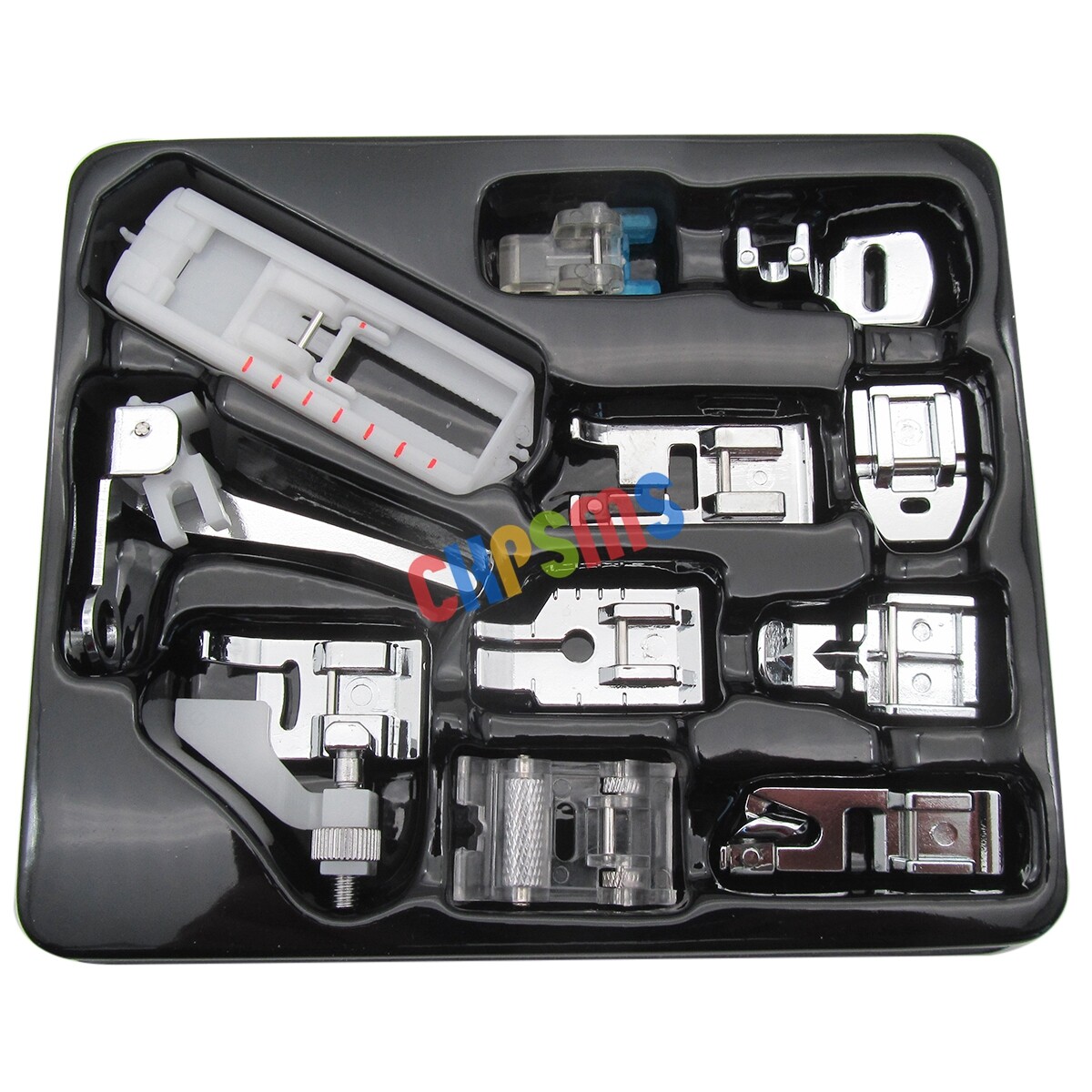
Low Shank Presser Foot

Low shank presser feet are the snap-on or screw-mount attachments used by the majority of home sewing machines, defined by a shank height of roughly 3/4 inch from the needle plate to the presser bar screw. The core trade-off is between universal snap-on convenience and metal-bodied precision: molded plastic feet fit most low-shank machines but flex under heavy fabric, while die-cast or machined metal feet hold tolerance for consistent seam allowance. The decision rule is simple: if your machine's presser bar sits about 3/4 inch above the plate with a side screw, buy low-shank feet; if the bar is 1 inch or more, you need high-shank or slant-shank parts instead.

Buying guide image
Leather Stitching Tools

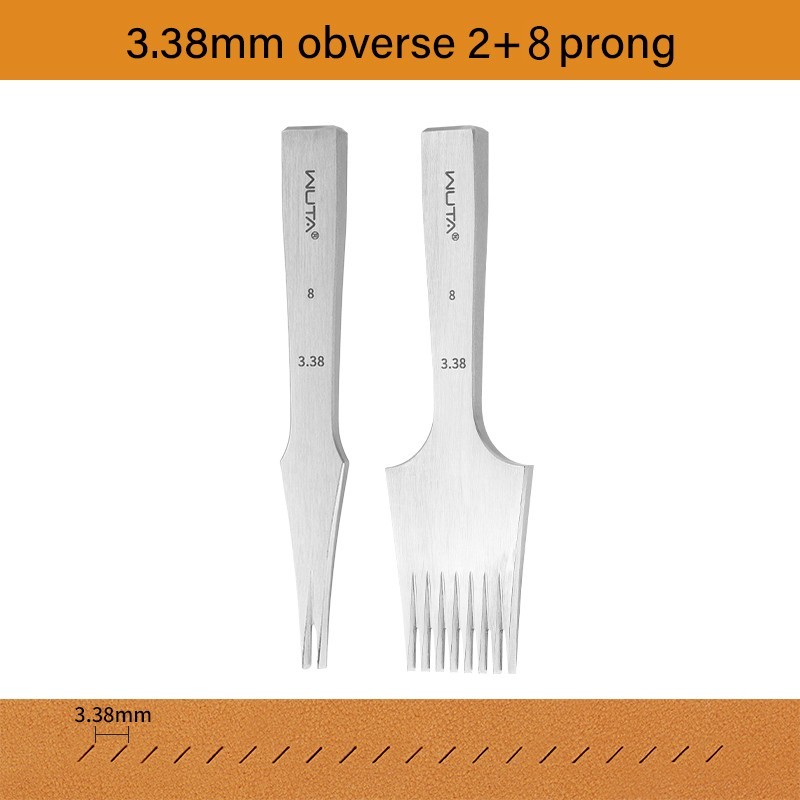
Leather Stitching Chisel

Leather stitching chisels are pricking irons that punch evenly spaced holes for hand-sewn saddle stitches, and the decisive trade-off is tooth geometry: diamond/Japanese awl-profile teeth versus round-hole French-style teeth, plus pitch (spacing) and tooth count. Buy a chisel whose pitch matches your thread size and whose tooth count fits your seam length; skip decorative multi-tooth sets with soft, unhardened teeth that bend on veg-tan.

Buying guide image
Stamping, Embossing & Kids' Crafts

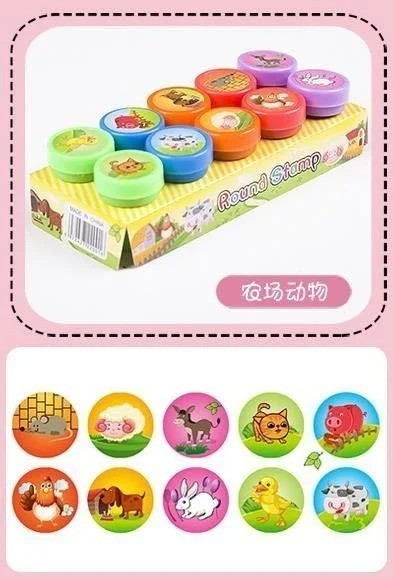
Ink Stamp

Ink stamps range from tiny self-inking reward markers to full-size rubber hand stamps and washable ink pads for kids. The core trade-off is between self-inking convenience (built-in pad, crisp repeated impressions) and traditional rubber/wood construction (larger impressions, re-inking flexibility). Durable picks use deeply etched rubber or photopolymer with a firm self-inking mechanism; compromises show shallow laser-cut rubber, flimsy plastic housings, and ink that bleeds or dries out.

Buying guide image
Stamping, Embossing & Kids' Crafts

Clear Stamp

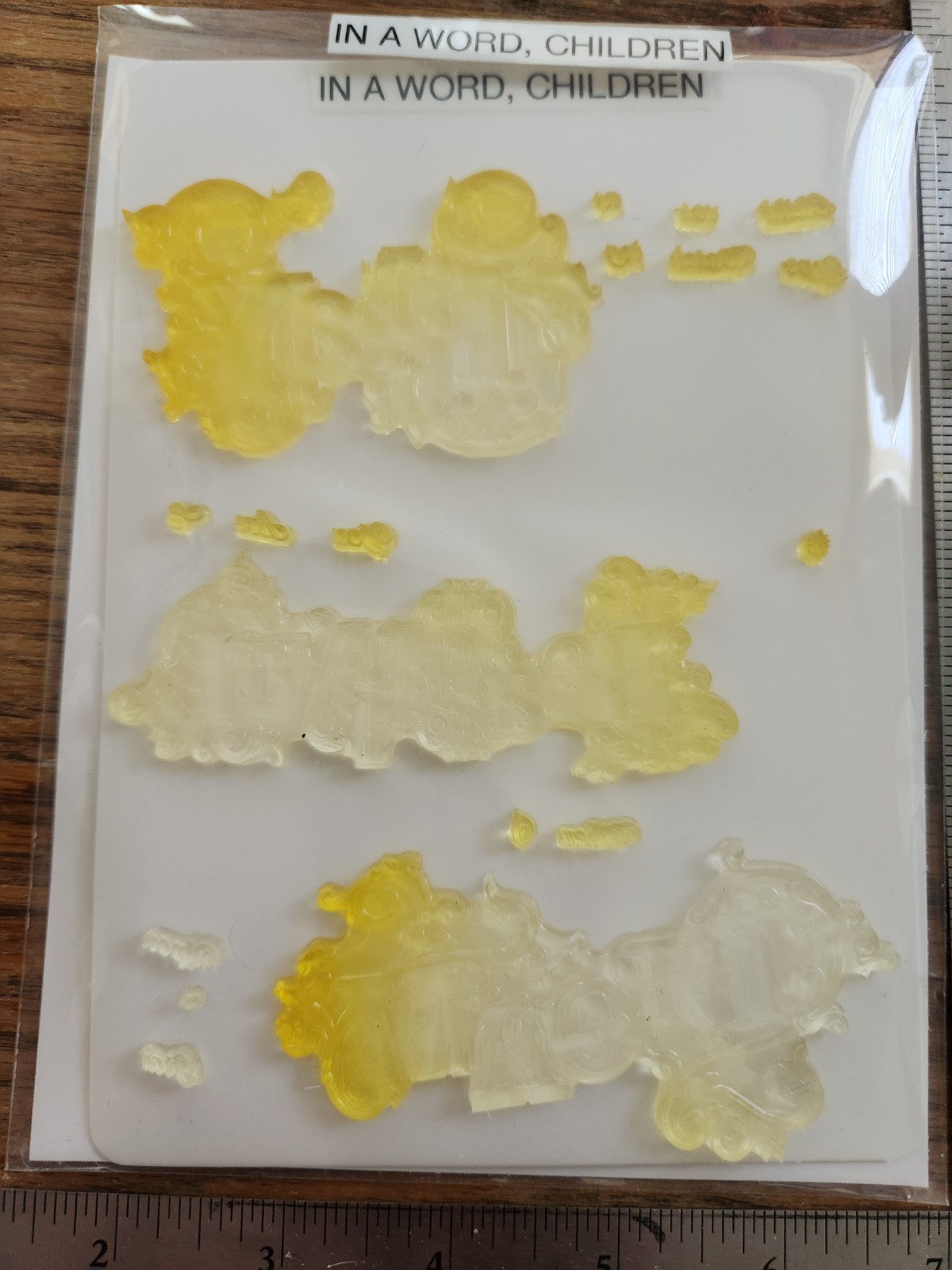
Clear stamps are photopolymer or silicone stamps that adhere to acrylic blocks, offering precise placement and easy storage for card making and paper crafts. The key trade-off is polymer quality vs. price: premium clear photopolymer yields crisp, durable impressions, while cheap silicone or PVC stamps can tear, yellow, or smear. Choose photopolymer (often laser-engraved) for repeated fine-detail work, and avoid unbranded silicone sets if you need longevity.

Buying guide image
Yarn Winders & Project Bags

Large Yarn Winder

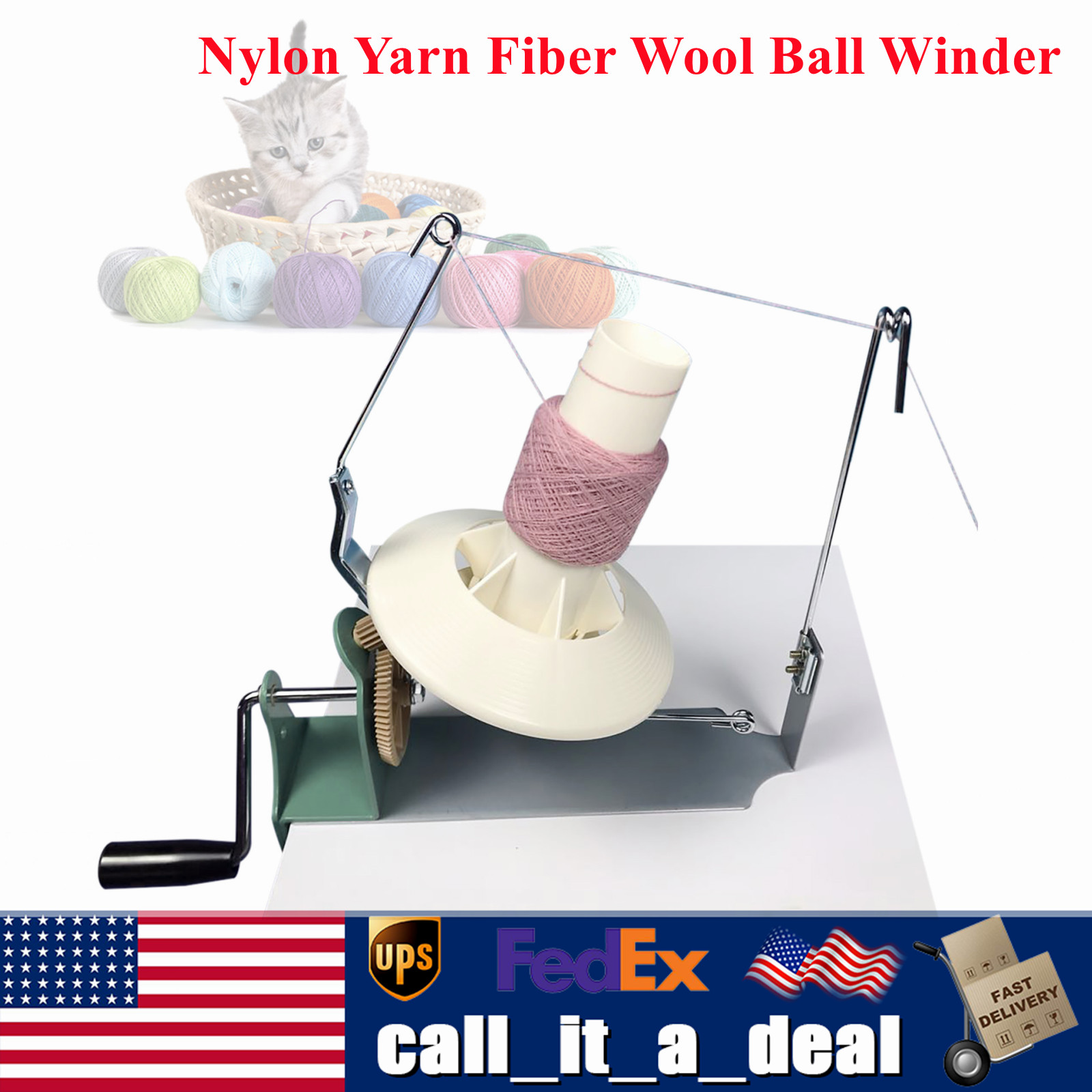
A large yarn winder is a hand-cranked or motorized tool that converts skeins and hanks into center-pull cakes, and the defining trade-off is cake capacity versus stability: oversized plastic drums flex and wobble, while metal-geared and metal-bodied units hold tension without deformation. Buy a metal-frame winder with a steel or bronze gear train if you routinely wind full 100g skeins; skip any plastic-core unit marketed only by jumbo diameter.

Buying guide image
Beads & Jewelry Making

Colorful Bead

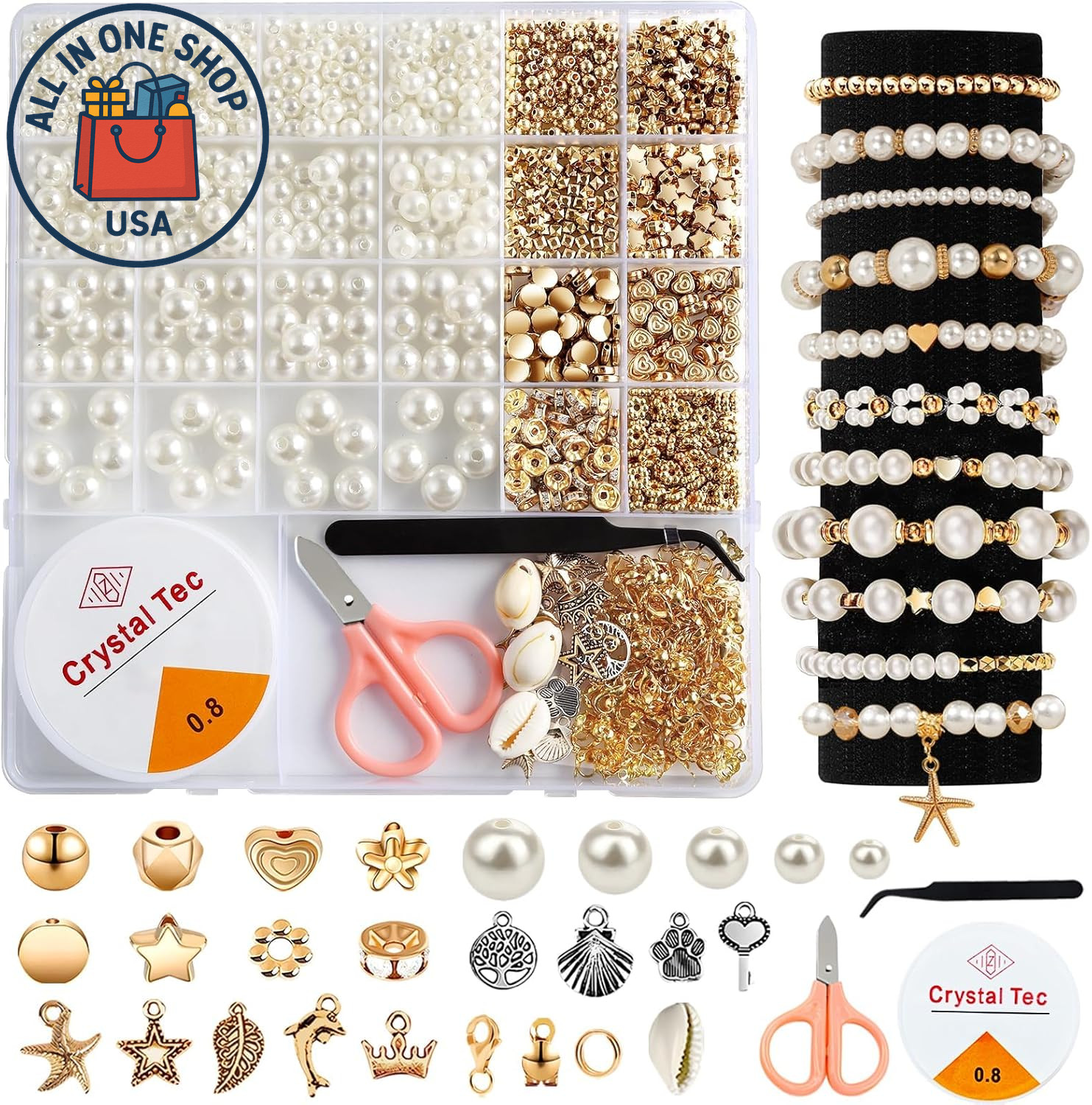
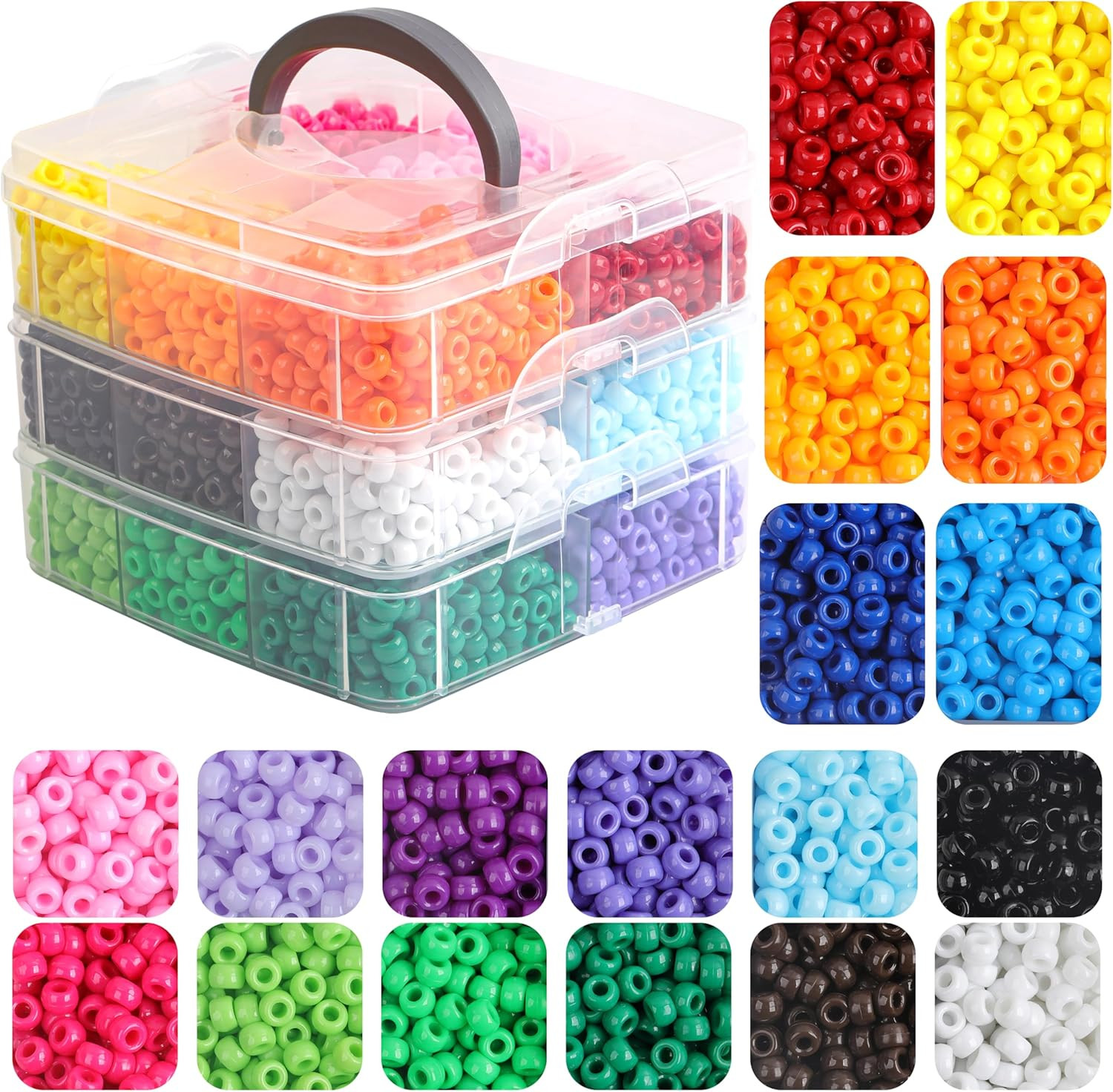
Colorful beads span plastic pony beads, dyed wood, glass, and acrylic, with the core trade-off being colorfastness and hole consistency versus low bulk cost. Durable options use through-dyed or annealed glass and uniform injection-molded plastic, while compromises show painted surfaces, rough holes, and off-size diameters. The decision rule: match bead material and hole diameter to your stringing method and wear exposure, skipping painted or unlined beads for anything that flexes or gets wet.

Buying guide image
Beads & Jewelry Making

Jewelry Rolling Mill

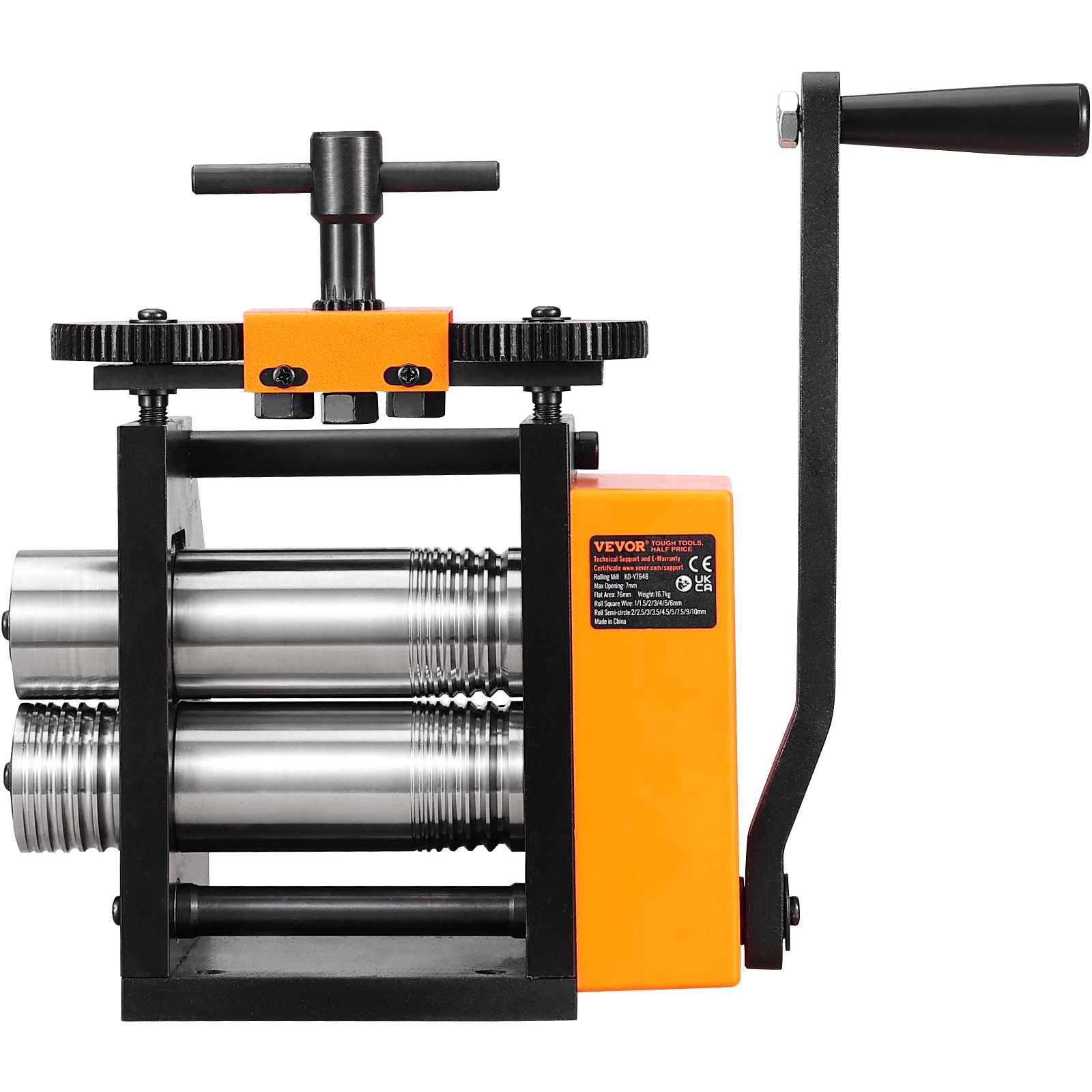
A jewelry rolling mill is a benchtop metal-forming machine that reduces sheet and wire thickness through hardened steel rollers, with the primary trade-off between cast-iron frame rigidity and roller hardening quality versus lightweight imported builds that flex under load. The decisive rule: buy a mill whose frame mass and roller hardness match your maximum reduction per pass—if the frame flexes or rollers are soft, sheet warps and wire ovals.

You may also like

Finding more guides for you…