CraftNest Guide

CraftNest Guide

Crafts & Party Supplies Reviews & Buying Guides

Compare crafts & party supplies by use case, features, trade-offs, price, returns, and seller terms before you buy.

Buying guides

Buying guide image
Paper Crafts & Scrapbooking

Scrapbook Paper

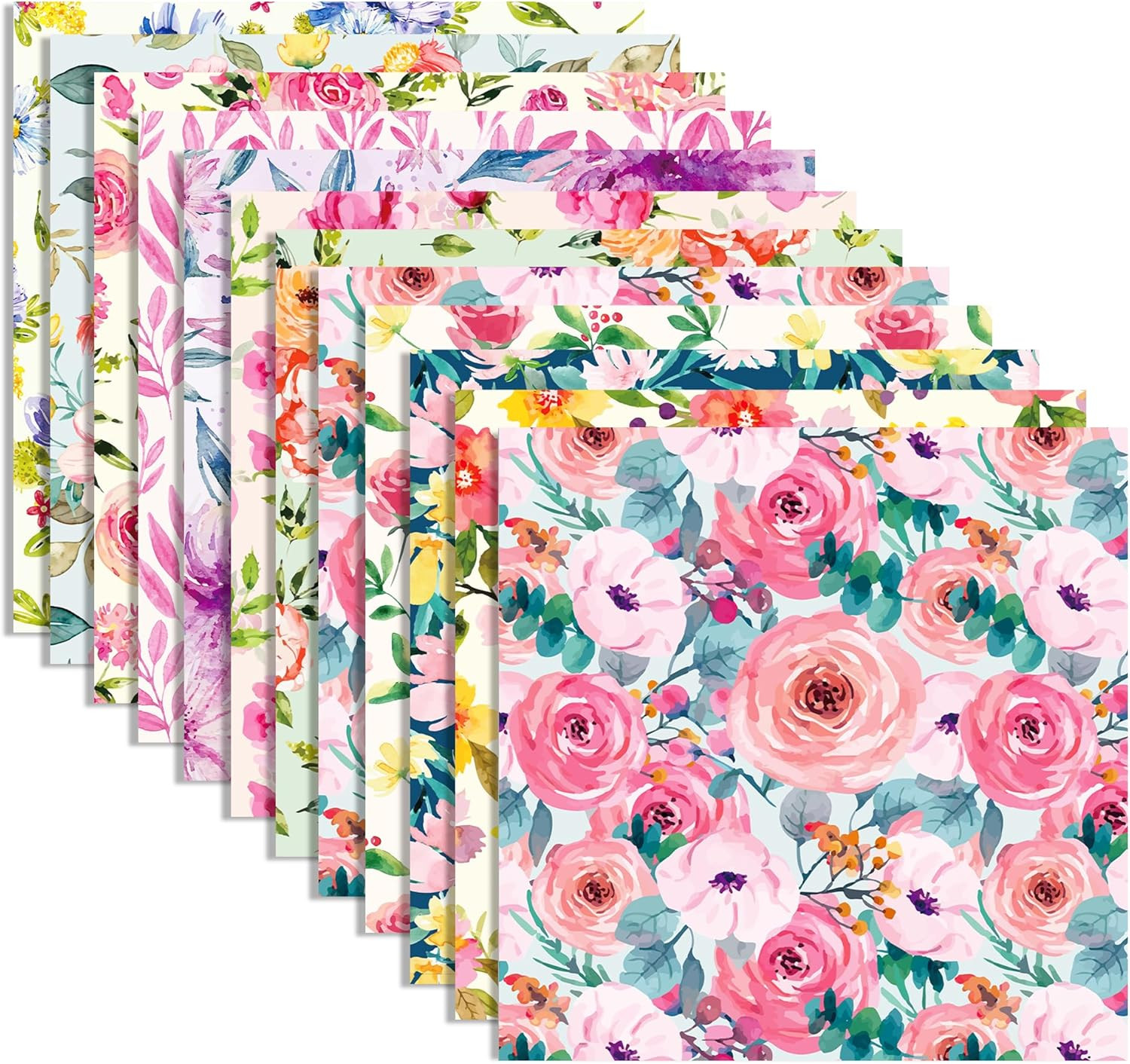
Scrapbook paper is the core substrate for albums, journaling, and die-cutting, differentiated mainly by paper weight (GSM), size (12x12 vs 6x6), and whether sheets are single- or double-sided. The decisive trade-off is thin lightweight sheets that tear and bleed versus 180 GSM+ cardstock that holds adhesive, ink, and die-cut edges cleanly. Buy 12x12 double-sided 180 GSM cardstock for archival albums and die-cutting; choose 6x6 lightweight pads only for layering and ephemera where thickness is not structural.

Buying guide image
Sewing & Quilting Machines

Portable Sewing Machine

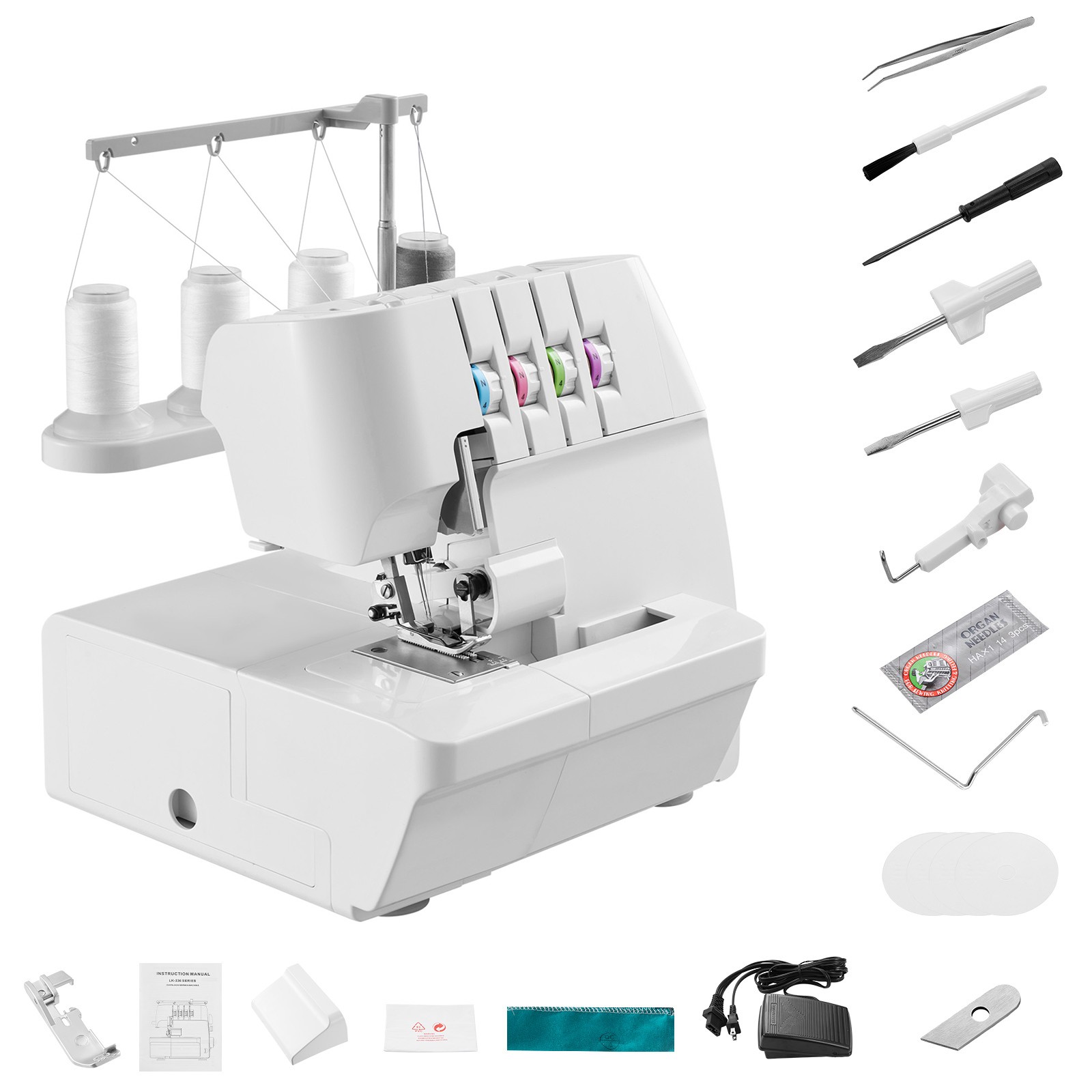
Portable sewing machines are compact, often sub-10-pound units that trade stitch power, throat space, and material handling for transportability. The core trade-off is motor type and feed mechanism: mechanical oscillating-hook drives handle lightweight fabrics reliably, while walking-foot or drop-feed systems are needed for thick seams. Buy a full-size or walking-foot unit if you sew heavy goods; otherwise choose a mechanical portable with metal internals over an all-plastic frame.

Buying guide image
Christmas Decorations

Pre Lit Outdoor Tree

A pre-lit outdoor tree is a weather-rated artificial tree or yard structure with integrated LEDs, where the core trade-off is IP-rated waterproof wiring and wind-stable anchoring versus the convenience of pop-up or inflatable builds. Durable options use sealed LED harnesses, rust-resistant metal frames or stakes, and UL-listed outdoor adapters; compromises rely on exposed wiring, lightweight plastic bases, and non-replaceable bulb strings.

Buying guide image
Sewing & Quilting Machines

Heavy Duty Sewing Machine

Heavy duty sewing machines are defined by a metal chassis, a high-torque motor, and a mechanical (non-computerized) drive system that can punch through leather, canvas, and denim without skipping stitches. The core trade-off is motor wattage and frame rigidity versus stitch-pattern versatility—computerized features add convenience but often sacrifice the raw piercing force needed for thick materials. The clear decision rule: prioritize a metal internal frame, a motor rated for continuous use, and a presser foot that lifts high enough to clear multi-layer seams; skip any machine with a plastic bobbin case or a fixed presser-foot pressure if you routinely sew webbing or leather.

Buying guide image
Party Supplies & Balloons

Disposable Plate

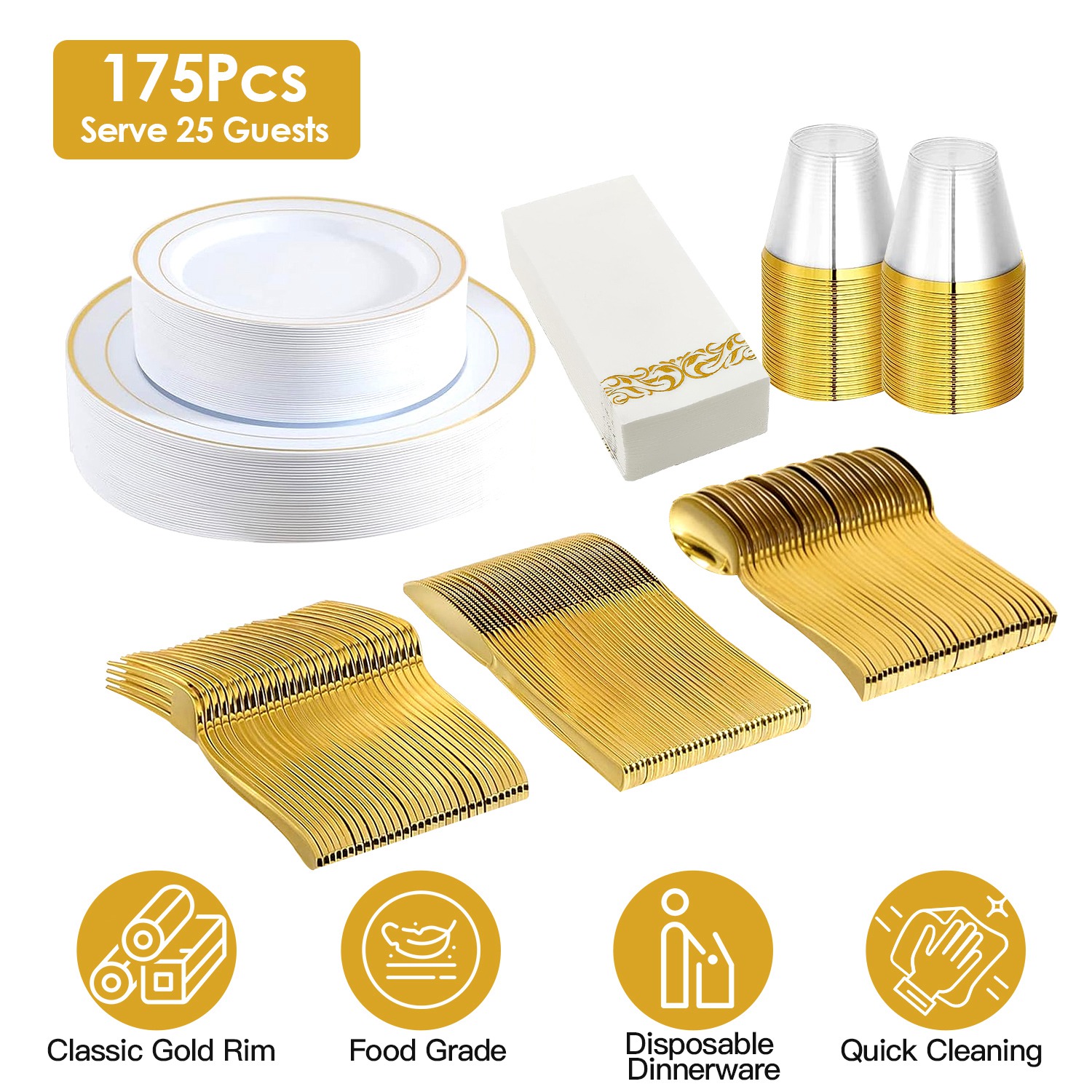
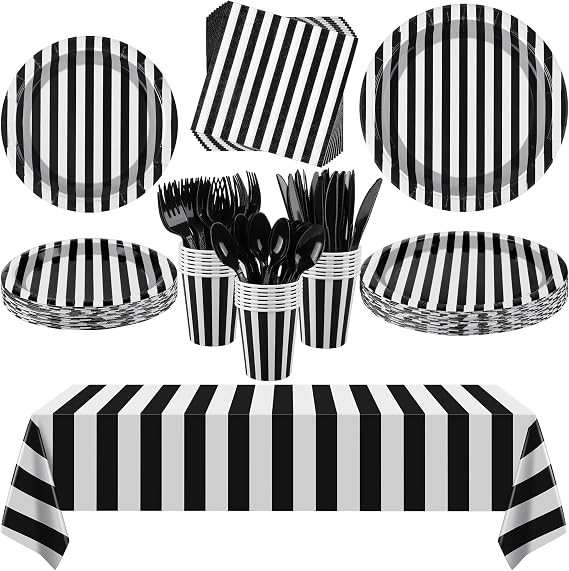
Disposable plates for parties split into two engineering families: heavy-gauge rigid plastic for load-bearing dinner service and coated paper/bagasse for high-count, low-mess casual events. The core trade-off is rigidity and liquid resistance versus compostability and cost-per-plate. Choose rigid gold-rim or rimmed plastic when plates must hold saucy or heavy food at a wedding; choose coated paper or bagasse when you are serving 25+ guests and cleanup speed matters more than plate rigidity.

Buying guide image
Sewing & Quilting Machines

Compact Sewing Machine

Compact sewing machines trade stitch variety and throat space for portability and a small footprint, making motor type and frame rigidity the decisive durability factors. Mechanical oscillating-hook models suit light mending; computerized or metal-frame drop-feed machines handle quilting and layered fabrics without skipped stitches. Choose a metal internal frame and adjustable presser-foot pressure for longevity, and skip all-plastic budget tiers if you sew weekly.

Buying guide image
Christmas Decorations

Garland With Lights Indoor

Indoor lighted garlands combine an artificial evergreen or tinsel vine with integrated LED string lights, and the defining trade-off is battery vs plug-in power plus realistic needle density vs decorative bulk. Durable picks use 20+ LED clusters on a 6-9 ft strand with tight 2-3 inch needle spacing and a UL-listed low-voltage driver; compromises thin the needle count and rely on flimsy wire that sags on banisters.

Buying guide image
Pottery Wheels & Kilns

Pottery Wheel

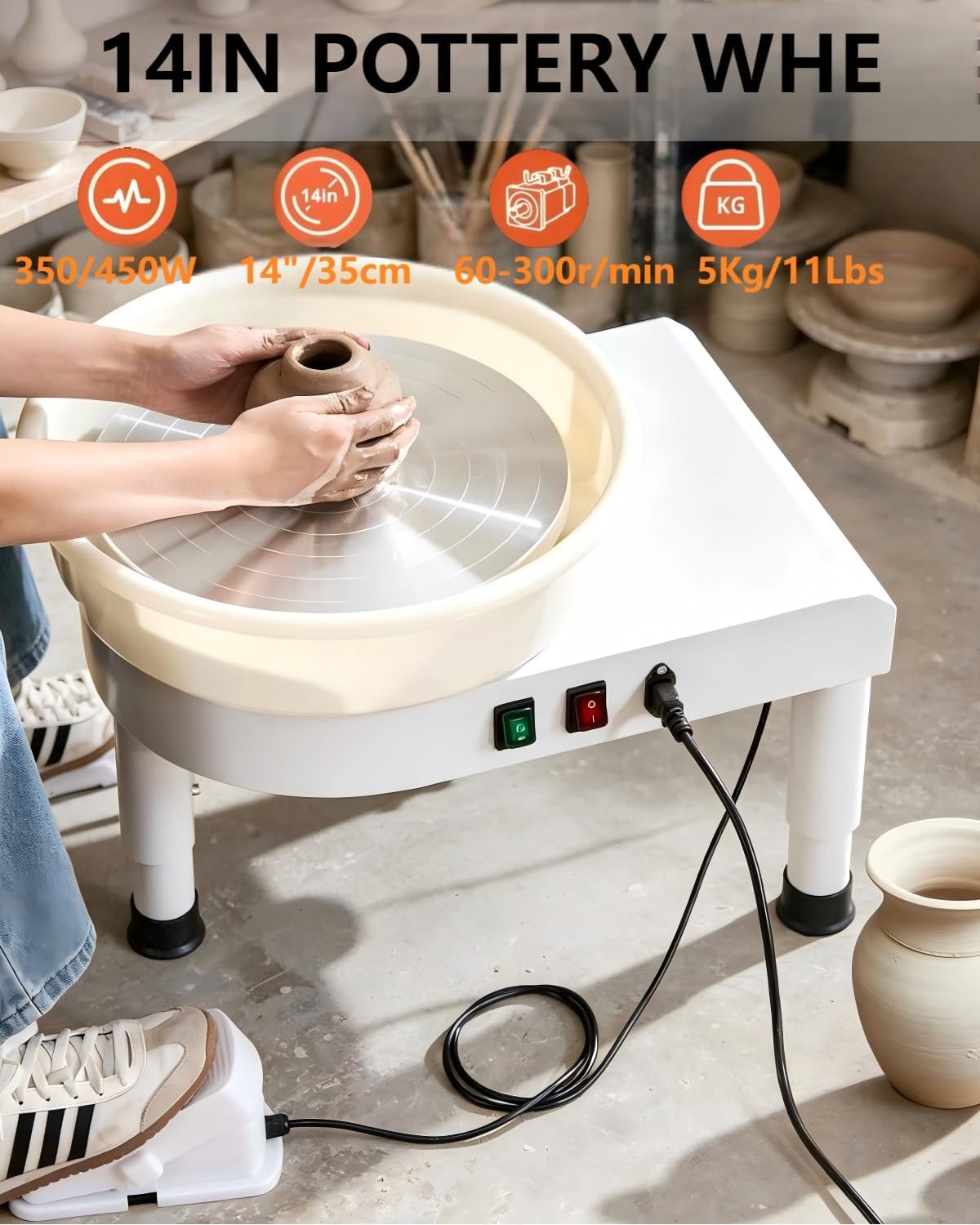
A pottery wheel is a motorized turntable that spins clay so you can center, open, and pull forms; the key trade-off is motor power and wheelhead torque versus portability and budget. Durable wheels deliver constant torque through a belt or direct-drive gearbox at low RPM, while toy-grade units stall under hand pressure. The decision rule: buy at least a 350W brushless or induction motor with a 60–300 RPM range and a 10–14 inch wheelhead for real throwing; skip anything under 300W or with a plastic wheelhead.

Buying guide image
Fabrics & Thread

Polyester Fabric

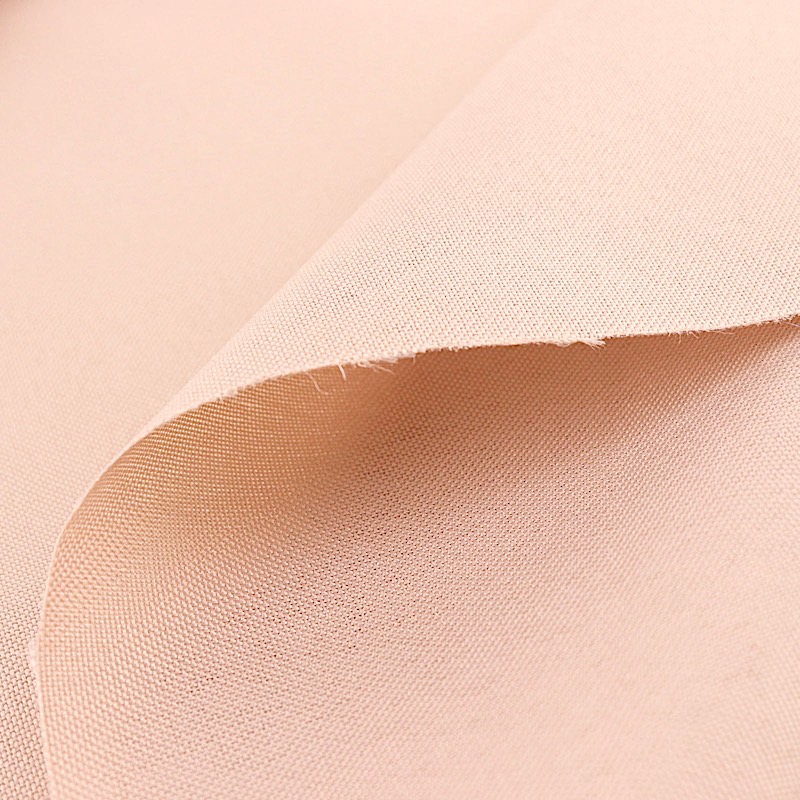
Polyester fabric is a synthetic woven or knit textile sold by the bolt or cut yard, defined by its fiber content and construction (woven, knit, or scuba) rather than by brand. The core trade-off is between crisp, durable woven styles for draping and crafts versus stretch knit or scuba styles for apparel and fitted projects. The decision rule: match the fabric weight and weave to your project's need for drape, stretch, or structure, and skip any bolt without a stated fiber content or weight.

Buying guide image
Fall & Thanksgiving Decorations

Decoration

Fall and Thanksgiving decorations span disposable paper cutouts to reusable wooden centerpieces and LED-lit accents, with the main trade-off being pack quantity versus material durability and storage life. The decision rule is simple: buy vinyl or wood for multi-season reuse, and reserve tissue, foam, and static clings for single-season or kid-friendly displays.

Buying guide image
Stamping, Embossing & Kids' Crafts

Rubber Stamp

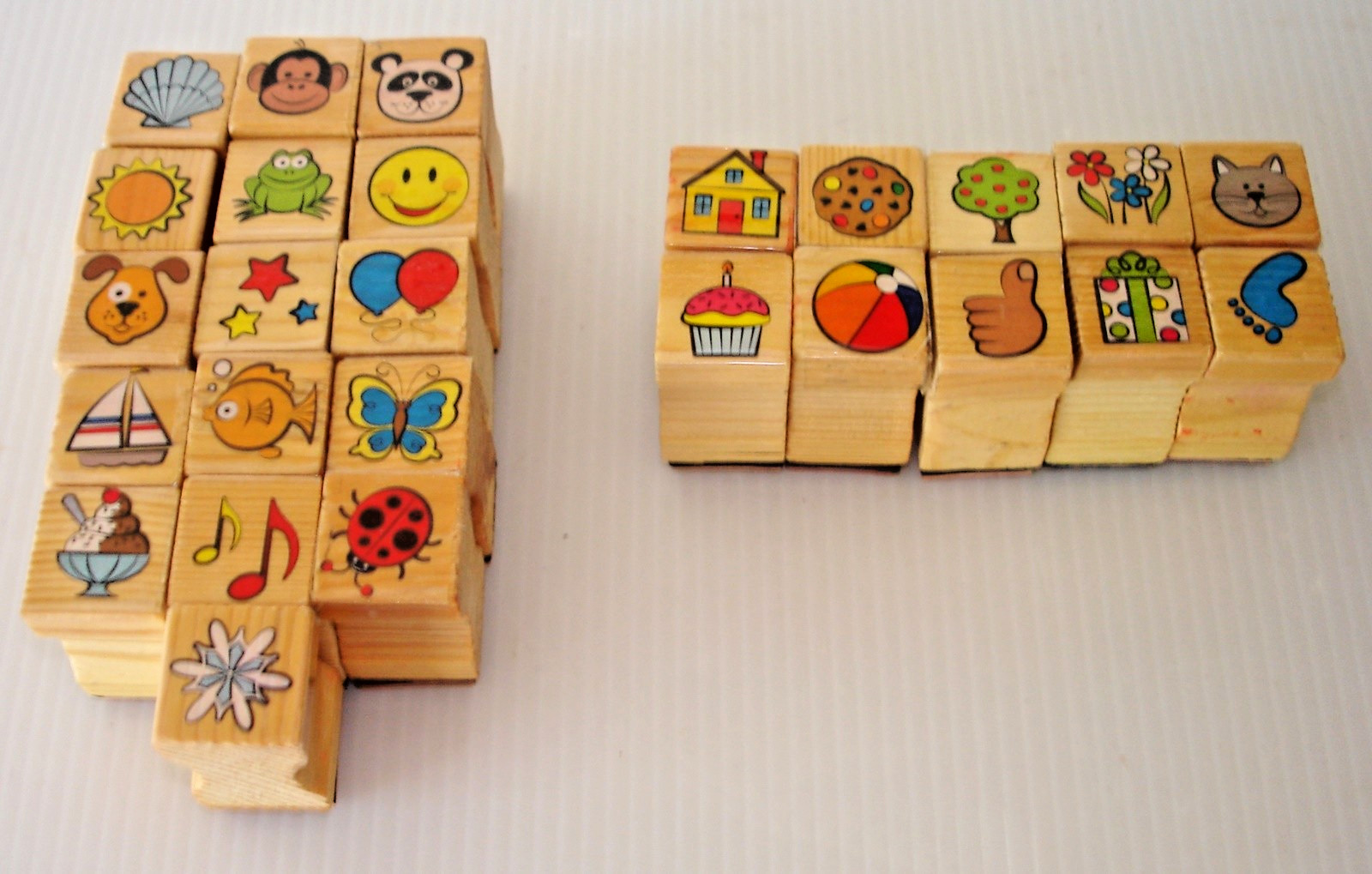
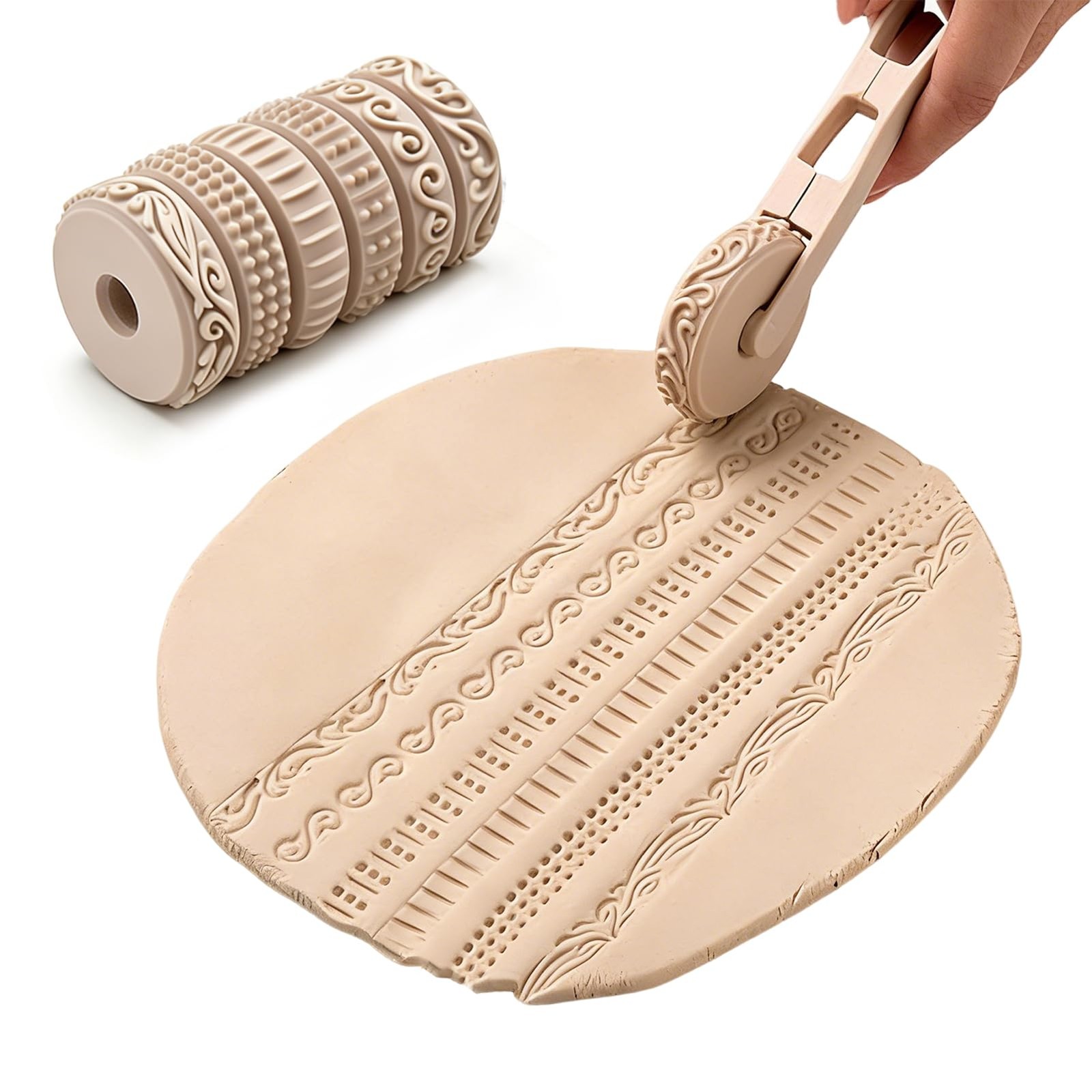
Rubber stamps are ink-transfer tools defined by three build decisions: the stamp face (wood-mounted or clear cling), the rubber grade (laser-cut or vulcanized), and the ink platform (dye, pigment, or solvent). The core trade-off is registration precision and durability versus visibility and placement flexibility. Choose wood-mounted for repeatable pressure and archival card work; choose clear photopolymer when exact placement on fabric or curved clay is required.

Buying guide image
Knitting & Crochet Patterns

Crochet Pattern

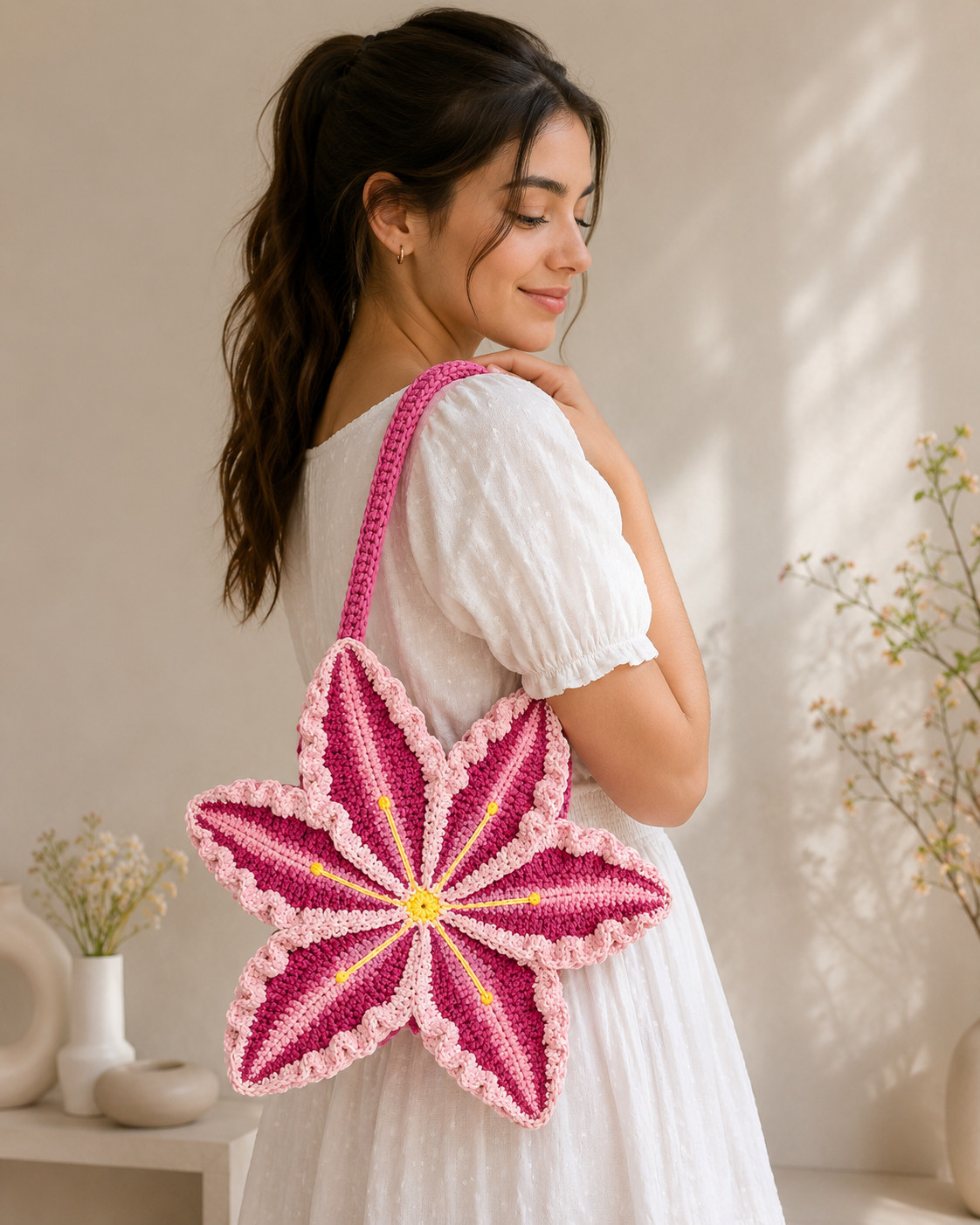
Crochet patterns are the written or charted instructions that turn yarn into finished fabric, and the defining trade-off is between accessibility (clear, tested, beginner-friendly) and ambition (complex colorwork, shaping, and garment fit). A durable pattern is more than a PDF: it is a tested gauge, a stated yarn weight and hook size, and a schematic that survives multiple sizes. The clear decision rule is to buy patterns that state exact yarn weight (CYC category), hook size, and finished measurements; skip any listing that omits gauge or size charts, because you cannot reproduce the result reliably.

Buying guide image
Pottery Tools & Molds

Pottery Tool

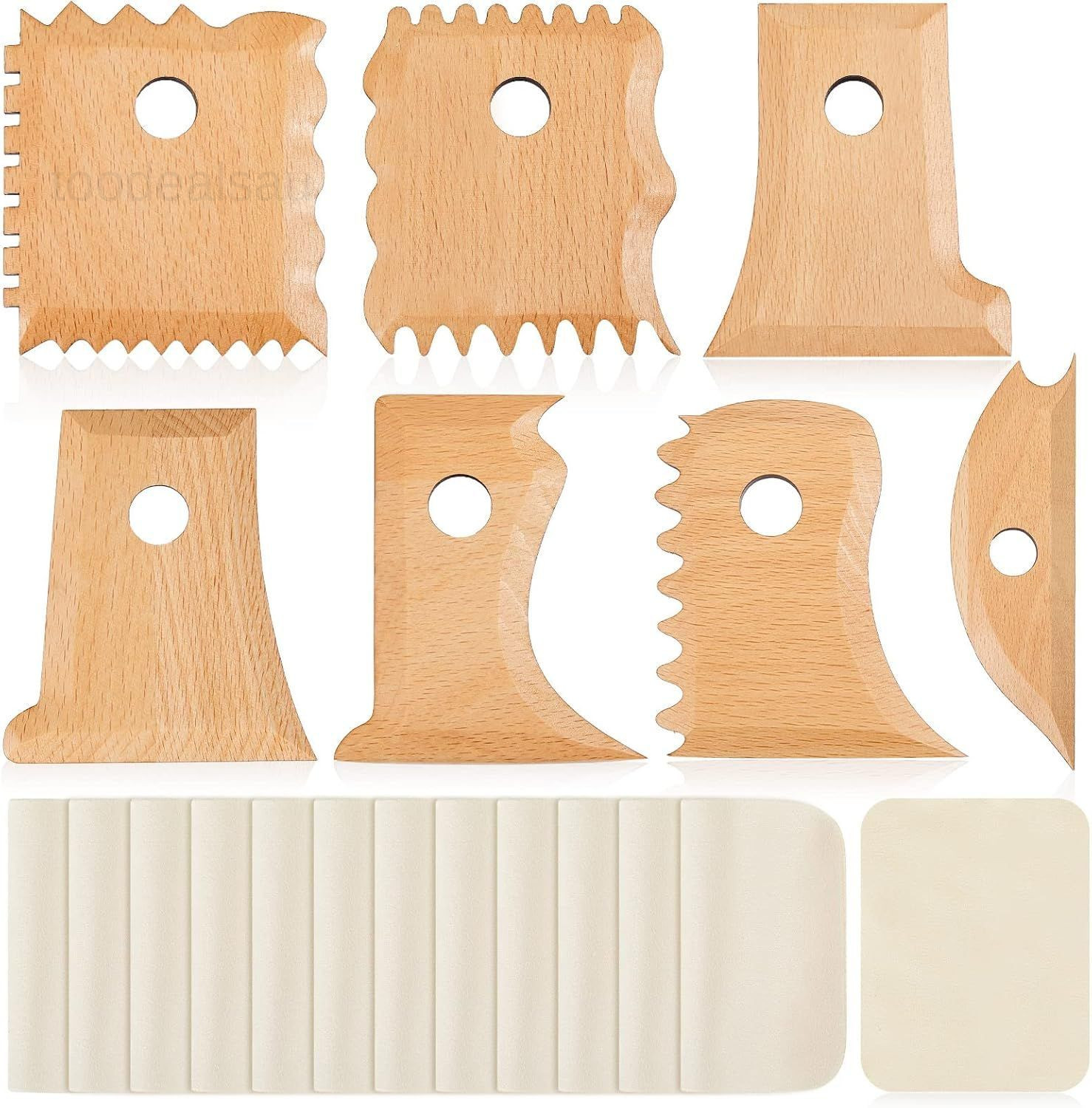
Pottery tools are hand-forming, carving, and texturing implements used across wheel throwing, hand-building, and sculpting; the core trade-off is stainless-steel vs. wood/silicone construction, where wood absorbs water and silicone offers flexible smoothing but lacks edge retention. Durable options use hardened stainless tips, solid beech or bamboo handles, and platinum-cure silicone ribs; compromises use chrome-plated mild steel that bends and painted handles that flake.

Buying guide image
Christmas Decorations

Outdoor Reindeer

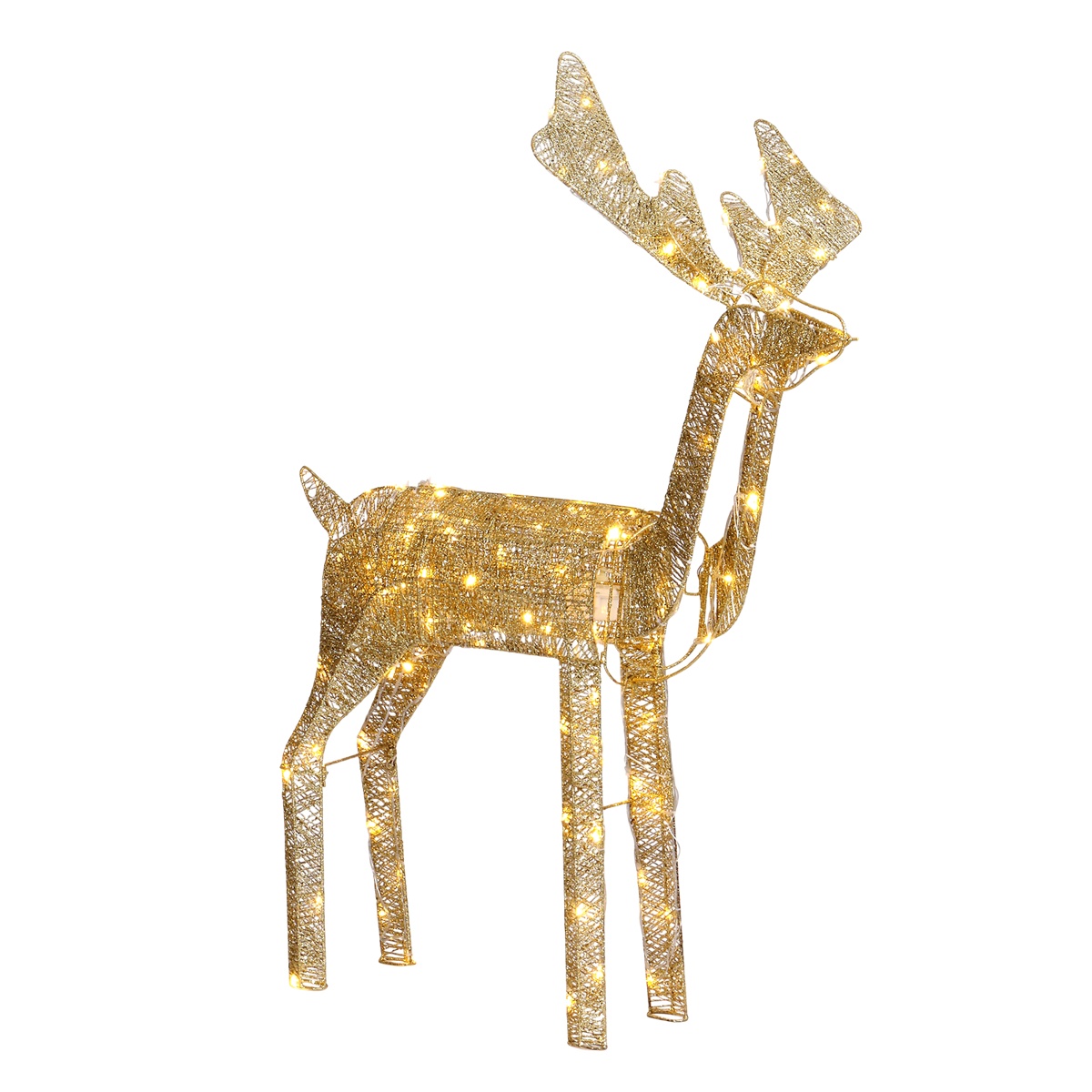
Outdoor reindeer decorations range from lightweight 2D motif silhouettes to motorized 3D figures, and the core trade-off is frame rigidity and weather sealing versus portability and cost. Durable options use welded steel frames, IP44 or better sealed harnesses, and UV-stabilized fabric or PVC; compromises rely on thin wire frames, unsealed controllers, and tinsel that degrades in wind and sun. The decision rule: buy steel-framed, IP44-rated, low-voltage LED units with stake-and-tie anchoring for exposed yards, and skip unrated fabric or plug-in 120V displays for permanent outdoor exposure.

Buying guide image
Pottery Wheels & Kilns

Portable Pottery Wheel

A portable pottery wheel is a compact, often sub-25 lb throwing machine designed for tabletop use, small studios, or classrooms, trading motor torque and wheel-head stability for transportability. The primary trade-off is between lightweight brushed-motor designs with plastic basins and heavier brushless or direct-drive units that hold centering force under load. The clear decision rule: if you routinely throw more than 3–5 lb of clay or need multi-year durability, skip sub-10 lb plastic-body wheels and choose a metal-frame unit with a brushless motor and at least a 12-inch wheel head.

Buying guide image
Pottery Tools & Molds

Clay Tool Kit

A clay tool kit bundles the core shaping, cutting, and texturing implements for hand-building, wheel throwing, and sculpting. The primary trade-off is between low-cost high-piece-count sets with soft stainless and plastic components versus smaller kits built around hardened steel, wood, and silicone that hold an edge and resist corrosion. The clear decision rule: buy for the specific clay body and technique you work in, and treat piece count as a red flag rather than a feature.

Buying guide image
Halloween Decorations

Pumpkin Decoration

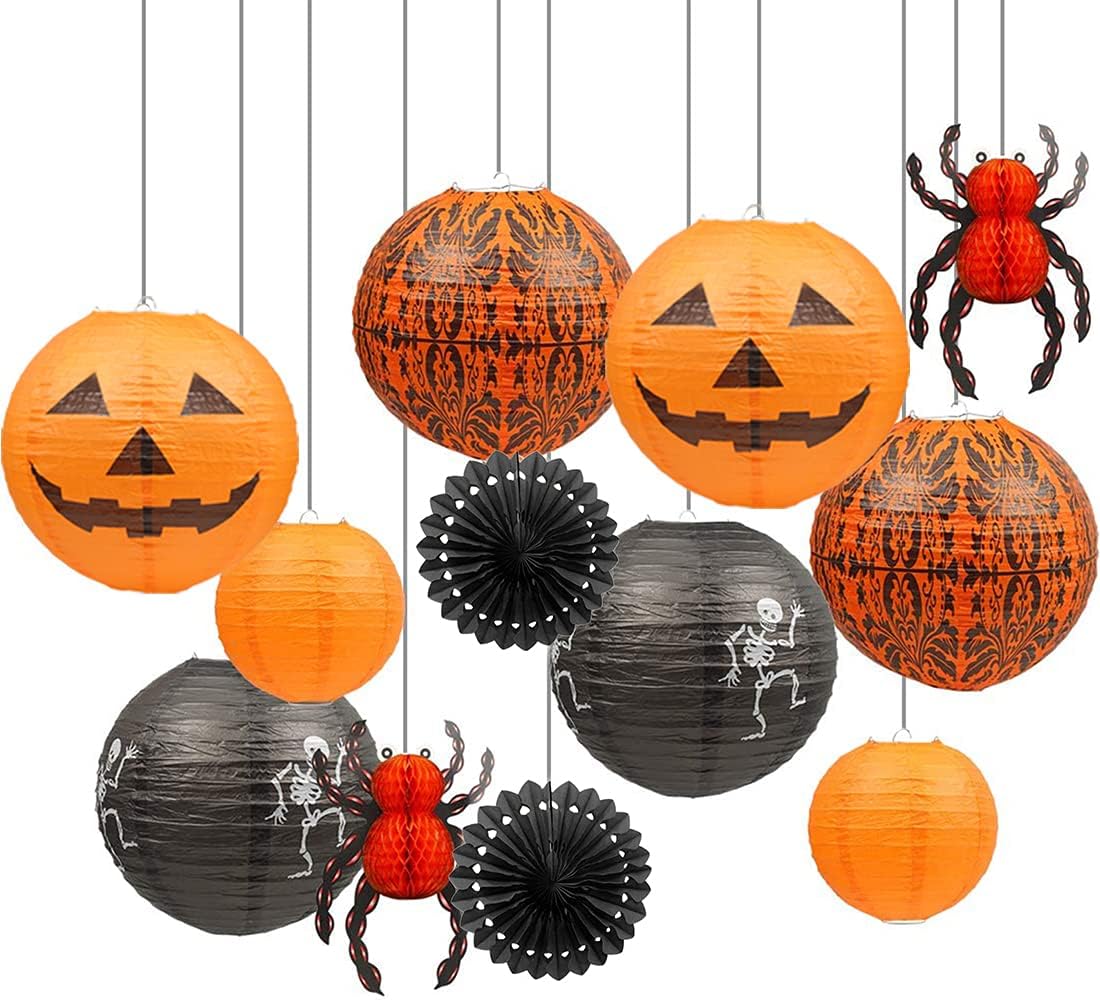
Pumpkin decorations span cheap paper cutouts to plug-in 3ft pop-up LED sculptures, and the deciding trade-off is indoor disposability versus outdoor weatherproofing and power. Durable outdoor pieces use IP44+ sealed LEDs on metal stands, while budget sets are untreated paper or thin vacuform plastic. If it must survive rain and wind, buy only rated plug-in or battery fixtures; for one-season shelf and party use, paper and wood sets are the correct tier.

Buying guide image
Pottery Wheels & Kilns

Pottery Wheel Machine

A pottery wheel machine is a motorized turntable that spins clay for throwing, trimming, and hand-building, and the core trade-off is between lightweight 30–350W tabletop units with ABS basins and heavier 350–450W+ aluminum-head machines with pedal control and real torque at low RPM. The decision rule: buy a wheel rated for continuous duty with a brushless or geared motor and an aluminum wheel head if you plan to throw more than 1–2 lb of clay regularly; choose a compact 30–350W plastic-basin unit only for occasional small-scale craft use.

Buying guide image
Party Supplies & Balloons

Disposable Plate With Lids

Disposable plates with lids are rigid or semi-rigid food-service plates paired with a fitted cover, combining the convenience of single-use tableware with leak resistance and post-meal storage. The primary trade-off is between material stiffness (bagasse, heavy-gauge PP plastic, or coated paper) and lid seal integrity—snap-fit lids on rigid plastic outperform crimped or friction-fit paper lids. The clear decision rule: choose a plate-and-lid system rated as leak-resistant with a snap or press-fit lid for saucy or transported foods, and skip bare paper plates with thin rims for anything beyond dry snacks.

Buying guide image
Pottery Tools & Molds

Clay Tool Set

A clay tool set bundles the cutting, shaping, smoothing, and texturing implements needed to work plastic clay, and the core trade-off is stainless-steel heads with hardwood handles versus chrome-plated or plastic-bodied budget kits that bend and corrode. Buy a set whose wire-loop and ribbon tools are hardened stainless steel with securely seated handles if you fire or work daily; treat sub-20-piece chrome-plated kits as starter/classroom consumables.

You may also like

Finding more guides for you…